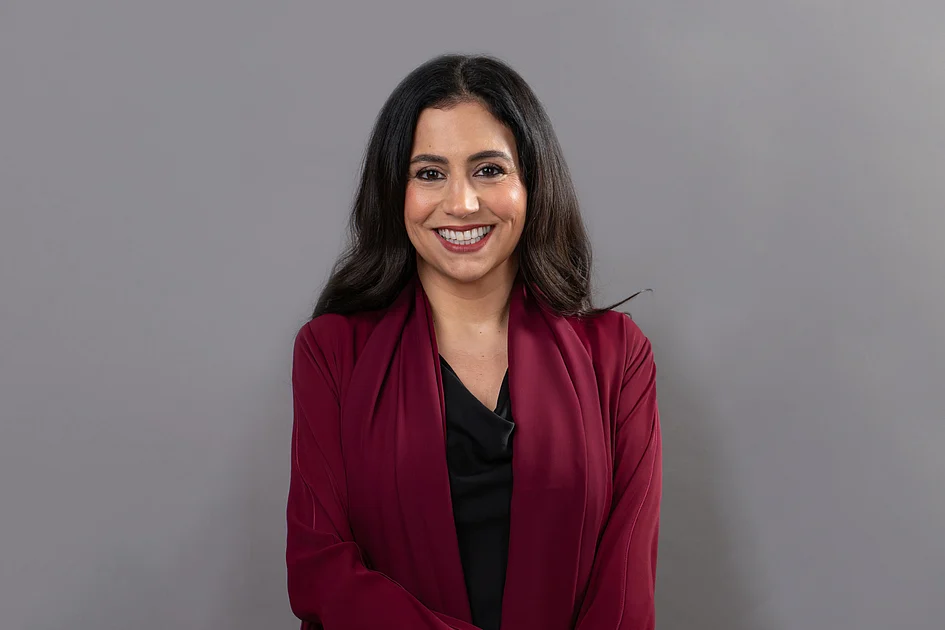
Multiply Group is poised to redefine its position in the global investment landscape following a transformative merger that CEO Samia Bouazza heralds as ‘a whole new beginning.’ Since its listing on the Abu Dhabi Securities Exchange four years ago, the company has tripled its market capitalization, with revenues soaring from Dh300 million to Dh2 billion and Ebitda increasing eightfold. The merger, structured as a share swap, will elevate Multiply’s capital base from Dh2.8 billion to Dh8.64 billion, with total outstanding shares reaching 34.5 billion. A 39% free float is anticipated to enhance trading liquidity and improve index weightings in MSCI, FTSE, and FADX 15. The acquisition of IHC’s stakes in 2PointZero and Ghitha Holding is not merely a financial transaction but a fusion of visions, capital, and AI tools. This strategic move expands Multiply’s reach across six sectors, including consumer-focused industries and energy-driven ventures. The energy portfolio now spans the full value chain, from copper and tin mining in Zambia and Congo to renewable energy exports across 120 countries. Multiply’s consumer portfolio is equally robust, encompassing apparel, beauty, media, mobility, and packaging. Ghitha Holding adds a defensive layer with its focus on food production ‘from farm to fork,’ a sector Bouazza deems essential during economic downturns. The merger positions Multiply for stronger investor inflows and global brand expansion, with operations already spanning 85 countries. Bouazza emphasized disciplined execution in acquisitions, targeting a minimum 15% IRR and Dh1 billion in Ebitda within three years. Organic growth is also accelerating, with subsidiaries scaling across the GCC and Latin America. The merger, pending regulatory approval, is set to create one of the most dynamic energy and consumer platforms in the UAE.
标签: Asia
亚洲
-

Two UK nationals held for train stabbing; police rules out terrorism
In a shocking incident on Saturday evening, two British nationals were apprehended by UK police following a mass stabbing on a train in eastern England. The attack, which occurred shortly after the train departed Peterborough, has been confirmed as non-terrorist-related by authorities. The suspects, identified as a 32-year-old Black British male and a 35-year-old British national of Caribbean descent, were arrested on suspicion of attempted murder. British Transport Police Superintendent John Loveless emphasized that there is no evidence linking the incident to terrorism. Armed police swiftly responded to the scene after receiving alerts around 7:40 PM GMT. The train was cordoned off as a crime scene, with passengers evacuated and provided with space blankets. The East of England Ambulance Service deployed a significant response, including ambulances and air support, to Huntingdon station. Train operator London North Eastern Railway (LNER) warned of major disruptions, urging passengers to avoid travel. Cambridgeshire and Peterborough Mayor Paul Bristow expressed his condolences, describing the event as ‘horrendous.’ This incident highlights the ongoing issue of knife crime in the UK, which Prime Minister Keir Starmer has labeled a ‘national crisis.’ Despite stringent gun controls, knife-related offenses have surged, prompting government efforts to curb their use. Recent data shows a 18% decline in knife murders, yet incidents like this underscore the persistent challenge.
-
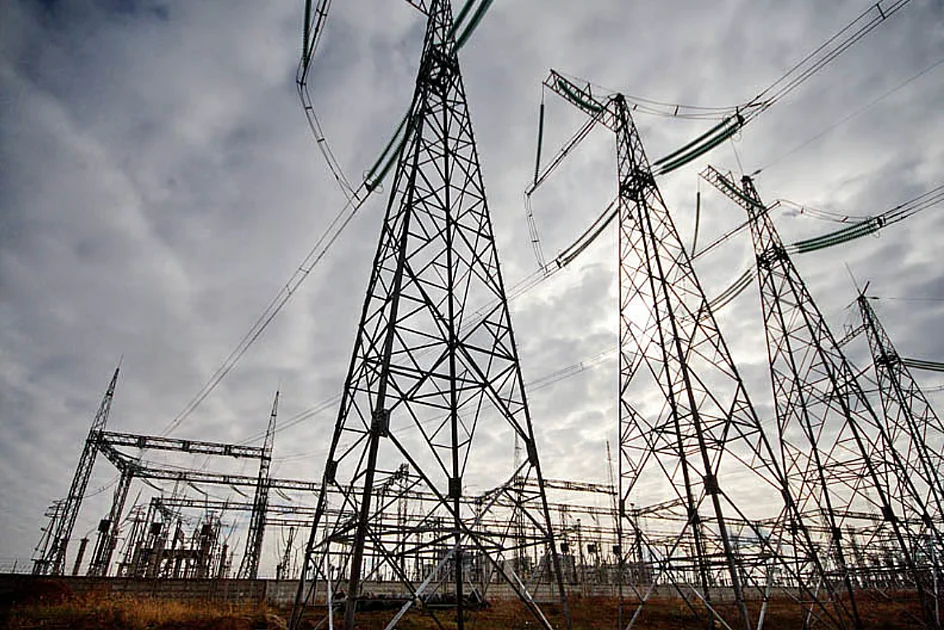
UAE: How AI is driving cleaner, more efficient access to energy worldwide
Artificial Intelligence (AI) is poised to transform the global energy landscape by enhancing efficiency, accelerating the deployment of cleaner power grids, and expanding access to electricity, according to US Secretary of the Interior Douglas Burgum. Speaking at the Abu Dhabi Global AI Summit, Burgum emphasized the convergence of energy abundance and AI, highlighting the technology’s potential to overcome longstanding infrastructure and regulatory challenges. ‘The electrical grid around the world is generally quite inefficient, and we can use AI to get big increases in the efficiency and reliability of the grid,’ he stated. Burgum also underscored the opportunity to uplift developing regions, where millions still rely on wood for cooking and heating, leading to respiratory diseases. ‘We have an opportunity to lift everybody up — that’s part of this energy addition,’ he added. The discussion also addressed the massive infrastructure required to power the AI revolution, with Burgum pointing to Microsoft’s record $84 billion spending plan for building ‘AI factories’ — large-scale data and compute centers. Brad Smith, Vice Chair and President of Microsoft, echoed this sentiment, noting AI’s potential to enhance various sectors, from healthcare and education to clean energy and economic development. Burgum also highlighted the need to cut regulatory bottlenecks to speed up innovation, advocating for accelerated permitting and lower barriers for capital deployment. He tied America’s domestic energy policy to a broader strategy of ‘energy diplomacy,’ aimed at ensuring global stability and supporting allies, including in the Middle East. ‘The US energy policy is about abundance,’ Burgum concluded. ‘We want to have enough energy to be able to sell energy to our friends and allies, so that our allies don’t have to buy from their adversaries.’
-
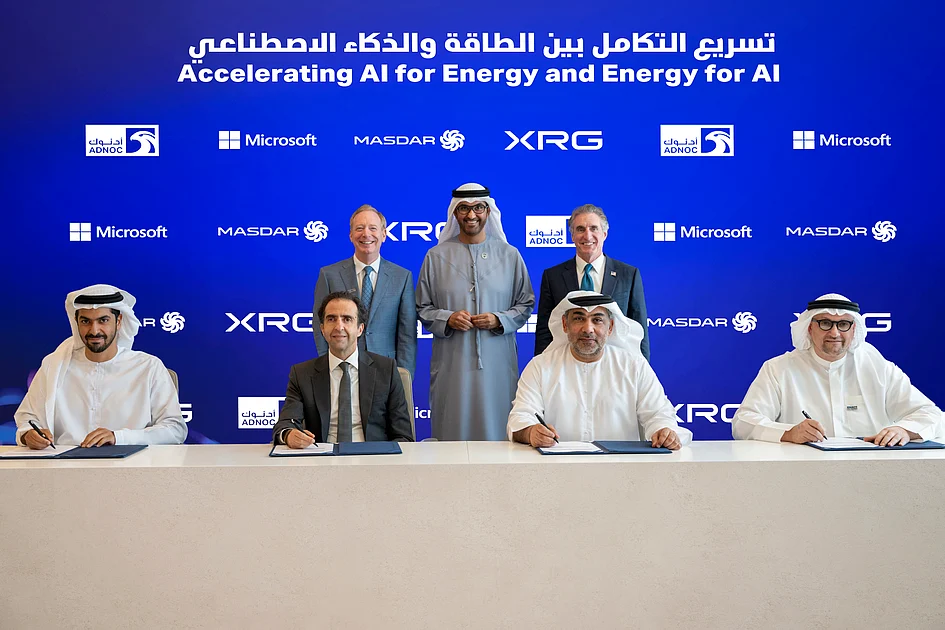
Adnoc, Masdar, XRG, and Microsoft join forces to power the future of AI and energy
In a groundbreaking initiative to revolutionize the energy and artificial intelligence (AI) sectors, Abu Dhabi National Oil Company (Adnoc), Masdar, XRG, and Microsoft have forged a strategic partnership. This collaboration aims to accelerate AI integration across the energy industry and develop sustainable energy solutions to support Microsoft’s expanding global AI and data center infrastructure. The announcement was made at the ENACT Majlis in Abu Dhabi, highlighting the convergence of Adnoc’s industrial expertise, Masdar and XRG’s clean energy leadership, and Microsoft’s digital innovation capabilities. The alliance addresses two critical global challenges: decarbonizing energy systems and meeting the escalating energy demands of AI technologies. Central to the partnership is the co-development of AI agents to enhance operational efficiency, enable autonomous operations, and reduce emissions across Adnoc’s value chain. Microsoft will also provide advanced AI tools and training programs to upskill Adnoc’s workforce, fostering a joint innovation ecosystem for transformative energy solutions. Dr. Sultan Ahmed Al Jaber, UAE Minister of Industry and Advanced Technology and Adnoc Group CEO, emphasized the integration of AI into operations and the advancement of energy systems to power AI. Adnoc has already achieved significant milestones in AI adoption, becoming the first energy company to implement generative AI enterprise-wide through Microsoft Copilot in November 2023. Over 40,000 employees have undergone AI training, resulting in productivity gains exceeding 70,000 hours monthly. Brad Smith, Microsoft Vice Chair and President, stressed the necessity of cross-sector collaboration to achieve a sustainable and secure energy future. The partnership also supports Microsoft’s global AI expansion by leveraging clean energy from Masdar and XRG. Masdar, a global renewable energy leader with a portfolio exceeding 51 GW, aims to scale up to 100 GW by 2030. Together, these organizations are positioning Abu Dhabi as a global hub for energy innovation, setting a new standard for the synergy between AI and clean energy in driving sustainable industrial transformation.
-
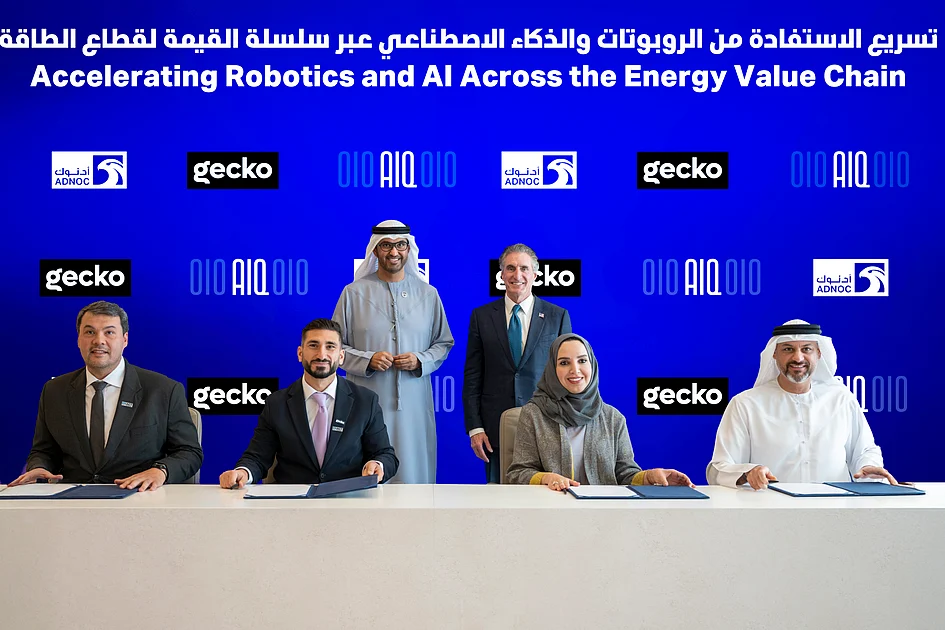
Adnoc and Gecko Robotics forge strategic alliance to power AI and robotics in energy sector
In a groundbreaking initiative to propel the energy sector into the future, the Abu Dhabi National Oil Company (Adnoc) has entered into a strategic partnership with US-based Gecko Robotics. Announced at the ENACT Majlis in Abu Dhabi, this collaboration encompasses three key agreements aimed at integrating artificial intelligence (AI) and robotics into Adnoc’s operations. The partnership signifies a pivotal step in Adnoc’s vision to emerge as the world’s foremost AI-enabled energy enterprise. The agreements include a multi-year technology deployment, a joint effort to enhance skills development for UAE nationals, and an exploration of advanced robotics and AI-powered analytics across Adnoc’s extensive energy infrastructure. Central to this alliance is the implementation of Gecko Robotics’ Cantilever platform, a state-of-the-art operating system that utilizes robotics to gather high-fidelity physical data from industrial assets. This system will be introduced across Adnoc Gas facilities through a new agreement with AIQ, Adnoc’s joint venture with Presight, marking AIQ’s inaugural venture into robotics. Additionally, the partnership will investigate broader applications of robotics and AI within Adnoc’s operations, including the potential local manufacturing of robotic systems in the UAE and the development of AI-driven solutions to boost operational efficiency, minimize downtime, and facilitate predictive maintenance. The third agreement focuses on talent development, with Adnoc Technical Academy (ATA) and Gecko Robotics collaborating on training programs designed to equip UAE nationals with the skills necessary to excel in the increasingly digital energy landscape. Dr. Sultan Ahmed Al Jaber, Adnoc’s Managing Director and Group CEO, emphasized the transformative potential of AI and advanced technology in enhancing efficiency, safety, and performance across Adnoc’s operations. Jake Loosararian, CEO of Gecko Robotics, highlighted the critical nature of the partnership, stating that the energy companies that will lead the AI and energy revolution are those that will evolve into technology companies. This collaboration underscores Adnoc’s dedication to innovation, digital transformation, and talent development, while solidifying the UAE’s status as a global leader in energy and technology.
-
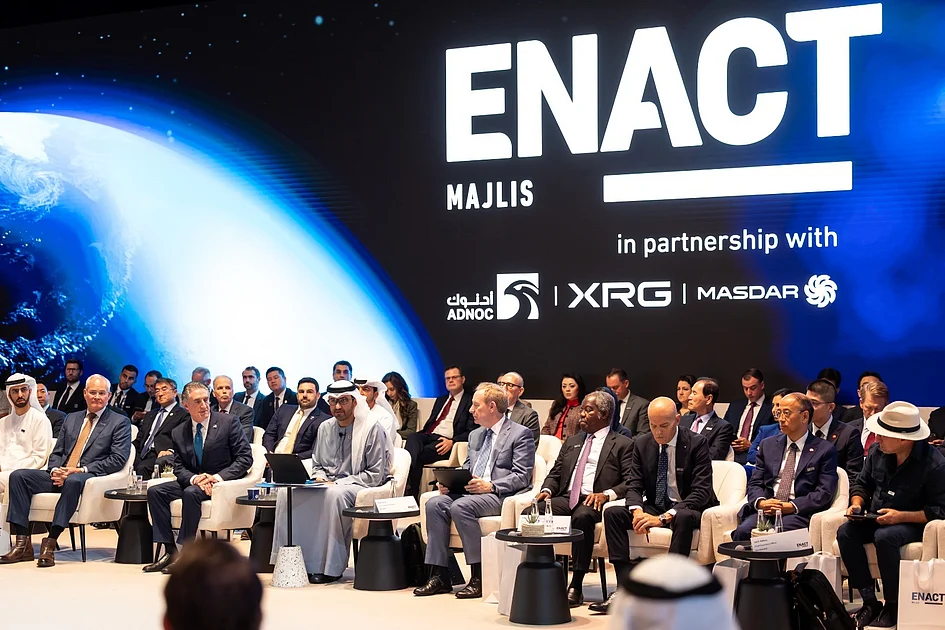
AI’s energy appetite sparks global call for action at ENACT Majlis in Abu Dhabi
The rapid expansion of artificial intelligence (AI) is driving unprecedented energy demands, prompting global leaders to call for urgent action. At the third ENACT Majlis in Abu Dhabi, convened by Adnoc, Masdar, and XRG, over 100 leaders from the energy, technology, investment, and government sectors gathered to address this critical issue. The event highlighted the dual challenges of powering AI-driven growth and meeting escalating energy needs from urbanization, data centers, and transportation. Dr. Sultan Ahmed Al Jaber, UAE Minister of Industry and Advanced Technology and Adnoc Managing Director, emphasized that energy and AI are the ‘twin engines’ of socioeconomic growth but warned that energy-intensive data centers are competing with other major demand drivers. He called for large-scale investments in energy infrastructure, modernized grids, pro-investment policies, and an AI-ready workforce to prepare for future challenges. The ENACT Majlis, held under the Chatham House Rule, builds on previous editions in Abu Dhabi and Washington, D.C., and follows the release of a joint report by Adnoc and Microsoft titled ‘Powering Possible: Unleashing AI for Energy and Energy for AI,’ which explores the interdependence of AI and energy systems.
-
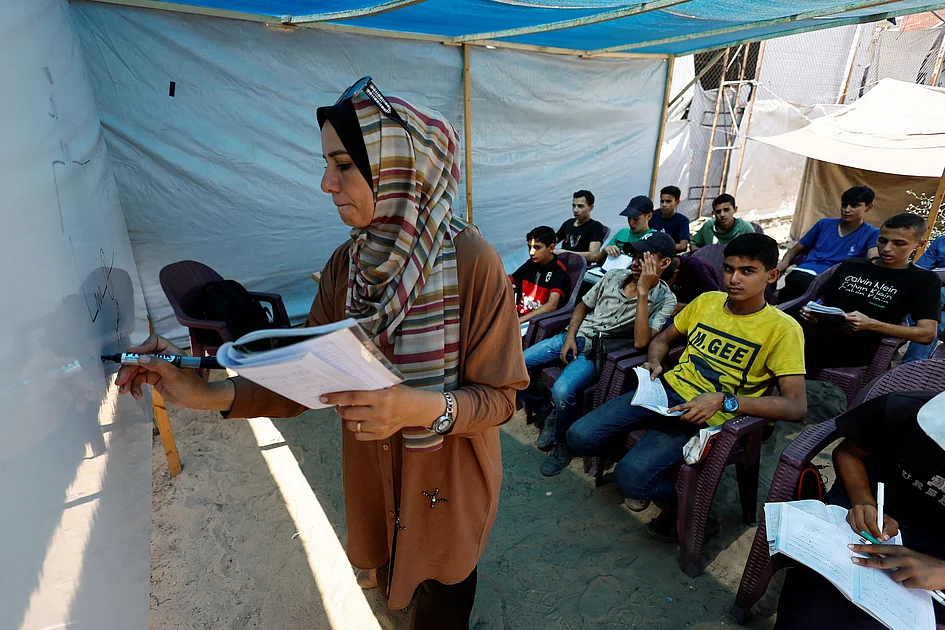
Watch: Gaza children slowly return to school after 2 years of deadly war
In a significant step toward normalcy, children in Gaza are gradually returning to school after a two-year-long conflict that disrupted education and displaced thousands. The United Nations Relief and Works Agency for Palestine Refugees (UNRWA) announced the reopening of some schools in the region following the recent ceasefire. Philippe Lazzarini, the head of UNRWA, shared on social media that over 25,000 students have already joined temporary learning spaces, with approximately 300,000 others expected to attend online classes. At Al Hassaina school in western Nuseirat, classes resumed despite severe shortages of classrooms and resources. The school, like many others, had served as a shelter for displaced families during the war, with laundry lines still hanging across its three floors. Warda Radwan, an 11-year-old student, expressed her excitement about returning to her studies after losing two years of education due to displacement. The school’s courtyard buzzed with activity as young girls participated in morning assemblies, chanting, ‘Long live Palestine!’ Despite the challenging conditions—students sitting on floors without desks or chairs—the children displayed enthusiasm and eagerness to learn. Jenin Abu Jarad, a relative of a student, expressed gratitude for the reopening of schools, noting that children had been deprived of education since October 7, 2023. The gradual return to schooling marks a hopeful step in rebuilding the lives of Gaza’s youth.
-
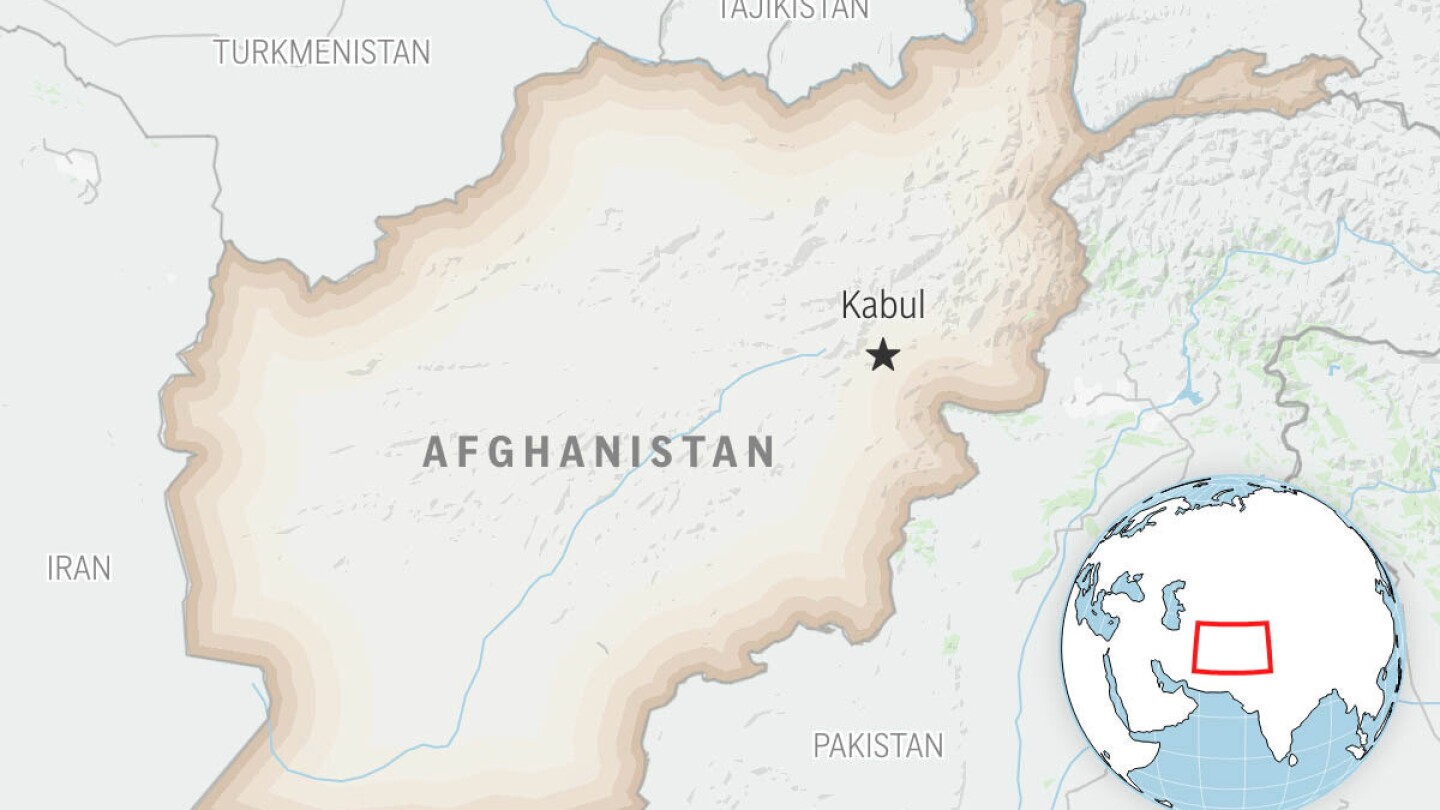
Powerful 6.3 magnitude earthquake shakes northern Afghanistan, killing at least 5 people
A devastating 6.3-magnitude earthquake rocked northern Afghanistan in the early hours of Monday, claiming the lives of at least five individuals and leaving 143 others injured, as reported by Yousaf Hammad, a spokesperson for Afghanistan’s National Disaster Management Authority. The U.S. Geological Survey (USGS) pinpointed the epicenter of the quake at 22 kilometers (14 miles) west-southwest of Khulm, Afghanistan, with a depth of 28 kilometers (17 miles). The tremor struck at 12:59 a.m. local time and was felt across multiple provinces. Most of the casualties and injuries occurred in Samangan province, where the majority of the injured sustained minor wounds and were released after receiving initial medical care. This seismic event follows a series of devastating earthquakes in the region, including a magnitude 6.0 quake in August 2025 that killed over 2,200 people and a magnitude 6.3 quake in October 2023 that left at least 4,000 dead, according to the Taliban government.
-

Sharjah: Man arrested for trafficking, illegally trading protected animals
In a significant crackdown on wildlife crime, Sharjah Police have apprehended an Arab man for the illegal trafficking and trade of protected animals, including endangered storks and foxes. The arrest, announced on November 2, 2025, was the result of a coordinated effort involving multiple authorities. Following the arrest, the confiscated animals were safely relocated to a nature reserve under the supervision of the Sharjah Environment and Nature Reserves Authority and the Ministry of Environment and Climate Change. The accused has been handed over to the public prosecutor to face legal proceedings. Sharjah Police have called on residents to report any suspicious activities related to the illegal acquisition or trade of protected species. This operation was conducted by the Directorate of Investigations and Criminal Investigations in collaboration with the Federal Criminal Police and the Environment and Nature Reserves Authority. The UAE has a history of stringent actions against wildlife crimes. In October 2024, five individuals were arrested in Abu Dhabi for illegal falcon hunting, while in May 2025, a wild cat was captured in Fujairah, resulting in a hefty fine for its owner. Additionally, in 2021, Dubai Police thwarted an attempt to illegally sell a wolf. UAE law imposes severe penalties for such offenses, with fines ranging from Dh10,000 to Dh500,000 for owning dangerous animals without registration. Federal Law No. 24 of 1999 and Law No. 22 of 2005 strictly prohibit the hunting, killing, or capturing of protected species without proper authorization.
-
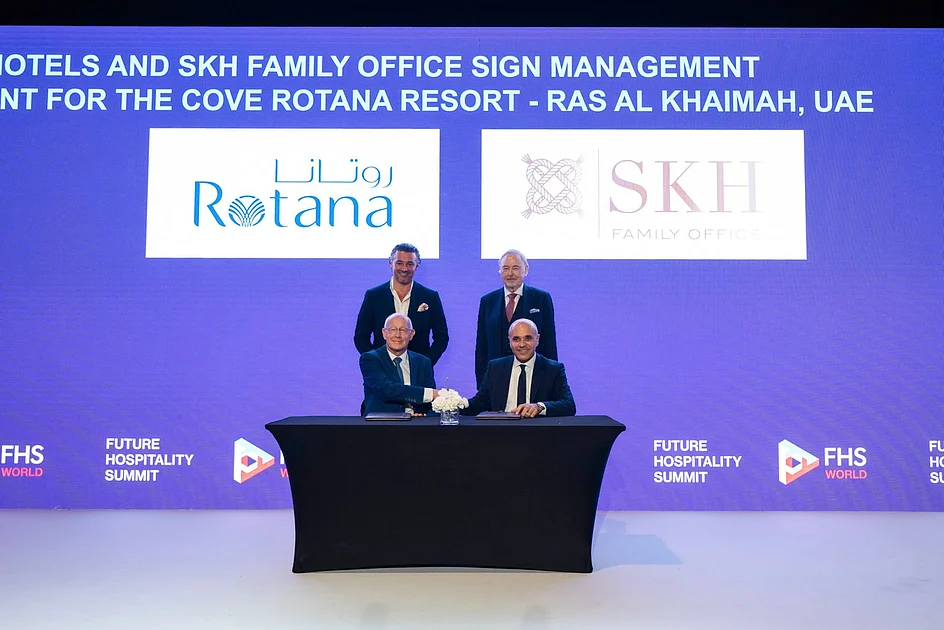
SKH Private Family Office signs hotel management agreement with Rotana for The Cove Resort
In a landmark agreement, SKH Private Family Office and Rotana have unveiled a Dh500 million investment plan to acquire and redevelop The Cove Rotana Resort in Ras Al Khaimah. The partnership, formalized on December 1, 2025, will see SKH Private Family Office spearhead the property’s comprehensive transformation, while Rotana resumes full management and operations for the next 15 years. This collaboration marks a significant milestone for one of the UAE’s most iconic hospitality destinations, reflecting both parties’ confidence in the region’s thriving tourism and investment potential. The signing ceremony, attended by industry leaders, was facilitated by Rasmala Investment Bank, which acted as the financial advisor. Rotana will oversee the resort’s operations, commercial performance, and guest experience, ensuring brand consistency and exceptional value. The investment includes the renovation of guest rooms, villas, restaurants, and leisure facilities, alongside architectural upgrades and the addition of sea-view towers. The project aligns with Ras Al Khaimah’s tourism strategy, which aims to attract 3.5 million visitors by 2030. Philip Barnes, CEO of Rotana, emphasized the resort’s potential to embody the spirit of Ras Al Khaimah and the Rotana brand, while Saqr Kamal Hasan, Founder and Chairman of SKH Private Family Office, highlighted the partnership’s focus on sustainability and regional authenticity. This initiative underscores the UAE’s position as a hub for visionary hospitality developments.