
In the wake of a recent explosion in Delhi, authorities have announced the temporary closure of the iconic Red Fort for three days. The decision comes as a precautionary measure to ensure public safety and facilitate thorough security assessments. High-ranking security officials have convened an emergency meeting to discuss the incident and strategize on enhancing protective measures across the city. The blast, which occurred in a densely populated area, has raised concerns about potential threats to national security. While details of the explosion remain under investigation, the government has urged citizens to remain vigilant and report any suspicious activities. The Red Fort, a UNESCO World Heritage Site and a symbol of India’s rich history, attracts thousands of visitors daily, making its security a top priority. The closure is expected to impact tourism and local businesses, but officials emphasize that public safety takes precedence. This incident underscores the ongoing challenges in maintaining security in urban centers and highlights the need for robust counter-terrorism strategies.
标签: Asia
亚洲
-

Saudi King calls for rain prayer across Kingdom on November 13
In a significant spiritual initiative, Saudi King Salman bin Abdul Aziz has urged citizens across the Kingdom to participate in a special rain-seeking prayer, known as Salat Al-Istisqa, on Thursday, November 13. This call comes as part of a broader regional effort to address prolonged drought conditions and seek divine intervention for much-needed rainfall. The prayer, deeply rooted in Islamic tradition, involves two rak‘ahs (units of prayer) where worshippers repent and beseech God for mercy and relief. It is traditionally followed by a khutbah (sermon) in which the imam emphasizes repentance, charity, and acts of kindness, encouraging the community to seek forgiveness and ease the hardships of others. The Saudi Royal Court issued a statement highlighting the importance of increasing voluntary acts of worship, such as giving charity and performing extra prayers, in the hope of divine relief. This spiritual appeal is not isolated to Saudi Arabia. Neighbouring Kuwait witnessed a similar initiative on November 8, with dozens participating in rain prayers across 125 mosques nationwide. The United Arab Emirates also held a rain prayer on October 17, following a call from President Sheikh Mohamed bin Zayed. These collective efforts underscore the region’s reliance on spiritual practices to address environmental challenges and foster communal solidarity.
-
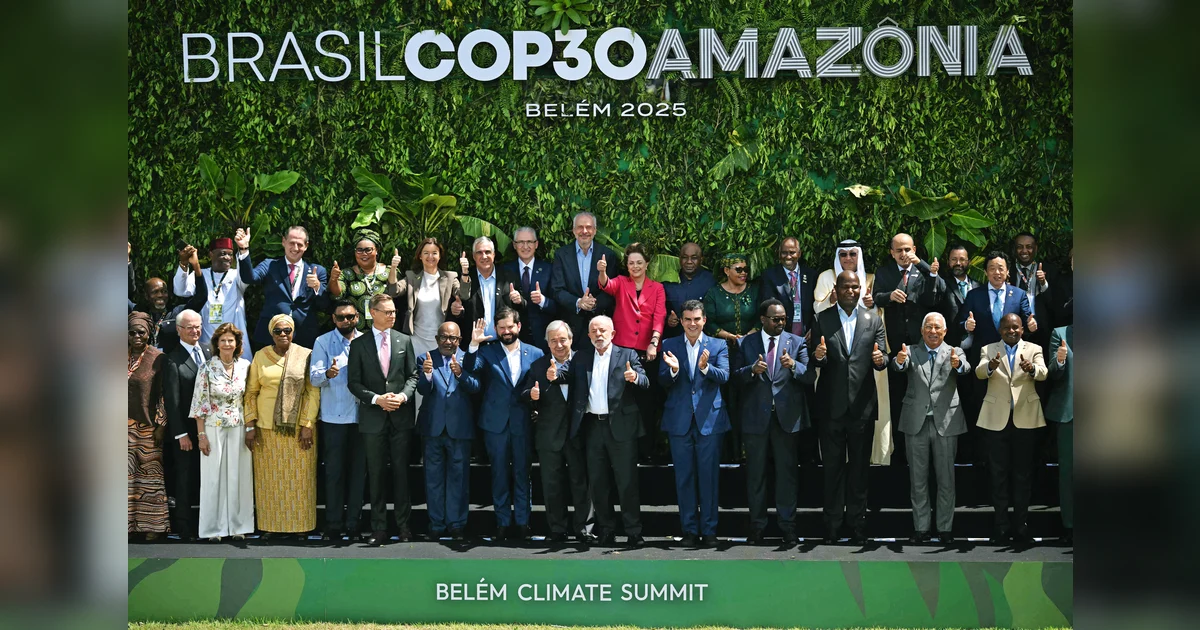
COP30: The Amazon calls for climate action
The 30th UN Climate Change Conference (COP30) commenced on November 10, 2025, in Belém, Brazil, marking a pivotal moment in the global fight against climate change. Hosted at the gateway to the Amazon rainforest, the summit brings together leaders from nearly 200 countries to accelerate efforts on emissions reduction, renewable energy, and climate justice. This year’s conference holds particular significance as it returns to Brazil, the birthplace of the UN Framework Convention on Climate Change (UNFCCC) signed at the 1992 Rio Earth Summit. COP30 is not just another diplomatic gathering but a reckoning with unmet promises and a call for concrete action. Brazil’s presidency has emphasized the need to deliver on past commitments, including phasing out fossil fuels, scaling up renewable energy, and mobilizing climate finance for developing economies. The summit is expected to acknowledge the world’s failure to stay below the 1.5°C threshold, a critical tipping point for catastrophic climate impacts. COP30 also highlights the importance of protecting natural ecosystems, with a focus on inclusion, equity, and environmental justice. The event’s agenda is structured around six key themes: emissions reduction, adaptation, climate finance, renewable energy, biodiversity preservation, and climate justice. Thematic days will delve into topics such as cities, infrastructure, health, energy transition, and food systems, with a closing emphasis on the role of science and technology in driving climate solutions. Participants include representatives from governments, NGOs, academia, and civil society, with a strong presence from the Global South, including the BASIC group (Brazil, South Africa, India, and China). As the first COP held in the Amazon, COP30 symbolizes the urgent need to protect the planet’s vital ecosystems and ensure a sustainable future for all.
-
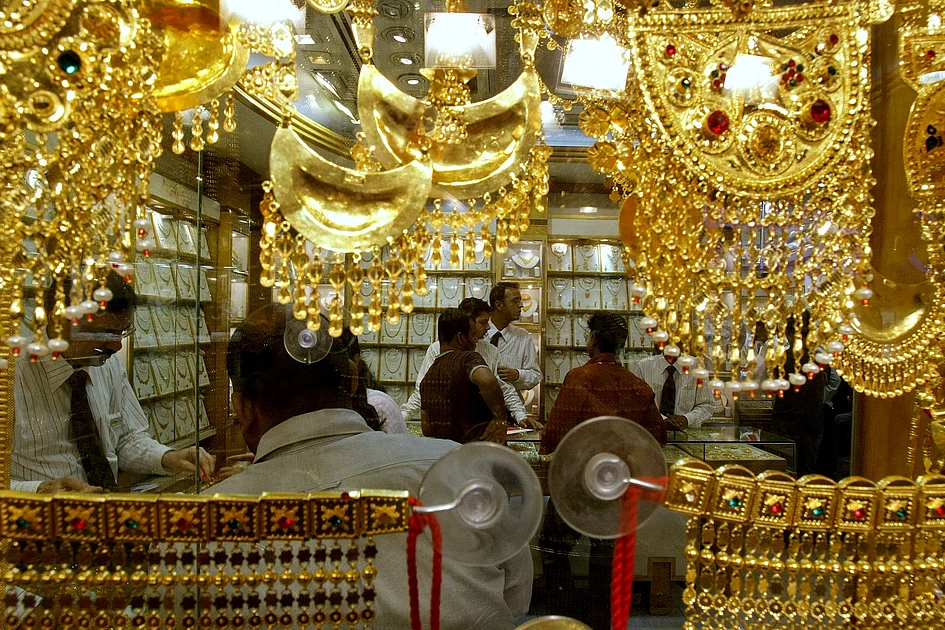
Gold prices in Dubai: Dh13.5 jump pushes 24K closer to Dh500 per gram
Gold prices in Dubai experienced a significant uptick on Tuesday, with 24K gold inching closer to the Dh500 per gram mark. According to data from the Dubai Jewellery Group, 24K gold was trading at Dh499.25 per gram at market opening, reflecting a Dh13.5 increase over the past 24 hours. Similarly, 22K, 21K, and 18K gold were priced at Dh462.75, Dh443.25, and Dh379.75 per gram, respectively. This surge follows a period of easing after a strong rally in global precious metals, driven by softer economic data that has reinforced expectations of interest rate cuts by the US Federal Reserve. Spot gold also saw a rise, trading at $4,138.23 per ounce, up 0.59%, with a notable 3% jump late on Monday. Dilin Wu, a research strategist at Pepperstone, highlighted that central bank purchases, particularly by the People’s Bank of China (PBoC), have provided steady support for gold. However, shifting market expectations around a potential December Fed rate cut are limiting further gains. Wu noted that gold has been trading in a range-bound pattern, with bulls maintaining a modest edge. He added that a sustained push above $4,100 could open the door to further gains, while a drop below $4,000 might see support at $3,880–$3,900. Safe haven buying has been a key driver of recent gold support, as concerns over valuations have led to significant pullbacks in global tech stocks and AI-related equities. This has prompted a shift into defensive assets like gold. Additionally, central bank purchases, including those by the PBoC, Poland, Turkey, and other emerging markets, have provided structural support, complementing safe-haven flows and bolstering gold’s position.
-
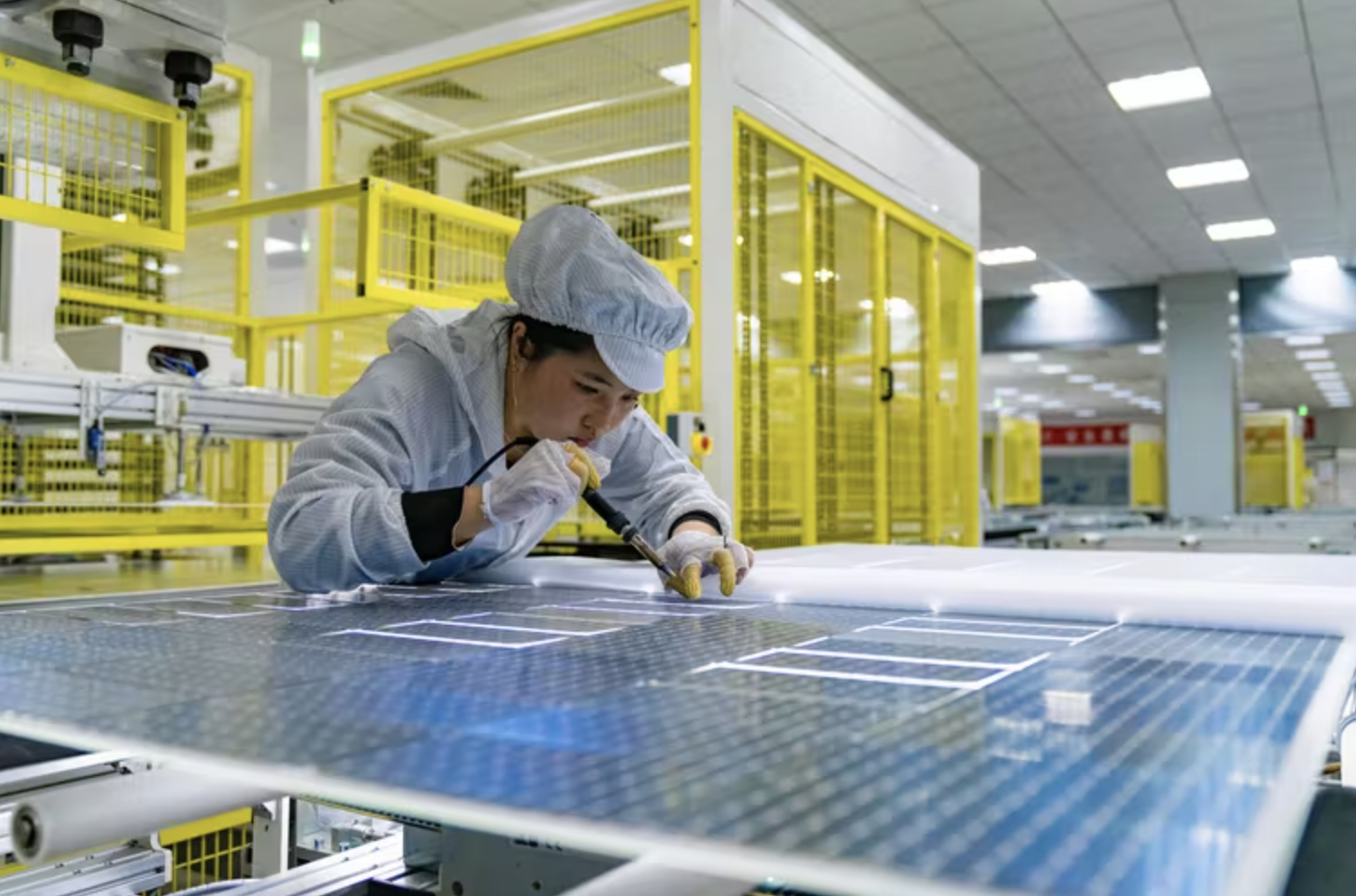
China’s clean energy dominance is COP30’s real story
As COP30 commences in Belem, Brazil, the global climate discourse remains centered on pledges and targets. However, the tangible shift in the clean energy transition is already evident in global markets, with China emerging as the epicenter of this transformation. China has seamlessly integrated its climate ambitions into a robust industrial strategy, leading the charge in solar, wind, battery, electric vehicle, and grid technology sectors. Its influence now extends to global cost structures, supply chains, and market expectations. By the end of 2024, China had exceeded its 2030 target for installed wind and solar capacity, reaching approximately 1,400 gigawatts, according to the National Energy Administration. This year marked a historic milestone as renewable capacity surpassed fossil fuel power for the first time. The International Energy Agency projects that China will account for nearly 60% of all new global renewable power capacity installed through 2030. This expansion has fundamentally altered energy economics, with industrial scale driving down the costs of solar modules, wind turbines, and batteries to levels that make clean power competitive without subsidies in most regions. China now controls over 80% of the global solar manufacturing supply chain and dominates electric vehicle and storage battery production. These developments are reshaping the global cost base, influencing corporate margins, trade balances, and valuations across continents. Equity markets are adjusting to this new energy reality, with overcapacity in solar manufacturing leading to fierce price competition within China. The ripple effect outside China is supporting suppliers of critical materials like copper, lithium, nickel, and rare earths, as well as grid operators and logistics companies serving new energy infrastructure. Credit markets are evolving in parallel, with green and transition bonds linked to Chinese exports multiplying. Emerging market issuers are financing renewable projects built with Chinese technology, creating a new layer of investable debt and strengthening balance sheets tied to the energy transition. Private equity and infrastructure funds are positioning accordingly, with Belt and Road energy projects shifting focus from coal to solar and wind. Regional developers are securing Chinese components to meet domestic decarbonization targets, transforming clean power from a cost to a growth engine across multiple regions. Despite these advancements, challenges remain. China’s grid struggles to absorb the rapid expansion in renewable generation, some provinces face curtailment, and local debt constraints slow new approvals. Coal remains an important stabilizer of power sources, yet the percentage of clean power generation continues to rise, with policy direction remaining consistent and focused. The investment implications are clear: China’s dominance has made clean energy the world’s most powerful source of cost deflation in real assets, driving new cycles of industrial demand, commodity use, and infrastructure spending. Exposure to this transformation can take many forms, including listed renewables, metals critical to electrification, utilities integrating advanced storage, and the financing structures that link these sectors. While many governments view China’s rise through a political lens, markets perceive it through a structural one. Industrial ecosystems of this scale cannot be duplicated quickly, representing decades of accumulated capital and experience. Energy security, competitiveness, and productivity will increasingly depend on access to China’s clean energy ecosystem. Economies that hesitate to match this approach risk losing growth and influence in the decades ahead. The clean energy transition is no longer an aspiration but a functioning global market with China at its core. The combination of technology, capital, and industrial discipline emerging from Beijing, Shanghai, and Shenzhen is setting the direction of economic opportunity across Asia, the Middle East, and Africa. Ignoring this shift won’t shield capital from its consequences but would mean missing one of the defining sources of sustainable return in the contemporary global economy.
-
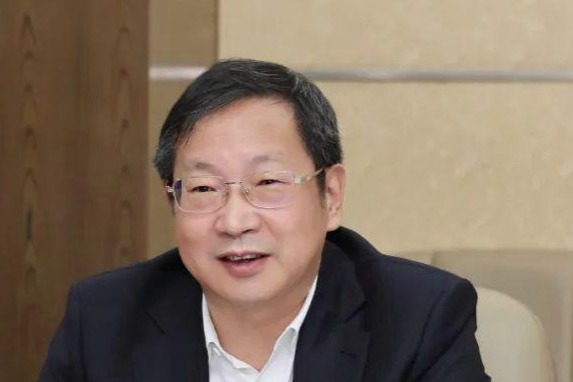
Former CPC chief of Pudong New Area in Shanghai prosecuted for bribery
Zhu Zhisong, the former secretary of the Communist Party of China (CPC) Pudong New Area District Committee in Shanghai, has been formally prosecuted on charges of bribery. The case, filed by the Nanchang Municipal People’s Procuratorate in Jiangxi province, has been transferred to the Intermediate People’s Court of Nanchang for further proceedings. The Supreme People’s Procuratorate (SPP) disclosed that Zhu allegedly exploited his influential positions in Shanghai to benefit others in exchange for substantial sums of money and valuable assets. This legal action follows a comprehensive investigation conducted by the National Commission of Supervision, underscoring China’s ongoing efforts to combat corruption within its political ranks. The case highlights the stringent anti-corruption measures being enforced by the CPC, aiming to maintain integrity and public trust in governance.
-
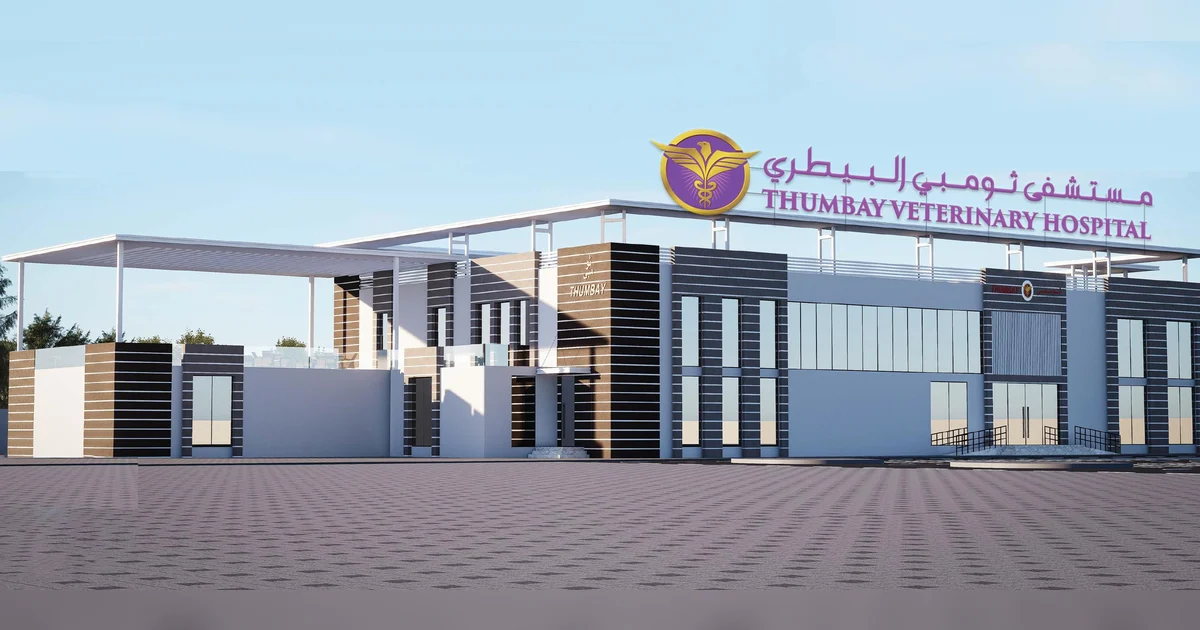
Gulf Medical University’s Doctor of Veterinary Medicine Programme receives CAA approval
Thumbay Group has taken a significant leap forward in its mission to integrate human, animal, and environmental health by launching a comprehensive veterinary ecosystem under its One Health philosophy. This initiative, anchored by the newly approved Doctor of Veterinary Medicine (DVM) programme at Gulf Medical University (GMU), marks a pivotal moment in the UAE’s healthcare and education landscape. The programme, which has received initial accreditation from the Commission for Academic Accreditation (CAA), UAE, aims to address the region’s growing demand for veterinary expertise amid rising pet ownership, livestock health concerns, and food security challenges. The DVM programme will admit 60 students annually, offering a globally aligned curriculum supported by over 30 academic and industry partnerships. These collaborations include prestigious institutions such as the Royal Veterinary College in London and Don State Technical University in Russia, ensuring students gain access to advanced diagnostics, clinical rotations, and research opportunities. Thumbay Group’s broader veterinary ecosystem includes the Thumbay Veterinary Clinic in Sharjah, a forthcoming veterinary hospital in Thumbay Medicity, and additional clinics and labs across Dubai and Ras Al Khaimah. Professor Manda Venkatramana, Chancellor of GMU, emphasized the programme’s alignment with the One Health approach, which is increasingly recognized as a global necessity. The initiative not only prepares graduates for clinical practice but also supports the UAE’s development goals in public health, food security, and scientific innovation. With applications now open, the programme invites aspiring veterinarians to join this transformative journey towards a healthier, more interconnected world.
-
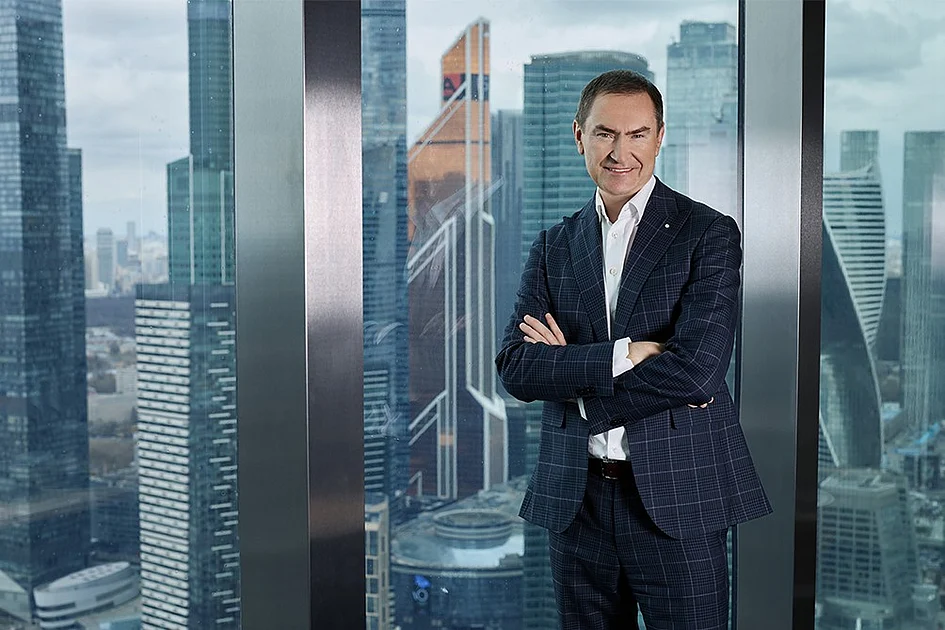
Russia contributes to building the global AI architecture
As artificial intelligence (AI) continues to reshape the global economy and society, Russia is emerging as a key player in fostering international collaboration and regulation in the field. Alexander Vedyakhin, Sberbank’s first deputy chairman of the executive board, highlights Russia’s leadership in the BRICS AI Alliance Network and its efforts to expand AI cooperation globally. Established in 2024, the AI Alliance Network unites 17 industry-specific associations from 14 countries, including BRICS+ members and nations like Azerbaijan, Belarus, and Serbia. In 2025, Russia chairs the Secretariat, spearheading the Global AI Horizons foresight research project, which involves over 200 scientists from 25 countries. The Alliance focuses on joint educational initiatives, AI regulation, and ethical frameworks, aiming to create a human-centered foundation for AI development. Efforts are underway to include Arab nations such as Bahrain, Egypt, and the UAE, whose cultural and linguistic diversity is crucial for AI’s global evolution. The BRICS+ AI Success Hub, in partnership with UNIDO, will serve as a platform for sharing AI implementation case studies. Russia also emphasizes the need for a unified global AI regulatory framework, advocating for safety, ethics, and innovation. The annual AI Journey conference, held in Moscow, further promotes AI research and dialogue, attracting global experts and young researchers. Russian AI solutions, such as GigaChat, are gaining traction in BRICS markets, supported by localization efforts and partnerships. The Russian AI Casebook, featuring over 600 implementation cases, showcases the country’s advancements in AI applications across industries. Harmonizing AI standards among BRICS members remains a priority to ensure seamless technology exchange and integration.
-
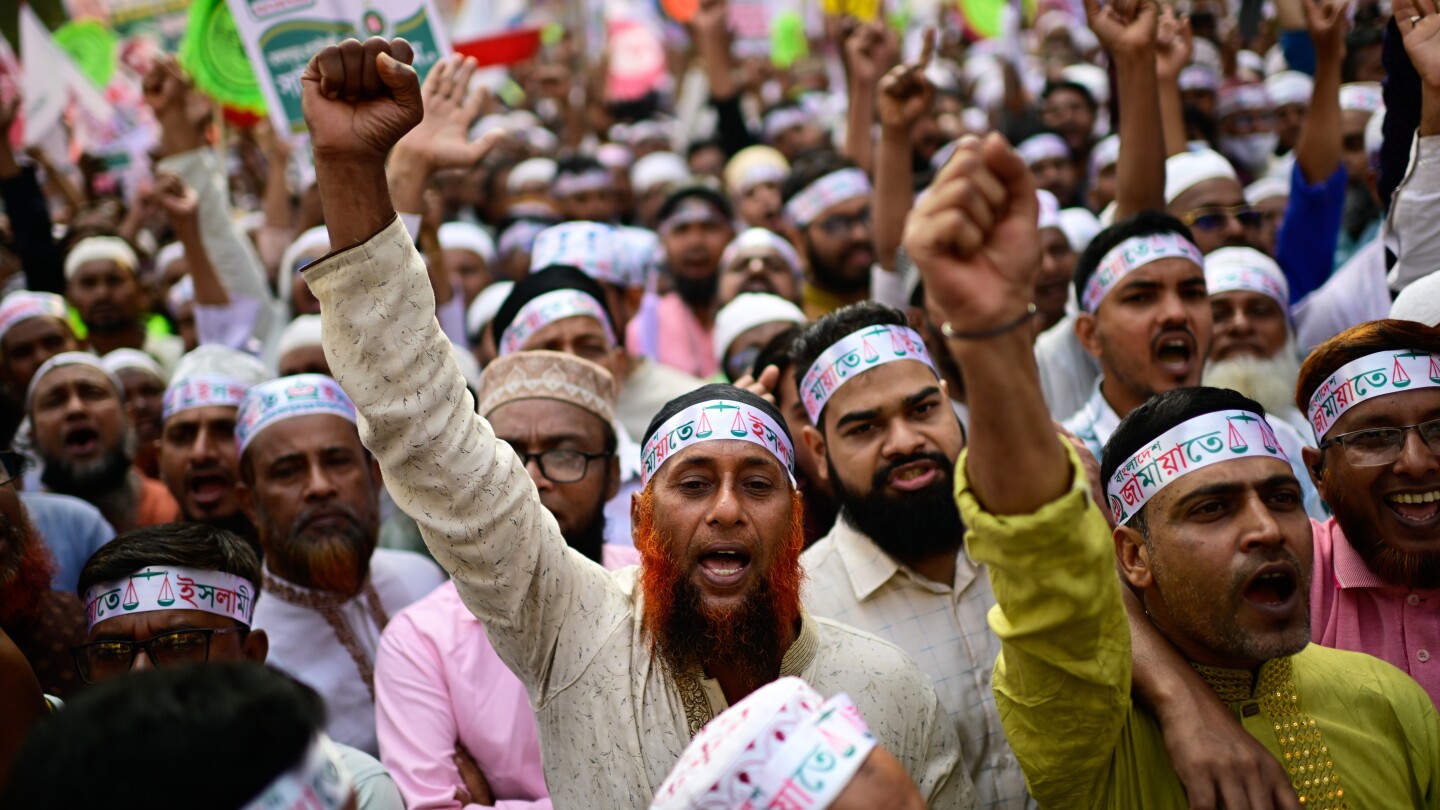
Islamists in Bangladesh demand a referendum on the national charter ahead of a general election
In Dhaka, Bangladesh, thousands of Islamist supporters gathered on Tuesday to demand the interim government legalize the ‘July National Charter,’ a proposed framework for political reforms. The rally, organized by the Jamaat-e-Islami party and seven other political groups, emphasized that the upcoming general election, slated for early 2026, cannot proceed without a legally binding roadmap for constitutional changes. The charter, named after the July 2024 uprising that led to the ouster of former Prime Minister Sheikh Hasina, aims to introduce checks and balances to prevent authoritarianism, including term limits for legislators and measures to combat corruption. Currently nonbinding, the charter requires a referendum to become part of the constitution, a process only Parliament can initiate in Bangladesh’s parliamentary democracy. The interim government, led by Nobel Peace Prize laureate Muhammad Yunus, proposed the roadmap following Hasina’s removal in August 2023. The Bangladesh Nationalist Party, headed by former Prime Minister Khaleda Zia, has endorsed the charter, while Hasina’s Awami League remains banned, and she faces trial for alleged crimes during last year’s uprising. Supporters at the rally insisted that the 2026 election must be conducted under a proportional representation system and that the charter must be legally binding. Meanwhile, a special tribunal is set to announce a verdict date for Hasina’s trial on Thursday, as Bangladesh’s political future remains uncertain under Yunus’s leadership.
-

Esha Deol denies father Dharmendra’s death reports by media
In a heartfelt Instagram post on Tuesday, Bollywood actress Esha Deol vehemently denied widespread media reports claiming the demise of her father, veteran actor Dharmendra. Addressing the public, Esha clarified that her father is “stable and recovering” and urged the media to refrain from spreading unverified news. She also requested respect for her family’s privacy during this challenging period. The false reports had earlier led to confusion, with Indian Defence Minister Rajnath Singh even tweeting condolences, which were later deleted. Esha’s statement aimed to quell the rumors and provide clarity amidst the misinformation circulating online. The incident highlights the need for responsible journalism, especially when dealing with sensitive personal matters involving public figures.