标签: Asia

亚洲

  • UAE flying taxis: Archer to deliver additional aircraft in 2026, ahead of commercial launch

    UAE flying taxis: Archer to deliver additional aircraft in 2026, ahead of commercial launch

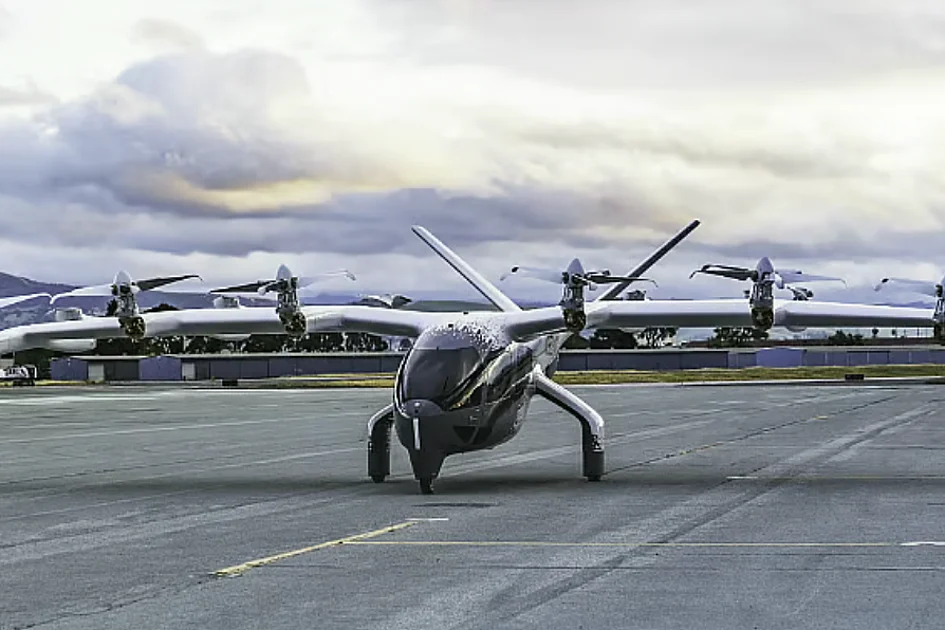
    The United Arab Emirates (UAE) is poised to become the global leader in urban air mobility as Archer Aviation, a US-based electric vertical takeoff and landing (eVTOL) aircraft manufacturer, prepares to deliver an additional aircraft in 2026. This milestone precedes the anticipated commercial launch of air taxi services in the UAE, marking a significant leap in futuristic transportation. Archer Aviation’s Chief Commercial Officer, Nikhil Goel, revealed these plans during an interview, highlighting the company’s partnership with Abu Dhabi Aviation and its ongoing collaboration with the UAE’s General Civil Aviation Authority (GCAA).

    In July 2025, Archer conducted a landmark test flight of its Midnight aircraft in front of the iconic Sheikh Zayed Grand Mosque in Abu Dhabi. This trial, part of a broader campaign to ensure operational efficiency in extreme heat, marked Archer’s first flight test outside the United States. Goel described the event as a pivotal moment, emphasizing its symbolic significance in the heart of the city. The company plans to continue its flight tests in the region, with the goal of certifying the aircraft and commencing passenger operations.

    Goel also disclosed that Abu Dhabi Aviation has already made substantial payments, in the seven-figure range, to Archer as part of their commercial agreement. These payments will enable the company to recognize revenue starting next year. Additionally, Archer is making rapid progress in obtaining certification from both the GCAA and the US Federal Aviation Administration (FAA).

    The UAE’s pioneering efforts in urban air mobility have garnered significant interest from other Middle Eastern nations, which are now exploring similar initiatives. Goel noted that regional countries are keen to replicate the UAE’s collaboration with Archer and the GCAA to bring flying taxi services to their own markets. The UAE is expected to be the first country globally to commercially launch flying taxis, solidifying its position as a hub for innovation and cutting-edge technology.
  • Dubai Taxi Company posts 28% surge in Q3 on strong mobility demand

    Dubai Taxi Company posts 28% surge in Q3 on strong mobility demand

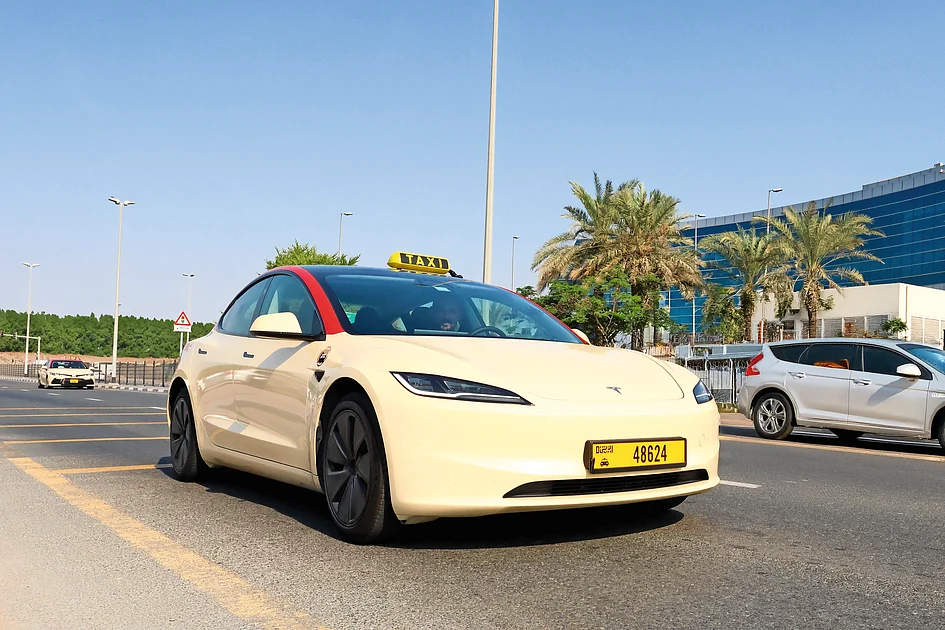
    Dubai Taxi Company PJSC (DTC) has announced a remarkable 28% year-on-year increase in net profit for the third quarter of 2025, reaching Dh76.4 million. This growth was fueled by heightened trip volumes and sustained demand across its mobility services. The company’s revenue also saw a significant boost, climbing 15% to Dh585.3 million, driven by fleet expansion and a 7% rise in completed trips, totaling 13.1 million across taxi and limousine services. Ebitda surged 23% to Dh151.4 million, with margins improving to 26%, up two percentage points from the previous year. The taxi segment remained the primary revenue generator, contributing Dh506 million, a 12% increase year-on-year, as the operational fleet expanded to 6,215 vehicles, including 401 fully electric units. Limousine revenue saw a modest 1% rise to Dh27.8 million, while the bus segment nearly doubled its revenue to Dh29.8 million, following revised contract terms with a major client. Delivery bike services experienced a 62% surge, reaching Dh18.3 million, reflecting robust growth in the on-demand delivery market. DTC distributed Dh160.7 million in dividends for the first half of the year in August, adhering to its policy of paying out at least 85% of annual net profit. The company concluded the quarter with a net debt-to-Ebitda ratio of 1.5x and a cash balance of Dh68 million. CEO Mansoor Rahma Alfalasi highlighted the company’s disciplined execution and operational excellence, noting a strategic partnership with Kabi as a significant step toward advancing Dubai’s e-hailing ecosystem. This alliance integrates DTC’s 6,215 taxis and Kabi’s 3,680 vehicles into Bolt and Zed platforms, aligning with Dubai’s goal to shift 80% of taxi trips to e-hailing. Looking forward, DTC aims to sustain growth through efficiency gains, digital enablement, and fleet optimization, while progressing toward its target of full electrification by 2040.

  • New development philosophy charts China’s path to modernization

    New development philosophy charts China’s path to modernization

    As the world grapples with unprecedented challenges, China is steadfastly advancing its modernization agenda under a transformative development philosophy. Introduced in 2015, this philosophy emphasizes innovation, coordination, green development, openness, and shared benefits, guiding the nation through both domestic and global turbulence. Over the past decade, it has been instrumental in driving high-quality growth and creating new opportunities for the global community. During the 14th Five-Year Plan period (2021-25), China’s economy achieved remarkable milestones, with its total output surpassing 130 trillion yuan ($15.5 trillion) and projected to reach 140 trillion yuan by 2025. Contributing approximately 30% to global growth annually, China has emerged as a beacon of stability in an uncertain world. The Communist Party of China (CPC) Central Committee has recently unveiled recommendations for the 15th Five-Year Plan (2026-30), underscoring the continued application of this philosophy to steer the nation’s next phase of development. Innovation remains a cornerstone of China’s progress. The Seres smart factory in Chongqing, where two new energy vehicles (NEVs) are produced every minute, exemplifies the nation’s technological advancements. China has led the world in NEV production and sales for a decade, holding over 40% of global patents in new-energy technologies. This innovation-driven growth has propelled China from a follower to a global leader in strategic industries. The country’s Global Innovation Index ranking has surged from 34th in 2012 to 10th in 2025, with research and development spending reaching 3.6 trillion yuan in 2024, the second highest globally. Looking ahead, China aims to enhance self-reliance in science and technology, deepen industrial innovation, and accelerate the application of major technological breakthroughs. Green development is another pillar of China’s strategy. The Kubuqi Desert in Inner Mongolia, home to millions of solar panels, symbolizes the nation’s commitment to renewable energy. China’s installed capacity for wind and solar power accounts for nearly half of the global total, and its exports of related products are expected to help other countries reduce carbon emissions by 4.1 billion tonnes. The country has built the world’s largest renewable energy system, with energy consumption per unit of GDP dropping by 11.6% during the 14th Five-Year Plan period. Over the next five years, China will accelerate its green transition, aiming for carbon peaking and neutrality while fostering a green, low-carbon economy. China’s openness to the world remains unwavering. The offshore duty-free policy in Hainan, for instance, has transformed the province into a hub for global luxury brands, reflecting the nation’s commitment to shared benefits. Despite global protectionism, China has eliminated all foreign investment restrictions in manufacturing and steadily opened its services sector. By June 2025, it had utilized $708.73 billion in foreign investment and established 22 pilot free trade zones. The 15th Five-Year Plan recommendations emphasize high-standard opening up, innovative trade development, and two-way investment cooperation, signaling China’s dedication to mutual benefit. The philosophy also prioritizes shared development, aiming for common prosperity through measures such as improving employment, income distribution, social security, and access to public services. As China continues its modernization journey, the new development philosophy will remain the driving force behind its economic resilience and vitality, enabling the nation to seize new opportunities and sustain high-quality growth.

  • Red Fort to be closed for 3 days after Delhi blast

    Red Fort to be closed for 3 days after Delhi blast

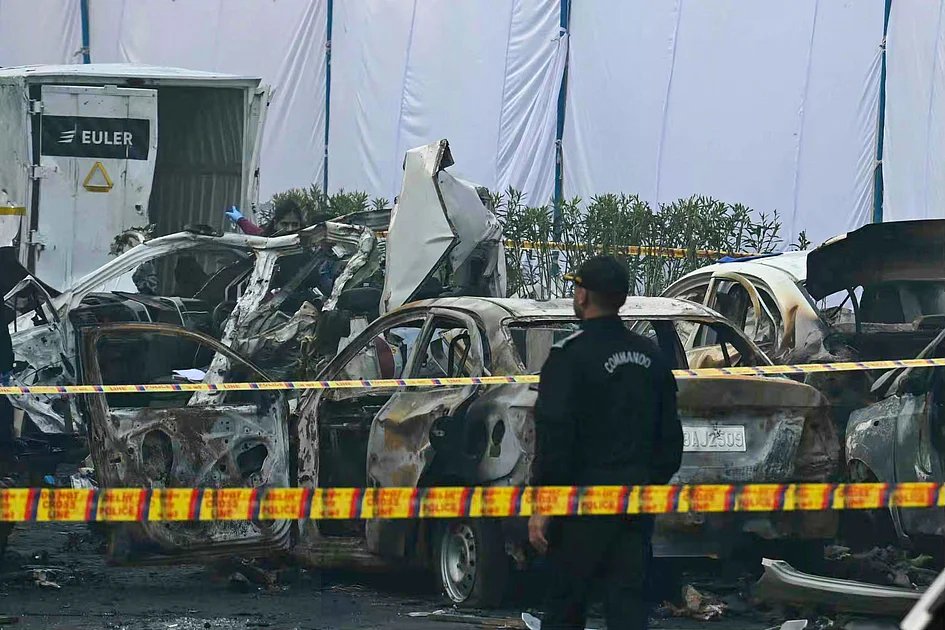
    In the wake of a catastrophic car explosion near Delhi’s historic Red Fort, the iconic monument will remain closed for three days, from November 11 to 13, as authorities intensify their investigation. The Archaeological Survey of India confirmed the closure following a formal request from law enforcement agencies. The blast, which claimed at least 12 lives, has sent shockwaves across the nation, prompting heightened security measures nationwide. Indian Defence Minister Rajnath Singh has vowed that the perpetrators will face severe consequences, assuring victims’ families that justice will be served. Prime Minister Narendra Modi, currently on a state visit to Bhutan, echoed this sentiment, emphasizing that those responsible will be held accountable. The National Security Guard (NSG) and the National Investigation Agency (NIA) have been deployed to the site, with the car owner and two associates already in custody. Delhi has issued a travel alert, and Union Home Minister Amit Shah has convened a high-level security meeting to address the crisis. Police have escalated security checks across the city, inspecting vehicles at numerous checkpoints. The incident has underscored the urgent need for robust national security measures.

  • Lulu plans to open 50 stores in UAE, Saudi, other GCC countries over next 3 years

    Lulu plans to open 50 stores in UAE, Saudi, other GCC countries over next 3 years

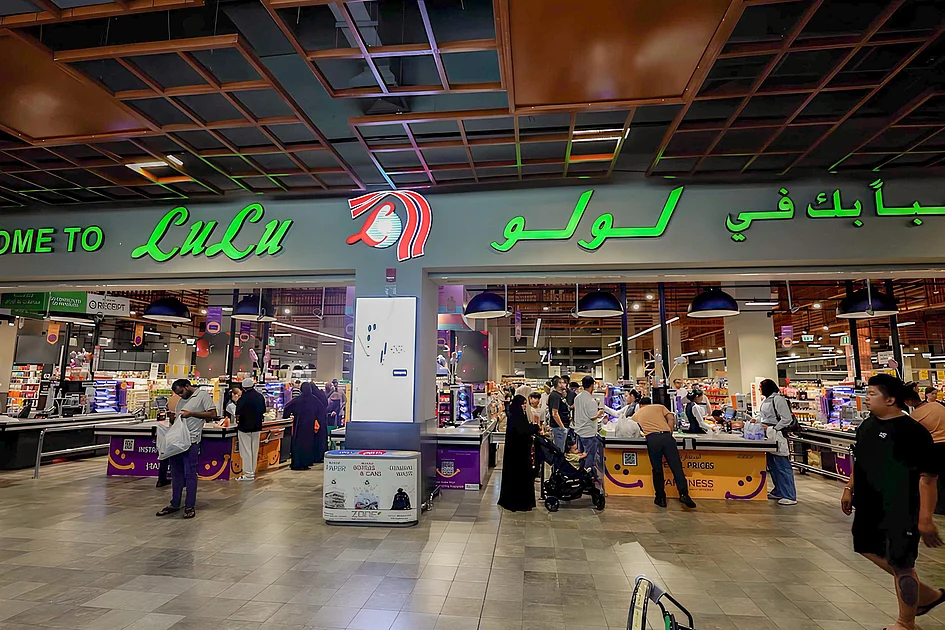
    Lulu Retail Holdings, the largest full-line retailer in the Gulf Cooperation Council (GCC) region, has unveiled an ambitious expansion strategy to open 50 new stores across the UAE, Saudi Arabia, and other GCC countries over the next three years. This announcement comes on the heels of a robust financial performance in the first nine months of 2025, with the company reporting a 7.5% year-on-year increase in net profit, reaching $163 million.

  • Shaping the future of CIS Media: Key insights from the ‘Culture.Media.Digital’ forum

    Shaping the future of CIS Media: Key insights from the ‘Culture.Media.Digital’ forum

    The second edition of the Culture.Media.Digital Forum, held on November 6–7, 2025, at Moscow’s MosKino Film Factory, emerged as a pivotal event for the media and creative industries. Attracting over 8,000 participants and featuring 160+ speakers from 20+ countries, the forum spotlighted the growth potential of the CIS media market and the integration of its cultural and digital ecosystems. The event brought together media executives, filmmakers, bloggers, IT specialists, and government representatives to explore the future of media in the region, which boasts a combined audience of over 350 million Russian-speaking users. Key discussions revolved around localized AI tools, regional distribution platforms, content metrics standardization, and innovative monetization strategies. A notable focus was the increasing collaboration between the CIS and MENA regions, with Middle Eastern leaders sharing insights on multilingual production and digital infrastructure. The forum’s business agenda, structured across six thematic tracks—Media Network, Influencers, Technomagic, Art Resource, PRology, and Kinofield—hosted 50+ sessions, panel discussions, and presentations. International cinema icons, including French cinematographer Michel Amathieu and Italian Academy Award winner Vittorio Storaro, enriched the program with their expertise. The event also featured interactive experiences like a retro gaming zone and a literary corner, alongside autograph sessions with prominent media personalities. The forum’s outcomes underscored its role as a catalyst for cross-industry collaboration, fostering new partnerships and actionable projects that promise to shape the future of the CIS media landscape.

  • Iraq kicks off parliamentary elections

    Iraq kicks off parliamentary elections

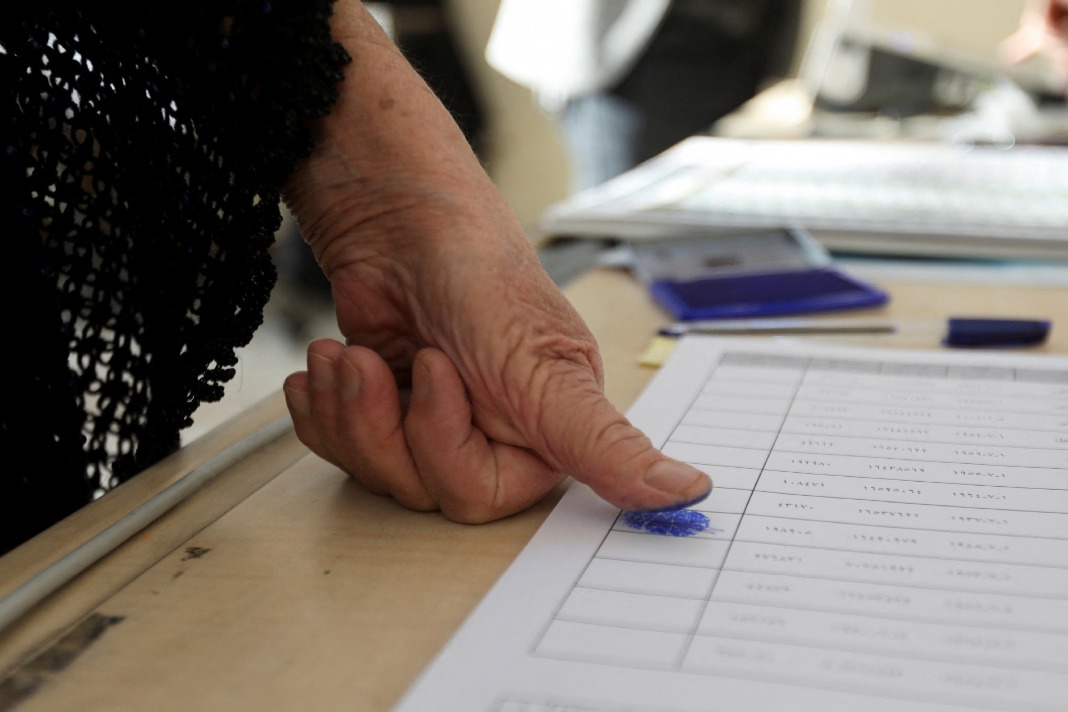
    Iraq launched its parliamentary elections on Tuesday, November 11, 2025, as millions of citizens headed to the polls to elect a new 329-member Council of Representatives. The voting process, which began at 7:00 am local time (0400 GMT) and concluded at 6:00 pm (1500 GMT), was facilitated through 8,703 polling centers across the country. Over 20 million registered voters were eligible to participate in this pivotal democratic exercise, according to the Independent High Electoral Commission. The elections were conducted under a mandatory election silence period, enforced for security reasons, reflecting the nation’s fragile political climate. This marks the sixth parliamentary election since the 2003 US-led invasion, with the 2021 elections having been marred by violent clashes and prolonged political gridlock. Iraqi Prime Minister Mohammed Shia’ al-Sudani, in a televised address on Friday, emphasized the significance of this election, describing it as the most critical since 2003 and a determinant of Iraq’s future for the next two decades. The polling is seen as a litmus test for Iraq’s stability and democratic progress.

  • Winter scenery across China

    Winter scenery across China

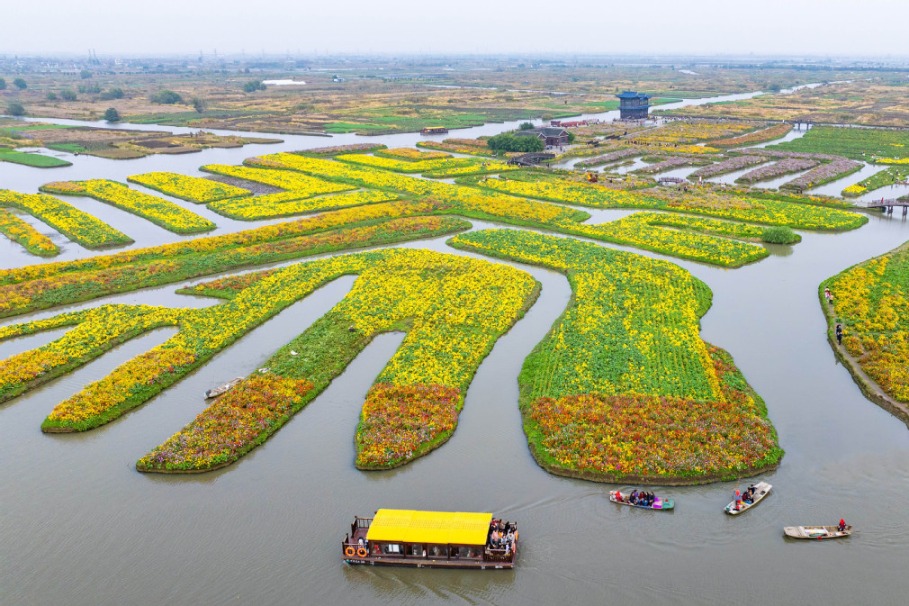
    China Daily Information Co (CDIC) holds exclusive rights to all content published on its platform, including text, photos, and multimedia materials. Unauthorized republication or use of this content in any form is strictly prohibited without prior written consent from CDIC. The site recommends using browsers with a resolution of 1024*768 or higher for optimal viewing. Additionally, CDIC has obtained the necessary license for online multimedia publishing (License Number: 0108263) and is officially registered (Registration Number: 130349). The platform also offers various services such as advertising opportunities, job offers, and expatriate employment resources. Users can stay connected with CDIC through its social media channels for updates and engagement.

  • UN, partners feed over 1 mln people in Gaza since ceasefire: senior official

    UN, partners feed over 1 mln people in Gaza since ceasefire: senior official

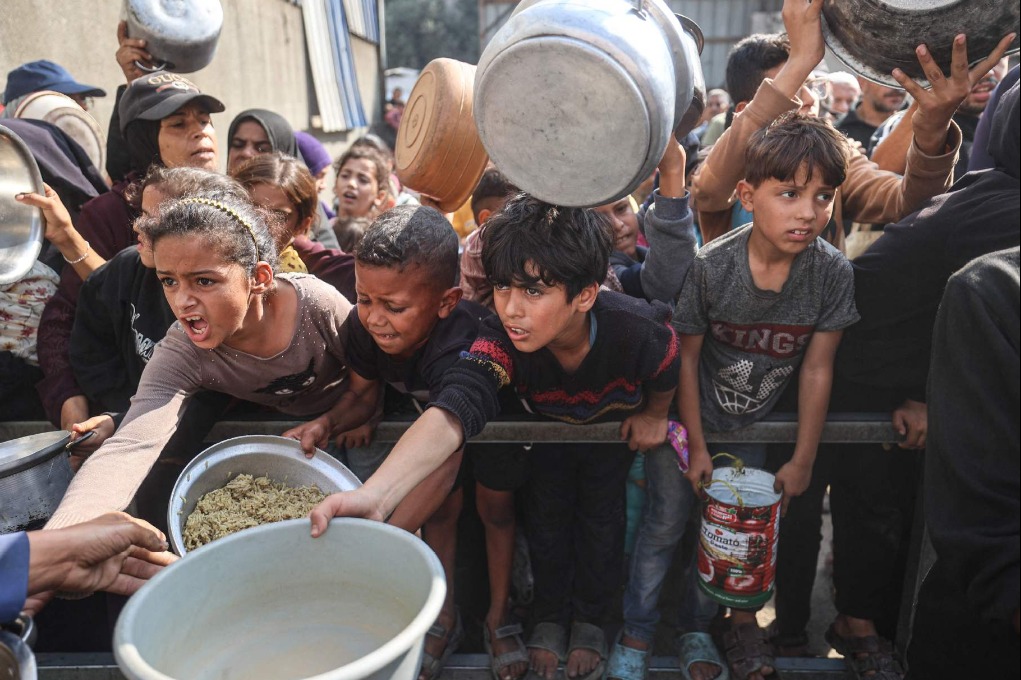
    In a significant humanitarian effort, the United Nations and its partners have successfully provided food to over 1 million people in the Gaza Strip since the ceasefire between Israel and Hamas took effect one month ago. Tom Fletcher, UN Under-Secretary-General for Humanitarian Affairs, emphasized the ongoing commitment to saving lives and addressing critical needs in the region. Since the ceasefire on October 10, 2025, essential services have been restored, including the reopening of nutrition sites, increased hospital capacity, road clearance, and the resumption of vital immunization programs. Additionally, water lines have been repaired, and winter clothing, blankets, and mental health services have been distributed. Despite these efforts, challenges persist, including bureaucratic hurdles, limited access, and sporadic security incidents. UN teams continue to coordinate movements with Israeli authorities, though obstacles remain. Over the weekend, reports of shelling and navy fire were noted, albeit at reduced levels compared to pre-ceasefire conditions. The UN has also launched a catch-up campaign for routine immunization and nutrition, targeting 44,000 children who missed earlier vaccinations. Water trucking services have been expanded to 2,000 locations across Gaza, ensuring access to clean water for many.

  • Death toll from 2 powerful storms in Philippines rises to 250

    Death toll from 2 powerful storms in Philippines rises to 250

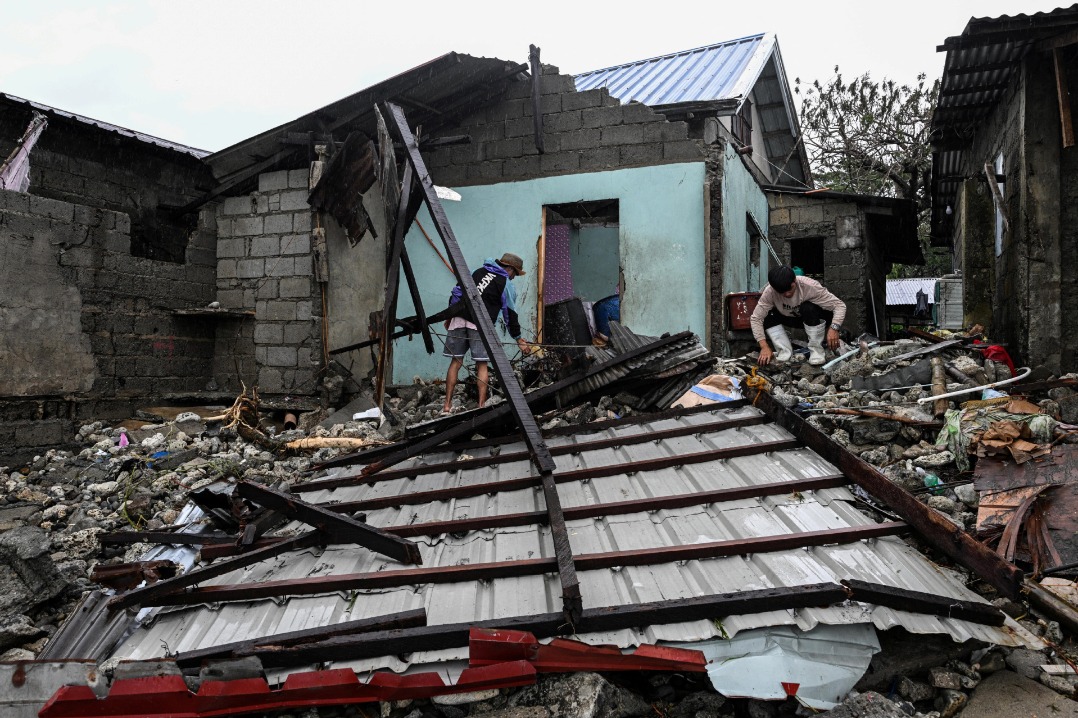
    The Philippines is facing a humanitarian crisis as the death toll from two consecutive powerful storms has surged to 250, with millions displaced and widespread destruction reported. Authorities confirmed the grim statistics on Tuesday, highlighting the severe impact of Typhoon Kalmaegi and Super Typhoon Fung-wong. Typhoon Kalmaegi, which struck on November 4, unleashed catastrophic flooding and mudslides in the central Philippines, resulting in 232 fatalities and leaving 112 individuals unaccounted for. The hardest-hit region was Cebu province, which is still recovering from a devastating magnitude 6.9 earthquake that occurred on September 30. Meanwhile, Super Typhoon Fung-wong, which made landfall on Luzon Island on Sunday, claimed at least 18 lives. The dual storms have caused unprecedented damage, destroying homes, agricultural lands, and critical infrastructure such as roads and bridges. Fung-wong marks the 21st tropical cyclone to hit the Philippines this year, exceeding the nation’s annual average of 20 storms. The scale of the disaster has overwhelmed local authorities, who are now focused on rescue and relief operations to assist the millions affected by these calamities.