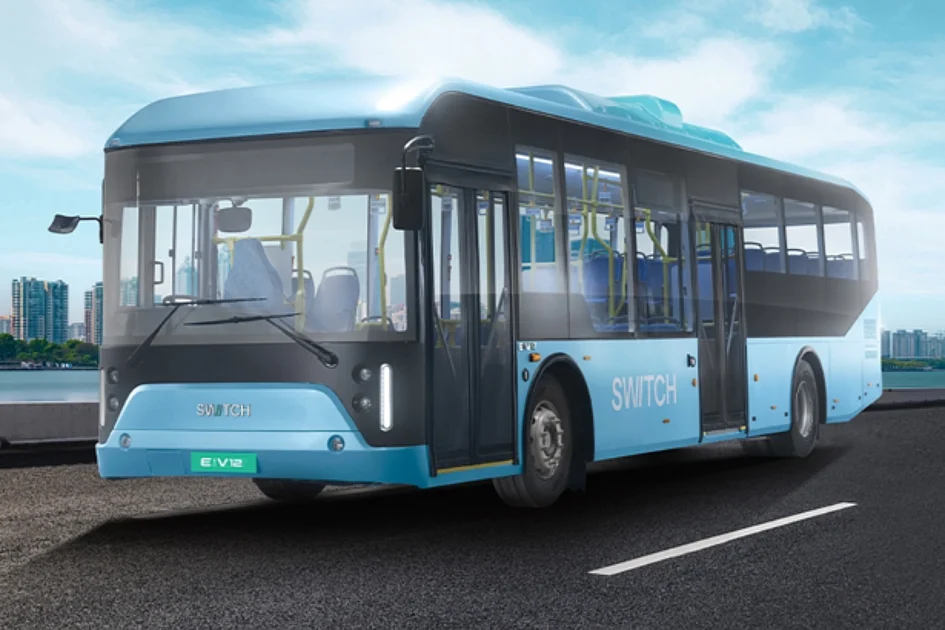
In a strategic move that underscores the UAE’s growing prominence in the global electric vehicle (EV) industry, the Hinduja Group’s Switch Mobility, the EV-bus division of India’s Ashok Leyland, is shifting its production base from the UK to Ras Al Khaimah (RAK). This relocation marks the first large-scale, dedicated manufacturing shift by a global EV bus company into the UAE, positioning the country as a hub for production and export. The decision reflects the emirate’s cost-efficient manufacturing ecosystem, regional market access, and ambition to serve Europe, the UK, and the GCC. The UK facility in Sherburn, deemed economically unviable, will be replaced by an upgraded RAK plant, with an investment of under $3 million. Ashok Leyland’s existing RAK facility, operational since 2008, has produced over 25,500 buses and sources over 55% of its parts locally. The upgrade for EV bus production transforms the plant into a regional manufacturing hub for high-voltage electric buses. For the Hinduja Group and Ashok Leyland, this move is a significant step in their global EV strategy, enabling cost reduction, streamlined logistics, and access to the UAE’s business-friendly environment. The UAE’s industrial policy and investment incentives align with manufacturers seeking logistics advantages into Europe, Africa, and Asia. While the UAE already manufactures EV parts and related technologies, this relocation is a rare instance of a global bus-maker shifting full production into the emirate. Trial runs of the buses are expected in the UAE and Saudi Arabia by summer 2025, with a commercial rollout in the GCC by Q4 2025. The shift also strengthens supply-chain linkages, with components flowing from India and beyond, turning the RAK facility into an integrated production node. This transition signals the UAE’s industrial pivot into sustainable mobility and advanced manufacturing, while the Hinduja Group moves from import-centric operations to locally grounded manufacturing with global reach. For Ashok Leyland, it consolidates its role as a global EV-bus player with production capabilities in India, the UK, and soon the UAE. The move also positions Switch Mobility to win large fleet contracts across the Gulf as regional governments accelerate the adoption of electric public transport vehicles.
标签: Asia
亚洲
-
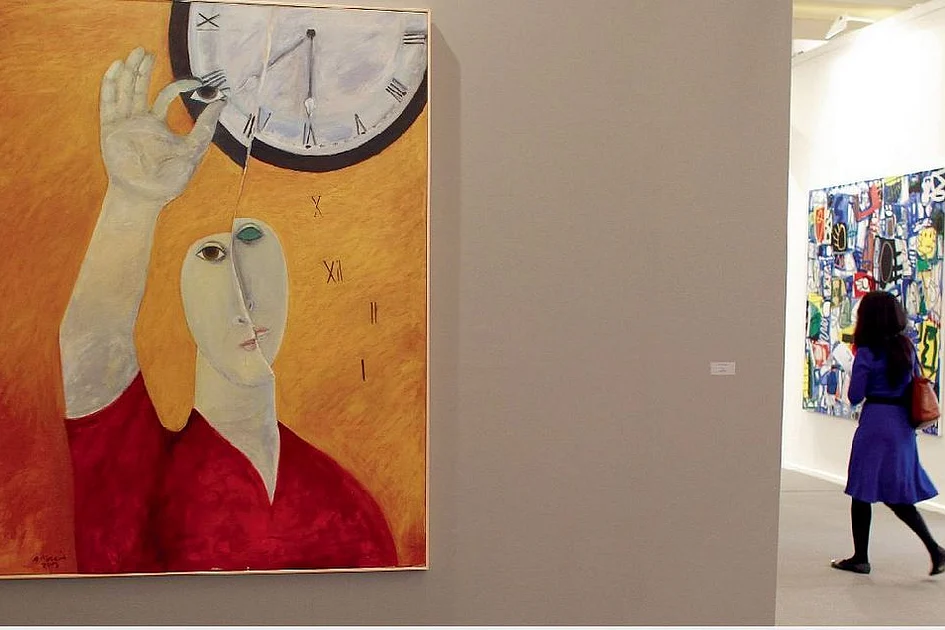
UAE’s creator economy emerges as entrepreneurial powerhouse
The United Arab Emirates (UAE) is witnessing a transformative shift in its creator economy, with content creators increasingly adopting entrepreneurial roles. A recent report by Visa, unveiled at Web Summit 2025, highlights this evolution, revealing that about one-third of UAE creators have launched new ventures following their content success. This underscores a robust entrepreneurial mindset within the region. The report, titled ‘Monetized: 2025 Creator Report,’ conducted in collaboration with Morning Consult, surveyed over 1,000 TikTok creators across five regions, including the UAE. It emphasizes a global trend where creators are transitioning from influencers to small business owners, driving commerce and community engagement. In the UAE, this trend is particularly pronounced, with most creators expressing confidence in the sector’s long-term viability and having clear plans for future expansion. Despite their ambitions, many UAE creators face financial challenges, relying on personal funds and credit cards to finance their work. Over 35% use secondary personal accounts to separate expenses, indicating a lack of dedicated business banking tools tailored for creators. Payment delays also remain a significant issue, with 42% receiving payments within a week, but late settlements often disrupting cash flow. Interestingly, UAE creators exhibit one of the highest levels of financial confidence globally, with 61% expressing optimism about managing their finances. However, their strong interest in financial education suggests a gap in specialized training that could help creators scale effectively. To address these challenges, Visa announced a pilot program in partnership with Karat Financial, a fintech firm specializing in creator-focused banking solutions. Initially launching in the US, the program aims to provide creators with credit cards and business banking services designed around their unique revenue models. Features under consideration include automated payment tracking, invoice reminders, and fraud-prevention tools. While the pilot will start in the US, Visa plans to gauge regional interest and expand to other markets, potentially including the UAE, by FY27. This move builds on Visa’s 2024 commitment to recognize creators as small businesses and provide them with the same financial tools available to traditional enterprises. The UAE’s creator economy is poised for significant growth, driven by high digital adoption, strong entrepreneurial spirit, and increasing brand collaborations. However, unlocking its full potential will require tailored financial solutions, faster payment systems, and educational resources that empower creators to manage their businesses with confidence. Visa’s latest initiatives—and its research-driven approach—signal a broader industry shift: the creator economy is no longer a niche; it’s a cornerstone of modern commerce. For UAE creators, the next chapter could be defined by how quickly financial ecosystems adapt to their needs.
-
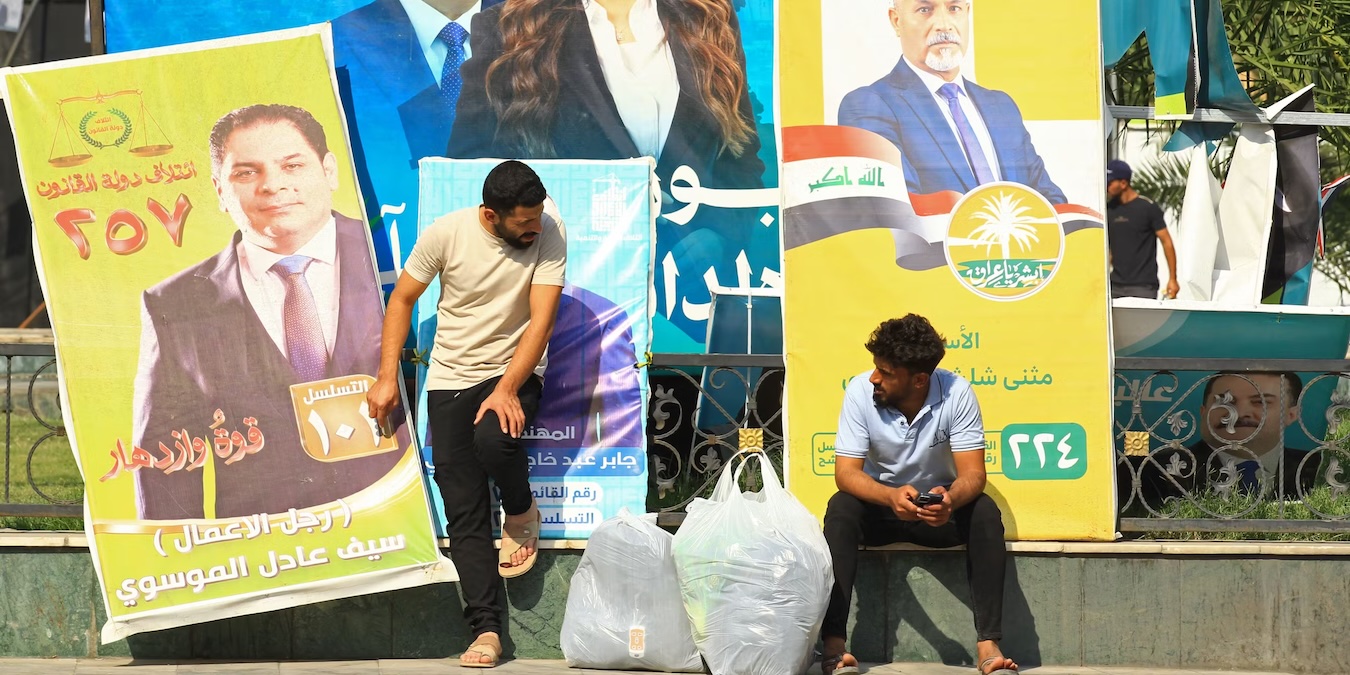
Iraq’s 2025 elections reveal a democracy without belief
Iraq held its parliamentary elections on November 11, 2025, with Prime Minister Mohammed Shia al-Sudani’s coalition emerging as the frontrunner. However, no political bloc secured a governing majority in the 329-seat parliament, setting the stage for months of elite negotiations to form the next government. This pattern of coalition-building has persisted since the fall of Saddam Hussein in 2003, turning elections into a ritual of continuity rather than a catalyst for change. While officials celebrated a rise in voter turnout to 55%, this figure masks a deeper issue: only 21.4 million of Iraq’s 32 million eligible voters registered, a decline from 24 million in 2021. Early voting, which saw an 82% turnout among soldiers, police, and displaced persons, further inflated the overall participation rate. Over the past two decades, voter turnout has steadily declined, from 79% in 2005 to 44% in 2018, reflecting growing disillusionment among citizens. Iraq’s oil-dependent economy fuels a vast public sector, with nearly 38% of the workforce employed by the state. This system blurs the line between voter and employee, making elections less about choice and more about compliance. Political parties often control ministries as private fiefdoms, distributing jobs and contracts to supporters. The 2019 protest movement, which demanded an end to sectarianism and corruption, was met with violent repression, further eroding public faith in the political process. The assassination of Sunni candidate Safaa al-Mashhadani ahead of the election underscored the dangers of dissent. For many Iraqis, especially the youth, politics is seen as a source of danger rather than opportunity, with 46% expressing a desire to emigrate. The 2025 election reveals a deeper crisis: a society trapped in a cycle of learned helplessness, where hope for change has been extinguished. Substantial economic and political reforms are needed to break this cycle and restore faith in Iraq’s democratic process.
-
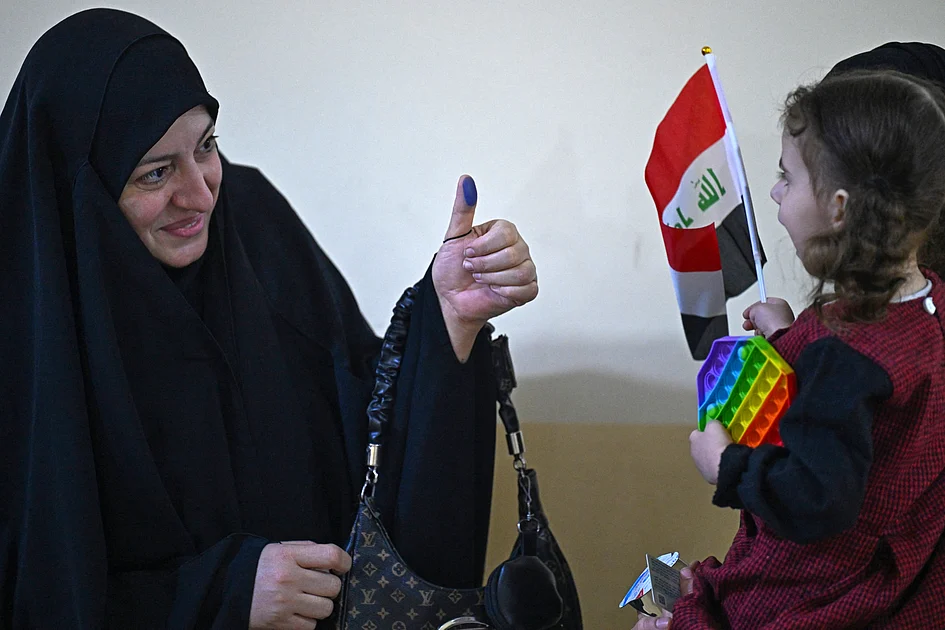
What lies ahead in Iraq: The hard task of forming a government
Following Iraq’s recent parliamentary elections, the nation braces for a complex and potentially protracted process of government formation. Incumbent Prime Minister Mohammed Shia Al Sudani, whose coalition emerged as the largest bloc, faces the formidable task of securing support from other parties, particularly within the Shia majority, to secure a second term. Preliminary results indicate that his coalition lacks the majority needed to form a government outright, setting the stage for weeks or even months of intense negotiations.
-
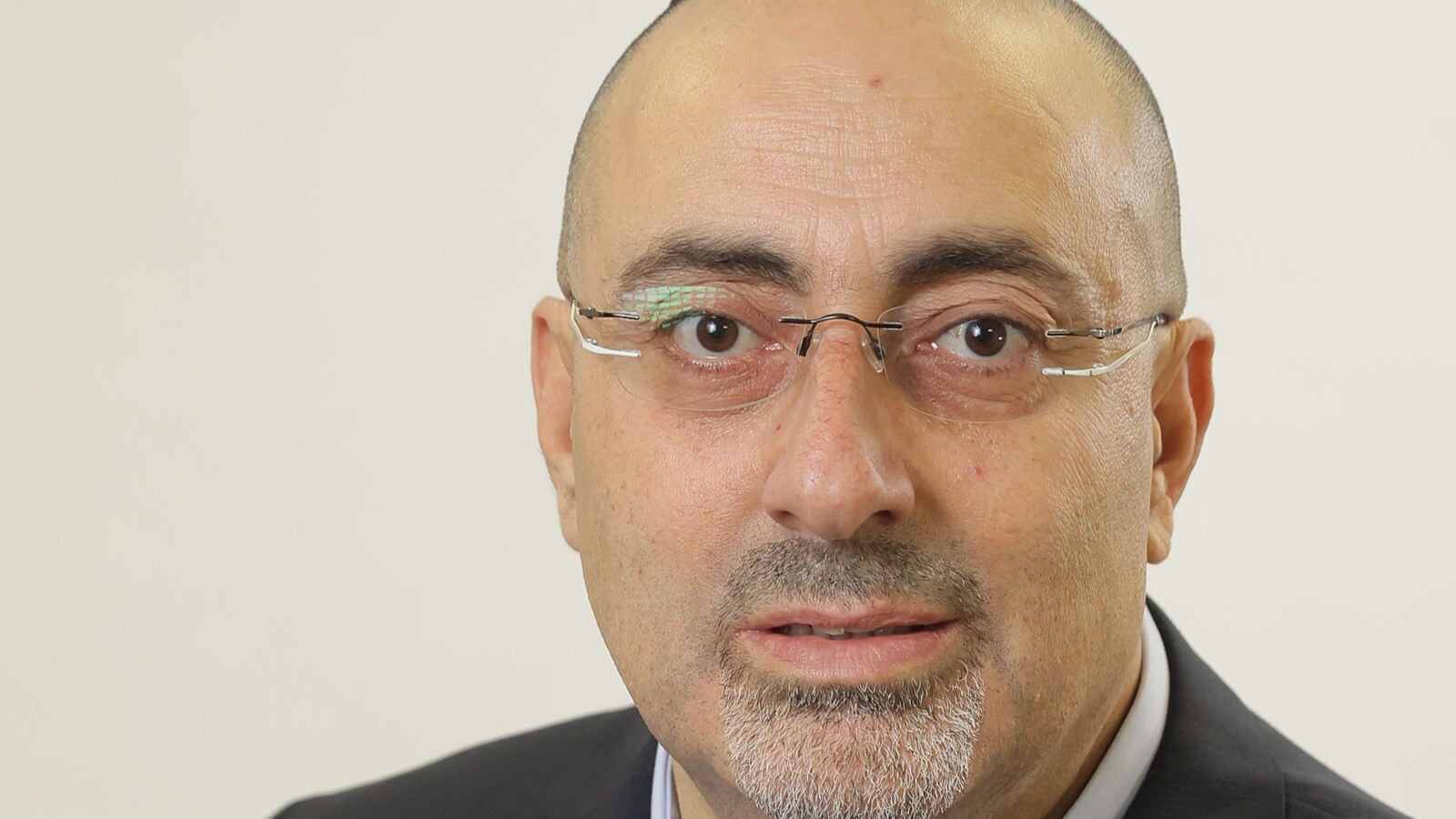
Likud MP says ultranationalist rabbi Meir Kahane was right
In a contentious parliamentary debate, Nissim Vaturi, the deputy speaker of the Knesset and a member of Prime Minister Benjamin Netanyahu’s Likud party, openly endorsed the late ultranationalist rabbi Meir Kahane. Kahane, whose Kach movement is banned as a terrorist organization, had advocated for the expulsion of Palestinians from Israel. Vaturi criticized former Likud leaders for ostracizing Kahane, stating, ‘Kahane was right in many ways where we were wrong.’ His remarks drew immediate backlash from fellow lawmakers, with some calling for a criminal investigation into his support for a terrorist organization. The controversy comes amid growing visibility of Kahanist ideology in Israeli politics, exemplified by the Jewish Power party, which is inspired by Kahane’s extremist views. Analysts warn that the normalization of such rhetoric reflects a broader shift toward the far right in Israeli society, with traditional political boundaries increasingly blurred.
-

Israeli troops kill two Palestinians in West Bank; settlers set mosque ablaze
In a troubling escalation of violence in the occupied West Bank, Israeli troops killed two Palestinians on Thursday, labeling them as suspected militants. Concurrently, Palestinian officials accused Israeli settlers of setting fire to a mosque in the region. The Israeli military stated that the two individuals were eliminated while allegedly planning a terror attack near the community of Karmei Zur, though no further details were provided. Palestinian authorities also remained silent on specifics. Meanwhile, the Palestinian foreign ministry in Ramallah condemned the arson attack on the Hajja Hamida mosque near Deir Istiya, describing it as a violation of religious sanctity and a manifestation of deep-seated racism among settlers. Photographs from the scene revealed charred copies of the Koran and smoke-damaged walls, with graffiti also defacing the mosque. This incident followed a pledge by Israeli army chief Lieutenant General Eyal Zamir to curb settler violence, which he labeled as contradictory to Israeli values and a diversion from military missions. Despite his assurances, settler violence has surged, with October 2025 marking the worst month since records began in 2006, according to the UN. The ongoing conflict has claimed the lives of over 1,000 Palestinians and 43 Israelis in the West Bank since the Gaza war erupted in October 2023.
-
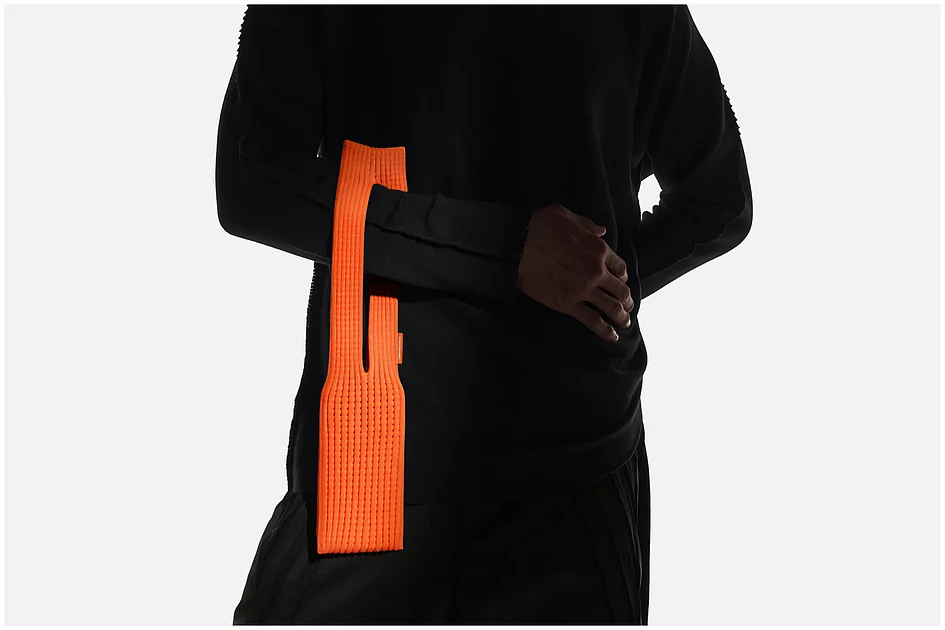
Bold or bizarre? UAE influencers react to Apple’s iPhone pocket
The tech world is abuzz with mixed reactions from UAE influencers following Apple’s unveiling of the iPhone Pocket, a unique 3D-knitted accessory designed in collaboration with fashion icon Issey Miyake. Scheduled for release on Friday, the product has sparked a range of opinions, from admiration for its boldness to amusement over its unconventional design. Priced between Dh550 and Dh845, the iPhone Pocket is designed to accommodate any iPhone and other pocketable items, offering both long and short strap options. However, Apple has confirmed that the product will not be available in the UAE, leaving local tech enthusiasts curious about its potential future launch. Prominent UAE-based tech influencer Emkwan praised the product as a trendsetter, highlighting Apple’s move into lifestyle accessories. Meanwhile, tech geek Aaron Jon acknowledged the product’s practicality despite its initial strangeness, noting its alignment with modern demands for hands-free convenience. Tech blogger Saurabh Kishu speculated that Apple is testing the waters with limited releases, suggesting that the UAE’s appetite for premium and fashion-tech items could drive future demand. Online, the product has been met with both amusement and skepticism, with some users comparing it to a “cut-up sock” while others appreciated its nod to Apple’s history. Emkwan also emphasized the significance of the Issey Miyake collaboration, recalling Steve Jobs’ fondness for the designer. Aaron Jon predicted that the iPhone Pocket could pave the way for similar innovations, as the demand for convenience continues to shape tech trends.
-
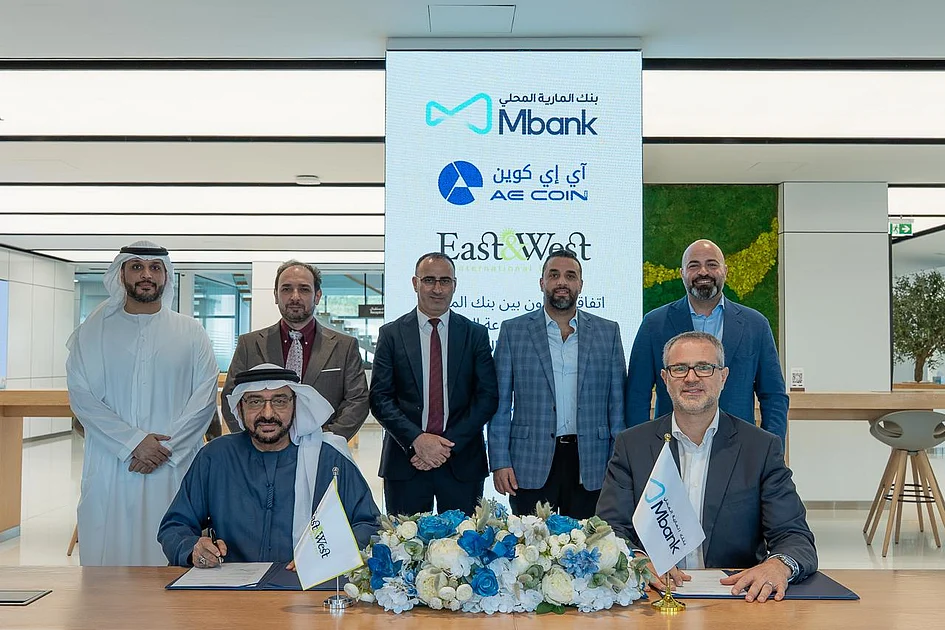
Mbank and East & West International Group lead the future of real estate payments with AE Coin
In a groundbreaking move, Al Maryah Community Bank (Mbank), the UAE’s first fully integrated digital bank, has partnered with East & West International Group (EWIG) to introduce AE Coin as a payment solution for real estate transactions. This collaboration signifies a transformative step in the practical application of blockchain technology within the real estate sector, offering buyers and tenants a secure, instant, and cost-effective payment method. AE Coin, the UAE’s first AED-backed stablecoin regulated by the Central Bank of the UAE, is now accessible through the AEC Wallet, powered by Mbank. This initiative underscores EWIG’s leadership in the UAE real estate market by pioneering blockchain-powered payments. The partnership aims to enhance transaction efficiency, transparency, and compliance within a regulated ecosystem. Dr. Hussein Abdelqader Harhara, General Manager of EWIG, emphasized the Group’s commitment to innovation and alignment with the UAE’s vision for a digital economy. Mohammed Wassim Khayata, CEO of Mbank, highlighted the collaboration as a milestone in accelerating blockchain adoption in high-value use cases. Ramez Rafeek, General Manager of AED Stablecoin, noted that this initiative marks the beginning of real-world blockchain adoption in real estate. The AEC Wallet is now available on iOS, Android, and AppGallery, enabling verified users to make instant payments for property transactions, rent, and other real estate services. This integration ensures seamless, real-time settlements within the UAE’s first regulated digital currency framework.
-

Holcim UAE accelerates sustainable construction drive amid market expansion
Holcim UAE, formerly known as Lafarge Emirates Cement, is spearheading a transformative journey in the United Arab Emirates, focusing on sustainability, innovation, and strategic expansion. The recent rebranding aligns with Holcim Group’s global NextGen Growth 2030 strategy and the UAE’s Net Zero 2050 vision. Ali Said, CEO of Holcim UAE, emphasized that the rebranding is a platform to accelerate innovation, deepen partnerships, and advance sustainability in the construction industry. The company is the only fully integrated player in the market, managing the entire value chain from its quarry in Fujairah to job sites in Dubai, enabling significant carbon footprint reduction and the development of advanced low-carbon mixes. Holcim’s flagship products, EcoPlanet and ECOPact, reduce CO₂ emissions by at least 30%, with potential reductions of up to 70% depending on project specifications. The company is also pioneering thermal insulation concrete and exploring 3D concrete printing technology. Holcim’s commitment to sustainable construction is evident in landmark UAE projects such as Al Shera’a – DEWA Headquarters, Zuhha Island, and Etihad Rail. The company plans to expand into Abu Dhabi and Dubai South while enhancing its Fujairah plant to produce near-zero building materials. Holcim UAE is tackling emissions across all scopes, using alternative fuels, waste heat recovery systems, and partnering with Etihad Rail to reduce transport emissions. One of its most ambitious projects is a carbon capture and mineralization initiative with climate-tech firm 44.01, leveraging Fujairah’s ultramafic rock formations to permanently store CO₂. The pilot is underway, with plans to scale significantly by 2030. Holcim sees robust demand for sustainable materials as awareness grows among developers and consultants. The UAE’s visionary leadership and sustainability agenda align perfectly with Holcim’s global roadmap, positioning the company to shape a smarter, more circular, and more sustainable built environment.
-
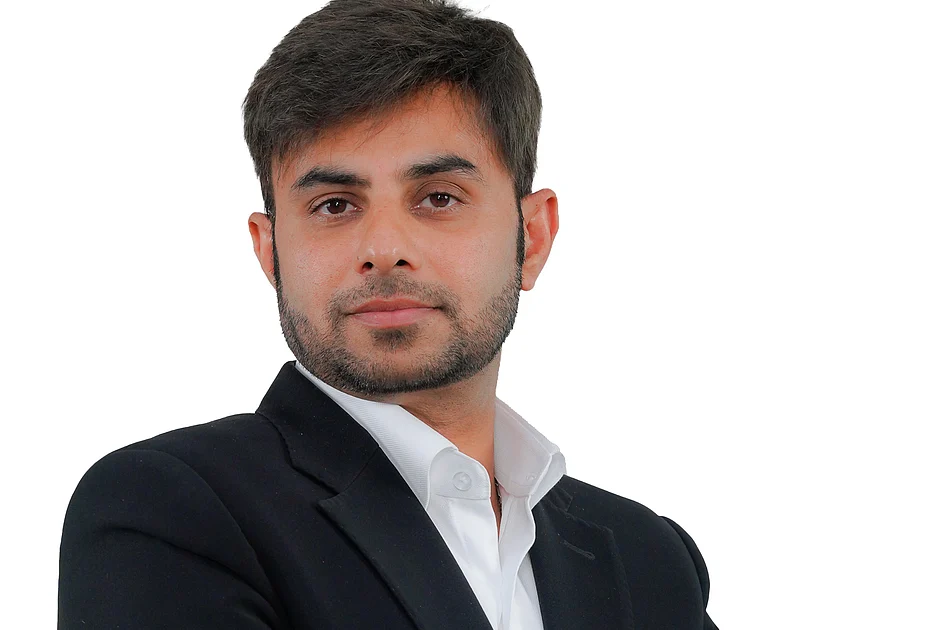
AFM Holding bets on tech and sustainability for next growth phase
AFM Holding Group, a diversified conglomerate with roots in IT solutions since 2000, is steering its next growth phase with a focus on technology-driven innovation and sustainable expansion. Founder and Chairman Maqsood Mohommad emphasized that technology is the core of AFM’s operations, stating, “Innovation isn’t a department—it’s part of our DNA.” The group has evolved into sectors such as intelligent transportation systems, renewable energy, real estate, and retail, leveraging advanced technologies like AI, automation, blockchain, and clean energy solutions. Mohommad highlighted the importance of investing in people, fostering teams that think creatively and challenge norms to keep AFM agile and future-ready. The year 2025 has been pivotal for AFM, marked by the expansion of its real estate portfolio, scaling of renewable energy ventures under its Geo Power brand, and entry into the retail space with new brands Miruna and Funky Souq. These initiatives are part of the unified strategy branded as One AFM. One Vision. One Plan. The renewable energy arm is accelerating projects aligned with the UAE’s clean energy goals, reinforcing AFM’s commitment to environmental responsibility. Looking ahead, AFM aims to deepen its real estate footprint, accelerate renewable energy investments, and scale digital and retail ventures, creating a connected ecosystem powered by technology. Talent development remains a priority, with investments in leadership that embodies integrity, innovation, and long-term thinking. Mohommad advised aspiring entrepreneurs to start with passion, embrace technology early, and build strong teams, emphasizing that diversification should align with shared values and long-term goals.