标签: Asia

亚洲

  • A global craze for Korean culture is making its humblest snacks unaffordable

    A global craze for Korean culture is making its humblest snacks unaffordable

    SEOUL – The humble gim, a crispy dried seaweed staple of Korean cuisine, has transformed into a billion-dollar global commodity, creating both economic opportunity and domestic consumer anxiety as prices reach unprecedented levels.

    For 47 years, vendor Lee Hyang-ran has witnessed the evolution of gim from a local dietary essential to an international sensation. ‘Western visitors once considered this black, paper-like snack peculiar,’ the veteran merchant remarked from her Seoul market stall. ‘Now they seek it out specifically.’

    South Korea dominates the global gim market, exporting $1.13 billion worth of dried seaweed in 2025 according to the Korea Maritime Institute. This remarkable figure represents a steady upward trajectory fueled by the worldwide Korean cultural wave. The product has earned the nickname ‘black semiconductor’ in reference to Korea’s technological dominance, highlighting its economic significance.

    This international appetite comes with domestic consequences. Gim prices have surged approximately 50% within a year, breaking historical records. The standard sheet that cost 100 won ($0.06) in 2024 now exceeds 150 won, with premium products reaching 350 won per sheet.

    Consumers like Kim Jaela, who traditionally purchased in bulk, are reconsidering their buying habits. ‘I noticed the price increase immediately when shopping online,’ she explained. ‘If prices remain elevated, I’ll need to adjust my purchasing patterns significantly.’

    The global fascination stems from cultural phenomena including K-pop and television dramas that showcase Korean cuisine. American supermarket chain Trader Joe’s experienced a viral sensation with their gimbap (seaweed-wrapped rice rolls) in 2023, with products disappearing from shelves nationwide shortly after launch.

    International visitors recognize both the similarities and distinctions between gim and Japanese nori. ‘Gim is lighter, crispier, and typically grilled with sesame oil and salt,’ noted Miki, a Japanese tourist. ‘The flavor profile is distinctly different.’

    Professor Lee Eunhee of Inha University’s consumer studies department observes: ‘Growing global familiarity with gim from Asian to Western markets has increased international demand, which consequently drives up domestic prices.’

    The production side faces its own challenges. Kim Namin, who operates a family-owned processing factory in Wando, acknowledges the supply-demand imbalance. ‘There aren’t enough gim factories to meet rising demand,’ he stated, noting his family’s consideration of operational expansion. He emphasized gim’s price sensitivity in the domestic market, where even minor increases generate consumer resistance.

    Multiple factors contribute to the price surge, including overall inflation, rising labor costs, reduced overseas production, and fundamentally, unprecedented global demand. In response, government agencies and corporations are implementing countermeasures. The Ministry of Oceans and Fisheries is monitoring the situation closely, while companies like Pulmone plan to establish land-based seaweed research centers enabling year-round production.

    Despite domestic concerns, the international market continues to thrive. Lee Hyang-ran reports unprecedented sales: ‘Gim sells like hotcakes, especially varieties for making gimbap. I’m delighted that Korean gim has gained such popularity.’

  • Why UAE is becoming global testbed for air taxis and self-driving cars

    Why UAE is becoming global testbed for air taxis and self-driving cars

    The United Arab Emirates is positioning itself at the forefront of transportation innovation, establishing what industry leaders describe as an ideal testing environment for next-generation mobility solutions. With electric air taxis scheduled for deployment later this year, the nation’s unique regulatory landscape and safety-focused approach are creating what experts call a “sandbox” for autonomous transportation development.

    At the recent World Government Summit 2026, mobility pioneers highlighted the UAE’s strategic advantages. Joeben Bevirt, CEO of Joby Aviation, announced plans to launch piloted electric air taxi services in 2026, followed by progressive implementation of autonomous capabilities. “The UAE presents an incredible opportunity as an early adopter environment,” Bevirt noted, emphasizing the region’s limited general aviation traffic compared to the United States, which reduces complexity for testing emerging technologies.

    The autonomous revolution extends beyond aviation. Daniil Shuleyko, CEO of Yango Group, praised the UAE’s methodical approach to implementing ground-based autonomous systems through controlled district deployments. This incremental strategy allows for careful scaling from initial pilot programs to broader implementation based on demonstrated success and safety performance.

    Despite rapid advancements in artificial intelligence, both executives emphasized the continued critical role of human oversight. “The most crucial component of any autonomous system remains human judgment,” Shuleyko stated. Bevirt concurred, noting that autonomy functions most effectively when humans provide supervision for exceptional circumstances, mirroring current aviation practices.

    Public acceptance represents a significant challenge as autonomous systems scale. Yango’s approach includes anthropomorphic design elements—such as eye-like lights and voice capabilities—to foster public comfort with robotic systems. “It’s easy to embrace the first few robots,” Shuleyko observed, “but public perception becomes more challenging at scale.”

    Mattar Al Tayer, Director General of Dubai’s Roads and Transport Authority, outlined the emirate’s comprehensive smart mobility vision during the summit. Dubai’s autonomous transportation initiative, dating to 2016, targets converting 25% of all transportation to autonomous operation by 2030. The program initially involves 100 autonomous vehicles with plans to expand to 1,000 units rapidly.

    Al Tayer identified multiple factors driving this transformation, including climate change mitigation through zero-emission vehicles, AI-optimized traffic infrastructure, and urban redesign initiatives. “Dubai isn’t merely responding to transportation evolution,” he declared, “we are actively leading this transformative movement while focusing on making mobility more efficient, safe, and sustainable for our residents.”

  • Israeli army bulldozes Gaza cemetery containing Allied soldiers’ graves

    Israeli army bulldozes Gaza cemetery containing Allied soldiers’ graves

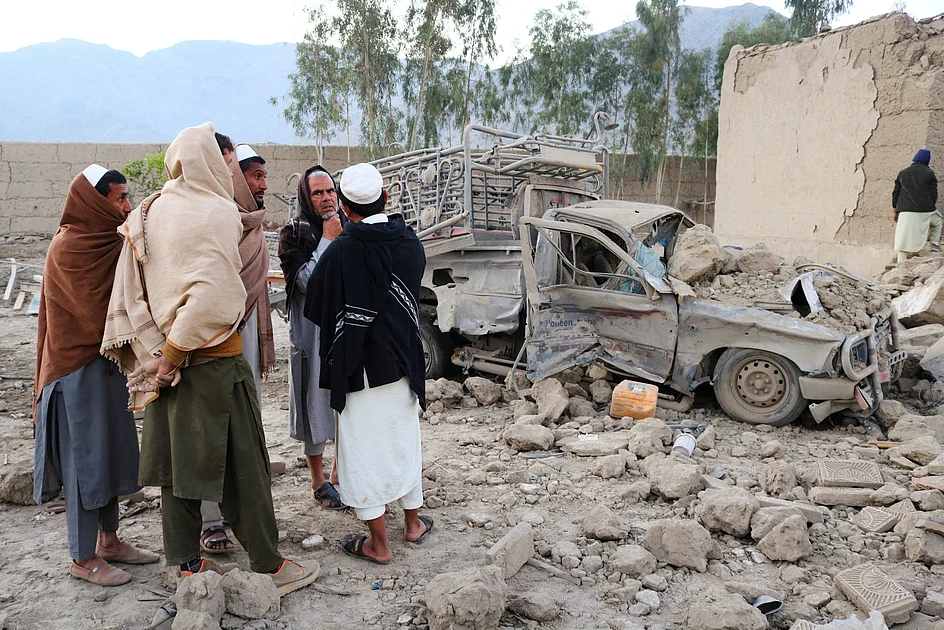
    Satellite imagery analysis has confirmed extensive destruction at a historic Commonwealth war cemetery in Gaza City, with Israel’s military acknowledging operational activities at the site. The al-Tuffah cemetery, containing graves of British, Australian, and other Commonwealth soldiers who perished in both World Wars, has undergone systematic demolition using heavy machinery.

    Guardian-reviewed satellite photographs document months of earthworks throughout 2025 that churned the ground and removed entire rows of gravestones. Essam Jaradah, the cemetery’s former caretaker, witnessed two distinct bulldozing operations that expanded from visitor areas to the memorial monument itself.

    The Israeli Defense Forces spokesperson confirmed military operations in the area, stating measures were taken to “neutralise identified threats” in what was described as “an active combat zone.” This incident continues a pattern of damage to the sacred site, which previously suffered partial destruction from an Israeli missile in 2006, resulting in £90,000 compensation, and sustained further damage during the 2009 Gaza offensive.

    The Gaza War Cemetery contains 3,217 graves, including 781 unidentified remains, with casualties from both World Wars alongside 30 post-war burials. Current reports indicate that journalists and local residents are being prevented from accessing the Deir al-Balah cemetery site, raising concerns about transparency and preservation of this historically significant location.

  • Iran state agency posts images of US bases in Middle East with no context amid tensions

    Iran state agency posts images of US bases in Middle East with no context amid tensions

    Tehran-based Fars News Agency, known for its connections to Iranian security forces, has generated international concern by publishing unexplained imagery of American military installations across the Middle East. The photographs, displaying facilities like Bahrain’s Isa Air Base where US aircraft are stationed, appeared without editorial commentary beyond Persian calendar dates.

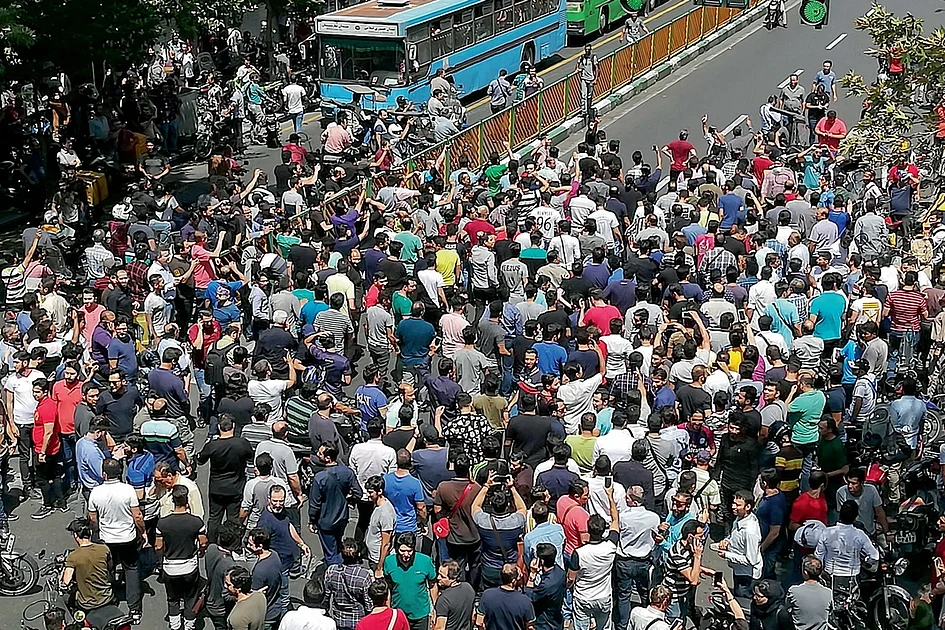
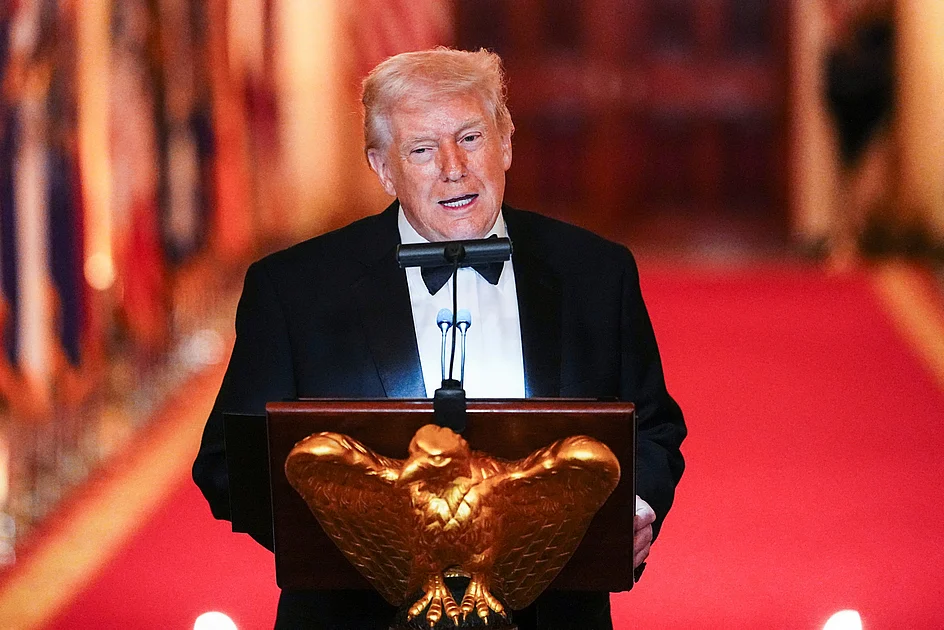
    This psychological maneuver occurs against a backdrop of heightened US-Iran tensions. President Donald Trump has threatened military intervention should Iran refuse constraints on its nuclear program following the government’s violent suppression of domestic protests. Iranian officials have consistently warned of immediate retaliation against Gulf-based American assets if attacked.

    The imagery publication coincides with anticipated but unconfirmed diplomatic exchanges between Iranian Foreign Minister Abbas Araghchi and US envoy Steve Witkoff. In a separate display of hostility, a provocative billboard emerged in Tehran depicting crashed American planes with Iranians triumphantly waving national flags above the wreckage.

    France expressed particular alarm regarding these developments due to its military presence in the region. President Emmanuel Macron confirmed enhanced vigilance, stating, “We are obviously very vigilant regarding this situation. We have taken all necessary measures to ensure our soldiers there are deployed in optimal security conditions.”

    The tension recently manifested militarily when a US fighter jet eliminated an Iranian drone approaching the USS Abraham Lincoln aircraft carrier deployment. However, security analysts note the published imagery appears to be archival material rather than fresh intelligence, with AFP confirming the Bahrain base photographs are dated.

  • Oman to host US-Iran talks on Friday: Iranian semi-official news agency

    Oman to host US-Iran talks on Friday: Iranian semi-official news agency

    The Sultanate of Oman is set to host pivotal diplomatic negotiations between the United States and Iran this Friday, according to reports from Iran’s semi-official ISNA news agency. The talks will feature high-level representation from both nations, with Iranian Foreign Minister Abbas Araqchi and US envoy Steve Witkoff leading their respective delegations.

    This diplomatic engagement follows a format consistent with previous negotiation rounds, though significant questions remain regarding regional participation. According to reporting by Axios journalist Barak Ravid citing Arab diplomatic sources, discussions are actively underway regarding the potential inclusion of additional Arab and Muslim nations from the region in the Oman talks.

    The venue shift from initially planned talks in Turkey to Oman occurred following a specific request from Iranian officials, which the Trump administration ultimately approved. This development comes amid heightened tensions, with President Donald Trump recently issuing stark warnings about potential consequences should nuclear negotiations fail to progress.

    Iranian President Masoud Pezeshkian confirmed his administration’s readiness for dialogue earlier this week, stating on social media platform X that he had directed his foreign minister to pursue “fair and equitable negotiations” provided they occur in an environment “free from threats and unreasonable expectations.” This conditional approach underscores the delicate diplomatic balancing act facing both nations as they prepare for Friday’s critical engagement in Muscat.

  • Filipina nurse dead, 2 others injured in Saudi Arabia hit-and-run incident

    Filipina nurse dead, 2 others injured in Saudi Arabia hit-and-run incident

    A tragic hit-and-run incident in northwestern Saudi Arabia has resulted in the death of one Filipina healthcare worker and left two others with serious injuries, prompting an urgent response from Philippine authorities. The accident occurred in the early hours of Saturday, January 31st, in Tabuk’s Muruj Al Amir district as the three nurses were returning home after shopping at a local mall.

    According to the Migrant Workers Office (MWO) in Jeddah, the victims were struck by a speeding vehicle while crossing a wide roadway adjacent to Tabuk Park Mall at approximately 1:00 AM. All three nurses, employed by a major medical clinic in Tabuk, were rendered unconscious immediately upon impact and transported via ambulance to King Khalid Hospital.

    The Philippine Department of Migrant Workers (DMW) confirmed Wednesday that one nurse remained unresponsive upon arrival at the medical facility and subsequently succumbed to her injuries. The two surviving nurses regained consciousness the following day, February 1st, with one requiring transfer to a specialized medical facility in Riyadh for advanced surgical intervention.

    Saudi authorities apprehended the motorist allegedly responsible after an attempted escape. The driver currently remains under investigation by local law enforcement officials.

    The DMW has initiated comprehensive support measures, including facilitating the repatriation of the deceased’s remains and assisting family members with necessary documentation. Next of kin for all affected individuals have been formally notified of the incident.

    The Philippine government continues to monitor the medical condition of the injured nurses while coordinating with Saudi officials regarding the ongoing investigation into the circumstances surrounding the fatal collision.

  • Epstein files reveal Turkey’s final ultimatum to Assad before Syrian war

    Epstein files reveal Turkey’s final ultimatum to Assad before Syrian war

    A classified United Nations document chronicling a pivotal 2011 telephone discussion between then-Turkish Foreign Minister Ahmet Davutoglu and UN Secretary-General Ban Ki-moon has surfaced among the possessions of convicted sex offender Jeffrey Epstein. This confidential memorandum, dated 16 August 2011, details diplomatic exchanges during a critical juncture in the Syrian uprising, raising questions about how such sensitive material reached Epstein’s archives.

    The document captures high-stakes diplomacy as Syria descended into conflict. Davutoglu revealed his extensive diplomatic efforts with Syrian President Bashar al-Assad, including a six-hour meeting featuring three and a half hours of private discussion. The Turkish minister had presented Assad with urgent reform requirements and a clear warning: implement immediate changes or face international isolation comparable to Saddam Hussein and Muammar Gaddafi.

    According to the transcript, Davutoglu expressed bewilderment at Assad’s decision to launch military operations in Hama during Ramadan, despite earlier agreements to withdraw tanks and permit international observers. The document reveals that Davutoglu advised Assad to expect diminishing credibility unless he allowed international commissions into Syrian cities and implemented substantive political reforms.

    The correspondence further discloses coordinated international pressure, with Secretary Hillary Clinton and President Barack Obama consulting Turkish leadership before Obama’s planned address calling for Assad’s departure. Turkish Prime Minister Recep Tayyip Erdogan personally urged Assad to act before Obama’s speech rendered his position untenable.

    Additional Epstein communications indicate his ongoing interest in Syrian affairs, including an October 2015 email exchange where entrepreneur Joi Ito sought Epstein’s assistance in securing a prisoner’s release from Syrian detention. Epstein’s brief response (‘Not for email’) suggests cautious engagement with Syrian matters.

    The UN document also encompasses Turkish-Israeli negotiations following the 2010 Mavi Marmara incident, detailing Turkey’s diplomatic strategy including potential International Court of Justice action and naval demonstrations in the Mediterranean.

  • Special Dubai airport stamps welcome guests attending World Governments Summit

    Special Dubai airport stamps welcome guests attending World Governments Summit

    Dubai International Airport has launched a distinctive welcoming initiative for attendees of the World Governments Summit 2026, implementing special commemorative passport stamps featuring the summit’s official logo. The immigration authorities, under the General Directorate of Identity and Foreigners Affairs (GDRFA), are personally stamping arriving delegates’ travel documents with these customized markings as they enter through Dubai’s air borders.

    This diplomatic gesture forms part of the United Arab Emirates’ broader strategy to position itself as a global nexus for governmental innovation and international collaboration. The summit itself has drawn unprecedented participation, with representatives from over 150 national governments including heads of state, ministerial officials, policy experts, and international organizations converging in Dubai.

    The 2026 edition of the World Governments Summit features an extensive agenda comprising more than 320 sessions and events addressing critical global themes including effective governance, economic development, societal welfare, urban resilience, and technological advancement. The passport stamp program enhances the visitor experience while symbolically reinforcing the summit’s objectives of fostering international cooperation.

    Dubai has established a tradition of implementing special immigration stamps during significant events. Recently, the airport deployed similar commemorative stamps celebrating the enduring fraternal relations between the UAE and Kuwait under the banner ‘UAE and Kuwait: Brothers Forever’. The current summit stamps continue a practice initiated during previous World Governments Summit editions, where arrival stamps served as both welcome gestures and historical documentation of participant attendance.

  • Saudi Arabia to provide passports for kingdom’s beloved camels

    Saudi Arabia to provide passports for kingdom’s beloved camels

    In a landmark initiative blending tradition with modern governance, Saudi Arabia has unveiled plans to issue official passports for the nation’s estimated 2.2 million camels. The Ministry of Environment, Water and Agriculture announced this innovative program on February 4, 2026, designed to revolutionize camel management through digital documentation.

    The newly designed passport features a distinctive green cover emblazoned with Saudi Arabia’s coat of arms and a golden camel silhouette. This official document will serve multiple purposes: regulating commercial transactions, tracking transportation movements, protecting ownership rights, and establishing a comprehensive national database for the prized animals.

    According to state broadcaster Al Ekhbariya, this systematic approach will significantly enhance productivity and operational efficiency within Saudi Arabia’s substantial camel sector. The initiative addresses practical needs while honoring the cultural significance of camels, which have been essential to Arabian life for millennia—evidenced by 7,000-year-old rock carvings found in the region.

    The passport system arrives amid growing sophistication in camel-related industries. Annual beauty contests attract substantial investments, with enthusiasts spending hundreds of thousands of dollars on premium specimens. This has occasionally led to unethical practices, including illegal cosmetic enhancements to exaggerate physical features such as drooping lips and shapely humps—practices that authorities have actively discouraged through increased regulation and penalties.

    Beyond cultural preservation, the program represents a significant step in modernizing agricultural management while maintaining the deep historical connection between Saudi people and these revered animals.

  • Sri Lanka’s Independence Day: Rebuilding economy, confidence and stability

    Sri Lanka’s Independence Day: Rebuilding economy, confidence and stability

    Sri Lanka commemorated its 78th Independence Day with a dual focus on national recovery and international diplomacy, as articulated by top diplomatic representatives in the United Arab Emirates. Ambassador Dr. Arusha Cooray and Consul General Alexi Gunasekera delivered substantive messages highlighting the nation’s transformative journey toward economic stability and reinforced bilateral ties.

    The anniversary carries profound significance as Sri Lanka navigates a critical phase of economic reconstruction and national renewal. Diplomatic communications emphasized the country’s commitment to sustainable development frameworks, comprehensive economic reforms, and creating environments conducive to innovation and foreign investment. The resilience demonstrated by Sri Lankan citizens during recent challenges was recognized as fundamental to the nation’s progressive trajectory.

    A central theme emerged regarding the strategic partnership with the UAE, characterized as a relationship built upon mutual respect and decades of multilateral cooperation. The UAE’s provision of humanitarian assistance during recent natural disasters, including flood relief operations and cyclone response initiatives, was specifically acknowledged as demonstrating the depth of bilateral solidarity.

    Current bilateral cooperation spans multiple high-potential sectors including renewable energy infrastructure, tourism development, logistics modernization, technological innovation, and food security systems. The substantial contributions of the Sri Lankan expatriate community in the UAE were highlighted as vital to both nations’ economic ecosystems.

    Diplomatic messages conveyed optimistic projections for future collaboration, envisioning enhanced economic partnerships that mutually benefit both nations’ development objectives. The communications concluded with national greetings to Sri Lankan communities worldwide and reaffirmations of commitment to building a prosperous, unified future through international cooperation and domestic resilience.