标签: Asia

亚洲

  • Hundreds of firefighters tackle blaze in slum area of South Korea’s Gangnam district

    Hundreds of firefighters tackle blaze in slum area of South Korea’s Gangnam district

    A significant fire engulfed Guryong Village, an impoverished enclave within Seoul’s affluent Gangnam district, early Friday morning, prompting a massive emergency response. Approximately 300 firefighters mobilized to combat the blaze that broke out around 5:10 AM local time (2010 GMT Thursday), with authorities subsequently elevating the fire alert to the second-highest level amid concerns the flames could spread to adjacent mountainous terrain.

    Fire and disaster officials confirmed the evacuation of 47 residents from the affected area, with no immediate reports of casualties. Yonhap News Agency indicated approximately 110 individuals were residing in the fire-impacted zone. Emergency efforts faced substantial challenges as dense haze and fine dust pollution prevented the deployment of firefighting helicopters, forcing crews to rely solely on ground operations with 85 fire trucks.

    Elderly residents, many wearing protective masks, were witnessed fleeing their homes as thick black smoke billowed over the neighborhood. Kim Ok-im, a 69-year-old longtime resident, described waking to a neighbor’s alert and discovering rapidly spreading flames. ‘A few years ago, a flood swept everything away, and now it feels like fire will take the rest,’ she expressed, voicing concerns about potential homelessness.

    South Korean Safety Minister Yun Ho-jung directed officials to deploy all available personnel and equipment prioritizing life rescue and fire containment operations. The incident highlights the persistent vulnerabilities of Guryong Village, often described as Seoul’s largest remaining shantytown. This informal settlement emerged decades ago when families displaced by public works projects—including preparations for the 1986 Asian Games and 1988 Seoul Olympics—established unauthorized dwellings on Gangnam’s periphery.

    The area’s structural characteristics contribute significantly to fire risks, with makeshift homes densely packed and constructed from highly combustible materials including vinyl sheets, plywood, and Styrofoam. These vulnerabilities were previously documented in fire department assessments following a 2023 blaze. While most residents have relocated ahead of planned redevelopment into high-rise residential complexes, approximately 336 households remained in the village according to Gangnam District urban planning authorities.

  • South Korean visitor praises Ningxia’s spicy street food

    South Korean visitor praises Ningxia’s spicy street food

    A South Korean social media influencer’s enthusiastic endorsement of a regional Chinese street food has ignited cross-cultural culinary excitement. Kim Jun-hyeok, a former international student at Ningxia University, recently revisited Yinchuan where he discovered lahuhu, a distinctive noodle dish from Northwest China’s Ningxia Hui Autonomous Region.

    His spontaneous reaction to the vibrant red broth at a roadside stall was captured on video and subsequently went viral across multiple platforms. Initially anticipating overwhelming spiciness, Kim expressed surprise at the dish’s complex flavor profile. “The visual intensity suggests extreme heat, but the actual experience is remarkably balanced,” he observed during the tasting. “The chili delivers aromatic warmth rather than pure burning sensation, creating a genuinely comforting culinary experience.”

    Lahuhu represents a unique chapter in China’s street food history, originating in the 1980s as mala chuan (spicy skewers) before evolving into its current form. The dish features a thick, paste-like broth crafted from finely milled chili peppers blended with toasted sesame and wheat flour. Ingredients including chewy wheat gluten noodles and thinly sliced potatoes are simmered directly in the rich sauce.

    The dish’s culinary signature lies in its distinct jiao characteristic—a Chinese gastronomic term describing the lightly toasted, smoky aroma achieved through precision-frying of chili powder in oil. This technique creates depth and warmth without excessive heat.

    Kim’s culinary journey through Ningxia continues beyond this discovery, with the influencer noting his growing appreciation for the region’s noodle traditions. He plans to further explore local cuisine while sharing his gastronomic adventures with his online audience, potentially paving the way for cross-cultural culinary exchange between China and South Korea.

  • Galactic Energy completes sixth sea-based launch of Ceres 1 rocket

    Galactic Energy completes sixth sea-based launch of Ceres 1 rocket

    Beijing-based commercial aerospace enterprise Galactic Energy has achieved another milestone with the successful sixth maritime deployment of its Ceres 1 carrier rocket. The launch occurred at 4:10 AM local time on January 16, 2026, from a mobile platform stationed in the Yellow Sea near Shandong Province.

    The mission successfully delivered four additional satellites into low-Earth orbit at an altitude of approximately 850 kilometers, expanding the Tianqi constellation operated by Beijing Guodian Gaoke. This latest deployment brings the constellation’s total to 41 satellites, achieving comprehensive global coverage for Internet of Things (IoT) data collection applications.

    The Tianqi network supports critical operations across multiple sectors including sustainable forestry, precision agriculture, ecological tourism, renewable power generation, and environmental monitoring systems. The constellation’s expanded capabilities will enhance real-time data transmission for IoT devices operating in remote locations worldwide.

    Since its inaugural flight in November 2020 from the Jiuquan Satellite Launch Center, the Ceres 1 rocket has established an impressive track record. The solid-propellant vehicle stands 20 meters tall with a 1.4-meter diameter, capable of delivering payloads up to 300 kilograms to sun-synchronous orbits or 350 kilograms to lower Earth orbits.

    With this most recent accomplishment, Galactic Energy’s launch vehicle has now completed 23 missions with 21 successful deployments, collectively placing 89 commercial satellites into orbit. This achievement reinforces China’s growing private space sector and demonstrates increasing reliability in commercial launch capabilities.

  • China’s giant radio telescope observations unravel origin of cosmic enigmatic flashes

    China’s giant radio telescope observations unravel origin of cosmic enigmatic flashes

    An international research consortium spearheaded by Chinese astronomers has achieved a groundbreaking discovery in astrophysics, utilizing China’s monumental Five-hundred-meter Aperture Spherical radio Telescope (FAST) to decipher the origins of cosmic fast radio bursts (FRBs). The team from the Purple Mountain Observatory of the Chinese Academy of Sciences has gathered compelling evidence indicating these mysterious celestial phenomena originate from binary star systems, according to research published in the prestigious journal Science.

    Located in Guizhou Province’s rugged karst landscape, FAST—the world’s largest single-dish radio telescope—has provided unprecedented observational data enabling scientists to analyze FRB patterns with remarkable precision. These millisecond-duration cosmic flashes, which have baffled astronomers since their discovery in 2007, release more energy than our sun emits in three days.

    The research demonstrates that at least a subset of FRBs emanate from interacting binary systems where a neutron star orbits another celestial body. This configuration creates the extreme conditions necessary to generate these powerful electromagnetic emissions that travel billions of light-years across the universe.

    This discovery marks a significant advancement in high-energy astrophysics and showcases China’s growing capabilities in cutting-edge space research. The findings provide crucial insights into the extreme environments that produce FRBs, potentially revolutionizing our understanding of stellar evolution and cosmic phenomena. The international collaboration, leveraging FAST’s superior sensitivity, opens new pathways for decoding one of astronomy’s most persistent mysteries.

  • More direct flights seen to increase exchanges

    More direct flights seen to increase exchanges

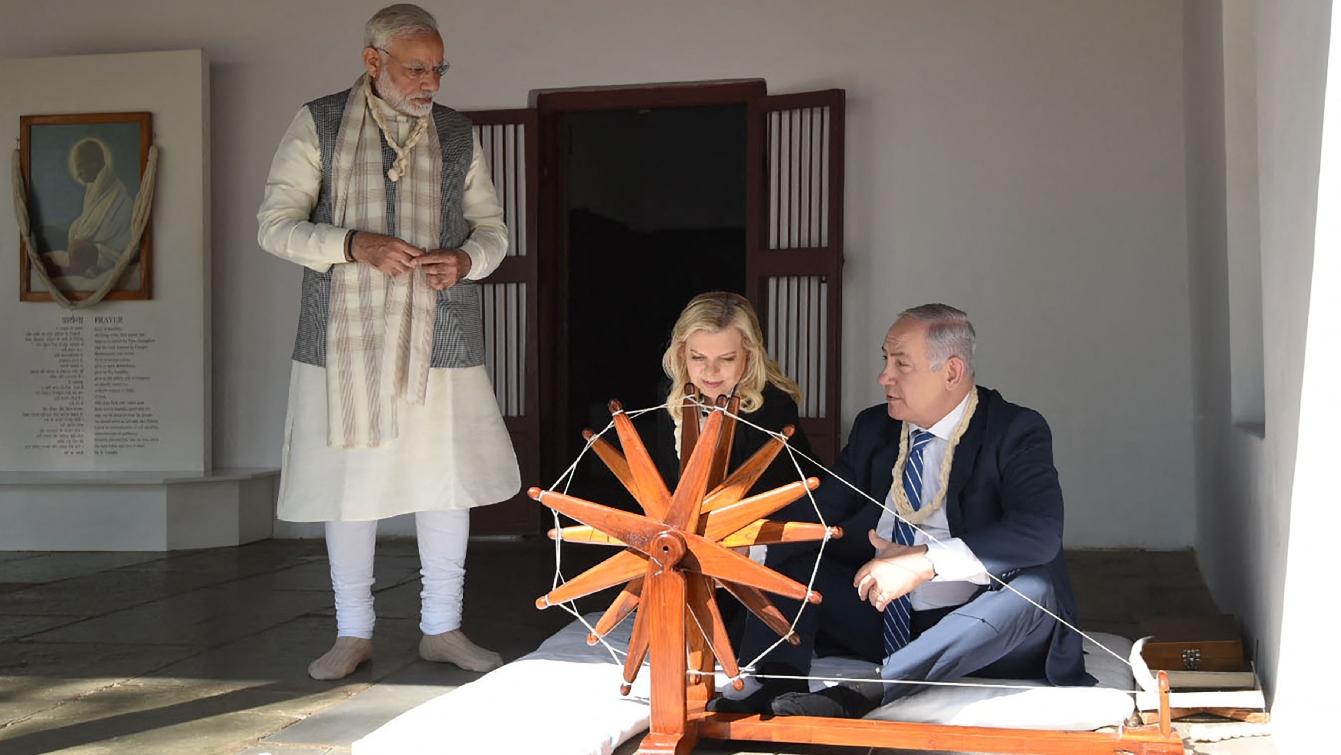
    The recent restoration of direct flight connectivity between India and China is generating substantial economic momentum, creating fresh pathways for bilateral trade and commercial cooperation. This development comes after a prolonged five-year hiatus that had severely constrained business interactions between the two Asian giants.

    Entrepreneur Praveen Suthar’s experience exemplifies the transformative impact of renewed air links. For years, Suthar had postponed establishing a portable house manufacturing facility in Udaipur, Rajasthan, due to transportation challenges. The October resumption of direct flights between Kolkata and Guangzhou finally enabled his 12-day sourcing mission to China, resulting in a fully approved manufacturing plant that will employ approximately 400 local workers.

    “We maintain significant dependence on China for high-tech raw materials that remain consistently cost-effective,” stated Suthar, who also chairs the Federation of Rajasthan Trade and Industry. The direct flight service has transformed previously cumbersome travel into viable business operations.

    The aviation restoration includes multiple routes: IndiGo’s Kolkata-Guangzhou service (resumed October 26), China Eastern Airlines’ daily Delhi-Shanghai connection (launched January 2), and anticipated reinstatements of Kolkata-Kunming and Mumbai-Shanghai routes according to Chinese embassy statements.

    Business advocates highlight the psychological significance of these developments. Santosh Pai, a cross-border business advisor and scholar at New Delhi’s Institute of Chinese Studies, observed: “Direct flights carry enormous signaling effect. Companies from both nations that had suspended plans are now proactively accelerating trade activities. Chinese firms have recommenced exploratory visits to India while Indian businesses are formulating new strategies.”

    The timing proves particularly fortuitous as Indian exporters seek alternatives to challenging market conditions. With United States tariffs imposing 50 percent duties on various Indian goods, exporters are actively diversifying toward Chinese markets. Jagdish Kumar, an Indian seafood exporter, noted the strategic shift: “American tariffs have severely impacted export viability, making Chinese market alternatives increasingly attractive.”

    Early indicators suggest this diversification is already underway. India’s seafood exports to China have surged 9 percent year-over-year, according to Gibinkumar T.R., secretary of India’s Marine Products Export Development Authority. This trend is expected to accelerate amid ongoing trade tensions.

    Ramachander Poodipeddi, public affairs lead for a Chinese multinational in India, emphasized the operational benefits: “Enhanced connectivity enables more sincere business engagement with greater commitment.”

    Ajay Sahai, director-general of the Federation of Indian Export Organisations, projected broader implications: “Increased flight connectivity will stimulate business interactions that benefit both nations and potentially strengthen the global economic landscape in coming weeks.”

    The aviation restoration aligns with diplomatic developments, including the December 12 bilateral agreement to enhance institutional dialogue, manage differences, and strengthen multilateral coordination—particularly regarding Global South interests.

  • Xinjiang official, famed as a ‘rural influencer’, dies after fall from horse

    Xinjiang official, famed as a ‘rural influencer’, dies after fall from horse

    The innovative government official He Jiaolong, whose social media prowess earned her nationwide recognition as a ‘rural influencer,’ has tragically passed away at age 47 following a horseback riding accident during official duties. The incident occurred on January 11th while she was filming preliminary segments for an agricultural e-commerce program in Bole city, located within Xinjiang’s Bortala Mongolian Autonomous Prefecture.

    According to official reports from Xinjiang Daily, He sustained severe head injuries from the fall and was immediately transported to a local medical facility. Despite coordinated efforts between regional health authorities and national specialists who conducted remote consultations, her condition remained critical. She was subsequently transferred to a hospital in Urumqi for intensive care but ultimately succumbed to her injuries on the evening of January 14th.

    He served as director of Xinjiang’s Agricultural Product Brand Development and Marketing Service Center, operating under the regional Department of Agriculture and Rural Affairs. She pioneered a novel approach to rural development by leveraging digital platforms to promote local agricultural specialties and tourism destinations. Her Douyin account amassed an impressive 6.4 million followers and 65 million likes across approximately 800 short videos.

    The official gained national prominence in 2020 while serving as deputy head of Zhaosu county in the Ili Kazak Autonomous Prefecture. Her innovative livestreaming sessions generated substantial economic benefits, including 14 million yuan ($2 million) in agricultural sales within just five months. A particularly memorable promotional video featuring her galloping across snowfields in a vibrant red cloak accumulated over 600 million views across multiple platforms.

    Beyond her commercial success, He maintained strict ethical standards, accepting no income beyond her government salary and directing all viewer donations to public welfare programs. Her work earned both regional and national honors, cementing her legacy as a transformative figure in rural development through digital innovation.

  • Education bolstered to meet strategic needs

    Education bolstered to meet strategic needs

    China is poised to launch the third iteration of its ambitious ‘Double World-Class’ initiative in 2026, representing a significant evolution in the nation’s higher education strategy. This comprehensive program aims to cultivate world-class universities and academic disciplines that directly serve national strategic objectives and regional development priorities.

    The initiative, operating on five-year cycles with competitive selection mechanisms, completed its inaugural phase (2016-2020) with 137 participating institutions. The subsequent round expanded to 147 universities while eliminating the previous distinction between ‘world-class universities’ and ‘world-class disciplines’—a strategic move to reduce institutional hierarchy.

    According to education policy experts, the third phase introduces several critical innovations. Professor Gao Hang, Vice-Dean of Renmin University’s School of Education, emphasizes that this round will strengthen connections between academic institutions and industrial innovation ecosystems. ‘The fundamental objective is transforming universities into active contributors to national economic and technological advancement,’ Gao stated.

    The Ministry of Education reports that ‘Double World-Class’ institutions already produce over 50% of China’s master’s graduates, 80% of doctoral graduates, and 90% of urgently needed high-level professionals. The new phase will address previous challenges including excessive competition and talent poaching while providing additional support to populous provinces and central/western regions.

    Policy researchers Lan Wenting and Wu Ni from the China National Academy of Educational Sciences note that universities will be categorized into three distinct types: research-intensive, application-oriented, and vocational institutions. This classification system enables specialized development according to national requirements, with research universities focusing on breakthrough innovation, applied universities strengthening industry collaboration, and vocational institutions developing skilled professionals.

    The selection process is expected to include more specialized institutions in fields such as medicine, agriculture, and emerging technologies. The dynamic adjustment mechanism will continue, maintaining quality control through performance-based warnings and removals, though experts anticipate limited exclusions in the upcoming cycle.

    Scheduled for official release in 2027, the third-round list is expected to feature strategic expansion in fields critical to national security and technological independence, particularly emphasizing interdisciplinary collaboration and emerging academic domains.

  • New finding to help probe dark matter

    New finding to help probe dark matter

    In a historic breakthrough bridging decades of theoretical physics, Chinese researchers have achieved the first experimental confirmation of the Migdal effect—a discovery with transformative implications for detecting dark matter, the invisible substance constituting approximately 85% of the universe’s mass.

    The landmark findings, published in Nature, validate a 1939 prediction by Soviet physicist Arkady Migdal, who theorized that a nuclear recoil event—such as a collision with a dark matter particle—could produce a rapid shift in the atom’s electric field, ejecting an orbiting electron. For nearly 90 years, this phenomenon remained experimentally unverified due to its minuscule scale and susceptibility to background interference from cosmic radiation.

    To overcome these challenges, a multidisciplinary team led by the University of Chinese Academy of Sciences engineered a specialized high-precision gas detector integrated with custom microchip technology—essentially an “atomic camera” capable of tracking individual atomic trajectories and electron emissions.

    After bombarding gas molecules with neutrons and analyzing over 800,000 candidate events, researchers identified six unambiguous signals exhibiting the Migdal effect’s distinctive signature: dual particle tracks emanating from identical points—one from the recoiling nucleus and another from the ejected electron. The results achieved five-sigma statistical confidence, particle physics’ gold standard for discovery.

    Professor Yu Haibo of UC Riverside noted: “Direct observation of the Migdal effect has been a longstanding experimental challenge. Multiple international teams attempted detection without success. This breakthrough is genuinely exciting.”

    The discovery arrives as physicists pivot from searching for heavy dark matter particles (WIMPs) toward lighter alternatives. Traditional detectors struggle to register faint nuclear recoils from lightweight particles, but the Migdal effect effectively converts these imperceptible events into measurable electronic signals.

    “By capturing the ejected electron’s full energy, our detector theoretically achieves 100% efficiency,” explained co-leader Professor Zheng Yangheng. “This work solidifies the Migdal effect’s theoretical foundation and provides crucial experimental validation.”

    Looking ahead, the team plans to optimize detector performance and study the effect across different materials. Professor Liu Qian revealed: “Extending observations to other elements will provide essential data for detecting even lighter dark matter particles.” Professor Liu Jianglai, lead scientist of China’s PandaX experiment, emphasized this represents “a crucial first step” toward practical dark matter detection applications.

  • New guideline focuses on addressing everyday climate-linked health risks

    New guideline focuses on addressing everyday climate-linked health risks

    China has launched a groundbreaking national initiative to transform how the nation addresses climate-related health challenges through a newly released comprehensive guideline. The multi-departmental framework, developed jointly by the China Meteorological Administration, Ministry of Civil Affairs, and Ministry of Culture and Tourism among seven government bodies, represents a paradigm shift in proactive health management by integrating meteorological data with healthcare delivery systems.

    The strategic document specifically targets pervasive climate-health concerns including seasonal pollen allergies affecting approximately 250 million citizens with allergic rhinitis, joint pain exacerbated by cold waves, and weather-aggravated chronic conditions. This initiative responds to documented increases in allergy-related medical treatments throughout northern China, where recent seasons have witnessed earlier onset and intensified symptoms compared to historical patterns.

    Municipal authorities have already implemented countermeasures such as strategic tree trimming, frequent ground moistening, and specialized park maintenance—including triple-daily washing of cypress trees in Beijing’s green spaces to mitigate pollen dispersion. The guideline formalizes these efforts while mandating the development of innovative insurance products incorporating meteorological indicators including heat indexes, cold spells, pollen concentration metrics, and influenza trends.

    Elderly populations receive particular emphasis within the new framework due to heightened vulnerability to climatic conditions. The policy requires local authorities to publish specialized climate health advisories for seniors and implement tailored support mechanisms for nursing institutions and isolated elderly residents. Pilot programs will integrate meteorological healthcare with elderly services, exercise regimens, and tourism opportunities to address aging population challenges.

    The administration will conduct nationwide assessments to create a unified climate health resource map, identifying regional advantages for developing specialized health programs. These include dry climate recuperation initiatives in northwestern regions and forest-based therapy programs in the southwest for chronic disease management.

    Further innovations include integrating meteorological services with tourism offerings and traditional Chinese medicine practices, while developing climate livability assessments to transform favorable weather conditions into regional economic advantages. This comprehensive approach positions China at the forefront of climate-health integration, turning environmental factors into measurable health benefits.

  • Mainland college students present Kunqu classic ‘The Peony Pavilion’ in Taipei

    Mainland college students present Kunqu classic ‘The Peony Pavilion’ in Taipei

    In a significant cultural exchange event, university students from mainland China presented a special campus youth edition of the classical Kunqu Opera “The Peony Pavilion” in Taipei on January 15, 2026. This performance marked the first time a production entirely performed by mainland college students was staged in Taiwan, occurring exactly twenty years after the original youth version premiered in the same city.

    The production originates from an innovative cultural preservation project initiated in 2024, designed to engage young generations in safeguarding Kunqu Opera—a 600-year-old performing art form recognized by UNESCO as an Intangible Cultural Heritage. The current campus version represents an abridged adaptation of the complete nine-hour performance, which typically unfolds across three consecutive evenings.

    Fifty selected students from twenty-nine different universities across mainland China participated in this ambitious undertaking. Despite minimal prior professional training in the ancient art form, these dedicated performers underwent nearly nine months of intensive instruction before debuting their production in Suzhou, Jiangsu Province—the historical birthplace of Kunqu Opera—in April 2025.

    The production maintains the exquisite costumes and sophisticated stage design of the original youth version created by renowned Taiwan-based novelist Pai Hsien-yung. Now 88 years old, Pai has dedicated years to promoting Kunqu Opera among younger audiences. In a pre-performance statement, he emphasized that the primary objective remains helping college students appreciate Kunqu’s aesthetic beauty and develop closer connections to traditional Chinese culture.

    Professor Zhao Tianwei, chief planner of the production and art professor at Southeast University, described the campus version as representing a contemporary model for transmitting China’s fine traditional culture through young practitioners. He expressed hope that Taiwanese youth audiences would gain deeper appreciation and understanding of Kunqu by witnessing their mainland peers performing this classical art form on stage.

    Since its initial 2004 premiere, the youth version of “The Peony Pavilion” has been presented at over a dozen universities, consistently maintaining young audiences as its primary focus. The current cross-strait cultural presentation continues this tradition while fostering meaningful artistic dialogue between mainland Chinese and Taiwanese communities.