标签: Asia

亚洲

  • Leicester riots: Inquiry finds Hindu nationalist ideas and disinformation played role in unrest

    Leicester riots: Inquiry finds Hindu nationalist ideas and disinformation played role in unrest

    A landmark independent investigation has concluded that the 2022 communal violence in Leicester resulted from a complex convergence of factors including Hindu nationalist influence, policing failures, and inadequate civic leadership. The comprehensive report titled ‘Better Together: Understanding the 2022 Violence in Leicester’ reveals that the unprecedented unrest was both preventable and exacerbated by institutional shortcomings.

    Conducted by researchers from SOAS University of London and the London School of Economics, the inquiry gathered extensive community testimony, digital evidence, and expert analysis. It documents how initial incidents beginning in May 2022 were inadequately addressed by authorities, ultimately escalating into major violence between Hindu and Muslim communities in August and September.

    Professor Juan Mendez, the international human rights lawyer who chaired the inquiry, emphasized that the violence emerged from multiple overlapping factors rather than the actions of any single community. The report identifies targeted attacks, local grievances, economic hardship, social fragmentation, and the spread of polarizing ideologies as key contributors to the crisis.

    The inquiry particularly criticized the Henry Jackson Society (HJS), describing it as a ‘motivated political actor’ whose narrative mirrored Hindutva-aligned groups and undermined reconciliation efforts. The report asserts that HJS helped legitimize supremacist ideologies in parliamentary and policy spaces while promoting distorted accounts of key events.

    Social media played a central role in accelerating the crisis through rapid circulation of misinformation and ‘fear messaging’ that amplified rumors and stoked inter-community hostility. The report highlights major gaps in intelligence-gathering, communication, and visible leadership from both Leicestershire Police and Leicester City Council during critical moments.

    Beyond immediate triggers, the inquiry points to deep-rooted economic and social deprivation affecting communities across Leicester, with young people particularly impacted by lack of opportunity, housing insecurity, and cuts to youth services. External political and ideological influences, including sustained disinformation campaigns by Hindu nationalist organizations in the UK and India, significantly intensified local tensions.

    The report documents numerous acts of cross-community solidarity during and after the violence but warns that these ‘powerful Leicester voices’ calling for peace were largely ignored by institutions. It calls for long-term investment in youth services, housing, education, and community regeneration, alongside more accountable policing with better understanding of communal dynamics.

    Recommendations include coordinated action to counter misinformation, digital literacy initiatives, and clear political leadership that rejects sectarian campaigning in favor of shared civic identity. The inquiry emphasizes the need to rebuild shared secular spaces that bring people together across religious lines, particularly led by young people from all communities.
  • ‘Not to make profits’: India backs new ride-hailing service to challenge likes of Uber

    ‘Not to make profits’: India backs new ride-hailing service to challenge likes of Uber

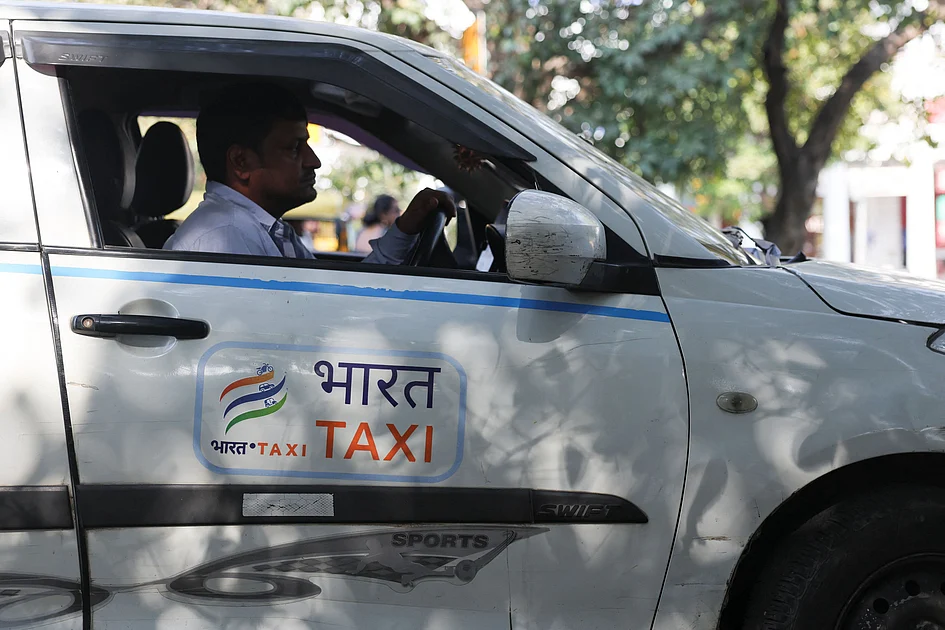
    India has unveiled a groundbreaking government-supported ride-hailing platform that directly challenges international giants like Uber through an innovative cooperative business model. The service, named Bharat Taxi, represents a significant shift in the country’s mobility ecosystem by eliminating driver commissions and offering profit-sharing opportunities to participating drivers.

    Amit Shah, India’s Minister of Cooperation and Home Minister, announced the initiative during a Monday address to drivers, explaining that for a nominal investment of 500 rupees (approximately $5.50), drivers can become shareholders and receive profit distributions after three years of operation. “The fundamental objective of this taxi service is not to function as a conventional profit-driven corporation,” Shah emphasized during the launch event.

    The government-backed venture emerges amid widespread dissatisfaction among drivers working for established platforms such as Uber and its domestic competitor Ola. Primary grievances include excessive commission structures, inadequate fare rates, and overall financial pressures on drivers. Shah previously informed Parliament that unlike existing services, Bharat Taxi’s profits “will not be channeled to corporate tycoons.”

    While Uber maintains dominance alongside Ola and Rapido in India’s rapidly expanding $2 billion ride-hailing market—projected by Grand View Research to reach $11 billion by 2033—Bharat Taxi has already attracted over 250,000 drivers. Currently operational in select regions including New Delhi, the service plans nationwide expansion within two years.

    The platform offers comprehensive mobility options through its mobile application, enabling customers to book traditional cabs, three-wheeled autorickshaws, and motorcycle taxis. Additionally, Bharat Taxi provides financial services including vehicle mortgage assistance and loan facilitation for drivers.

    Uber responded to the development by acknowledging India’s “dynamic and rapidly evolving mobility ecosystem,” stating that “healthy competition ultimately benefits all stakeholders” while asserting its continued preference among both drivers and riders. Ola declined to comment on the new competitor.

    This marks the first federal government-backed challenge to established ride-hailing services in India, distinguishing itself from previous private sector attempts like BluSmart that failed to significantly disrupt market dominance.

  • China Railway Guangzhou Group transports over 50m passengers since the start of travel rush

    China Railway Guangzhou Group transports over 50m passengers since the start of travel rush

    China Railway Guangzhou Group has achieved a monumental transportation milestone, moving over 50 million passengers since the commencement of the annual Spring Festival travel period. This massive operation underscores the critical role of rail infrastructure in facilitating China’s largest annual human migration event.

    The Guangzhou-based railway operator, serving as a primary transport hub in Southern China, reported handling approximately 2.512 million outbound passengers and receiving 2.619 million inbound travelers on Tuesday alone—the 23rd day of the travel rush that began on February 2.

    According to the company’s passenger transport department, this sustained high-volume traffic results from a convergence of factors including post-holiday business reopenings, university restarts, and returning family visitors. This overlapping demand has created unprecedented pressure on transportation systems throughout the region.

    To accommodate the massive passenger flow, the railway group has implemented extensive capacity expansion measures. On Tuesday, the operation included 3,946 scheduled trains, with 1,419 high-speed units running in multiple formations and an additional 745 supplemental services—469 of which were nighttime high-speed trains.

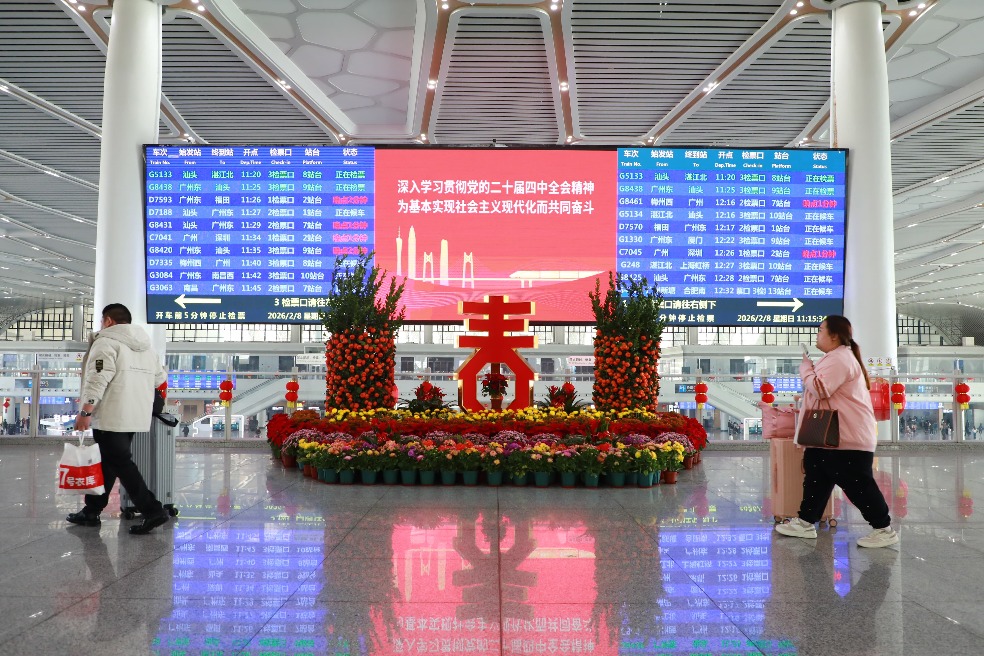
    Infrastructure enhancements have played a crucial role in managing the passenger surge. Guangzhou Baiyun Station, one of Guangdong’s major rail hubs, has significantly improved transfer efficiency through newly added entrances and upgraded passenger facilities. These improvements have enabled rapid station transfers within just five minutes.

    Additionally, the station has implemented security-free通道 for metro and Guangzhou-Qingyuan intercity train connections, reducing rail-to-subway transfer times to approximately 15 minutes. These operational optimizations represent significant advancements in China’s railway transportation capabilities during peak travel periods.

  • Exclusive: Cambridge put £140m in fund with stakes in firms linked to Israeli abuses

    Exclusive: Cambridge put £140m in fund with stakes in firms linked to Israeli abuses

    An investigative report by Middle East Eye has uncovered that the University of Cambridge’s endowment fund holds significant investments exceeding £140 million in companies allegedly involved in Israeli human rights violations. The investment, made through the iShares ESG Select Screened S&P 500 fund managed by BlackRock, includes substantial stakes in Palantir Technologies, Caterpillar Inc., and GE Aerospace—all firms connected to controversial military operations in Palestine.

    The University of Cambridge Investment Management Limited (UCIM), which oversees the £4.2 billion endowment, has consistently refused to disclose its complete investment portfolio, citing confidentiality agreements. However, recent SEC filings revealed that UCIM allocated these funds in late 2025, shortly after completing an internal review of defense industry investments prompted by student protests.

    Notable holdings include approximately £800,000 in Palantir, which maintains strategic partnerships with Israel’s defense ministry and has been accused by UN officials of facilitating unlawful force. The endowment also holds £900,000 in GE Aerospace, whose engines power Israeli military jets, and £1 million in Caterpillar—a company dropped by Norway’s sovereign wealth fund due to documented use of its bulldozers in unlawful property destruction.

    The investment controversy emerges despite UCIM’s claims to maintaining minimal defense exposure (approximately 1.7% of total assets) and follows months of pro-Palestine encampments by students demanding divestment. University leadership has repeatedly postponed votes on arms manufacturer divestment, citing structural challenges within its ‘fund of funds’ model that relies on third-party managers.

    BlackRock, the asset manager overseeing the ESG fund, faces its own criticisms from UN reports alleging complicity in Israeli occupation practices. Both UCIM and BlackRock declined to comment on the investment revelations.

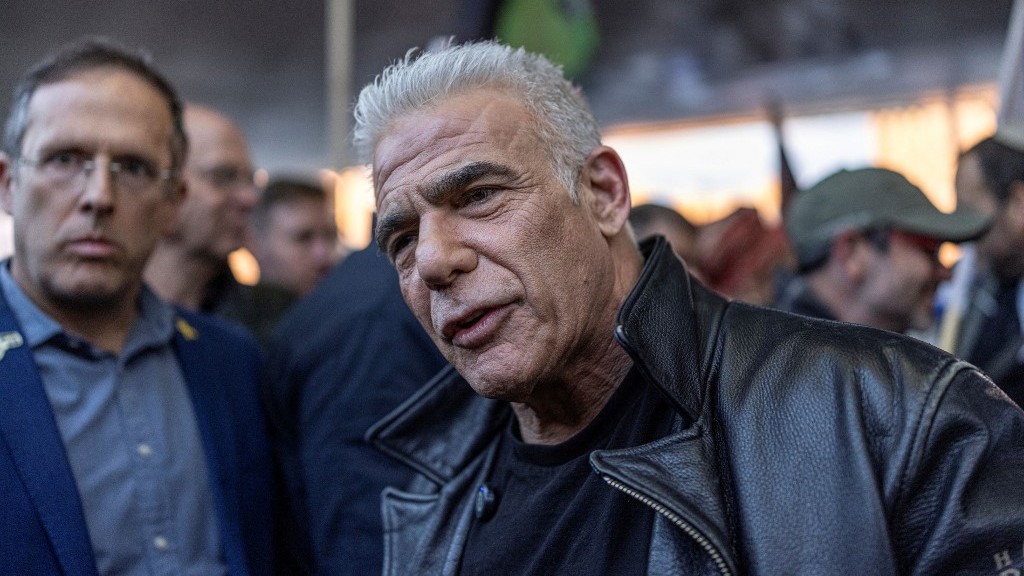
  • Yair Lapid backs ‘biblical’ borders for Israel

    Yair Lapid backs ‘biblical’ borders for Israel

    In a significant political development, Israeli opposition leader Yair Lapid has articulated his support for expanding Israel’s territorial boundaries to their biblical proportions when security conditions permit. The centrist Yesh Atid party leader made these remarks during a Monday press conference when questioned about U.S. Ambassador Mike Huckabee’s recent comments regarding Israel’s religious entitlement to lands between the Euphrates and Nile rivers.

    Lapid explicitly endorsed the concept of a Greater Israel, stating: ‘I support anything that will allow the Jews a large, broad, strong land and a safe haven for us, our children and our children’s children.’ When pressed for specifics on territorial extent, the opposition leader responded: ‘As broad as possible,’ while acknowledging practical constraints including security considerations, policy limitations, and temporal factors. He notably suggested potential expansion reaching as far as Iraq.

    The politician grounded his position in religious doctrine, asserting: ‘Zionism is based on the Bible, our mandate over the land of Israel is biblical, the biblical borders of Israel are very clear. I believe our ownership deed over the land of Israel is the Bible, therefore the borders are the Bible’s borders.’

    This stance appears somewhat contradictory to Lapid’s previous endorsements of a two-state solution for Palestinians. The opposition leader had previously criticized European nations’ recognition of Palestinian statehood as ‘a reward for terror.’

    The controversy originates from Ambassador Huckabee’s recent interview with conservative commentator Tucker Carlson, where the Baptist minister and self-declared Zionist suggested Israel would be justified in claiming the entire Middle East. When challenged about including Lebanon and Syria, Huckabee characterized his statement as hyperbolic while maintaining that defensive conquest would warrant different consideration.

  • Philippines’ Duterte drew up ‘death lists’, boasted about murders, says ICC prosecutor

    Philippines’ Duterte drew up ‘death lists’, boasted about murders, says ICC prosecutor

    The International Criminal Court heard explosive testimony Tuesday alleging former Philippine President Rodrigo Duterte personally compiled execution lists and openly boasted about murders committed during his violent anti-drug campaign. ICC prosecutor Edward Jeremy presented chilling evidence claiming children had been killed with packing tape and that Duterte specifically targeted impoverished citizens who were least likely to report police abuses.

    Jeremy played video evidence showing Duterte declaring himself “the sole person responsible” for the drug war’s consequences. The prosecutor described how Duterte joked about extrajudicial killings before laughing officials in “opulent, gilded presentation rooms” while bodies piled up on Philippine streets. At the time of one such speech, Jeremy alleged nearly 1,500 people had already been killed.

    The 80-year-old former president exercised his right not to attend the proceedings, with his defense citing cognitive decline and health issues—claims challenged by prosecutors and victims’ families who maintain he is avoiding confrontation. The week-long hearing represents a critical ‘confirmation of charges’ phase where judges will determine whether evidence warrants a full trial for crimes against humanity.

    Duterte faces three ICC counts related to at least 76 specific murders between 2013-2018, though prosecutors emphasize this represents merely a fraction of the thousands killed during his tenure as Davao City mayor and later national president. Defense attorney Nicholas Kaufman maintained his client’s complete innocence, arguing Duterte’s inflammatory rhetoric was mere “bluster and hyperbole” that consistently included orders to only shoot in self-defense.

    The court will deliberate for up to 60 days following Friday’s conclusion of proceedings before deciding whether to advance to a full criminal trial.

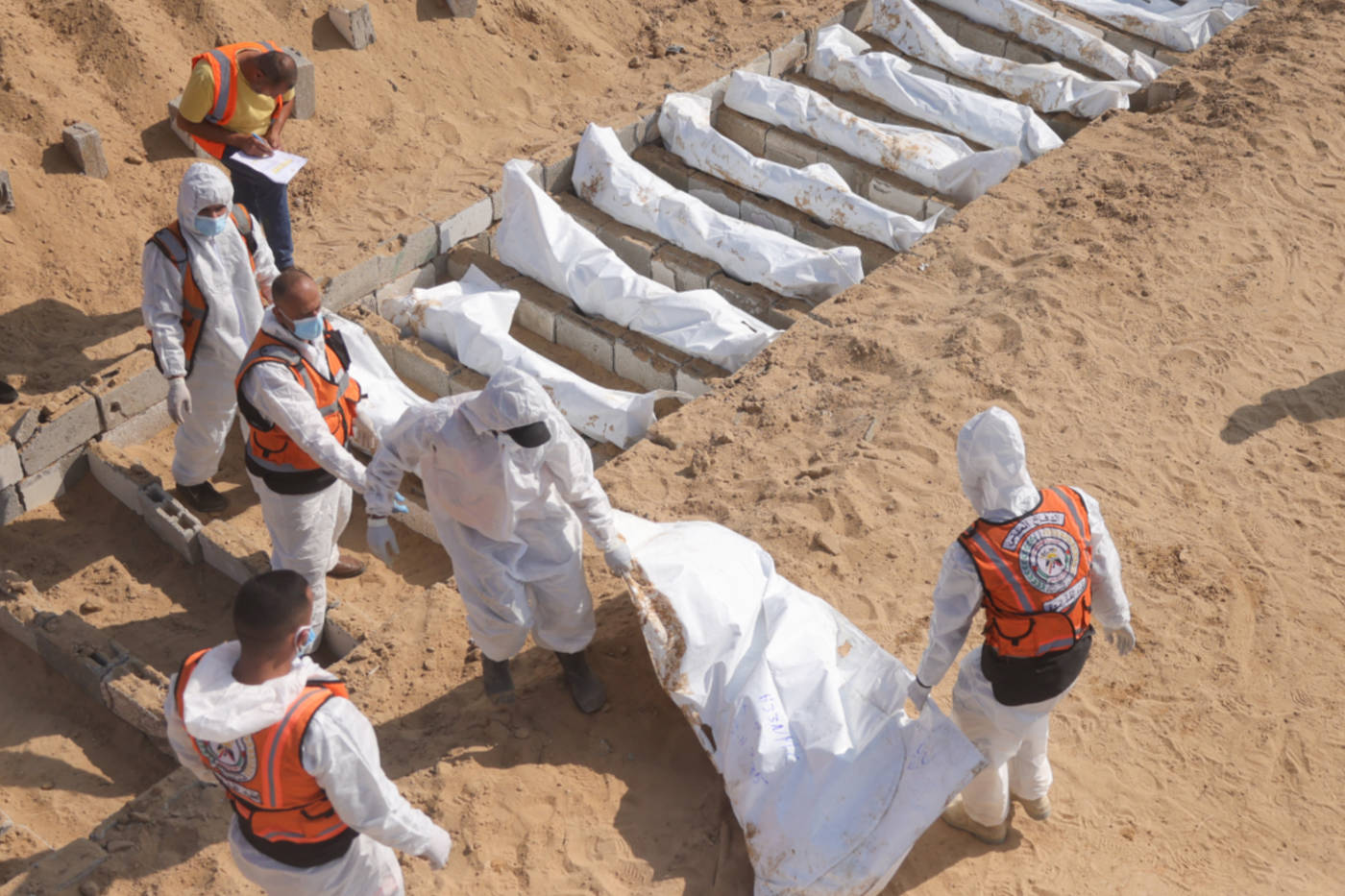
  • Genocide in Gaza: How many Palestinians did Israel kill?

    Genocide in Gaza: How many Palestinians did Israel kill?

    A groundbreaking study published in The Lancet Global Health has revealed that the human cost of the Gaza conflict, which commenced on October 7, 2023, substantially exceeds official mortality statistics. While the Palestinian Ministry of Health has documented approximately 72,000 fatalities through its meticulous identification system, the peer-reviewed research indicates the actual death toll likely surpassed 95,000 by January 2025.

    The Palestinian health authorities operate under extraordinary constraints, including population displacement, administrative destruction, and communication blackouts. Despite these challenges, the ministry maintains a rigorous documentation process using Israeli-administered identification numbers to verify each casualty. This system has earned credibility among international organizations, including UN agencies and the World Health Organization, which regularly incorporate these figures into official reports.

    Professor Michael Spagat of Royal Holloway University, who chairs the NGO Every Casualty Counts, emphasized the unprecedented transparency of this system: ‘The population registry is controlled by Israel so Israel can check instantly to make sure that everyone on this list is real. The data is there in great detail to be examined.’

    The Lancet study employed sophisticated demographic methodologies, surveying over 2,000 households to create a population-representative sample. Researchers discovered that indirect casualties from starvation and healthcare restrictions, along with approximately 12,000 individuals buried under rubble, were not captured in official counts. The analysis further determined that 56% of casualties were women or children under 18.

    International response to casualty figures has evolved throughout the conflict. While Israeli and U.S. officials initially questioned the ministry’s accuracy, a senior Israeli army official acknowledged in January 2026 that approximately 70,000 Palestinians had been killed. Separate intelligence assessments indicated that fewer than 9,000 identified fatalities were Hamas fighters, suggesting civilian casualties accounted for roughly 83% of documented deaths.

    The comprehensive research involved academics from prestigious institutions including Stanford, Princeton, and the London School of Hygiene and Tropical Medicine, representing the first peer-reviewed independent mortality assessment conducted under Gaza’s stringent access restrictions.

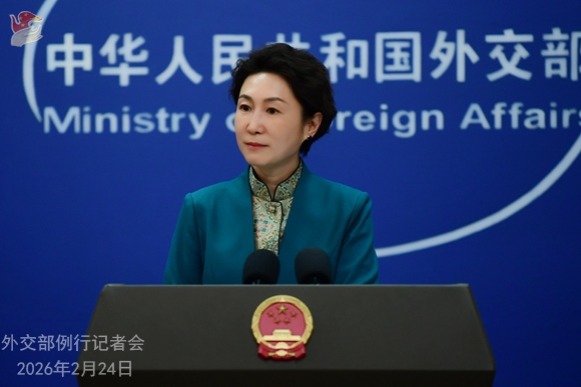
  • China, US in contact over Trump’s possible visit

    China, US in contact over Trump’s possible visit

    China and the United States are currently engaged in diplomatic communications regarding a potential official visit by U.S. President Donald Trump, according to statements from China’s Foreign Ministry. Ministry spokeswoman Mao Ning confirmed the ongoing discussions during a regular press briefing on Tuesday, emphasizing the significance of high-level diplomatic engagement between the two global powers.

    The dialogue follows media reports suggesting President Trump is scheduled to visit China during the late March to early April timeframe. While specific details regarding the itinerary and agenda remain undisclosed, the potential visit represents a continuation of diplomatic exchanges between the world’s two largest economies.

    Mao Ning highlighted the critical importance of head-of-state diplomacy in shaping the strategic direction of Sino-American relations. “Head-of-state diplomacy plays an irreplaceable role in providing strategic guidance for China-US relations,” she stated, underscoring the value both nations place on direct leadership engagement.

    The potential visit occurs against the backdrop of ongoing trade discussions and broader geopolitical considerations that characterize the complex relationship between Beijing and Washington. Both nations have maintained regular diplomatic channels despite periodic tensions across various policy domains.

    The Foreign Ministry’s confirmation indicates mutual interest in maintaining open communication at the highest levels of government, suggesting both capitals recognize the importance of personal diplomacy in managing one of the world’s most consequential bilateral relationships.

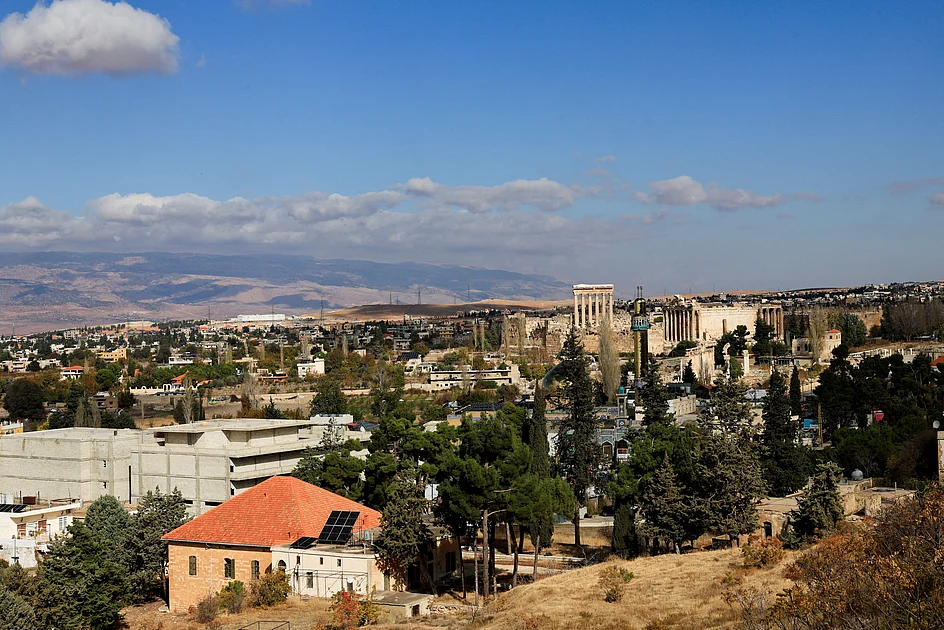
  • Israel warns Lebanon it would hit hard if Hezbollah gets involved in US-Iran war

    Israel warns Lebanon it would hit hard if Hezbollah gets involved in US-Iran war

    Israel has delivered a stark warning to Lebanon through diplomatic channels, threatening severe military retaliation should Hezbollah forces engage in any potential conflict between the United States and Iran. According to two senior Lebanese officials who disclosed the message on Tuesday, February 24, 2026, Israeli strikes would specifically target critical civilian infrastructure including Beirut’s international airport if the Iranian-backed militant group enters such a confrontation.

    The indirect communication, which represents a significant escalation in regional tensions, underscores Israel’s determination to prevent Hezbollah from opening a second front amid growing US-Iran hostilities. Neither Israeli Prime Minister Benjamin Netanyahu’s office nor the Lebanese presidency immediately responded to requests for comment regarding these allegations.

    This development occurs against a backdrop of increasing cross-border exchanges between Israel and Hezbollah, with recent Israeli evacuation warnings for southern Lebanese villages and military strikes against Hezbollah positions. Lebanese authorities have previously condemned Israeli operations as undermining de-escalation efforts in the region.

    The warning reflects Israel’s strategic concern about Hezbollah’s extensive arsenal and its potential to divert Israeli military resources during a broader regional conflict. Analysts note that such messaging serves both as a deterrent and as preparation for possible multi-front engagements, highlighting the complex geopolitical dynamics involving Iran’s proxy networks throughout the Middle East.

  • Arab League and 19 countries condemn Israel’s ‘de facto annexation’ of West Bank

    Arab League and 19 countries condemn Israel’s ‘de facto annexation’ of West Bank

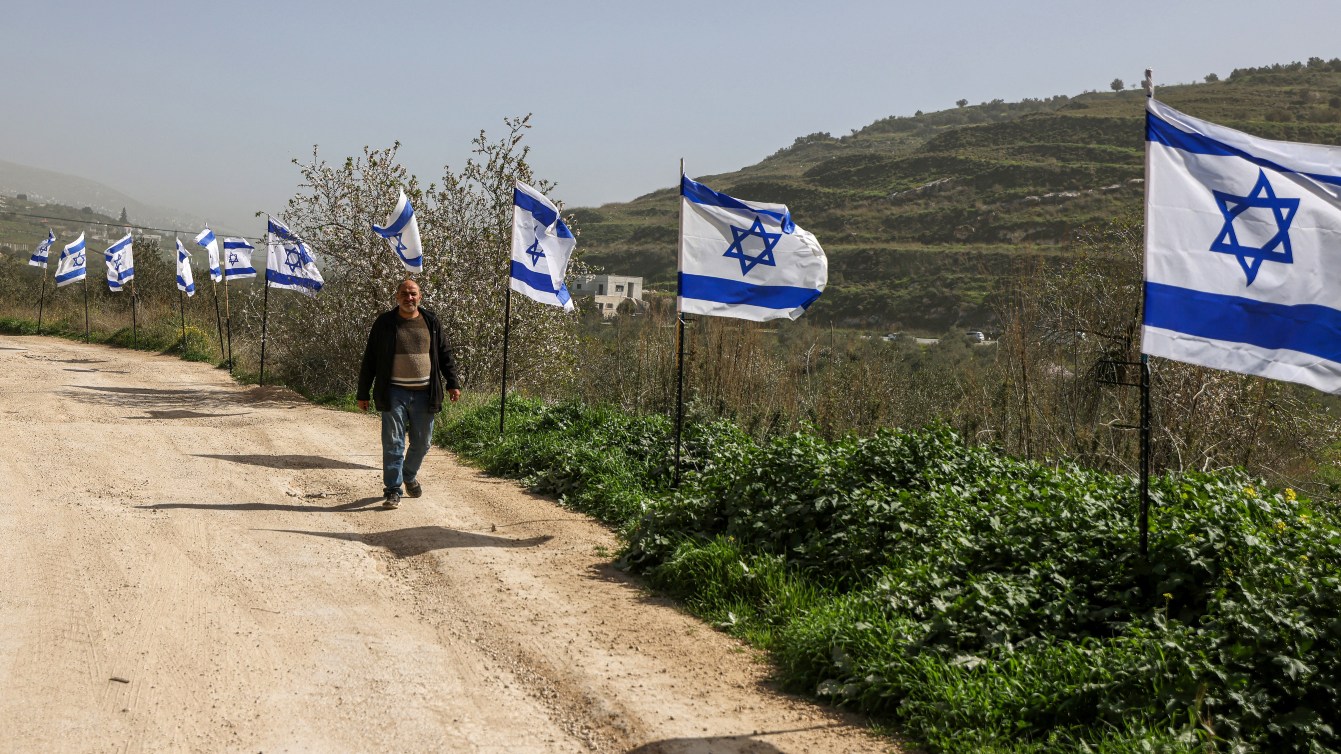
    A formidable coalition comprising the Organisation of Islamic Cooperation (OIC), the Arab League, and nineteen nations—including Spain, Ireland, Norway, and Portugal—has issued a stern condemnation of Israel’s recent policy changes in the occupied West Bank. The collective statement characterizes these measures as a deliberate campaign to alter the territory’s fundamental reality through systematic settlement expansion.

    The diplomatic rebuke specifically targets Israel’s February 8th approval of sweeping administrative reforms affecting land registration and civil control mechanisms. These changes, championed by Finance Minister Bezalel Smotrich and Defense Minister Israel Katz, effectively remove legal barriers to settlement development while enabling direct land purchases by Israeli settlers through the disclosure of previously confidential ownership records.

    International authorities have denounced these policies as flagrant violations of established international law, including relevant UN Security Council resolutions and the 2024 Advisory Opinion of the International Court of Justice. The joint statement emphasizes that such actions constitute ‘unacceptable de facto annexation’ that directly undermines the viability of a future Palestinian state and the foundational principles of the two-state solution.

    The condemnation further highlights the alarming escalation of settler violence throughout the West Bank, documenting 4,723 incidents in 2025 alone according to official Palestinian records. Recent atrocities include the arson attack on the Abu Bakr Al-Siddiq Mosque south of Nablus, where racist graffiti including the words ‘revenge’ and ‘price tag’ accompanied the destruction.

    Palestinian President Mahmoud Abbas has characterized these policies as a violation of the Oslo Accords—the interim agreements that established the current administrative divisions of the West Bank into Areas A, B, and C. The new measures notably empower Israeli military enforcement of regulations in Palestinian-administered areas, potentially facilitating land confiscation and structure demolitions under the pretext of archaeological preservation.

    The international coalition has urgently called for immediate policy reversal, demanding Israel respect its legal obligations and cease all actions that permanently alter the status of occupied territories. The statement additionally demands accountability for settler violence, which has resulted in over 1,000 Palestinian fatalities—including 217 minors—during the past two years.