标签: Asia

亚洲

  • GCC calls on Iraq to withdraw UN map rejected by Kuwait

    GCC calls on Iraq to withdraw UN map rejected by Kuwait

    The Gulf Cooperation Council (GCC) has formally intervened in a renewed maritime sovereignty dispute between Kuwait and Iraq, calling for the immediate withdrawal of recently submitted United Nations documents. The diplomatic escalation follows Iraq’s submission of coordinates and maps to the UN Secretary-General on January 19 and February 9, 2026, outlining its territorial sea baselines and maritime zones in accordance with the 1982 United Nations Convention on the Law of the Sea (UNCLOS).

    Kuwait has vigorously contested these submissions, asserting that the proposed coordinates constitute an unlawful encroachment on its established maritime sovereignty and fixed water elevations. According to Kuwaiti authorities, these maritime boundaries have never previously been subject to dispute between the neighboring nations.

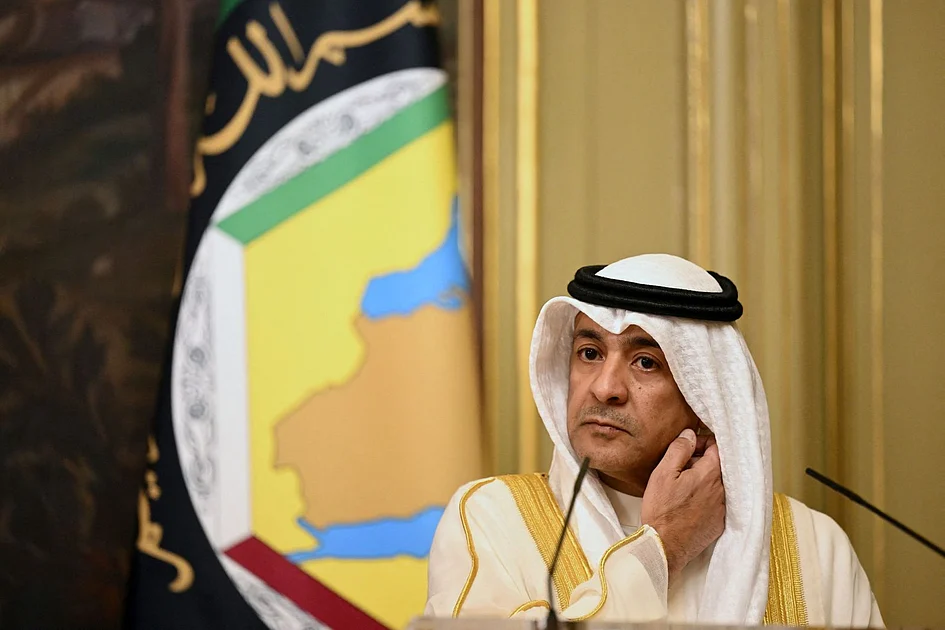
    The GCC, representing six Gulf nations including the UAE, Qatar, Oman, Saudi Arabia, and Bahrain, has unanimously voiced support for Kuwait’s position. GCC Secretary General Jasem Mohamed Albudaiwi issued a formal statement urging Iraq to retract its UN submissions, specifically highlighting concerns over claims to maritime areas including Fasht Al Qaid and Fasht Al A’aij shoals.

    Albudiawi emphasized the critical importance of adhering to international law and UNCLOS principles, particularly those aligned with existing bilateral agreements and memoranda of understanding between Iraq and Kuwait. The Secretary General referenced the GCC Supreme Council’s firm stance as articulated in the Final Statement of its 46th session, which explicitly calls for Iraq’s respect of Kuwait’s sovereignty and territorial integrity.

    The GCC statement categorically rejects any violations of Kuwait’s sovereignty over its lands, islands, associated shoals, and entire maritime zone while underscoring the necessity of upholding all relevant bilateral and international agreements, including UN resolutions.

    Despite acknowledging the deep-rooted historical relations and neighborly ties between GCC members and Iraq, Albudaiwi noted that such territorial claims undermine ongoing efforts to strengthen regional cooperation. The Secretary General concluded by expressing hope that Iraq would review and withdraw its submissions as a confidence-building measure that would reinforce mutual trust, promote stability, and demonstrate commitment to established legal and international principles.

  • VisaTop.com, fastest growing visa consulting company in the UAE

    VisaTop.com, fastest growing visa consulting company in the UAE

    In the dynamic landscape of global mobility, VisaTop.com has emerged as the United Arab Emirates’ fastest-growing visa consultancy firm, transforming how individuals and businesses navigate regional immigration processes. Founded on the principle of eliminating bureaucratic friction, the company specializes in Golden Visa services while expanding into comprehensive business establishment support across the UAE and Saudi Arabia.

    The company addresses one of relocation’s most persistent challenges: the complex, often opaque visa application procedures where minor documentation errors can result in costly rejections. Through structured guidance on required documents, formats, and procedural stages, VisaTop significantly reduces application risks, converting an traditionally uncertain process into a predictable experience.

    VisaTop’s completely digital operating model distinguishes it from traditional consultancies that rely on physical paperwork and in-person visits. Clients can complete entire processes remotely, receiving end-to-end support from initial assessment to final visa issuance. The company’s business formation service assists entrepreneurs in selecting appropriate jurisdictions (Mainland, Free Zone, or Offshore) while handling licensing, documentation, and government coordination.

    Artificial intelligence serves as the company’s technological backbone, automating internal workflows, extracting data from uploaded documents, and accelerating processing times. This AI integration translates to faster turnaround and reduced costs for clients while enabling staff to focus on high-value advisory services. The recently implemented AI-powered FAQ system provides 24/7 instant responses to common inquiries, catering to global clients across time zones.

    CEO Francesco Mattia emphasizes that clarity and trust drive the company’s competitive strategy. “We focused from day one on removing uncertainty by combining human expertise with technology,” Mattia stated. He identifies technology as fundamental to VisaTop’s operational model, enabling scalability without compromising quality.

    Looking toward future expansion, VisaTop aims to establish itself as the regional market leader for visa services throughout the MENA region, using the UAE as its foundational market while setting new standards for immigration service delivery across the Middle East and North Africa.

  • Egyptian-Chinese team unearths King Apries temple structure in Giza

    Egyptian-Chinese team unearths King Apries temple structure in Giza

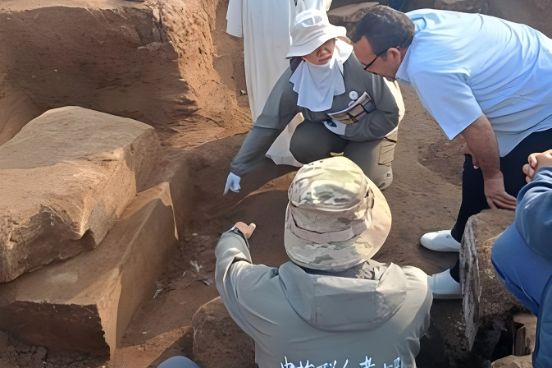
    A groundbreaking archaeological discovery has emerged from the sands of Giza, where a joint Egyptian-Chinese mission has unearthed significant structural remains of a temple dedicated to King Apries, who ruled during Egypt’s 26th Dynasty (664-525 BC). The remarkable find was announced by the Shandong Institute of Cultural Relics and Archaeology on Tuesday, marking a new milestone in international archaeological cooperation.

    The excavation at the Tell Aziz site in the Mit Rahina area revealed substantial limestone architectural elements that formed part of the previously unknown temple complex. The collaborative project brings together expertise from Egypt’s Supreme Council of Antiquities, Peking University, and the Shandong Institute of Cultural Relics and Archaeology, demonstrating the growing importance of international partnerships in archaeological research.

    Beyond the temple structure itself, the mission has recovered an impressive array of artifacts that provide valuable insights into the period. Among the most significant finds are five meticulously carved sphinx statues, numerous stone blocks inscribed with intricate hieroglyphic texts, various pottery fragments, and ancient copper coins. These discoveries offer archaeologists new material evidence to study the architectural styles, religious practices, and daily life during the reign of King Apries.

    The temple discovery provides crucial historical context for understanding the 26th Dynasty, also known as the Saite Period, when Egypt experienced a renaissance of art and culture hearkening back to earlier dynastic periods. King Apries, who ruled from 589 to 570 BC, presided over a turbulent period that eventually saw his overthrow and replacement by Amasis II, making archaeological evidence from his reign particularly valuable to historians.

    This discovery represents another success in the growing scientific collaboration between Egyptian and Chinese archaeological institutions, which have been working together at multiple sites across Egypt in recent years. The findings will undergo detailed analysis and conservation to better understand their historical significance and ensure their preservation for future study.

  • At least 4 killed as army helicopter crashes in central Iran

    At least 4 killed as army helicopter crashes in central Iran

    A military helicopter operated by the Iranian Army crashed into a bustling fruit market in Dorcheh, Isfahan province, on Tuesday, resulting in four confirmed fatalities. The deceased include both the aircraft’s pilot and co-pilot, alongside two local merchants who were present at the scene.

    Initial reports from state media indicate the crash triggered an immediate fire, which emergency response teams successfully extinguished. The incident has drawn renewed attention to Iran’s longstanding aviation safety challenges.

    Aviation experts frequently attribute Iran’s poor air safety record to an aging fleet, largely composed of aircraft procured prior to the 1979 Islamic Revolution. These older models face significant maintenance hurdles due to international sanctions that severely restrict access to original manufacturer parts and technical support.

    This tragedy follows another recent military aviation incident in Iran. Just last week, a US-manufactured F-4 Phantom fighter jet crashed during a training exercise in Hamadan province, claiming the life of one pilot. These consecutive accidents highlight persistent operational risks within the country’s military aviation branches.

  • China sees 2.8b cross-regional trips during Spring Festival holiday

    China sees 2.8b cross-regional trips during Spring Festival holiday

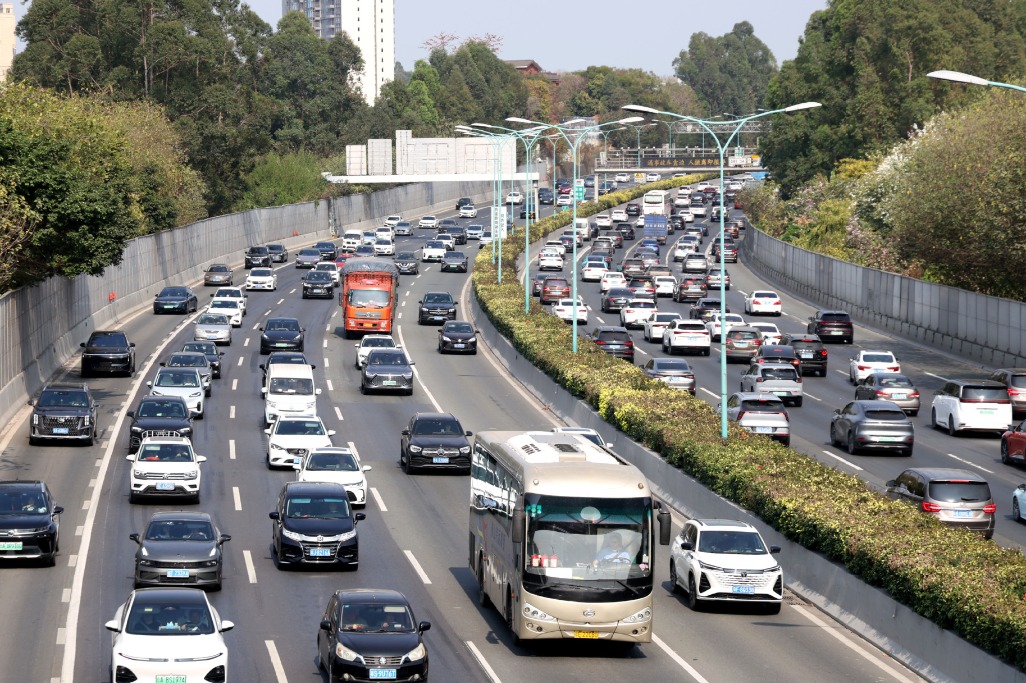
    China witnessed an unprecedented movement of people during the recent Spring Festival period, with official data revealing over 2.8 billion cross-regional journeys made throughout the holiday season. This staggering figure represents a new historical benchmark for travel volume during China’s most important traditional celebration, underscoring the massive scale of human mobility that characterizes the annual Lunar New Year migration.

    The Spring Festival travel rush, known as ‘Chunyun,’ typically triggers the largest annual human migration globally as millions journey to reunite with families. The 2026 period demonstrated remarkable resilience in travel demand despite various economic and logistical challenges. Transportation networks nationwide operated at near capacity to accommodate the enormous flow of passengers moving between cities and provinces.

    Concurrent reports indicated China’s railway system alone handled approximately 121 million passenger trips during the same period, while nearly 17.8 million cross-border journeys were recorded. The extensive travel activity reflects both recovering economic vitality and the enduring cultural significance of family reunification during traditional holidays. Accompanying visual documentation from Guangzhou showed heavily utilized expressway networks managing substantial vehicle flows during the peak travel period.

  • Jailed Pakistan ex-PM Imran Khan gets eye treatment, is clinically stable: Hospital

    Jailed Pakistan ex-PM Imran Khan gets eye treatment, is clinically stable: Hospital

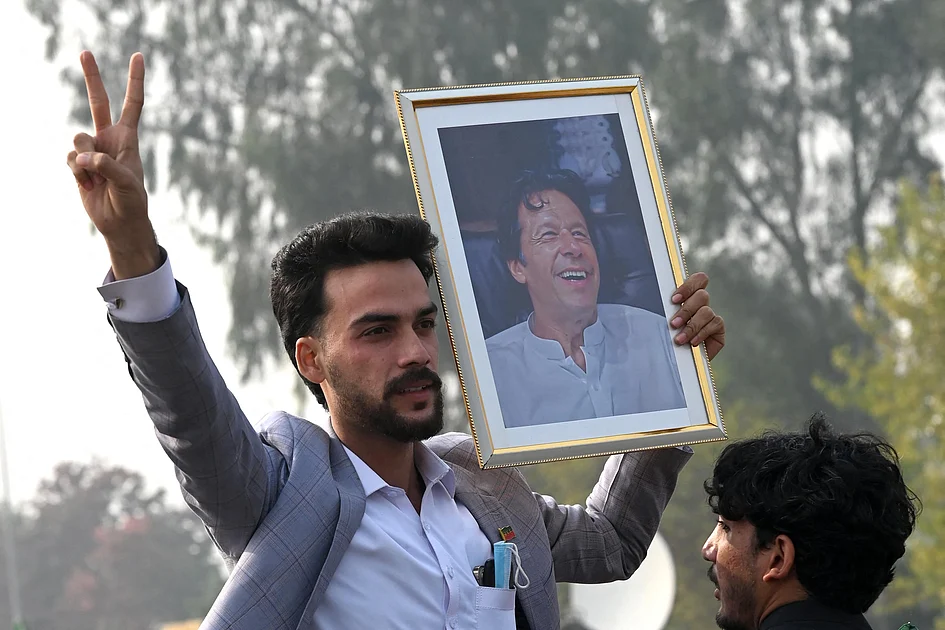
    Former Pakistani Prime Minister Imran Khan underwent specialized eye treatment at Islamabad’s Pakistan Institute of Medical Sciences (PIMS) on Tuesday, February 24, 2026, while remaining imprisoned on corruption charges. The hospital confirmed Khan received his second dose of eye injections and described his condition as “clinically stable.” This development occurs amidst growing international concern regarding the 73-year-old former cricket star’s deteriorating eyesight, with his legal team reporting he has lost approximately 85% of vision in his right eye.

    Khan’s press adviser, Sayed Zulfiqar Bukhari, immediately raised objections regarding medical access, stating authorities continued to deny visitation rights to Khan’s personal physician and family members. These concerns were amplified last week when more than a dozen international cricket captains jointly appealed to the Pakistani government to ensure adequate medical treatment for the former premier.

    The political context remains deeply contentious. Khan, who served as prime minister from 2018 until his removal via no-confidence vote in 2022, has been incarcerated since 2023. He and his wife were subsequently sentenced to 17 years imprisonment on corruption allegations that both vehemently deny. Khan’s political party, Pakistan Tehreek-e-Insaf, maintains all legal proceedings represent politically motivated persecution orchestrated by the current administration and Pakistan’s powerful military establishment.

    Khan’s son, Kasim Khan, publicly accused authorities of “medical neglect” during his father’s confinement, asserting via social media platform X that “the responsibility lies squarely with the regime in power, the Army Chief and the puppets enabling this cruelty.” Khan’s initial arrest in May 2023 triggered widespread civil unrest throughout Pakistan, with demonstrations frequently turning violent and resulting in hundreds of arrests.

    The former leader’s health crisis has transformed into both a medical and diplomatic issue, drawing attention from international sports figures and human rights observers who question prison conditions and judicial fairness in Pakistan’s ongoing political turmoil.

  • Priced at over Dh78,000: How was the rare bisht worn by Cristiano Ronaldo made

    Priced at over Dh78,000: How was the rare bisht worn by Cristiano Ronaldo made

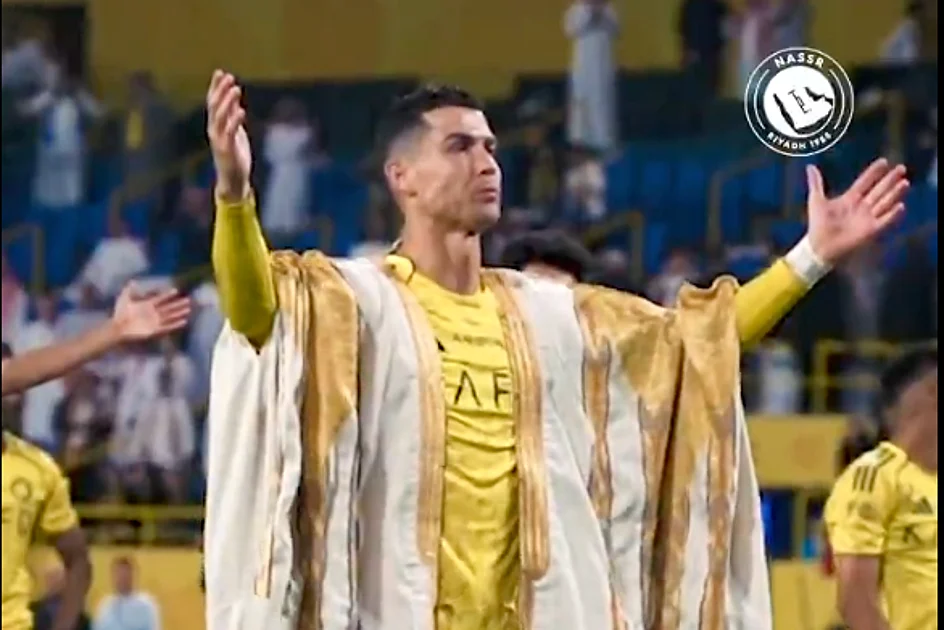
    In a powerful fusion of sports and cultural heritage, football icon Cristiano Ronaldo donned an exceptionally rare Saudi bisht valued at over Dh78,000 following Al Nassr FC’s decisive 4-0 victory against Al Hazem on February 21. This sartorial choice carried profound significance, coinciding with Saudi Arabia’s Founding Day celebrations and serving as a tribute to the Kingdom’s rich traditions.

    The garment in question, known as the Al-Ahsa ‘Al-Ma’allama,’ represents the pinnacle of Saudi artisan craftsmanship. Unlike ordinary bishts—traditional cloaks commonly worn across the Gulf region—this particular piece required approximately 30 days of meticulous handcrafting by nine skilled artisans, including the mother of tailor Ali Al Ghawas, who recently detailed the production process in an interview with Al Arabiya.

    What distinguishes the Al-Ma’allama bisht is its exquisite embroidery using gold or silver threads, particularly on the chest and shoulders, blending classical aesthetics with luxurious materials such as natural wool or silk blends. This garment transcends mere clothing; it embodies centuries of cultural heritage and is traditionally reserved for dignitaries during national occasions, symbolizing honor and elegance.

    Ronaldo’s adoption of this attire is not without precedent. The Portuguese superstar, who joined Al Nassr in January 2023, previously wore traditional Saudi clothing during the 2023 Founding Day celebrations, demonstrating his respect for local customs. His latest gesture has amplified global interest in Saudi craftsmanship amid the kingdom’s growing influence in international sports, including its upcoming hosting of the 2034 World Cup.

    The rarity of such bishts stems from their limited commercial availability, reliance on generational craftsmanship techniques, and their significant social value as cultural artifacts. As Ronaldo continues to integrate into Saudi society, his fashion choices have become symbolic bridges between international sports stardom and regional cultural preservation.

  • Mianhua steams up good fortune for Chinese New Year

    Mianhua steams up good fortune for Chinese New Year

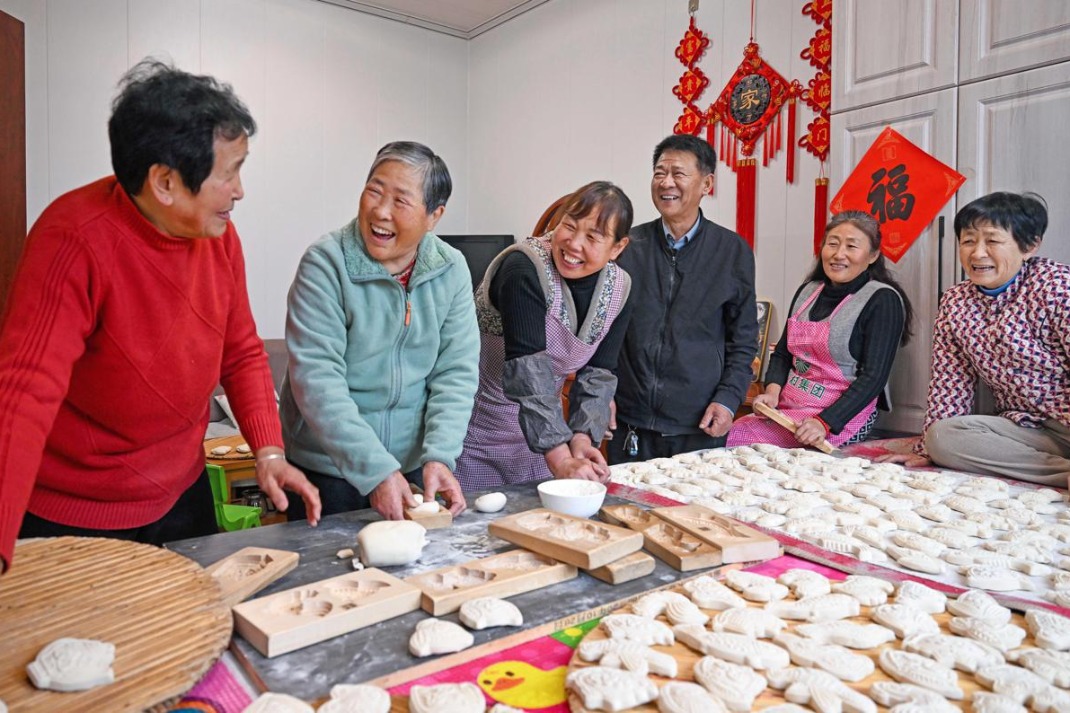
    The city of Huanghua in China’s Hebei province is enveloped in the aromatic essence of traditional mianhua steamed buns as Lunar New Year celebrations unfold. These elaborately crafted decorative buns represent more than culinary tradition—they embody cultural heritage and aspirations for prosperity in the coming year.

    Local resident Zhang Ruixia from Houxianzhuang village emphasizes the cultural significance: “Consuming mianhua during the New Year period invites abundance and favorable fortune.” Like many community members, Zhang prepared these symbolic baked goods well in advance to distribute among relatives during customary Spring Festival visits, strengthening familial bonds through shared tradition.

    Huanghua’s practice of creating ceremonial steamed buns spans generations, with contemporary iterations reflecting both cultural continuity and socioeconomic transformation. Municipal authorities recognize this custom as dual-faceted: preserving cultural identity while demonstrating tangible outcomes of rural revitalization initiatives. The craftsmanship involved in mianhua production has evolved into a sustainable economic activity that supports local artisans while maintaining cultural authenticity.

    The intricate designs of these steamed creations often incorporate symbolic motifs representing longevity, wealth, and happiness. This culinary art form has gained renewed attention as both a preservation of intangible cultural heritage and an example of how traditional practices can adapt to modern economic contexts without sacrificing cultural significance.

  • India inspects 90% of cough syrup makers, finds lapses in some

    India inspects 90% of cough syrup makers, finds lapses in some

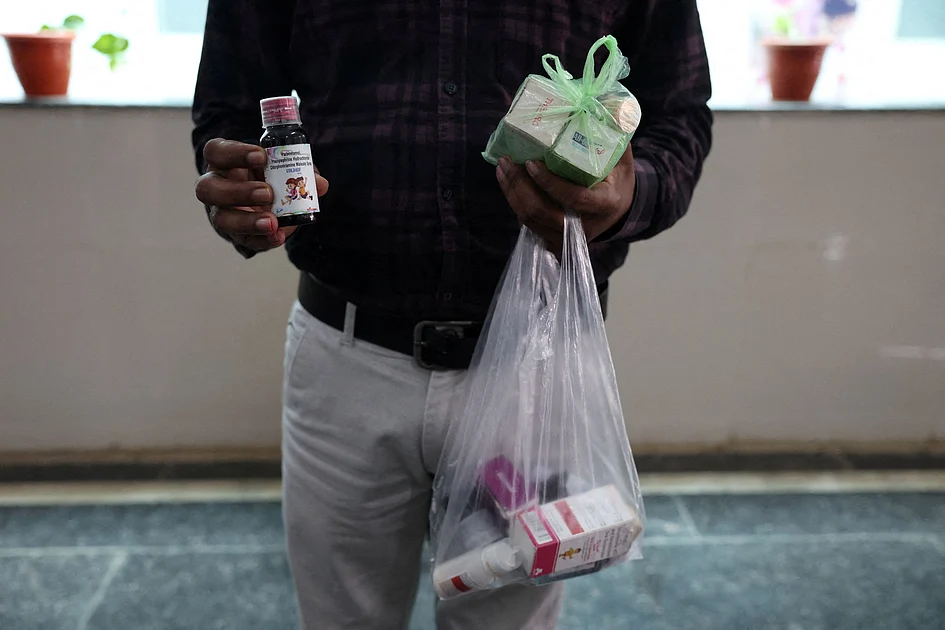
    India’s pharmaceutical regulatory authority has completed sweeping inspections of approximately 90% of the nation’s cough syrup manufacturers, revealing significant compliance failures across multiple facilities. The comprehensive audit comes in response to a series of international tragedies linking Indian-made syrups to the deaths of over 140 children across Africa and Central Asia since 2022.

    Drugs Controller General of India Rajeev Raghuvanshi announced the findings at the IPA 11th Global Pharmaceutical Quality Summit in Mumbai, confirming that nearly 1,100 manufacturers had undergone rigorous evaluation. The inspections identified critical violations including breaches of good manufacturing practices, failure to test incoming raw materials, and implementation of invalid methods and processes.

    The regulatory crackdown follows the October discovery of diethylene glycol contamination in Coldrif cough syrup manufactured by Sresan Pharmaceutical, which resulted in 24 pediatric fatalities. This incident has placed unprecedented pressure on India’s $42 billion pharmaceutical industry, challenging its reputation as the ‘pharmacy of the world’.

    Raghuvanshi stated, ‘We took serious actions on serious non-compliances, and our belief is that the rot of cough syrup manufacturing will be removed.’ While declining to specify the exact number of non-compliant companies or identify them publicly, the regulator confirmed additional protective inspections of 1,250 drug manufacturing units to evaluate potential risks.

    Concurrently, India’s drug regulatory agency is undertaking transformative reforms to achieve parity with US Food and Drug Administration standards. The modernization initiative includes creating 1,500 new positions—40% through flexible contract roles—and potentially engaging global industry experts as advisors. The regulator is also piloting artificial intelligence applications to streamline application reviews and has eliminated redundant export clearance requirements for shipments to the US, Europe, Australia, Japan, the UK and Canada.

  • Hohhot hosts contemporary Spring Festival temple fair

    Hohhot hosts contemporary Spring Festival temple fair

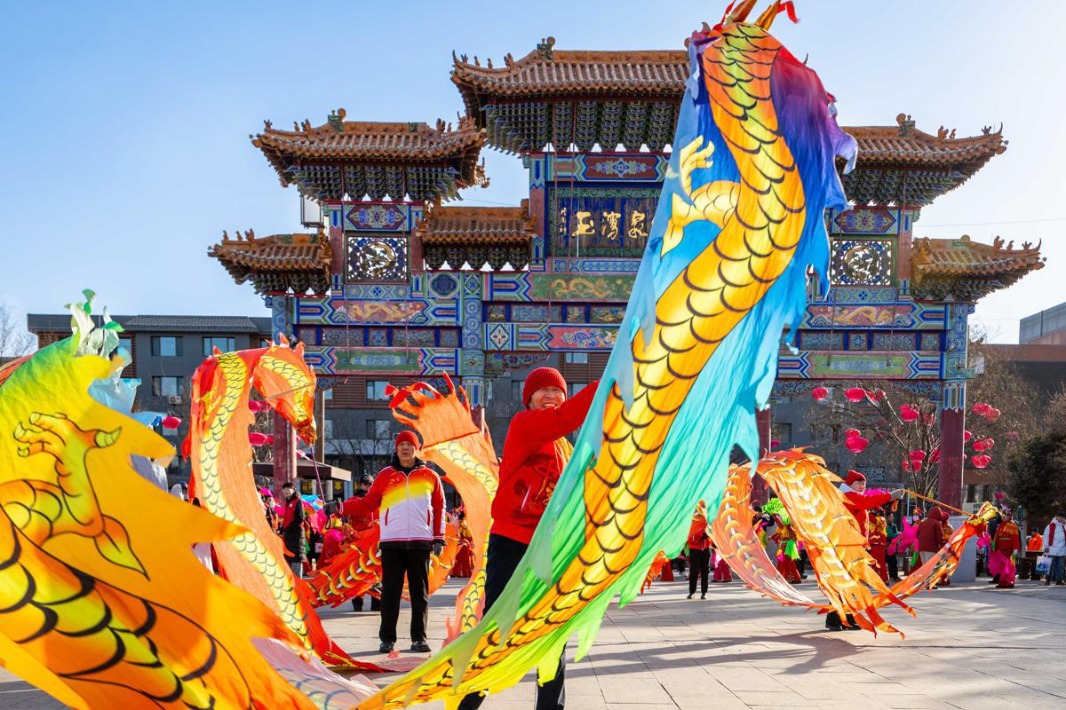
    The vibrant city of Hohhot in Inner Mongolia Autonomous Region inaugurated its 2026 Spring Festival Cultural Temple Fair this Sunday, launching an eight-day cultural extravaganza along the historic Saishang Old Street in Yuquan district. The festival, which commenced on February 22nd, will continue through March 3rd, strategically concluding on the Lantern Festival that traditionally marks the finale of Chinese New Year celebrations.

    Under the thematic banner ‘Celebrate Chinese Year in Hohhot’, the event orchestrates a sophisticated fusion of time-honored Spring Festival customs with contemporary artistic expressions. Local authorities have curated an immersive program that showcases the region’s diverse intangible cultural heritage through dynamic performances, interactive installations, and traditional craft demonstrations.

    The temple fair represents a cultural bridge connecting Mongolia’s rich ethnic traditions with universal Chinese New Year practices. Visitors can experience authentic folk dances, traditional music performances, and artisan workshops demonstrating centuries-old craftsmanship techniques passed down through generations.

    Beyond traditional displays, the festival incorporates modern technological elements and interactive experiences designed to engage younger audiences while preserving cultural authenticity. Food stalls offering regional delicacies, handicraft markets featuring local artisans, and cultural exhibitions provide a comprehensive sensory journey through Inner Mongolia’s unique cultural landscape.

    The event serves dual purposes: preserving traditional customs while innovating their presentation for contemporary audiences. This approach has transformed the temple fair into both a cultural preservation initiative and a significant tourism driver, attracting visitors from across China and internationally during the Spring Festival travel period.