标签: Asia

亚洲

  • Iran FM says missile programme was ‘never negotiable’ as US talks to resume ‘soon’

    Iran FM says missile programme was ‘never negotiable’ as US talks to resume ‘soon’

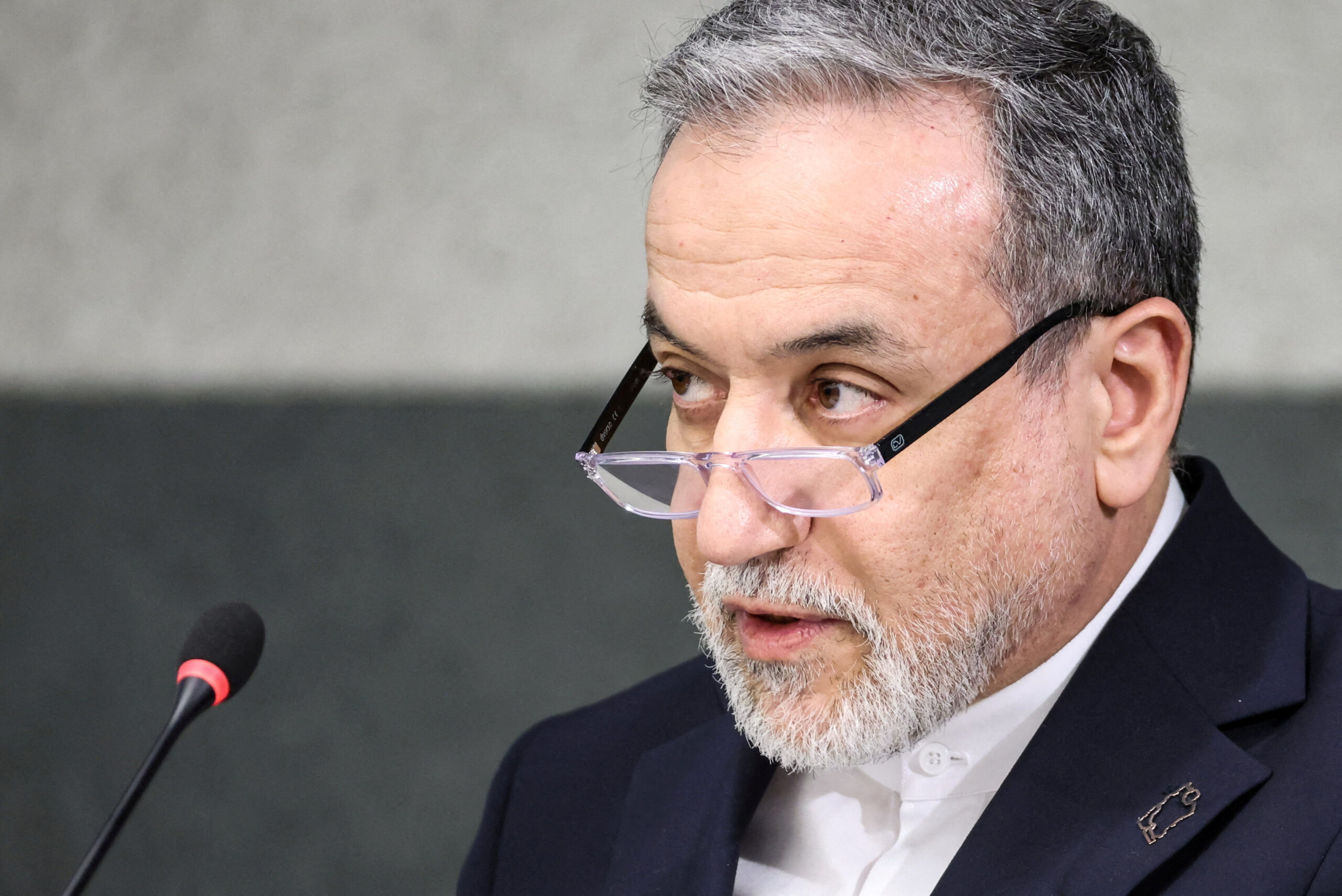
    In a significant diplomatic development, Iranian Foreign Minister Abbas Araghchi has expressed optimism that negotiations with the United States will reconvene shortly, while simultaneously issuing stern warnings against potential American aggression. The comments followed unprecedented indirect talks between the two nations in Muscat, Oman—the first such engagement since the collapse of nuclear discussions last year.

    Araghchi, communicating through his official Telegram channel after an appearance on Al Jazeera, firmly declared Iran’s missile program as “never negotiable,” characterizing it as an essential matter of national defense. He emphasized that while Tehran is prepared to reach a “reassuring agreement” regarding nuclear enrichment—which it considers an “inalienable right”—the scope of negotiations must remain limited to nuclear matters, rejecting Washington’s efforts to include ballistic missiles and regional militant support in discussions.

    The Foreign Minister issued a clear warning that any U.S. attack on Iranian territory would prompt immediate retaliation against American bases throughout the region. This statement comes amid a substantial U.S. military buildup following Iran’s crackdown on domestic protests that began in late December over economic grievances.

    Despite these tensions, Araghchi described the Oman talks as “a good start” and acknowledged an unexpected opportunity to shake hands with the American delegation, though he noted that building trust would require time. The U.S. side, led by President Trump’s Middle East envoy Steve Witkoff and son-in-law Jared Kushner, reportedly engaged in what Iranian state media characterized as a “very positive atmosphere” with exchanged arguments and shared perspectives.

    Contradicting the diplomatic progress, President Trump signed an executive order imposing tariffs on countries maintaining business relationships with Iran, effective immediately after the talks. Simultaneously, the United States announced fresh sanctions targeting numerous shipping entities and vessels in continued efforts to curb Iranian oil exports—a significant economic pressure given that more than a quarter of Iran’s trade involves China, with $32.5 billion in total bilateral trade recorded in 2024.

    The talks occurred against the backdrop of substantial human cost from recent protests. Iranian authorities acknowledged 3,117 fatalities while publishing a list of 2,986 names, predominantly security forces and bystanders. However, U.S.-based Human Rights Activists News Agency (HRANA) reported verified deaths totaling 6,872, mainly protesters, with over 11,280 cases under investigation and more than 50,000 arrests documented.

  • Malinin stunned by Kagiyama in short program as Japan narrows gap on US in Olympic figure skating

    Malinin stunned by Kagiyama in short program as Japan narrows gap on US in Olympic figure skating

    MILAN — The Olympic figure skating landscape witnessed a dramatic shift as Japanese sensation Yuma Kagiyama delivered a stunning performance that disrupted Ilia Malinin’s seemingly unstoppable march toward gold. During Saturday night’s team event short program at the Milano Ice Skating Arena, Kagiyama executed a technically masterful routine featuring two near-flawless quadruple jumps, including a sophisticated quad toe-triple toe combination, to secure 108.67 points.

    This exceptional performance placed Kagiyama ahead of the heavily favored American skater Ilia Malinin, the two-time reigning world champion who had remained undefeated in his previous 14 completed competitions spanning over two years. Malinin’s second-place finish with 98.00 points created an intensely close team standings battle, with Japan trailing the defending champion United States by a single point (33-32) at the competition’s midway mark.

    Malinin, who had entered the arena wearing his signature “Quad God” tank top, appeared momentarily stunned by the scoring outcome but maintained an optimistic perspective. “That’s only 50% of my full potential here,” remarked the 21-year-old skating phenomenon, who notably opted not to attempt his groundbreaking quad axel—a jump only he has successfully landed in competition.

    The team event elimination phase saw Italy securing third position with 28 points, followed by Canada (27 points) and Georgia (25 points). Canada narrowly advanced to the next round thanks to Stephen Gogolev’s personal-best performance of 92.99 points, which edged out France by a single point.

    The competition’s momentum now clearly favors Japan, with Kagiyama expressing his satisfaction: “I didn’t feel the pressure and I didn’t feel nervous today. I’m very happy our score is so close to the USA.” The Japanese team’s strong showing included additional impressive short programs from Kaori Sakamoto and pairs world champions Riku Miura and Ryuichi Kihara.

    As the second half of the team event commenced with the free dance, the American team remained determined to defend their title, particularly motivated by their prolonged wait for official recognition of their 2022 Beijing Olympic victory due to the Russian doping controversy. World champions Madison Chock and Evan Bates, who had previously won the rhythm dance segment, returned to the ice seeking to maintain the United States’ narrow advantage in this high-stakes Olympic confrontation.

  • Japan extends its snowboard power to big air with a 1-2 Olympic finish

    Japan extends its snowboard power to big air with a 1-2 Olympic finish

    LIVIGNO, Italy — Japan’s snowboarding dynasty has expanded its Olympic dominance beyond the halfpipe into the high-flying realm of big air competition. At the Winter Games on Saturday night, Kira Kimura and Ryoma Kimata delivered a spectacular performance, securing gold and silver respectively in an event that showcased their nation’s technical mastery and depth of talent.

    The victory represents a strategic triumph for Japan’s year-round training system, which leverages advanced air bag technology to enable athletes to practice complex maneuvers with reduced injury risk. This innovative approach has revolutionized training methodologies, allowing riders to perfect dangerous tricks during summer months and extend their practice sessions significantly.

    Japan’s snowboarding prowess, previously demonstrated through Ayumu Hirano’s historic halfpipe achievements, now extends across multiple disciplines. The country qualified all four of its riders for the 12-man final—an unprecedented feat in Olympic big air competition since its debut in 2018. While qualifier leader Hiroto Ogiwara finished last and Taiga Hasegawa placed 11th, their presence underscored Japan’s remarkable depth.

    Kimura claimed victory with a total score of 179.50, recovering from a second-run fall to execute a breathtaking final attempt: riding backward while completing 5.5 rotations with a precise board grab between bindings. Defending world champion Kimata finished eight points behind his teammate despite having an opportunity to overtake him in the final rounds.

    China’s Su Yiming, the defending Olympic champion, earned bronze to complete his medal collection after previously winning slopestyle silver. American rider Ollie Martin, just 17 years old, finished just outside medal contention despite strong performances.

    New Zealand’s Lyon Farrell, who placed eighth, observed: ‘They have a ton of heart. They put their heads down and perfect things to the most minute detail.’ The sentiment was echoed by U.S. snowboard director Rick Bower, who noted Japan’s systematic approach to rider development.

    With Ogiwara already looking ahead to slopestyle competition, Japan’s snowboarding program demonstrates both immediate success and long-term vision, establishing the nation as the comprehensive force in Olympic snowboard parks.

  • PLA conducts routine patrols in South China Sea: spokesman

    PLA conducts routine patrols in South China Sea: spokesman

    The Southern Theater Command of China’s People’s Liberation Army (PLA) has completed a series of routine naval and air patrol operations in the South China Sea, conducted from Monday through Friday. The military activities were officially confirmed by theater command spokesman Zhai Shichen in a statement released on Saturday.

    According to the military spokesperson, these patrols represent standard operational procedures aimed at maintaining regional security. The announcement came alongside criticism of recent military cooperation between the Philippines and an unspecified external nation. Zhai characterized these joint aerial exercises as destabilizing to regional peace and security.

    ‘The Philippines has colluded with certain countries outside the region to conduct so-called bilateral air patrols,’ Zhai stated, suggesting such actions compromise the stability of the strategic waterway. The spokesman emphasized that Chinese military forces remain in a state of heightened readiness to protect what Beijing considers its sovereign territories and maritime interests.

    The statement reaffirmed China’s position on maintaining control over disputed waters while underscoring the PLA’s commitment to responding to perceived provocations. The patrols occurred amid ongoing tensions in one of the world’s most crucial shipping corridors, where multiple nations maintain competing territorial claims.

  • Annual session of Shanghai Municipal People’s Congress concludes

    Annual session of Shanghai Municipal People’s Congress concludes

    The Shanghai Municipal People’s Congress concluded its annual plenary session on Saturday after successfully completing all scheduled agendas. The legislative gathering saw deputies approve critical resolutions concerning the municipal government’s work report and the city’s 15th Five-Year Plan (2026-2030), marking a significant milestone in Shanghai’s development planning.

    During the closing ceremony, Shanghai Party Secretary Chen Jining commended deputies for their dedicated service, emphasizing how their collective wisdom and thorough deliberation on major development initiatives demonstrated the effectiveness of whole-process people’s democracy. Chen highlighted that the coming five years represent a pivotal transformation period for Shanghai to leverage its unique advantages and achieve comprehensive progress.

    The city leadership outlined Shanghai’s expected role as a pioneer in advancing Chinese-style modernization, with particular focus on enhancing its capabilities as an international hub for economy, finance, trade, shipping, and technological innovation. Central to this vision is the acceleration of new productive forces cultivation and expansion, alongside better implementation of national strategies that safeguard China’s interests and security.

    Shanghai is positioned to champion pioneering reforms, leading openness initiatives, and breakthrough innovations that will stimulate high-quality development momentum. This strategic direction aims to establish new mechanisms and pathways that could serve as a national model, reinforcing Shanghai’s status as a frontrunner in China’s modernization journey.

  • The woman tasked with kicking Australian kids off social media

    The woman tasked with kicking Australian kids off social media

    In a Sydney office overlooking the harbor, Julie Inman Grant embodies the complex frontline of digital governance as Australia’s eSafety Commissioner. The 57-year-old regulator, who transitioned from two decades in the private tech sector to heading the nation’s pioneering online safety agency, now navigates unprecedented challenges ranging from death threats to global corporate resistance.

    Australia’s groundbreaking social media ban for users under 16, effective since December 10th, represents the world’s most ambitious youth protection legislation. The policy affects ten major platforms including Meta’s Facebook and Instagram, Snapchat, and YouTube. While widely supported by parents seeking governmental reinforcement in household digital battles, the ban faces criticism from child welfare advocates and technology experts who argue for education over prohibition and highlight enforcement challenges for marginalized communities.

    Inman Grant’s approach combines regulatory authority with pedagogical philosophy. She frequently employs aquatic analogies to contextualize digital risks: ‘We need to teach them about algorithmic rips and online predators—the digital equivalent of sharks and pedophiles.’ This perspective evolved from her initial skepticism about blanket bans to implementing what she now considers a necessary protective measure.

    The commissioner’s extensive background includes security roles at Microsoft and Twitter during social media’s formative years, providing unique insight into corporate mechanisms. ‘You must understand that all this is driven by revenue and growth,’ she notes regarding tech company motivations. Her appointment by former Prime Minister Malcolm Turnbull specifically sought someone with industry experience who could anticipate corporate strategies.

    International tensions have escalated significantly under her watch. Inman Grant has sparred publicly with Elon Musk over content removal requests, faced character attacks from U.S. Congressional figures, and prepares for High Court challenges from both Reddit and Australian teenagers. The Columbia University documented a staggering increase in abusive posts targeting her—from a daily average of 145 mentions to over 73,000 during the X controversy period.

    Looking ahead, Inman Grant identifies artificial intelligence as the next critical frontier for regulation. ‘The world was late to social media regulation,’ she warns, ‘and we cannot afford to repeat that with AI.’ As her second five-year term concludes next year, she contemplates transitioning her expertise to global capacity-building while maintaining her career-long mission: creating safer digital environments through designed protection rather than retrospective intervention.

  • From golden luqaimat to dama boards: How Sharjah festival brings traditions to life

    From golden luqaimat to dama boards: How Sharjah festival brings traditions to life

    The 23rd annual Sharjah Heritage Days festival is currently transforming the Heart of Sharjah district into a vibrant cultural showcase, running through February 15th with extended programming across multiple emirate cities. Under the patronage of Sheikh Dr. Sultan bin Mohammed Al Qasimi, UAE Supreme Council Member and Ruler of Sharjah, this immersive event transcends conventional exhibition formats to actively demonstrate living traditions that continue to shape community identity.

    Throughout the festival grounds, aromatic clouds of freshly prepared luqaimat—golden fried dough balls dipped in syrup—drift through reconstructed traditional alleyways. Women demonstrate generations-old culinary techniques inside authentic arisha structures, hand-mixing dough and carefully frying these sweets known regionally as zalabiya in Egypt. This culinary demonstration represents more than shared recipes, embodying values of hospitality, patience, and intergenerational knowledge transfer.

    Strategic board games provide another dimension of cultural preservation. Visitors gather around wooden dama boards, observing a game often compared to chess that requires strategic foresight and patience. The festival intentionally features such traditional games to introduce younger generations to cultural practices that risk fading from collective memory.

    The comprehensive program integrates performance, education, and community participation. Folk performances feature both local troupes and expatriate communities, reflecting the UAE’s cultural diversity. Educational components include heritage workshops, cultural dialogue sessions, and a dedicated Children’s Village with hands-on activities. The Sharjah Institute for Heritage emphasizes documentation through specialized publications and daily festival bulletins produced with local publishers.

    Dr. Abdulaziz Al Musallam, Chairman of the Sharjah Institute for Heritage, explained to Khaleej Times that the festival aims to transcend formal presentations by creating participatory learning environments where traditions can be understood within contemporary contexts. Evening cultural seminars examine historical marketplaces as social hubs, documenting disappearing professions and preserving their stories for future generations.

    From handmade food preparations to strategic games and conversations about vanishing market culture, Sharjah Heritage Days offers visitors an experiential journey through living heritage—not as frozen memories but as practices that continue to shape cultural identity in modern society.

  • UAE doctors warn against rise in eye infections due to screens, AC, self-medication

    UAE doctors warn against rise in eye infections due to screens, AC, self-medication

    Medical specialists across the United Arab Emirates are reporting a significant escalation in ocular health emergencies, with conjunctivitis cases reaching concerning levels. Leading ophthalmologists attribute this alarming trend to a dangerous convergence of environmental aggressors, digital lifestyle habits, and the growing peril of self-medication practices.

    Clinical data from multiple healthcare facilities indicates a sharp increase in patients presenting with acute red eye symptoms, displaying characteristics of both infectious and allergic conjunctivitis. Dr. Pavly Moawad, Specialist Ophthalmologist at Saudi German Hospital Ajman, confirms: ‘We’re observing a diverse caseload encompassing bacterial, viral, and allergic conjunctivitis variants, each requiring distinct therapeutic approaches.’

    The medical community identifies three primary catalysts driving this public health concern:

    1. Environmental Factors: Dubai’s arid climate, combined with pervasive air conditioning systems and atmospheric particulate matter, creates optimal conditions for ocular surface irritation. These elements compromise the eye’s natural defense mechanisms, increasing vulnerability to infections.

    2. Digital Lifestyle: Extended screen exposure and subsequent reduced blink rates have led to epidemic levels of chronic dry eye syndrome—a significant predisposing factor for more severe ocular conditions.

    3. Diagnostic Misadventures: A dangerous trend of self-diagnosis through mobile applications and AI consultations has resulted in numerous cases of mismanaged treatment. Dr. Emad Badawi of Medcare Eye Centre warns: ‘Superficial symptoms often mask deeper pathologies. Inappropriate management can precipitate corneal ulcers and permanent vision deterioration.’

    Particular concern surrounds the misuse of ocular medications, including non-prescribed antibiotics, shared eye drops, and unsupervised steroid applications. These practices not only exacerbate existing conditions but contribute to antimicrobial resistance patterns.

    High-risk populations include young professionals, athletes exposed to environmental irritants, and chronic allergy sufferers who frequently self-medicate. Contagion risks amplify in shared environments like educational institutions, corporate offices, and fitness centers, compounded by inadequate ventilation systems.

    Ophthalmologists emphasize that early symptoms—including grittiness, burning sensations, watery discharge, and photophobia—often get dismissed as minor irritations. Medical intervention becomes imperative when symptoms persist beyond 48 hours or manifest with pain, visual disturbances, or purulent discharge.

    Preventive strategies include rigorous hand hygiene, avoidance of eye rubbing, and refraining from sharing personal items. Infected individuals should minimize social interactions to curb transmission vectors. Contrary to popular belief, viral conjunctivitis requires physical contact for transmission—not visual exposure.

    The medical consensus underscores that ocular health preservation begins with professional diagnosis and responsible treatment protocols, emphasizing that vision protection demands more than over-the-counter solutions.

  • Iran says missile programme ‘never negotiable’ in talks with US

    Iran says missile programme ‘never negotiable’ in talks with US

    Iran’s Foreign Minister Abbas Araghchi delivered a definitive statement regarding his country’s missile capabilities during ongoing diplomatic engagements with the United States, asserting that the Islamic Republic’s missile program remains “never negotiable” in any discussion framework. The declaration came through an interview with Al Jazeera on Saturday as indirect negotiations between Iranian and American delegations continued in Muscat, Oman.

    The discussions, mediated by Omani Foreign Minister Badr bin Hamad Al Busaidi, brought together US envoys Steve Witkoff and Jared Kushner with Iranian representatives led by Araghchi. Despite previous US demands for comprehensive talks encompassing both nuclear and ballistic missile programs, reports from Israeli newspaper Haaretz indicate Washington has acquiesced to Tehran’s conditions limiting discussions exclusively to nuclear matters. This apparent concession reportedly followed diplomatic interventions from regional powers including Qatar, Saudi Arabia, and Oman.

    While Omani officials characterized the dialogue as “useful to clarify both Iranian and American thinking,” tensions between the nations remain elevated. Shortly after the talks concluded, the United States implemented new sanctions targeting Iran’s oil export capabilities, designating 14 vessels flagged in Turkey, India, and the United Arab Emirates alongside sanctions against 15 entities and two individuals.

    The military posture in the region reflects ongoing volatility, with US aircraft carriers maintaining positions near Iranian coastal waters. The USS Abraham Lincoln was documented conducting replenishment operations in the Arabian Sea as Iran’s army spokesperson Brigadier-General Mohammad Akraminia warned of readiness for potential conflict that would “encompass the entire region and all US bases” if provoked.

    Diplomatic warnings have intensified concurrently, with the virtual US embassy in Iran issuing alerts urging American citizens to “leave Iran now” while Israeli Prime Minister Benjamin Netanyahu reportedly suggested conditions were building toward “the downfall of the Iranian regime.” Iranian officials have countered that they remain prepared for regional conflict should their negotiation framework conditions be rejected.

  • Alleged mastermind among four arrested after Pakistan mosque blast

    Alleged mastermind among four arrested after Pakistan mosque blast

    Pakistani authorities have made significant breakthroughs in the investigation of Friday’s devastating suicide bombing that rocked the capital. Interior Minister Mohsin Naqvi announced the apprehension of four individuals suspected of facilitating the attack that claimed 32 lives and left over 160 injured at a Shia mosque in Islamabad’s Tarlai area.

    Among those detained is an Afghan national identified as the alleged mastermind behind the assault. The operation to capture the suspects came at a cost—one counter-terrorism officer lost his life and three others sustained injuries during the raids.

    The Islamic State group has formally claimed responsibility for targeting the mosque during Friday prayers, when the building was filled with worshippers. This represents the most lethal attack to hit Pakistan’s capital in more than ten years.

    On Saturday, massive crowds gathered under tight security measures to mourn the victims. Funeral proceedings occurred with heightened military presence and police checkpoints throughout key areas of the city.

    The human toll was painfully evident as families grappled with their losses. Ashiq Hussain, who lost his 21-year-old nephew Mujtaba Ali, expressed his family’s devastation to Reuters, simply stating they were ‘broken.’

    The political response has been swift and multifaceted. While Prime Minister Shehbaz Sharif expressed ‘deep grief’ and President Asif Ali Zardari condemned the targeting of innocent civilians as ‘a crime against humanity,’ the investigation has taken diplomatic turns. Minister Naqvi has accused India of funding the operation and providing targets—allegations firmly rejected by New Delhi as ‘baseless.’

    Further complicating regional dynamics, Defense Minister Khawaja Asif suggested Afghan involvement, prompting sharp rebuke from the Taliban government in Kabul, which described the accusations as ‘regrettable’ and lacking ‘credible evidence.’

    In response to the security breach, Naqvi has pledged substantial enhancements to Islamabad’s security apparatus, including the recruitment of thousands of new police officers and upgrades to the city’s smart security systems.

    The bombing concludes a week of severe violence across Pakistan, including coordinated attacks in Balochistan province that killed 58 civilians—operations claimed by the Balochistan Liberation Army (BLA) rebel group. The military reports having killed over 200 militants in response to these assaults.