标签: Asia

亚洲

  • Explore ancient and iconic architecture with Beautiful Hebei

    Explore ancient and iconic architecture with Beautiful Hebei

    The tenth installment of the ‘Beautiful Hebei’ visual series offers a breathtaking journey through the province’s rich architectural heritage, showcasing ancient temples, historic towers, and magnificent grottoes through a curated collection of exceptional photography.

    Produced under the auspices of the Hebei Photographers Association, this ambitious project comprises eleven short films that collectively present 198 meticulously selected images. The visual content has been sourced from three primary channels: the association’s extensive archival library, specially commissioned submissions from professional photographers, and targeted collections from relevant cultural organizations.

    This multimedia initiative represents a significant cultural preservation effort, documenting Hebei’s most iconic structures and sacred spaces with unprecedented visual depth. The series not only highlights the architectural diversity spanning different dynasties but also demonstrates sophisticated photographic techniques in capturing the interplay of light, shadow, and form across these ancient edifices.

    Each episode serves as both an artistic presentation and historical documentation, offering viewers virtual access to sites that reflect Hebei’s position as a cradle of Chinese civilization. The project stands as a testament to the province’s enduring cultural significance and the continuing relevance of its architectural traditions in contemporary society.

  • ‘Sitting shuts my brain’: UAE doctors on why standing helps some people think, focus

    ‘Sitting shuts my brain’: UAE doctors on why standing helps some people think, focus

    Medical experts from Cleveland Clinic Abu Dhabi’s Neurological Institute have revealed compelling scientific evidence explaining why prolonged sitting adversely affects both cognitive performance and physical health. According to psychiatry and neurosurgical specialists, the human brain and body are fundamentally designed for movement, not sustained stillness.

    Dr. Muhammad Farhan, Staff Physician at the Psychiatry & Behavioural Health Department, explains that when the body remains stationary for extended periods, the brain receives diminished sensory input from muscles and joints. This reduction in neurological signaling triggers a shift toward a low-energy, drowsy state, significantly impairing mental alertness and focus.

    The physical consequences are equally significant. Dr. Nader Hebala, neurosurgical specialist at the same institute, details how sitting compresses the sciatic nerve—particularly problematic for individuals with existing back conditions or disc issues. The flexed hip position during sitting increases pressure on the nerve pathway, exacerbating pain, numbness, and tingling sensations in the lower extremities.

    For individuals with Attention-Deficit/Hyperactivity Disorder (ADHD), the challenges are particularly pronounced. Dr. Farhan notes that ADHD brains already operate with lower baseline levels of dopamine and norepinephrine—neurotransmitters critical for attention and focus. Prolonged sitting further depletes these chemicals, while movement naturally stimulates their production. This explains why many with ADHD report significantly improved concentration while standing or walking.

    The research carries important implications for workplace design, education systems, and transportation. Experts suggest implementing regular movement breaks every 30-45 minutes, advocating for sit-stand desks, and reconsidering how environments that mandate sitting—from conferences to long-haul flights—might accommodate neurological diversity.

    Crucially, doctors emphasize that the need for movement transcends mere preference, representing instead a biological requirement for optimal cognitive and physical functioning. They recommend balanced approaches that alternate between sitting and standing, combined with consistent postural changes and movement intervals throughout the day.

  • S Korean crypto firm accidentally pays out $40bn in bitcoin

    S Korean crypto firm accidentally pays out $40bn in bitcoin

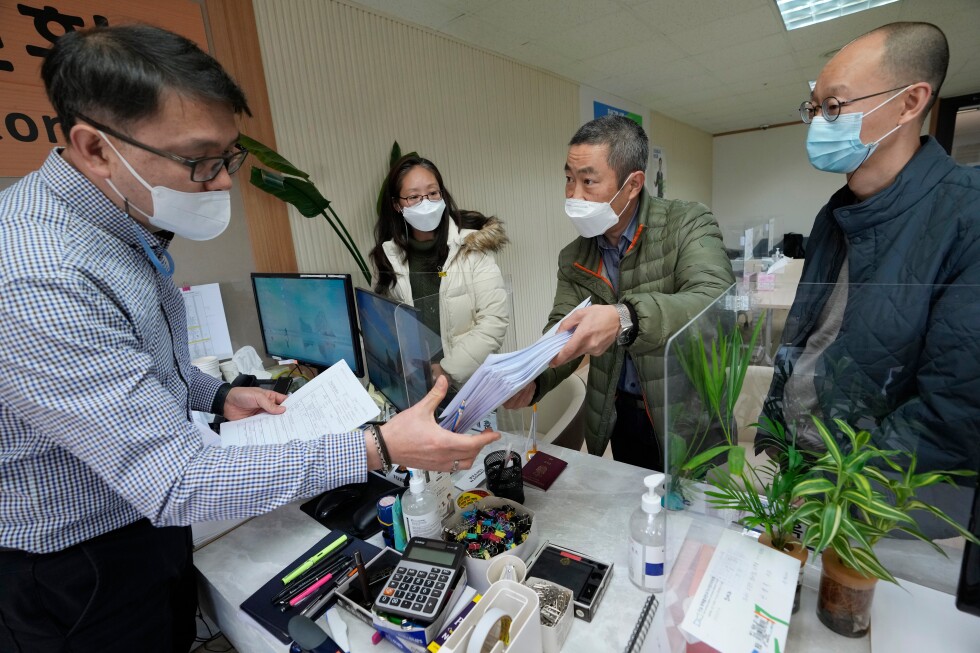
    In a staggering administrative error, South Korean cryptocurrency exchange Bithumb inadvertently distributed over $40 billion worth of bitcoin to customers on Friday, temporarily transforming hundreds of account holders into instant millionaires. The platform had intended to issue modest cash rewards of 2,000 won (approximately $1.37) but instead credited 2,000 bitcoins to each recipient due to a critical system malfunction.

    The exchange detected the catastrophic error within 35 minutes, immediately implementing trading and withdrawal restrictions for the 695 affected accounts. According to Bithumb’s official statement, the company successfully recovered 99.7% of the erroneously distributed 620,000 bitcoins, emphasizing that the incident resulted from an internal processing error rather than external hacking or security vulnerabilities.

    South Korea’s Financial Supervisory Service (FSS) convened an emergency meeting Saturday to examine the unprecedented incident, warning that any indications of illegal activity would trigger formal investigations. Bithumb CEO Lee Jae-won pledged full cooperation with regulators, acknowledging the need to prioritize customer trust over external growth initiatives.

    As remediation measures, Bithumb announced compensation of 20,000 won ($13.66) for all platform users during the incident period, along with waived trading fees. The exchange committed to implementing enhanced verification systems and artificial intelligence detection mechanisms for abnormal transactions.

    This incident echoes similar high-value financial errors, including Citigroup’s April 2024 miscalculation that erroneously credited $81 trillion instead of $280 to a client account. The Bithumb case is expected to intensify regulatory scrutiny and debate surrounding operational safeguards within cryptocurrency exchanges and traditional financial institutions alike.

  • Delegates attending APEC Senior Officials’ Meeting, related sessions visit Guangzhou

    Delegates attending APEC Senior Officials’ Meeting, related sessions visit Guangzhou

    GUANGZHOU, China – International delegates participating in the APEC Senior Officials’ Meeting gained immersive cultural exposure during their visit to Guangzhou’s historic Chen Clan Ancestral Hall on February 6, 2026. The excursion provided diplomatic representatives with hands-on experience in traditional Chinese calligraphy amid the architectural splendor of one of Guangdong Province’s most significant cultural landmarks.

    This cultural diplomacy initiative forms part of China’s comprehensive hosting duties for the 33rd APEC Economic Leaders’ Meeting scheduled for November 2026. The current preliminary sessions, running from February 1-10, establish the foundational framework for the upcoming economic summit where Asia-Pacific leaders will address regional cooperation and global economic challenges.

    The Chen Clan Ancestral Hall, renowned for its exquisite traditional Cantonese architecture and status as a protected cultural heritage site, served as an ideal backdrop for cross-cultural exchange. Delegates engaged directly with China’s artistic traditions through calligraphy demonstrations, symbolizing the intersection of cultural preservation and international diplomacy.

    These preliminary meetings in Guangzhou represent critical preparatory work for establishing agenda priorities and policy directives ahead of the main November summit. The cultural component demonstrates China’s approach to diplomacy that blends substantive economic discussions with opportunities for cultural appreciation and mutual understanding among member economies.

    The selection of Guangzhou as host city highlights China’s strategic emphasis on showcasing developed metropolitan centers beyond its capital, presenting the dynamic economic and cultural landscape of southern China to international representatives.

  • China successfully launches a reusable experimental spacecraft

    China successfully launches a reusable experimental spacecraft

    China has marked a significant milestone in its space exploration program with the successful deployment of a reusable experimental spacecraft on Saturday. The launch occurred at the Jiuquan Satellite Launch Center in northwest China, utilizing the reliable Long March 2F carrier rocket system.

    According to the official Xinhua News Agency, the spacecraft represents a technological leap forward in China’s aerospace capabilities. The experimental vehicle is specifically engineered to conduct a series of planned technical validations aimed at demonstrating and refining reusable spaceflight technology.

    This achievement forms part of China’s broader strategy to develop sustainable space exploration methods that could significantly reduce mission costs and increase access to space. The successful verification of these technologies promises to enhance China’s position in the global space community while supporting peaceful extraterrestrial activities.

    The development of reusable spacecraft technology has become a priority for spacefaring nations seeking to establish regular and economically viable access to orbit. China’s progress in this domain demonstrates the nation’s growing proficiency in advanced aerospace engineering and its commitment to becoming a leading space power.

    While specific technical details and mission duration remain undisclosed, the accomplishment underscores China’s systematic approach to space technology development through methodical testing and validation processes.

  • Funerals for victims of suicide blast at Islamabad mosque that killed at least 31

    Funerals for victims of suicide blast at Islamabad mosque that killed at least 31

    Islamabad witnessed a day of profound mourning on Saturday as funerals commenced for victims of a devastating suicide bombing that struck during Friday prayers. The assault on Imam Bargah Qasr-e-Khadijatul Kubra mosque, located on the capital’s outskirts, resulted in at least 31 fatalities and left 169 individuals wounded, with authorities cautioning that the death toll may further escalate.

    Eyewitness accounts depict a scene of chaos and horror. According to security sources, the attacker was intercepted at the mosque entrance before detonating explosives. Muhammad Kazim, a 52-year-old worshipper, described an ‘extremely powerful’ explosion that reverberated through the building as prayers commenced. Another attendee, Imran Mahmood, reported an exchange of gunfire between the assailant and volunteer security personnel prior to the detonation.

    The aftermath revealed a tragic spectacle of devastation. AFP journalists documented bloodied clothing, debris, and emotional scenes at local hospitals where victims, including children, were urgently transported. Social media footage, though unverified, showed multiple bodies near the mosque’s entrance and a prayer hall carpeted in red now stained with tragedy.

    Pakistan’s leadership swiftly condemned the attack. Prime Minister Shehbaz Sharif pledged to pursue and prosecute those responsible, while Deputy Prime Minister Ishaq Dar denounced the bombing as ‘a heinous crime against humanity and a blatant violation of Islamic principles.’ International condemnation followed, with United Nations Secretary-General Antonio Guterres issuing a strong rebuke through a spokesperson.

    This incident marks the deadliest attack in Islamabad since September 2008, when a truck bomb devastated the Marriott Hotel, claiming 60 lives. It occurs amidst escalating security challenges for Pakistan, where intensifying insurgencies in southern and northern border provinces with Afghanistan have strained military resources. Just last week, separatist insurgents in Balochistan killed 58 security personnel and civilians, triggering extensive counter-operations that neutralized nearly 200 militants.

  • 5 dead, thousands displaced as Typhoon Penha triggers floods, landslides in Philippines

    5 dead, thousands displaced as Typhoon Penha triggers floods, landslides in Philippines

    Northern Mindanao in the Philippines has been struck by devastating floods and lethal landslides triggered by Typhoon Penha, internationally recognized while locally named Basyang. This catastrophic event marks the nation’s first major disaster of the year, resulting in five confirmed fatalities and multiple injuries according to the Philippine Office of Civil Defense (OCD).

    A particularly tragic incident occurred in Barangay Agusan, where a rain-induced landslide near a quarry site completely buried a family of four, killing all members. Three additional individuals sustained injuries from falling debris in a neighboring municipality, as confirmed by OCD spokesperson Junie Castillo.

    The storm’s impact extended severely to Iligan City, where widespread flooding submerged residential areas under water and coated extensive urban sections with thick mud. The calamity claimed the life of local radio broadcaster Creselyn Baterna Velasco, who suffered cardiac arrest after floodwaters invaded her apartment. Emergency response teams worked continuously through Thursday night executing rescue operations for residents trapped by the overflowing Tubod River.

    Official statistics reveal the typhoon has displaced approximately 21,000 individuals across northeastern and northern Mindanao, with 6,384 families currently sheltering in activated evacuation centers. Disaster management authorities established 197 emergency shelters, including 32 facilities utilized for preemptive evacuations prior to the storm’s arrival. Overall impact assessments indicate approximately 100,375 people across 27,572 families have been affected, including communities in the Visayas region and Bacolod City on Negros Island.

    The typhoon initially caused significant power disruptions across 28 areas, though utility providers successfully restored electricity to all affected locations by Saturday morning. The Philippines typically experiences 20-25 tropical cyclones annually, with scientific evidence indicating these weather systems are growing progressively more destructive due to climate change effects.

  • Iran says talks with US in Oman were ‘good start’, will continue

    Iran says talks with US in Oman were ‘good start’, will continue

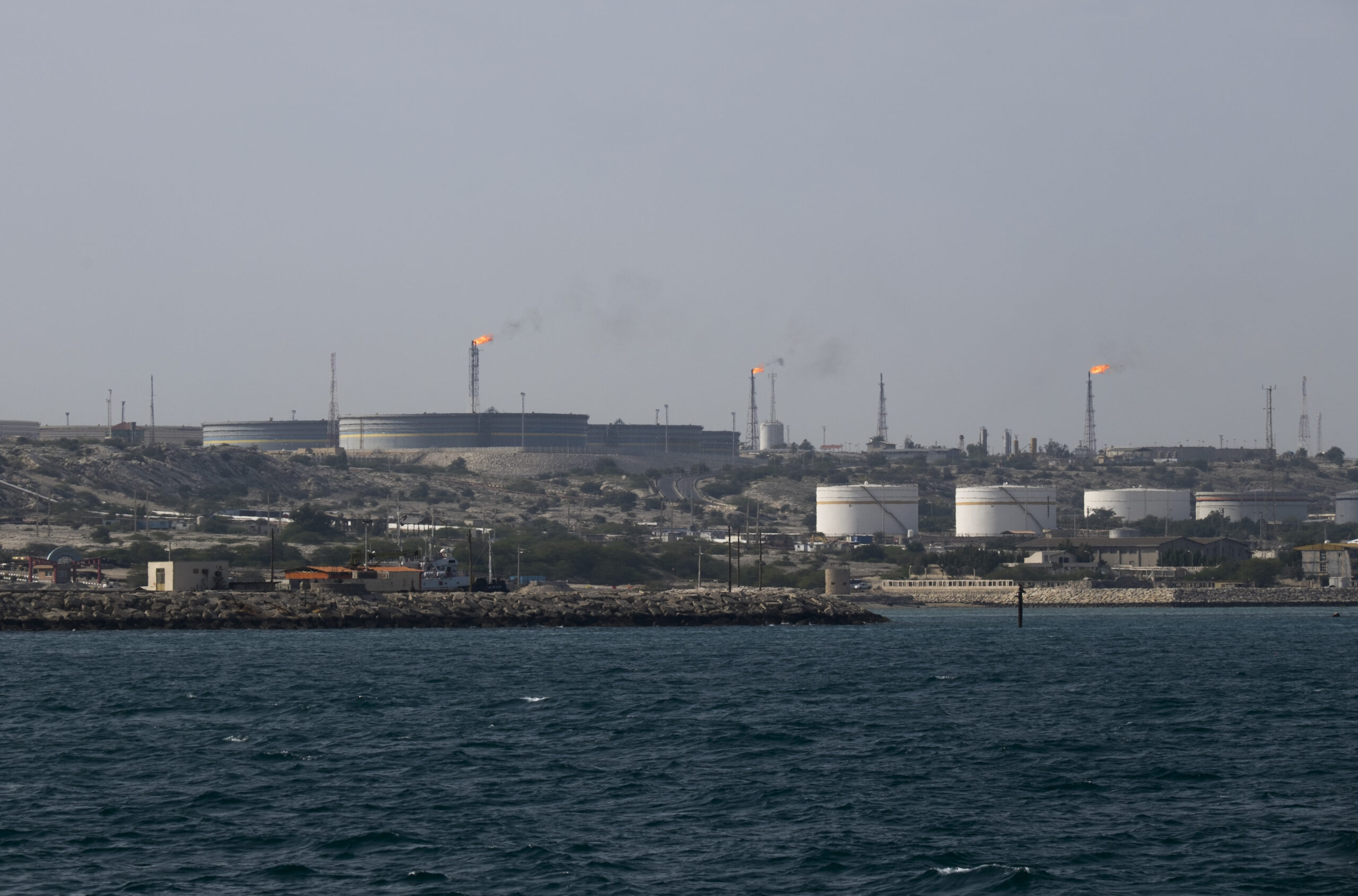
    Initial diplomatic engagements between the United States and Iran, facilitated by Oman, have yielded cautious optimism despite fundamental disagreements on key issues. Iranian Foreign Minister Abbas Araqchi characterized the Muscat talks as a “good start” while emphasizing Tehran’s refusal to discuss its ballistic missile program or regional activities.

    The negotiations, which included U.S. Special Envoy Steve Witkoff and Presidential advisor Jared Kushner, occurred against a backdrop of heightened military posturing and economic pressure. Simultaneously with the talks, the Trump administration imposed new 25% tariffs targeting countries maintaining commercial ties with Iran, particularly in energy and petrochemical sectors that remain vital to Iran’s economy.

    According to diplomatic sources briefed on the discussions, Iran demonstrated flexibility regarding potential limitations on enrichment levels and purity while maintaining its insistence on recognition of uranium enrichment rights. Tehran’s demands reportedly included immediate sanctions relief and the relocation of U.S. military assets from the region.

    The fundamental impasse remains Washington’s requirement that Iran cease all enrichment activities on its soil—a position Tehran has consistently rejected while denying any nuclear weapons ambitions. Despite this divergence, both sides acknowledged the talks as serious and expressed willingness to continue discussions, with Omani Foreign Minister Badr al-Busaidi characterizing the dialogue as “very serious.

    Regional tensions continue to simmer with Iran displaying advanced ballistic missiles in underground facilities and warning neighboring states that host U.S. bases of potential retaliation. The diplomatic efforts occur alongside significant U.S. naval deployments to the region, creating a complex environment where dialogue and military preparedness proceed simultaneously.

  • Spiritual ties of ousted Venezuelan President Maduro and successor include guru Sathya Sai Baba

    Spiritual ties of ousted Venezuelan President Maduro and successor include guru Sathya Sai Baba

    In a nation where 90% of citizens identify as Christian, Venezuela’s political leadership demonstrates a remarkably syncretic approach to spirituality. Both former President Nicolás Maduro and current Acting President Delcy Rodríguez, despite their Catholic upbringing, maintain profound devotion to Sathya Sai Baba, the Indian spiritual leader who passed away in 2011.

    This religious pluralism reflects Venezuela’s complex spiritual landscape, where blending multiple faith traditions remains commonplace. For the nation’s leaders, this synthesis incorporates Sai Baba’s teachings emphasizing universal love, spiritual unity, and transcendence of social barriers—a philosophy that has attracted global followers for over half a century.

    Maduro frequently framed his government’s challenges as spiritual battles during his presidency, invoking Christian imagery while simultaneously honoring the Indian guru. Weeks before his dramatic capture by U.S. forces on January 3, he celebrated Sai Baba’s centenary on social media, expressing hope that the teacher’s wisdom would guide Venezuela toward becoming “a homeland of love, peace and high spirituality.”

    Rodríguez’s spiritual connection appears equally profound. During her 2024 visit to Sai Baba’s ashram in Andhra Pradesh, India—her second pilgrimage in as many years—she described sensing the guru’s protective presence during times of personal and national crisis. “Many times, when I was in danger, I felt Baba with me,” she revealed in a 2023 interview.

    The leadership’s devotion manifests visibly in government spaces. Multiple reports confirm Maduro displayed a large, framed photograph of Sai Baba in his Miraflores Palace office alongside portraits of Simón Bolívar and Hugo Chávez—a symbolic trinity representing spiritual, historical, and political guidance.

    Sai Baba’s organization established roots in Venezuela decades before current political affiliations, opening Latin America’s first center in Caracas in 1974. Today, the movement maintains significant influence with an estimated 200,000 Venezuelan followers and operates a “Human Values School” in Táchira state.

    Academic experts note that such spiritual syncretism reflects Venezuela’s distinctive religious ecology. Professor Andrew Chesnut of Virginia Commonwealth University observes that while Catholicism remains dominant, it comfortably coexists with evangelical Protestantism, Afro-Indigenous traditions, and transnational figures like Sai Baba without requiring exclusive allegiance.

    However, the political embrace of Sai Baba comes with complexities. The guru, while revered by millions worldwide for his message of universal love and charitable works, faced persistent allegations of fraud and sexual abuse during his lifetime—accusations his followers dismiss as slander.

    The Venezuelan leadership’s spiritual practices appear primarily rhetorical rather than policy-directing, according to analysts. Chesnut suggests engagements with figures like Sai Baba “carry symbolic and performative weight rather than serving as drivers of political ideology or decision-making” in Venezuela’s complex political landscape.

  • One person dead from Nipah virus in Bangladesh, WHO says

    One person dead from Nipah virus in Bangladesh, WHO says

    Bangladesh has confirmed its first Nipah virus fatality of the year, with the World Health Organization (WHO) verifying the death of a middle-aged woman in northern Bangladesh. The victim, aged between 40-50 years, initially manifested symptoms including fever and severe headache on January 21 before developing more serious neurological complications including hypersalivation, disorientation, and convulsions. Despite medical intervention, she succumbed to the infection one week after symptom onset, with laboratory confirmation of Nipah virus obtained posthumously.

    Epidemiological investigation revealed the patient had consumed raw date palm sap, a known transmission route for the virus through contamination by infected bats. Health authorities have identified and monitored 35 individuals who had contact with the deceased, all of whom have tested negative for the virus to date. No secondary cases have been detected.

    This occurrence follows recent Nipah cases detected in neighboring India, prompting multiple Asian nations including Malaysia, Thailand, Indonesia, and Pakistan to implement enhanced airport screening measures. The virus demonstrates high fatality rates, estimated at up to 75% of cases, though human-to-human transmission remains limited.

    The WHO has assessed the international transmission risk as low and currently advises against implementing travel or trade restrictions. This case marks a continuation of Nipah’s endemic presence in Bangladesh, where four laboratory-confirmed fatalities were recorded in 2025. No licensed therapeutics or vaccines specifically targeting Nipah virus infection are currently available.