
In a significant move to safeguard minors in the digital age, China’s Supreme People’s Court has emphasized the urgent need for stricter regulation of children’s online behavior. This directive follows the release of three pivotal cases involving minors, which underscore the growing concerns over internet-related crimes and cyberbullying. The court has mandated judicial bodies nationwide to enhance their handling of such cases and implement robust legal measures to foster a safer online environment for young users. One notable case involved a student, Li, who posted defamatory remarks about his classmate, Wang, on a social media platform. The court ruled that Li’s actions constituted an insult and violated Wang’s right to reputation. Given Li’s minor status and his parents’ failure to fulfill their guardianship duties, the court ordered them to issue a written apology to Wang. The Supreme People’s Court highlighted that minors often lack the emotional maturity to handle conflicts appropriately, which can lead to harmful online behavior. It stressed that the internet is not a lawless space and that minors are subject to legal constraints when expressing themselves online. Parents, as guardians, have a crucial role in guiding their children and will be held accountable for any infringing behavior. Additionally, the court urged collaboration with internet platforms to prevent juvenile crimes. Another case involved two teenagers who extorted over 75,000 yuan by claiming to be practicing online games. The court discovered that they learned these criminal methods through harmful content on a short video platform, prompting a judicial recommendation to strengthen content monitoring. The court praised this proactive approach, noting its dual benefit in preventing juvenile crimes and ensuring the healthy development of the internet industry.
标签: Asia
亚洲
-

Syrian teenage activist wins Children’s Peace Prize
Bana Al Abed, a 16-year-old Syrian activist, has been awarded the prestigious International Children’s Peace Prize by the Netherlands-based KidsRights Foundation. Recognized for her relentless advocacy for children affected by war, Al Abed has dedicated her efforts to reuniting families, reopening schools, and offering hope to children in conflict zones such as Gaza, Sudan, Ukraine, and Syria. Her journey began in 2016 when she and her family were evacuated from Aleppo to Turkey, where she has since become a global voice for children’s rights. Al Abed has attended international conferences, visited refugee camps in Turkey and Jordan, authored two books, and garnered recognition from world leaders, including French President Emmanuel Macron. In her acceptance speech at Stockholm City Hall, Al Abed boldly addressed global leaders, including former Syrian President Bashar al-Assad, Israeli Prime Minister Benjamin Netanyahu, and Russian President Vladimir Putin, questioning their roles in the suffering of children worldwide. She emphasized the importance of education as a cornerstone for rebuilding war-torn societies, stating that it provides hope and opportunities for growth. Al Abed also highlighted the plight of 5,000 Syrian children forcibly separated from their families during the war, whose fates remain unknown. Marc Dullaert, founder and chairman of KidsRights, praised Al Abed’s courage and resilience, noting her transformation of personal hardship into a powerful advocacy platform. Previous recipients of the award include Swedish activist Greta Thunberg and Nobel Peace Prize laureate Malala Yousafzai.
-

Weekly quiz: Why was KPop Demon Hunters banned by a school?
This week witnessed a series of significant global events that captured public attention. Former U.S. President Donald Trump ordered the release of the highly anticipated Epstein files, shedding light on a controversial chapter in recent history. Meanwhile, the United Kingdom experienced severe weather conditions, with heavy rain and cold temperatures disrupting daily life. On a more uplifting note, the BBC’s annual Children In Need appeal achieved a remarkable milestone, raising over £45 million for charitable causes. These events, while diverse in nature, underscore the dynamic and interconnected nature of global affairs. As we reflect on the past seven days, it’s worth considering the broader implications of these developments and their impact on society. For those eager to test their knowledge of recent events, quizzes curated by Ben Fell offer an engaging way to stay informed and revisit key moments from the week.
-
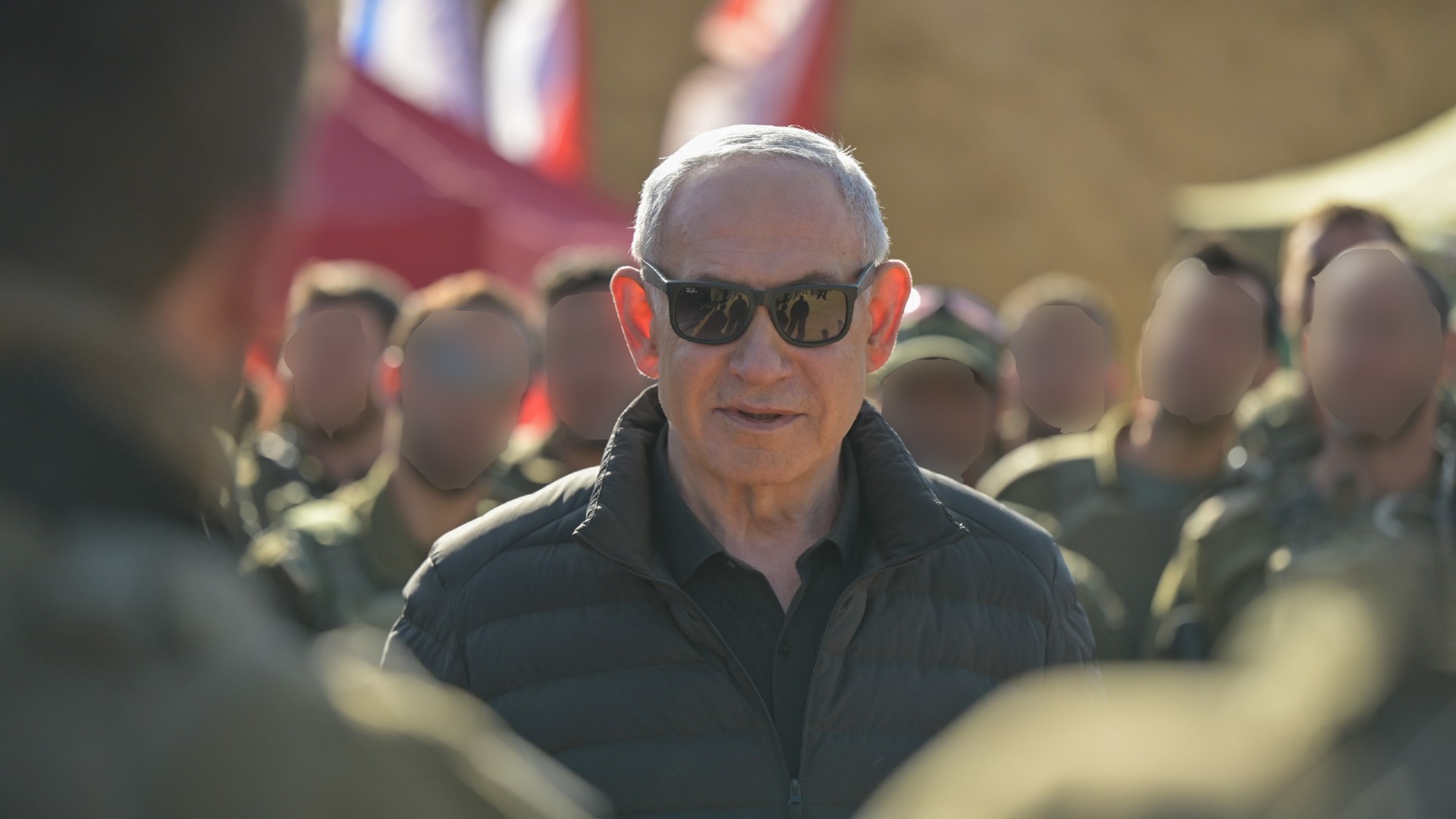
Netanyahu visits Israeli soldiers in occupied Syria with faces of troops blurred
Israeli Prime Minister Benjamin Netanyahu, accompanied by Defense Minister Israel Katz, Foreign Minister Gideon Saar, and military chief of staff Eyal Zamir, visited an Israeli military outpost in the occupied Syrian Golan Heights on Wednesday. The visit, which took place in a buffer zone unilaterally seized by Israel in December, was marked by heightened security measures, including blurring the faces of soldiers in media coverage to shield them from potential legal repercussions over alleged war crimes. Netanyahu emphasized the strategic importance of the region, stating, ‘We attach immense importance to our capability here, both defensive and offensive, safeguarding our Druze allies, and especially safeguarding Israel and its northern border opposite the Golan Heights.’ He added that the mission could escalate at any moment, expressing confidence in the troops’ readiness. The visit drew sharp criticism from Syria, which condemned it as a blatant violation of its sovereignty and international law. Syria’s foreign ministry labeled the actions of Israeli officials as ‘null, void, and legally invalid,’ accusing Israel of perpetuating aggression and breaching UN Security Council resolutions. Syrian ambassador to the UN, Ibrahim Olabi, urged the Security Council to enforce the 1974 disengagement agreement and halt Israeli violations. UN spokesperson Stephane Dujarric expressed concern over the visit, reiterating the importance of Syria’s sovereignty and territorial integrity. Meanwhile, Israeli ambassador Danny Danon called on Syria to demonstrate a commitment to peace and justice, while Olabi countered by highlighting Israel’s repeated strikes on Syrian territory. The visit underscores the ongoing tensions in the region, with both nations locked in a complex geopolitical struggle.
-
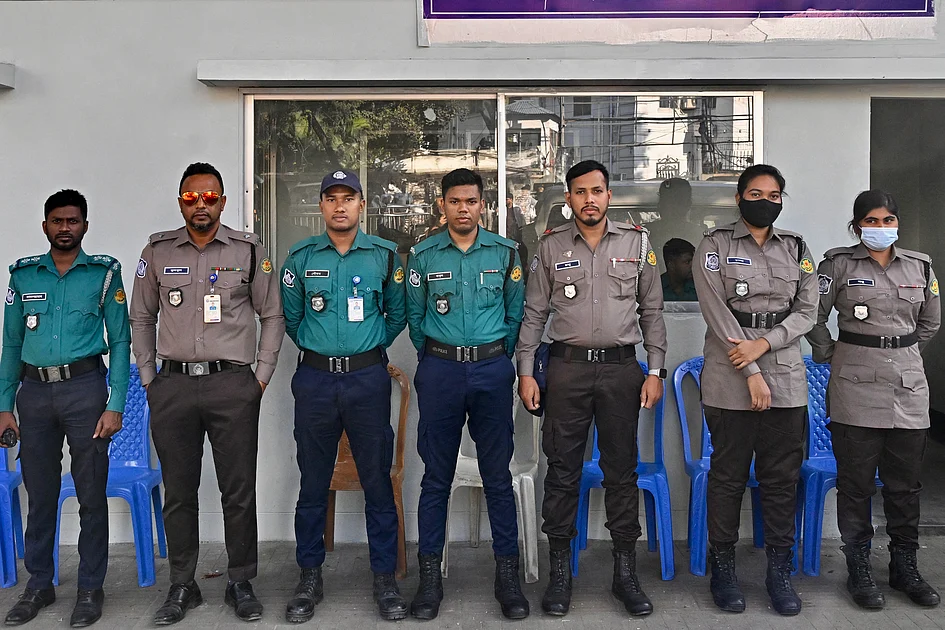
Bangladesh police hope new uniform repairs broken image
In a symbolic move to restore public confidence, Bangladesh Police have introduced new uniforms, replacing their traditional turquoise-and-blue attire with iron-grey shirts and chocolate-brown trousers. This initiative comes as the nation of 170 million people prepares for critical elections in February 2026, where the role of security forces will be pivotal in ensuring a peaceful electoral process. The decision follows years of turmoil and public distrust stemming from the 2024 uprising, which resulted in the overthrow of the autocratic government of Sheikh Hasina. The unrest left at least 1,400 dead and thousands injured, many due to police actions. Police spokesman Sahadat Hossaine acknowledged the force’s ‘unprecedented crisis,’ stating that policymakers believe the new uniforms could signal reform and foster positive change. However, skepticism remains among citizens like Nazma Akhtar, whose 17-year-old son was killed during the uprising. ‘How can a new uniform change their attitude?’ she questioned, reflecting widespread anger. The interim government, led by Nobel laureate Muhammad Yunus, has established a police reform commission, but progress has been slow. Allegations of excessive force persist, and public trust has eroded to the extent that mobs often take justice into their own hands. Meanwhile, around 1,500 police personnel face criminal charges, including murder, with dozens in detention. The former police chief, who pleaded guilty alongside Sheikh Hasina, was sentenced to five years. Despite these challenges, serving officers express their own grievances, noting that 44 officers were also killed during the unrest. The path to rebuilding trust remains fraught with obstacles, as the police force seeks to shed its image as a political tool and regain legitimacy.
-

Iranian press review: Mohammed bin Salman seen as possible bridge between US and Iran
The recent meeting between Saudi Crown Prince Mohammed bin Salman and US President Donald Trump has sparked significant interest, particularly regarding discussions on the potential sale of F-35 fighter jets and nuclear technology sharing with Riyadh. However, within Iran, the focus shifted to a written message sent by Iranian President Massoud Pezeshkian to the Saudi leader just before his departure. While Iranian government officials downplayed the message as a simple note of gratitude for Saudi assistance with Iranian Hajj pilgrims, media outlets close to the government hinted at deeper implications. These sources suggested that Mohammed bin Salman could emerge as a new mediator in talks between Tehran and Washington, potentially revitalizing stalled nuclear negotiations. Pro-Pezeshkian newspapers prominently featured the story, with headlines like ‘News Bombshell of Messaging to Riyadh’ and ‘A Message Just Before Boarding,’ while hard-line publications ignored it entirely. The Sharq daily emphasized the Crown Prince’s potential role in facilitating indirect talks, while Arman Emroz speculated on Riyadh’s involvement in resolving disputes over Iran’s enriched uranium and the possibility of a regional nuclear consortium. Meanwhile, Tehran residents faced alarming news of a looming water crisis, with experts criticizing the government’s mismanagement of resources. In a separate development, the suicide of journalist Fowad Shams highlighted the immense pressures faced by Iranian society, particularly journalists. Additionally, Iranian students protested outside European embassies in Tehran, frustrated by visa delays despite their university acceptances. The Turin court condemned the treatment of Iranian students as ‘discriminatory,’ yet no progress has been made.
-
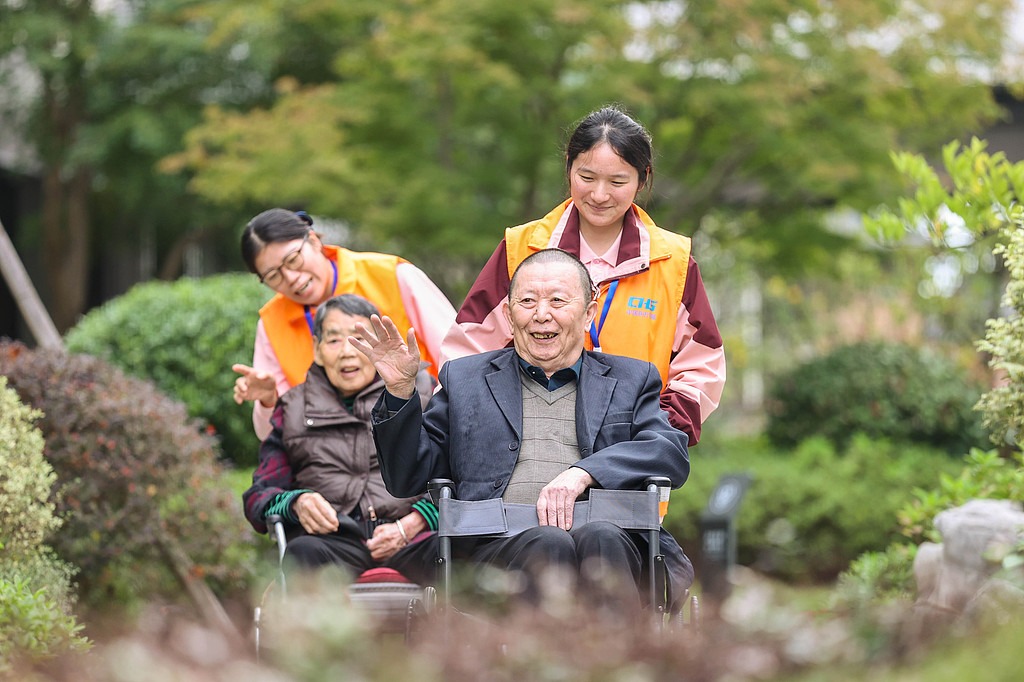
New guidelines safeguard seniors’ prepaid care fees
In a landmark effort to safeguard the financial assets of elderly citizens, China has unveiled comprehensive new regulations governing the management of prepaid fees by nursing homes. The Ministry of Civil Affairs, in collaboration with the National Financial Regulatory Administration, introduced these measures as part of a broader initiative to combat illegal fundraising and financial fraud targeting seniors. The guidelines, titled ‘Guidance on the Custody and Management of Prepaid Fees for Nursing Institutions,’ mandate that all prepaid funds be deposited into a dedicated, monitored bank account to address longstanding concerns over misuse. Nursing homes are required to open these accounts at approved banks, and any withdrawals must be justified with supporting documents, except in cases of emergency medical expenses. Custodian banks are tasked with refusing suspicious transactions and reporting them to regulatory authorities. Additionally, the guidelines ensure prompt refunds, requiring banks to process repayments within one day of receiving a valid request. To enhance transparency, custodian banks must develop specialized account management systems that interface with civil affairs departments, providing real-time data on fund flows. Online banking for these accounts is prohibited, and all transactions must be processed over the counter or through a dedicated platform, with balance checks to maintain a required safety margin.
-
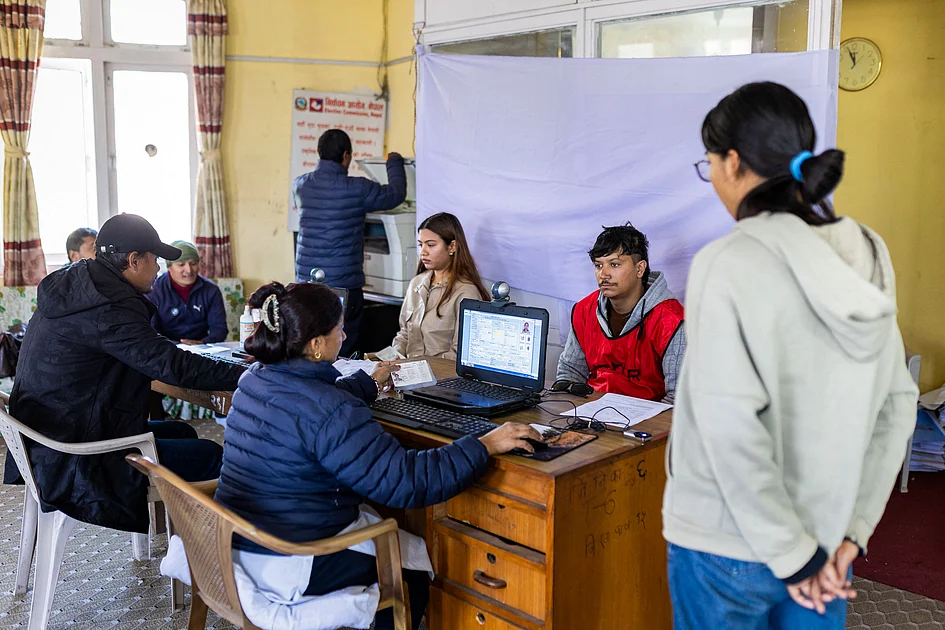
Young Nepalis drive a new wave of voters and candidates
In the wake of a transformative uprising, Nepal is witnessing a remarkable surge in political engagement, particularly among its youth. This newfound enthusiasm is not limited to voting but extends to active participation as candidates in the upcoming March 2026 elections. The movement, initially sparked by a government-imposed social media ban, has evolved into a broader demand for systemic change, fueled by years of economic stagnation and entrenched corruption. Young Nepalis, who played a pivotal role in the protests that ousted the previous government, are now stepping forward to ensure their voices are heard in the political arena. Kishori Karki, a 25-year-old law graduate, epitomizes this shift. A first-time voter, Karki has also applied to register a new political party, driven by the desire to bring fresh perspectives to Nepal’s political landscape. Her actions during the protests, including transporting an injured demonstrator to hospital, have made her a symbol of the movement’s spirit. The September 8-9 demonstrations, which saw the deaths of at least 76 people and the destruction of key government buildings, were a turning point. The subsequent appointment of former chief justice Sushila Karki as interim leader marked a significant step towards political reform. The youth-led movement has also embraced technology, with thousands of activists using the group-chat app Discord to coordinate their efforts. The introduction of an online voter registration system has further facilitated participation, with nearly 675,000 new voters already registered. This surge in political interest is not confined to the youth; older citizens like Sunita Tamang, 40, who registered to vote for the first time, are also motivated by the promise of change. Despite the challenges ahead, including a volatile political landscape and deep public distrust in established parties, the momentum for reform is undeniable. As Uparjun Chamling, a 25-year-old activist, aptly put it, ‘In the spirit of the Gen Z movement, we need new faces. But, more importantly, we need new thinking.’
-
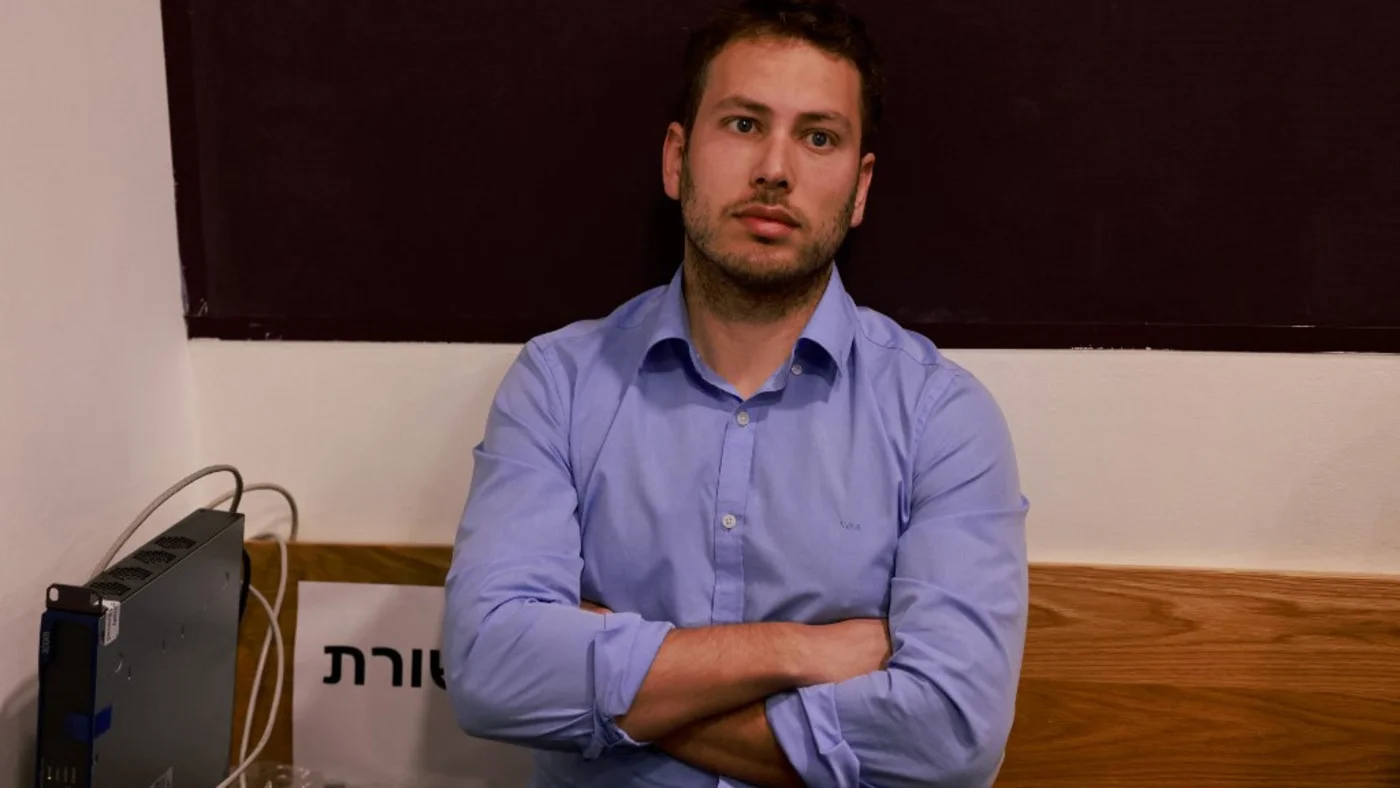
Netanyahu’s son slashes asking price for Oxford flat after it fails to sell
Avner Netanyahu, the youngest son of Israeli Prime Minister Benjamin Netanyahu, has significantly reduced the asking price of his three-bedroom flat in Oxford, UK, after failing to sell it for nine months. The property, initially listed for £620,000 in February, has now been marked down to £500,000, representing a nearly 20% reduction and a potential loss of £2,500 for Netanyahu’s son.
-

Look: How will air taxis look like? 3 models put on display at Dubai Airshow
The Dubai Airshow 2025 has unveiled a glimpse into the future of urban mobility, showcasing three cutting-edge air taxi models that could revolutionize transportation in the UAE by the end of the decade. These models, ranging from fully electric city hoppers to hybrid long-range concepts, highlight the region’s ambitious plans to integrate air taxis into everyday travel. Dubai is set to launch its first air taxi routes in 2026, while Abu Dhabi is concurrently developing its own point-to-point air mobility strategies. For many attendees, this marks their first encounter with the aircraft that may soon replace short car journeys in the region. Among the standout models is Archer Aviation’s Midnight, an electric commuter aircraft designed for urban trips. Capable of carrying four passengers and a pilot, the Midnight boasts speeds of up to 240 km/h, operates emission-free, and features multiple redundant safety systems. Archer has already confirmed its UAE operations will commence next year, with expansion plans into Saudi Arabia. The E20 Plus, developed by UAE-based Autocraft, is another highlight. Built to withstand the region’s harsh weather conditions, this four-passenger aircraft offers a 200 km range and rapid recharging times. Autocraft has partnered with Abu Dhabi Aviation to integrate the E20 Plus into the emirate’s flight ecosystem by late 2026. Honda R&D also presented a one-third scale model of its hybrid air taxi, which combines electric flight with a Formula One-inspired range extender, targeting a range of over 400 km. Although still in the research phase, Honda envisions future autonomous capabilities, with full certification expected in the early 2030s. These innovations underscore the UAE’s commitment to pioneering advanced transportation solutions.