
In a move that has raised eyebrows across diplomatic and intelligence circles, US Ambassador to Israel Mike Huckabee reportedly hosted Jonathan Pollard, a former US Navy intelligence analyst convicted of espionage for Israel, at the American embassy in Jerusalem this July. The meeting, which was kept off Huckabee’s official schedule, has drawn criticism, particularly from the Central Intelligence Agency (CIA), whose station chief in Israel expressed alarm over the encounter. Pollard, now 71, was accompanied by David Milstein, Huckabee’s top advisor at the embassy. Pollard’s espionage activities, which spanned 1984 to 1985, involved the transfer of hundreds of classified documents and over 1,000 intelligence cables to Israel’s Mossad. His actions, which jeopardized the lives of US soldiers globally, led to a life sentence in 1987. Pollard, who is Jewish, had long expressed a desire to emigrate to Israel, a sentiment that reportedly fueled his espionage. Released on parole in 2015, Pollard moved to Israel in 2020 after the Justice Department lifted his travel restrictions. He was granted Israeli citizenship while in prison and received a hero’s welcome upon his arrival. Huckabee, a staunch evangelical Christian Zionist, has been a vocal supporter of Israel, even advocating for the annexation of the occupied West Bank—a stance at odds with US President Donald Trump’s policies. The purpose of Pollard’s visit remains unclear, though he reportedly thanked Huckabee for supporting his release a decade ago. The meeting has reignited debates over US-Israel relations, particularly in light of Pollard’s subsequent criticism of Trump, whom he labeled a ‘madman’ for his dealings with Saudi Arabia. This incident underscores the complex and often contentious dynamics of US foreign policy in the Middle East.
标签: Asia
亚洲
-

OpenAI and Taiwan’s Foxconn to partner in AI hardware design and manufacturing in the US
In a landmark collaboration, OpenAI, the San Francisco-based artificial intelligence pioneer, has joined forces with Taiwan’s electronics titan Foxconn to design and manufacture critical components for AI data centers in the United States. This partnership aims to bolster the nation’s AI infrastructure, ensuring its leadership in the rapidly evolving technological landscape. Foxconn, renowned for its production of AI servers for Nvidia and assembly of Apple products, including the iPhone, will co-develop AI data center racks with OpenAI. The agreement, announced in separate statements on Thursday and Friday, underscores Foxconn’s role in producing essential systems such as cabling, networking, and power solutions for AI data centers at its U.S. facilities in Ohio and Texas. OpenAI will gain early access to evaluate and potentially procure these products. The initial agreement does not entail financial obligations or purchase commitments. This collaboration aligns with Foxconn’s broader strategy to diversify its business, which includes ventures into electric vehicles and acquisitions of electronics companies. Sam Altman, CEO of OpenAI, emphasized the partnership’s significance, stating, ‘This is a step toward ensuring the core technologies of the AI era are built here, strengthening U.S. leadership and ensuring the benefits of AI are widely shared.’ OpenAI has committed $1.4 trillion to AI infrastructure development, including multi-billion-dollar partnerships with Nvidia, AMD, and Broadcom to enhance computing power and design custom AI chips. Despite concerns over OpenAI’s massive spending, Altman projects the company will achieve over $20 billion in annualized revenue this year, with growth expected to reach ‘hundreds of billions by 2030.’ Foxconn’s Taiwan-listed shares have surged 25% this year, reflecting the broader tech industry’s AI-driven momentum. The company reported a 17% year-on-year increase in net profit for the July-September quarter, driven by its cloud and networking business, including AI servers. Foxconn’s leadership remains optimistic about AI’s future, anticipating closer collaborations with key clients and partners in the coming year.
-

‘Rental Family’ spotlights real-life Japanese businesses that offer fill-in relatives, friends
In Japan, a unique industry has emerged to address the growing issues of loneliness and societal pressures: the ‘rental family’ service. Ryuichi Ichinokawa, the founder of the Heart Project, has been at the forefront of this niche business for nearly two decades. His company provides surrogate family members and friends for clients who need to maintain appearances or fill emotional voids. From posing as a boyfriend during legal discussions to attending school events as a friendly uncle, Ichinokawa’s services have become a lifeline for many.
-
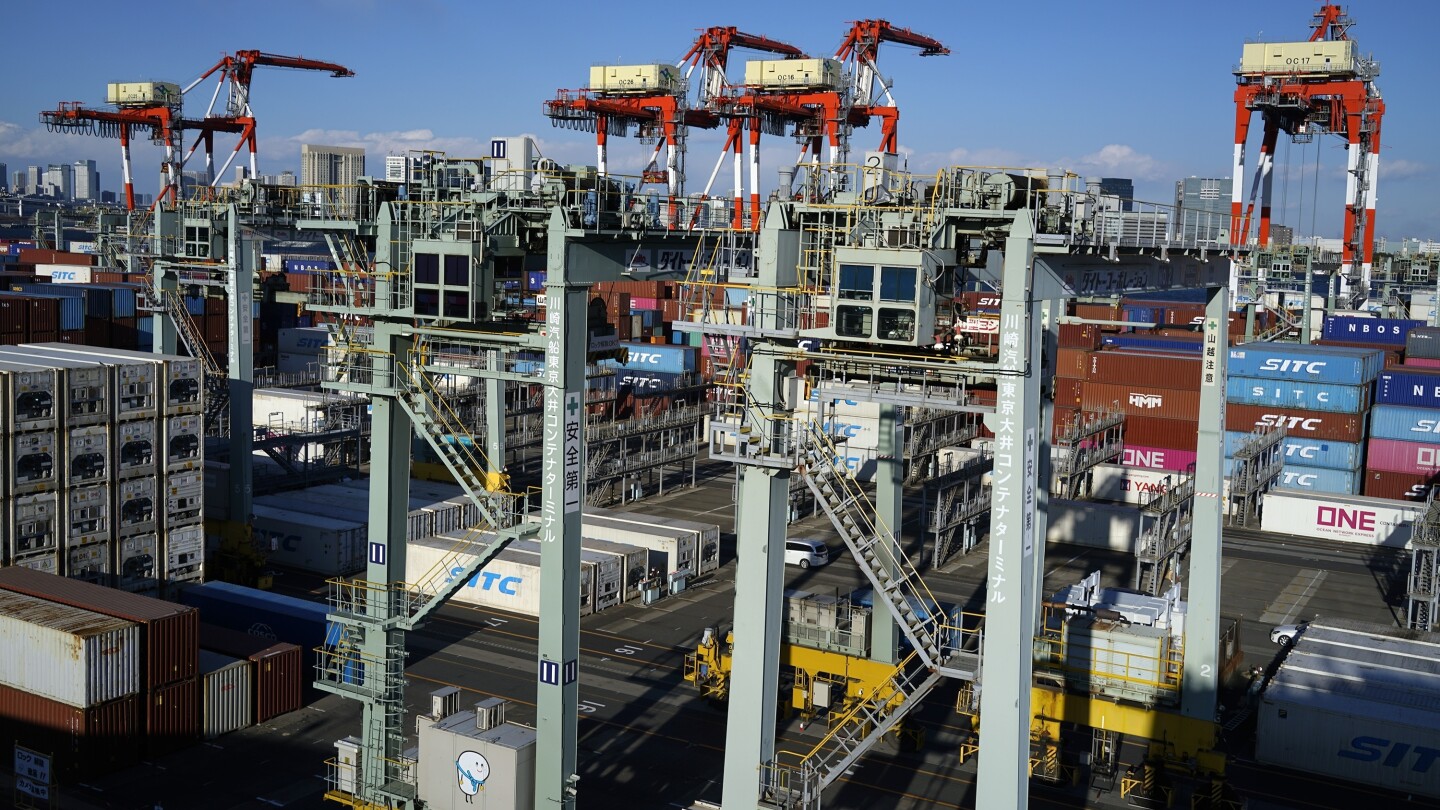
Japan’s exports to the world rise but drop to the US due to tariffs
Japan’s trade landscape in October revealed a nuanced picture, with global exports rising by 3.7% year-on-year, while imports saw a modest 0.6% increase, according to the latest government data. However, exports to the United States declined by 3.1%, marking the seventh consecutive month of year-on-year drops. This downturn is attributed to ongoing concerns over U.S. tariffs, which have reshaped trade dynamics between the two nations. In July, President Donald Trump introduced a trade framework imposing a 15% tariff on Japanese goods, a reduction from the initially proposed 25%. Previously, tariffs on most goods stood at 2.5%. Despite these challenges, Japan’s trade deficit narrowed significantly to 231.77 billion yen ($1.5 billion) in October, down from 499.95 billion yen ($3.2 billion) a year earlier. Notably, soybean imports surged by 37.3%, while iron and steel products dipped by 17.1%. Imports from the U.S. jumped 20.9%, driven by food items like cereals and petroleum. Meanwhile, Japan’s exports to Asia showed resilience, with a 2.1% increase to China, a 19.2% surge to Hong Kong, and a 17.7% rise to Taiwan. However, new tensions with China emerged after Prime Minister Sanae Takaichi’s comments on Taiwan, prompting Beijing to issue a travel advisory against Japan. Analysts suggest Japan may increasingly pivot towards other Asian markets to sustain economic growth, reducing its reliance on U.S. exports.
-
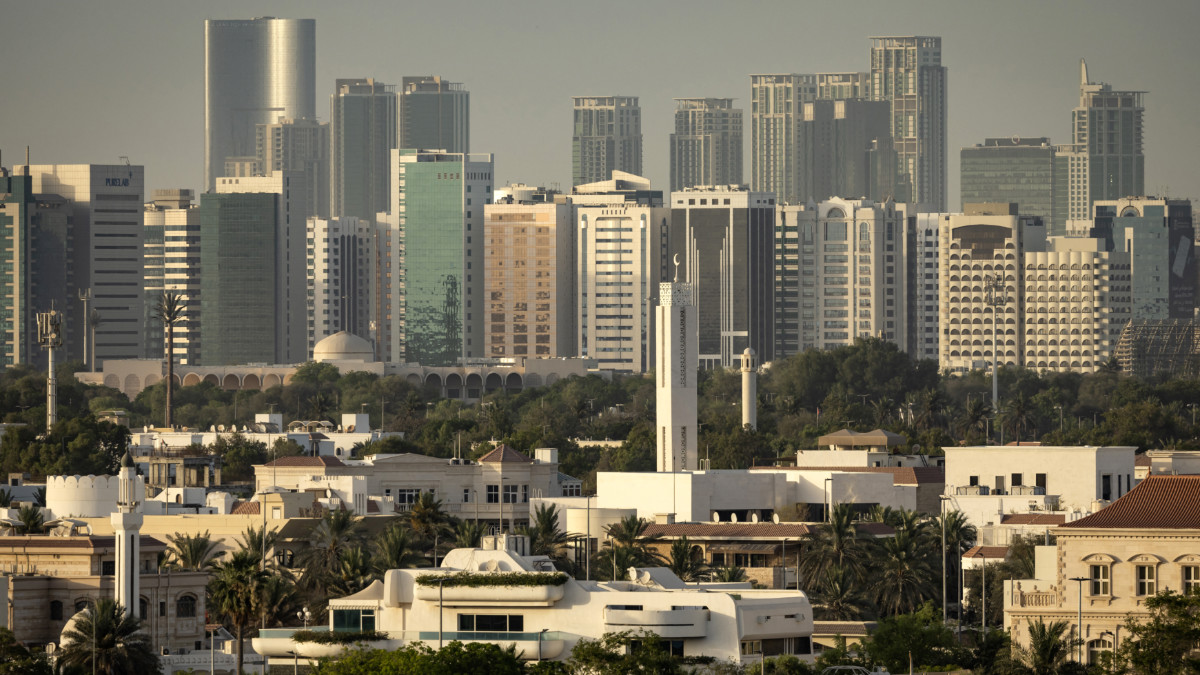
UAE prisoner convicted in mass trial dies in prison
A UAE national, Ali Abdullah Fateh Ali Al-Khaja, who spent over a decade in prison due to his political affiliations, has died in custody, according to the Emirates Detainees Advocacy Centre. The centre reported that Khaja, a long-term detainee, passed away in his cell at Al-Razeen Prison on Wednesday, leaving behind a family that had awaited his release for more than 13 years. Born in 1966, Khaja faced persistent ‘security harassment’ in the UAE for his social activities and association with Al-Islah, an Islamist political group linked to the Muslim Brotherhood, which is banned in the country. The UAE’s ruling Al Nahyan family perceives the Muslim Brotherhood as a threat and has aggressively suppressed its supporters for decades. Khaja was arrested in August 2012 at his home and subjected to enforced disappearance until his court appearance. During his detention, he endured solitary confinement, intimidation, and other forms of torture. In 2013, he was charged alongside 56 others with affiliation to a ‘secret illegal organization’ and sentenced to 10 years in prison, followed by three years of probation. Despite being scheduled for release in August 2022, Emirati authorities detained him further and initiated another trial in 2024. Khaja was part of the ‘UAE 94,’ a group of 94 activists prosecuted in 2013 for allegedly conspiring to overthrow the government during the Arab Spring. The trial, widely criticized by human rights groups as unfair, targeted lawyers, professors, activists, and students advocating for democratic reforms. Many detainees, including Khaja, were affiliated with Al-Islah, a non-violent political reform party. However, the UAE extended sentences for several high-profile dissidents under its 2014 anti-terror law, continuing its crackdown on political dissent.
-
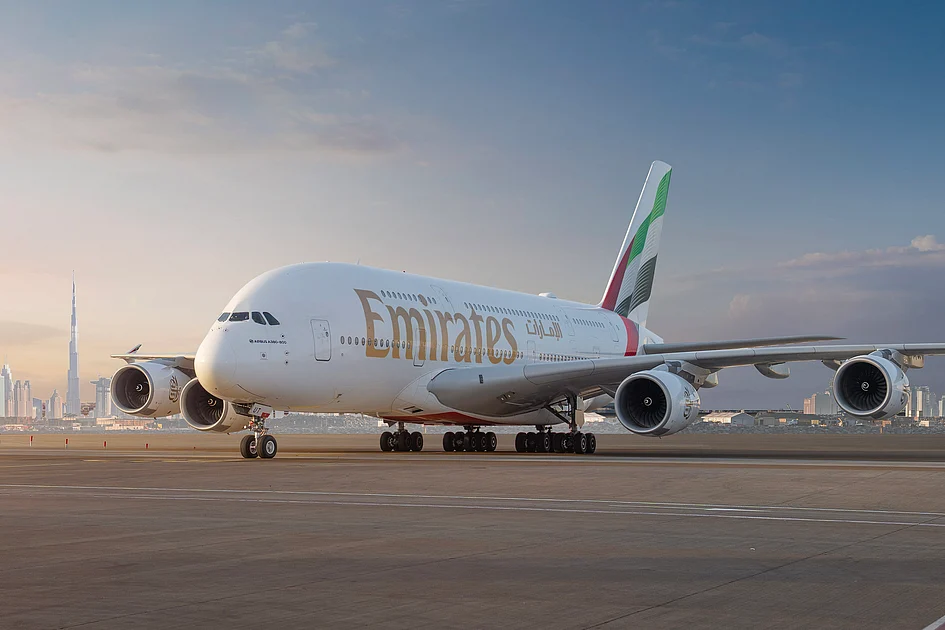
Emirates agrees deal with Rolls-Royce to maintain its own A380 engines
Emirates Airlines has solidified a groundbreaking agreement with Rolls-Royce to undertake the maintenance, repair, and overhaul (MRO) of Trent 900 engines powering its A380 fleet, commencing in 2027. This strategic partnership, formalized through a memorandum of understanding, underscores Emirates’ commitment to extending the operational lifespan of its iconic A380 aircraft well into the 2040s. As the largest operator of the now out-of-production A380, Emirates is actively refurbishing its fleet to ensure its continued service beyond the next decade, following Airbus’ cessation of A380 production in 2021. The deal also includes an extension of the TotalCare service agreement with Rolls-Royce, further cementing the collaboration between the two aviation giants. This agreement follows Emirates’ recent move to establish a seat assembly line in Dubai in partnership with France’s Safran. While Emirates has expressed concerns over Rolls-Royce’s engine performance on the A350-1000, it has lauded the smaller A350-900, which it began incorporating into its fleet last year. This deal marks a significant step in Emirates’ strategy to optimize its fleet and maintain its leadership in the global aviation industry.
-
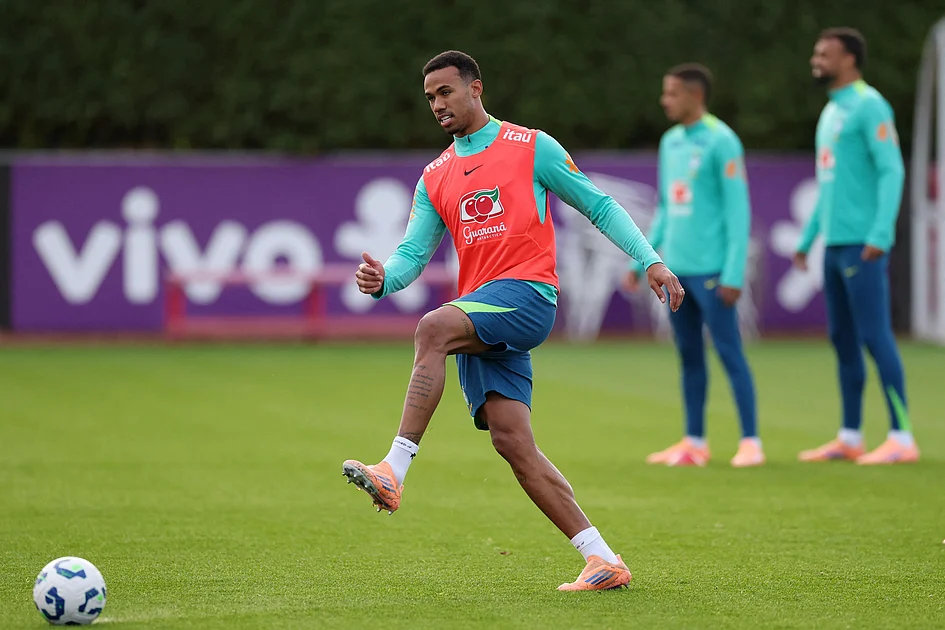
Leaders Arsenal face uncertainty as Gabriel injury clouds Spurs clash
Arsenal’s Premier League title aspirations face a significant challenge as key defender Gabriel is likely to miss the highly anticipated clash against Tottenham Hotspur due to a thigh injury. The Brazilian centre-back, a linchpin in Mikel Arteta’s defensive setup, sustained the injury during Brazil’s friendly against Senegal, casting a shadow over Arsenal’s preparations for the North London derby. Gabriel’s absence could disrupt Arsenal’s defensive solidity, particularly in aerial duels, where he has been dominant this season. The Gunners, currently leading the league by four points over Manchester City, are already grappling with fitness concerns surrounding Martin Odegaard and Gabriel Martinelli. Former England striker Alan Shearer emphasized Gabriel’s irreplaceability, stating, ‘Arsenal are losing probably the best centre-half in the Premier League.’ Potential replacements include Piero Hincapie, Cristhian Mosquera, or a positional switch for Riccardo Calafiori. Meanwhile, Tottenham, under new manager Thomas Frank, boast the league’s best away record and have shown resilience despite injuries to key attackers like James Maddison and Dejan Kulusevski. A victory for Spurs could reignite the title race and intensify the battle for Champions League qualification. Elsewhere, Manchester City, led by the prolific Erling Haaland, aim to maintain their momentum against Newcastle United, while Liverpool seek to recover from a dismal run against Nottingham Forest. Manchester United, riding a five-game unbeaten streak, will look to continue their resurgence against Everton.
-
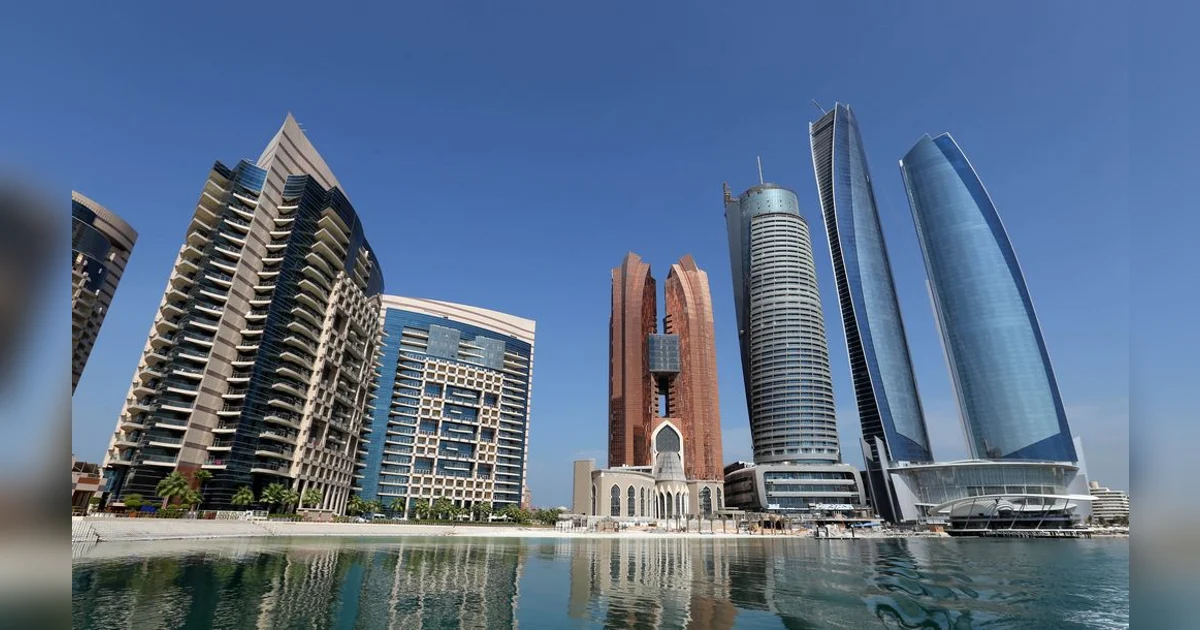
Abu Dhabi seeks $54 billion in infrastructure projects over 5 years
Abu Dhabi has announced an ambitious $54 billion infrastructure investment plan spanning the next five years, with a significant focus on social infrastructure. The initiative, led by the Abu Dhabi Projects and Infrastructure Centre (ADPIC), aims to double this investment by 2040, targeting national housing, schools, and community facilities, which constitute approximately 50% of the portfolio. ADPIC’s director, Maysarah Mahmoud Salim Eid, revealed these plans during a recent tour of Istanbul, where officials engaged with Turkish contractors, developers, and construction firms. The visit followed similar trips to Singapore and China, as part of a broader strategy to attract private sector participation. The projects, which include public-private partnerships, will be implemented across Abu Dhabi, Al-Ain city, and the Al-Dhafra region. Financing will be sourced through direct government funding, foreign consultants, and long-term partnerships with real estate developers and investors. Turkish contractors, who have already undertaken $6.1 billion worth of projects in the UAE in 2024, are among the key players being considered. The initiative aligns with the UAE’s economic diversification goals, with a particular emphasis on bridges, tunnels, and other infrastructure linked to broader growth strategies.
-

At least 41 dead as relentless rains flood Vietnam
Central Vietnam is facing catastrophic flooding as relentless rains have claimed at least 41 lives and left nine people missing, according to state media reports. The deluge has submerged over 52,000 homes and disrupted power for half a million households and businesses. Rainfall in some areas exceeded 1.5 meters (5 feet) over three days, surpassing the 1993 flood peak of 5.2 meters in certain regions. The coastal cities of Hoi An and Nha Trang, along with the central highlands’ coffee production belt, are among the worst-hit areas. Farmers in the highlands are already struggling with stalled harvests due to earlier storms. This year, Vietnam has been battered by extreme weather, including Typhoons Kalmaegi and Bualoi, which caused widespread destruction. Government estimates indicate that natural disasters have inflicted $2 billion in damages from January to October. Local media has published harrowing images of people stranded on rooftops as floodwaters invade their homes. A viral video shows a suspension bridge in Lam Dong province being torn from its anchors. The province has declared a state of emergency after landslides damaged major roads, including the collapse of part of the Mimosa Pass, a critical route to the tourist city of Da Lat. Tens of thousands of residents have been evacuated, with military and police forces setting up emergency shelters. A restaurant owner in Nha Trang expressed concern over his submerged property, stating that the water is unlikely to recede soon. Authorities have warned of continued moderate to heavy rains through Sunday.
-
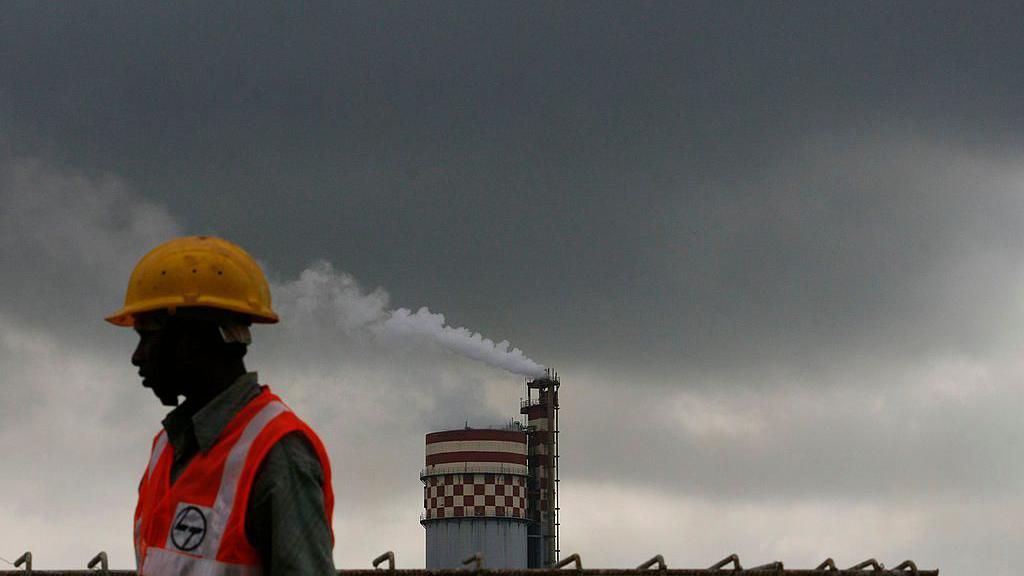
India’s delayed action plan raises eyebrows at COP30 climate summit
As the UN climate summit (COP30) unfolds in Belem, Brazil, India, the world’s third-largest carbon emitter, finds itself under intense scrutiny for its delayed submission of a crucial climate plan. Known as Nationally Determined Contributions (NDCs), these updated plans are essential for achieving the Paris Agreement’s goal of limiting global temperature rise to below 2°C, ideally 1.5°C. While around 120 of the 196 UNFCCC member countries have submitted their updated NDCs, India remains among the holdouts, with its environment minister, Bhupender Yadav, announcing that the plan will be submitted by the end of December. India’s delay has raised eyebrows, especially as international assessments label its climate actions as ‘worryingly inadequate.’ Despite this, India has met its pledge to achieve 50% of its installed electricity capacity from non-fossil fuel sources ahead of the 2030 deadline. However, coal still dominates 75% of its electricity generation, a figure that must drop significantly to align with global climate goals. India’s stance at COP30 emphasizes the need for developed nations to take greater responsibility for emissions reductions and provide substantial financial support to developing countries. Yadav argued that ‘global climate progress can’t come from endless discussions alone,’ calling for developed nations to reach net-zero emissions earlier and deliver trillions in climate finance. The issue of climate finance remains contentious, with developing nations demanding over $1 trillion annually, while developed countries have pledged only $300 billion. India’s reliance on coal and its delayed NDC submission have drawn criticism, particularly as China, its usual ally in climate negotiations, has already submitted its updated plan. As COP30 continues, the world watches to see if India’s updated climate plan will address these concerns and align with global efforts to transition away from fossil fuels.