标签: Asia

亚洲

  • Why India’s approach makes sense in the Gulf today

    Why India’s approach makes sense in the Gulf today

    In the volatile landscape of West Asian geopolitics, India has cultivated a distinctive diplomatic approach characterized by strategic patience and principled engagement. Rather than resorting to public posturing or reactive measures, New Delhi’s foreign policy operates on the foundational belief that sustainable peace represents a collective responsibility rather than a concession between powers.

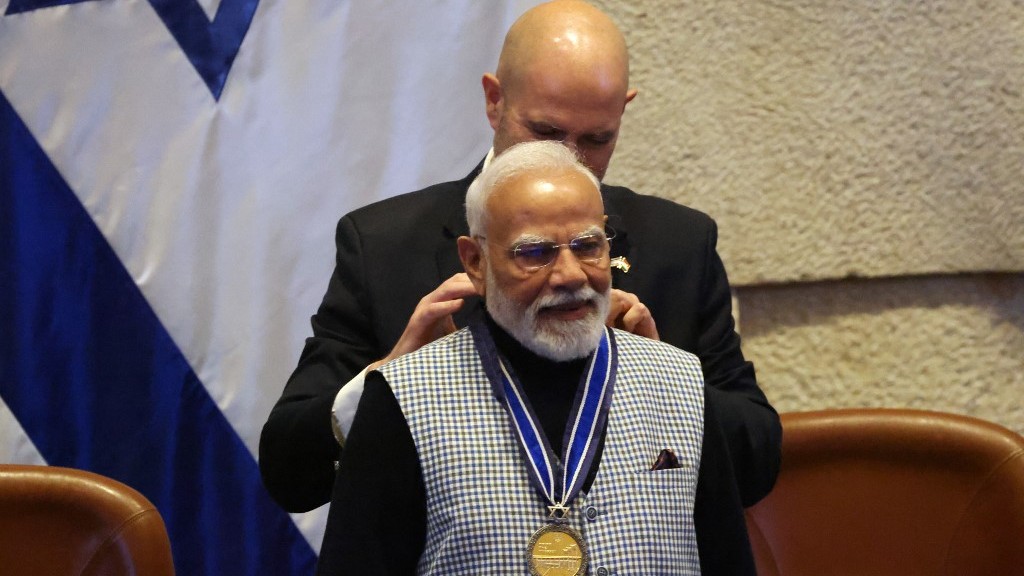
    This philosophy finds expression in India’s consistent advocacy for dialogue and de-escalation during regional tensions. Recent developments involving Iran have demonstrated the practical application of this methodology, with India prioritizing measured communication over condemnation and maintaining open channels across political divides. Prime Minister Narendra Modi’s explicit statement that “this is not the time for war” encapsulates this consistent warning against escalation in an interconnected world where conflicts rapidly transcend local boundaries.

    India’s credibility in advocating restraint stems from its demonstrated refusal to advance interests through proxy relationships or zero-sum diplomacy. The nation has maintained multifaceted ties with key regional players including the United Arab Emirates and Saudi Arabia, with partnerships spanning energy security, trade networks, defense cooperation, and technological exchange. These relationships are strengthened by substantial people-to-connections, with millions of Indian expatriates contributing to Gulf economies while Gulf investments fuel India’s own growth trajectory.

    The conceptual framework of Vasudeva Kutumbakam—the ancient Indian principle envisioning the world as one family—informs this diplomatic paradigm. Far from abstract idealism, this worldview promotes practical bridge-building where others establish hardened camps. India’s conflict resolution approach emphasizes inclusion over humiliation, believing sustainable peace emerges when local stakeholders claim ownership of solutions rather than having outcomes externally imposed.

    While some critics misinterpret this consistent posture as ambiguity, it actually reflects strategic clarity refined through historical experience. India’s role may not generate sensational headlines, but its steady emphasis on dialogue, sovereignty respect, and shared prosperity provides stabilizing reassurance during periods of uncertainty. In an increasingly transactional global environment, India’s commitment to diplomacy rooted in mutual respect and long-term vision offers a compelling alternative model for international engagement.

  • CATL showcases advanced energy storage solutions at WFES 2026

    CATL showcases advanced energy storage solutions at WFES 2026

    At the prestigious 2026 World Future Energy Summit (WFES), Contemporary Amperex Technology Co. Limited (CATL) unveiled its cutting-edge energy storage solutions, positioning energy storage technology as the critical backbone for the Middle East’s accelerating clean energy transformation. The exhibition comes as regional governments and industries substantially increase investments in renewable energy infrastructure, electric mobility, and comprehensive electrification initiatives.

    Kui Weng, CATL ESS Middle East CEO, addressed summit attendees, emphasizing that while renewable generation capacity continues its rapid expansion across the region, the readiness of supporting infrastructure remains a significant challenge. “The deployment of renewable energy is accelerating across the Middle East, but the capability to efficiently store and manage this energy is becoming equally crucial as generation itself,” Weng stated. “Energy storage systems ensure reliability, stability, and flexibility as power networks evolve.”

    Among the technological highlights presented was CATL’s Tener Stack energy storage solution, engineered specifically for large-scale applications and demanding operational environments. This advanced system addresses critical challenges including renewable intermittency, peak demand management, and grid stability enhancement.

    The company detailed how energy storage facilitates optimal integration of solar and other renewable sources, particularly during high-demand periods. “Storage technology enables the capture of surplus renewable energy for subsequent release during peak requirements, effectively reducing grid pressure and enhancing overall system efficiency,” Weng explained.

    CATL further demonstrated the integral role of energy storage in supporting the expanding electric vehicle charging ecosystem. As commercial fleets electrify and public charging networks multiply, charging stations increasingly strain power systems. The integration of energy storage with charging infrastructure ensures stable power delivery and enhanced charging performance.

    “High-power charging facilities, particularly those serving commercial vehicles, demand reliable and predictable energy supply,” Weng noted. “Energy storage solutions effectively smooth demand curves and support consistent charging operations without overwhelming local grid infrastructure.”

    Beyond transportation applications, CATL emphasized the technology’s significance for industrial and commercial sectors, including ports, logistics centers, and manufacturing facilities. These environments increasingly depend on electrified equipment and automated systems requiring uninterrupted power supply.

    The summit served as a platform for CATL to engage with regional stakeholders regarding the long-term development of sustainable energy infrastructure. Weng highlighted that the Middle East’s distinctive climate conditions and massive scale necessitate solutions prioritizing safety, durability, and long-term operational performance.

    “Regional operating conditions demand rigorous attention to safety protocols and lifecycle performance,” he asserted. “Energy storage is evolving into permanent infrastructure, and must be engineered accordingly.”

    CATL concluded that continued collaboration with regional partners will be essential as energy storage deployment expands, ultimately supporting renewable integration, widespread electrification, and the region’s comprehensive sustainability objectives.

  • China’s economy grows 5% in 2025, buoyed by strong exports despite Trump’s tariffs

    China’s economy grows 5% in 2025, buoyed by strong exports despite Trump’s tariffs

    China’s economy achieved a 5% annual growth rate in 2025, meeting the government’s official target despite facing significant headwinds from a slowing property market and persistent consumer spending weaknesses. The expansion was primarily driven by robust export performance, which generated a record $1.2 trillion trade surplus and helped offset domestic economic vulnerabilities.

    The year-end figures revealed a concerning trend, however, with fourth-quarter growth decelerating to 4.5% – the slowest quarterly pace since China began easing its stringent COVID-19 restrictions in late 2022. This represents a noticeable drop from the previous quarter’s 4.8% growth rate, indicating mounting economic pressures.

    Export resilience emerged as the economy’s primary growth engine, though economists question its sustainability. Lynn Song, ING’s chief economist for Greater China, noted: “The key question is how long this engine of growth can remain the primary driver.” While Chinese exports to the U.S. declined following President Trump’s return to office and imposition of new tariffs, increased shipments to other global markets compensated for these losses.

    The government’s efforts to stimulate domestic demand through various initiatives, including trade-in programs for vehicles and home appliances, have yielded limited success. These programs have been losing momentum in recent months, failing to significantly boost consumer confidence or spending.

    Chi Lo, senior market strategist at BNP Paribas Asset Management, emphasized that “stabilization, not necessarily recovery, of the domestic property market is key to revive public confidence and household consumption.” Many small businesses and ordinary citizens continue facing economic hardships, with restaurant owner Liu Fengyun from Guizhou province reporting that customers increasingly cite financial constraints: “Money is hard to earn now” and “making breakfast at home is cheaper.”

    Looking ahead, economists project further moderation in growth, with Deutsche Bank forecasting approximately 4.5% expansion for 2026. This slowdown aligns with China’s broader economic transition as it prioritizes technological self-reliance through investments in artificial intelligence and advanced technologies while navigating complex global trade dynamics and domestic structural challenges.

  • Vietnam’s Communist Party congress meets to pick new leaders​

    Vietnam’s Communist Party congress meets to pick new leaders​

    Vietnam’s political landscape enters a pivotal phase as the ruling Communist Party commences its quintennial congress, a decisive gathering that will determine the nation’s leadership structure and establish critical economic objectives for the coming years. This high-stakes assembly brings together approximately 1,600 delegates tasked with approving comprehensive policy frameworks and electing key governing bodies.

    At the forefront of leadership considerations stands General Secretary Tô Lâm, widely regarded as the predominant candidate for continuation in the party’s most influential position. The 68-year-old leader, who assumed office in August 2024 following the passing of his predecessor Nguyễn Phú Trọng, has championed an ambitious reform agenda during his tenure. Lam’s background as a former police official within the secretive public security ministry has shaped his governance approach, characterized by both economic modernization initiatives and consolidation of institutional power.

    The political proceedings follow a meticulously orchestrated sequence: delegates will first elect a new Central Committee of approximately 200 members, who in turn will select the 17-19 member Politburo—the party’s supreme decision-making authority. This body ultimately determines the general secretary position through a closed-door process devoid of electoral competition, typically resulting in near-unanimous approvals. The Vietnamese public maintains no direct involvement in selecting national leadership.

    Economically, Vietnam confronts both remarkable opportunities and significant challenges. While boasting Southeast Asia’s most rapidly expanding economy with consistent growth exceeding 6% annually, the administration has established an ambitious 10% growth target for 2026. This objective emerges amidst complex global trade dynamics, particularly concerning U.S. tariff policies that initially threatened 46% levies before settling at 20% on Vietnamese exports. Remarkably, official statistics indicate a 28% increase in exports to the United States despite these trade barriers.

    The nation’s single-party socialist system has fostered policy continuity that attracts substantial foreign investment, especially as multinational corporations diversify supply chains away from China. However, maintaining this economic momentum requires navigating persistent challenges including institutional corruption—which precipitated the resignation of two previous presidents—and the looming uncertainty of international trade relations.

    Lam’s vision for national development extends beyond immediate economic targets, envisioning transformation into an upper-income, knowledge-driven technological economy by 2045. His administration has prioritized administrative reforms, private sector expansion, and national development initiatives while simultaneously centralizing authority and enhancing the police ministry’s influence.

    Leadership transitions may extend beyond the congress’s January 25 conclusion, with legislative elections scheduled for March 15 and the new National Assembly convening in April to formally appoint senior government officials. Reports suggest potential constitutional modifications regarding leadership structure, including possible consolidation of the general secretary and presidential roles—a arrangement Lam experienced temporarily between May and August 2024.

    The congress outcomes will fundamentally shape Vietnam’s political and economic direction, testing the Communist Party’s capacity to deliver prosperity and maintain legitimacy through fulfilling its ambitious developmental promises.

  • India gets Trump’s invite to join Board of Peace on Gaza, source says

    India gets Trump’s invite to join Board of Peace on Gaza, source says

    The Trump administration has formally invited India to participate in its newly proposed “Board of Peace” initiative targeting global conflict resolution, with initial focus on the Gaza situation, according to a senior Indian government official speaking on Sunday, January 18, 2026.

    The invitation arrives during a period of diplomatic strain between New Delhi and Washington, primarily driven by the collapse of bilateral trade negotiations. The failed trade deal would have reduced substantial tariffs currently imposed on Indian exports to the United States, which stand among the world’s highest at approximately 50 percent.

    President Trump has reportedly extended similar invitations to nearly 60 nations worldwide, including Pakistan—India’s regional neighbor and strategic rival. The Pakistani government has already indicated its willingness to engage with international peace and security efforts concerning the Palestinian territory.

    India’s Ministry of External Affairs has not yet issued an official response regarding its potential participation in the initiative. The silence leaves observers questioning whether New Delhi will commit to the multinational diplomatic effort.

    The proposed Board of Peace represents the Trump administration’s latest attempt to address protracted global conflicts through a coalition of willing nations. Its formation and operational framework remain undefined, though the Gaza conflict appears to be its initial testing ground.

  • Syrian government, Kurdish forces agree to immediate ceasefire

    Syrian government, Kurdish forces agree to immediate ceasefire

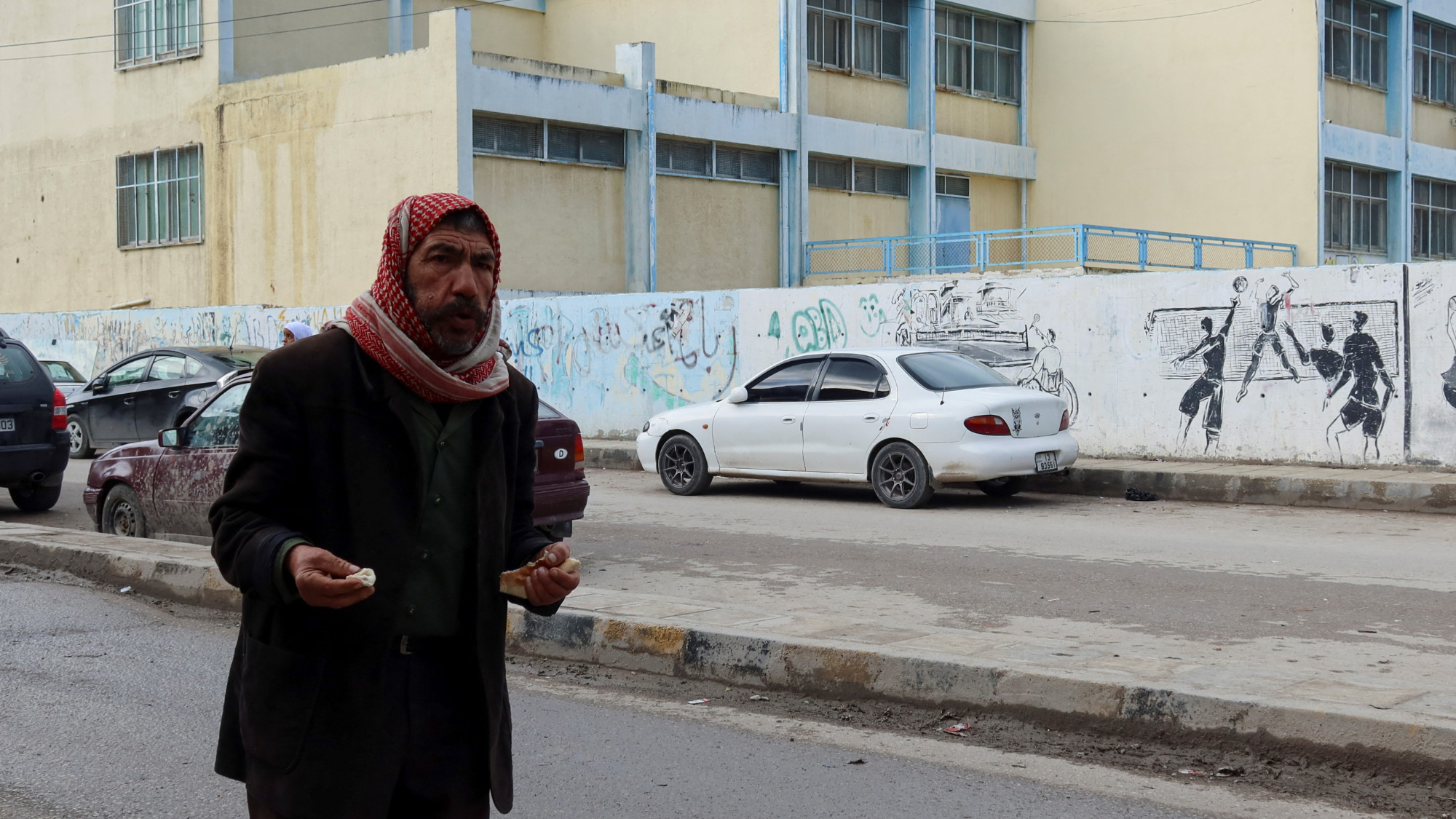
    In a significant development for Syria’s protracted conflict, the Syrian government and the Kurdish-led Syrian Democratic Forces (SDF) have reached a comprehensive ceasefire agreement effective immediately. The breakthrough accord, announced Sunday through an official document published by the Syrian Presidency, follows intense negotiations amid recent military escalations in northeastern territories.

    The agreement mandates the simultaneous withdrawal of all SDF-affiliated military units to positions east of the Euphrates River. This strategic repositioning occurs alongside the complete transfer of military and administrative control over the Kurdish-held provinces of Deir al-Zor and Raqqa to Damascus authorities. The arrangement encompasses all critical infrastructure, including border crossings and hydrocarbon facilities containing Syria’s vital oil and gas fields.

    A key provision requires the SDF to facilitate the evacuation of all non-Syrian leadership and forces associated with the Kurdistan Workers’ Party (PKK) beyond national borders. The framework further outlines the integration of SDF combat units into Syria’s formal defense and interior ministries following comprehensive security vetting procedures.

    The documented accord bears the signatures of both Syrian President Ahmed al-Sharaa and SDF commander Mazloum Abdi, signaling high-level endorsement from both factions. President al-Sharaa characterized the agreement as resolving “all lingering files with the SDF” during statements to state media, while confirming scheduled direct negotiations with Commander Abdi for Monday.

    This diplomatic achievement represents a substantial recalibration of Syria’s complex geopolitical landscape, potentially altering power dynamics in the region’s decade-long conflict. The accord facilitates government reassertion over strategically and economically significant territories while providing structured integration for Kurdish forces into national institutions.

  • Factory explosion in China kills two, injures 84

    Factory explosion in China kills two, injures 84

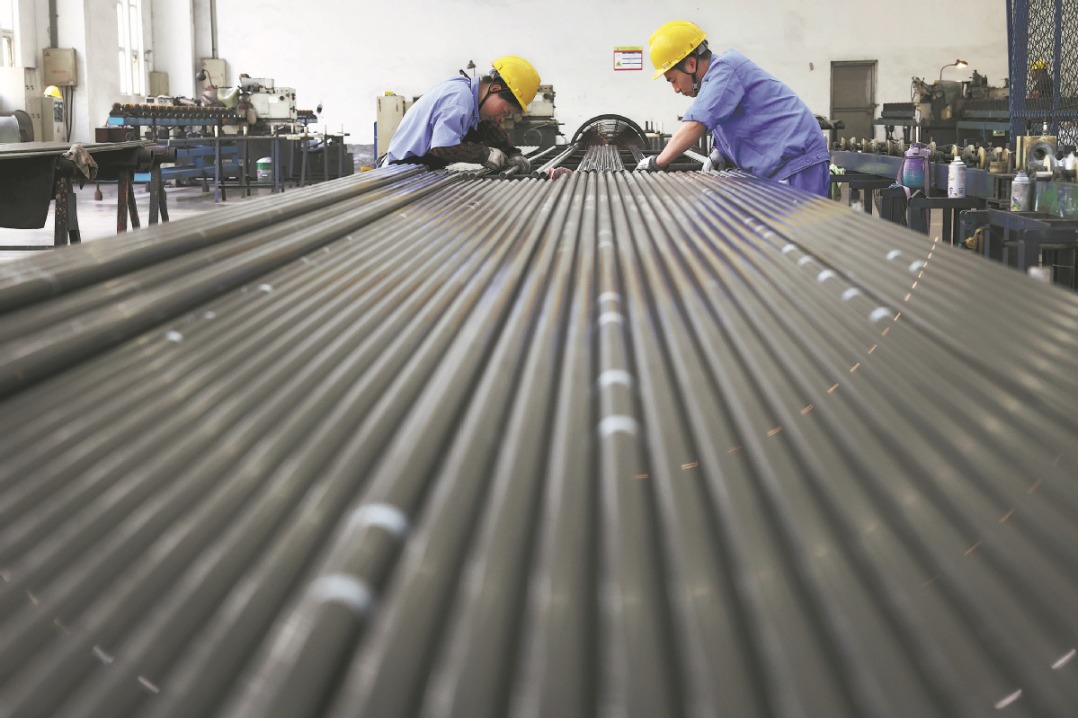
    A catastrophic explosion has struck a major industrial facility in northern China, resulting in multiple casualties and significant structural damage. The incident occurred at approximately 3:00 PM local time on Sunday at the Baogang United Steel plant located in Inner Mongolia Autonomous Region.

    According to official state media reports, the powerful detonation claimed two lives and left 84 individuals injured, with five people currently unaccounted for following the disaster. Medical authorities confirmed that five of those hospitalized sustained serious injuries requiring intensive treatment.

    The force of the explosion was substantial enough to generate noticeable seismic tremors throughout the surrounding area. Circulating footage from the scene depicted massive plumes of dark smoke billowing into the atmosphere, while the ground surrounding the facility was covered with extensive debris including collapsed structural elements, ceiling fragments, and damaged piping systems.

    Baogang United Steel, the affected facility, operates as a significant state-owned enterprise within China’s critical iron and steel production sector. Emergency response teams and investigative authorities have been deployed to the site to conduct rescue operations and determine the precise cause of the industrial accident.

    This tragic event recalls China’s challenging history with industrial safety incidents, which have ranged from manufacturing facility explosions and mining collapses to geological disasters. The incident bears resemblance to previous industrial tragedies including the 2015 Tianjin port explosions that resulted in 173 fatalities and widespread urban destruction, and last year’s chemical plant explosion in Shandong province that caused five deaths and numerous injuries.

  • Syrian interim leader signs agreement with SDF to integrate institutions, restore state authority

    Syrian interim leader signs agreement with SDF to integrate institutions, restore state authority

    In a landmark development for Syria’s protracted conflict, interim leader Ahmad al-Sharaa announced on Sunday a comprehensive ceasefire and integration agreement with the Kurdish-led Syrian Democratic Forces (SDF). The accord, brokered after weeks of intensified clashes, marks the most significant step toward reunifying government control over the strategically vital northeast region since previous arrangements collapsed in 2025.

    The immediate ceasefire covers all active fronts, with SDF forces commencing withdrawal from positions east of the Euphrates River to facilitate redeployment. The agreement stipulates full transfer of administrative and military authority in Deir al-Zour and Raqqa provinces to Damascus, including civil institutions and public facilities. Notably, the government has committed to retaining current employees in their positions and granting amnesty to SDF members and local administrators.

    Further provisions include the integration of Hasakah province’s civil institutions into state governance, with al-Sharaa issuing a decree to appoint a new governor. All SDF military and security personnel will undergo individual security vetting before incorporation into government ministries, with guaranteed ranks, salaries, and benefits according to established regulations.

    The breakthrough follows recent escalation in Aleppo’s eastern countryside, Raqqa, and Deir al-Zour that resulted in competing military advances and civilian displacement. Damascus authorities characterized the agreement as essential for restoring stability, preserving national unity, and bringing all armed formations under state authority. Implementation begins immediately, signaling a potential turning point in Syria’s complex geopolitical landscape.

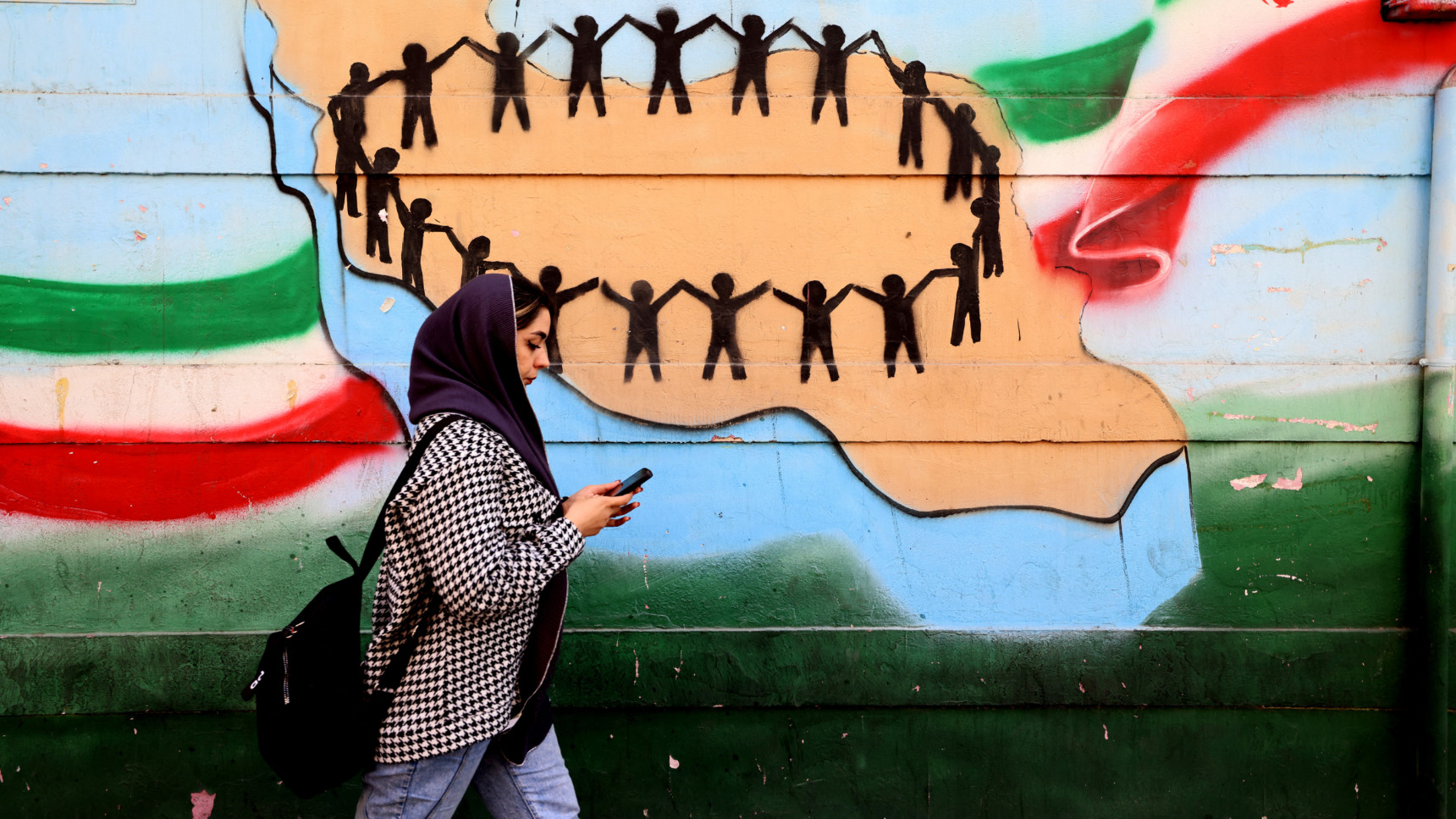
  • Iran’s president warns strikes on Khamenei would lead to ‘all-out war’

    Iran’s president warns strikes on Khamenei would lead to ‘all-out war’

    Iranian President Masoud Pezeshkian has issued a grave warning that any military strike targeting Supreme Leader Ayatollah Ali Khamenei would be interpreted as a declaration of comprehensive warfare against the Iranian nation. This stern pronouncement emerged amidst escalating diplomatic hostilities between Tehran and Washington.

    The presidential statement, disseminated via social media platform X on Sunday, constitutes a direct response to provocative remarks from US President Donald Trump. In an interview with Politico published Saturday, Trump explicitly called for regime change in Iran, asserting that ‘the time has arrived to seek new leadership in Iran.’

    President Pezeshkian’s communiqué further attributed Iran’s economic challenges to what he characterized as ‘persistent antagonism’ and ‘cruel sanctions’ enforced by the United States and allied nations. He maintained these measures have principally instigated the hardships confronting ordinary Iranian citizens.

    The diplomatic confrontation intensified earlier when Supreme Leader Khamenei personally denounced Trump as a ‘criminal,’ alleging his responsibility for casualties and destruction during recent domestic turmoil in Iran. Bilateral relations have remained profoundly strained since Trump’s return to executive power, marked by the perpetuation of maximum pressure tactics and recurrent verbal clashes between the two administrations.

    This exchange represents the most severe rhetorical escalation since the renewal of tensions, highlighting the fragile state of US-Iran relations and raising concerns about potential miscalculation that could precipitate open conflict.

  • China factory explosion kills two, injures 66: Media report

    China factory explosion kills two, injures 66: Media report

    A catastrophic explosion rocked a steel manufacturing facility in northern China on Sunday afternoon, resulting in multiple casualties and widespread damage. The incident occurred at approximately 3:00 PM local time at the Baogang United Steel plate plant located in Baotou City within Inner Mongolia Autonomous Region.

    According to official reports from state media, the industrial accident has confirmed two fatalities with five individuals currently unaccounted for. Medical facilities have received 66 injured personnel, including three patients classified as being in critical condition. Emergency response teams including fire rescue units and local emergency management authorities have been conducting continuous operations at the disaster site since the explosion occurred.

    Eyewitness accounts and social media footage depict extensive structural damage with collapsed ceilings and substantial debris throughout the facility. Visual evidence shows massive smoke plumes rising above the plant and what appears to be large cylindrical metal components scattered among the wreckage. The force of the detonation was sufficiently powerful to affect residential areas kilometers from the explosion epicenter, with numerous residents reporting structural vibrations and shattered windows in their homes.

    While the precise cause remains under formal investigation by authorities, this incident highlights ongoing concerns regarding industrial safety protocols in Chinese manufacturing facilities. The Baotou steel plant explosion represents the latest in a series of industrial accidents that have plagued China’s manufacturing sector despite repeated safety initiatives.

    Historical context indicates similar tragedies have occurred throughout China’s industrial regions, including a fireworks factory explosion in Hunan province that claimed nine lives in June of this year, and the devastating 2015 Tianjin chemical warehouse explosions that resulted in over 170 fatalities.