标签: Asia

亚洲

  • Strikes hit oil storage facilities in Oman, says maritime security firm

    Strikes hit oil storage facilities in Oman, says maritime security firm

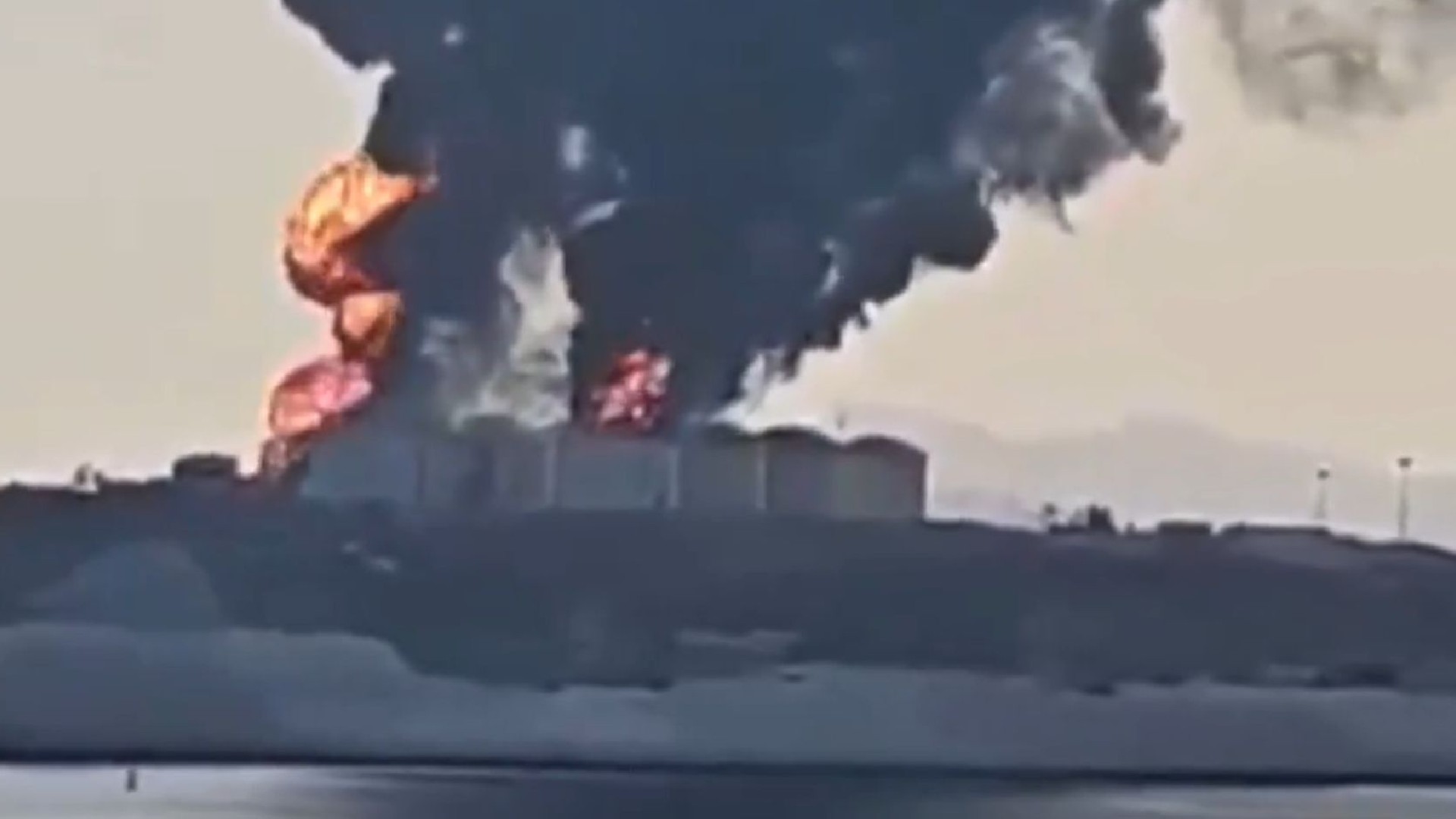
    Oman’s strategic Salalah port became the latest flashpoint in regional tensions after drone strikes targeted its oil storage facilities on Wednesday. According to local officials and British maritime security firm Ambrey, multiple drones were intercepted by defense systems, though one successfully breached security measures and struck fuel tanks at the port.

    The Oman News Agency, citing security sources, confirmed the incident while noting that no casualties resulted from the attack. Ambrey’s assessment indicated no damage occurred to commercial vessels in the area despite the strike on infrastructure.

    The incident prompted immediate operational changes, with shipping conglomerate Maersk announcing a complete suspension of activities at the port ‘until further notice’ following what it described as an ‘ongoing incident’ near the general cargo terminal. Unverified footage circulating online appeared to show significant fires at the port facility.

    These developments occur against a backdrop of escalating regional hostilities. Iran’s military recently vowed to target American and Israeli economic interests in the region, including banking institutions, following overnight attacks that reportedly struck an Iranian bank in Tehran, resulting in unspecified casualties among staff.

    Despite these threats, Iranian authorities have denied targeting oil infrastructure in neighboring Gulf states. Meanwhile, regional analysts have raised questions about the origins of recent attacks, with some suggesting potential false-flag operations intended to draw Gulf Cooperation Council members into broader regional conflicts.

    Saudi journalist Adhwan al-Ahmari articulated growing concerns in regional media, stating: ‘Some believe this war is an American-Israeli trap to implicate the Gulf countries and draw them into a confrontation with Iran.’

    The incident prompted high-level diplomatic exchanges, with Oman’s Sultan Haitham bin Tariq al-Said expressing strong dissatisfaction to Iranian President Masoud Pezeshkian regarding attacks targeting Omani territory.

  • Iran war and Hormuz shock fuels cost-of-living crisis across South Asia

    Iran war and Hormuz shock fuels cost-of-living crisis across South Asia

    The escalation of US-Israeli military operations against Iran in early March has unleashed economic turmoil across South Asia, demonstrating the profound vulnerability of global energy supply chains to geopolitical instability. As tensions flared around the strategically critical Strait of Hormuz—a passageway for approximately 20 million barrels of daily oil shipments representing nearly one-fifth of global consumption—the immediate shockwaves radiated far beyond the Gulf’s confined shipping channels.

    Across Pakistan, India, Bangladesh, Sri Lanka, and Nepal, households and governments alike are grappling with severe economic consequences. The region’s deep dependence on imported energy—India sources 40% of its gas from Qatar alone—has left national economies exposed to global market volatility. With limited domestic production capabilities and frequently unstable currencies, even moderate oil price increases create immediate fiscal pressure and household budgetary strain.

    In Pakistan, petrol prices surged by approximately 55 rupees (20 cents) per liter, reaching record highs that compelled transport operators to implement 15-20% fare increases. Lahore bus driver Ahmed Khan reported his daily diesel expenses jumping from 6,000 to 7,000 rupees virtually overnight, forcing fare adjustments that directly impact commuters. The inflationary spiral extends to food markets, with Karachi vegetable vendors reporting 10% price hikes within a single week due to increased transport costs—particularly devastating during Ramadan when families carefully budget for traditional foods.

    The Pakistani government has enacted austerity measures including school closures, university transitions to online instruction, and implementation of a four-day workweek for public offices. Cabinet members have voluntarily surrendered two months’ salaries, yet economists warn sustained oil prices above $100 per barrel could add 2-3 percentage points to February’s already troubling 23% inflation rate.

    Bangladesh, which imports approximately 95% of its energy needs, has implemented fuel rationing limiting purchases to 40 liters per transaction. Dhaka resident Fatima Begum reported waiting four hours for generator fuel essential for coping with increasingly frequent power outages now lasting up to six hours daily. The energy crisis has severely impacted the nation’s critical garment industry, with factory shifts shortened due to electricity instability—directly reducing workers’ overtime earnings.

    India, ranking as the world’s third-largest oil importer, has witnessed petrol prices climbing 12% in Delhi alongside rising diesel costs. The government has released five million barrels from strategic reserves, but Mumbai taxi driver Rajesh Singh exemplifies the personal impact, describing how nearly his entire earnings now flow directly into fuel expenses with minimal remaining for savings. Higher transport costs are already inflating food prices, with Kolkata onion wholesale rates increasing 10% alongside climbing cooking gas cylinder prices approaching 950 rupees in rural Uttar Pradesh.

    Smaller economies face even more severe challenges. Sri Lanka, still recovering from its 2022 financial crisis, has seen 18% petrol price increases alongside new restrictions on non-essential imports. Nepal has reduced fuel supplies by 20%, triggering transport strikes that disrupt food deliveries and further inflate staple prices.

    Energy analyst Fatima Rahman from the Institute of Strategic Studies Islamabad notes: ‘South Asia’s energy systems remain deeply tied to Gulf oil. When a geopolitical shock hits the Strait of Hormuz, the economic shock reaches households here within days.’ The crisis disproportionately affects lower-income families who allocate 15-20% of their budgets to food and energy—triple the percentage spent by wealthier households.

    Kolkata-based energy specialist Anirban Mukherjee identifies a crucial lesson: ‘Energy security cannot rely solely on imported oil. Countries in the region need to accelerate investments in renewable energy and regional power cooperation to build resilience against future geopolitical disruptions.’
  • Shadow tankers: the only ships still moving through Hormuz Strait

    Shadow tankers: the only ships still moving through Hormuz Strait

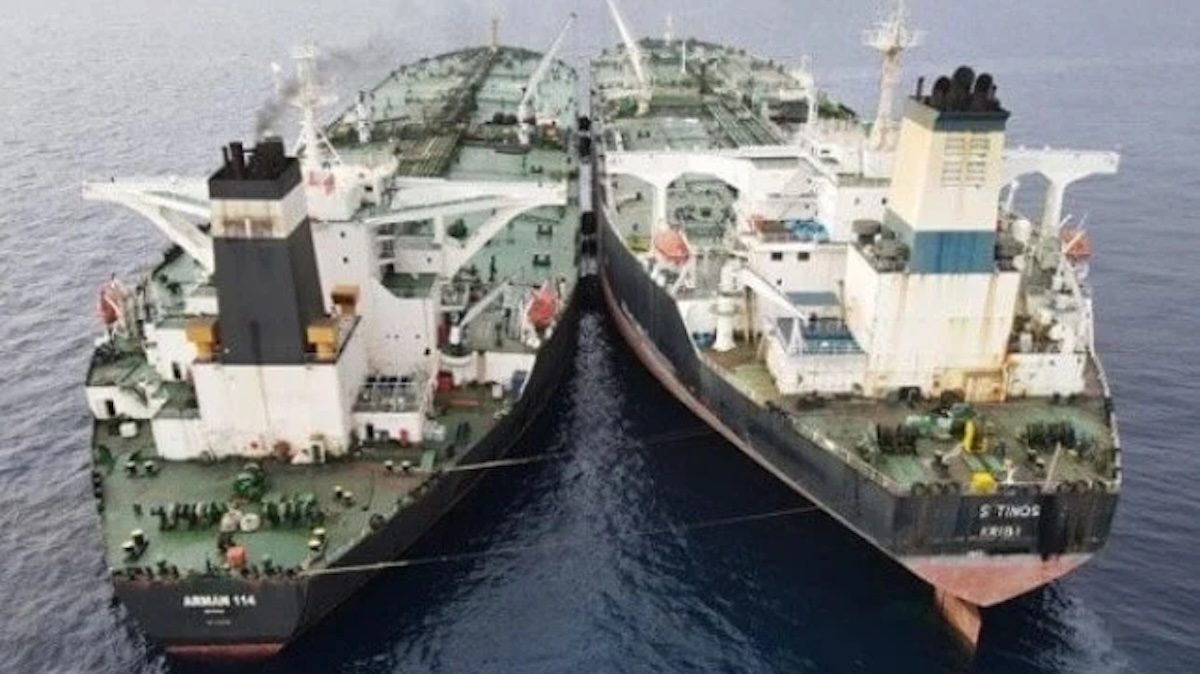
    The strategic Strait of Hormuz has become a maritime ghost town since February 28, 2026, when escalating tensions between the United States, Israel and Iran triggered a catastrophic 90% collapse in oil tanker traffic through the world’s most vital energy corridor. Iran’s explicit threats to destroy any vessels transiting the narrow passage have created an effective blockade, stranding over 400 tankers in the Persian Gulf as insurance providers hesitate to cover warzone risks and crews exercise their right to refuse dangerous passages.

    Amid this standstill, a parallel shipping ecosystem continues operating outside international norms. Dubbed the ‘shadow fleet,’ these vessels specialize in circumventing sanctions, ignoring environmental regulations, and operating with obscured ownership structures. Their continued movement through the crisis zone reveals fundamental weaknesses in global maritime governance, where tracking systems remain voluntary and flag registrations operate as commercial transactions rather than meaningful regulatory frameworks.

    The maritime insurance system, traditionally the enforcement backbone of shipping compliance, has proven inadequate against determined circumvention. While mainstream insurers based in London have frozen coverage for legitimate operators, approximately 1,100 shadow vessels continue moving restricted commodities using opaque insurance arrangements. Maritime intelligence indicates this parallel fleet represents 17-18% of all liquid cargo tankers worldwide.

    This crisis exposes how voluntary participation underpins global shipping. Without physical mechanisms to prevent transponder manipulation or fraudulent registrations, vessels can effectively become stateless entities. The current situation demonstrates how sanctions compliance becomes ‘ruinously expensive’ for some nations, prompting the development of alternative systems that now dominate movement through the critical strait.

    The persistence of shadow operations during this geopolitical crisis sends a stark message about maritime governance: systems built on voluntary participation can be voluntarily abandoned when economic or political incentives outweigh the costs of compliance.

  • Lawmakers call for action on ‘invisible overtime’

    Lawmakers call for action on ‘invisible overtime’

    Chinese policymakers are spearheading a critical movement against the pervasive culture of ‘invisible overtime’ during the ongoing Two Sessions, highlighting how digital connectivity has eroded traditional boundaries between professional and personal time. This modern workplace phenomenon sees employees consistently engaged in work-related communications through digital platforms beyond their official working hours without compensation or recognition.

    National Committee member of the Chinese People’s Political Consultative Conference Lyu Guoquan, previously with the All-China Federation of Trade Unions, identified a significant legislative gap. Current labor regulations define working hours strictly through physical presence metrics, failing to account for remote digital engagements that constitute substantial unpaid labor. This legal oversight leaves millions of workers without protection or compensation for after-hours digital work.

    NPC deputy Zhao Mingzhi from Liaoning province emphasized how highly digitalized corporations have institutionalized constant availability expectations. Flexible work arrangements, while beneficial in theory, have created an ‘always-on’ culture where employees face pressure to respond to work communications regardless of the hour, effectively extending working hours far beyond legal limits without documentation or remuneration.

    The issue has gained substantial public traction, with a China Youth Daily survey revealing that over 50% of respondents prioritize working hour regulations and the ‘right to disconnect’ among their key concerns for the Two Sessions. This emerging concept would guarantee workers’ legal protection against penalties for refusing non-urgent digital communications outside contracted working hours.

    Lyu proposed comprehensive legal amendments to explicitly define work-rest boundaries and establish the right to disconnect as a fundamental worker protection. Additionally, he recommended reforming labor arbitration procedures to simplify evidence collection processes, shifting the primary burden of proof to employers once workers provide preliminary evidence of after-hours work demands.

    NPC deputy Lei Maoduan from Shanxi connected excessive overtime to broader societal challenges, noting its impact on family planning decisions among younger generations and overall social sustainability. Lei highlighted how internet companies have normalized extreme work models like ‘996’ (9am-9pm, 6 days weekly) and ‘big/small week’ rotations, often tying extended hours directly to performance evaluations and career advancement.

    The proposed solutions include promoting results-oriented workplace cultures rather than time-based metrics, establishing clear after-hours communication guidelines, and implementing persistent legal regulations combined with strict supervision and industry self-discipline. Legislators emphasize that addressing invisible overtime is essential not only for worker dignity and family wellbeing but also for maintaining China’s long-term economic competitiveness in the global market.

  • ‘If I don’t work, I go hungry’: The migrant workers risking their lives to keep the Gulf running

    ‘If I don’t work, I go hungry’: The migrant workers risking their lives to keep the Gulf running

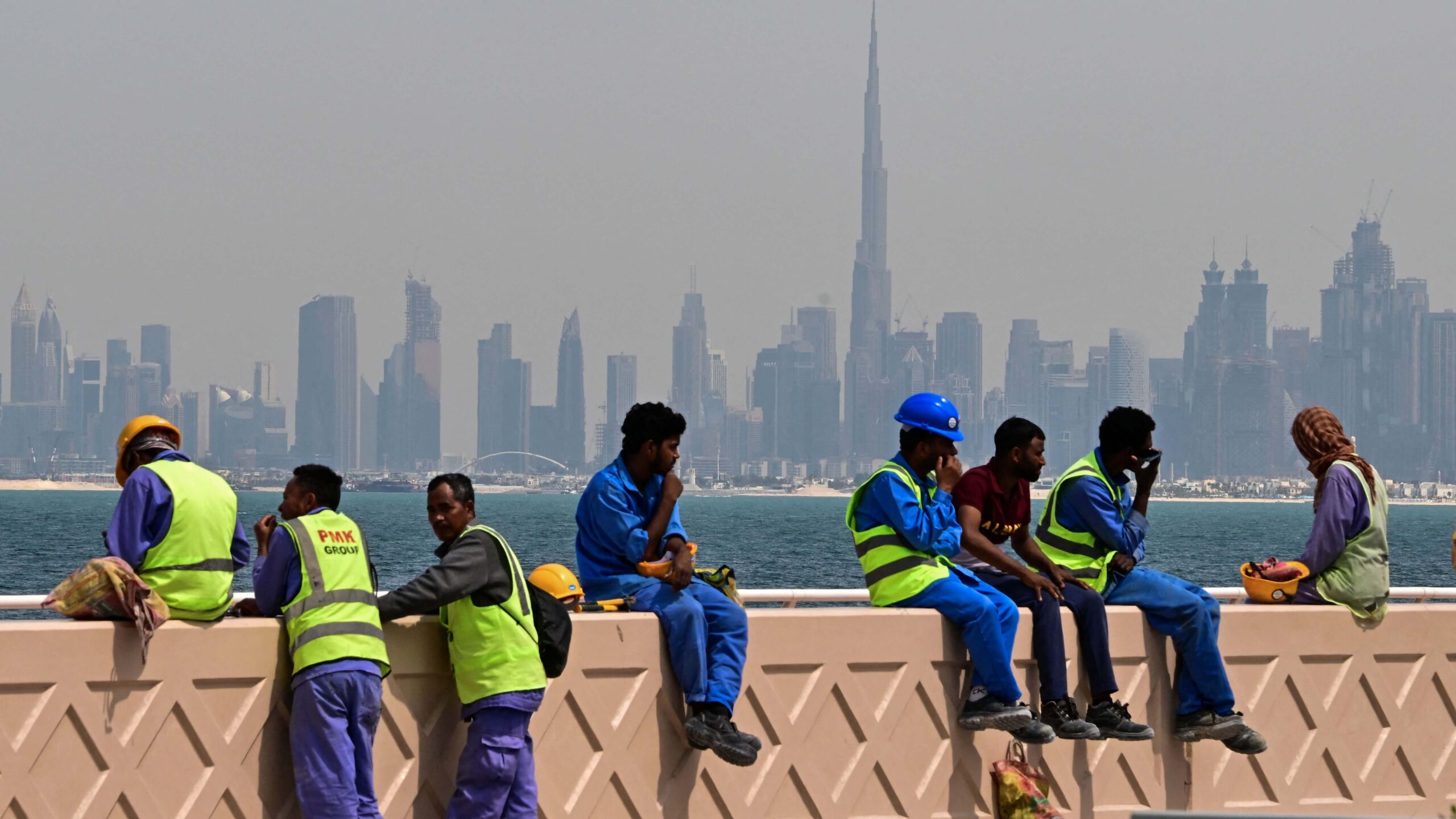
    As Iranian missiles strike the Gulf region, the area’s vast migrant workforce continues laboring under dangerous conditions with minimal protection. Delivery riders, cleaners, construction workers, and security personnel—primarily from Bangladesh, Nepal, Pakistan, and other developing nations—find themselves on the frontlines of a conflict they didn’t create.

    Despite escalating violence that has killed at least 12 civilians across Gulf states (all migrant workers from South Asia), these essential workers report receiving no safety guidance, shelter information, or evacuation support. According to Equidem, a human rights organization with investigators across the region, migrant workers experience universal trauma and panic while being systematically excluded from official safety measures.

    Executive Director Mustafa Qadri identifies two forms of discrimination: exclusion from safety communications and structural discrimination that forces workers to continue working during attacks. ‘There is a conscious choice made to get workers from relatively poor countries,’ Qadri explains, ‘because they’re less likely to complain or demand protection.’

    Delivery riders working for major platforms in the UAE describe continuing to work through attacks with no instruction or choice. ‘I came here to earn money, and working in any situation has become a necessity,’ one Pakistani driver told Middle East Eye. ‘If I do not work, I may go hungry.’

    Paradoxically, these workers face increased demand for their services as wealthier residents shelter indoors, relying on delivery apps for basic necessities. Some riders report better tips but describe relentless workloads and empty roads as they move toward danger while others flee.

    The crisis highlights historical failures by sending countries—including Nepal, Kenya, India, Bangladesh, and Ethiopia—to provide meaningful consular support. Meanwhile, workers on US and Western military bases face particular vulnerability, as standard procedures typically evacuate Western civilians while essential services continue to be run by migrant workers who remain behind.

    Migrant workers have also become primary witnesses to the attacks, with much visual documentation circulating online captured on their phones. This has led to arrests, with Bahrain detaining five Pakistani and one Bangladeshi worker for allegedly praising Iranian strikes while filming aftermath footage.

    The emotional toll remains largely unaddressed. As one shopkeeper in Qatar noted, ‘Mental health is passive. It’s about being prepared and navigating this if it prolongs. Spending 15 minutes of our day worrying about falling shrapnel is something people have made peace with.’

  • Israel to build base in Somaliland to target Houthis, says report

    Israel to build base in Somaliland to target Houthis, says report

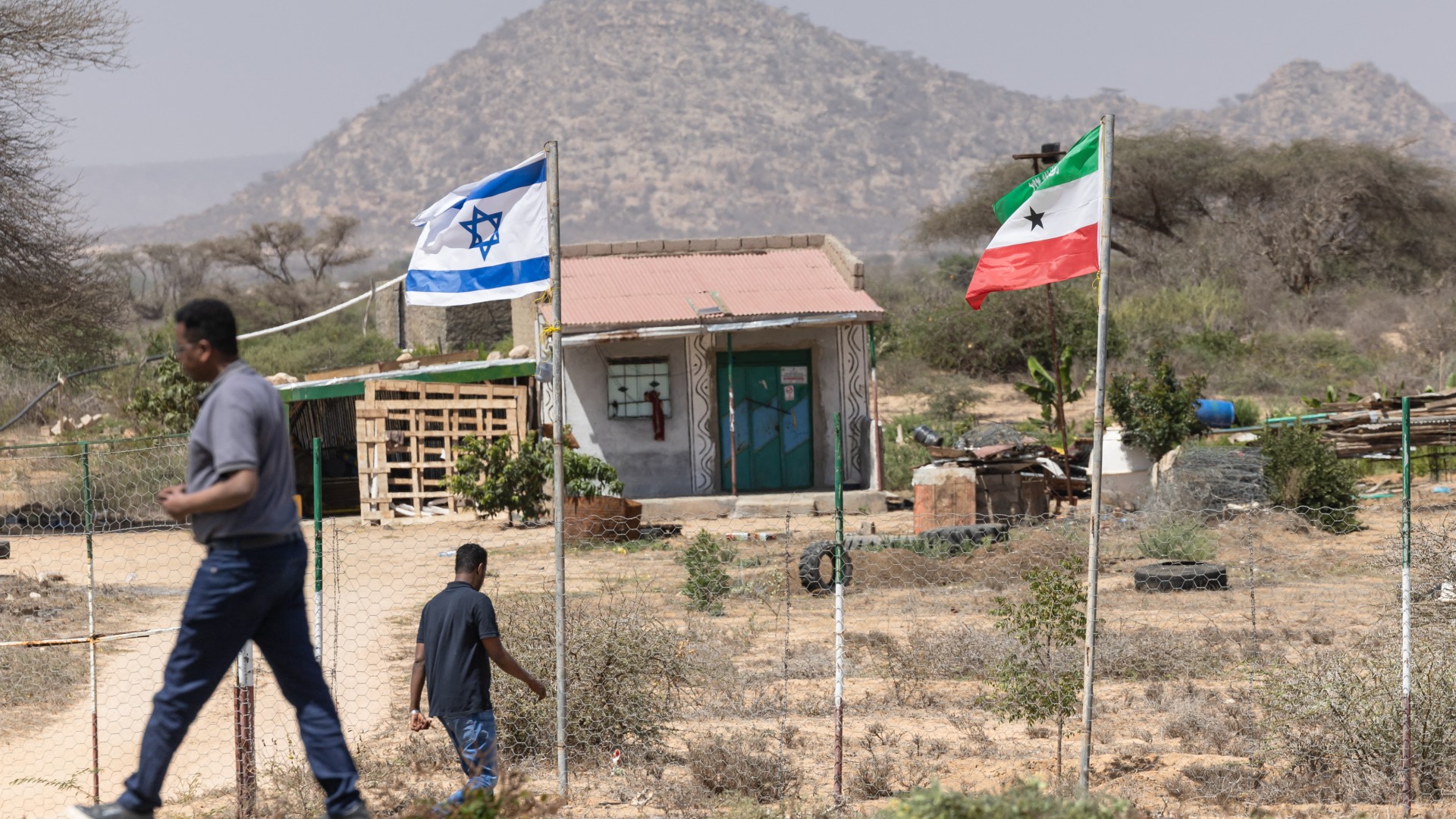
    Israel is actively considering the establishment of a strategic military installation in Somaliland to enhance its operational capabilities against Yemen’s Houthi forces, according to a Bloomberg investigation. This development follows Israel’s groundbreaking diplomatic recognition of Somaliland as a sovereign state in December—making it the first nation to extend such acknowledgment.

    Anonymous Somaliland officials revealed that the proposed facility would serve dual purposes: intelligence gathering and direct military operations targeting Houthi positions. The strategic location, approximately 260 kilometers from Yemen across the Gulf of Aden, offers geographical advantages for regional security operations.

    Preparatory activities have already commenced, with Israeli security delegations conducting coastal surveys along Somaliland’s shoreline in June to identify suitable locations. Concurrently, Israel has secured blast-resistant facilities in Hargeisa’s hotels while scouting for permanent diplomatic premises.

    Somaliland’s Minister of the Presidency, Khadar Hussein Abdi, confirmed the evolving security partnership, stating: “We will have a strategic relationship that encompasses many dimensions. While military base discussions remain preliminary, comprehensive analysis will undoubtedly occur.”

    The timing of this initiative coincides with heightened regional tensions. The Houthi movement, aligned with Iran, has previously launched missile and drone attacks against international shipping routes and Israeli territory in solidarity with Palestinians during the Gaza conflict. Israeli military officials have established specialized intelligence units dedicated to monitoring the Houthis, whom they consider among Israel’s most significant security threats.

    This strategic partnership also intersects with complex regional dynamics. The United Arab Emirates maintains substantial infrastructure in Somaliland, including a military airstrip and port operations managed by DP World. Somalia’s federal government has previously severed ties with the UAE over these developments, while both Somaliland and Puntland administrations rejected Mogadishu’s objections.

    The geopolitical implications extend beyond immediate security concerns, potentially reshaping diplomatic recognition patterns and regional alliance structures in the Horn of Africa and Arabian Peninsula.

  • US dropped charges against Turkey’s Halkbank in Hamas hostage deal, court documents show

    US dropped charges against Turkey’s Halkbank in Hamas hostage deal, court documents show

    In a landmark decision with significant geopolitical implications, the United States Justice Department has formally abandoned its multi-billion dollar prosecution against Türkiye’s Halkbank. The case, which alleged massive sanctions evasion on behalf of Iran, was terminated following Ankara’s crucial role in securing the release of Israeli hostages held by Hamas in 2025, according to legal documents filed in the U.S. District Court for the Southern District of New York.

    The judicial proceedings, initiated in 2019, accused the Turkish state-owned financial institution of orchestrating a sophisticated scheme involving fraud, money laundering, and conspiracy. Prosecutors contended that Halkbank facilitated the covert transfer of approximately $20 billion in restricted Iranian assets, orchestrated the conversion of oil revenues into gold and cash, and fabricated documentation for nonexistent food shipments to legitimize illicit financial flows through entities in Iran, Turkey, and the United Arab Emirates.

    Under a deferred prosecution agreement endorsed by U.S. Attorney Jay Clayton, all charges will be dismissed contingent upon the bank implementing comprehensive internal reforms. Notably, the settlement imposes no financial penalties or administrative fines on Halkbank, as confirmed in the institution’s official statement.

    This resolution underscores the strengthened diplomatic alignment between Turkish President Recep Tayyip Erdoğan and U.S. leadership, with sources indicating former President Trump pledged to resolve the matter amicably. Court documents dated March 6, 2026, reveal the settlement was directly intertwined with high-stakes diplomatic negotiations concerning the Gaza conflict. The filing specifically acknowledges the involvement of Trump and Secretary of State Marco Rubio in multilateral efforts that ultimately yielded a ceasefire agreement and hostage release following the protracted hostilities initiated by the October 2023 terror attacks.

    The judicial documentation states: ‘The national security and foreign policy interests furthered by the Agreement are unique and extraordinary… serving as an important component of multilateral international efforts to secure the release of dozens of living hostages and hostage remains.’ It further emphasizes that the U.S. commitment to resolving the Halkbank case was a pivotal element in obtaining Türkiye’s instrumental assistance. The agreement is anticipated to receive formal court approval in an upcoming hearing.

  • US energy chief’s deleted Hormuz X post called market manipulation

    US energy chief’s deleted Hormuz X post called market manipulation

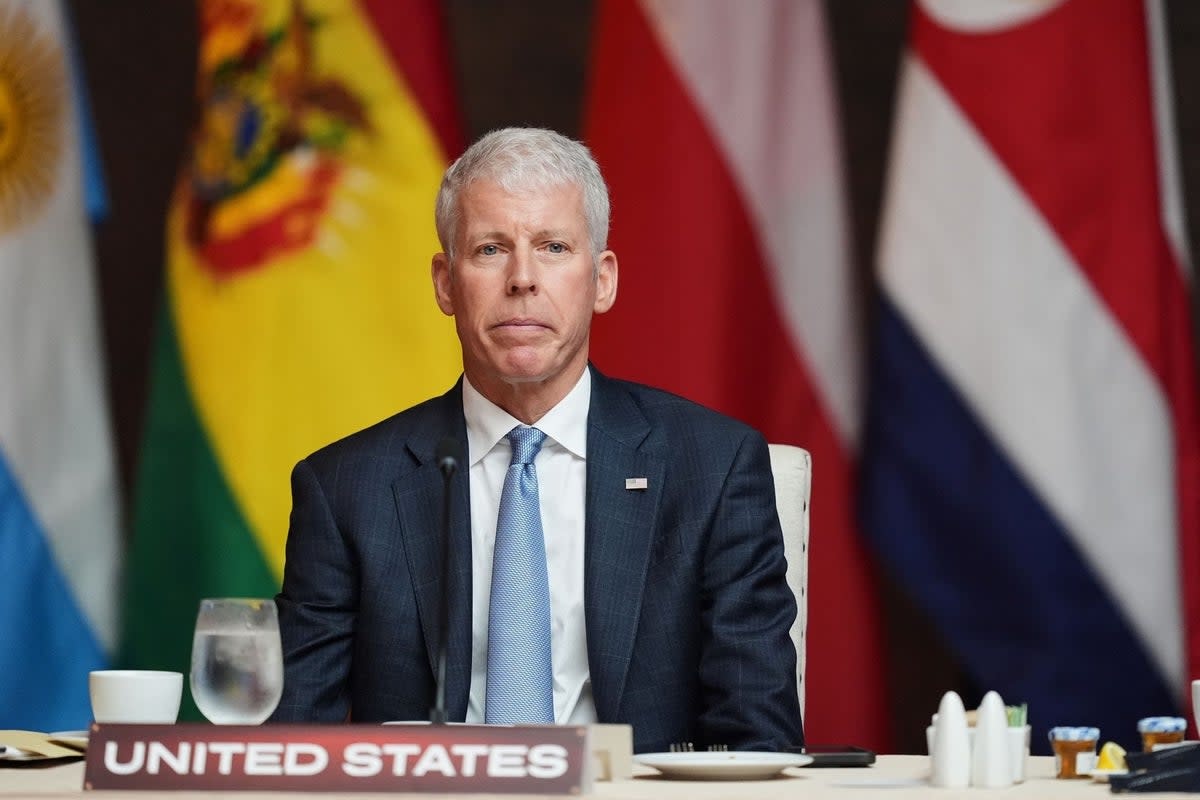
    US Energy Secretary Chris Wright, a former fracking executive, faces allegations of market manipulation after posting and swiftly deleting a false claim about naval operations in the Strait of Hormuz. On Tuesday, Wright asserted on social media platform X that the American Navy had “successfully escorted an oil tanker through the Strait of Hormuz to ensure oil remains flowing.”

    The post triggered immediate market reactions, with oil prices experiencing their most dramatic plunge in years according to Wall Street Journal reports. The Energy Department subsequently attributed the misinformation to staff who “incorrectly captioned” the post, while White House officials publicly acknowledged the statement’s inaccuracy. This incident occurs amid escalating tensions following the US-Israeli military campaign against Iran, which has threatened global oil supplies.

    Hedge fund manager Spencer Hakimian questioned the financial implications, asking: “So who just made $100 million dollars shorting oil for the three minutes that Chris Wright had that post up?” The controversy drew international condemnation, with Iranian Foreign Minister Abbas Araghchi accusing US officials of “posting fake news to manipulate markets.”

    Contrary to Wright’s deleted assertion, Reuters confirmed that the US Navy has consistently denied escort requests through the critical waterway due to heightened security risks. The strategic Strait of Hormuz handles approximately 31% of global seaborne crude oil, transporting 13 million barrels daily. Iran’s Revolutionary Guards have explicitly threatened vessels associated with nations attacking Iran, creating unprecedented market uncertainty that analysts compare to historical oil crises combined.

    The situation intensified as UK Maritime Trade Operations reported a cargo vessel struck by an unknown projectile in the strait, forcing crew evacuation. Simultaneously, the US military claimed to have eliminated multiple Iranian naval vessels, including minelayers near the strategic passage. Senator Chris Murphy (D-Conn.) revealed after a classified briefing that the administration “had no plan” for securing the strait despite the predictable consequences of military action against Iran.

  • US will permanently close the consulate in Peshawar, Pakistan, its closest mission to Afghanistan

    US will permanently close the consulate in Peshawar, Pakistan, its closest mission to Afghanistan

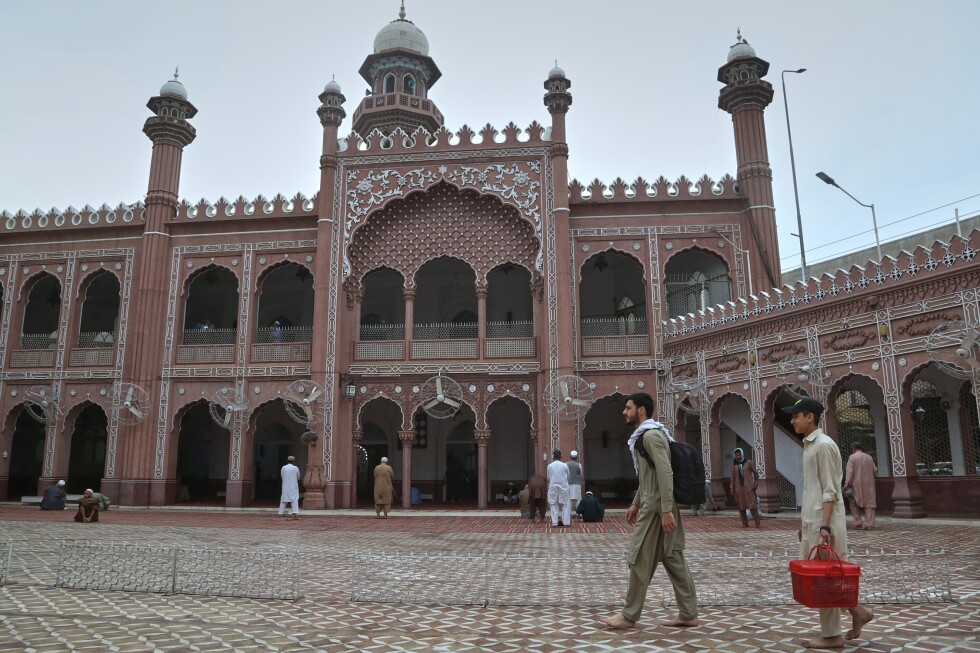
    The United States Department of State has announced the permanent closure of its diplomatic consulate in Peshawar, Pakistan, marking the first overseas mission shuttered under the administration’s comprehensive reorganization plan. Located strategically near the Afghan border, this consulate served as a critical operational hub during multiple phases of U.S. involvement in Afghanistan since the 2001 invasion.

    According to official congressional notification documents obtained by The Associated Press, the closure decision results from a year-long review process and is projected to generate annual savings of $7.5 million. The State Department emphasized that this diplomatic consolidation will not impair America’s ability to protect its national interests within Pakistan.

    The Peshawar mission currently employs 107 personnel, including 18 American diplomats and government officials alongside 89 local staff members. The shutdown process will require approximately $3 million in implementation costs, with a significant portion ($1.8 million) allocated for relocating armored trailers that functioned as temporary office structures. Remaining resources will facilitate the transfer of vehicle fleets, telecommunications infrastructure, and office equipment to the U.S. Embassy in Islamabad and consulates in Karachi and Lahore.

    Despite its historical significance as a logistical gateway to Afghanistan and contact point for American citizens and Afghan nationals, consular services will transition to the Islamabad embassy located 184 kilometers away. The department confirmed that the closure is unrelated to recent regional tensions surrounding Iran, which temporarily suspended operations at multiple U.S. diplomatic facilities in Pakistan.

    This action follows broader staffing reductions within the State Department, including substantial cuts to diplomatic personnel and the restructuring of the U.S. Agency for International Development.

  • US has ‘no plan’ for Iran war and Strait of Hormuz, senators say after briefing

    US has ‘no plan’ for Iran war and Strait of Hormuz, senators say after briefing

    In a striking display of bipartisan concern, Democratic senators emerged from a confidential briefing on Tuesday to condemn the Trump administration’s apparent lack of strategic planning for the ongoing conflict with Iran. The two-hour session with the Senate Armed Services Committee revealed what lawmakers described as a dangerously incoherent approach to one of America’s most significant military engagements.

    The briefing exposed critical gaps in strategic thinking across multiple fronts, including the vital Strait of Hormuz—the world’s most crucial energy chokepoint—as well as questions regarding regime change and handling Iran’s nuclear program. Senator Chris Van Hollen of Maryland characterized the administration’s position as demonstrating ‘complete incoherence,’ mirroring concerns already circulating in public discourse.

    Multiple senators revealed that administration officials explicitly stated the war aims did not include destroying Iran’s nuclear capabilities or effecting regime change. Instead, according to Senator Chris Murphy of Connecticut, the objectives appeared limited to ‘destroying lots of missiles and boats and drone factories’—a approach he warned could lead to ‘endless war’ as Iran inevitably rebuilds its capabilities.

    Perhaps most alarmingly, Murphy disclosed that administration officials admitted having ‘NO PLAN’ for resolving the critical situation at the Strait of Hormuz, acknowledging they lacked a strategy to safely reopen this essential global energy artery despite the crisis being ‘100 percent foreseeable.’

    The senators further questioned the legitimacy of the conflict’s foundation. Massachusetts Senator Elizabeth Warren declared the ‘illegal war is based on lies and was launched without any imminent threat to our nation,’ noting Trump ‘has not given a single clear reason for the war and has no plan to end it.’

    The briefing also revealed troubling motivations behind the conflict. Van Hollen suggested the administration was effectively executing Israeli Prime Minister Benjamin Netanyahu’s long-standing desire to attack Iran, quoting Secretary of State Marco Rubio’s March remarks about Netanyahu’s decision to strike. This perspective was bolstered by Alon Pinkas, a former Israeli diplomat, who told Middle East Eye that Netanyahu had been ‘trying to co-opt and manipulate Trump into a major war for the last year’ for political reasons.

    The decision to engage in conflict has created divisions within Trump’s base and administration, with figures like Tucker Carlson viewing it as a betrayal of ‘America First’ principles, while officials including Jared Kushner and Defense Secretary Pete Hegseth have adopted more aggressive postures.