标签: Asia

亚洲

  • Indonesian couple caned 140 times for sex and alcohol offences

    Indonesian couple caned 140 times for sex and alcohol offences

    In a stark demonstration of Islamic law enforcement, a couple in Indonesia’s Aceh province endured 140 strokes of the cane Thursday for violating Sharia provisions prohibiting extramarital sex and alcohol consumption. The brutal public punishment unfolded before spectators as religious authorities carried out sentences against six individuals convicted of moral offenses.

    The 21-year-old woman, whose identity remains protected, collapsed unconscious after three female executioners administered successive strikes with a rattan cane. Distressing footage captured her weeping throughout the ordeal before medical personnel transported her via ambulance following the punishment. Her male counterpart received identical corporal punishment for their shared transgressions.

    Notably among those punished was a serving officer from Aceh’s Islamic police force, who received 23 lashes alongside his female companion for being alone together in a private residence. Muhammad Rizal, commander of the Islamic police, confirmed the officer’s immediate dismissal following the judicial caning.

    Aceh remains Indonesia’s sole province implementing full Sharia jurisprudence, maintaining public caning as standard penalty for moral violations. The regional Islamic criminal code mandates 100 strokes for unmarried intimacy and 40 strokes for alcohol consumption.

    Human rights advocate Azharul Husna of Kontras Indonesia highlighted concerns regarding post-punishment protocols, noting that ‘caning procedures lack proper regulation and require improvement to address aftermath care for punished individuals.’ The practice continues drawing international condemnation from rights organizations decrying its cruel and inhuman nature.

  • Ten photos from across China: Jan 23 – 29

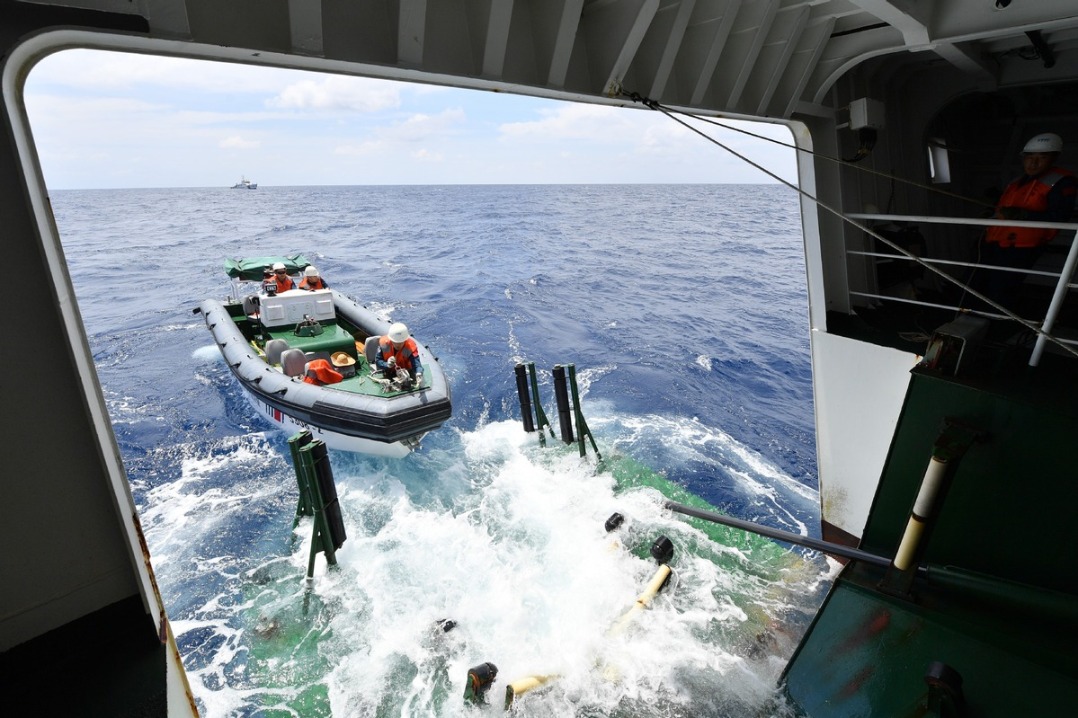
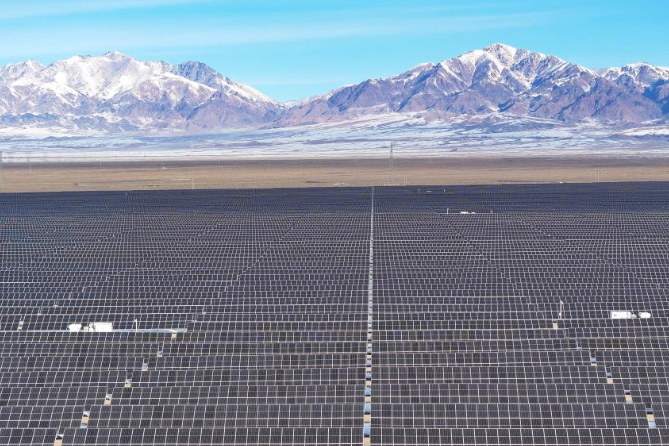
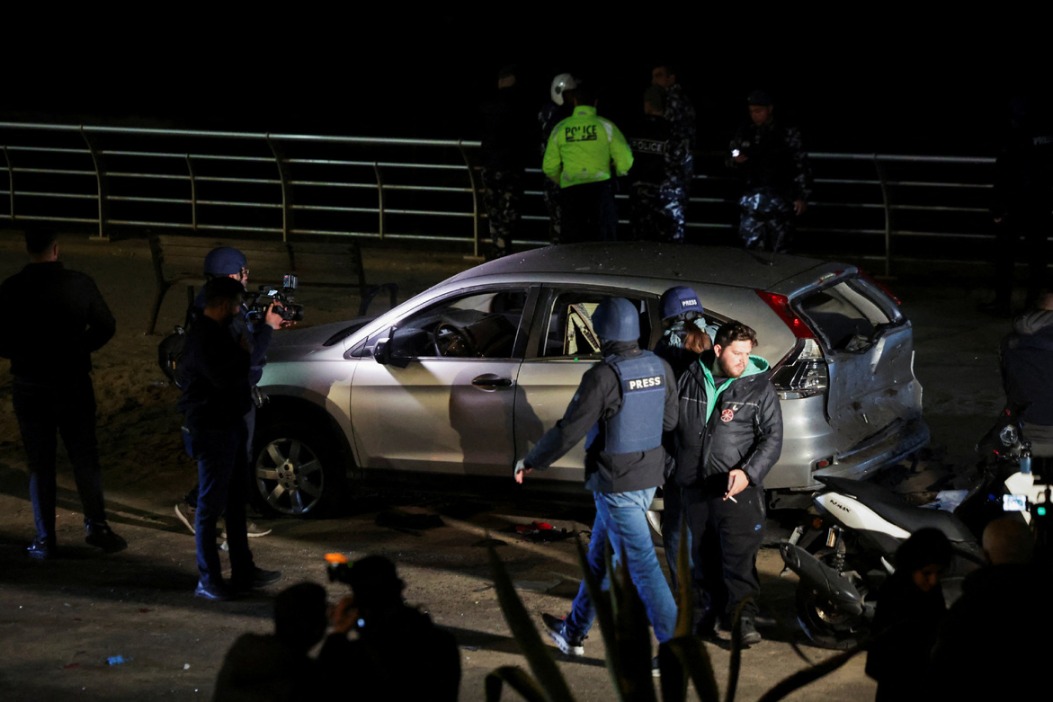
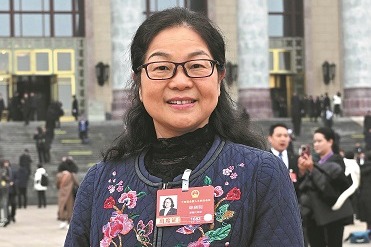
    Ten photos from across China: Jan 23 – 29

    China Daily Information Co (CDIC) has reinforced its copyright position through a comprehensive disclaimer published on its digital platform. The company asserts exclusive ownership of all content published on its site, encompassing textual materials, photographs, and multimedia information. According to the published terms, any republication or utilization of this protected content in any form requires prior written authorization from CDIC. The notice serves as a formal declaration of the company’s intellectual property rights and its commitment to defending them against unauthorized use. Additionally, the platform provides technical recommendations, suggesting that visitors utilize browsers with a screen resolution of 1024*768 or higher for an optimal viewing experience. The footer of the publication includes essential corporate information such as its license number (0108263) and registration details (Number: 130349), alongside links to sections including ‘About China Daily,’ advertising opportunities, contact information, and career offers for both general and expatriate employment. The notice concludes by encouraging users to follow the organization’s updates through its social channels.

  • Aster DM Healthcare gets order to convene meetings for approval of  merger with Quality Care India

    Aster DM Healthcare gets order to convene meetings for approval of merger with Quality Care India

    In a significant development within India’s healthcare sector, the National Company Law Tribunal (NCLT) Hyderabad Bench has formally authorized Aster DM Healthcare Limited to convene crucial shareholder and creditor meetings regarding its proposed merger with Quality Care India Ltd. This judicial green light represents a pivotal milestone in one of the largest healthcare consolidation initiatives recently announced in the country.

    The tribunal has scheduled the decisive meetings to occur between February 27 and March 13, 2026, where stakeholders will vote on the merger proposition. The transaction has already secured essential clearances from the Competition Commission of India (CCI) and received no-objection certifications from relevant stock exchanges. Pending successful shareholder approval and fulfillment of remaining conditions, the organizations anticipate finalizing the merger by the first quarter of fiscal year 2027.

    The combined entity, to be named Aster DM Quality Care Ltd, will emerge as one of India’s top three hospital chains with an impressive network exceeding 10,360 beds nationwide. This new healthcare powerhouse will be jointly promoted by Aster’s founding promoters and global investment firm Blackstone, unifying four renowned healthcare brands: Aster DM, CARE Hospitals, KIMSHEALTH, and Evercare.

    Dr. Azad Moopen, Founder and Chairman of Aster DM Healthcare, expressed confidence in obtaining stakeholder approvals, emphasizing the strategic rationale behind the consolidation. “We remain committed to working toward a speedy completion of the merger,” stated Dr. Moopen. “Our focus will be on executing a disciplined integration strategy that leverages the complementary networks, clinical expertise, and operational strengths of both organizations.”

    The merger is positioned to create a more resilient healthcare delivery system capable of scaling efficiently while enhancing clinical excellence and accelerating innovation. Looking beyond the immediate consolidation, the combined entity has ambitious expansion plans aiming to increase bed capacity to approximately 14,715 beds in the coming years, significantly boosting access to quality medical care across India.

  • Dubai-based Arnifi enables 750+ companies to expand globally in just two years

    Dubai-based Arnifi enables 750+ companies to expand globally in just two years

    DUBAI – Arnifi, a Dubai-based technology platform specializing in global business establishment, has achieved a significant breakthrough by facilitating international market entry for over 750 companies within just two years of operation. This milestone underscores the escalating demand for structured, technology-enabled expansion support among startups, small-to-medium enterprises, and corporations throughout the Middle East and South Asia.

    The AI-driven platform operates across strategic markets including the UAE, Saudi Arabia, Qatar, Oman, Bahrain, the United States, and Singapore. Arnifi delivers comprehensive end-to-end services encompassing company incorporation, licensing procedures, visa processing assistance, banking coordination, tax registration, and ongoing compliance management.

    Arnifi has developed sophisticated artificial intelligence tools that streamline the complex business setup process. These innovations include automated document preparation, transparent cost estimation, corporate structure visualization, and real-time AI assistance. The platform’s digital dashboard enables clients to monitor application progress in real-time, manage compliance requirements, and receive automated renewal reminders.

    “Contemporary businesses require both speed and clarity when penetrating new markets,” stated Manu Midha, Founder of Arnifi. “Our integrated approach combines technological innovation with deep local market expertise to help companies navigate regulatory landscapes efficiently.”

    The platform’s Entity-as-a-Service model supports company formation across 47+ free zones and international jurisdictions. Notable clients including PhysicsWallah, Moglix, Vyapar, and Restroworks have leveraged Arnifi’s services, reflecting growing demand for organized international expansion solutions.

    Under the leadership of IIM Ahmedabad alumnus Manu Midha, alongside Chief Business Officer Shashi Kumar and AVP – Sales and Marketing Tulika Saxena, the company brings decades of combined experience in Middle Eastern and global markets. This expertise enables expanding businesses to mitigate risks, maintain regulatory compliance, and operate efficiently across international borders.

    With robust growth, an impressive client portfolio, and technology-driven methodology, Arnifi is establishing itself as a premier partner for companies expanding beyond domestic markets, particularly in high-growth regions like the Middle East and Southeast Asia.

  • Hong Kong company’s concession to operate Panama Canal ports is ruled unconstitutional

    Hong Kong company’s concession to operate Panama Canal ports is ruled unconstitutional

    In a landmark decision with significant geopolitical implications, Panama’s Supreme Court declared unconstitutional late Thursday the concession held by a Hong Kong-based subsidiary of CK Hutchison Holdings to operate ports at both ends of the Panama Canal. The ruling represents a substantial victory for U.S. efforts to counter Chinese influence over the strategically vital waterway.

    The judicial decision followed an extensive audit by Panama’s comptroller general that uncovered multiple irregularities in the 25-year concession extension granted in 2021. The audit revealed unpaid fees, accounting discrepancies, and the alleged existence of unauthorized ‘ghost’ concessions operating within the ports since 2015.

    This development aligns with longstanding U.S. foreign policy objectives in the region. The Trump administration had prioritized blocking Chinese influence over the Panama Canal, with then-Secretary of State Marco Rubio explicitly characterizing the port operations as a national security concern for the United States. Despite assurances from Panamanian authorities that China exercised no operational control over the canal, U.S. officials maintained vigorous opposition to Chinese involvement.

    The court’s ruling leaves unresolved the future operational status of the ports, with the matter now transitioning to Panama’s executive branch and the Panama Maritime Authority. Political analysts suggest operations are unlikely to cease immediately, though the constitutional invalidation of the concession necessitates governmental action.

    Financial implications are substantial, with the audit estimating approximately $300 million in losses since the concession extension and nearly $1.2 billion during the original 25-year contract period. The comptroller’s office additionally noted the extension was granted without required official endorsement.

    The ruling occurs against the backdrop of CK Hutchison’s previously announced deal to sell its majority stake in Panamanian and global ports to an international consortium including BlackRock Inc.—a transaction that reportedly stalled due to objections from the Chinese government.

  • Vietnam to sell tycoon’s Hermès Birkin bags to offset fraud losses

    Vietnam to sell tycoon’s Hermès Birkin bags to offset fraud losses

    Vietnamese authorities have initiated unprecedented asset liquidation proceedings against convicted business magnate Truong My Lan, aiming to recover portions of the staggering $27 billion she embezzled in one of history’s largest financial fraud cases. The disgraced tycoon, now serving a life sentence after her death penalty was commuted, controlled Vietnam’s fifth-largest bank through an elaborate network of shell companies over a decade-long period.

    Ho Chi Minh City’s Civil Judgment Enforcement Agency is currently preparing two crocodile skin Hermès Birkin bags for valuation and auction, alongside a luxury yacht scheduled for February sale with a starting bid of $1.9 million. These items represent just a fraction of the 1,200 assets seized from Lan’s extensive portfolio, which includes prime real estate, corporate holdings, and additional vessels.

    The scale of Lan’s financial crimes reached monumental proportions, with prosecutors establishing that $12 billion was directly embezzled from Saigon Commercial Bank while she secretly directed its operations. Her April 2024 trial became a national spectacle amid Vietnam’s intensified anti-corruption campaign, resulting in convictions for over 80 associates including immediate family members.

    Despite Lan’s emotional appeal to retain the Hermès bags as family heirlooms—claiming one was purchased in Italy and another gifted by a Malaysian business contact—the court maintained their status as illicit gains. These exclusive accessories typically command prices exceeding hundreds of thousands of dollars on the luxury market.

    Previous auction attempts have seen mixed success: a central Ho Chi Minh City property sold for approximately $24 million last October, while her Reverie Saigon yacht failed to attract bidders at its initial $2.1 million listing. The vessel will be reauctioned February 12th with a reduced reserve price, requiring a 20% deposit from prospective buyers. Two additional boats will be offered at $192,000 each as authorities continue their meticulous asset recovery process.

  • US stocks fall while a break in gold fever sends metals prices plunging

    US stocks fall while a break in gold fever sends metals prices plunging

    NEW YORK — Wall Street experienced significant volatility on Friday as investors grappled with the implications of President Donald Trump’s nomination of Kevin Warsh to chair the Federal Reserve, triggering dramatic swings across multiple asset classes.

    The S&P 500 declined 0.4%, recovering from an earlier 1.1% plunge, while the Dow Jones Industrial Average dropped 179 points (0.4%). The technology-heavy Nasdaq composite suffered the steepest losses at 0.9%. The U.S. dollar demonstrated considerable instability before ultimately strengthening, reflecting market uncertainty regarding future monetary policy directions.

    Precious metals markets witnessed particularly extreme movements, with gold prices collapsing 11.4% to settle at $4,745.10 per ounce—a dramatic reversal following its remarkable 12-month rally that had seen prices approximately double. Silver experienced even more severe declines, plummeting 31.4% after its own spectacular rally.

    The nomination has ignited intense scrutiny regarding the Federal Reserve’s future independence, a cornerstone of central banking that allows for politically difficult but economically necessary decisions. Warsh, a former Fed governor, brings established credentials but also represents Trump’s preference for lower interest rates, creating tension between presidential influence and central bank autonomy.

    Market analysts offered contrasting interpretations. Some viewed Warsh’s Fed experience as reassuring for institutional independence, while others noted his recent criticisms of current Chair Jerome Powell and alignment with Trump’s monetary policy views since 2009. Thierry Wizman, Macquarie Group strategist, observed that while Warsh might not immediately push for rate cuts, he could prove more amenable to presidential preferences when economic conditions change.

    The metals sell-off battered mining stocks, with Newmont declining 11.5% and Freeport-McMoRan dropping 7.5%. These reversals followed massive rallies driven by investors seeking safety against multiple concerns: potential Fed politicization, elevated stock valuations, trade tariff threats, and soaring global government debt.

    Market losses were partially mitigated by strong performances from major technology companies. Tesla rebounded with a 3.3% gain after better-than-expected quarterly profits, while Apple added 0.5% following its own strong earnings report.

    Bond markets saw the 10-year Treasury yield edge up to 4.25%, with upward pressure coming from hotter-than-expected wholesale inflation data that might compel the Fed to maintain current interest rates rather than implement cuts.

    International markets showed mixed performance, with European indexes generally advancing while Asian markets varied. Indonesian stocks rose 1.2% following the resignation of the country’s stock exchange CEO after recent transparency concerns.

    The nomination now awaits Senate confirmation, leaving markets to weigh the balance between established Fed traditions and presidential influence over critical interest rate decisions.

  • Nation gears up for Spring Festival rush

    Nation gears up for Spring Festival rush

    China is mobilizing its entire transportation network for what officials project will be the largest Spring Festival travel migration in history, with an anticipated 9.5 billion cross-regional trips during the 40-day chunyun period from January 30 to March 13. This massive annual movement, which reunites families across the nation, represents both a logistical triumph and an unprecedented challenge for infrastructure systems.

    According to Li Chunlin, Deputy Head of the National Development and Reform Commission, this year’s travel surge involves coordinated efforts across more than 20 government departments working to ensure smooth and safe transportation for millions. The travel landscape continues to evolve, with self-driving journeys maintaining dominance at approximately 80% of all trips. Railway and aviation sectors are preparing for record volumes of 540 million and 95 million passengers respectively, with both overall travel numbers and single-day peaks expected to surpass previous records.

    Railway authorities are implementing significant capacity expansions, with China State Railway Group’s Zhu Wenzhong announcing that 22 new lines spanning over 3,100 kilometers and more than 50 stations will participate in their first Spring Festival rush. Nearly 1,000 additional high-speed trains will operate overnight along major corridors to alleviate congestion, while peak days will see over 14,000 passenger trains in service—a 5.3% year-on-year increase in seating capacity.

    The travel period coincides with a nine-day national holiday from February 15-23, creating distinct travel patterns. While outbound journeys are expected to be relatively dispersed due to staggered university winter breaks, return trips are anticipated to be heavily concentrated as educational institutions reopen and factories resume operations.

    Tourism continues to shape travel flows, with northern ice-and-snow destinations and southern beach resorts attracting significant numbers alongside growing international travel. Civil Aviation Administration’s Xu Qing noted evolving patterns including ‘reverse travel’ where parents visit adult children, and hybrid trips combining family visits with leisure travel.

    Airlines are responding with over 19,000 daily flights focused on tourist hotspots and major hubs, while enhancing transfer options for travelers from smaller cities. Special services including dedicated check-in areas, in-flight amenities, and flexible baggage options will accommodate passengers traveling with children or elderly relatives.

    Road transportation will see toll-free passage for small passenger vehicles throughout the holiday period, while key ferry routes including the Qiongzhou Strait in Hainan will receive additional support. The surge in electric vehicles—now numbering nearly 44 million nationwide—has prompted infrastructure enhancements with over 71,000 charging connectors available in highway service areas, supplemented by mobile chargers and real-time updates to prevent congestion.

  • Appleby sets the standard as history and class collide at Dubai Racing Carnival

    Appleby sets the standard as history and class collide at Dubai Racing Carnival

    The Dubai Racing Carnival at Meydan Racecourse prepares for an electrifying eight-race program this Friday, with Godolphin trainer Charlie Appleby emerging as the dominant force. Appleby’s stable demonstrates exceptional form heading into the event, saddling the favorite in six of the eight contests while boasting a remarkable 25% strike rate this season with nine victories from 36 runners.

    The evening’s centerpiece, the Group 3 Dubai Millennium Stakes sponsored by DP World, carries profound historical significance as it honors Godolphin’s legendary 2000 Dubai World Cup champion. Appleby has astonishingly captured this prestigious event nine times, including the last seven consecutive renewals. This year, he fields a powerful duo featuring By The Book, recent winner of the Dubai Racing Club Classic, and Arabian Light, fresh from victory in the Zabeel Turf.

    International challengers seek to disrupt Appleby’s dominance, with Irish trainer Gerard Keane presenting Crystal Black for his UAE debut and British handler David Simcock testing new acquisition Chibitty. The competitive Listed Dubai Sprint showcases Dark Saffron’s return to turf following disappointing dirt performances, while Appleby’s Symbol Of Honour makes his seasonal debut in what trainers describe as a preparatory event.

    The Mawj Stakes embodies the Carnival’s international spirit with participants from Spain, Sweden, Denmark, Czechia, France and the UK competing alongside local contenders. Appleby’s Dance To The Music drops in class after Group 1 competition in Britain, emerging as the clear favorite among the fillies’ contest.

    The program commences with the Jumeirah Guineas Trial, where emerging three-year-olds including Simon and Ed Crisford’s Title Role test their Classic potential. The evening promises a compelling blend of established champions and rising talent across multiple racing disciplines.

  • How US sanctions and external threats destroyed Iran’s economy

    How US sanctions and external threats destroyed Iran’s economy

    In a stark declaration of foreign policy, US Treasury Secretary Scott Bessent outlined the Trump administration’s uncompromising stance towards Iran in a March 2025 address to the New York Economic Club. The stated objective, encapsulated in the phrase ‘Making Iran Broke Again,’ represents a significant escalation beyond the strategies of both previous and successive administrations, including Democrat Joe Biden’s.

    This aggressive sanctions regime, described by former US State Department sanctions official Richard Nephew as a tool to extract ‘nuclear concessions, regional proxy concessions, and missile concessions,’ has fundamentally reshaped Iran’s economic landscape. Data reveals a devastating impact: Iran’s GDP per capita plummeted from $8,000 to $5,000 between 2012 and 2024, with the economy contracting by approximately 6-7% annually following the 2018 reimposition of sanctions after the US withdrawal from the JCPOA nuclear deal.

    The human cost is profound. Sina Azodi, an assistant professor at George Washington University, detailed the consequences: ‘Unemployment has gone up. Inflation has gone up. The price of medical treatment, especially for cancer, has gone up.’ The recent collapse of a local bank and the Iranian rial hitting a historic low of 1.5 million to the US dollar have further fueled mass protests and economic instability.

    Despite this economic devastation, analysts question the efficacy of sanctions in achieving geopolitical objectives. Experts point out that Iran’s nuclear program, which officials claim is for civilian purposes but is also framed as a deterrent against Israeli attacks, has continued to advance. The policy has instead strengthened the regime’s ‘resistance economy’—a model of socialist-style basic needs provision, import substitution, and barter trade with allied nations.

    Critically, analysts argue that sanctions have had the opposite of their intended effect. Azodi states, ‘Economic sanctions make authoritarian regimes more authoritarian,’ explaining that regimes under pressure allocate more resources to security forces, viewing citizens as threats rather than assets. Furthermore, with the 2025 designation list targeting sanctions evasion networks surpassing all previous years, the cycle of economic isolation deepens. The Central Bank prints money to finance a budget crippled by a more than 60% drop in oil exports, leading to hyperinflation and a vicious cycle of currency devaluation.

    The long-term outcome remains uncertain. While the Trump administration’s goal is to force behavioral change, the decades-long application of sanctions has failed to alter Iran’s nuclear policy, regional activities, or human rights record. Instead, it has inflicted immense hardship on the Iranian populace, with experts like Nephew acknowledging that sanctions are fundamentally ‘a question of applying pain,’ though their ultimate success in achieving strategic goals is far from guaranteed.