
The UAE Central Bank’s decision to eliminate the minimum salary requirement for personal loans has been met with widespread enthusiasm among residents, though financial experts urge caution. The move, which allows banks to set their own minimum thresholds based on internal risk policies, is expected to expand access to credit for thousands of previously unbanked individuals, particularly low-income workers. However, concerns have been raised about the potential for increased borrowing for non-essential purposes. Pakistani expat Mohammed Haroon, a Dubai-based driver earning Dh4,000 monthly, expressed relief, stating the policy change came at a crucial time as he sought funds for his daughter’s wedding. Financial advisor KV Shamsuddeen highlighted the dual impact of the policy, noting it could reduce reliance on illegal loan sharks but also lead to unnecessary debt accumulation. He emphasized the need for enhanced financial literacy programs to educate workers on responsible borrowing. Industry analysts predict the shift will spur innovative lending products, such as micro-financing and savings-linked credit options, tailored to entry-level employees. While the policy is seen as a progressive step toward financial inclusion, experts stress the importance of cautious implementation to mitigate risks.
标签: Asia
亚洲
-
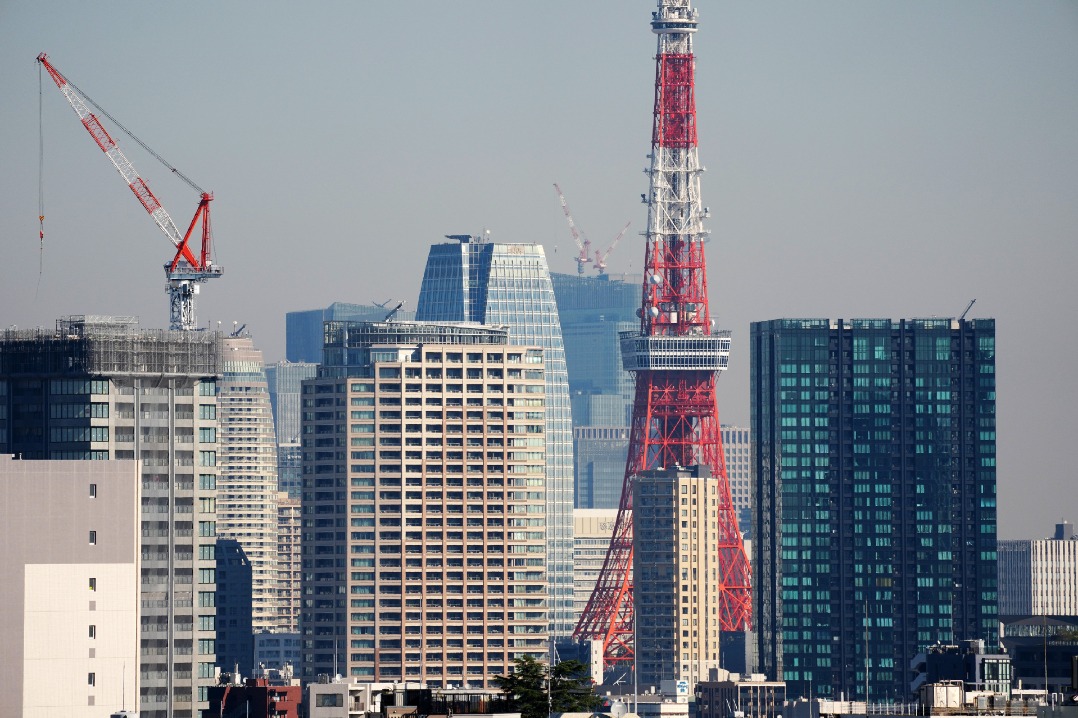
Japan’s business community urges dialogue
Prominent figures from Japan’s business and civil sectors have called for sustained and constructive dialogue with China, warning that reckless political actions could severely damage bilateral economic ties. This appeal follows controversial remarks by Japanese Prime Minister Sanae Takaichi regarding Taiwan, which sparked strong protests from Beijing. Yoshinobu Tsutsui, chairman of the Japan Business Federation, emphasized the importance of political stability as a foundation for economic exchanges, urging the government to prioritize dialogue. Ken Kobayashi of the Japan Chamber of Commerce and Industry highlighted the inseparable economic relationship between the two nations, while Mutsuo Iwai of the Japan Association of Corporate Executives stressed the need to maintain private-sector engagement. Political economist Kazuyuki Hamada criticized Takaichi’s lack of insight into Japan-China relations, expressing concerns over potential regional tensions and the economic fallout from reduced Chinese tourism and student exchanges. China remains Japan’s largest source of tourists and international students, with significant economic implications. Masaaki Kanai, director-general of the Japanese Foreign Ministry’s Asian and Oceanian Affairs Bureau, recently visited China, with hopes of fostering future-oriented proposals to rebuild bilateral relations. Experts warn that prolonged tensions could disrupt trade, investment, and supply chains, with broader regional and global consequences.
-

Mayors, city planners explore Nanjing
Nanjing, the capital of Jiangsu Province, recently hosted a gathering of mayors and city planners from across the globe to exchange insights on green transformation, cultural heritage preservation, and smart governance. The event, held on Wednesday, highlighted Nanjing’s commitment to sustainable urban development and its rich historical legacy. Participants visited Yuhuatai High School to witness a campus soccer match, showcasing the city’s emphasis on youth engagement and sports infrastructure. Nanjing’s dedication to fostering a soccer culture was evident in its 294 national youth campus soccer specialty schools and the construction of 180 new soccer fields over the past five years. Alessandro Rapinese, Mayor of Como, Italy, praised Nanjing’s energy and competitiveness, which he experienced firsthand on the soccer field. The delegation also explored the Nanjing City Wall Museum and Zhonghua Gate Wengcheng, marveling at the city’s meticulous preservation of its Ming Dynasty heritage. The Nanjing City Wall, built in 1366, remains the world’s longest and best-preserved ancient city wall, while Zhonghua Gate Wengcheng stands as a testament to China’s architectural ingenuity. Over the three-day visit, participants embarked on a diverse itinerary, including a research vessel tour to observe finless porpoises, a visit to a bug studio to study insect traces, and a tour of Nanjing Iron and Steel Group Company to witness its green transformation efforts. The event also featured a World Literature Salon, where mayors read Chinese and English poetry, fostering cross-cultural dialogue. Mohamed Higazy, a board member of the Egyptian Council for Foreign Affairs, lauded Nanjing as a model city that balances heritage preservation with forward-looking development. Thomas Himmler, Director of Foreign Affairs in Dietfurt, Germany, expressed his admiration for Nanjing’s warmth and cultural richness, emphasizing his goal to bridge understanding between Germany and China.
-
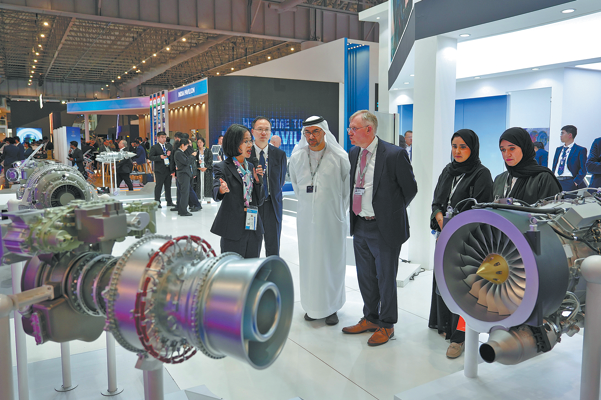
Chinese innovations hog limelight at Dubai air show
The Dubai Airshow 2025 became a stage for Chinese aviation innovations, as a wide array of cutting-edge products, from domestically developed jetliners to advanced drones, made their debut. This event significantly bolstered China’s presence in the global aviation sector. The Aero Engine Corporation of China showcased its latest technologies, marking the company’s most extensive overseas exhibition of homegrown aero engines to date. Among the highlights were the C919 and C909 passenger jets, which made their first appearances in the Middle East. The C919, operated by China Southern Airlines, features a modern cabin design with eco-friendly materials and a theme of ‘oriental grace.’ Visitors and industry professionals alike praised the aircraft for its comfort and stability. The Commercial Aircraft Corporation of China (COMAC) is actively seeking potential overseas clients, with over 170 C909 jets already delivered to domestic and foreign customers. The event also featured the Lanying R6000, the world’s first 6-ton-class tiltrotor aircraft, which holds significant potential for heavy-lift scenarios in the Middle East. Additionally, Chinese-manufactured unmanned aerial vehicles and electric vertical takeoff and landing aircraft garnered substantial attention, further solidifying China’s role as a key player in the global aviation industry.
-

Flying hospital now ready for eye and ENT surgeries
China’s pioneering ‘flying hospital,’ a collaborative initiative between the Eye and ENT Hospital of Fudan University and the Commercial Aircraft Corporation of China, has achieved a significant milestone. Equipped with a newly upgraded Class 1 clean operating room, the aircraft is now capable of performing both ophthalmology and otorhinolaryngology surgeries. This advancement marks a critical step in China’s efforts to establish a high-level aviation medical system and enhance precision healthcare delivery via air platforms. The project, which began with a focus on ophthalmology, has now expanded to include ENT services, setting a global precedent in aviation medicine. The flying hospital, operating from a domestically manufactured aircraft, completed its first mission on September 5, transporting over 30 medical professionals from Shanghai to Shihezi in Xinjiang. During this mission, the aircraft provided advanced diagnostic services to nearly 50 patients, leveraging 5G technology for remote consultations with specialists in Shanghai. The addition of the operating room aligns with directives from the National Health Commission to improve cataract surgery capabilities in rural areas and accelerate in-flight surgical development. The operating room features customized domestic equipment and a bolt-free design, enabling rapid installation within eight hours. Innovations such as a variable wind speed laminar flow module have overcome technical challenges, making it possible to integrate surgical functions into the aircraft cabin. The hospital plans to begin with cataract surgeries, addressing high demand in underserved regions, and expand to common ENT procedures like nasal polyp and sinusitis operations. This initiative not only improves access to quality healthcare in remote areas but also strengthens China’s emergency medical response capabilities.
-

Russian hacking suspect wanted by the FBI arrested on Thai resort island
A 35-year-old Russian national, suspected of orchestrating cyberattacks on U.S. and European government agencies, has been arrested in Phuket, Thailand, following a tip from the FBI. The suspect, identified as Denis Obrezko from Stavropol, entered Thailand on October 30 and was apprehended earlier this month at his hotel. Thai authorities seized laptops, mobile phones, and digital wallets during the arrest, with FBI officials present. Obrezko is now detained pending a potential extradition to the United States. Russian state media confirmed the arrest, and his relatives are reportedly planning to contest the extradition. The U.S. Department of Justice and State Department have declined to comment on the case. Russian diplomats have visited Obrezko in custody, and the Russian consulate in Phuket acknowledged the arrest but provided no further details. The extradition process is underway, though its duration remains uncertain.
-
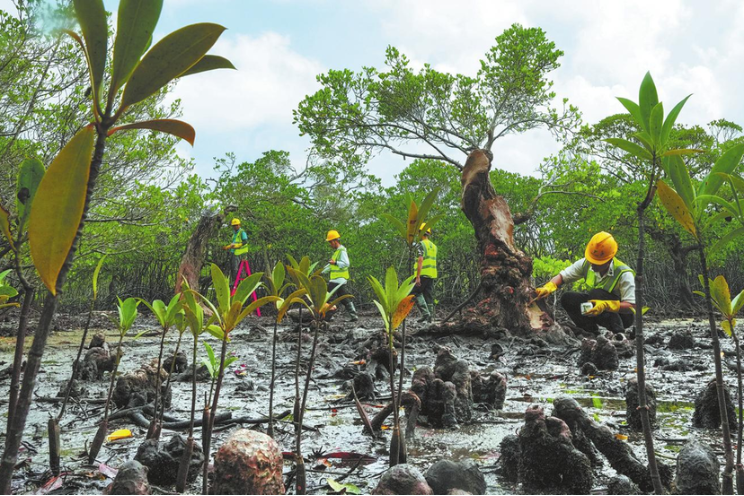
Resilience and recovery
In a remarkable display of resilience and scientific ingenuity, rare red-flowered black mangroves (Lumnitzera littorea) in Hainan province, China, are on the path to recovery following the devastating impact of Typhoon Kajiki. The storm, which struck on August 24, unleashed winds of up to 200 kilometers per hour, severely damaging the coastal regions of Hainan. Among the casualties were six of the only 14 known mother trees of this rare mangrove species in China.
-
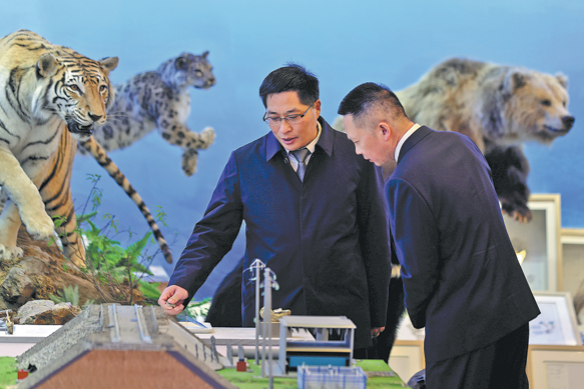
Scientific study drives law to protect ecology of Qinghai-Tibet Plateau
The second Qinghai-Tibet scientific expedition has significantly influenced the formulation of ecological protection legislation for the Qinghai-Tibet Plateau, as highlighted by academicians during a recent news conference in Lhasa, the capital of the Xizang autonomous region. The expedition’s top 10 application achievements, unveiled at the event, span ecological conservation, disaster prevention, resource exploration, carbon accounting, traffic safety, and border area development. Yao Tandong, an academician with the Chinese Academy of Sciences, emphasized that the expedition’s core legislative recommendations—such as enhancing glacier change monitoring, protecting ecological barriers, and promoting integrated environmental management—were integrated into the new legislation. This led to the adoption of the ‘Measures for the Implementation of the Qinghai-Tibet Plateau Ecological Protection Law’ by the 15th meeting of the Standing Committee of the 12th People’s Congress of Xizang in March, which took effect on August 1. Beyond legislative impact, the expedition has deepened scientific understanding of the plateau’s unique ecological challenges, particularly concerning the Asian Water Tower, a vital water source for over 2 billion people. Research indicates a significant increase in water supply capacity, with runoff from major basins projected to rise by 49% by the century’s end. However, the region faces growing threats from cryosphere disasters, such as glacier avalanches and glacial lake outburst floods, which have increased in frequency and severity. To address these challenges, the expedition team has established a comprehensive Earth system multisphere observation platform and developed an intelligent monitoring and early warning system for cryosphere-related disasters. These innovations aim to provide precise solutions for disaster prevention and mitigation, safeguarding major projects and local communities.
-

JUNO yields first results, searches for ‘new physics’
The Jiangmen Underground Neutrino Observatory (JUNO), the world’s largest liquid scintillator neutrino detector, has unveiled its first set of experimental results, marking a significant milestone in particle physics. Located 700 meters underground in Guangdong, China, this state-of-the-art facility has achieved unprecedented precision in measuring neutrino properties, offering new insights into the fundamental nature of these elusive particles.
-
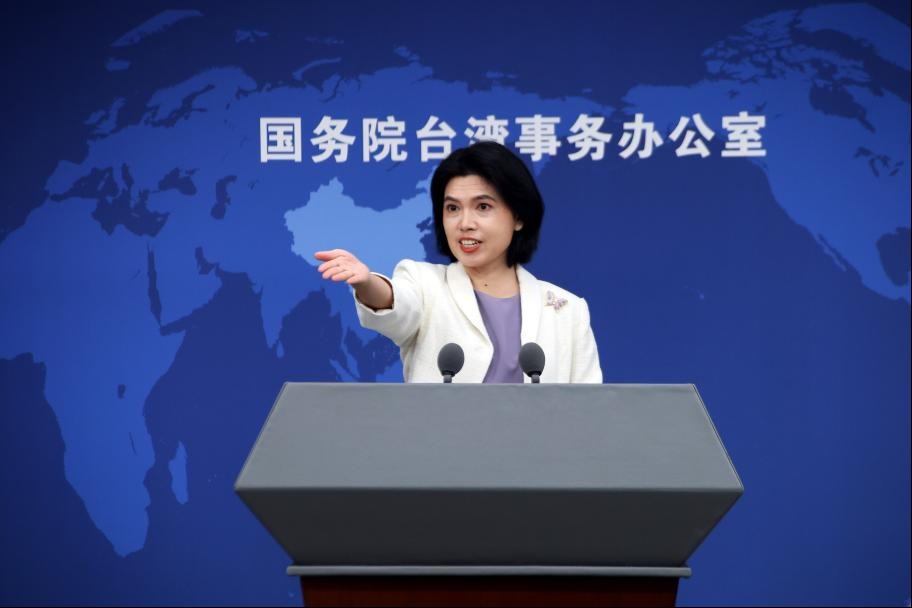
Japan’s meddling in Taiwan fiercely opposed
China has issued a stern warning against Japan’s recent comments on Taiwan, emphasizing that such interference in China’s internal affairs is unacceptable. Zhu Fenglian, spokesperson for the State Council Taiwan Affairs Office, addressed the media on Wednesday, condemning Japanese Prime Minister Sanae Takaichi’s remarks about the Taiwan Strait. Takaichi had suggested that China’s actions toward Taiwan could pose a ‘survival-threatening situation’ for Japan, hinting at potential military intervention. Zhu labeled these comments as an attempt to revive militarism and undermine the achievements of the Chinese People’s War of Resistance Against Japanese Aggression (1931-45). She reiterated that Taiwan is an inalienable part of China and called on Japan to cease its provocative actions. Zhu also criticized Taiwan’s Democratic Progressive Party (DPP) for colluding with external forces to pursue ‘independence,’ warning that such efforts are futile and will be met with firm countermeasures. Over 30 civil groups in Taiwan joined in condemning Takaichi’s remarks, rejecting any role as victims of Japanese militarism. Additionally, Zhu opposed Taiwan leader Lai Ching-te’s reported plans to transit through the United States, urging the U.S. to adhere to the one-China principle and avoid sending wrong signals to ‘Taiwan independence’ forces.