标签: Asia

亚洲

  • Sharjah’s Independence Square opens with stunning new look, transforming area

    Sharjah’s Independence Square opens with stunning new look, transforming area

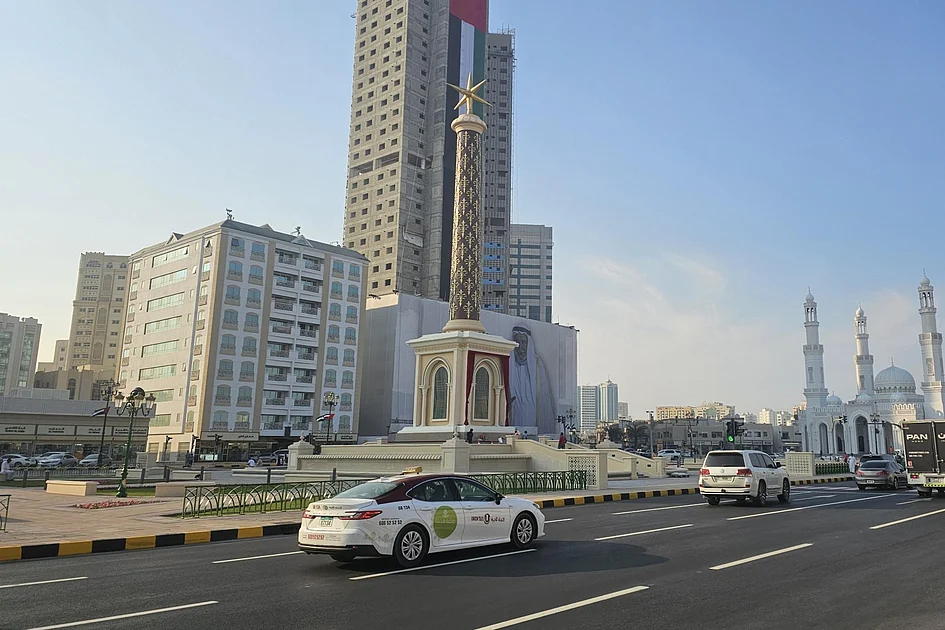
    Sharjah has unveiled a comprehensively redeveloped Independence Square, marking a significant urban renewal achievement in the heart of the emirate. The landmark transformation, officially inaugurated by Sheikh Dr Sultan bin Muhammad Al Qasimi, Supreme Council Member and Ruler of Sharjah, has fundamentally altered the area’s aesthetic character and functionality.

    The revitalized square centers around a striking 34-meter monument topped with a seven-pointed star, but the changes extend throughout the surrounding neighborhood. Extensive renovation works have produced uniformly painted building facades in cohesive beige tones, substantially upgraded pedestrian pavements, freshly marked roadways, and standardized commercial signage throughout the district.

    Local residents and business proprietors have welcomed the urban enhancement initiative, noting the remarkable pace of transformation particularly in the weeks preceding UAE National Day celebrations. Shop owners reported rapid installation of new standardized signboards featuring coordinated beige-and-black designs that replaced previous heterogeneous signage.

    Mohammed Faizal, a sweet shop operator, noted the swift implementation: ‘The signage transition occurred within days. The old boards disappeared and new, matching designs appeared almost immediately, creating a smart and attractive streetscape.’

    While renovation works caused temporary disruptions including construction noise and dust over several months, merchants unanimously agree the final result justifies the inconvenience. Electronic shop owner Rajesh Kumar expressed community sentiment: ‘Witnessing the gradual transformation through repainting, repairs, and installations has culminated in a result that fills us with pride. The area has acquired an entirely fresh identity.’

    The redevelopment represents Sharjah’s ongoing commitment to urban beautification and functional improvement of public spaces, enhancing both quality of life for residents and commercial appeal for local businesses.
  • ‘Every drop matters’: Nobel laureate Omar Yaghi to turn UAE desert air into water by 2026

    ‘Every drop matters’: Nobel laureate Omar Yaghi to turn UAE desert air into water by 2026

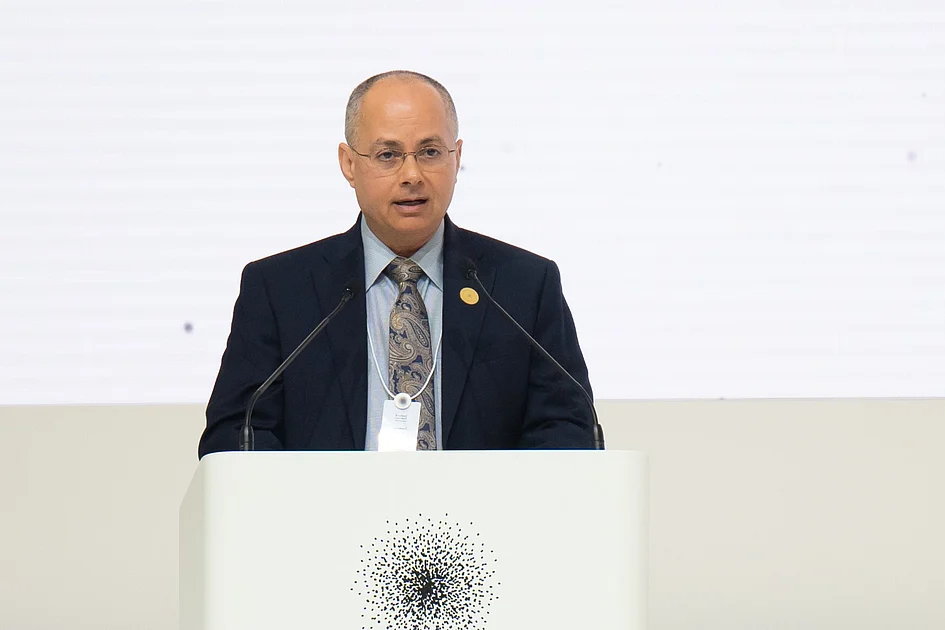
    Nobel Prize-winning chemist Omar Yaghi is spearheading revolutionary technology capable of extracting clean drinking water directly from atmospheric air, even in Earth’s most arid regions including the Gulf desert. The Jordanian-born scientist, whose childhood experiences in a refugee camp shaped his understanding of water scarcity, has developed reticular materials that function like molecular sponges to capture atmospheric moisture.

    Yaghi’s California-based startup Atoco has announced plans to deploy commercial-scale atmospheric water harvesting units in the second half of 2026, with production capacities reaching thousands of liters daily. The technology utilizes porous crystalline materials featuring internal surface areas equivalent to a football field per gram—engineered to selectively attract and retain water molecules from ambient air.

    The breakthrough system operates through minimal temperature variations, releasing captured water with exceptional efficiency even in low-humidity environments. This innovation holds particular significance for the Gulf region, where water stress significantly impacts both communities and industries.

    Atoco is currently engaged in advanced discussions with regional companies, anticipating early adoption across GCC nations. The technology promises to support desert agriculture, remote community water needs, and irrigation systems without depleting natural water reserves. Additionally, the system integrates seamlessly with green hydrogen production—requiring approximately nine liters of ultra-pure water per kilogram of hydrogen—by utilizing waste heat from electrolyzers.

    The atmospheric harvesting technology also offers sustainable cooling solutions for data centers, using server heat to generate pure make-up water. While not intended to replace desalination, the system provides crucial diversification of water sources and enhanced supply resilience, potentially operating without electrical input in specific configurations.

    Yaghi, recipient of the 2025 Nobel Prize in Chemistry for “discoveries that have conferred the greatest benefit to humankind,” emphasizes that the recognition has intensified his commitment to translating scientific breakthroughs into societal benefits. Reflecting on his journey from discovering molecular diagrams in a library to Nobel recognition, he advocates maintaining curiosity through uncertainty as the pathway to transformative innovation.

  • Faraday Future hosts FX Super One Delivery Ceremony for soccer legend Andrés Iniesta in Dubai

    Faraday Future hosts FX Super One Delivery Ceremony for soccer legend Andrés Iniesta in Dubai

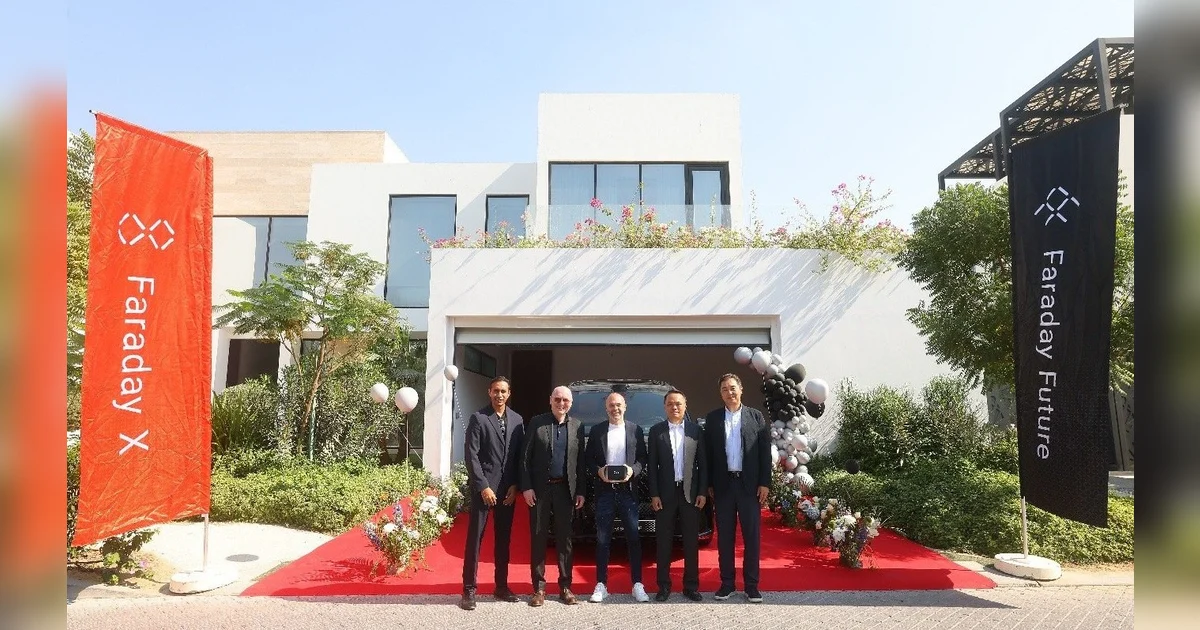
    DUBAI, UAE – Faraday Future Intelligent Electric Inc. (NASDAQ: FFAI) has achieved a significant milestone in its global expansion strategy with the ceremonial delivery of its inaugural FX Super One vehicle to international football icon Andrés Iniesta. The event, held in Dubai, represents the concrete implementation of the company’s Global Automotive Bridge Strategy throughout the Middle Eastern region.

    The delivery ceremony featured prominent executives including FF Global co-CEO Matthias Aydt, Middle East regional head Tin Mok, and government affairs lead Morris Gao. Iniesta, who assumes the dual role of first global owner and developer co-creation officer for the FX Super One, expressed his enthusiasm for joining the electric vehicle revolution.

    “This honor extends beyond acquiring a premium EAI-MPV,” Iniesta remarked. “It represents an early entry into the transformative era of AI-powered mobility. I anticipate the FX Super One establishing new benchmarks in the Middle East’s multi-purpose vehicle segment while advancing eco-friendly transportation solutions.”

    Company executives emphasized the strategic importance of this delivery event. Tin Mok noted that the occasion “signifies the commencement of FX Super One distributions within the UAE market and establishes critical groundwork for forthcoming sales initiatives.” Simultaneously, Faraday Future continues preparatory work for its first US pre-production vehicle scheduled for completion before year-end.

    The FX Super One, officially unveiled in Dubai on October 28th, offers two distinct powertrain configurations: the initial AIHER (Artificial Intelligence Hydrogen Energy Response) model followed by a battery-electric AIEV variant. Each configuration provides four trim levels—GOAT, Max, Pro, and Standard—catering to diverse consumer preferences. The Middle East’s introductory model, the FX Super One AIHER Max, carries an price point of AED 309,000 (approximately $84,000). Market response has been notably positive, with three non-binding preorders covering over 200 units received within 48 hours of the product launch.

    Matthias Aydt, FF Global co-CEO, characterized the Middle East delivery milestone as “pivotal within FF and FX’s worldwide strategic framework.” He elaborated that this achievement “denotes our formal transition in the UAE from operational development to revenue generation, demonstrates initial synchronization with our Global Automotive Bridge Strategy, and inaugurates a new chapter in our Middle East Three-Pole approach.”

    Established in 2014, Faraday Future has pursued a mission to revolutionize automotive conventions through user-focused, technology-driven intelligent mobility solutions. While the company’s flagship FF91 model exemplifies premium innovation and performance, the FX strategy focuses on delivering mass-production vehicles equipped with advanced luxury technology at accessible price points for broader market penetration.

  • Hong Kong races to remove scaffolding nets on all buildings after deadly fire kills 159

    Hong Kong races to remove scaffolding nets on all buildings after deadly fire kills 159

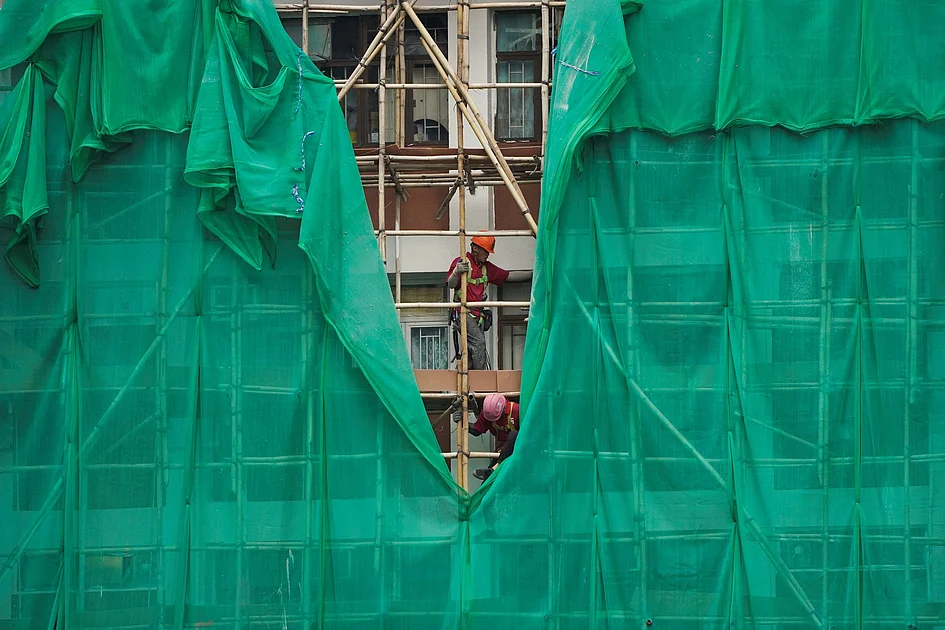
    Hong Kong authorities have launched an urgent city-wide operation to remove all scaffolding safety nets from buildings undergoing renovation after investigators identified the material as a key factor in the catastrophic Wang Fuk Court fire that claimed 159 lives. The government mandate requires complete removal from both public and private residential buildings by Saturday, effectively halting renovation projects across the financial hub indefinitely.

    The unprecedented safety directive follows what has become Hong Kong’s deadliest fire in decades, which engulfed seven high-rise apartment blocks on November 26. Forensic analysis indicates that substandard plastic mesh netting and insulation foam significantly accelerated the blaze, which burned for 40 hours. Additionally, malfunctioning fire alarm systems failed to provide adequate warning to residents.

    Law enforcement agencies have taken 21 individuals into custody during their investigation, including 15 construction company employees suspected of manslaughter. Among those arrested are two directors and an engineering consultant from Prestige Construction, the primary contractor at the affected housing complex. Six additional arrests involved fire service installation contractors on suspicion of fraud.

    The tragedy has exposed critical gaps in building safety oversight, despite residents having raised concerns about fire hazards during renovations the previous year. In response to mounting demands for accountability, City Leader John Lee has established a judge-led commission to investigate the disaster and review renovation oversight protocols.

    Development Secretary Bernadette Linn confirmed that over 200 private buildings and more than 10 public housing structures must comply with the netting removal order, with contractors bearing all associated costs. The Building Department plans to implement a new safety code next week requiring on-site sampling of all scaffold net materials and laboratory certification before reinstallation.

    Authorities are additionally investigating allegedly falsified safety documentation for netting supplied by a manufacturer based in Shandong, China, which was utilized at multiple renovation sites including one involving Prestige Construction.

    The human toll continues to emerge, with 140 victims identified from the recovered bodies—91 females and 49 males ranging from one to 97 years old. Thirty-one individuals remain unaccounted for, including foreign domestic helpers from Indonesia and the Philippines. Approximately 2,900 displaced residents have been relocated to temporary accommodations, with 1,152 in hostels, camps, or hotels, and another 1,765 moved into transitional housing units.

  • Putin arrives in New Delhi on a state visit aimed at bolstering Russia-India ties

    Putin arrives in New Delhi on a state visit aimed at bolstering Russia-India ties

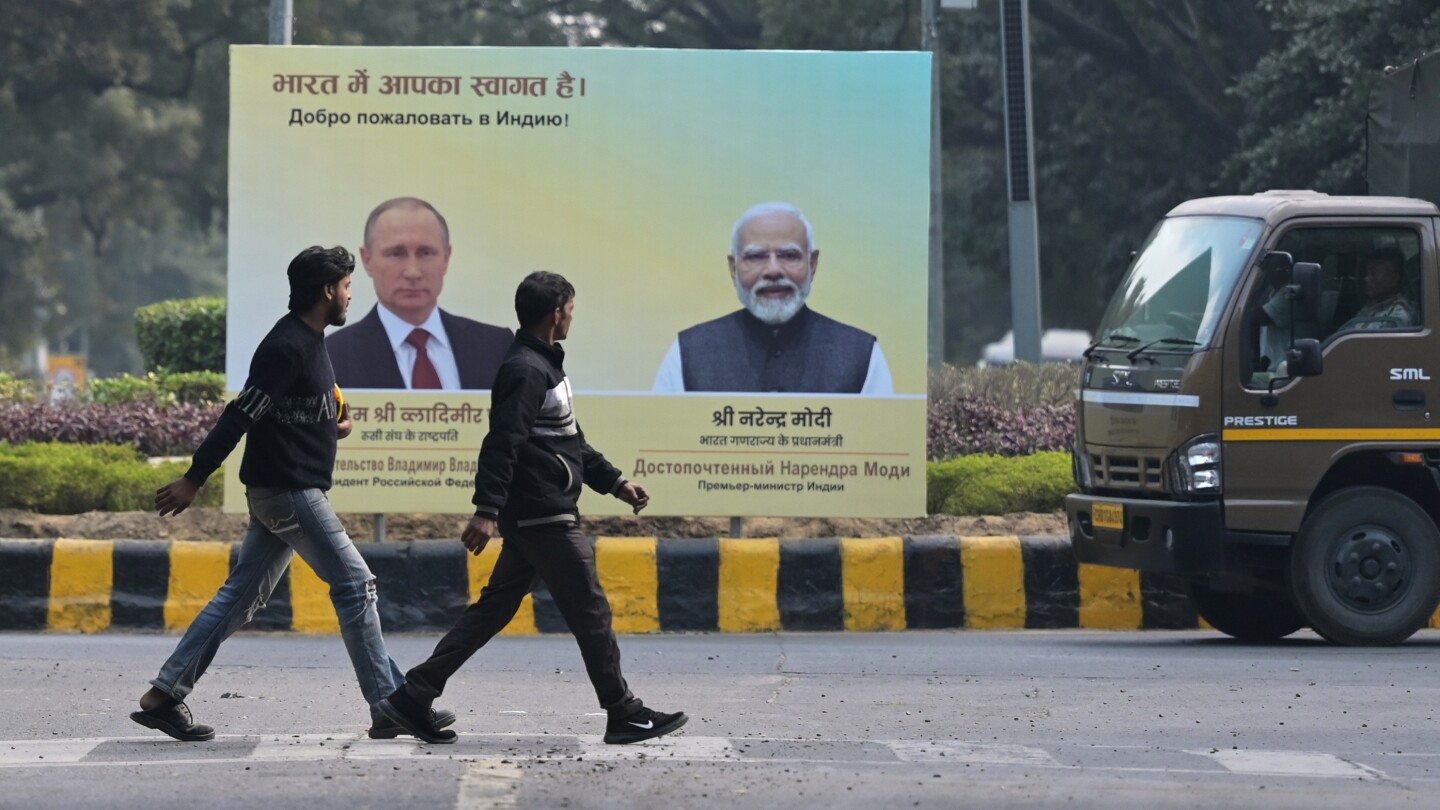
    Russian President Vladimir Putin arrived in New Delhi on Thursday for a highly anticipated state visit, signaling a reinforcement of the longstanding bilateral partnership between Russia and India. The diplomatic engagement, marked by visible warmth between the two leaders, underscores the complex geopolitical balancing act India maintains amid ongoing global tensions.

    Indian Prime Minister Narendra Modi personally welcomed Putin at the airport with an enthusiastic embrace and firm handshake, demonstrating the depth of their personal rapport. The Russian leader’s itinerary includes an intimate dinner at Modi’s officially decorated residence, followed by formal discussions on Friday during the 23rd India-Russia Summit.

    The summit agenda focuses on expanding economic collaboration across critical sectors, particularly defense systems, energy security, and facilitating the movement of skilled professionals between the nations. This meeting occurs against a backdrop of intensified U.S. diplomatic efforts to broker a peace agreement ending the Russia-Ukraine conflict, now approaching its fourth year.

    Putin’s first visit to India since 2021 and Modi’s recent trip to Moscow in 2023 highlight the continuity of diplomatic exchanges. The leaders previously convened briefly in September during the Shanghai Cooperation Organization summit in China, maintaining consistent high-level dialogue despite international pressures.

    The current visit represents a significant test of India’s foreign policy strategy, which seeks to maintain strong ties with both Moscow and Washington simultaneously. As global powers realign amid ongoing conflicts, India’s ability to navigate these complex relationships while advancing its national interests remains a subject of international scrutiny.

  • Honghe Hani Rice Terraces in Yunnan enters best viewing period

    Honghe Hani Rice Terraces in Yunnan enters best viewing period

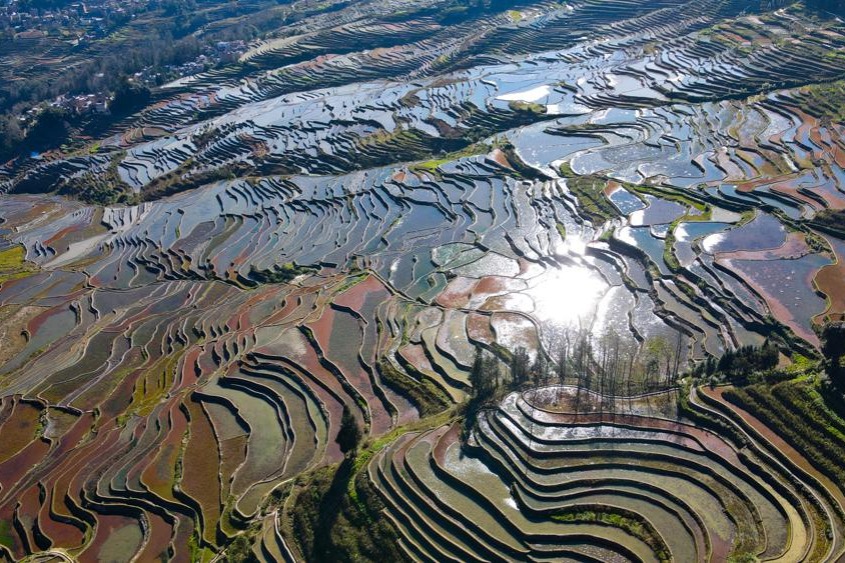
    The Honghe Hani Rice Terraces in Yuanyang county, Yunnan province, have transformed into a breathtaking winter spectacle, entering their optimal viewing season according to recent reports. This UNESCO World Heritage site now attracts travelers nationwide with its extraordinary visual transformation during the December period.

    These magnificent terraces, carved meticulously into mountain slopes across generations, currently present an awe-inspiring panorama. When filled with water, the stepped paddies resemble countless scattered silver mirrors reflecting the sky. The visual drama intensifies during sunrise and sunset when golden sunlight pierces through the clouds, creating a shimmering effect across the entire landscape. This natural phenomenon transforms the terraces into what appears to be a vast, living palette of the Earth, with light and water interacting to produce constantly shifting patterns and colors.

    The timing coincides with ideal weather conditions that enhance both water retention and light reflection qualities. Local tourism authorities note that this period represents the terraces’ most photogenic phase, offering visitors unparalleled opportunities to witness one of China’s most remarkable agricultural and cultural landscapes at its visual peak. The site demonstrates the harmonious integration of human engineering and natural beauty, showcasing sustainable farming practices that have endured for centuries while creating this seasonal visual marvel.

  • 4.1 magnitude earthquake hits Afghanistan, Bangladesh

    4.1 magnitude earthquake hits Afghanistan, Bangladesh

    Two separate seismic events measuring 4.1 magnitude struck Afghanistan and Bangladesh simultaneously in the early hours of Thursday, according to reports from the National Center for Seismology (NCS).

    The Bangladesh tremor occurred at 5:44 AM Indian Standard Time (IST) at a depth of 30 kilometers, with its epicenter located at coordinates 23.95°N latitude and 90.72°E longitude. The seismic activity was recorded through the BhooKamp monitoring application and officially confirmed via the NCS social media channels.

    Nearly simultaneously, Afghanistan experienced an earthquake of identical magnitude but significantly greater depth. The Afghan seismic event registered at 3:05 AM IST with its epicenter at 36.54°N latitude and 71.66°E longitude, occurring at a substantial depth of 140 kilometers beneath the Earth’s surface.

    Seismological experts note the critical difference in depth between the two events. The Bangladesh earthquake, classified as a shallow-focus event, typically produces more noticeable surface shaking due to reduced energy dissipation before reaching populated areas. Conversely, the Afghan quake’s deeper origin likely resulted in less intense ground-level impact despite its identical magnitude.

    This seismic activity occurs against a backdrop of recent earthquake-related tragedies in the region. On November 21, a 5.5-magnitude earthquake in Bangladesh caused structural failures in Dhaka’s Armanitola area, resulting in three fatalities and ten injuries when a building’s rooftop railing collapsed.

    Afghanistan continues to demonstrate particular seismic vulnerability due to its position within the geologically active Hindu Kush Mountain range. The region experienced a devastating earthquake on November 3 that claimed 27 lives, injured 956 people, and damaged significant cultural heritage sites including historically important mosques.

    The Red Cross recognizes this mountainous region as perpetually seismically active, with annual earthquake occurrences being geologically inevitable. Monitoring organizations continue to emphasize the importance of earthquake preparedness throughout South Asia, particularly in areas with high population density and infrastructure vulnerability.

  • China hopes AI can fix its consumer demand problem

    China hopes AI can fix its consumer demand problem

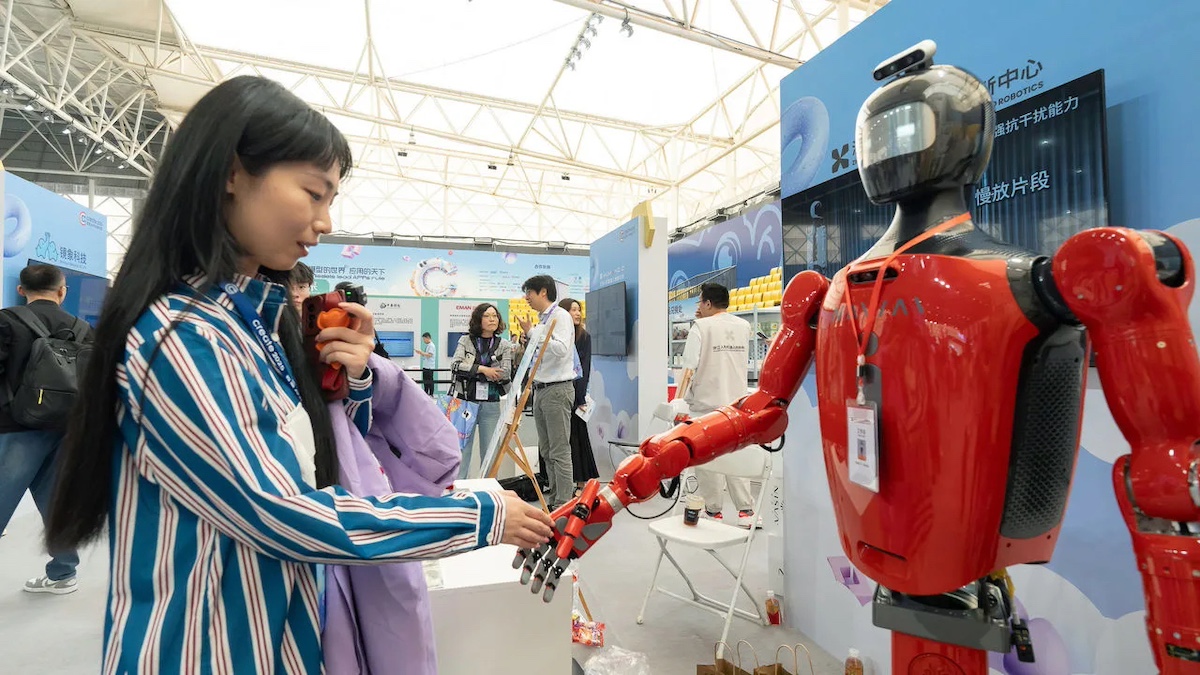
    China has launched an ambitious technological strategy to revitalize domestic consumption, positioning artificial intelligence as the cornerstone of its economic revitalization plan. The comprehensive action plan, unveiled recently by Beijing, aims to generate multitrillion-yuan consumption growth within three years across targeted sectors including elderly care products, smart vehicles, and consumer electronics.

    The initiative represents a supply-side approach to stimulating demand, with AI serving both as practical tool and symbolic centerpiece. The blueprint promotes smart appliances that automate shopping decisions and AI wearables that guide daily activities, presenting technological sophistication as the primary catalyst for consumption revival.

    However, this technologically-driven strategy exposes a fundamental tension in China’s economic planning: the assumption that supply can effectively generate demand. Current economic fragility underscores the challenge—retail sales have shown volatility throughout 2024-2025, youth unemployment remains elevated despite statistical adjustments, and household savings rates persist at historically high levels.

    The critical obstacle lies not in product inadequacy but in consumer psychology. Chinese households have restrained spending due to weakened income visibility and persistent economic anxiety rather than technological deficiencies in available products. While China leads globally in smart home adoption, EV penetration, and digital payment usage, these advancements struggle to overcome fundamental financial concerns.

    The elderly care sector exemplifies this dichotomy. With over 300 million citizens aged 60+, AI-enabled monitoring and assistive devices offer transformative potential. Yet adoption will be determined more by affordability through pension strength and healthcare support than by technological sophistication.

    Implementation challenges further complicate matters. Local governments face execution burdens amid existing debt pressures, while private enterprises confront margin compression and cautious lending. Tech roadmaps appear more developed than financial mechanisms to support the ambitious transformation.

    Ultimately, sustainable consumption revival may require addressing foundational elements: robust job creation, wage growth, and strengthened social safety nets. Until policy moves beyond supply-side engineering to strengthen household financial security, innovation may flourish while broad-based consumption recovery remains elusive.

  • Traffic alert: Dubai Police warn of accident causing congestion

    Traffic alert: Dubai Police warn of accident causing congestion

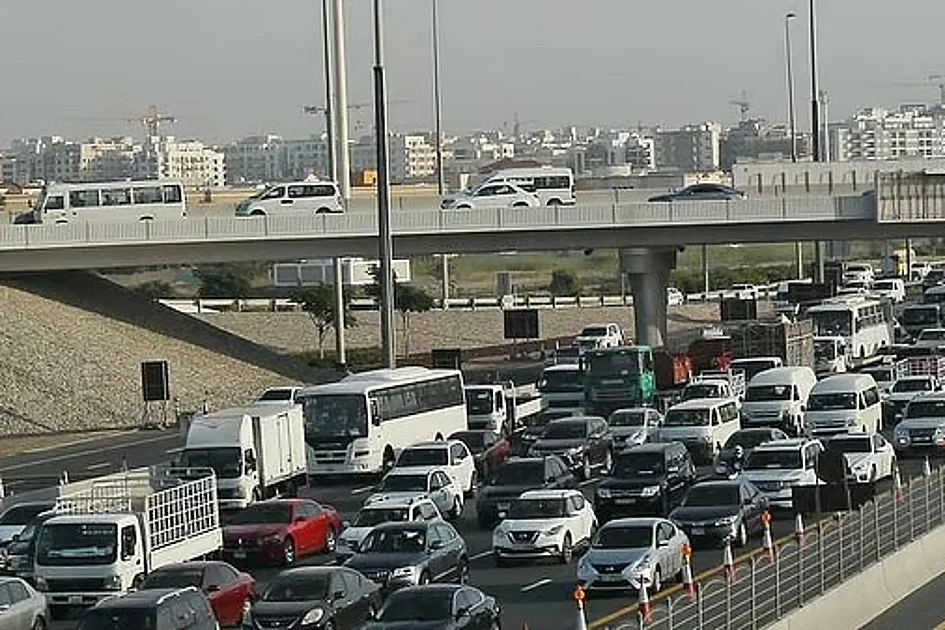
    Dubai authorities issued an urgent traffic advisory on Thursday morning following a collision that resulted in significant congestion on a major transportation artery. The incident occurred on Dubai Al Ain Road in the vicinity of Nad Al Sheba 1, specifically affecting traffic flow toward Bukadra bridge during peak commuting hours.

    The Dubai Police Department promptly alerted motorists through official channels, emphasizing the need for extreme caution when navigating the affected area. Law enforcement officials specifically urged drivers to reduce speeds, maintain safe following distances, and remain vigilant while approaching the incident site.

    Compounding the traffic challenges, meteorological conditions throughout the early morning hours created additional hazards for commuters. Widespread fog formations significantly reduced visibility across multiple regions of the United Arab Emirates, creating particularly dangerous driving conditions that required heightened awareness from all road users.

    The combination of adverse weather patterns and traffic incidents represents a recurring challenge for Dubai’s transportation infrastructure, particularly during early morning hours when visibility issues frequently develop. Police communications highlighted the importance of defensive driving techniques during such conditions, with special attention to reduced speed protocols and increased stopping distances.

    Transportation officials continue to monitor the situation while encouraging alternative routes where possible. The timely notification by Dubai Police exemplifies the city’s ongoing commitment to utilizing advanced warning systems that enhance road safety and minimize traffic disruption during unexpected incidents.

  • Commercial Aerospace Forum spotlights innovation, space exploration programs

    Commercial Aerospace Forum spotlights innovation, space exploration programs

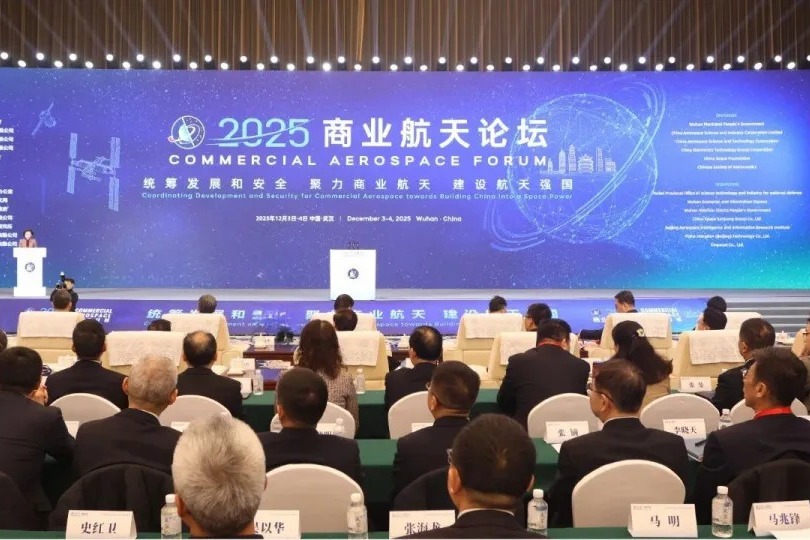
    Wuhan, the capital of China’s Hubei province, became the epicenter of commercial space innovation as it launched the 2025 Commercial Aerospace Forum on Wednesday. The two-day gathering brings together government authorities, aerospace corporations, scientific experts, and commercial enterprise representatives to shape the future of space exploration and technology.

    The forum represents a collaborative effort between the Wuhan municipal government and China’s leading aerospace entities: China Aerospace Science and Technology Corp, China Aerospace Science and Industry Corp, China Electronics Technology Group Corp, alongside the China Space Foundation and Chinese Society of Astronautics. This convergence of public and private sector leadership highlights the growing significance of commercial space initiatives within China’s broader aerospace strategy.

    Chen Ximing, Chairman of China Aerospace Science and Industry Corp (CASIC), emphasized his organization’s deepening commitment to Hubei province through multiple commercial space programs. These initiatives include the development and management of a national commercial space industry base, alongside ongoing research and manufacturing of carrier rockets and satellites. ‘CASIC is determined to strengthen scientific and technological innovation in the commercial space sector,’ Chen stated, noting plans to increase investment in Hubei and expand cooperation with local authorities and enterprises.

    As one of China’s pioneering commercial space enterprises, CASIC has established a substantial footprint in the industry. The forum features numerous technical workshops addressing critical topics from advanced rocket propulsion systems to satellite data applications and emerging business opportunities in the space sector.

    The event’s first day culminated with the signing of a strategic cooperation memorandum between CASIC and the Hubei provincial government. Several subsidiaries of the state-owned conglomerate further solidified partnerships through additional agreements with local universities and commercial space companies, signaling strengthened integration between academic research, commercial innovation, and aerospace development in the region.