标签: Asia

亚洲

  • Here are the best Christmas Markets to visit in Europe this winter

    Here are the best Christmas Markets to visit in Europe this winter

    As winter descends upon Europe, the continent transforms into a spectacular panorama of festive cheer with its world-renowned Christmas markets. These enchanting gatherings represent more than mere shopping destinations—they embody centuries-old traditions that capture the very essence of Yuletide spirit through twinkling lights, artisanal crafts, and seasonal delicacies.

    The historical significance of European Christmas markets traces back to medieval times, with Vienna’s 1296 market standing as one of the earliest documented gatherings. Originally centered around town churches, these markets featured handmade pottery and baked goods until the Industrial Revolution catalyzed their expansion into the elaborate festive wonderlands we recognize today.

    Germany emerges as the quintessential Christmas market destination, with Berlin alone hosting over 50 distinct markets. The Berliner Weihnachtszeit at City Hall offers family-friendly attractions including a 50-meter Ferris wheel and ice-skating rink, while the Gendarmenmarkt market specializes in premium handicrafts. Munich’s Christkindlmarkt in Marienplatz square, dating to the 14th century, maintains its Bavarian charm as Germany’s largest Nativity scene market. Frankfurt’s Pink Christmas Market celebrates diversity with extensive vegan offerings, and Cologne’s cathedral-backed market features traditional red-roofed stalls offering handmade gifts and local treats like roasted almonds.

    Strasbourg, acclaimed as the ‘Capital of Christmas’, presents a fairy-tale setting in France’s Alsace region—the documented birthplace of the Christmas tree since 1521. The city’s Place Kléber showcases a magnificent 30-meter tree adorned with historical ornaments, while its 1570-origin market hosts 300 chalets amidst aromas of cinnamon and spice. The nearby villages of Colmar and Kaysersberg offer equally magical experiences.

    Austria’s Viennese Christkindlmarkt at Rathausplatz operates against a neo-Gothic backdrop with ice-skating and nearly 100 stalls, while the markets at Schönbrunn and Belvedere Palaces provide regal settings for enjoying Christmas Punch and roasted chestnuts. Salzburg’s Domplatz and Residenzplatz markets feature musical performances and traditional Austrian snacks including Lebkuchen and Krapfen.

    Prague completes the European Christmas market circuit with its Old Town and Wenceslas Square markets, offering unique straw, wood, and glass ornaments alongside chimney cakes filled with fruits and ice cream. These markets collectively represent a timeless European tradition that continues to captivate visitors with their historical significance and festive atmosphere.
  • Chief justice asks courts to function within the boundaries of Constitution and law

    Chief justice asks courts to function within the boundaries of Constitution and law

    In a significant address marking China’s National Constitution Day, Supreme People’s Court President Zhang Jun delivered a powerful directive to the nation’s judicial authorities, emphasizing the paramount importance of operating strictly within constitutional and legal parameters. The chief justice articulated a comprehensive vision for China’s judiciary, positioning courts as primary guardians of constitutional dignity and implementation.

    Speaking before assembled national lawmakers and political advisers, Zhang Jun outlined critical judicial priorities aligned with China’s forthcoming five-year economic and social development objectives. He emphasized that proper constitutional exercise of judicial power represents the foundation for resolving disputes through fair and efficient case adjudication, ultimately enabling the judiciary to serve the public effectively.

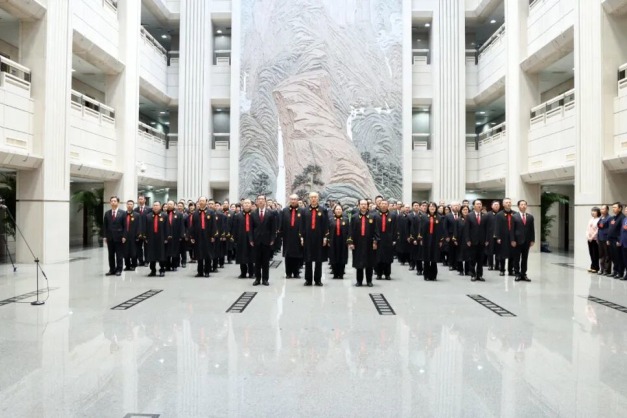
    The occasion featured a solemn constitutional oath-taking ceremony where 96 newly appointed judges and judicial officials from the supreme court publicly pledged allegiance to China’s fundamental law. This ritual underscored the institutional commitment to constitutional principles within China’s legal framework.

    Zhang’s address positioned the judiciary as instrumental in supporting national development goals while maintaining strict adherence to established legal boundaries. His remarks highlighted the continuing evolution of China’s legal system, with particular focus on standardized judicial conduct and enhanced case handling quality as essential components of constitutional implementation.

  • Bangladesh’s Gen-Z battles to gain political ground after ousting Hasina

    Bangladesh’s Gen-Z battles to gain political ground after ousting Hasina

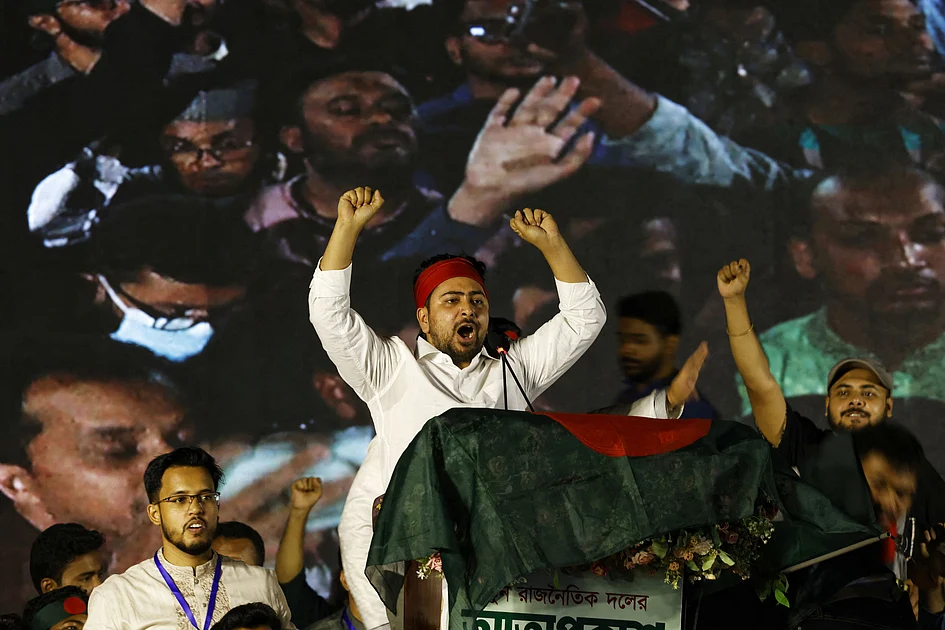
    Bangladesh’s nascent National Citizen Party (NCP), born from a massive student-led uprising that toppled long-serving Prime Minister Sheikh Hasina, now confronts the formidable challenge of transforming street activism into parliamentary representation. With February elections approaching, the party finds itself trailing established political forces despite initial widespread enthusiasm.

    Recent polling data from the U.S.-based International Republican Institute reveals the NCP securing merely 6% support, placing it behind both the Bangladesh Nationalist Party (BNP) at 30% and the hardline Jamaat-e-Islami at 26%. This disappointing standing highlights the difficulties faced by a movement attempting to break decades of two-party dominance despite its revolutionary origins.

    The party’s 27-year-old leader, Nahid Islam, acknowledges organizational deficiencies: ‘Our structure remains underdeveloped due to insufficient time for establishment.’ Operating from a graffiti-adorned office in Dhaka’s high-rise district, the NCP confronts well-entrenched rivals with extensive networks reaching deep into rural constituencies.

    Multiple challenges hamper the party’s progress: ambiguous positioning on critical issues including women’s and minority rights, limited financial resources dependent on crowdfunding and small donations, and allegations of corruption that contradict its proclaimed zero-tolerance policy. The party’s poor showing in September’s Dhaka University student elections—failing to secure any seats—further demonstrates waning support at the institution that originally fueled the anti-Hasina movement.

    In response to these obstacles, the NCP has initiated discussions with established parties including BNP and Jamaat-e-Islami regarding potential alliances. While such partnerships might improve electoral prospects, analysts warn they could undermine the party’s distinctive identity as an alternative to traditional politics.

    Despite these challenges, the party maintains innovative approaches to political engagement. Its unconventional candidate selection process interviewed over 1,000 ordinary citizens nationwide, including a rickshaw puller who took unpaid leave to participate and a student partially blinded by police during earlier protests.

    The movement continues to attract idealistic supporters like Dr. Tasnim Jara, who abandoned a promising medical career in Cambridge to contribute to building a more inclusive political system. As BNP leader Mirza Fakhrul Islam Alamgir noted: ‘Young people will dominate future politics, making their parliamentary inclusion beneficial.’

    The NCP’s journey represents a fundamental test of whether youth-driven movements can successfully transition from protest politics to sustainable governance in Bangladesh’s complex political landscape.

  • Shanghai Anti-Doping Lab earns WADA accreditation

    Shanghai Anti-Doping Lab earns WADA accreditation

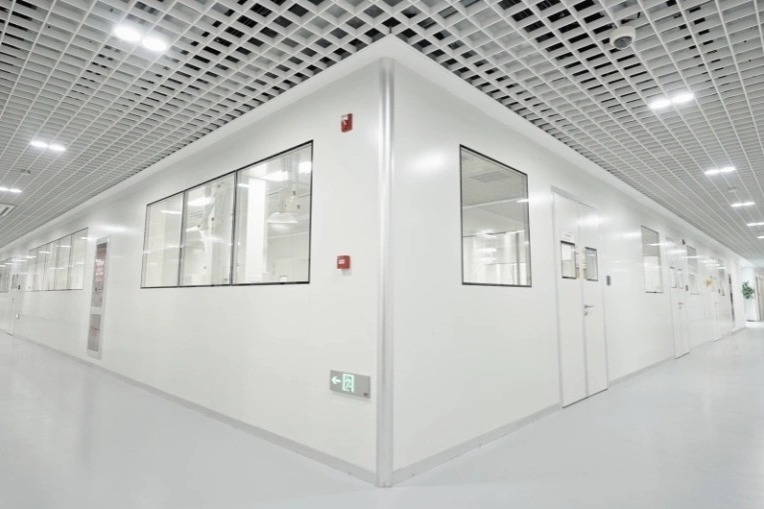
    Shanghai has achieved a significant milestone in global sports integrity as the Shanghai Anti-Doping Laboratory (SAL) received formal accreditation from the World Anti-Doping Agency on December 2, 2025. The announcement emerged from WADA’s executive committee gathering in Busan, South Korea, elevating China to an elite group of nations hosting multiple certified anti-doping facilities.

    The Shanghai University of Sport-based facility now stands as China’s second WADA-accredited laboratory, joining the established Beijing Anti-Doping Laboratory. This development positions China alongside only the United States, Germany, and Spain as nations operating two WADA-recognized testing centers.

    The laboratory’s path to accreditation followed a rigorous multi-year process. SAL entered WADA’s candidate laboratory program in September 2021, achieved Athlete Biological Passport candidate status in September 2023, and advanced to probationary laboratory standing by September 2024.

    Moving forward, SAL leadership has committed to maintaining strict adherence to WADA’s International Standard for Laboratories while pursuing scientific innovation. The laboratory plans to enhance its analytical capabilities and research initiatives, contributing to worldwide efforts against performance-enhancing substances in sports. These developments aim to protect athlete welfare and preserve competitive fairness across international sporting events.

  • Israeli strikes kill five Palestinians sheltering in Gaza makeshift camp

    Israeli strikes kill five Palestinians sheltering in Gaza makeshift camp

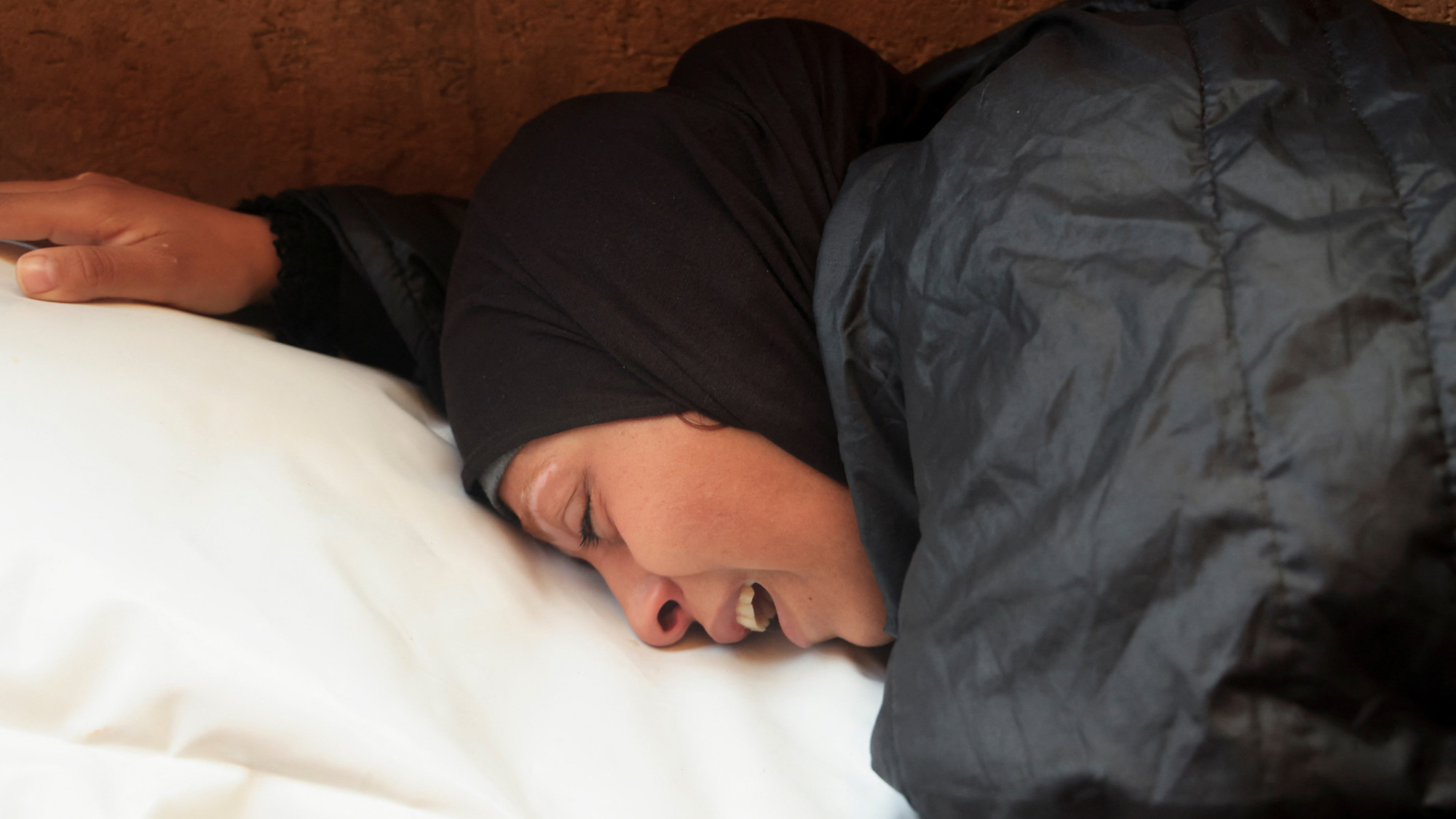
    Israeli military forces conducted a series of drone strikes late Wednesday targeting a displaced persons camp west of Khan Younis in southern Gaza, resulting in five Palestinian fatalities including two children. The attack occurred within an area previously designated as a humanitarian safe zone, marking another significant breach of the ongoing ceasefire agreement.

    The Israeli Defense Forces (IDF) justified the operation as a response to earlier exchanges of fire between its troops and Hamas fighters allegedly trapped in tunnels within Rafah. Military officials claimed the strikes targeted a ‘Hamas operative’ and resulted in five soldier casualties, though no evidence was provided to substantiate these claims.

    Gaza Civil Defence spokesperson Mahmoud Basal vehemently contradicted Israel’s account, stating the victims were sheltering in a camp considered secure and were not in a combat zone. ‘How many more massacres must be committed before everyone understands that what is happening in Gaza is not a response to an incident but systematic targeting of civilians?’ Basal questioned.

    The incident sparked diplomatic repercussions as Hamas condemned the attack as a ‘blatant war crime’ and accused Israel of demonstrating ‘flagrant disregard’ for the ceasefire agreement. The group urged international mediators to pressure Israel to halt civilian attacks and honor its obligations.

    Meanwhile, the body of Thai national Sudthisak Rinthalak was returned to Israel through the Red Cross, with ongoing efforts to locate police officer Ran Gvili, the remaining captive buried in Gaza. This development increases pressure on both parties to advance to the next phase of the ceasefire agreement.

    US President Donald Trump indicated the next phase would ‘happen pretty soon,’ though negotiations face challenges. Middle East Eye reported the US is struggling to establish an international stabilization force for Gaza due to disagreements over Turkey’s participation, despite UN Security Council approval and support from multiple nations.

    The Wednesday strikes represent the latest in approximately 600 reported ceasefire violations since October, resulting in over 360 fatalities and 900 injuries. Israel continues to restrict movement through the Rafah crossing and limit aid deliveries to approximately 200 trucks daily, significantly below the agreed 600-truck threshold.

  • Magnitude 6 earthquake strikes China’s Xinjiang region

    Magnitude 6 earthquake strikes China’s Xinjiang region

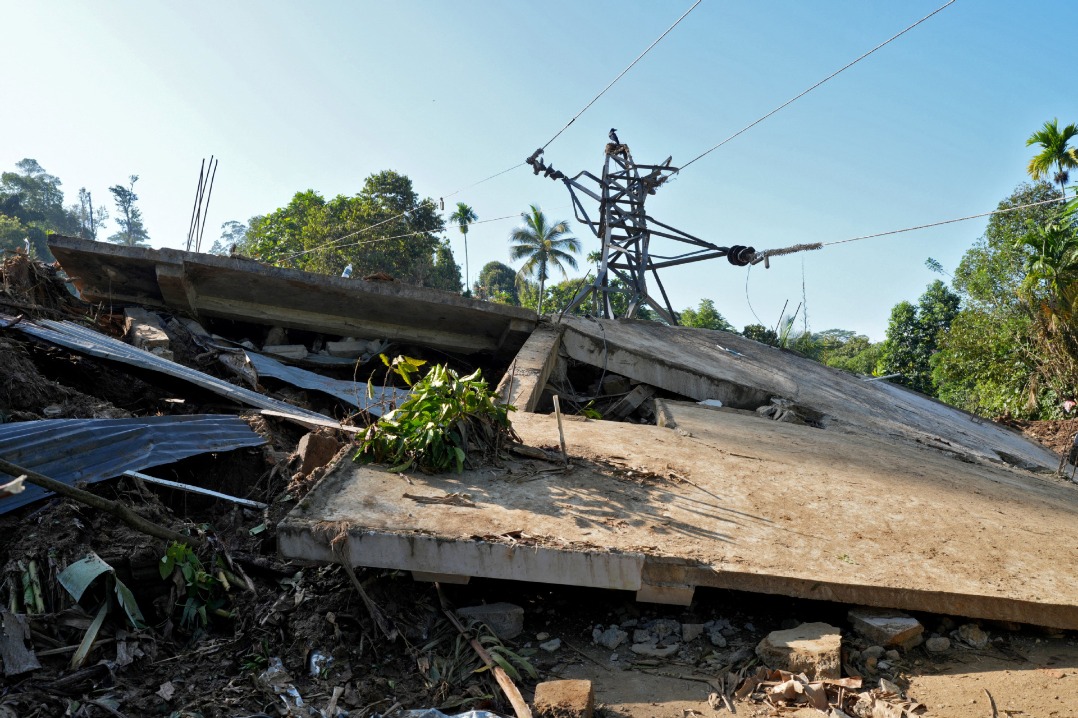
    A substantial earthquake measuring 6.0 on the Richter scale struck northwestern China’s Xinjiang region on Thursday afternoon, according to official reports from the China Earthquake Networks Center (CENC). The seismic event occurred at precisely 3:44 PM local time near Akqi county, an area adjacent to the mountainous border between China and Kyrgyzstan.

    Seismological data indicates the tremor originated at a relatively shallow depth of approximately 10 kilometers (6.2 miles), potentially amplifying ground shaking and surface impact across the affected region. The epicenter’s proximity to international borders suggests possible felt effects in neighboring Central Asian territories.

    The timing of the quake during daylight hours likely facilitated immediate emergency response coordination, though the remote, mountainous terrain presents significant challenges for damage assessment and potential rescue operations. Earthquake preparedness in this seismically active region has been a priority for Chinese authorities, who maintain extensive monitoring systems across Xinjiang’s vast territory.

    Historical seismic activity in this border region between the Tien Shan and Pamir mountain ranges indicates moderate to strong earthquakes occur with some frequency, though events exceeding magnitude 6 remain relatively uncommon. The area’s sparse population density may help mitigate potential casualties and structural damage.

    Chinese seismic authorities continue to monitor aftershock potential while coordinating with local emergency management teams to assess possible impacts on infrastructure and communities throughout the affected area.

  • Sri Lanka extreme weather death toll rises to 479

    Sri Lanka extreme weather death toll rises to 479

    Sri Lanka confronts a mounting humanitarian crisis as official figures released Thursday confirm the death toll from Cyclone Ditwah has reached 479 individuals. The nation’s Disaster Management Center (DMC) reported an additional 350 persons remain unaccounted for as search and rescue operations persist.

    The catastrophic weather system has inflicted damage on a staggering scale, directly impacting over 1.6 million citizens across 455,405 households. Structural assessments reveal complete destruction of 1,289 residential buildings, with more than 44,500 dwellings sustaining partial damage. The agricultural infrastructure has suffered particularly severe blows, with damage reported to 1,777 water tanks, 483 dams, 1,936 irrigation canals, and 328 farm access roads according to the commissioner-general of essential services.

    The international community has initiated response measures to support relief efforts. Chinese leadership has formally expressed condolences to the island nation while activating emergency humanitarian assistance protocols. The aid package includes financial support alongside essential supplies such as life preservation equipment, temporary shelters, and bedding materials.

    Simultaneously, the Asian Development Bank has authorized an immediate $3 million disaster relief grant to facilitate emergency operations throughout affected regions. This financial injection aims to bolster ongoing rescue initiatives and provide critical support to displaced populations struggling with the aftermath of one of Sri Lanka’s most devastating natural disasters in recent history.

  • UAE national themes: A decade of innovation, sustainability, and community building

    UAE national themes: A decade of innovation, sustainability, and community building

    Over the past ten years, the United Arab Emirates has pioneered a distinctive approach to national development through its annual thematic framework. Initiated in 2015 under the leadership of Sheikh Mohammed bin Rashid Al Maktoum, Vice-President and Prime Minister of the UAE and Ruler of Dubai, this strategy has transformed from the inaugural ‘Year of Innovation’ into an integrated system guiding governmental priorities and civic engagement.

    The program’s evolution demonstrates strategic progression from foundational capacity-building to sophisticated social development. Initial themes concentrated on establishing future-ready infrastructures, with innovation (2015), reading (2016), and giving (2017) creating platforms for technological advancement, cultural enrichment, and philanthropic initiatives. The 2018 ‘Year of Zayed’ provided historical grounding by reemphasizing the foundational principles of the nation’s establishment.

    Subsequent years witnessed a deliberate shift toward social cohesion and global positioning. The 2019 ‘Year of Tolerance’ established the UAE as an international exemplar of multicultural coexistence, while the ‘Year of Preparation for the Next 50 Years’ (2020-2021) engaged citizens in envisioning the nation’s future trajectory.

    Environmental sustainability emerged as a paramount concern through consecutive thematic years in 2023 and 2024, signaling profound commitment beyond symbolic gestures. This extended focus facilitated comprehensive policy implementation ranging from renewable energy infrastructure to circular economy models, culminating in the UAE’s prominent hosting of COP28.

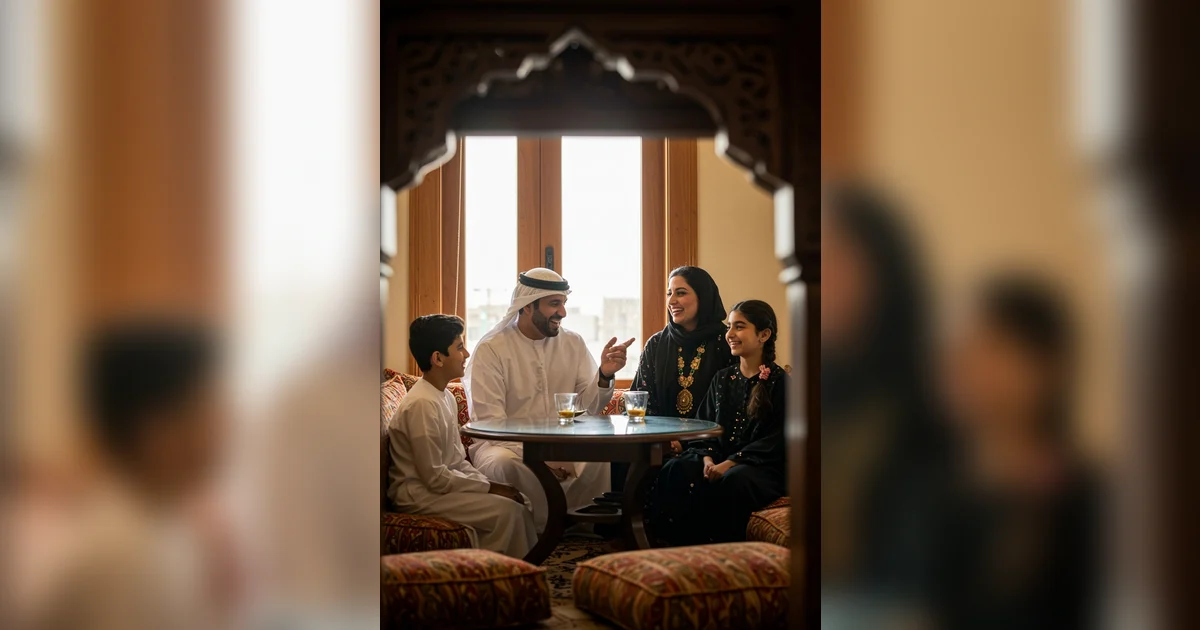
    The current ‘Year of Community’ (2025) emphasizes social interconnectedness and collective wellbeing through collaborative initiatives across public and private sectors. Looking forward, 2026 has been designated the ‘Year of the Family’ by President Sheikh Mohamed bin Zayed Al Nahyan, aligning with the National Family Growth Agenda 2031. This forthcoming theme will prioritize intergenerational bonds, work-life balance, and family-centric policies as fundamental to national resilience.

    This decade-long thematic approach represents a sophisticated governance model that synchronizes long-term strategic vision with actionable annual priorities, creating both institutional alignment and civic participation in national development.

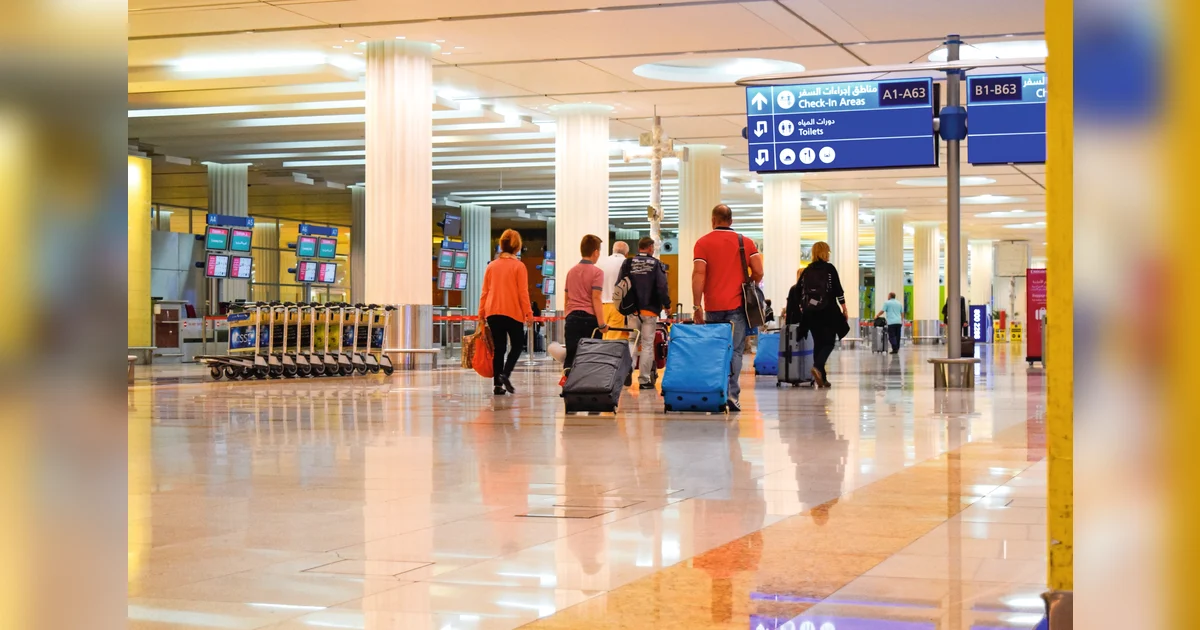
  • From 35 to 184: UAE passport strength reflects nation’s rising influence

    From 35 to 184: UAE passport strength reflects nation’s rising influence

    The United Arab Emirates has achieved a remarkable diplomatic milestone, with its passport evolving from a regional travel document into one of the world’s most powerful instruments of global mobility. Current indices reveal the extraordinary transformation: the UAE passport now offers visa-free or visa-on-arrival access to 184 global destinations, positioning it among the top ten globally and earning the top spot on Arton Capital’s ranking with a mobility score of 179.

    This ascent represents the most significant improvement recorded in the two-decade history of the Henley Passport Index. The journey from just 35 visa-free destinations in 2015 to the current 184 marks a dramatic 34-position leap that reflects the nation’s growing international stature. The UAE stands as the first Arab nation to secure visa-free access to all 34 European Union countries and remains the only Middle Eastern presence in the global top ten, now ranking alongside established passport powerhouses like Canada and Estonia.

    The transformation stems from strategic diplomatic efforts initiated through the Ministry of Foreign Affairs’ UAE Passport Force initiative in 2017. This comprehensive program focused on establishing new partnerships across political, economic, commercial, and cultural spheres. Through sustained diplomacy, high-level exchanges, and negotiated visa-waiver agreements particularly with European, Asian, and Latin American nations, the UAE systematically enhanced its global connectivity.

    Beyond benefiting Emirati citizens, this diplomatic achievement improves mobility for the country’s substantial expatriate population. With over 80% of the UAE’s 11 million residents being expats representing 190 nationalities, the strengthened passport facilitates smoother international travel procedures, business mobility, and enhanced access to global hubs. The nation’s reputation as a diplomatic and economic center often translates into easier entry procedures and visa-on-arrival options for residents traveling internationally.

    This passport evolution mirrors the UAE’s broader emergence as a regional powerhouse driven by economic diversification, foreign investment, major infrastructure projects, and notable security stability. The enhanced global mobility symbolizes the country’s mature international standing and its successful integration into the global community through strategic relationship-building and diplomatic excellence.

  • RIT Dubai hosts UAE’s youngest university student

    RIT Dubai hosts UAE’s youngest university student

    Rochester Institute of Technology Dubai has made educational history by admitting 12-year-old Leonardo Mariotti as the youngest university student ever enrolled in the United Arab Emirates. This groundbreaking initiative, developed in collaboration with Dubai’s Knowledge and Human Development Authority (KHDA), represents a pioneering approach to nurturing exceptional young talent through customized educational pathways.

    The young scholar’s journey to university began with early demonstrations of extraordinary spatial reasoning and innovative conceptualization abilities. Despite diagnosed neurological differences including Asperger’s, Dyslexia, Tourette’s, and ADHD, Leonardo has transformed these characteristics into assets that fuel his creative and technical capabilities. His mother, Yolanda Pohl-Mariotti, poetically describes her son as ‘carrying an entire orchestra within him,’ where each neurological trait contributes to a ‘breathtaking symphony of uniqueness.’

    Critical to his development was the supportive environment at Lycée Français International de l’AFLEC, where educators, specialists, and therapists collaboratively cultivated his potential through personalized learning strategies. This foundation of inclusive education enabled his transition to higher education at an unprecedented age.

    RIT Dubai has designed a bespoke curriculum aligned with Leonardo’s exceptional talents, incorporating advanced studies in Robotics, 3D Modeling and Printing, Engineering, Computer Coding, Artificial Intelligence, and New Media Design. Under the leadership of Dr. Yousef Al Assaf, the institution demonstrates its commitment to creating educational opportunities for students who transcend conventional academic pathways.

    This milestone reflects both RIT’s global legacy in technological education and the UAE’s national commitment to educational innovation and neurodiversity inclusion. Through coordinated efforts between the Ministry of Education and KHDA, the country continues to develop frameworks that recognize cognitive differences as strengths rather than limitations.

    Now completing his second month of university studies, Leonardo Mariotti stands as an inspiration to educational systems worldwide, challenging preconceived notions of age-appropriate learning and demonstrating that intellectual brilliance manifests in diverse forms.