标签: Asia

亚洲

  • Palestinians in Israel amongst poorest amid increasing poverty rates, report says

    Palestinians in Israel amongst poorest amid increasing poverty rates, report says

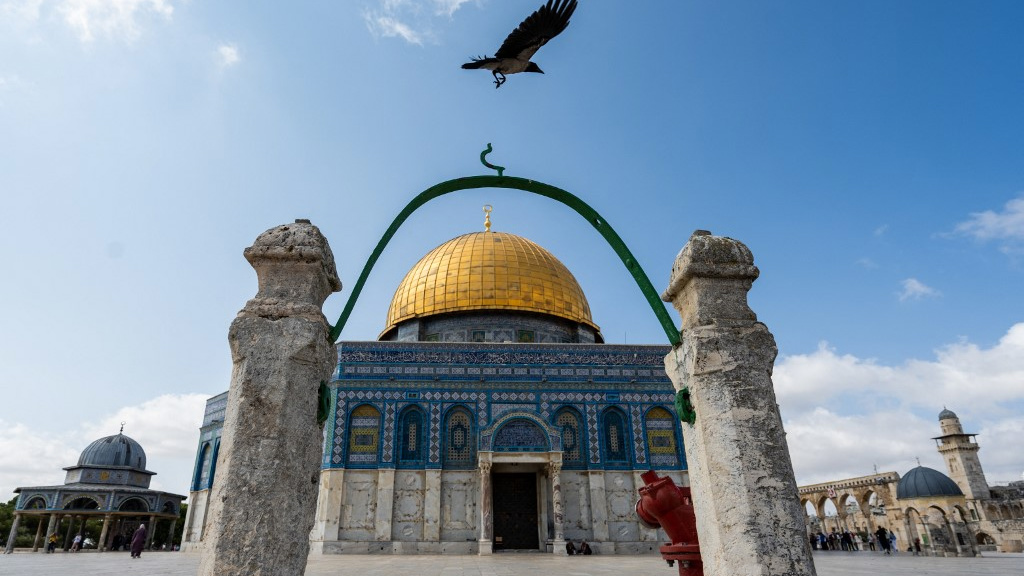
    A stark socioeconomic divide is widening within Israel, with Palestinian citizens experiencing the most severe impacts of escalating poverty rates, according to a recent governmental assessment. The National Insurance Institute’s annual evaluation, released Thursday, reveals that approximately two million individuals—including 880,000 children representing over one-quarter of Israel’s youth—currently subsist below the poverty threshold in 2024.

    This comprehensive analysis positions Israel with the second-highest child poverty rate among OECD member nations, surpassed only by Costa Rica, with 28% of Israeli children classified as impoverished. The report further documents intensifying social inequality, indicating that 65.1% of impoverished individuals originate from marginalized communities, predominantly the Palestinian demographic.

    Statistical findings demonstrate that 37.6% of Palestinian households fell beneath the minimum income requirement in 2024, followed by Haredi Jewish families at 32.8%. Institutional experts identified Israel’s military operations in Gaza alongside the nation’s escalating cost of living as primary catalysts exacerbating poverty among families, children, and elderly populations.

    Zvika Cohen, Deputy Director General of the Institute, emphasized that these factors have ‘amplified pre-existing structural issues rather than creating new ones.’ Cohen warned that ‘without targeted investment in children, young families, and social services, intergenerational poverty transmission will persist unabated.’

    Nitza Kassir, Deputy Director of Research and Planning, advocated for enhanced social safety nets to address declining income levels, particularly following recent conflicts. Kassir highlighted the unequal economic burden, noting that financial pressures are ‘more profound and severe within populations already experiencing economic hardship,’ stressing the necessity of workforce integration and equitable wage distribution.

    The annual assessment indicates 27.8% of Israeli households struggle to meet basic financial obligations, with Palestinian communities consistently ranking as most disadvantaged—approximately half cannot cover monthly expenses including medical treatments, prescription medications, and nutritional requirements.

    Historical context reveals that Palestinian citizens of Israel descend from native populations displaced during Israel’s establishment in 1948. Currently numbering over two million people (21% of Israel’s 9.8 million population), this community has endured decades of discriminatory legislation and institutional practices, reporting persistent challenges in accessing housing and public services.

    A November report by legal center Adalah documented that Israel enacted over 30 laws between October 2023 and July 2025 that reinforce systems of apartheid and repression against Palestinians. These legislative measures target fundamental rights including freedom of expression, protest rights, citizenship provisions, family unification, and detainee protections.

  • How this UAE expat lived with chronic pain for 14 years before a diagnosis

    How this UAE expat lived with chronic pain for 14 years before a diagnosis

    After enduring fourteen years of unexplained suffering, a 27-year-old UAE expatriate has finally received validation for her chronic pain condition. Shatha’s medical journey began at age twelve when mysterious symptoms emerged—debilitating fatigue, migratory pain patterns, and non-restorative sleep that defied conventional diagnosis.

    According to Dr. Sehriban Diab, Consultant Rheumatologist at Sheikh Shakhbout Medical City (SSMC), fibromyalgia represents a complex neurological disorder characterized by amplified pain signaling pathways. “Patients primarily experience muscular and connective tissue discomfort rather than joint inflammation,” Dr. Diab explained, noting accompanying symptoms including cognitive dysfunction, sleep disturbances, and gastrointestinal complications.

    The diagnostic challenges are particularly acute, as fibromyalgia lacks definitive biomarker testing. Physicians must rely on clinical evaluation and exclusionary diagnostics to differentiate it from thyroid disorders, nutritional deficiencies, and other autoimmune conditions.

    Shatha’s breakthrough came through SSMC’s multidisciplinary approach that addressed psychological dimensions alongside physical symptoms. Mais Jawhari, Senior Physiotherapist at SSMC, emphasized that “every fibromyalgia case presents uniquely—Shatha’s root causation was psychologically anchored in childhood trauma.”

    Her personalized treatment protocol incorporated psychological support, acupuncture for anxiety and sleep regulation, and structured exercise programming. “Movement constitutes a fundamental therapeutic component,” Jawhari noted, “but requires careful calibration to avoid symptom exacerbation.”

    The results proved transformative. Shatha has now embraced Muay Thai martial arts as both physical rehabilitation and psychological empowerment, recently preparing for competitive tournament participation. While occasional pain persists, she reports dramatically improved quality of life and functional capacity.

    Medical professionals stress that despite diagnostic delays averaging 1-2 years, comprehensive care can achieve 70-80% symptom control. Jawhari challenges the term “chronic” as potentially limiting: “The diagnosis remains, but ongoing suffering doesn’t have to.”

  • Free Seminar on U.S. Investment Visa

    Free Seminar on U.S. Investment Visa

    A complimentary seminar addressing the EB-5 Immigrant Investor Program will provide comprehensive guidance on navigating imminent regulatory changes and securing U.S. residency pathways. Scheduled with expert U.S. immigration attorneys, this event offers investors and families critical insights into one of America’s most direct green card acquisition methods.

    The educational session comes at a pivotal juncture as the EB-5 program faces significant modifications. Participants will receive detailed analysis of the September 30, 2026 filing deadline—a crucial timeframe offering legal protection against potential program restructuring. Legal experts will explain how meeting this deadline safeguards applicants from future regulatory shifts that might otherwise compromise their immigration status.

    Furthermore, the seminar will address the anticipated investment threshold increase scheduled for January 1, 2027. The current $800,000 minimum investment requirement is expected to rise substantially, making strategic action before this deadline financially imperative for prospective applicants.

    Attendees will gain updated information on visa processing timelines and administrative procedures affecting various nationalities. The presentation aims to provide families with comprehensive understanding of the entire process from initial application to potential citizenship acquisition, including rights and benefits for spouses and children.

    The event features interactive Q&A sessions with legal professionals specializing in U.S. investment immigration. While attendance is offered without charge, registration is required due to limited seating capacity. Interested parties can reserve positions through digital registration platforms or via telephone at +971 52 446 6095.

  • Syrian government and SDF agree ceasefire and integration deal

    Syrian government and SDF agree ceasefire and integration deal

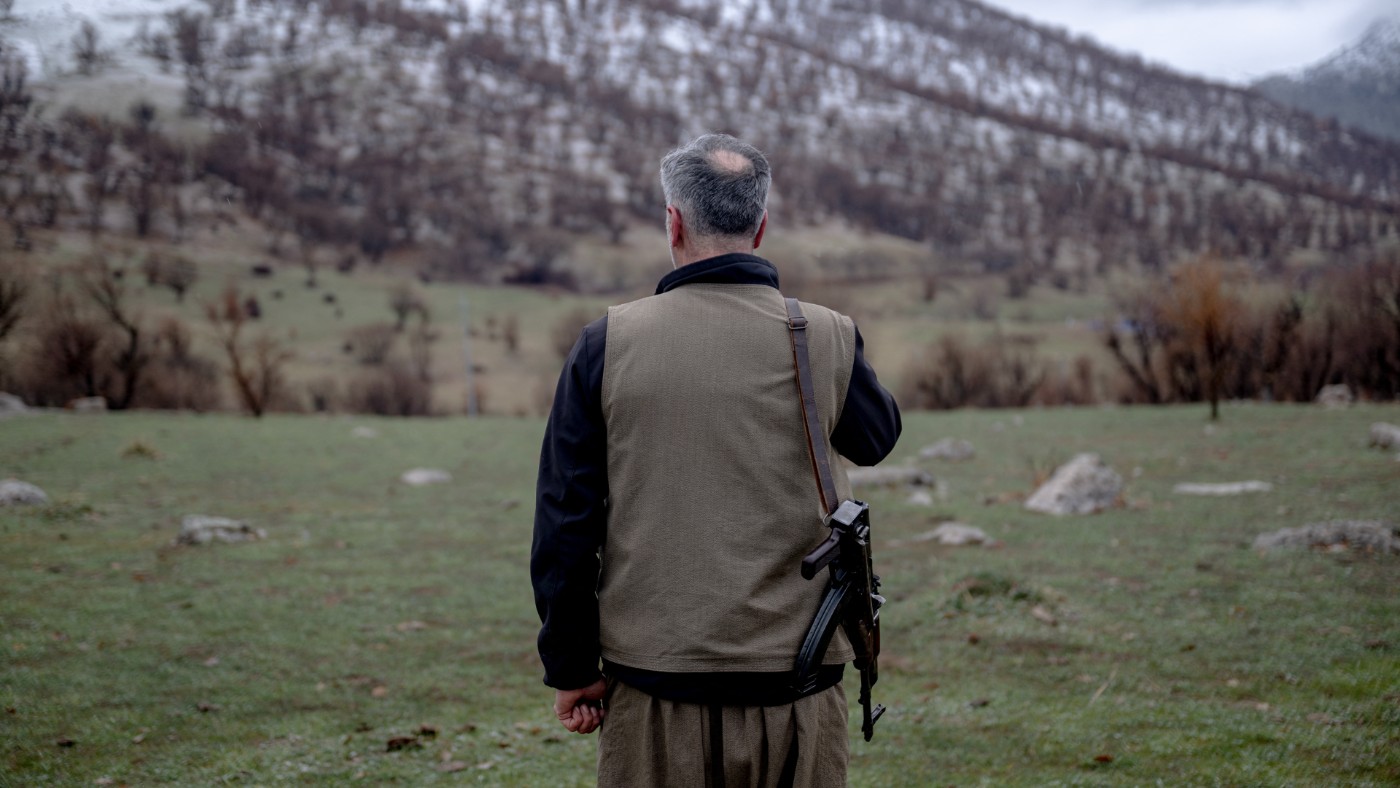
    In a landmark development for Syria’s protracted conflict, the Damascus government and the Syrian Democratic Forces (SDF) have finalized a comprehensive ceasefire agreement culminating in military and administrative integration. This resolution follows intense weeks of hostilities that significantly diminished the SDF’s territorial control.

    The accord mandates the deployment of Syrian interior ministry security forces to urban centers in Hasakah and Qamishli, northeastern cities presently under Kurdish-led administration. This strategic arrangement addresses immediate security concerns while facilitating administrative harmonization.

    The conflict’s recent phase has substantially reversed territorial gains made by the SDF since Syria’s civil war erupted in 2011, now largely constraining the group to Kurdish-majority regions. A central component of the integration plan involves establishing three new Syrian army brigades from existing SDF formations.

    The SDF, originally constituted in 2015 from primarily Kurdish People’s Protection Units (YPG) and allied Arab militias, played a pivotal role in combating Islamic State with substantial U.S. military support. However, the coalition’s aspirations for autonomous regional governance have been effectively neutralized through combined military pressure from Syrian government forces and shifting U.S. foreign policy priorities.

    The current Syrian administration, established following the overthrow of Bashar al-Assad in December 2024, has consistently opposed any devolution of power from Damascus. This agreement reinforces their centralization strategy while accommodating certain regional security realities. Complicating the dynamic, Turkey—a key government ally—maintains its designation of the YPG as inextricably linked to the Kurdistan Workers’ Party (PKK), which has waged an autonomy campaign against Turkish authorities since 1984.

  • What is Nipah virus? Symptoms, precautions explained

    What is Nipah virus? Symptoms, precautions explained

    The World Health Organization (WHO) has issued a risk assessment following India’s confirmation of two Nipah virus cases, determining the international transmission threat remains low. In an official statement released Friday, the global health body confirmed it does not advise implementing travel restrictions or trade limitations against India despite the recent infections.

    Nipah virus represents a zoonotic pathogen capable of transmission through multiple pathways: direct animal-to-human contact, consumption of contaminated food products, or human-to-human exposure. First identified during a 1998 outbreak among Malaysian pig farmers, the virus subsequently appeared in Singapore (1999) before emerging in India and Bangladesh approximately two years later. The Philippines documented cases in 2014, though Southeast Asia has remained outbreak-free in recent years. Conversely, Bangladesh has experienced near-annual outbreaks since 2001, while India continues reporting periodic cases, particularly in Kerala and West Bengal.

    Fruit bats from the Pteropodidae family serve as the virus’s natural reservoir, exhibiting asymptomatic carriage while contaminating fruits consumed by intermediate hosts including pigs, horses, and domestic animals. Human infection typically presents with non-specific influenza-like symptoms: fever, headache, respiratory distress, and generalized confusion. The disease frequently progresses to severe neurological complications including encephalitis (brain inflammation) and meningitis, with mortality rates ranging from 40-75% according to UK Health Security Agency estimates.

    Survivors often experience lasting neurological sequelae such as persistent seizures and personality alterations. Rare cases demonstrate viral reactivation months or years post-recovery. Currently, no approved vaccines or antiviral treatments exist, though WHO has designated Nipah as a priority pathogen within its Research and Development Blueprint, with several candidate products undergoing development.

    Healthcare providers must implement enhanced infection control protocols including patient isolation, contact/droplet precautions (medical masks, eye protection, gowns, gloves), and airborne precautions during aerosol-generating procedures. Similar protective measures are advised for animal handlers during slaughtering procedures. Early diagnosis through laboratory testing remains critical for implementing supportive care measures that can reduce mortality.

  • ‘No more orders’: UAE tailors overstretched weeks before Eid Al Fitr

    ‘No more orders’: UAE tailors overstretched weeks before Eid Al Fitr

    Tailoring establishments across the United Arab Emirates are displaying ‘No More Orders’ signs unusually early this season, indicating an unprecedented surge in demand for custom Eid Al Fitr garments. With approximately 50 days remaining until the holiday, many shops have already closed their order books due to overwhelming demand for intricate women’s festive wear.

    The early closure phenomenon stems from the complex nature of traditional Eid dresses, which require extensive craftsmanship including detailed embroidery, fabric manipulation, and multi-layer construction. Naseem Ahmed, proprietor of Al Musabba Fine Tailoring in Sharjah’s Rolla district, explains that sophisticated designs can consume three or more full days of skilled labor, with hand embroidery alone requiring over five days per garment.

    In Dubai’s Naif area, Diplomacy Tailors representative Nawaz Khan emphasizes that pattern creation, cutting, fitting, and finishing processes cannot be rushed without compromising quality. Many tailoring businesses have implemented proactive strategies, including contacting regular clients weeks in advance to secure orders before January 15th.

    The demand surge has extended to abaya retailers as well. Syed Ali, master cutter at Mirdif’s Abaya Mall, reports that designed Eid abayas with special embellishments now require ordering well before Ramadan. Some establishments have even initiated home visitation services for valued customers to accommodate their busy schedules.

    Multiple factors contribute to the early order closures: limited availability of skilled artisans, reduced working hours during Ramadan, and exceptionally high seasonal demand. Tailors unanimously agree that early order termination ensures quality preservation and prevents customer disappointment, as the intricate craftsmanship involved cannot be accelerated without compromising the final product’s excellence.

  • CCG conducts patrols around Huangyan Island and its surrounding waters

    CCG conducts patrols around Huangyan Island and its surrounding waters

    The China Coast Guard (CCG) has reinforced its maritime law enforcement operations throughout January in the waters surrounding Huangyan Island and adjacent areas, according to an official statement released Friday. The patrols represent China’s latest effort to assert territorial sovereignty and maintain maritime order in the region.

    The comprehensive operations have focused on regulating vessels engaged in unlawful activities and addressing provocations through strict legal channels. Beyond sovereignty enforcement, the CCG has simultaneously conducted search and rescue missions within China’s jurisdictional waters, successfully rescuing Filipino crew members during emergency operations.

    These dual-purpose patrols demonstrate China’s commitment to both territorial integrity and regional maritime safety. The coordinated efforts balance assertive sovereignty protection with humanitarian responsibilities, creating a multifaceted approach to maritime governance. The CCG’s statement emphasized that these operations would continue to safeguard national rights while promoting safety and order in the contested waters.

    The enhanced patrols occur amid ongoing regional tensions, though the CCG’s humanitarian actions highlight China’s dual role as both sovereignty enforcer and regional safety provider. This development represents the latest chapter in the complex maritime dynamics of the South China Sea region.

  • YRD demonstration zone seeks to advance concerted institutional reform and innovation

    YRD demonstration zone seeks to advance concerted institutional reform and innovation

    The Yangtze River Delta Ecological Green Integration Demonstration Zone is poised to intensify its institutional reform agenda throughout China’s 15th Five-Year Plan period (2026-2030), according to official statements from a Thursday government press conference. This strategic initiative aims to foster cross-regional collaboration through innovative policy frameworks and sustainable development practices.

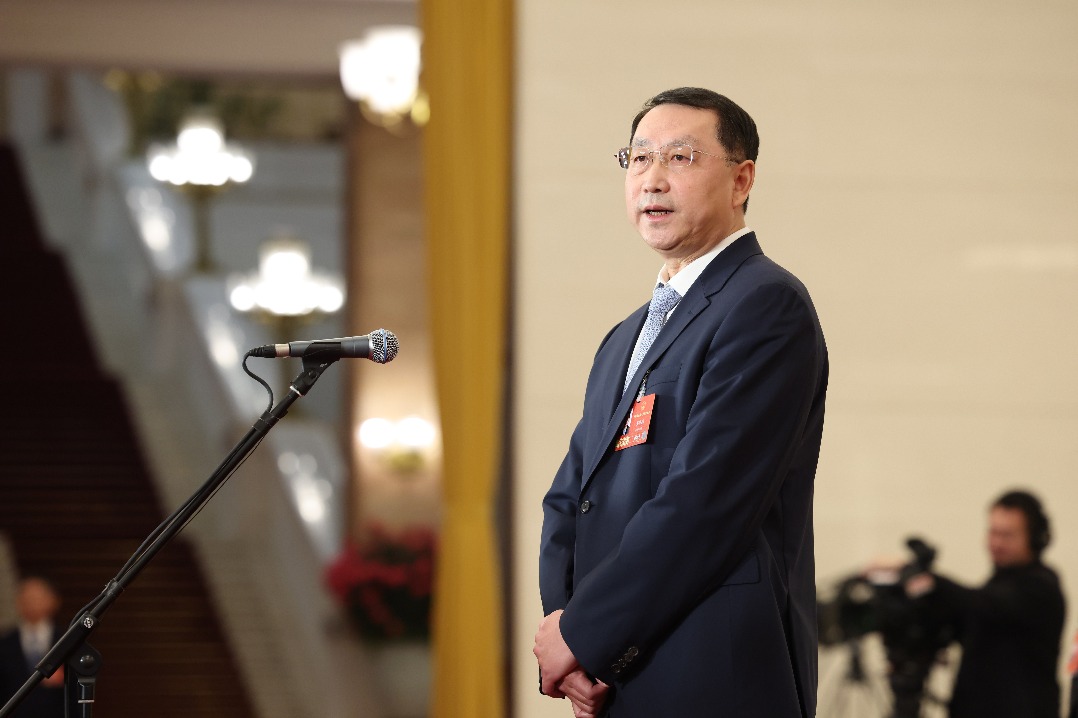
    Gu Jun, Director of Shanghai Municipal Development and Reform Commission and head of the zone’s executive committee, outlined the comprehensive roadmap emphasizing low-carbon transformation of traditional industries. The strategy includes establishing green industrial clusters and implementing carbon emission budgeting systems across key sectors. The zone will prioritize substantial development in next-generation information technology and green新材料 while actively planning for artificial intelligence and future energy advancements.

    A significant milestone was achieved on January 23 with official approval of a high-tech industrial development area within the demonstration zone. This designated area will concentrate on three strategic emerging industries: digital technologies, intelligent manufacturing, and green新材料, featuring corporate headquarters and green sci-tech innovation services.

    Major infrastructure projects are scheduled for deployment during the 15th Five-Year Plan period to support industrial transformation. These include Alibaba’s Yangtze River Delta intelligent computing base, China Mobile’s 5G data center for the region, and China Telecom’s computing center in Wujiang district.

    Established in 2019 across Qingpu district (Shanghai), Wujiang district (Suzhou, Jiangsu), and Jiashan county (Zhejiang), the demonstration zone has demonstrated remarkable economic performance. During the 14th Five-Year Plan period (2021-2025), the zone achieved an annual nominal GDP growth rate of 7.3%, reaching 571.6 billion yuan ($82.3 billion) in 2025.

    The zone’s innovation ecosystem has yielded significant results, with 161 institutional innovation measures developed over five years, including 61 replicated nationwide. In 2025 alone, nine new institutional innovations were released for national adoption while 15 innovative measures were promoted across the Yangtze River Delta region.

    High-tech enterprises have multiplied dramatically, growing to 3,713 by end-2025—a 2.4-fold increase since the zone’s inception. Cross-regional integration has deepened substantially, with over half of service contracts at Xiangfu Laboratory’s Jiashan facilities serving projects in Shanghai and Jiangsu.

    Complementing these efforts, a dedicated investment fund launched in October 2025 with an initial capitalization of 500 million yuan. According to Qu Wei, Deputy Head of Shanghai Municipal Commission of Science and Technology, this fund specifically targets green-low-carbon development and technological innovation projects.

  • Video series aims to show the beauty of Hebei

    Video series aims to show the beauty of Hebei

    A captivating video series showcasing the diverse allure of China’s Hebei province has been officially launched, offering a visually stunning exploration of the region’s natural and cultural treasures. Titled “Beautiful Hebei,” this ambitious multimedia project represents a collaborative effort spearheaded by the Hebei Photographers Association, which meticulously curated 198 exceptional photographs from extensive archives, specialized submissions, and targeted collections from prominent photographic institutions and artists.

    The comprehensive series is structured into eleven distinct episodes, each thoughtfully designed to highlight a different dimension of Hebei’s character. The collection opens with three installments dedicated to “Natural Beauty,” presenting the province’s dramatic topography through sweeping mountain ranges, pristine waterways, and lush forest ecosystems. This is followed by another thematic trilogy focusing on “Ecological Beauty,” documenting Hebei’s significant environmental initiatives and the successful integration of sustainable development within natural habitats.

    The final five episodes delve into “Humanistic Beauty,” offering a cultural odyssey through Hebei’s rich historical legacy. These segments explore iconic landmarks including the ancient Great Wall structures, the historic Grand Canal waterways, and traditional ceremonial practices that have been preserved through generations. The fourth installment, specifically highlighting ecological achievements, debuted concurrently with the announcement of the series’ launch.

    This visual journey aims to position Hebei as a destination of remarkable diversity, enhancing appreciation for a province that neighbors two of China’s major metropolitan areas while maintaining its distinct ecological and cultural identity. The project represents both an artistic achievement and a strategic promotion of regional tourism and cultural preservation.

  • Galeries Lafayette Dubai celebrates Ramadan with a curated market, designers’ pop-ups

    Galeries Lafayette Dubai celebrates Ramadan with a curated market, designers’ pop-ups

    Galeries Lafayette Dubai has inaugurated an exclusive Ramadan Market, transforming its retail space into a comprehensive cultural destination for the Holy Month. This meticulously curated seasonal experience combines contemporary design with traditional elements, offering visitors a unique blend of shopping and cultural immersion.

    The centerpiece of the celebration is the Ramadan Market, featuring an extensive collection of lifestyle products, artisanal jewelry, home décor, and specialty foods specifically selected for Ramadan and Eid festivities. The market serves as a one-stop destination for seasonal essentials, masterfully integrating modern creative expressions with cultural heritage.

    Enhancing the experiential dimension, the establishment will host rotating cultural activations every Friday and Saturday throughout Ramadan. These weekly events will include live oud performances, traditional henna artistry, Arabic calligraphy demonstrations, and various interactive cultural experiences designed to create a dynamic atmosphere.

    The fashion component showcases a dedicated pop-up space highlighting emerging regional designers including Arad Ghaderian, By Febe, Dalia Al Azem, and Roula Bahnam. Their collections feature modern interpretations of traditional attire, including contemporary kaftans, abayas, and modest wear designed for Ramadan occasions. International luxury brands such as Alice + Olivia, Bouguessa, and Forte Forte complement this offering with sophisticated seasonal collections.

    The beauty department has launched a specialized seasonal focus with premium fragrance and grooming collections from prestigious houses including Guerlain, Amouage, and Creed. Curated gift sets and limited-edition products position beauty as a central gifting category for the season.

    For home entertainment, Galeries Lafayette presents a selection of artisanal tableware and decorative items from regional designers like Sisal and Tohfa Luxe, alongside international brands TANAGRA and Villeroy & Boch. These collections feature culturally inspired pieces that blend traditional craftsmanship with modern design aesthetics, ideal for Ramadan hosting and celebrations.

    The comprehensive Ramadan experience will remain available throughout the Holy Month, offering visitors cultural engagement alongside premium shopping opportunities.