标签: Asia

亚洲

  • Award ceremony of healthcare security contest held in Shanghai

    Award ceremony of healthcare security contest held in Shanghai

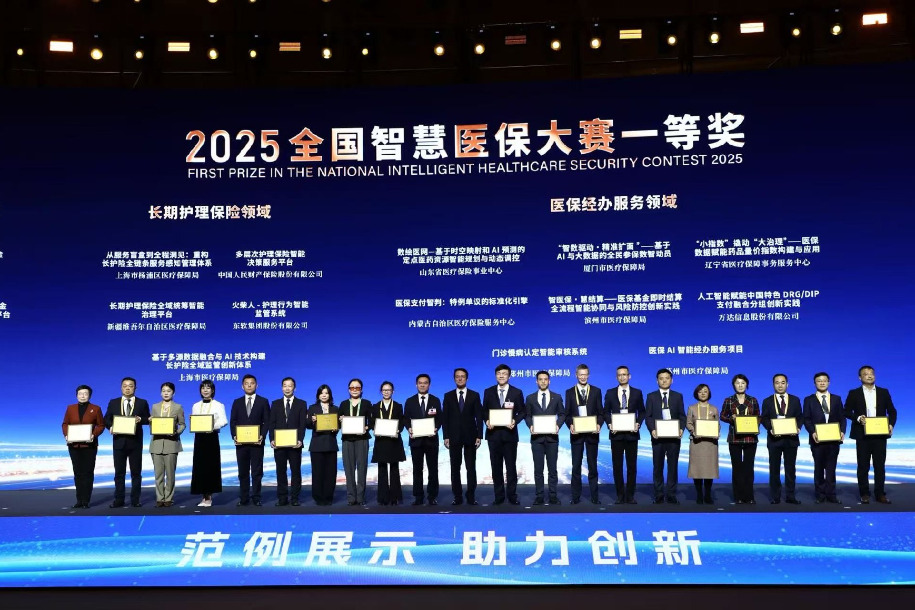
    Shanghai’s Pudong New Area served as the prestigious host for the 2025 National Intelligent Healthcare Security Contest awards ceremony on December 12, marking a significant milestone in China’s healthcare innovation landscape. The event celebrated exceptional achievements in leveraging next-generation information technology to revolutionize healthcare security systems and pharmaceutical industry advancements.

    The prestigious competition, a collaborative initiative between the National Healthcare Security Administration and the Shanghai Municipal Government, attracted nationwide participation with over 800 competing teams. The contest featured eleven distinct categories spanning innovative drug research, post-marketing real-world studies, comprehensive medical device evaluation, healthcare services, financial insurance, and platform economy applications.

    National Healthcare Security Administration Director Zhang Ke emphasized the competition’s remarkable success in attracting top-tier innovative talent across multiple sectors. “The contest has demonstrated the tremendous potential and broad prospects of healthcare security data in empowering various industries,” Zhang stated during his address. He further committed to ongoing exploration of high-value application scenarios for healthcare security data that align with public welfare needs, governance enhancement, technological innovation, and industrial development priorities.

    Shanghai Mayor Gong Zheng and Deputy Mayor Chen Yujian represented the municipal government’s strong support for healthcare security initiatives and data element development. Chen reaffirmed Shanghai’s commitment to facilitating compliant and orderly development of healthcare security data to empower multiple industries. “Shanghai will provide comprehensive transformation and validation services for outstanding projects emerging from this contest,” Chen announced, “ensuring these innovations achieve broader and faster implementation across the nation.

    The ceremony culminated with 178 teams receiving first, second, and third place awards for their groundbreaking contributions. Strategic cooperation intentions were immediately established between winning teams and major institutions including Bank of Shanghai, Zhangjiang Group, China Academy of Information and Communications Technology’s Industrial Internet Innocenter Shanghai, and China Telecom Quantum Group, ensuring practical implementation of these innovations.

  • At least 11 die in storm-hit Gaza from cold and collapsing buildings

    At least 11 die in storm-hit Gaza from cold and collapsing buildings

    A severe winter storm has compounded the humanitarian catastrophe in Gaza, resulting in at least 11 Palestinian fatalities within 24 hours due to exposure and structural collapses. The casualties include three young children who succumbed to hypothermia in separate incidents across the territory.

    In Gaza City, nine-year-old Hadeel Hamdan and an infant identified as Taim Khawaja perished from extreme cold on Friday. The previous day, eight-month-old Rahaf Abu Jazar died in Khan Younis after rainwater inundated her family’s makeshift tent during overnight storms.

    Structural failures claimed multiple lives as weakened buildings collapsed under the onslaught of torrential rains and powerful winds. Five individuals were killed when a compromised residence in Beit Lahia, northern Gaza, gave way. Two additional fatalities occurred when a wall collapsed onto displacement tents in Gaza City’s al-Rimal neighborhood, with another death reported in al-Shati refugee camp from similar circumstances.

    According to the Gaza-based Government Media Office, approximately 13 structures—previously damaged by Israeli bombardment—completely collapsed during the storm. Rescue operations continue for those trapped beneath rubble, with numerous injuries reported.

    The storm’s impact has been devastating for Gaza’s displaced population, with over 27,000 tents destroyed or washed away by floods. More than 250,000 displaced persons have been affected by shelter failures and extreme weather conditions. Civil defense teams have responded to over 4,300 distress calls across the territory despite severely limited resources.

    This crisis unfolds against the backdrop of Israel’s blockade of humanitarian shelter materials, violating October’s ceasefire agreement that mandated the entry of 300,000 tents and mobile homes. With approximately 92% of residential buildings damaged or destroyed after two years of bombing, nearly 1.5 million Gazans currently reside in temporary tents while another 700,000 occupy partially destroyed structures.

    Humanitarian organizations had previously warned of catastrophic consequences if adequate shelter wasn’t permitted into Gaza before winter conditions intensified.

  • Influenza rate still high despite downward trend in some regions

    Influenza rate still high despite downward trend in some regions

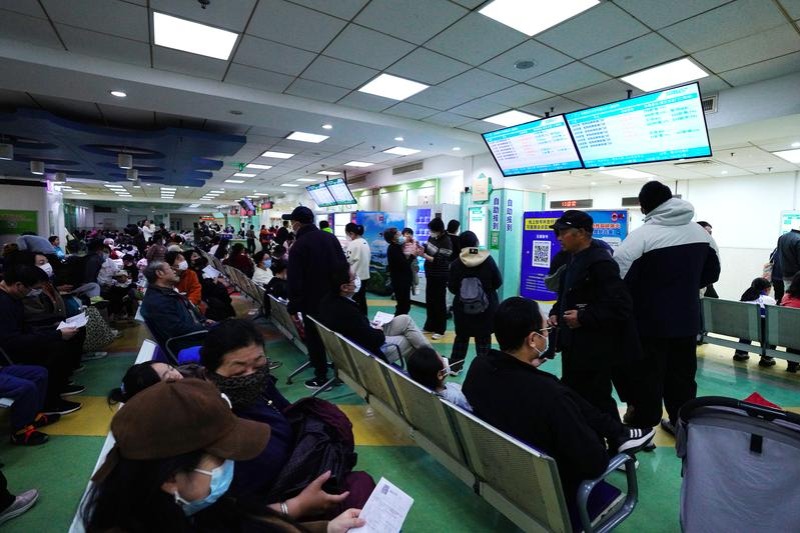
    China continues to experience heightened influenza transmission nationwide despite emerging regional declines, according to the latest surveillance report from the Chinese Center for Disease Control and Prevention (China CDC). The epidemiological update, released Thursday, indicates respiratory illnesses remain prevalent during the current high-infection season.

    While northeastern, central, and northwestern provinces show decreasing influenza activity, eastern, southern, and southwestern regions report escalating case numbers. The national data reveals an overall increase in positive influenza test rates during December’s first week, suggesting persistent viral circulation.

    Educational institutions have witnessed a gradual reduction in outbreak clusters, though the CDC emphasizes continued vigilance. The agency specifically urges childcare facilities, schools, and elderly care homes to implement rigorous health monitoring and rapid response protocols to mitigate cluster infection risks.

    Vaccination remains the primary defense strategy, with health authorities recommending influenza shots for all individuals over six months without contraindications. Priority groups include healthcare personnel, seniors aged 60+, preschool and school-aged children, and chronic disease patients.

    The CDC further advises mask-wearing in healthcare settings, crowded areas, and public transportation—particularly for elderly and chronically ill individuals. Maintaining hygienic practices, balanced nutrition, adequate exercise, and sufficient rest constitute essential preventive measures. Symptomatic individuals should wear masks promptly and seek medical attention to prevent community transmission.

  • China to host 33rd APEC Economic Leaders’ Meeting in Nov

    China to host 33rd APEC Economic Leaders’ Meeting in Nov

    China has formally announced its ambitious roadmap for the 2026 APEC chairmanship, designating Shenzhen as the host city for the premier 33rd APEC Economic Leaders’ Meeting scheduled for November 18-19. The revelation came during Friday’s Foreign Ministry briefing where spokesman Guo Jiakun outlined China’s extensive plans for its leadership year.

    The coastal metropolis of Shenzhen, renowned as China’s technological innovation hub, will welcome leaders from across the Asia-Pacific region for the flagship event. China’s APEC agenda encompasses approximately 300 events spanning multiple cities throughout 2026, representing one of the most comprehensive hosting schedules in the forum’s history.

    Beyond the Leaders’ Meeting, China will convene the APEC CEO Summit and joint ministerial meetings involving foreign and trade ministers. Three Senior Officials’ Meetings are scheduled for February in Guangzhou, May in Shanghai, and August in Dalian, creating a continuous engagement framework throughout the year.

    Starting May 2026, China will host approximately 10 ministerial-level gatherings addressing critical areas including digital economy transformation, sustainable trade practices, transportation infrastructure, tourism development, human resources optimization, SME support mechanisms, energy security, food sustainability, financial cooperation, and women’s economic participation.

    China has introduced “Building an Asia-Pacific Community to Prosper Together” as the official theme for its APEC chairmanship, a concept that received unanimous endorsement during the recent Informal Senior Officials’ Meeting. The thematic framework prioritizes three core pillars: enhanced regional openness, technological innovation, and deepened cooperative mechanisms—elements that align with member economies’ strategic priorities and development objectives.

    This comprehensive approach demonstrates China’s commitment to revitalizing APEC’s role in addressing contemporary economic challenges while fostering inclusive growth across the Asia-Pacific region.

  • Chinese scientists discover how Earth’s deep mantle water made planet habitable

    Chinese scientists discover how Earth’s deep mantle water made planet habitable

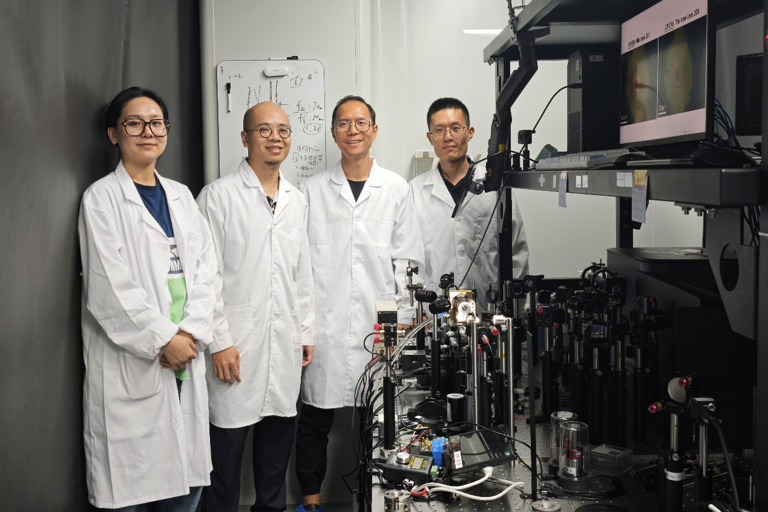
    A groundbreaking study conducted by Chinese scientists has fundamentally altered our understanding of how Earth transformed from a primordial magma ocean into a habitable blue planet. Researchers from the Guangzhou Institute of Geochemistry, Chinese Academy of Sciences, have experimentally demonstrated that the planet’s deep mantle served as a massive water reservoir during its formative stages approximately four billion years ago.

    The research, published in the prestigious journal Science on December 12, 2025, addresses a long-standing geological mystery: what happened to Earth’s water during the crystallization of its early magma oceans. The scientific community had previously struggled to explain where this crucial water was stored during the planet’s infancy.

    The key discovery centers on bridgmanite, the predominant mineral in Earth’s lower mantle. Contrary to established scientific belief that this mineral had limited water storage capacity, the Chinese research team discovered that bridgmanite possesses a remarkable temperature-dependent ability to trap water molecules. Using advanced diamond anvil cell technology combined with laser heating systems, the scientists replicated the extreme conditions of the lower mantle—achieving pressures equivalent to depths of 660-2,900 kilometers and temperatures reaching approximately 4,100 degrees Celsius.

    The experiments revealed a surprising paradox: the hotter the environment, the more efficiently bridgmanite captures and retains water during its formation from cooling magma. This temperature-sensitive storage mechanism suggests that during Earth’s early history, when the planet was substantially hotter, bridgmanite could have sequestered enormous volumes of water equivalent to between 0.08 and 1.0 times the volume of all modern oceans combined.

    This primordial water reservoir, locked within the solid mantle for eons, has been gradually cycling back to the surface through volcanic activities over geological timescales. This gradual release played a crucial role in creating Earth’s oceans and establishing the hydrological conditions necessary for life to emerge and flourish. The research provides a comprehensive explanation for Earth’s transformation from a fiery, inhospitable world to the life-sustaining planet we know today.

  • World Insights: How global readers understand Chinese modernization via new volume of ‘Xi Jinping: The Governance of China’

    World Insights: How global readers understand Chinese modernization via new volume of ‘Xi Jinping: The Governance of China’

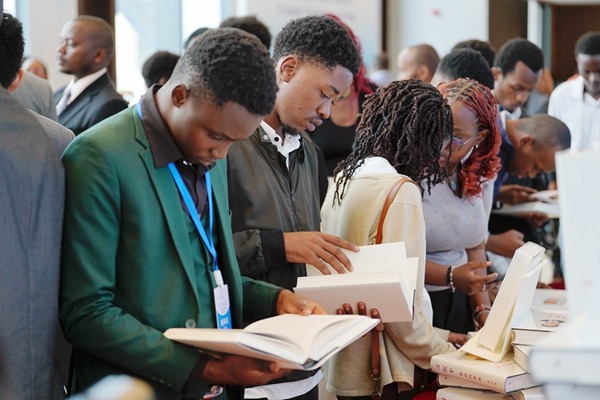
    NAIROBI – International scholars and political figures gathered in Kenya’s capital this month for a symposium examining the English edition of the fifth volume of “Xi Jinping: The Governance of China,” with attendees hailing the publication as both a theoretical framework for socioeconomic transformation and a practical guide to understanding China’s development model.

    The December event attracted approximately 200 participants who engaged in detailed analysis of the compilation, which contains 91 works by President Xi Jinping across 18 thematic areas spanning from May 2022 to December 2024. The collection includes reports, speeches, talks, addresses, articles, and instructions that collectively provide unprecedented insight into China’s governance approach.

    Hassan Omar Hassan, Secretary-General of Kenya’s United Democratic Alliance, characterized the volume as “an extraordinary foundation” for socioeconomic transformation based on “an experiment on governance that actually worked.” He suggested the Chinese model presented in the text offers “a template that many countries can adapt into their national contexts.”

    Academic perspectives highlighted the theoretical contributions of the work. Luis Paulino, Professor at São Paulo State University, noted the volume represents China’s “development of Marxist theory” while characterizing Chinese Communists under Xi’s leadership as “the most creative practitioners of Marxist theory.”

    Helga Zepp-LaRouche, Chairperson of Germany’s Schiller Institute, identified the Communist Party’s distinctive approach as its “adherence to integrating the basic principles of Marxism with China’s specific realities and with the fine traditional Chinese culture.”

    Several analysts pointed to the practical applications of China’s development experience. Colin Cruywagen, a senior official in South Africa’s Presidency for Planning, Monitoring and Evaluation, observed that Xi’s works demonstrate “consistent, systematic and forward-looking nature of China’s policies and concepts” that help explain the country’s maintained growth momentum despite complex international conditions.

    Asian perspectives emphasized the volume’s relevance to regional development. Wirun Phichaiwongphakdee, Director of Thailand’s China Research Center for the Belt and Road Initiative, described the book as containing “valuable experience gained from the practice of 1.4 billion people” while noting China’s actions in pursuing “common interests of all humankind” amid global challenges.

    The symposium also examined China’s recent Global Governance Initiative (GGI) proposed by Xi during the Shanghai Cooperation Organization Tianjin Summit in September. Robert Lawrence Kuhn, Chairman of the Kuhn Foundation, characterized China’s global initiatives – including GGI, Global Development Initiative, Global Security Initiative, and Global Civilization Initiative – as “a complete architecture that embodies Xi’s vision of building a community with a shared future for humanity.”

    Italian analyst Vito Petrocelli, President of the Italy BRICS Institute, noted that China-proposed initiatives advocate for “a more inclusive international system through dialogue, cooperation and mutual benefit,” bringing diverse perspectives into global governance structures.

    Marta Montoro, Vice Chairwoman of Spain’s Catedra China Foundation, concluded that China now plays “a key role in global governance” by promoting “a fair, stable, just, and sustainable international system” that offers humanity the possibility of collective progress.

  • Oscar-nominated documentary ‘Black Box Diaries’ has delayed premiere in Japan after legal issues

    Oscar-nominated documentary ‘Black Box Diaries’ has delayed premiere in Japan after legal issues

    TOKYO — After achieving international acclaim and an Oscar nomination, Shiori Ito’s groundbreaking documentary “Black Box Diaries” finally premiered in Japan on Friday, marking a significant moment for the country’s #MeToo movement. The film, which chronicles Ito’s personal journey investigating her own sexual assault case and the systemic barriers to justice, debuted at Tokyo’s T. Joy Prince Shinagawa theater to a capacity audience.

    The 102-minute documentary represents the first Oscar-nominated documentary feature by a Japanese director. Based on Ito’s 2017 book “Black Box,” the film provides an intimate look at her experience as an intern in 2015, when she alleges senior journalist Noriyuki Yamaguchi raped her after she became incapacitated during dinner. The film documents her years-long legal battle, including police resistance to investigate, the sudden cancellation of a planned arrest, and her eventual civil victory in 2022 when the Supreme Court ruled she was forced into non-consensual sex and ordered Yamaguchi to pay damages.

    Despite international recognition, the domestic release faced significant delays due to legal disputes over Ito’s use of interviews and footage without full consent from all parties. Critics, including some of Ito’s former lawyers, raised concerns about privacy violations potentially hindering future sexual assault cases. In response, Ito has edited the film to protect identities while maintaining essential evidence she believes serves the public good.

    The premiere comes amid gradual legal reforms in Japan, including the 2023 revision of the country’s century-old sexual offense laws, which provide greater victim protections and stricter punishments for perpetrators. Audience members, including sexual abuse survivors, expressed hope that the film would encourage broader societal dialogue and change in a country where victims have traditionally been stigmatized and silenced.

  • More overseas talents return to China for entrepreneurship

    More overseas talents return to China for entrepreneurship

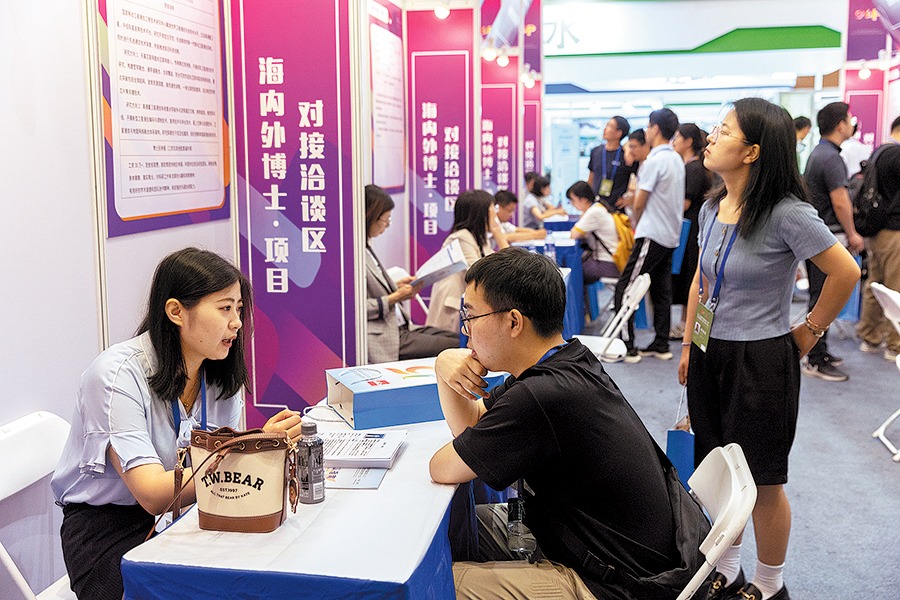
    China is experiencing a significant reverse brain drain phenomenon, with nearly half a million overseas talents returning home in 2025 according to official data released by the Ministry of Education. The latest figures show 495,000 returnees last year, marking a substantial 19.1% increase of 79,400 professionals compared to 2023 statistics.

    The announcement came during the 30th anniversary commemoration of the ‘Chunhui’ platform in Shanghai, a specialized government initiative designed to support innovation and entrepreneurship among Chinese nationals abroad. Historical data reveals an impressive longitudinal trend: from 1978 through 2024, China has seen 8.88 million students pursue education overseas, with approximately 6.44 million ultimately choosing to return home for career development.

    The ‘Chunhui’ platform has evolved into a critical infrastructure piece for integrating educational advancement, talent cultivation, and technological innovation. During the anniversary event, ministry officials unveiled numerous breakthrough achievements in innovation and entrepreneurship from returning talents. The ceremony also marked the launch of the ‘Chunhui Initiative,’ an expanded partnership network承诺 to deliver more efficient and sustainable support systems for returnees.

    A compelling success story emerged from Wu Yuxin, a 26-year-old master’s degree holder from the United States who has revolutionized traditional Chinese instrument culture. As an inheritor of the nearly lost gehu (Chinese bass string instrument), Wu leveraged the Chunhui platform to access government support and diverse resources after his return. His groundbreaking work led to the development of the Gehu Model 126, which recently earned the prestigious Red Dot Award: Design Concept 2025, effectively revitalizing and modernizing an instrument that had faded from use since the 1980s.

    Now serving as head of R&D reform at Shanghai Traditional Musical Instrument No 1 Factory Co Ltd, Wu is passionately introducing the gehu to global audiences. ‘As an overseas student, I never anticipated such a comprehensive platform to support my passion and entrepreneurship,’ Wu remarked. ‘This system genuinely convinced me that returning home to start my business and pursue my career was the right decision.’

    The growing return trend underscores China’s strengthening innovation ecosystem and its strategic focus on recapturing human capital invested in global education systems.

  • Danish intelligence report warns of US military threat under Trump

    Danish intelligence report warns of US military threat under Trump

    COPENHAGEN (AP) — Denmark’s Defense Intelligence Service has issued a stark assessment of shifting global power dynamics in its latest annual report, highlighting the United States’ increasingly assertive use of economic leverage and military threats under the Trump administration. The comprehensive analysis details how Washington’s unilateral approach is reshaping international relations with both allies and adversaries.

    The report identifies growing great power competition in the Arctic as particularly concerning for Denmark, a NATO and EU member. This regional tension has intensified since President Trump expressed interest in acquiring Greenland, Denmark’s mineral-rich semi-autonomous territory—a proposition strongly opposed by Russia and European nations. The assessment notes that Russia is simultaneously strengthening its military capabilities in response to NATO’s Arctic activities.

    This analysis aligns with the Trump administration’s recently released national security strategy, which characterizes European allies as weak while emphasizing America’s renewed dominance in the Western Hemisphere. The Danish intelligence service observes that this approach has created uncertainty among global partners, with many nations now considering strategic agreements with China as a viable alternative to American partnerships.

    The report further notes that the United States has demonstrated willingness to employ military force against allies, citing Trump’s refusal to rule out military action in Greenland despite the existing U.S. military presence there. Additionally, the administration’s deadly strikes against alleged drug-smuggling vessels in the Caribbean and Pacific have raised concerns about adherence to international law.

    This strategic shift has created opportunities for regional powers to maneuver between American and Chinese influence, fundamentally altering the global balance of power and challenging Western hegemony.

  • Yanshiping, Xizang’s highest railway station, begins service

    Yanshiping, Xizang’s highest railway station, begins service

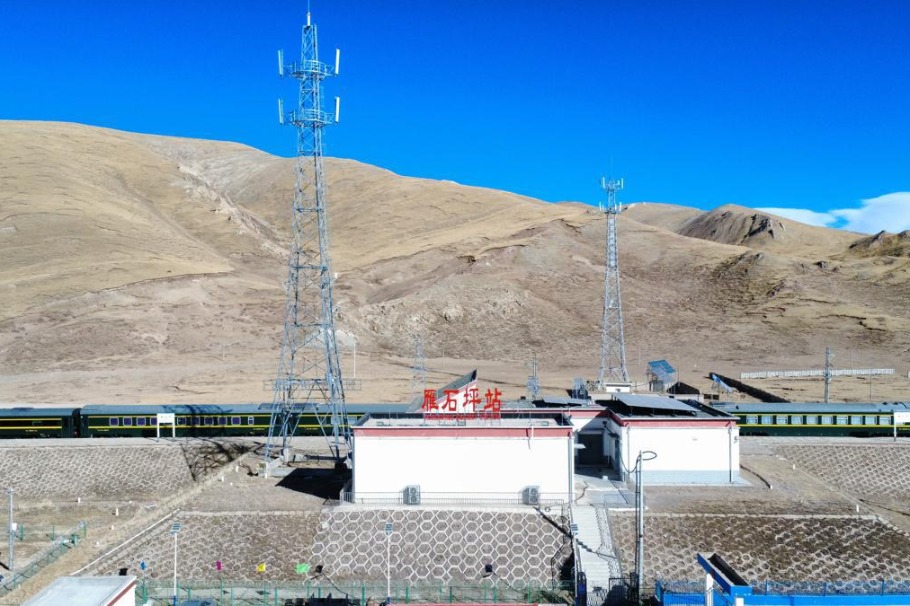
    In a landmark achievement for high-altitude railway infrastructure, Yanshiping Passenger Station officially commenced operations on Thursday in China’s Xizang Autonomous Region. Situated in Amdo County at a breathtaking elevation of 4,721 meters above sea level, the station now holds the distinction of being the highest-altitude passenger facility along the entire Qinghai-Xizang Railway network.

    The historic inaugural service commenced at 11:00 AM local time with train Z9817 departing with more than fifty passengers aboard. This momentous event marked the activation of a station that had remained dormant since the original Qinghai-Xizang Railway line became operational in 2006, representing a significant expansion of passenger services in the region.

    Yanshiping Station surpasses the previous high-altitude record holders along the railway corridor, namely Tuotuo River and Budongquan stations, both located along the critical Golmud-Lhasa section. The station’s activation demonstrates remarkable engineering prowess in overcoming extreme environmental challenges, including thin oxygen conditions and harsh weather patterns characteristic of high-altitude installations.

    The development signifies substantial progress in enhancing transportation accessibility for remote communities in the Tibetan Plateau region. By providing reliable rail connectivity at unprecedented altitudes, the new station facilitates improved mobility for local residents while potentially creating new opportunities for regional economic development and tourism infrastructure growth.

    Railway authorities have implemented specialized systems to ensure passenger safety and comfort given the extreme elevation, including oxygen supplementation facilities and emergency medical support capabilities. The station’s operational protocols have been specifically designed to address the unique challenges presented by its high-mountain environment.