标签: Asia

亚洲

  • The Datong Code EP.2 | Intangible cultural heritage micro-drama series | PKU presents

    The Datong Code EP.2 | Intangible cultural heritage micro-drama series | PKU presents

    Peking University has unveiled the second episode of its groundbreaking micro-drama series “The Datong Code,” creating an innovative fusion of cultural heritage preservation and digital storytelling. The production follows protagonist Kai (portrayed by Abdelquoddousse Kailil from PKU School of Chinese as a Second Language) as he navigates a mysterious world where losing means permanent disappearance.

    In this latest installment, Kai mistakenly identifies a discovered element as Fire, only to learn that the universe of The Datong Code operates under its own distinct rules. Guided by Yuwen (played by Hou Shuyue from PKU School of Journalism and Communication) while evading pursuit by enigmatic hunters, Kai’s journey leads him to an extraordinary encounter with Guangling paper-cutting artistry.

    The narrative strategically introduces Master Artisan Zhang Duotang, the representative inheritor of this ancient technique. Guangling paper-cutting holds prestigious recognition as part of Chinese paper-cutting, which UNESCO has designated as an item of Intangible Cultural Heritage. The episode creatively explores the ambiguous nature of this art form—challenging characters and viewers alike to determine whether it constitutes painting, sculpture, or something entirely unique within the artistic spectrum.

    The production masterfully incorporates suspenseful elements, emphasizing how a single touch could irrevocably alter the course of events. This approach not only maintains dramatic tension but also symbolically represents the fragile nature of cultural preservation—where each action carries significant consequences for heritage conservation.

    Peking University’s initiative represents a pioneering approach to cultural education, utilizing digital media to engage global audiences with China’s rich intangible cultural heritage. By embedding authentic cultural elements within an accessible narrative framework, the series demonstrates how academic institutions can innovatively contribute to heritage preservation and cross-cultural understanding.

  • Olympic cyclist who ran over wife under fire over Porsche post

    Olympic cyclist who ran over wife under fire over Porsche post

    Former Olympic cyclist Rohan Dennis has drawn severe criticism from victim advocacy groups for a social media post featuring a Porsche described as an “absolute weapon,” just over a year after receiving a suspended sentence for his role in the death of his wife, fellow Olympian Melissa Hoskins.

    The controversial Instagram post, showing a freshly cleaned black Porsche with the caption “What an absolute weapon,” appeared on Dennis’ account despite his current driving ban. South Australia’s Victims’ Rights Commissioner Sarah Quick condemned the post as “deeply offensive” and demonstrating “a clear lack of insight into the real and lasting impact” of his actions.

    The incident occurred in December 2023 outside the couple’s Adelaide home following an argument about kitchen renovations. Court proceedings revealed that Dennis entered his vehicle to depart during the dispute, prompting Hoskins to jump onto the bonnet and later cling to the car door as Dennis continued driving. She subsequently fell and was struck by the vehicle, sustaining fatal injuries.

    Although initially facing more serious charges of dangerous driving causing death, Dennis ultimately pleaded guilty to the lesser charge of creating the likelihood of harm. Judge Ian Press acknowledged Dennis’ remorse and sense of responsibility while noting his attempt to de-escalate the argument by driving away didn’t excuse continuing to operate the vehicle with his wife positioned dangerously.

    Dennis received a 17-month suspended sentence with no criminal conviction recorded for Hoskins’ death. The court recognized that the champion cyclist wasn’t criminally responsible for her death but had disregarded her safety.

    Following media coverage of the Porsche post, Dennis made additional social media content describing his children as “absolute weapons” and criticizing journalists seeking comment. His Instagram account had remained largely inactive since the tragedy, with the last family photo posted just days before the fatal incident.

    Both athletes had distinguished cycling careers—Hoskins as a 2015 world champion in team pursuit and two-time Olympian, while Dennis earned Olympic silver and bronze medals across multiple Games before retiring at the end of the 2023 season.

  • Iran’s nuclear materials and equipment by no means ‘obliterated’

    Iran’s nuclear materials and equipment by no means ‘obliterated’

    Despite President Trump’s declaration that military strikes had ‘completely obliterated’ Iran’s nuclear capabilities, emerging evidence suggests Tehran’s enriched uranium stockpiles remain largely intact within fortified underground facilities. The ongoing conflict has created a precarious nuclear standoff with no clear resolution strategy from the administration.

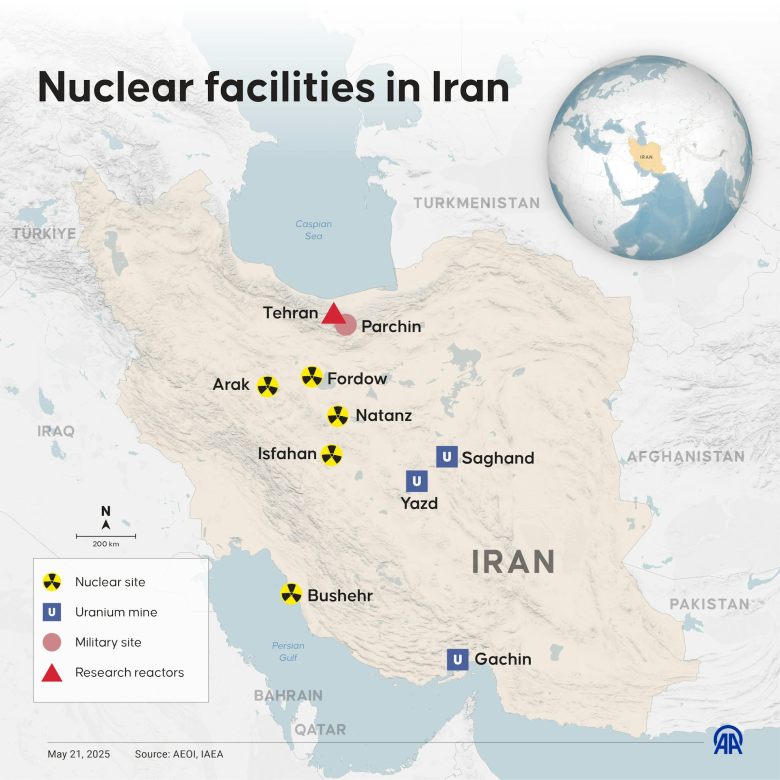
    According to intelligence assessments, approximately 441 kilograms of 60% enriched uranium—material capable of weapons conversion—survived the June 2025 bombings. These critical stockpiles are believed to be secured within deep tunnel networks near Isfahan, the Pickaxe Mountain facility at Natanz, and the previously targeted Fordow site. Military officials acknowledge the practical impossibility of destroying these deeply buried facilities using conventional bunker-buster munitions.

    The survival of these materials presents multiple security dilemmas: Iran could potentially weaponize existing stocks within weeks, unauthorized transfers could occur during governmental instability, or terrorist organizations might eventually access the materials. The situation echoes post-Soviet collapse concerns regarding loose nuclear materials.

    Options for addressing the threat range from diplomatic engagement to high-risk military operations. Cooperative removal, similar to Project Sapphire’s 1994 operation in Kazakhstan, remains theoretically possible but politically challenging. Alternatively, special forces operations could attempt secure or disable the materials, though defense experts warn such missions would be ‘very perilous’ and require substantial military commitment.

    Complicating matters further, Iran maintains additional nuclear assets including 6 tons of 5% enriched uranium, centrifuge arrays, weapons design documentation, and scientific expertise—all essentially immune to aerial bombardment. The persistence of these capabilities suggests the military campaign may have inadvertently strengthened Iran’s determination to pursue nuclear weapons while failing to eliminate the fundamental threat.

    The current impasse highlights the limitations of military solutions against distributed nuclear programs. Many experts argue that durable security ultimately requires diplomatic frameworks similar to the 2015 JCPOA agreement, which the Trump administration abandoned in 2018. The ongoing conflict has likely diminished prospects for such diplomatic solutions for the foreseeable future, creating enduring nuclear security challenges in the region.

  • Indonesia detains four soldiers over acid attack on activist

    Indonesia detains four soldiers over acid attack on activist

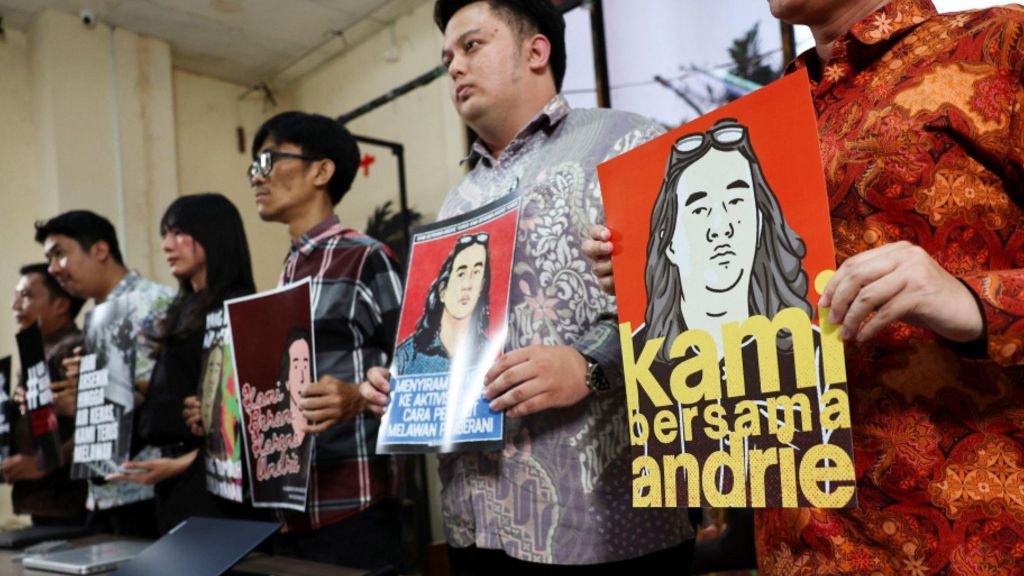
    Indonesian military authorities have taken four intelligence personnel into custody following their alleged involvement in a brutal acid assault on prominent human rights advocate Andrie Yunus. The attack occurred last week when two assailants on a motorcycle doused Yunus with corrosive liquid while he was riding his motorcycle in Jakarta.

    Yunus, a leading investigator with KontraS (Commission for the Disappeared and Victims of Violence), sustained severe chemical burns covering approximately 20% of his body, including his hands, facial area, chest region, and eyes. The assault transpired shortly after Yunus had recorded a podcast discussing the military’s expanding influence within Indonesia’s political landscape.

    The incident has triggered widespread condemnation from international human rights organizations and domestic civil society groups. Volker Türk, the United Nations High Commissioner for Human Rights, expressed profound concern regarding the attack, while KontraS characterized it as a deliberate attempt to suppress critical voices against military overreach.

    Military Police Commander Yusri Nuryanto confirmed that investigations are underway to establish the precise motive behind the assault. The detained soldiers belong to military intelligence units, raising serious questions about institutional accountability.

    Human rights organizations have documented that Yunus had received multiple threatening communications from unidentified sources in the days preceding the attack. The Civil Society Coalition, an umbrella organization representing various rights groups, revealed that Yunus had been investigating authorities’ handling of violent anti-government demonstrations that occurred last year.

    President Prabowo Subianto, a former military general, faces mounting pressure to authorize an independent probe into the incident. While the president has not personally addressed these demands, his spokesperson announced on Tuesday that Subianto has mandated an “objective, transparent, and expedited investigation” into the matter.

    This attack highlights ongoing concerns about the safety of activists in Indonesia, where rights defenders have repeatedly reported intimidation tactics including threatening messages, animal carcasses, and incendiary devices directed at those criticizing government policies.

  • Overnight storm in Pakistan’s largest city, Karachi, kills at least 15 people and injures several

    Overnight storm in Pakistan’s largest city, Karachi, kills at least 15 people and injures several

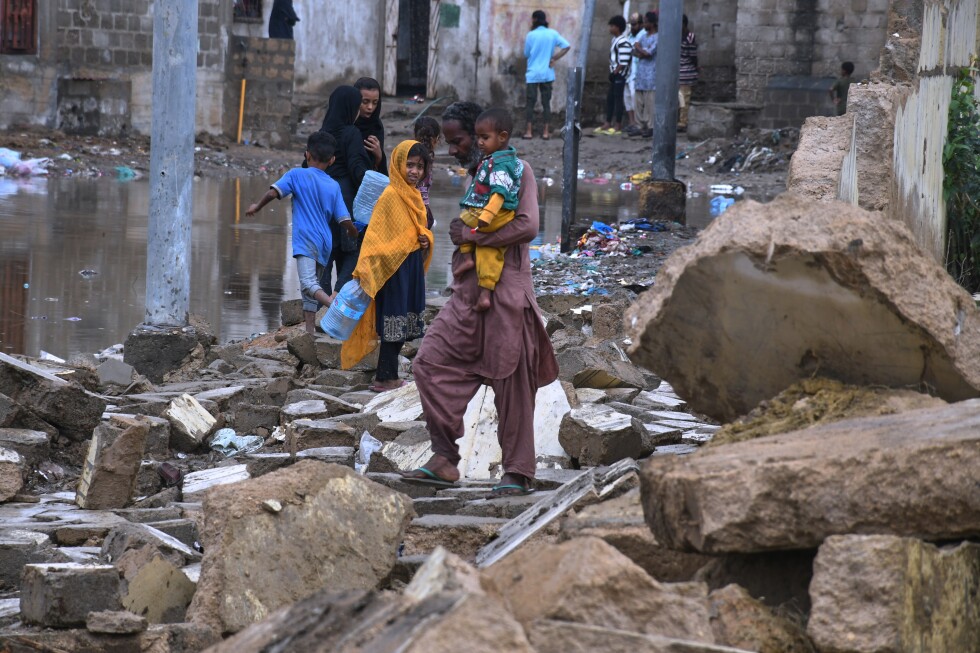
    A severe weather system pummeled Pakistan’s port metropolis of Karachi overnight, resulting in significant casualties and widespread disruption. Emergency services confirmed a death toll of at least 15 individuals, with more than two dozen others sustaining injuries, following a night of torrential rains and destructive winds exceeding 90 kilometers per hour (56 mph).

    The tempest, which commenced on Wednesday and persisted through the night, triggered multiple structural failures across the city. Officials reported that the fatalities and injuries were primarily caused by the collapse of residential walls and roofs under the force of the storm. The main city hospital received numerous casualties as the emergency response was activated.

    Beyond the human toll, the powerful winds wreaked havoc on urban infrastructure. Countless roadside trees were uprooted, blocking major thoroughfares and bringing traffic to a standstill. Municipal crews, under the direction of Karachi Mayor Murtaza Wahab, initiated large-scale clearance operations to restore access. Authorities issued repeated advisories, urging the city’s millions of residents to remain indoors and avoid all non-essential travel to facilitate rescue efforts and prevent further accidents.

    The Pakistan Meteorological Department attributed the extreme conditions to a westerly weather system moving across the southern region. Forecasters have issued further warnings, predicting continued rain and thunderstorms with strong gusts and potential isolated hailstorms for Karachi and surrounding areas of Sindh province. Similar severe weather was also reported impacting other regions across the nation, indicating a widespread climatic event.

  • Philippines beats Uzbekistan 2-0 in an Asian playoff to secure a Women’s World Cup spot

    Philippines beats Uzbekistan 2-0 in an Asian playoff to secure a Women’s World Cup spot

    In a historic breakthrough for Philippine football, the women’s national team secured qualification for the 2027 FIFA Women’s World Cup with a decisive 2-0 playoff victory against Uzbekistan at the Gold Coast on Thursday. The monumental achievement came during the Women’s Asian Cup playoffs, where two final World Cup slots were contested.

    The match remained scoreless throughout the first half despite the Philippines generating nine scoring opportunities. The breakthrough arrived dramatically just two minutes after the restart when defender Angela Beard timed her run perfectly to volley home a soaring cross from close range. The momentum continued as midfielder Jaclyn Sawicki extended the lead in the 52nd minute with a clinical header, sealing the historic qualification.

    This victory marks the Philippines’ successful navigation through the Asian Cup’s complex qualification structure, where six teams earned World Cup berths. Four nations—Australia, Japan, China, and South Korea—had previously secured qualification as quarterfinal winners, while the remaining two spots were determined through Thursday’s playoff matches.

    In tournament developments, host Australia and two-time champion Japan advanced to the championship final following impressive semifinal performances. Japan dominated South Korea with a 4-1 victory on Wednesday, featuring goals from Riko Ueki, Maika Hamano, Saki Kumagai, and Remina Chiba. Australia edged defending champion China 2-1 in their semifinal clash, setting up a highly anticipated final showdown at Sydney’s Stadium Australia on Saturday.

  • Israel unleashes war on energy production and new Gulf fury at Iran

    Israel unleashes war on energy production and new Gulf fury at Iran

    In a significant escalation of regional hostilities, Iran launched ballistic missile attacks targeting Saudi Arabia’s capital Riyadh and a critical natural gas facility in Qatar on Wednesday. The offensive occurred during a high-level meeting of Arab and Muslim diplomats in the Saudi capital, dramatically underscoring the expanding conflict.

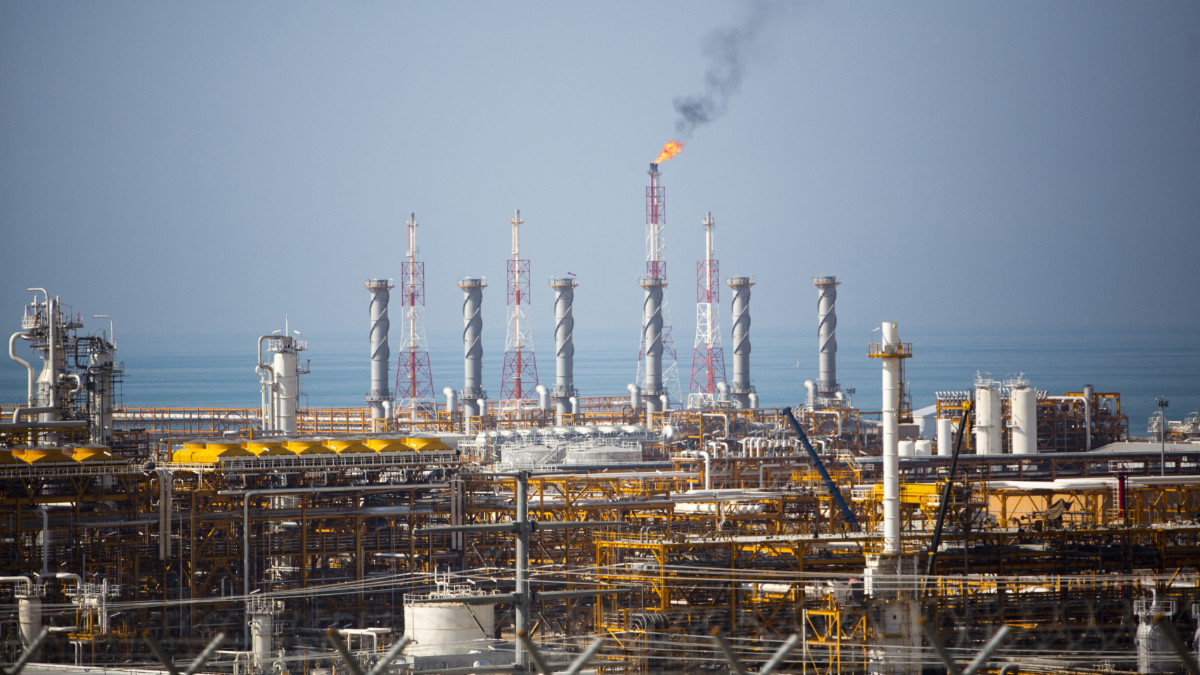
    The Iranian strikes represent direct retaliation for Israel’s recent attack on Iran’s sector of the South Pars gas field, the world’s largest natural gas reservoir shared with Qatar. This marks the first time Iran’s energy production infrastructure has been directly targeted in the ongoing conflict.

    Gulf nations issued strong condemnations of the initial Israeli strike that precipitated Iran’s response. The United Arab Emirates’ foreign ministry characterized the targeting of energy facilities as “a dangerous escalation” that threatens global energy security and regional stability. Qatari officials similarly denounced the action as “a dangerous and irresponsible step” amid current military tensions.

    According to reports from The Wall Street Journal and Axios, the Israeli operation received prior approval from the Trump administration, representing a coordinated effort between the allies. The administration reportedly authorized the strike in response to Iran’s increased control over the strategic Strait of Hormuz.

    The conflict has drawn global energy markets into the fray, with Brent crude prices climbing 2.66% to $110.24 per barrel following the attacks. Some physical crude trades bypassing the Strait of Hormuz have reached approximately $150 per barrel, indicating severe market disruption.

    Qatar responded to the Iranian missile strike by declaring Iranian military and security attaches in Doha personae non gratae. Security analysts warned that targeting facilities like Ras Laffan—a crucial global energy hub—represents a reckless escalation that transforms regional conflict into a direct threat to worldwide energy security.

    Iranian Parliament Speaker Mohammad Bagher Ghalibaf declared that “an eye for an eye equation is in effect,” signaling a new level of confrontation. Iran has explicitly threatened additional energy targets across the Gulf region if attacks continue.

    With Gulf monarchies facing daily assaults on their cities and energy infrastructure, experts warn that failure to establish clear red lines with Tehran could empower further Iranian aggression, potentially causing lasting damage to the global economy even after hostilities cease.

  • Probe of Hong Kong’s deadliest fire in decades begins evidence hearings

    Probe of Hong Kong’s deadliest fire in decades begins evidence hearings

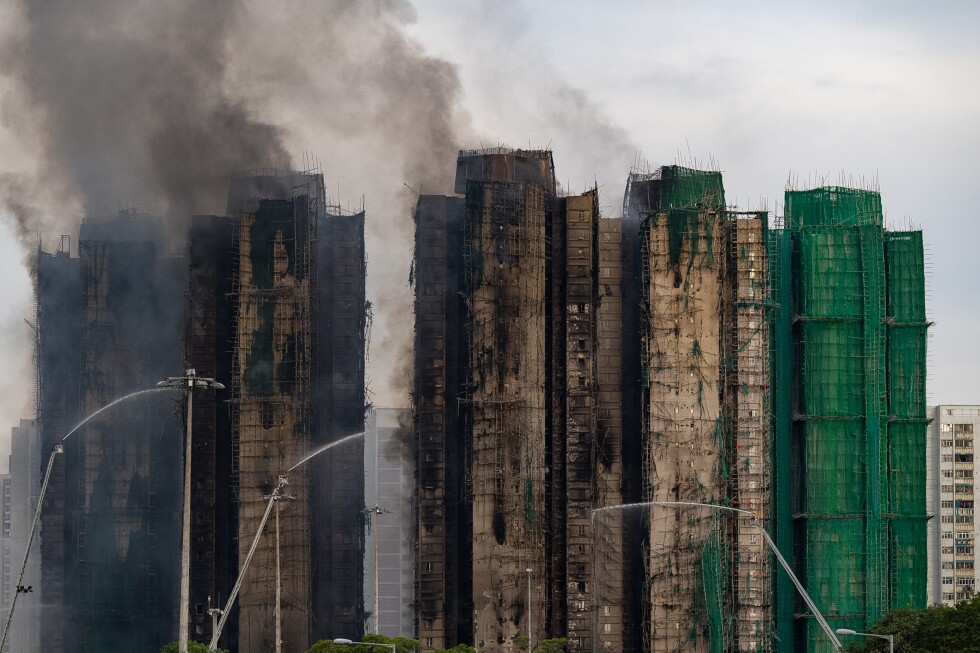
    HONG KONG — A landmark investigative hearing into Hong Kong’s most catastrophic fire in over two decades commenced on Thursday, unveiling a devastating sequence of systemic failures that enabled the inferno to consume seven residential buildings and claim 168 lives in November 2025. The independent committee, established last December, conducted its first evidentiary session focused on the tragedy that obliterated the densely populated Wang Fuk Court community in Tai Po.

    Victor Dawes, lead counsel for the investigation, presented opening arguments detailing how the disaster resulted from an unprecedented convergence of safety violations. Forensic evidence indicates the blaze originated in a light well exterior to lower-level units, where discarded cigarette butts were discovered alongside scaffolding materials.

    Dawes revealed that critical life-saving systems—including fire alarms and emergency hose systems—were deliberately deactivated during the incident. Compounding these failures, construction crews had installed highly flammable scaffolding netting and sealed ventilation points with combustible foam boards, creating ideal conditions for rapid fire propagation.

    ‘Virtually every fire protection mechanism designed to safeguard residents failed due to human intervention,’ Dawes stated during the proceedings. The rapid escalation of the November 26 fire prompted mass evacuations and led to multiple arrests concerning manslaughter, fraud, and corruption charges.

    The judicial panel, operating under a nine-month mandate, will additionally examine potential bid-rigging practices within Hong Kong’s building maintenance sector. Meanwhile, displaced survivors continue residing in temporary accommodations across the city while awaiting permanent housing solutions.

    Government officials recently proposed buying back property rights from affected homeowners, though this compensation approach has disappointed residents hoping for neighborhood reconstruction. Chief Executive John Lee announced plans for supervised apartment visits in April, enabling former residents to retrieve salvagable belongings from the fire-damaged complex.

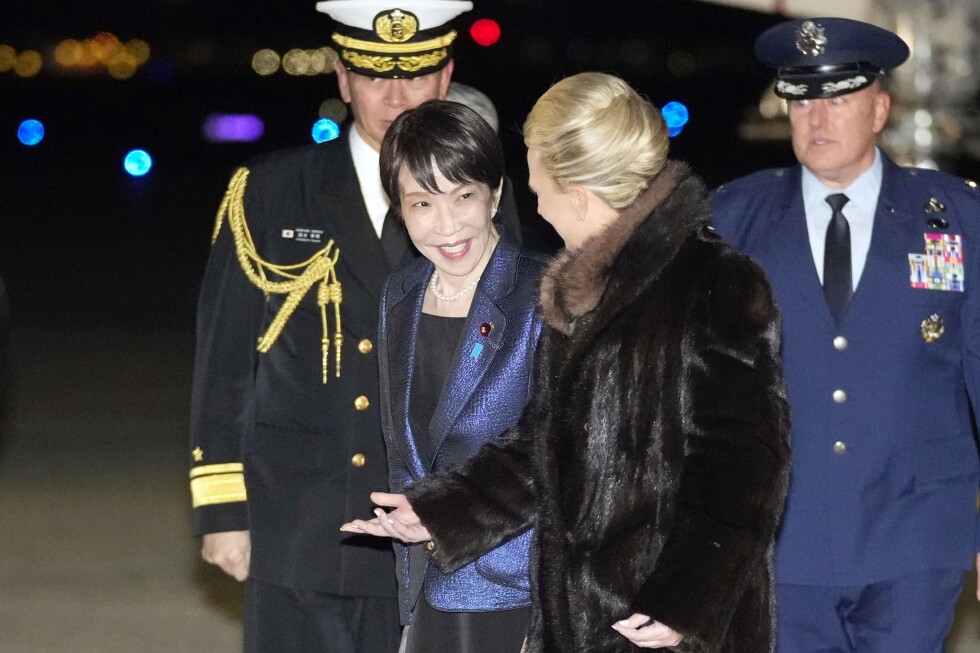
  • Japan’s Prime Minister Takaichi meets with Trump as he seeks help securing the Strait of Hormuz

    Japan’s Prime Minister Takaichi meets with Trump as he seeks help securing the Strait of Hormuz

    The highly anticipated White House meeting between U.S. President Donald Trump and Japanese Prime Minister Sanae Takaichi on Thursday has transformed from a strategic dialogue into a potentially contentious encounter, overshadowed by the ongoing Iran conflict and diplomatic tensions over maritime security. Originally intended to coordinate positions ahead of Trump’s planned China visit—now postponed—the summit instead faces heightened stakes due to Trump’s public expressions of frustration toward U.S. allies.

    President Trump has vocally criticized Japan and other nations for declining his request to assist in safeguarding the Strait of Hormuz, a critical global oil transit route. In a characteristically bold statement on Truth Social, Trump asserted, “WE DO NOT NEED THE HELP OF ANYONE!” despite previously soliciting international support. This shift in tone underscores the challenging diplomatic atmosphere Prime Minister Takaichi anticipated when she described the upcoming meeting as “very difficult” before departing Tokyo.

    Japan, bound by its post-World War II constitution which restricts military action to self-defense scenarios, has consistently denied receiving any formal request from Washington to deploy warships to the U.S.-Israeli operation in the region. Kurt Campbell, former U.S. deputy secretary of state and current chair of The Asia Group, noted that Trump is likely to exert “enormous pressure” on Takaichi. Campbell emphasized that the Japanese leader must navigate the discussion carefully to position Japan as a collaborative partner in Middle East security, potentially leveraging this cooperation to gain U.S. support on issues critical to Japan, such as Taiwan.

    Beyond immediate regional security concerns, the meeting also occurs against a backdrop of strategic unease in the Indo-Pacific. Japan has expressed growing alarm over China’s military activities, particularly around Taiwan—a self-governed island that China claims as sovereign territory. Takaichi, a conservative leader and protégé of former Prime Minister Shinzo Abe, has previously voiced support for Taiwan, raising tensions with Beijing. Compounding these concerns, the U.S. has redirected some troops stationed in Japan to the Middle East, reducing its deterrent presence in East Asia precisely as China intensifies military exercises near Taiwan.

    Christopher Johnstone of The Asia Group pointed out that while Japan could contribute mine-sweeping capabilities or leverage its existing anti-piracy naval presence in the region, participating in a U.S.-led mission would require invoking collective self-defense—a politically monumental step never before taken. The broader implication, Johnstone warned, is that U.S. preoccupation with the Middle East could come at the expense of security and stability in East Asia, where deterrence challenges are mounting.

  • BTS will stage a long-awaited comeback concert at a Seoul landmark

    BTS will stage a long-awaited comeback concert at a Seoul landmark

    SEOUL, South Korea – In a landmark cultural event that merges tradition with contemporary global influence, K-pop phenomenon BTS is set to make their triumphant return to the stage Saturday evening at Seoul’s iconic Gwanghwamun Square. The highly anticipated free concert, projected to attract hundreds of thousands of attendees and global streaming viewers, marks the group’s first major performance following their nearly four-year hiatus due to mandatory military service commitments.

    The strategically selected venue holds profound national significance as both a historical landmark and modern democratic gathering space. Named after the main gate of the Gyeongbokgung Palace from the Joseon Dynasty era, the square features monuments to national heroes King Sejong and Admiral Yi Sun-shin while simultaneously serving as ground zero for contemporary political movements and cultural celebrations.

    BTS will debut material from their new album ‘ARIRANG,’ titled after the Korean Peninsula’s most cherished traditional folk melody. HYBE Corporation, the group’s parent company, characterized the album as embodying ‘the origin and identity of BTS’ while conveying their current artistic message. The location selection reflects deliberate symbolism, connecting Korea’s rich cultural heritage with its modern global cultural exports.

    Cultural analyst Ha Jae-keun noted that while BTS could successfully stage their comeback anywhere globally, choosing Gwanghwamun represents a deeply meaningful statement about their Korean roots. The concert’s production aligns with a broader cultural trend where traditional Korean elements achieve global resonance, recently demonstrated by the Oscar-winning success of ‘KPop Demon Hunters.’

    President Lee Jae Myung officially endorsed the event, recognizing BTS as ‘a proud artist of the Republic of Korea’ whose performance showcases the nation’s cultural heritage. Despite some resident concerns regarding public inconvenience, authorities are implementing comprehensive safety protocols including road closures, transit adjustments, and approximately 240,000 additional viewing spaces with temporary screens surrounding the primary venue for 20,000 ticketed attendees.

    The historic performance will be globally livestreamed via Netflix, amplifying South Korea’s cultural diplomacy initiatives through soft power diplomacy. Cultural commentators emphasize that beyond commercial success, this event represents a national celebration reaffirming BTS’s identity as cultural ambassadors who expanded from Korean origins to global recognition.