标签: Asia

亚洲

  • Kobe Luminarie: Japan’s festival of light and hope returns in 2026

    Kobe Luminarie: Japan’s festival of light and hope returns in 2026

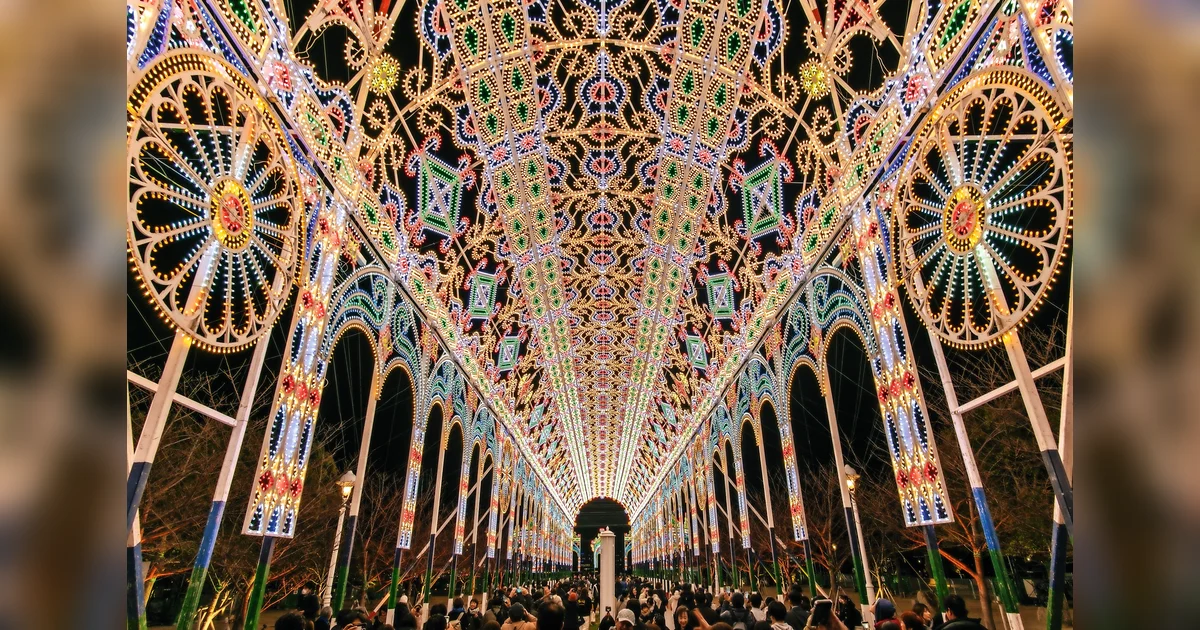
    The iconic Kobe Luminarie light festival will illuminate Japan’s port city once again from January 30 to February 8, 2026, offering international visitors a profound cultural experience that transcends typical winter illuminations. This celebrated event transforms Kobe’s urban landscape into a breathtaking tapestry of Italian-designed light installations, creating a mesmerizing environment that honors the city’s historical resilience and enduring spirit.

    Originating as a memorial tribute to victims of the 1995 Great Hanshin-Awaji Earthquake, the festival has evolved into an annual symbol of solidarity and hope. The installation features tens of thousands of meticulously handcrafted lights arranged in elaborate arches, domes, and cathedral-inspired structures across Higashi Yuenchi Park, the Former Foreign Settlement, and Meriken Park. This creates an immersive walking experience that blends artistic brilliance with historical significance.

    Beyond the luminous displays, Kobe offers diverse winter attractions that complement the festival experience. Mount Rokko provides panoramic views of the city lights recognized among Japan’s top nightscapes, while Rokko Snow Park offers accessible winter activities for families. The historic Arima Onsen, one of Japan’s oldest hot spring towns, presents traditional ryokan inns and therapeutic mineral baths. The waterfront district features the innovative átoa Kobe theatrical aquarium and scenic harbor cruises, with a new superyacht marina and leisure district scheduled for completion by 2027.

    Kobe’s unique identity as Japan’s early international port is reflected in its multicultural landscape. The Kitano Ijinkan district preserves elegant Western-style residences from the late 19th century, while the historic Kobe Mosque (1935) stands as the country’s oldest Islamic place of worship. This cultural diversity extends to culinary offerings, with the city expanding Muslim-friendly dining options including halal-certified menus, ingredient transparency, and prayer facilities at Kobe Mosque.

    The combination of spectacular illumination artistry, historical significance, natural beauty, and multicultural hospitality positions Kobe as an exceptional winter destination for international travelers seeking experiences beyond Japan’s major metropolitan centers.

  • What Trump’s National Security Strategy means for Israel

    What Trump’s National Security Strategy means for Israel

    The Trump administration’s 2025 National Security Strategy marks a transformative recalibration of American engagement in the Middle East, creating both challenges and opportunities for Israel that extend far beyond the document’s limited direct references to the nation.

    While Israeli media has focused on the strategy’s mere six mentions of Israel, the substantial implications lie in its broader philosophical framework. The document explicitly prioritizes disengagement from “forever wars” while maintaining core security commitments—a delicate balancing act that signals reduced day-to-day regional involvement without abandoning fundamental alliances.

    This strategic reorientation presents Israel with a dual reality: continued American security guarantees coupled with expectations of greater self-sufficiency. The strategy rationalizes this reduced footprint by asserting that Iranian capabilities have been significantly degraded through both Israeli military actions since October 2023 and the controversial “Operation Midnight Hammer” in June 2025, though these claims remain unverified by independent sources.

    The administration’s approach embraces “transactional realism,” accepting regional governments as they exist without demanding democratic reforms while pursuing mutual interests. For Israel, this means expanded Abraham Accords remain a priority, with Saudi-Israeli normalization apparently high on the agenda. A proposed “Core 5” forum including the US, China, Russia, India, and Japan would initially focus on Middle East security and normalization efforts.

    However, this transactional approach also suggests American support may become more conditional, requiring Israel to demonstrate concrete benefits for US interests. The strategy emphasizes burden-sharing with allies, expecting wealthier nations to assume greater regional responsibility—likely translating to expectations of increased Israeli defense spending despite already substantial military expenditures.

    Perhaps most significantly, the strategy establishes a high threshold for American intervention, rooted in narrowly defined national interests rather than expansive commitments. This creates new constraints for Israeli military planning, as major operations against Hamas, Hezbollah, or Iran cannot assume automatic US support or protection from international consequences.

    The document’s harsh criticism of Europe—claiming the continent faces “civilizational erasure”—adds another layer of complexity, potentially affecting Israel’s relationships with European powers and EU positions on Palestinian issues.

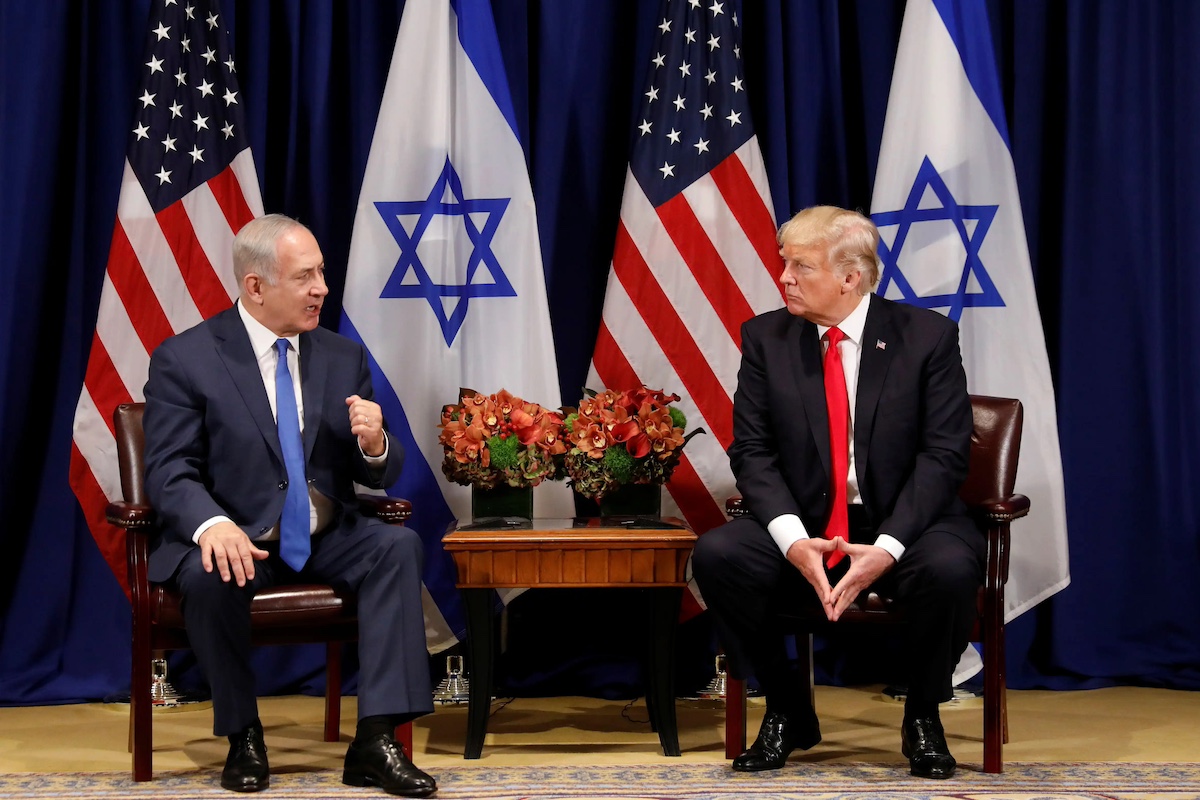
    Beneath the surface, personal dynamics between Trump and Netanyahu remain strained, with reported frustration over Netanyahu’s congratulation of Biden after the 2020 election and skepticism about Palestinian negotiations. This suggests Israeli influence in Washington may be less assured than in previous administrations.

    The strategy presents Israel with several imperatives: enhancing self-reliance, investing in regional partnerships, emphasizing technological and economic cooperation over aid models, and more effectively articulating how Israeli actions serve American interests. With 69% of Israeli weapons originating from the US, the nation faces limited options if American priorities diverge significantly.

    Ultimately, the 2025 strategy maintains Israeli security as a core American interest while fundamentally redefining engagement terms. The transition demands Israeli adaptation to an era of more conditional, transactional support explicitly tied to demonstrable US benefits, marking the end of unconditional commitment—if it ever truly existed.

  • Jiangsu county builds partnerships in Beijing to scale up innovations

    Jiangsu county builds partnerships in Beijing to scale up innovations

    In a strategic move to bridge regional innovation ecosystems, Kunshan—Jiangsu province’s premier county-level economy—established a high-quality development exchange platform in Beijing on December 14, 2025. The initiative aims to create synergistic partnerships with the capital’s concentration of state-owned enterprises, academic institutions, and research centers.

    The event signifies a deliberate effort to transform Beijing’s groundbreaking theoretical innovations (the ‘0 to 1’ philosophy) into industrial-scale applications within Kunshan’s manufacturing ecosystem. Party Secretary Chen Liyan outlined the county’s development roadmap, emphasizing cross-regional collaboration as critical for technological commercialization and industrial modernization.

    Tsinghua University Vice-President Bai Benfeng endorsed the partnership, noting Kunshan’s unique positioning in revitalizing traditional industries while strategically cultivating emerging sectors. “Kunshan’s economic environment provides exceptional opportunities for innovation and young talent development,” he stated, predicting the collaboration would yield substantial contributions to national high-quality development goals.

    Concrete outcomes included the inauguration of the Kunshan Talent Innovation (Beijing) Center and an OPC (one-person company) incubation base, complemented by new entrepreneurial policy frameworks. The event culminated in multiple signed agreements spanning industrial, academic, and financial sectors, establishing formal channels for ongoing knowledge transfer and resource sharing.

  • Beijing to build park near ancient Zhou Dynasty site

    Beijing to build park near ancient Zhou Dynasty site

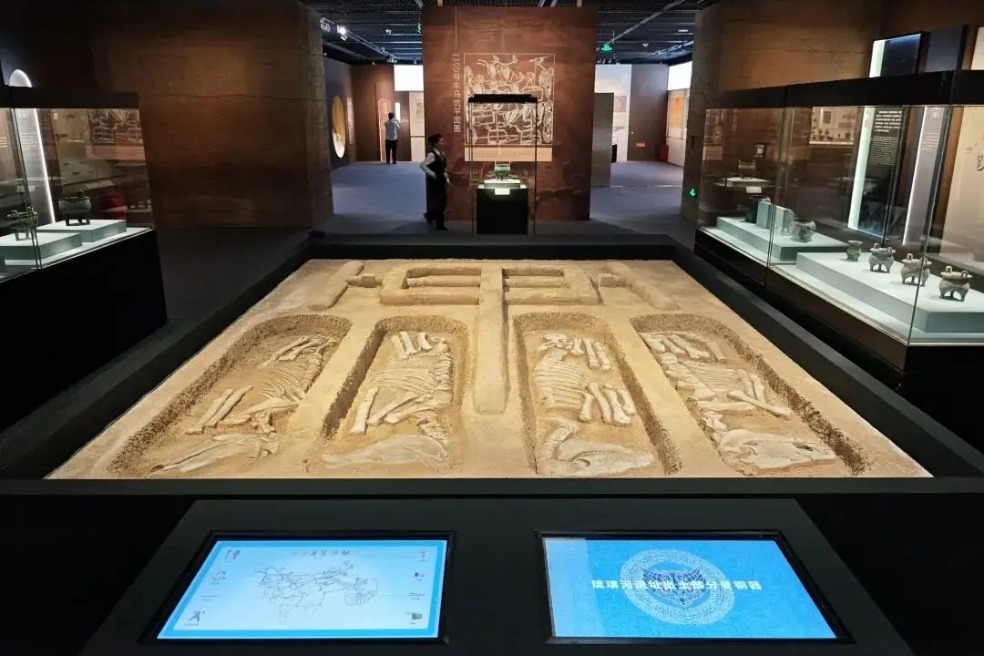
    Beijing authorities have announced ambitious plans to establish a new cultural park adjacent to the Liulihe archaeological site, the largest and most thoroughly excavated Western Zhou Dynasty (c. 11th century–771 BC) complex in China. The project, revealed by Fangshan district officials, represents a significant enhancement to the city’s cultural preservation efforts coinciding with Beijing’s 3,070th anniversary celebrations.

    The initiative follows Beijing’s formal application for World Heritage status for the Liulihe site earlier this year. According to Lei Huan, Director of Fangshan District’s Publicity Department, an expert panel conducted a comprehensive review of the park’s architectural design in November, moving the project toward implementation.

    Recent archaeological breakthroughs have substantially elevated the site’s historical significance. The 2024 excavation campaign revealed a previously unknown dual city-wall structure—the first such discovery at the ancient capital. Within the inner city’s confines, researchers uncovered substantial rammed-earth building foundations, ancient wells, and sophisticated drainage systems that fundamentally reshape understanding of Beijing’s earliest urban planning.

    “These findings provide irrefutable visual evidence of Beijing’s earliest form,” Lei stated during Friday’s announcement. “They conclusively establish Liulihe in Fangshan as the genuine ‘origin of the city’.”

    The development coincides with Beijing’s launch of a World Cultural Heritage Monitoring and Early Warning Platform, representing a major advancement in digital conservation technologies. This system will enable more precise and comprehensive protection measures across the capital’s exceptional collection of heritage sites.

    Beijing currently preserves eight UNESCO World Cultural Heritage locations—the highest concentration of any city worldwide—including the Great Wall, Forbidden City, Temple of Heaven, and the recently nominated Beijing Central Axis. Municipal data reveals substantial investment in heritage conservation, with approximately 9.4 billion yuan ($1.33 billion) allocated between 2021-2024. The 2024 budget alone increased by 29.7% year-over-year, supporting a 41% expansion of full-time conservation staff to 6,344 professionals.

    Monitoring indicates consistently improving conditions across all heritage properties, which collectively welcomed 365 million visitors between 2018-2024 while maintaining effective management systems.

  • Some Indigo flights cancelled, delayed as dense fog hits Delhi and north India airports

    Some Indigo flights cancelled, delayed as dense fog hits Delhi and north India airports

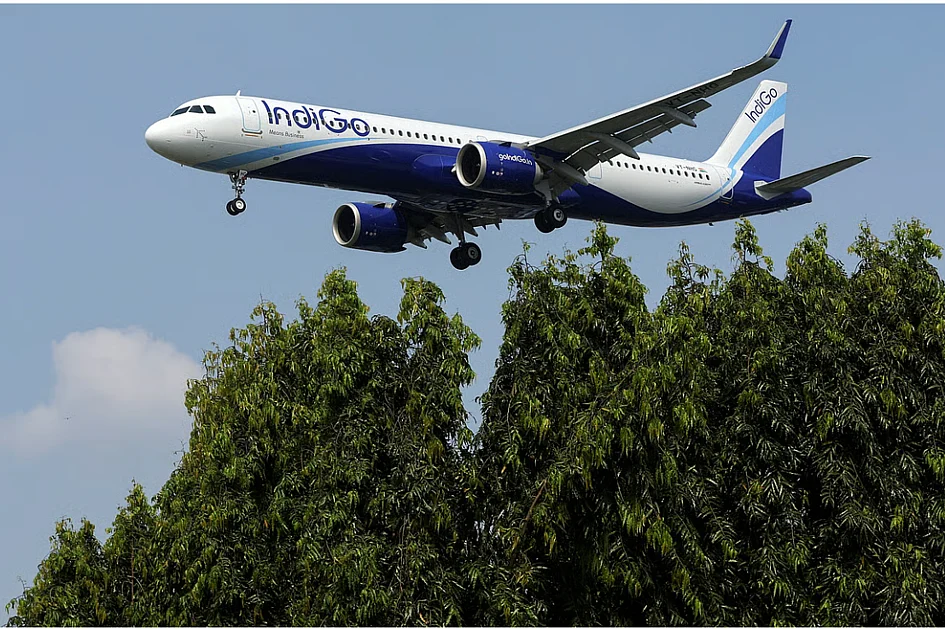
    Severe fog conditions combined with hazardous smog levels have crippled aviation operations across northern India, forcing IndiGo Airlines to implement widespread flight cancellations and significant delays. The budget carrier confirmed Monday that prolonged low visibility during morning hours has severely impacted air traffic movement at Delhi International Airport and multiple regional facilities.

    In an official statement released on social media platform X, IndiGo explained that selective cancellations were necessary to maintain operational safety throughout the remainder of the day. The airline has activated comprehensive passenger communication protocols, utilizing WhatsApp and email notifications to inform affected travelers about available rebooking options and full refund procedures.

    ‘We recognize the substantial inconvenience caused by weather-related disruptions, particularly during peak travel periods, and deeply regret any impact on passenger itineraries,’ the airline expressed in their communiqué. Travelers have been advised to continuously monitor flight status updates through official digital channels while airport teams work to restore normal operations as visibility conditions improve.

    Meteorological experts note that while winter fog occurs naturally, Delhi’s critically poor air quality has dramatically intensified the phenomenon. The capital region recorded its worst air quality readings of the season on December 14th, with the Central Pollution Control Board reporting index values exceeding 450 at multiple monitoring stations—categorizing air conditions as ‘severe.’

    This environmental crisis prompted India’s Commission for Air Quality Management to implement Stage Four restrictions—the highest emergency level under the Graded Response Action Plan. These measures include prohibiting older diesel vehicles from entering the city, suspending all construction activities, and implementing hybrid education models.

    The Delhi metropolitan area, home to approximately 30 million residents, experiences annual winter smog episodes as atmospheric conditions trap emissions from vehicles, construction projects, and agricultural burning practices. Health authorities have issued advisories recommending vulnerable populations, including children and individuals with respiratory conditions, to minimize outdoor exposure and utilize protective masks when necessary.

  • Workers build giant snowman in Heilongjiang

    Workers build giant snowman in Heilongjiang

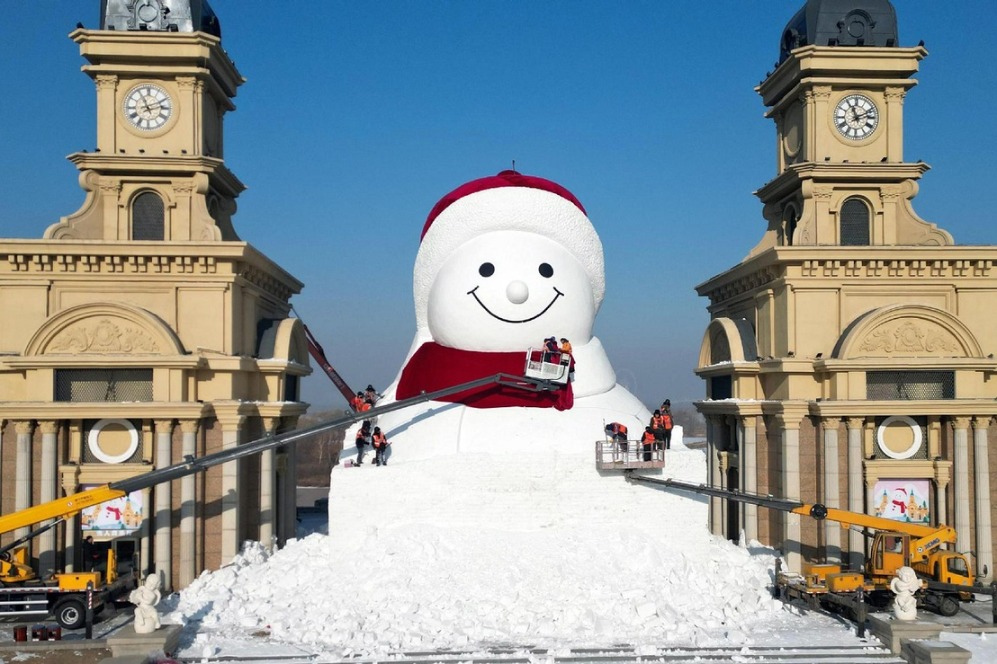
    In a spectacular display of winter craftsmanship, construction teams in Harbin have erected a monumental snow sculpture reaching unprecedented dimensions. The massive snowman, standing at 19 meters (approximately 62 feet), now dominates the landscape at Qunli Music Park in Northeast China’s Heilongjiang province.

    Documented through aerial drone photography on December 14, 2025, this frosty giant represents a significant engineering achievement in seasonal art. Construction crews utilized approximately 3,000 cubic meters of meticulously compacted snow to create this seasonal marvel, demonstrating remarkable precision in both design and execution.

    The 2025 installation surpasses previous records set by the city’s winter attractions, specifically exceeding last year’s creation by a full meter in height. This incremental but symbolically important improvement continues Harbin’s tradition of pushing the boundaries of winter construction and ice sculpture artistry.

    The project forms part of Harbin’s broader winter tourism strategy, which has established the city as an international destination for cold-weather attractions and architectural innovations using natural frozen materials. Such installations typically serve as centerpieces for the city’s famous winter festival, drawing visitors from across China and beyond.

    Local authorities and tourism boards have increasingly leveraged these seasonal constructions to showcase human ingenuity in harmonizing with extreme weather conditions while promoting cultural exchange through public art installations.

  • Iran hosts regional talks on Afghanistan but Kabul stays away

    Iran hosts regional talks on Afghanistan but Kabul stays away

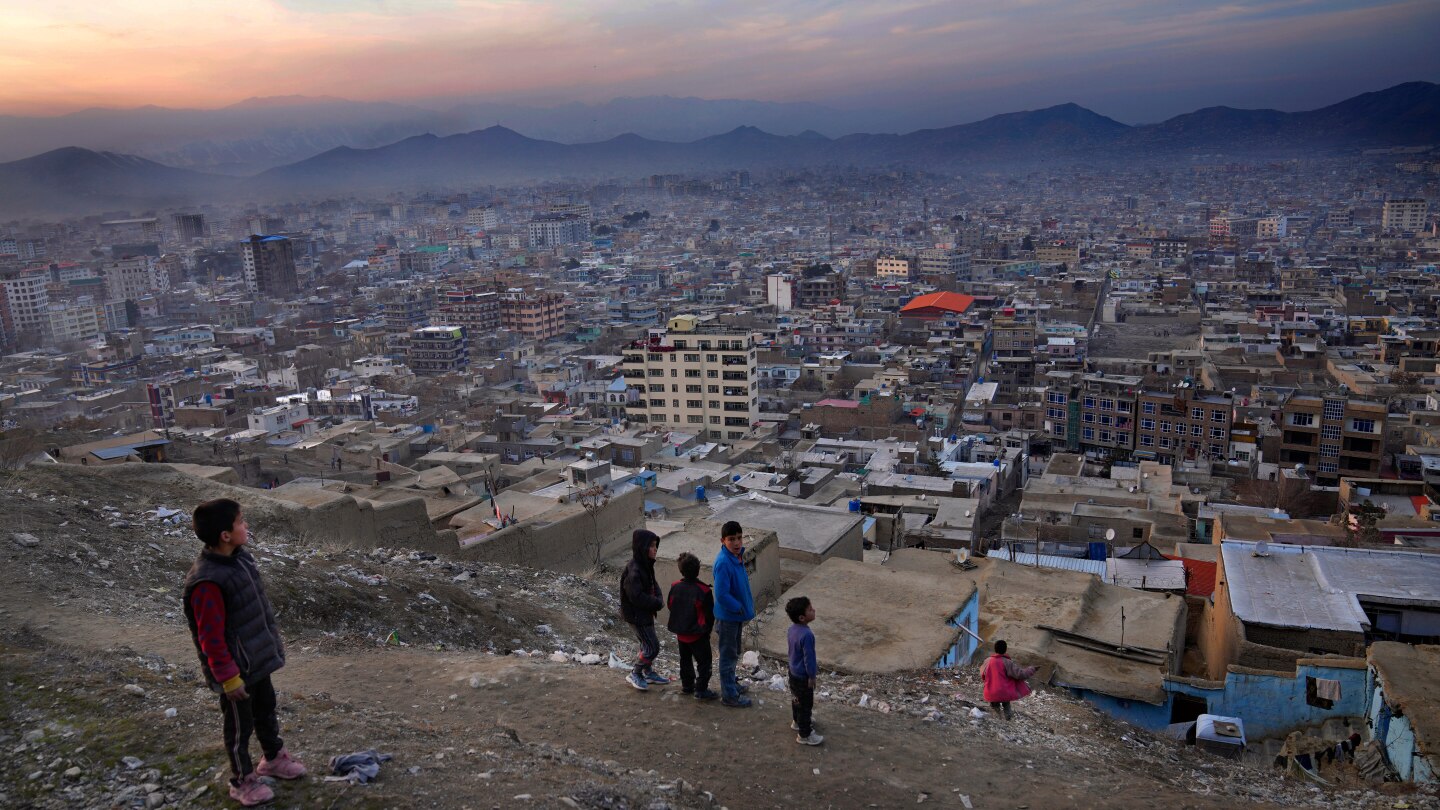
    TEHRAN, Iran — In a significant diplomatic gathering that notably excluded its central subject, Afghanistan’s neighboring nations convened in Tehran to strengthen regional cooperation addressing the multifaceted challenges facing the war-torn country. The meeting, orchestrated by Iran and attended by China, Pakistan, Tajikistan, Uzbekistan, Turkmenistan, and Russia, produced a consensus on enhancing coordination across political, economic, and security domains while advocating for the removal of international sanctions against Afghanistan.

    The Taliban-led government, though invited, opted against participation, offering limited explanation through its foreign ministry. Officials indicated that Kabul prefers to maintain its existing regional engagement channels through established organizations, claiming substantial progress through these formats.

    Despite Afghanistan’s conspicuous absence, participating nations emphasized the critical importance of sustaining economic and trade relationships with Kabul to alleviate deteriorating living conditions. The collective statement urged Afghanistan’s integration into regional political and economic frameworks while addressing shared security concerns including terrorism, narcotics trafficking, and human smuggling. Participants unanimously opposed any foreign military presence in Afghan territory.

    The conference particularly highlighted the international community’s responsibility to lift crippling sanctions and release frozen Afghan assets, with additional calls for humanitarian organizations to support the dignified repatriation of refugees from neighboring countries. Attention also turned to reducing tensions between Afghanistan and Pakistan, where recent border clashes have resulted in numerous casualties among civilians, soldiers, and suspected militants.

    While the Taliban government has developed diplomatic relationships since retaking power in August 2021 and now generates billions in annual tax revenues, Afghanistan’s economy remains in critical condition. Millions depend on international aid for survival, with natural disasters and refugee flows exacerbating humanitarian needs. The country’s economic struggles are compounded by the international community’s refusal to formally recognize the Taliban regime following the chaotic withdrawal of U.S.-led forces.

    Pakistani representatives expressed disappointment with Kabul’s absence, with former special representative Asif Durrani characterizing the decision as demonstrating ‘lack of political maturity’ and reinforcing concerns about the Taliban’s unwillingness to negotiate regional solutions. Participants agreed to convene foreign ministers in Ashgabat, Turkmenistan, and hold special envoys’ talks in Islamabad this March, continuing efforts to engage Afghanistan despite its current reluctance.

  • Heard of ‘chief dog officer’? Dubai sees rise in pet-friendly communities

    Heard of ‘chief dog officer’? Dubai sees rise in pet-friendly communities

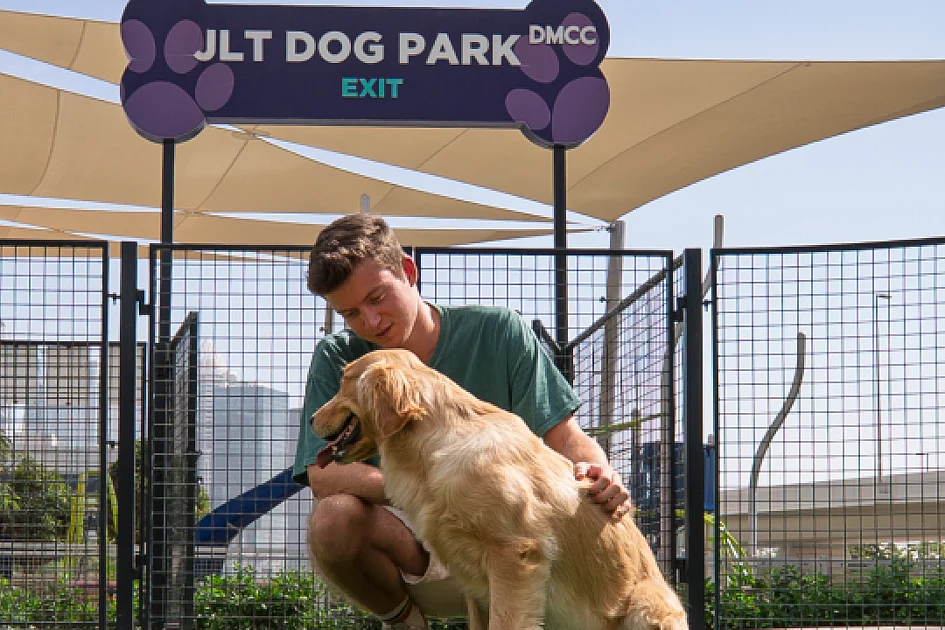
    Dubai is witnessing a significant transformation in urban community planning, with pet-friendly initiatives becoming a central feature of residential life. The trend is exemplified by the innovative ‘Chief Dog Officer’ (CDO) program recently launched in Jumeirah Lake Towers (JLT), where a community competition selected a canine ambassador to represent the neighborhood for a one-year term.

    This initiative reflects a broader cultural shift in the United Arab Emirates, where accommodating pets is increasingly prioritized in urban development. The selected CDO’s responsibilities include welcoming new four-legged residents and their owners, promoting responsible pet etiquette in communal spaces, and highlighting local pet-centric businesses and amenities.

    Beyond JLT, Dubai’s landscape is evolving to accommodate pet owners with specialized infrastructure. Palm Jumeirah’s Golden Mile Galleria shopping center and the W Hotel now welcome pets, while The Greens community features multiple pet-accessible areas. The Zabeel House hotel has broken new ground by incorporating two dog-friendly restaurants, complete with a dedicated elevator for canine patrons.

    Recreational options have expanded considerably with Dubai Islands Beach introducing the emirate’s first dedicated dog beach park in 2023. The 460-square-meter facility features agility equipment, obstacle courses, and designated off-leash swimming areas, complemented by pet showers and drinking fountains. The venue recently hosted the Woofstock festival, further cementing Dubai’s commitment to pet-inclusive community events.

    Digital platforms like Doggie Adventures and Flopster have emerged to support this growing demographic, providing directories of pet-friendly establishments and organizing social gatherings. These developments respond to increasing demand from residents like Sadia Ahmed, who relocated to Emirates Hills specifically for its pet-welcoming environment after struggling to find accommodating housing in older neighborhoods.

    The comprehensive approach—encompassing housing, commerce, recreation, and digital infrastructure—signals Dubai’s maturation into a truly pet-inclusive metropolis, setting new standards for urban living in the region.

  • Father and son behind Bondi Beach shooting that killed 15, Australian police say

    Father and son behind Bondi Beach shooting that killed 15, Australian police say

    Australian authorities have identified the perpetrators behind Sunday’s devastating mass shooting at Sydney’s Bondi Beach as a father-son duo, marking the nation’s deadliest firearm violence incident in nearly three decades. The attack, which targeted a Jewish Hanukkah celebration, has been officially classified as an antisemitic terrorist act.

    According to New South Wales police commissioner Mal Lanyon, the 50-year-old father died at the crime scene while his 24-year-old son remains hospitalized in critical condition. Though police have not formally released identities, local media outlets identified them as Sajid and Naveed Akram respectively. The father had maintained a firearms license since 2015 and legally owned six weapons.

    The horrific episode unfolded over approximately ten minutes on Sunday evening, sending hundreds of beachgoers scrambling for safety across the iconic shoreline. Among the victims, aged between 10 and 87 years old, forty individuals required hospitalization including two police officers in serious but stable condition.

    A remarkable act of bravery emerged from the chaos as Ahmed al Ahmed, a 43-year-old fruit shop owner, tackled and disarmed one of the gunmen despite sustaining two gunshot wounds. His heroic intervention, captured on video, prompted an outpouring of public support with over A$350,000 raised for his medical expenses by Monday afternoon.

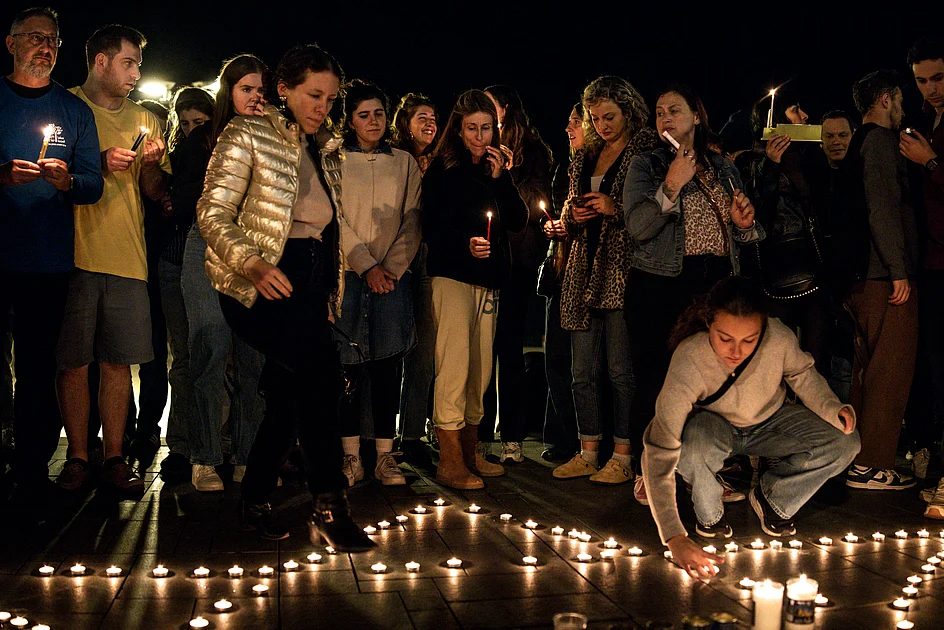
    Prime Minister Anthony Albanese visited the attack site Monday, condemning the “act of pure evil” and pledging national solidarity with Australia’s Jewish community. “We will do whatever is necessary to stamp out antisemitism,” Albanese declared, announcing plans for citizens to light candles in symbolic defiance of darkness.

    The investigation revealed the elder suspect arrived in Australia on a student visa in 1998, while his son was born as an Australian citizen. Security remains heightened at the family’s Bonnyrigg residence, 36 kilometers west of Sydney’s central business district.

    This tragedy represents Australia’s most severe mass shooting since the 1996 Port Arthur massacre that claimed 35 lives. The incident has triggered international condemnations from world leaders including U.S. President Donald Trump and France’s Emmanuel Macron, while prompting enhanced security measures at Jewish events globally.

  • More South Korean actors seek Hollywood dream after global success of Korean entertainment

    More South Korean actors seek Hollywood dream after global success of Korean entertainment

    SEOUL — The global ascendancy of South Korean entertainment, from Oscar-winning films like ‘Parasite’ to the worldwide phenomenon of ‘Squid Game,’ has catalyzed a significant shift in Hollywood’s casting landscape. This cultural momentum is creating unprecedented opportunities for Korean performers seeking international careers, while simultaneously challenging entrenched industry stereotypes.

    Actor Amy Baik’s experience epitomizes the push factors driving this transition. After being cut from a domestic commercial solely for lacking double eyelids—a prized feature in Korean beauty standards—Baik redirected her ambitions toward Western markets. ‘It made me wonder how I can survive as an actor in South Korea,’ she reflected. Her subsequent role in Netflix’s ‘XO, Kitty’ demonstrated how features previously discouraged in Korea became assets abroad, with American casting directors suggesting her for action roles beyond stereotypically ‘cute’ images.

    This migration necessitates specialized support systems. Los Angeles-based Upstage Entertainment, co-founded by Alison Dumbell and Devon Overman, bridges the gap between Korean talent and Hollywood opportunities. Dumbell notes increased demand for ‘specifically Korean characters’ rather than generic East Asian roles, attributing this shift to the global popularity of Korean content. However, persistent stereotypes like the ‘nerdy tech programmer’ remain problematic, with Dumbell sometimes refusing submissions to protect actors from reductive casting.

    The transition involves navigating substantial differences in industry practices. Korean American casting director Julia Kim highlights fundamental questions from aspiring actors: ‘Should I change my Korean name to a Western name? Do I pay to get an agent?’ Technical standards diverge significantly—American audition tapes require clean white backgrounds, while Korean headshots favor fashion-model aesthetics versus U.S. preferences for character-matched profiles.

    Language acquisition presents another layer of complexity. Veteran actor Julian Shin (Shin Ju-hwan) undertook intensive English preparation, transcribing over 30,000 words and idioms. ‘Learning expressions like ‘break a leg’ makes you feel closer to being native,’ he noted. Accent coaching focuses on authenticity rather than eradication. ‘It’s perfectly fine, even preferable to have an accent because it’s part of who you are,’ emphasizes Overman, who works on intonation patterns rather than eliminating linguistic identity.

    Structural factors in Korea accelerate this talent migration. Shin describes an increasingly challenging domestic industry where opportunities contracted noticeably over three years. Age discrimination also pushes actors abroad—29-year-old Misun Youm notes that ’30 isn’t considered young’ in Korea, while American casting often disregards age specifications that limit opportunities domestically.

    The collective experience reveals an industry at an inflection point. Where previous generations felt pressure to Americanize completely, contemporary performers find increasing space for cultural authenticity. ‘Now it feels like you can be yourself—be Korean if you’re Korean,’ observes Shin. ‘Stereotypes are gradually crumbling.’ This evolution suggests Hollywood’s gates are opening wider than ever to diverse Korean talent, transforming barriers into bridges for cross-cultural artistic exchange.