标签: Asia

亚洲

  • Cluster of ancient stone city sites found in Yulin

    Cluster of ancient stone city sites found in Yulin

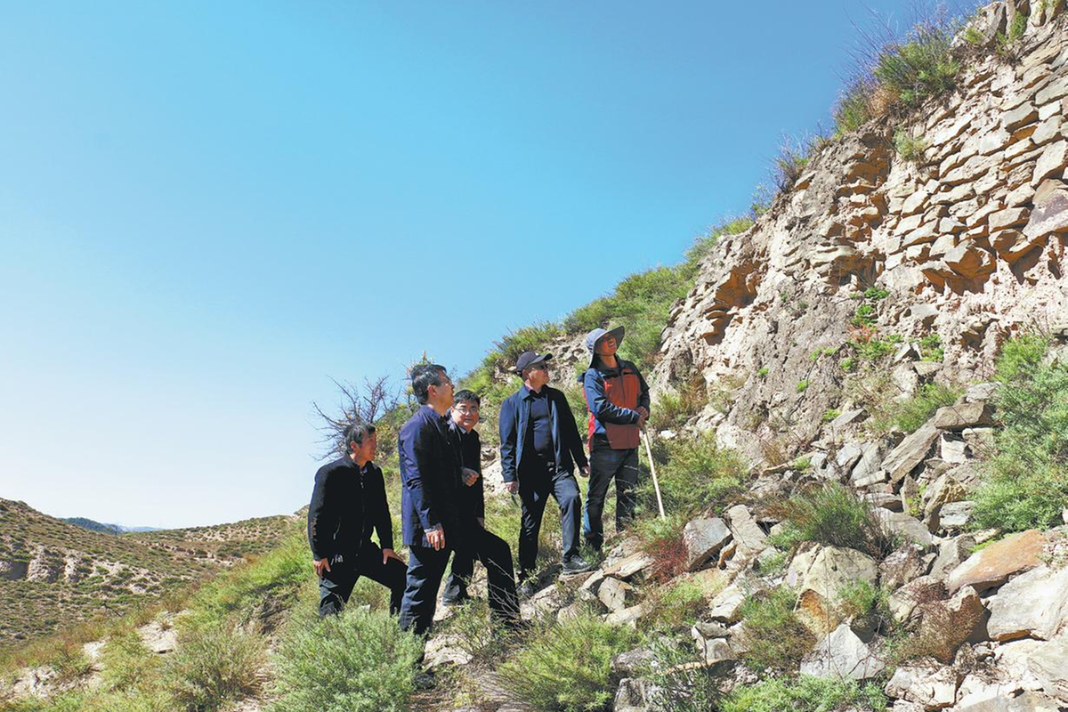
    Archaeologists have made a groundbreaking discovery in Northwest China’s Shaanxi province, unearthing a vast network of 573 ancient stone cities that date back approximately 4,800 to 3,800 years. This extraordinary find, resulting from six years of intensive survey work in the Yulin region, fundamentally reshapes our understanding of early Chinese civilization patterns and challenges long-held historical paradigms.

    The newly discovered urban centers, constructed between 2800 BC and 1000 BC, represent the largest and most sophisticated prehistoric stone city complex ever identified in northern China. According to Ma Mingzhi, associate researcher of Yulin’s cultural relics and archaeological survey team, these findings dramatically surpass previous records—before this survey, fewer than 200 prehistoric city sites had been documented nationwide, with only several dozen being stone constructions.

    The architectural sophistication reveals a clearly stratified society with hierarchical urban planning principles. Higher-status inhabitants occupied central zones with more complex defensive walls, while outer areas housed those of relatively lower status. These settlements, strategically positioned along riverbanks, served multiple functions including military defense, residential settlement, and religious ritual. The Shimao site features particularly remarkable stone carvings depicting divine faces, dragons, and snakes, alongside noble burial grounds and structures believed to be ancestral temples.

    This discovery effectively dismantles the traditional ‘Central Plains-centric theory’ of Chinese civilization development, demonstrating that northern Shaanxi served as a crucial cultural hub during the early Xia Dynasty (c. 21st-16th century BC). The scale of urbanization—with over 600 stone cities now identified across Shaanxi, Inner Mongolia, Shanxi, and Hebei provinces—corroborates ancient literary references to an ‘era of ten thousand states’ that historians previously considered potentially fictional.

    Professor Han Jianye from Renmin University of China notes that the construction timeline coincides with the legendary Yellow Emperor era, suggesting the region served as both a cultural core and a defensive prototype for what would eventually become the Great Wall. The sites demonstrate clear evolutionary progression, with settlements expanding in scale, spatial layouts growing more complex, and construction techniques advancing significantly over centuries of continuous use.

    Future research will focus on environmental support systems, handicraft production, regional economic development, and genetic analysis of population movements. These investigations promise to illuminate the material foundations that sustained this remarkable urban network and its interactions with contemporary ethnic groups, potentially rewriting our understanding of state formation processes in ancient East Asia.

  • Chinese family bonds withstand test of time

    Chinese family bonds withstand test of time

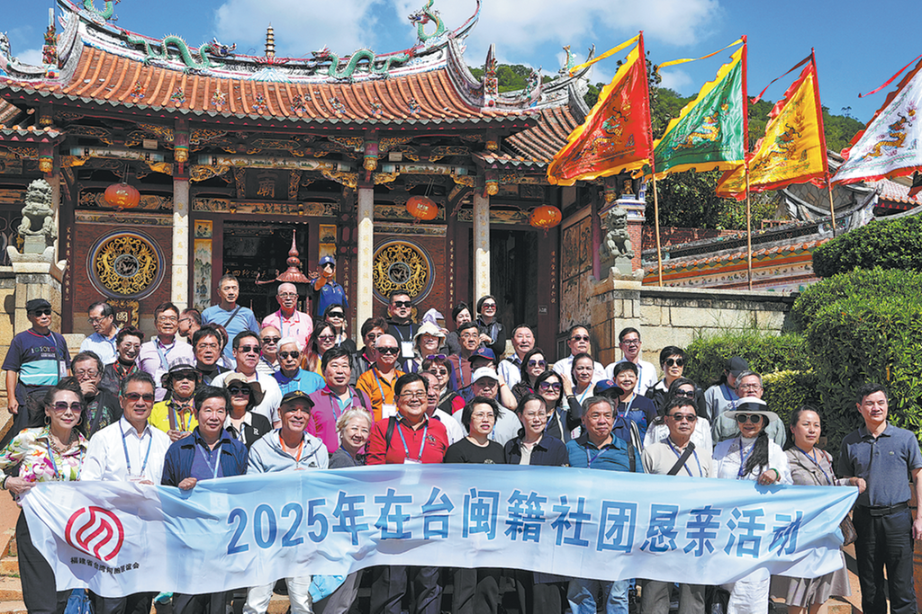
    The enduring strength of ancestral ties continues to bridge the Taiwan Strait, as generations of mainland descendants maintain profound connections to their familial origins. This cultural phenomenon demonstrates how blood relationships and shared heritage transcend political divisions and historical circumstances.

    Chen Chien-hsing, a 68-year-old Taiwan resident, embodies this timeless connection. As the son of a Kuomintang soldier who relocated to Taiwan in 1949, Chen has made multiple pilgrimages to his father’s hometown in Fuzhou, Fujian province. What began as a quest to understand his lineage has evolved into a profound personal identification with mainland China. “Chinese people inherently value family heritage and lineage,” Chen reflects. “This emotional bond naturally persists across generations.”

    Chen’s experience mirrors that of countless Taiwan residents, approximately 80% of whom trace their ancestry to Fujian province. The journey between Jinmen and Xiamen regularly carries passengers seeking to reconnect with their roots or visit relatives. Despite periods of separation, these cross-Strait connections remain fortified by shared dialects, culinary traditions, and folk beliefs, including the worship of maritime deities.

    The emotional weight of these connections becomes particularly poignant among aging veterans. Chen recounts the story of 97-year-old Huang Wei, who lost contact with his Guizhou family for nearly eight decades. Despite extensive efforts to facilitate a reunion, Huang’s deteriorating health prevented his final journey home—a fate shared by many elderly veterans who clung to hopes of returning to their birthplace.

    Genealogical records have proven instrumental in preserving these familial bonds. Lin Ming-cong, president of an association for relatives of Taiwan compatriots who resisted Japanese occupation, represents the prestigious Wufeng Lin family that migrated from Fujian during the Qing Dynasty. His ancestral home in Pinghe county, now a cultural heritage site, maintains meticulously preserved genealogical documents that have enabled family reunifications despite decades of separation.

    “Although the Strait temporarily divided families, clan exchanges continued and records were meticulously maintained,” Lin notes. His first meeting with mainland relatives felt instantly familiar: “We became deeply connected within minutes, despite never having met before.”

    These cultural and familial connections continue to shape identity across generations. Chen, now in his sixties, remains committed to fulfilling his father’s final wish to have his ashes returned to their ancestral home—a testament to the unbroken bloodline that continues to define cross-Strait relationships.

  • Minecraft challenge breathes new life into rich cultural past

    Minecraft challenge breathes new life into rich cultural past

    In an extraordinary fusion of gaming technology and cultural preservation, Minecraft enthusiasts across China are undertaking ambitious digital reconstruction projects that are captivating millions online. This innovative movement represents a groundbreaking approach to historical education and national memory.

    Twenty-four-year-old Qiu Zekai, operating under the online alias Qiuxiaoniuer, has emerged as a prominent figure in this digital renaissance. He dedicated two intensive months to meticulously recreating sections of the destroyed Yuanmingyuan, also known as the Old Summer Palace. His virtual restoration specifically focuses on the Xiyang Lou (Western-style mansions) and the magnificent Dashuifa (Great Fountains), achieving an architectural accuracy that has resonated deeply with viewers.

    The historical significance of this project stems from the palace’s tragic destruction by Anglo-French forces during the Second Opium War (1856-1860), an event that represents what Chinese historians refer to as the ‘century of humiliation.’ Among the countless treasures looted during this period were the twelve zodiac bronze animal heads that once adorned the palace’s water clock fountain. Qiu’s digital masterpiece symbolically reunites these scattered artifacts in their virtual original setting, creating what online communities have celebrated as a ‘cyber reunion’ of cultural heritage.

    The response to Qiu’s creation has been overwhelming, with his serene fly-through video accumulating millions of views across social media platforms. His Douyin following surged by 200,000 subscribers following the project’s release, bringing his total audience to 3.4 million engaged followers. Comment sections overflow with emotional responses praising this ‘patriotic romance of the young generation’ and appreciating the unique connection between historical awareness and contemporary digital culture.

    Parallel to Qiu’s achievement, another digital architect named Xia Caiquan has gained recognition for his breathtaking Minecraft reconstruction of Dunhuang’s Buddhist heavenly palace. These projects collectively demonstrate how sandbox gaming environments are evolving into platforms for cultural expression, historical education, and technological innovation.

    Beyond their visual appeal, these virtual reconstructions serve as interactive historical archives, allowing new generations to experience and understand cultural heritage that physical circumstances might otherwise keep inaccessible. This movement represents a significant shift in how digital natives engage with history, transforming passive learning into active creation and ensuring that important cultural narratives continue to evolve within contemporary technological contexts.

  • What to know about a Philippines region with militant history visited by Bondi Beach suspects

    What to know about a Philippines region with militant history visited by Bondi Beach suspects

    MANILA, Philippines — A joint Australian-Filipino investigation is scrutinizing a November 2023 trip to Mindanao by the father and son accused of perpetrating Sydney’s Bondi Beach massacre that left 15 dead. Australian authorities confirmed the attackers were inspired by the Islamic State group, citing seized evidence including IS flags from their vehicle.

    The Philippine Bureau of Immigration records show the suspects entered the country on November 1 and departed November 28, with Davao City in southern Mindanao as their final destination. Despite this travel history, Philippine National Security Adviser Eduardo Ano stated Wednesday that no evidence has emerged indicating the suspects received militant training during their stay. “There is no indicator or any information that they underwent training in Mindanao,” Ano told The Associated Press.

    This investigation revisits Mindanao’s complex history with Islamic militancy. Centuries of colonial rule and settlement transformed Muslims into a minority in the resource-rich region, sparking decades of intermittent conflict that claimed approximately 150,000 lives since the 1970s. The area once attracted foreign extremists including Umar Patek, the Indonesian Jemaah Islamiyah operative convicted for the 2002 Bali bombings that killed 202 people.

    Significant transformations occurred through peace processes: the 1996 accord allowed rebels to reintegrate into communities, while the 2014 agreement established broader Muslim autonomy in the Bangsamoro region, turning former rebel commanders into administrators and guardians against IS influence. Despite these developments, violent offshoots emerged including the U.S.-blacklisted Abu Sayyaf group, known for kidnappings, beheadings, and bombings before being largely neutralized by military operations.

    According to confidential Philippine security assessments viewed by AP, no foreign militant presence has been detected since 2023 following the neutralization of remaining groups. Sidney Jones, a prominent Southeast Asia security analyst, questioned why modern extremists would seek training in Mindanao given current conditions: “The level of violence in Mindanao is high, but for the last three years, it’s almost all been linked to elections, clan feuds, or other sources. If I were a would-be ISIS fighter, the Philippines would not have been my top destination.”

  • HK community strongly supports Lai’s conviction

    HK community strongly supports Lai’s conviction

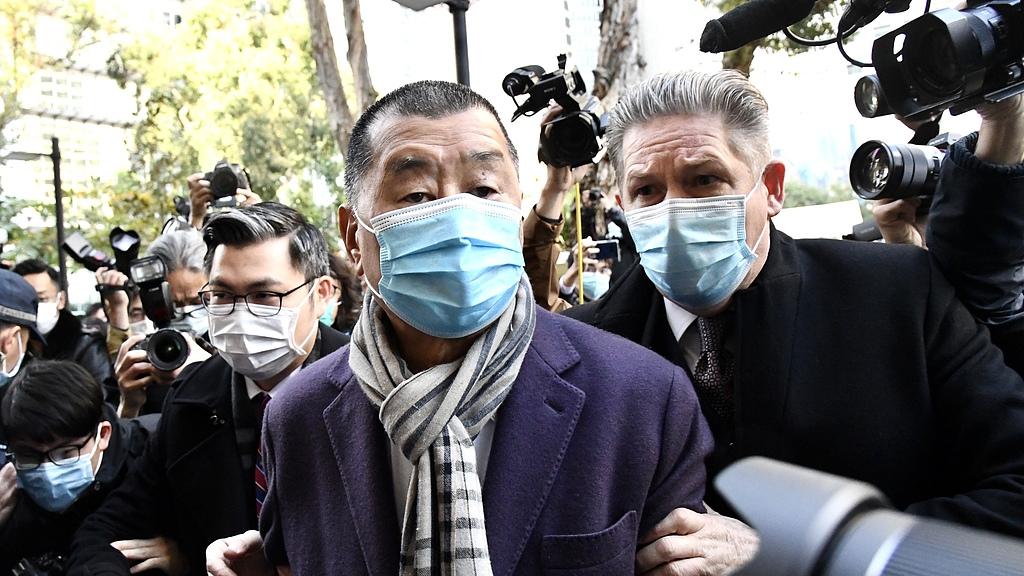
    Hong Kong’s political establishment and professional organizations have expressed resounding endorsement of the High Court’s verdict convicting media tycoon Jimmy Lai Chee-ying on national security charges, while simultaneously rejecting Western attempts to romanticize his actions as democratic advocacy.

    The judicial decision, delivered on Monday by a panel of three High Court judges, found Lai guilty on all three counts: two charges of conspiracy to collude with foreign forces to endanger national security and one count of conspiracy to publish seditious materials. Three corporations associated with Lai’s defunct Apple Daily media empire were similarly convicted on related national security charges.

    Leung Chun-ying, Vice-Chairman of China’s top political advisory body, characterized Lai’s portrayal as a democracy advocate by Western entities as fundamentally misleading. Through social media commentary, Leung asserted that Lai had systematically manipulated Hong Kong’s autonomous privileges under the Sino-British Joint Declaration and Basic Law to pursue de facto independence, thereby undermining Chinese sovereignty. “He might be ignorant… but definitely not innocent,” Leung stated, while highlighting the UK’s potential legal response to similar actions within its jurisdiction.

    The Hong Kong SAR government issued a formal statement condemning both the Hong Kong Journalists Association and certain foreign media outlets for employing democratic rhetoric to sanitize Lai’s criminal conduct. A government spokesperson emphasized that the case unequivocally involved criminal behavior disguised as journalistic activity, completely unrelated to press freedom protections.

    Security Secretary Chris Tang Ping-keung reinforced the principle of legal accountability, noting that foreign consular representatives had observed the transparent judicial proceedings firsthand. This assessment was corroborated by China’s Foreign Ministry Commissioner Office in Hong Kong, which detailed in a letter to foreign media how Lai’s legal and personal rights had been scrupulously maintained—including provision of timely medical care, accommodation of religious practices through specially arranged services, and solitary confinement implemented at his own request.

    Hong Kong’s legal community voiced strong institutional support, with both the Bar Association and Law Society affirming the verdict demonstrated judicial independence and professional adjudication based solely on legal merits and evidence. They noted that national security legislation exists in numerous jurisdictions worldwide, positioning Hong Kong’s legal framework within global norms.

  • Cross-Strait collaboration key to nation’s long-term well-being

    Cross-Strait collaboration key to nation’s long-term well-being

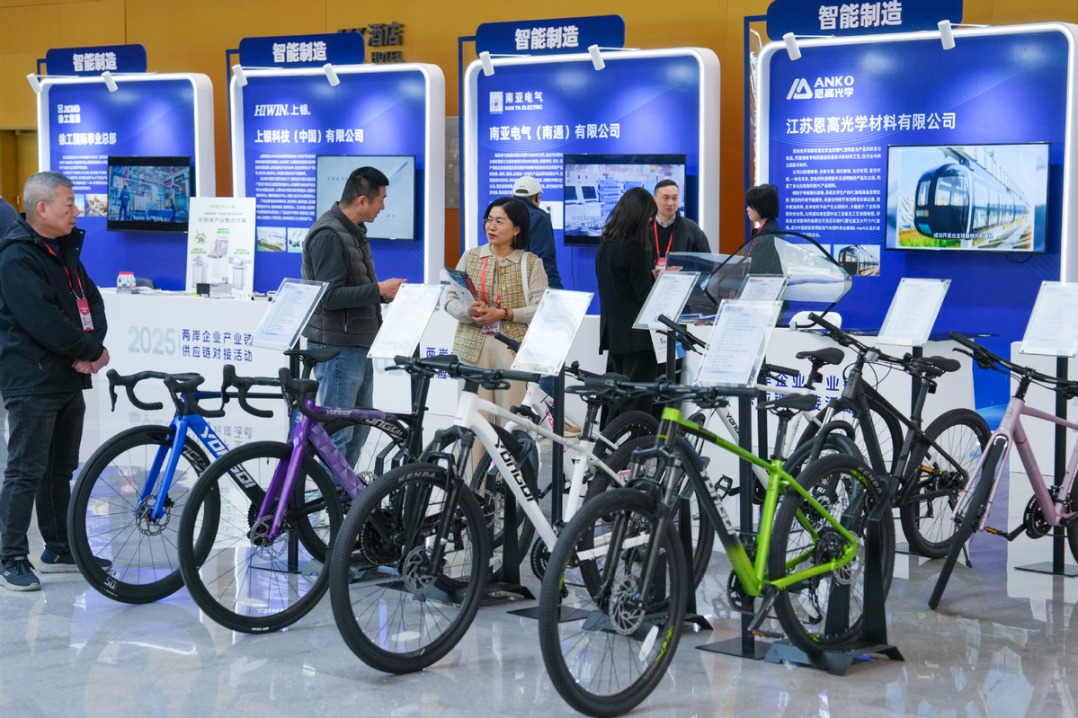
    NANJING—Senior Chinese official Wang Huning has emphasized that enhanced economic collaboration between mainland China and Taiwan is indispensable for national rejuvenation and common prosperity. Speaking at the 2025 Cross-Strait CEO Summit in Nanjing on December 16, the chairman of the Chinese People’s Political Consultative Conference National Committee articulated that businesses across the Strait must deepen cooperation to advance shared economic interests and fortify the Chinese nation’s future.

    Wang, a Standing Committee member of the CPC Central Committee Political Bureau, reinforced President Xi Jinping’s stance that China’s revitalization presents substantial opportunities for cross-Strait economic synergy. He asserted that compatriots on both sides are integral components of China’s national economy and would collectively benefit from a prosperous, powerful nation.

    The summit occurred amid strategic implementations following the CPC’s 20th Central Committee fourth plenum, which outlined developmental blueprints for the 15th Five-Year Plan (2026–2030). Wang characterized these designs as catalytic for cross-Strait relations, potentially injecting fresh momentum into economic cooperation and advancing peaceful reunification efforts.

    Taiwanese representatives echoed the sentiment. Liu Chao-hsuan, chairman of the summit’s Taiwan side, acknowledged the mainland’s enduring role as a critical production base and market for Taiwan businesses despite global economic volatility. He highlighted the summit’s adherence to the 1992 Consensus as a foundational principle for industrial collaboration.

    Corporate leaders provided ground-level perspectives. Fei Kuang-han, general manager of Kunshan Bonteck Precision Co, reported robust support for Taiwanese entrepreneurs in Jiangsu province, noting increasing long-term investments. Lee Cheng-hung, president of the Association of Taiwan Investment Enterprises on the Mainland, urged young Taiwanese to explore opportunities in e-commerce, digital economies, and artificial intelligence.

    Academic insights from Kao Chang, an honorary professor at Taiwan’s Dong Hwa University, underscored the inevitability of cross-Strait integration. He described Taiwan’s economy as inherently outward-looking and emphasized that mainland market forces would continue to drive collaborative growth despite international uncertainties.

    The event attracted approximately 800 participants, including entrepreneurs, scholars, and summit council members, all engaged in dialogues aimed at fostering industrial innovation and economic unity.

  • Japan’s move to mislead public firmly opposed

    Japan’s move to mislead public firmly opposed

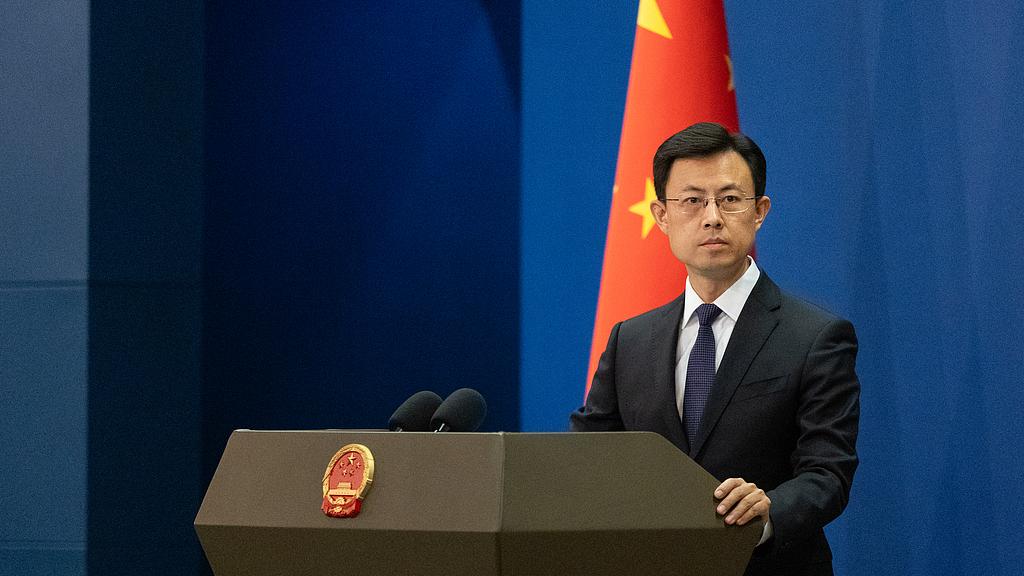
    In a firm diplomatic response, China has demanded Japan retract what it characterizes as erroneous statements concerning Taiwan while simultaneously rejecting critiques of its defense expenditure as unfounded. The confrontation emerged during a regular press briefing in Beijing, where Foreign Ministry spokesman Guo Jiakun addressed recent comments from Japanese officials.

    The diplomatic friction originates from November 7th remarks by Japanese Prime Minister Sanae Takaichi suggesting that potential Chinese military action toward Taiwan could constitute a ‘survival-threatening situation’ for Japan. This was followed by statements from Japanese Foreign Minister Toshimitsu Motegi who, while referencing historical agreements, notably omitted crucial language from the 1972 Sino-Japanese Joint Statement regarding China’s sovereignty over Taiwan.

    Guo highlighted Japan’s selective citation of historical documents, noting that when referencing the Cairo Declaration, Japanese officials deliberately avoided acknowledging that territories including Formosa (Taiwan) were ‘stolen from the Chinese.’ The spokesman further criticized Japan for juxtaposing the Sino-Japanese Joint Statement with the Treaty of San Francisco, which China considers a violation of Japan’s international commitments.

    The timing carries historical significance, marking the 80th anniversary of both victory in the Chinese People’s War of Resistance Against Japanese Aggression and the restoration of Taiwan. Guo emphasized Japan’s colonial history in Taiwan, stating that given this background, ‘Japan is in no position to make any interference’ in Taiwan matters.

    Separately, China rebuked Japanese Defense Minister Shinjiro Koizumi’s characterization of China’s defense spending increases. Guo defended China’s military expenditure as necessary for national security and international responsibilities, while noting that Japan’s own defense spending has surged approximately 60% over the past five years and continues rising for the thirteenth consecutive year.

    The spokesman concluded with a stark warning about Japan’s remilitarization efforts, urging ‘all peace-loving countries’ to remain vigilant against any revival of Japanese militarism and to uphold the outcomes of World War II victory.

  • Nation steps up measures to stimulate consumption

    Nation steps up measures to stimulate consumption

    China is implementing a dual-pronged approach to stimulate consumer spending, combining immediate financial measures with long-term structural reforms as the nation shifts toward a domestic demand-driven economic model. This strategic pivot comes as November retail sales growth slowed to 1.3% year-on-year, down 1.6 percentage points from October’s figures.

    The recently concluded Central Economic Work Conference positioned “boosting domestic demand” as the foremost priority for China’s 2026 economic agenda. President Xi Jinping emphasized in a Qiushi Journal article that expanding domestic demand constitutes both an economic stability mechanism and a national security imperative, characterizing it as a strategic rather than temporary measure.

    In concrete action, China’s Ministry of Commerce, People’s Bank of China, and National Financial Regulatory Administration jointly issued policy directives strengthening financial support for consumer spending. The measures encourage refined financial services for big-ticket purchases and innovative products targeting service sectors including elderly care, catering, tourism, and education.

    Financial analysts view this timing as strategically significant. “Front-loading such support weeks before the new year is designed to secure early economic momentum,” noted Dong Ximiao, Chief Researcher at Merchants Union Consumer Finance Co., adding that positioning ahead of February’s Spring Festival shopping season leverages peak consumption periods.

    The approach combines targeted financial support with extended trade-in programs that have already generated substantial impact. Ministry of Commerce data reveals that from January to November 2025, trade-in initiatives drove sales exceeding 2.5 trillion yuan ($355 billion), benefiting over 360 million citizens. Analysts project expansion of these programs in 2026 to include AI-enhanced products, with proposed funding increases from 300 billion to 500 billion yuan.

    Beyond immediate stimuli, economists stress that sustained consumption growth requires deeper structural reforms. These include boosting household incomes, strengthening social safety nets, and improving livelihoods. The policy focus is evolving from simple stimulus to enhancing both capacity and willingness to spend, potentially through adjusted income tax thresholds, maintained social welfare spending, and high-quality employment policies.

    Concurrently, China is promoting inbound consumption through its “Shopping in China” campaign, facilitated by visa-free policies and instant tax refunds for eligible international travelers. Former WTO Chief Economist Robert Koopman observed that China’s evolution into a major demand center will represent a significant transformation in its global economic role over the next decade.

  • Childhood friends find  ‘$55,000 diamond’ in India

    Childhood friends find ‘$55,000 diamond’ in India

    In an extraordinary turn of fortune, two young entrepreneurs from India’s impoverished Panna district have discovered a remarkable 15.34-carat gem-quality diamond that promises to transform their families’ destinies. Satish Khatik, 24, who operates a meat shop, and Sajid Mohammed, 23, a fruit vendor, stumbled upon the glittering stone while excavating a small plot they had leased from the government just weeks earlier.

    The discovery represents not just geological rarity but social significance in one of India’s most economically challenged regions. Panna, located in Madhya Pradesh state, suffers from chronic poverty, water scarcity, and limited employment opportunities despite hosting the majority of India’s diamond reserves. For generations, local residents have supplemented their incomes by leasing government plots at nominal rates, hoping to uncover the precious stones that could reverse their financial circumstances.

    Official diamond evaluator Anupam Singh confirmed the stone’s exceptional quality and market value, estimating it could fetch between 5-6 million rupees ($55,000-$66,000) at upcoming government auctions. These quarterly events attract buyers from across India and internationally, with pricing benchmarks set according to the Rapaport Report—the diamond industry’s leading independent market analysis authority.

    The two friends, who come from families with decades of unsuccessful diamond hunting experience, described their emotional reaction to the find. “We can now get our sisters married,” they expressed, highlighting the immediate social impact the discovery will have on their families. Mohammed’s father, Nafees, who had searched for diamonds his entire life without significant success, attributed the discovery to divine reward for their perseverance.

    District Mining Officer Ravi Patel emphasized the exceptional nature of their luck: “They had leased out a plot on November 19. It’s their fortune that they found a diamond of gem quality within a few weeks.” Most local diamond seekers spend years sifting through soil and rock manually, using traditional methods of digging pits, washing sediment through sieves, and examining thousands of tiny stones without ever finding a substantial gem.

    While the financial windfall awaits formal auction, both men remain focused on immediate family obligations rather than long-term investments, demonstrating the profound social significance of such discoveries in economically disadvantaged communities.

  • Takeaways from the AP’s report on the impact of aid cuts on Rohingya children in Bangladesh

    Takeaways from the AP’s report on the impact of aid cuts on Rohingya children in Bangladesh

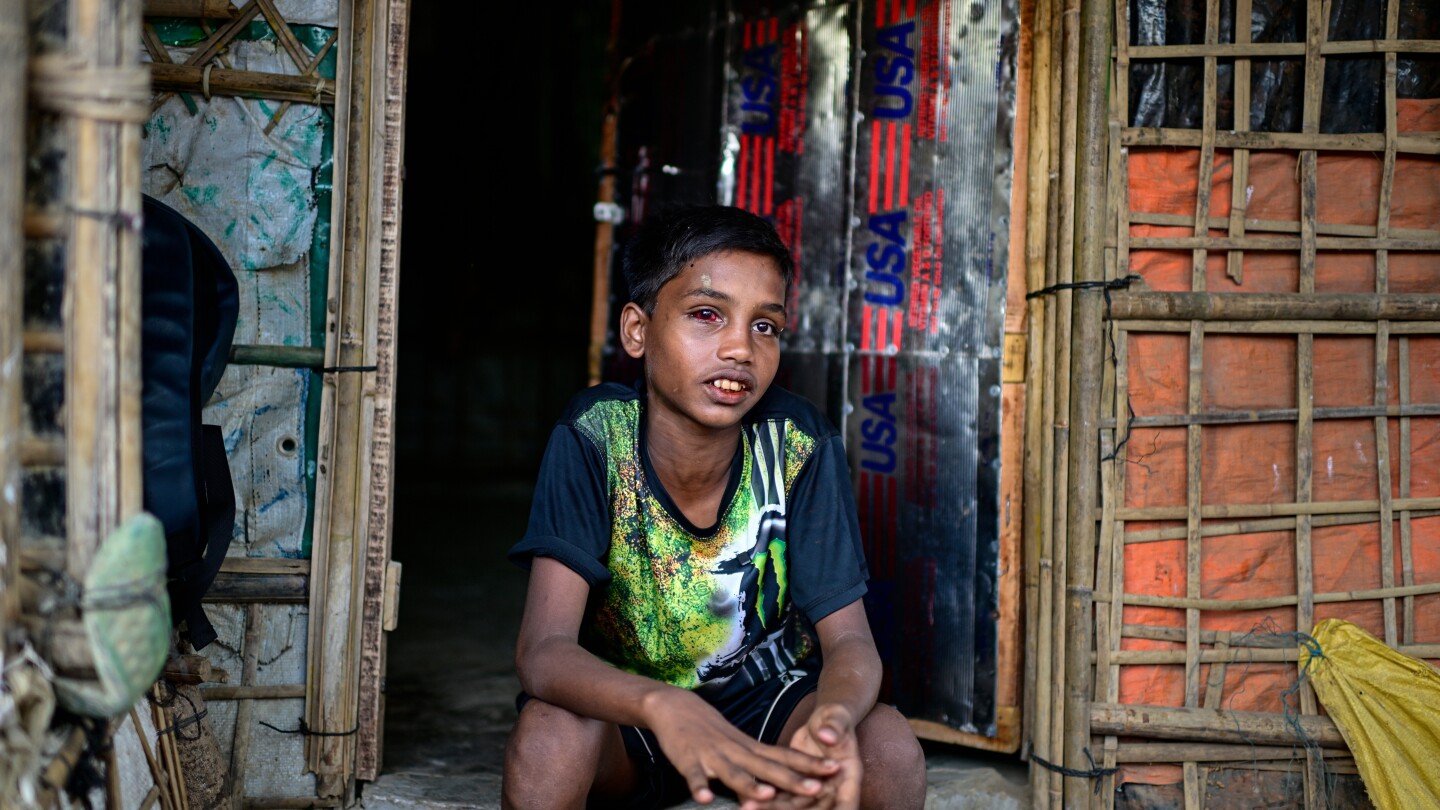
    A devastating humanitarian crisis is unfolding within Bangladesh’s Rohingya refugee camps, where systematic reductions in United States foreign assistance have precipitated alarming increases in child exploitation. According to an extensive Associated Press investigation, the January dissolution of the U.S. Agency for International Development under President Donald Trump has directly correlated with surging incidents of child marriage, labor exploitation, abduction, and recruitment by armed factions.

    With over half of the 1.2 million camp inhabitants being minors, the Rohingya face severe restrictions on employment in Bangladesh while remaining unable to safely return to Myanmar—where military forces previously perpetrated genocide against them. This leaves international aid as their sole lifeline. The U.S., historically the largest humanitarian donor, slashed its 2025 contributions by nearly 50%, causing the overall Rohingya emergency response to be only half-funded.

    The consequences have been catastrophic. UNICEF was forced to close 2,800 educational facilities after losing 27% of its funding, eliminating safe spaces for children. Subsequently, documented abductions quadrupled to 560 cases while child recruitment by militant groups surged eightfold to 817 cases. Verified child marriages increased by 21% and labor exploitation cases rose 17%, though officials acknowledge significant underreporting.

    In response to AP’s findings, the State Department cited $168 million in assistance since Trump’s inauguration and claimed success in “burden sharing” that prompted 11 nations to increase contributions. However, they provided no evidence supporting causation between U.S. diplomacy and these funding decisions.

    The human impact is embodied by Hasina (pseudonym), a 16-year-old former student whose school closure led to forced marriage. Now enduring physical and sexual abuse, she mourns her lost education and aspirations: “I dreamed of being something, of working for the community. My life is destroyed.”