标签: Asia

亚洲

  • Video: Couple in their 60s shot dead while trying to stop Bondi Beach attackers

    Video: Couple in their 60s shot dead while trying to stop Bondi Beach attackers

    In a devastating terrorist attack at Sydney’s Bondi Beach that claimed 15 lives, three civilians are being recognized for their extraordinary bravery in confronting armed assailants during Australia’s deadliest mass shooting in nearly three decades. Boris and Sofia Gurman, a Russian-Jewish couple in their sixties, were captured on dashcam footage physically engaging one gunman as he exited his vehicle, ultimately sacrificing their lives while attempting to disarm the attacker.

    The verified footage shows Mr. Gurman, wearing a lavender shirt and shorts, wrestling for control of a long-barrelled weapon with one assailant before both collapse behind a silver hatchback. Subsequent drone imagery reveals the couple lying motionless near the pedestrian bridge where police later neutralized the attackers. The couple’s family expressed overwhelming pride in their ‘bravery and selflessness’ despite the profound grief of their loss.

    Prime Minister Anthony Albanese identified the Gurmans among the victims of what authorities describe as an Islamic State-inspired terrorism act targeting the Jewish community. Officials allege a father-son duo perpetrated the attack during a Jewish holiday event.

    In a parallel act of courage, 62-year-old Reuven Morrison also lost his life after confronting the attackers. His daughter reported that Morrison immediately began throwing bricks and shouting at the assailant to protect his community. Social media footage corroborates his attempts to disrupt the violence before being fatally shot.

    The attack also produced another hero: Ahmed al Ahmed, a 43-year-old Muslim father of two, who successfully disarmed one gunman from behind despite sustaining gunshot wounds. His actions sparked an outpouring of public support, with donations for his medical recovery exceeding A$2.4 million. Ahmed remains hospitalized while the nation processes this tragedy that has united Australians across religious and ethnic divides.
  • Five people face charges over deadly school fire in Henan

    Five people face charges over deadly school fire in Henan

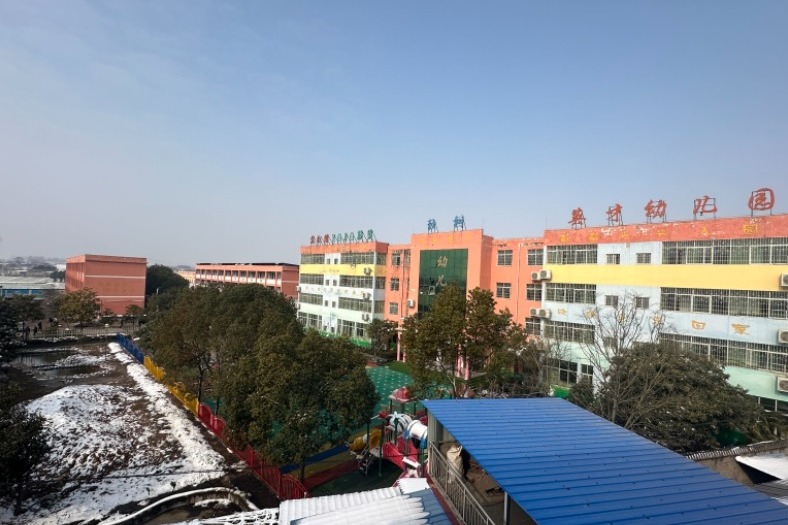
    Chinese authorities have formally brought criminal charges against five individuals following a devastating dormitory fire that claimed 13 young lives at a primary school in Henan province. The tragic incident, which occurred on January 19, 2024, in Fangcheng county, also left four students injured, with official reports confirming all fatalities resulted from smoke inhalation.

    According to investigative findings released by Henan Fire and Rescue, the blaze originated when an eight-year-old student attempted to burn off a loose thread from his quilt using a lighter. The flame subsequently ignited clothing on a neighboring wooden bed, triggering a rapid fire spread accelerated by the dense concentration of bedding, textiles, and wooden materials within the dormitory space.

    Those facing criminal measures include Li Yu, the school’s founder and actual controller; Principal Xu Xiangyang; dormitory supervisor and third-grade headteacher Jia Xia; registered school organizer Li Jizhong; and teaching research director Han Qingpo. All have been charged with “causing a major safety incident involving educational facilities” by the Fangcheng County Public Security Bureau.

    The investigation further revealed systemic safety failures, resulting in the school’s operating license being revoked due to multiple violations including illegal educational activities, unregistered operation, unauthorized land use, and occupancy of unsafe structures. Beyond individual accountability, disciplinary actions extend to 25 additional personnel across local education, fire rescue, natural resources, housing development, and civil affairs departments who face Communist Party discipline punishments.

    In a notable administrative response, both Fangcheng county and Nanyang municipal authorities have been instructed to submit comprehensive self-criticism reports to higher government bodies, acknowledging institutional failures in oversight and safety protocol implementation that contributed to the preventable tragedy.

  • Magnitude 4.3 earthquake hits Saudi Arabia; was it felt in UAE?

    Magnitude 4.3 earthquake hits Saudi Arabia; was it felt in UAE?

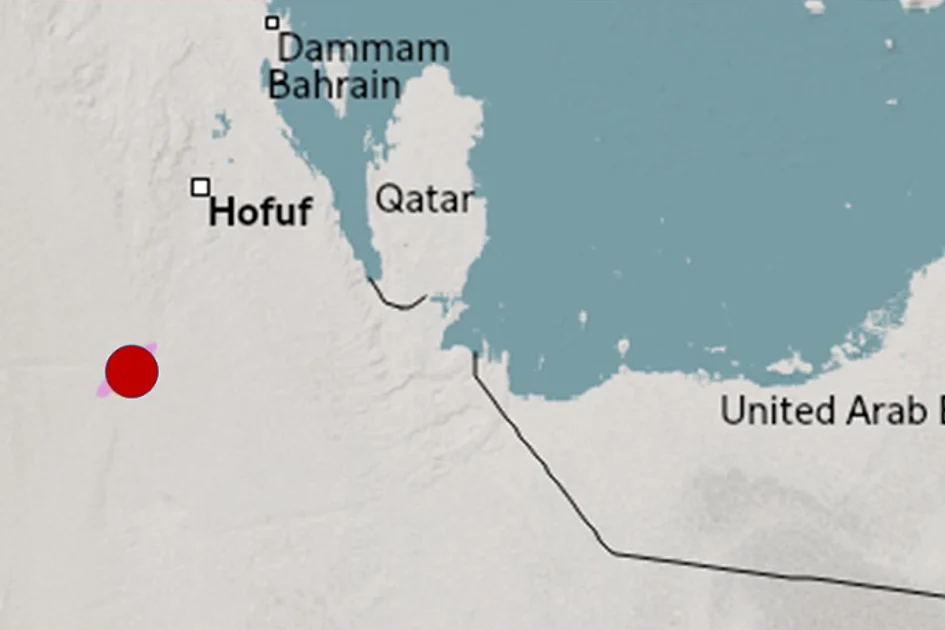
    A seismic event measuring 4.3 magnitude occurred in Saudi Arabia’s Eastern Province at 2:11 AM local time on Wednesday, December 17, 2025. According to meteorological authorities, the earthquake originated at a depth of 50 kilometers beneath the Earth’s surface.

    The National Centre of Meteorology (NCM) confirmed that the tremors were confined to Saudi territory and did not extend to the United Arab Emirates. Seismic monitoring stations across the Emirates reported no detectable ground movement, and residents experienced no disruption from the geological event.

    This incident follows a pattern of similar seismic activity in the region. Earlier in April 2025, both nations recorded a comparable magnitude earthquake in the Arabian Sea near Saudi borders. Seismologists attribute these periodic events to tectonic stresses along ancient fault lines caused by the constant movement of the Arabian Plate against the Eurasian Plate.

    Despite the UAE’s location outside major seismic zones, the country occasionally experiences minor tremors due to its proximity to the seismically active Zagros mountain range. This geological formation, spanning Iran and Iraq, ranks among the world’s most dynamically unstable regions. Recent months have witnessed several regional seismic events, including a 4.6 magnitude quake south of Musandam in November and a 3.3 magnitude event in Bahrain during December, none of which impacted the Emirates.

    Seismic experts note that while the Northern Emirates might occasionally perceive distant tremors, the country’s infrastructure remains well-protected against significant seismic risks. The NCM maintains continuous monitoring through its advanced National Seismic Network, providing real-time data on geological activity throughout the region.

  • Golden Visa boom: How long-term residency is changing UAE homes

    Golden Visa boom: How long-term residency is changing UAE homes

    The United Arab Emirates is experiencing a fundamental transformation in its residential real estate sector, driven primarily by the exponential growth of its Golden Visa program. This shift marks a dramatic departure from the historically transient rental market toward creating permanent, multi-generational communities designed for long-term living.

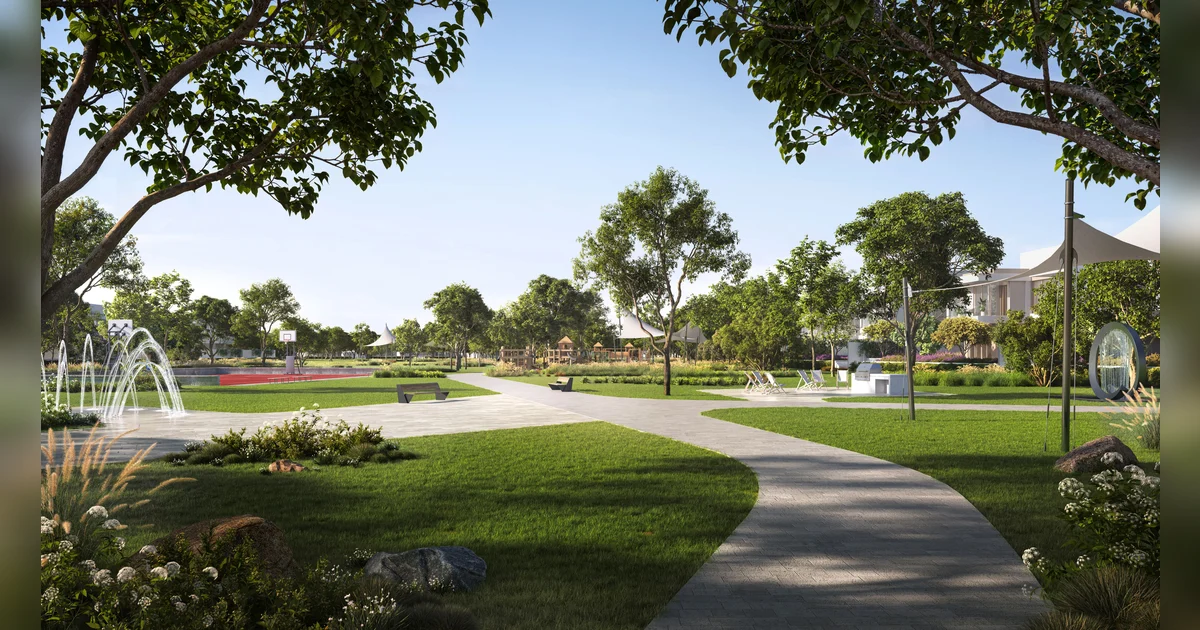
    Property developers are fundamentally rethinking their approach to design and community planning in response to this demographic revolution. Where previously compact, yield-focused units dominated the market, developers now prioritize human-centric designs featuring larger layouts, practical circulation patterns, and flexible spaces that adapt to evolving family needs. The concept of multi-generational living has become a central consideration, with developers incorporating dedicated nanny spaces, en-suite bedrooms, and additional bathrooms even in smaller units.

    Statistical evidence underscores this structural shift. Golden Visa issuances skyrocketed from 47,000 in 2021 to approximately 158,000 in 2023, coinciding with Dubai’s population surpassing 4 million residents. This permanence is reflected in purchasing behavior, with resales within the first year dropping to just 4%—a remarkably low figure for a market once characterized by short-term trading.

    The evolution extends beyond individual homes to encompass entire community ecosystems. Master plans now prioritize walkable neighborhoods with integrated schools, healthcare facilities, parks, and retail establishments within a 15-minute radius. This community-first approach represents a radical departure from the previous ‘sell and exit’ development model.

    Hybrid work arrangements have further accelerated these changes, with buyers now prioritizing home offices, acoustic separation, and natural lighting over tenant-friendly features. Contemporary designs increasingly include dedicated studies, flexible work nooks, and generous family rooms that can transition between functions as needs evolve.

    Industry leaders from ORA Developers and Mira Developments confirm this represents a permanent market maturation rather than a temporary trend. The emerging paradigm balances luxury with functionality, offering personalized spaces that maintain adaptability for long-term residents who view the UAE as their permanent home. This new reality has effectively launched the era of the ‘forever home’ in the Emirates, fundamentally reshaping the region’s residential landscape.

  • UAE weather: Strong winds, dusty conditions as rains to continue today

    UAE weather: Strong winds, dusty conditions as rains to continue today

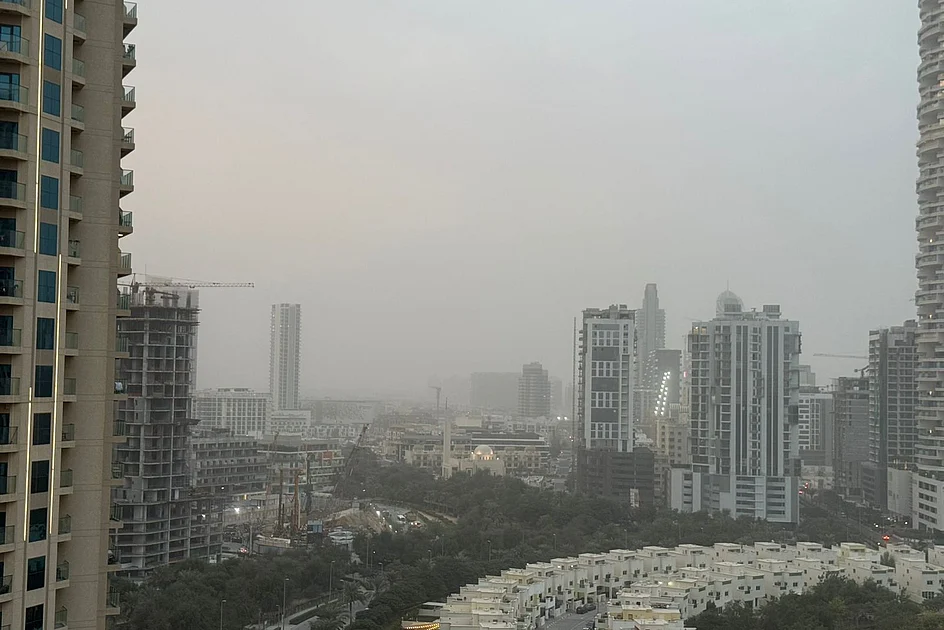
    The United Arab Emirates is experiencing a prolonged period of unstable weather conditions, with meteorological authorities forecasting continued rainfall, strong winds, and dusty patterns across the nation. According to the National Centre of Meteorology (NCM), residents encountered vigorous winds, cooler temperatures, and overcast skies during the early hours of Wednesday, December 17th, with these conditions expected to persist.

    The NCM has identified the development of convective cloud formations—typically associated with precipitation—over island territories, extending to various coastal, northern, and eastern regions. Meteorological officials have issued yellow alerts for multiple areas due to fresh southeasterly winds generating blowing dust and sand, potentially reducing horizontal visibility to under 2,000 meters in certain coastal and internal zones, particularly northward and eastward regions from 6:00 AM until 4:30 PM.

    Wind patterns are projected to shift between southeasterly and northeasterly directions with velocities ranging from 15 to 30 km/h, occasionally reaching peaks of 50 km/h. Temperature variations show significant regional differences, with readings expected between 20°C and 25°C in Abu Dhabi, 21°C to 26°C in Dubai, and 19°C to 25°C in Sharjah. Mountainous areas may experience lows of 8°C while internal regions could see highs approaching 30°C.

    Maritime conditions in the Arabian Gulf are forecast as moderate to rough, while the Oman Sea is expected to remain generally calm with light to moderate waves. The unsettled weather pattern is anticipated to continue through the week, affecting various aspects of daily life across the Emirates.

  • China exploits US-funded research on nuclear technology, a congressional report says

    China exploits US-funded research on nuclear technology, a congressional report says

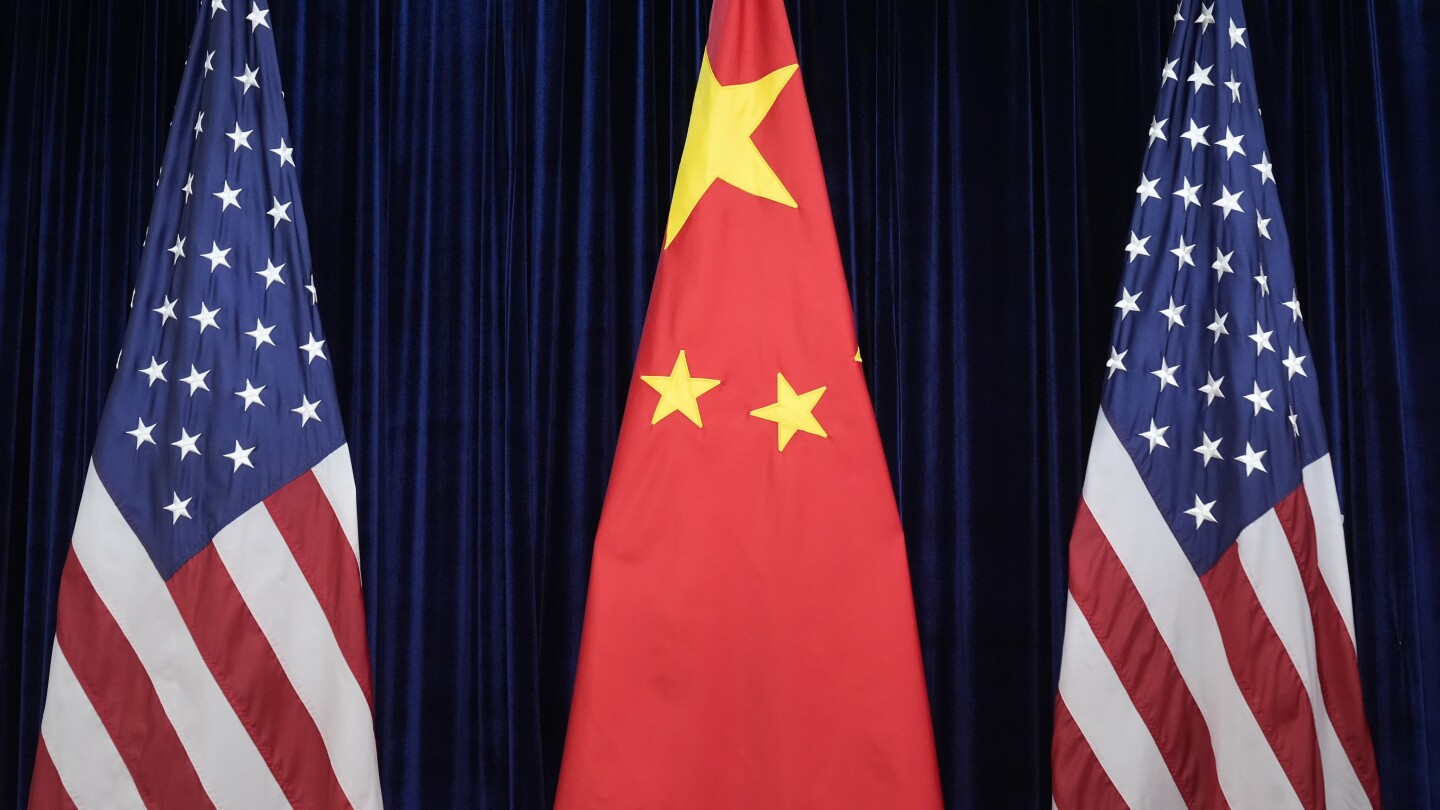
    A congressional investigation has revealed systematic exploitation of U.S. research partnerships by China, with taxpayer-funded nuclear technology and advanced innovations potentially benefiting Beijing’s military modernization efforts. The report published Wednesday by the House Select Committee on the Chinese Communist Party and the House Committee on Education and the Workforce details how China leverages scientific collaborations with Department of Energy-funded researchers to access sensitive technologies with national security implications.

    The comprehensive analysis identified over 4,300 academic papers published between June 2023 and June 2024 resulting from collaborations between DOE-funded scientists and Chinese researchers. Approximately half of these publications involved Chinese researchers directly affiliated with China’s military-industrial complex. The investigation uncovered federal funding supporting research partnerships with Chinese state-owned laboratories and universities that operate under military direction, including several entities listed in the Pentagon’s database of Chinese military companies operating within the United States.

    Particularly alarming were documented collaborations between U.S. researchers and Chinese organizations previously implicated in cyberattacks and human rights violations. The Energy Department, which allocates hundreds of millions annually for advanced research in nuclear energy, quantum computing, materials science, and physics, has allegedly failed for decades to implement adequate safeguards preventing research benefits from flowing to China’s defense establishment.

    The report recommends substantial policy reforms, including standardized national security risk assessments for research proposals involving Chinese partnerships and enhanced interagency information sharing to identify problematic collaborations more effectively. Committee Chairman Rep. John Moolenaar (R-Mich.) characterized the findings as revealing “a deeply alarming problem” where American taxpayers inadvertently fund the military advancement of the nation’s “foremost adversary.”

    While legislative efforts to address these concerns faced opposition from scientific communities warning against overly broad measures that might undermine America’s technological competitiveness, the report emphasizes the urgent need for balanced security protocols that protect critical research without stifling legitimate international scientific cooperation.

  • China creates over 12 million new urban jobs in the first 11 months

    China creates over 12 million new urban jobs in the first 11 months

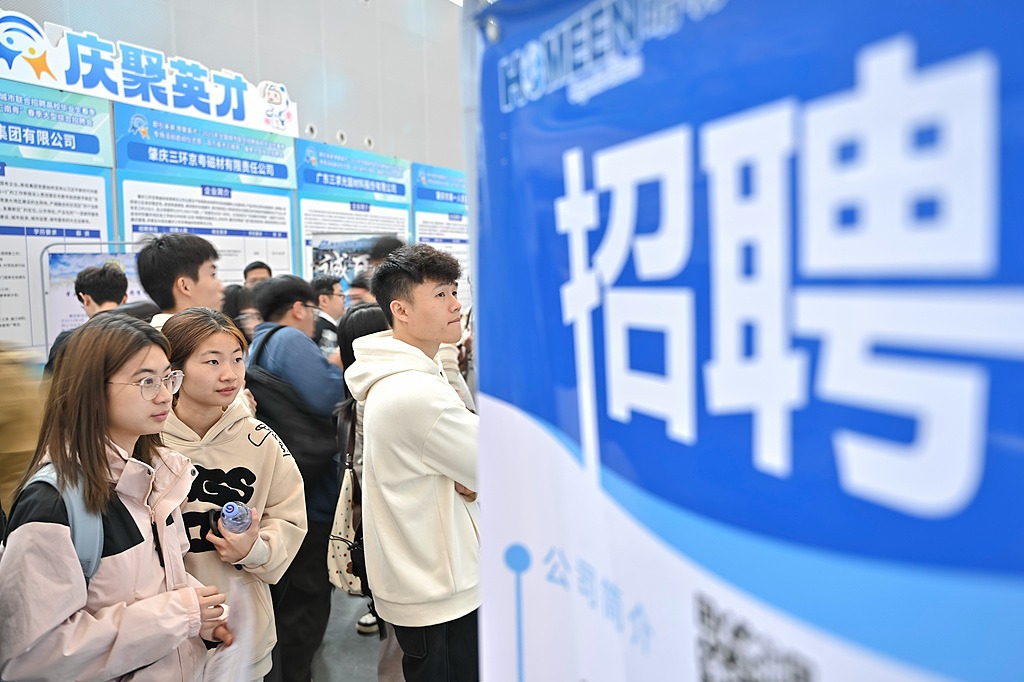
    China’s labor market has demonstrated remarkable stability throughout the first eleven months of 2025, with official statistics revealing the creation of 12.1 million new urban positions. The Ministry of Human Resources and Social Security released these figures on Tuesday, December 17, 2025, indicating a sustained positive trend in employment generation.

    The data further indicates that the average urban unemployment rate remained at 5.2 percent during this eleven-month period, reflecting the effectiveness of comprehensive employment stabilization policies implemented throughout the year. Chinese authorities have consistently prioritized job security as fundamental to maintaining broader economic stability, particularly within the four critical domains of employment, enterprise operations, market functions, and economic expectations.

    According to a representative from the ministry’s employment promotion department, future strategies will concentrate on dual objectives of maintaining existing employment levels while simultaneously expanding new opportunities. These efforts will include implementing targeted support measures for key demographic groups, enhancing vocational training programs to improve workforce adaptability, optimizing public employment services for more efficient job matching, and strengthening entrepreneurial support mechanisms to generate multiplicative employment effects throughout the economy.

    The sustained job creation performance aligns with China’s broader economic stabilization initiatives that have emphasized employment quality and quantity as central components of socioeconomic development policy. These measures have proven particularly effective in navigating global economic uncertainties while maintaining domestic employment fundamentals.

  • No more OTPs for UAE banking: Step-by-step guide to new 2026 payment system

    No more OTPs for UAE banking: Step-by-step guide to new 2026 payment system

    The United Arab Emirates banking sector is undergoing a transformative security shift as financial institutions progressively abandon traditional one-time passwords (OTPs) delivered via SMS or email. This strategic move responds to escalating cybersecurity threats including phishing attacks, SIM-swap fraud, and OTP interception that have compromised conventional verification methods.

    Leading financial institutions including Emirates NBD have pioneered the transition to an advanced app-based authentication framework. Under this new system, customers authorize card payments directly within their banking applications through secure push notifications coupled with biometric verification or smart pass PINs. This approach creates a protected, bank-controlled environment that significantly reduces vulnerability compared to external messaging channels.

    The practical implementation involves a streamlined four-step process: First, customers receive an authorization prompt during online payments directing them to their banking app instead of the traditional OTP pop-up. Simultaneously, an SMS alert notifies users to access their banking application. Second, upon login, users encounter a pending payment notification within the Activities section. Third, a dedicated review window displays comprehensive transaction details including merchant information and amount, accompanied by a two-minute countdown timer for decision-making. Finally, approval requires smart pass PIN verification, completing the transaction instantly without OTP involvement.

    This security enhancement is being implemented through a carefully structured phased rollout. Initial measures commenced on July 25, 2025, with UAE banks beginning the elimination of SMS and email OTPs for specific digital and card-based transactions. During this transitional phase, customers may encounter varying authentication methods depending on their financial institution, transaction type, and channel utilized. The complete discontinuation of traditional OTP systems is scheduled for March 2026, aligning with regulatory directives aimed at fortifying digital banking security infrastructure across the Emirates.

  • PM2.5 drops to lowest level in Beijing in 1st 11 months of 2025

    PM2.5 drops to lowest level in Beijing in 1st 11 months of 2025

    Beijing has reached a significant environmental milestone, recording its cleanest air quality since comprehensive monitoring began. Municipal environmental authorities confirmed on December 17, 2025, that the Chinese capital’s average concentration of PM2.5—fine particulate matter considered most harmful to human health—dropped to unprecedented levels during the January-November period of 2025.

    The data reveals a remarkable improvement, with PM2.5 concentrations falling to 26.5 micrograms per cubic meter, representing a substantial 16.7 percent reduction compared to the same period in 2024. This achievement translates to 282 days of good air quality standards, extending the city’s blue-sky period by 23 additional days year-on-year.

    This environmental transformation stems from Beijing’s comprehensive, multi-faceted approach to pollution control. The city’s “0.1 microgram initiative” has driven incremental improvements across multiple sectors. Strategic measures include accelerating the transition to new energy vehicles, implementing stringent emissions controls at construction sites, and facilitating industrial green transformations.

    Additional successes include exceeding annual targets for clean heating renovations and completing ahead-of-schedule upgrades to cooking fume treatment systems in 1,401 catering establishments. These coordinated efforts demonstrate Beijing’s commitment to addressing pollution sources with surgical precision.

    Looking toward winter months, authorities have pledged enhanced targeted measures, refined pollution forecasting capabilities, and strengthened analytical systems to maintain air quality standards throughout the challenging heating season.

  • Number of digital consumers in China tops 958 million

    Number of digital consumers in China tops 958 million

    China’s digital economy has reached a monumental milestone with the nation’s digital consumer population exceeding 958 million during the first half of 2025, according to official data released by the China Internet Network Information Center (CNNIC). This substantial figure represents 85.3% of the country’s total internet users, underscoring the pervasive integration of digital technologies into everyday consumption patterns.

    The demographic breakdown reveals significant generational participation, with Generation Z (born between 1997-2012) constituting 27.2% of all digital consumers. Simultaneously, senior citizens aged 60 and above demonstrate growing digital adoption, accounting for 12.2% of the consumer base. Rural users have emerged as a substantial market segment, representing 26% of total digital consumers, indicating successful digital inclusion initiatives across China’s diverse geographical landscape.

    Consumer behavior analysis shows that 39.1% of internet users engaged in purchasing smart products during the reporting period, including smart home devices, digital gadgets, and wearable technology. The report also identified 8.2% of users buying blind boxes, IP-related merchandise, and anime-themed products online, reflecting the expanding diversity of digital marketplace offerings.

    A notable trend highlighted in the findings is the synergistic relationship between digital cultural content and consumer spending. Digital entertainment platforms are increasingly driving integrated expenditures across smart hardware, cultural experiences, and tourism services. The lifestyle services sector has witnessed remarkable growth, with over 223 million consumers utilizing online platforms for errands, home services, and maintenance by June 2025, demonstrating the practical applications of digital solutions in daily life.

    This massive digital consumer base represents a fundamental shift in China’s economic structure, where digital spending continues to play an increasingly vital role in overall consumption patterns. The data suggests a mature yet still expanding digital ecosystem that continues to evolve with technological advancements and changing consumer preferences.