标签: Asia

亚洲

  • Guangdong expressway stops become New Year shopping hotspots

    Guangdong expressway stops become New Year shopping hotspots

    Service areas along Guangdong’s expressways have unexpectedly emerged as bustling commercial hubs during the Spring Festival travel period, transforming routine rest stops into vibrant shopping destinations. The phenomenon represents a novel dimension of China’s annual mass migration, where travelers are seizing the opportunity to purchase local specialties while journeying home for Lunar New Year celebrations.

    During the first day of the Spring Festival travel rush alone, two service areas on the Jiangmen-Zhaoqing Expressway reported substantial sales of distinctive regional products. Among the most sought-after items were intricately crafted inkstones, succulent sugar oranges, premium tribute oranges, and specially prepared chickens – all emblematic of Guangdong’s rich cultural and culinary heritage.

    This commercial transformation reflects sophisticated logistical planning by service area operators who have capitalized on the predictable surge in traveler volume. By curating selections of authentic local specialties, these roadside facilities have effectively become mobile marketplaces that connect provincial products with consumers from across the nation.

    The development also illustrates evolving consumer behavior during traditional holidays, where travelers increasingly value convenience and authenticity. Rather than making separate shopping trips, millions are now combining their travel necessities with gift purchasing, effectively optimizing their limited time before family reunions.

    Transportation analysts note that this trend represents an innovative commercialization of infrastructure that typically serves purely functional purposes. The service areas’ strategic positioning along major travel corridors has enabled them to capture a captive market of homebound travelers seeking meaningful gifts and culinary specialties from the region they’re passing through.

  • Video platform hit with fine by Beijing cyberspace authorities

    Video platform hit with fine by Beijing cyberspace authorities

    Chinese regulatory authorities have levied a substantial penalty against leading short-video platform Kuaishou for systemic failures in content moderation and cybersecurity protocols. The Beijing Cyberspace Administration disclosed on Friday a fine totaling 119.1 million yuan ($17.16 million) following an extensive investigation into the platform’s operations.

    The regulatory action was initiated after authorities detected a significant increase in livestreamed content violating China’s strict internet decency standards. The investigation revealed critical deficiencies in Kuaishou’s compliance framework, including inadequate response to security vulnerabilities and insufficient mechanisms for removing prohibited content in accordance with China’s cybersecurity legislation.

    In an official statement, the administration characterized these operational failures as severe violations with substantial negative social impact. The penalty amount was determined based on the gravity of infractions and calculated according to statutory provisions within China’s internet governance framework.

    The regulatory body reaffirmed its commitment to rigorous enforcement of digital content policies, emphasizing that all online platforms must prioritize cybersecurity measures and maintain legally compliant operating environments. Authorities urged industry participants to strengthen internal governance systems and assume greater responsibility for protecting user rights and public interests.

    Kuaishou responded with a formal apology acknowledging deficiencies in risk management, security infrastructure, and internal control mechanisms. The platform indicated it has implemented corrective measures addressing these shortcomings and committed to enhancing its compliance protocols and governance structures. Company representatives stated they have derived significant lessons from the incident and will intensify efforts to balance platform development with regulatory obligations.

  • High-stakes talks between US, Iran kick off in Oman as confrontation looms

    High-stakes talks between US, Iran kick off in Oman as confrontation looms

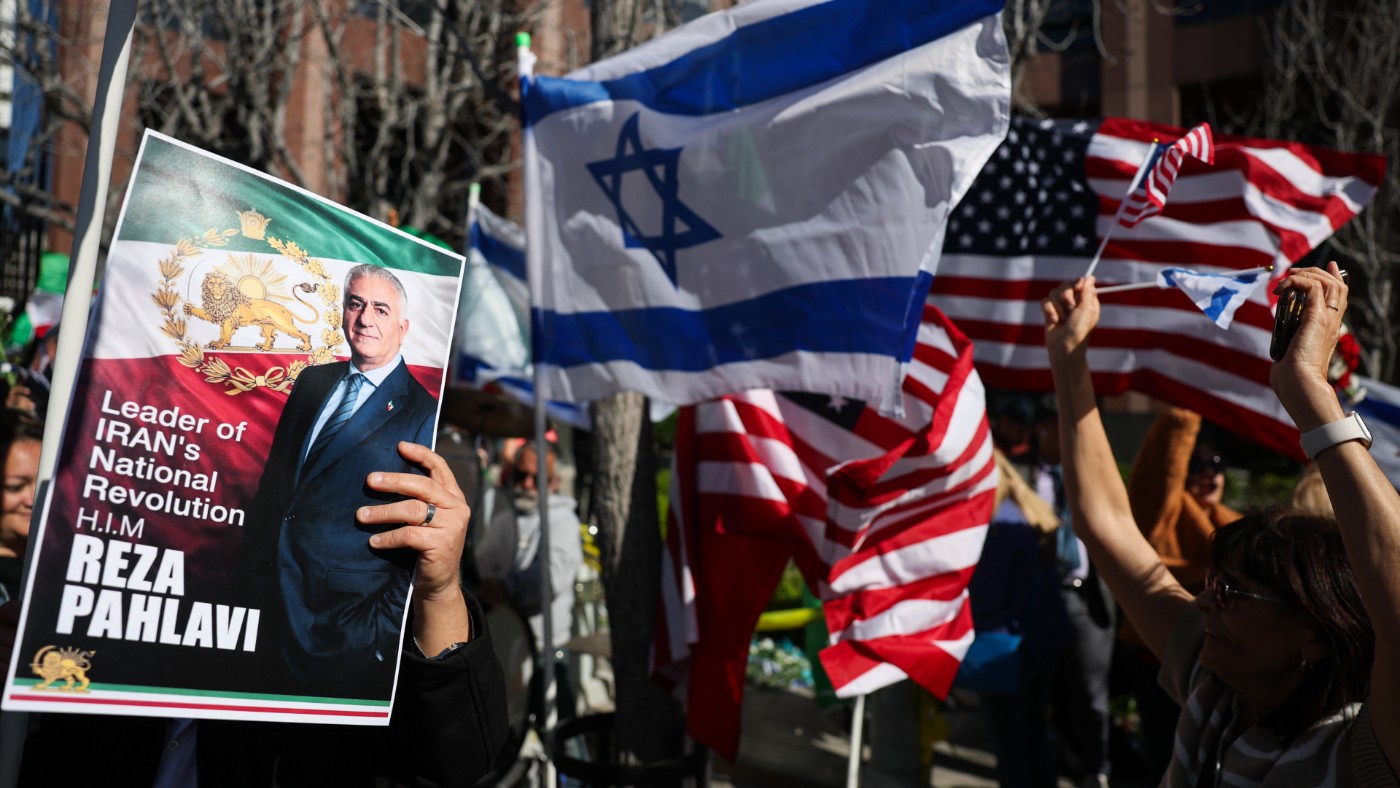
    Muscat has emerged as the critical diplomatic arena where United States and Iranian officials commenced high-stakes negotiations on Friday, attempting to bridge substantial divides regarding Tehran’s nuclear ambitions. The Omani-mediated discussions unfold against a backdrop of heightened military posturing and mutual threats that risk triggering broader regional conflict.

    Washington’s diplomatic approach, articulated by Secretary of State Marco Rubio, seeks to expand the agenda beyond nuclear matters to encompass Iran’s ballistic missile program, regional proxy networks, and domestic human rights record. This comprehensive stance contrasts sharply with Tehran’s insistence that talks exclusively address nuclear issues, with Foreign Minister Abbas Araqchi emphasizing Iran’s “open eyes and steady memory” regarding past agreements.

    The negotiation dynamics feature complex shuttle diplomacy, with US Middle East envoy Steve Witkoff and Presidential advisor Jared Kushner engaging Omani intermediaries before potential direct discussions. This cautious approach reflects the profound mistrust between nations, exacerbated by recent military actions including US strikes on Iranian nuclear targets during June’s joint operations with Israel.

    Iran’s strategic position combines defensive rhetoric with demonstrated military capability, recently showcasing its advanced Khorramshahr-4 ballistic missiles in underground facilities. While Tehran maintains an uncompromising stance regarding its missile program as a fundamental defense component, officials indicate potential flexibility regarding uranium enrichment levels and possible consortium arrangements for nuclear materials.

    The shadow of former President Trump’s threats looms over negotiations, with current administration officials acknowledging multiple options beyond diplomacy. Iranian responses include warnings to Gulf neighbors hosting US bases that they could become targets in any military confrontation, highlighting the high-risk nature of these discussions.

    Regional stakeholders closely monitor developments, with Israel characterizing Iran’s nuclear and missile programs as existential threats. Meanwhile, Iran’s regional influence has diminished following conflicts in Gaza and Syria, potentially affecting its negotiating leverage. The outcome of these talks carries implications for global non-proliferation efforts and Middle East stability, with the international community awaiting evidence of tangible progress toward de-escalation.

  • Activists to launch ‘largest’ aid flotilla to break Gaza siege in March

    Activists to launch ‘largest’ aid flotilla to break Gaza siege in March

    In a significant escalation of maritime humanitarian efforts, the Global Sumud Flotilla (GSF) coalition has announced plans to dispatch its largest aid convoy to the Gaza Strip next month. The mission, organized as a direct response to what participants describe as a humanitarian catastrophe, will deploy approximately 100 vessels carrying over 1,000 international activists from various professional backgrounds.

    The flotilla is scheduled to depart from Barcelona on March 29, with a simultaneous land-based aid convoy originating from Asia. The initiative brings together medical personnel, educators, engineers, and human rights investigators in what organizers characterize as a coordinated nonviolent action against the ongoing siege and widespread suffering in Gaza.

    Saif Abukeshek, a member of the GSF steering committee, framed the mission in ideological terms, stating: “This is the enemy we are confronting. It is not a person, but a way of life that determines the future of other nations.”

    The effort has garnered substantial international support, including endorsement from Malaysian Prime Minister Anwar Ibrahim, who committed his nation’s direct involvement during a January announcement. “We will mobilize all efforts to help and defend the rights of the Palestinian people,” Ibrahim declared, emphasizing that “justice can no longer be delayed.”

    The announcement was formally made during a gathering in Johannesburg attended by Mandla Mandela, grandson of the late South African leader Nelson Mandela, adding symbolic weight to the initiative.

    This undertaking follows a previous GSF mission in August that managed to approach within 200 nautical miles of Gaza before being intercepted by Israeli forces. Approximately 40 boats carrying 450 activists were detained during that operation, with participants subsequently reporting physical mistreatment and verbal abuse during detention. Activists also documented communications interference and surveillance by Israeli naval vessels and drones throughout their journey.

    Maritime challenges to Israel’s naval blockade date back to 2008, with most attempts since 2010 resulting in Israeli interceptions. The most deadly confrontation occurred in 2010 when Israeli forces boarded a flotilla, resulting in ten activist fatalities and dozens injured. Israel subsequently issued an apology in 2013 for what it termed “operational mistakes” during that incident.

  • David Stern: Epstein’s source who sat next to the queen, sent him lewd messages and brokered deals

    David Stern: Epstein’s source who sat next to the queen, sent him lewd messages and brokered deals

    Newly unsealed court documents from the Jeffrey Epstein case have uncovered the extensive dual role of German-born investor David Stern, who simultaneously served as a trusted associate within British royal circles while maintaining a close operational relationship with the convicted sex offender. The revelations present a complex web of connections that challenges previous understandings of Epstein’s infiltration into elite social networks.

    Stern, a 48-year-old financier now residing in the United Arab Emirates, appears thousands of times in the recently released Epstein files, positioning him as what investigators now describe as Epstein’s ‘unofficial ambassador’ to the royal family. His access to Prince Andrew’s inner circle was so substantial that he obtained directorial positions at two prestigious royal-affiliated institutions: St George’s House trust within Windsor Castle (from which he resigned in 2022) and Andrew’s entrepreneurial initiative Pitch@Palace (resigned in 2019).

    The documents reveal Stern’s multifaceted relationship with Epstein extended from at least 2009 through 2018, continuing even after Epstein’s first conviction for sex crimes. Their communications included sexually explicit material, with Stern sending photographs of nude women and organizing travel arrangements for unidentified women between London and Paris at Epstein’s request. In one particularly revealing 2014 exchange, Stern conveyed birthday wishes to Epstein from Prince Andrew alongside a photograph of champagne being poured over a naked woman’s body.

    Stern’s business dealings with Epstein were equally extensive. He repeatedly pitched China-focused investment opportunities, attempted to facilitate Epstein’s visa application to China (which was denied due to his criminal record), and proposed Epstein purchase the luxury Dukes hotel near Buckingham Palace—complete with suggestions for installing a ‘playroom.’ Their correspondence also shows Stern acting as an intermediary between Epstein and powerful figures including former Labour minister Peter Mandelson and Emirati businessman Sultan Ahmed bin Sulayem.

    Perhaps most significantly, Stern served as a reporting channel between royal activities and Epstein, providing updates on Prince Andrew’s movements, business dealings, and personal affairs. He organized aspects of Andrew’s official trips to China and Malaysia while explicitly stating in a 2011 email that he preferred to ‘stay in the background/hidden, just make the arrangements.’

    The documents reveal Stern maintained his royal connections even after Epstein’s 2019 death, remaining on the board of St George’s House until 2022. His proximity to the highest levels of the establishment was demonstrated by his seating position directly next to Queen Elizabeth during a 2016 event at St James’s Palace.

    These revelations come amid ongoing fallout for Prince Andrew, who was stripped of his royal titles and military affiliations in 2022 and has recently been forced to relocate from his Royal Lodge residence. The files suggest Epstein’s connections within British elite circles were more institutionalized and operationally active than previously understood, with Stern acting as a key conduit between the disgraced financier and the highest levels of British society.

  • Industry leaders convene to address infrastructure safety and intelligence at Safe Dubai 2026

    Industry leaders convene to address infrastructure safety and intelligence at Safe Dubai 2026

    Dubai prepares to host industry pioneers at the Safe Dubai 2026 forum on February 13th, where infrastructure intelligence and safety will take center stage during the UAE’s unprecedented construction expansion. The event, organized by geotechnical monitoring leader Encardio Rite, arrives as the nation’s construction sector projects remarkable growth reaching $130.8 billion by 2029.

    The one-day conference at Grand Hyatt Dubai will convene senior experts to address critical challenges in urban development, focusing specifically on how monitoring data and intelligent systems can enhance safety protocols, optimize intervention strategies, and strengthen lifecycle management decisions across large-scale projects.

    Professor Kenichi Soga from University of California, Berkeley will deliver the keynote address, sharing insights from global infrastructure projects and examining how integrated monitoring systems combined with engineering expertise are reshaping real-world decision-making processes.

    Arushi Bhalla, Managing Director of Encardio Rite Group, emphasized the industry’s evolution: “We’ve progressed beyond mere data collection into predictive, intelligence-driven asset management. The contemporary challenge lies not in data accessibility but in our capacity to interpret complex information in ways that genuinely enhance safety, performance, and long-term infrastructure outcomes.”

    The forum’s timing proves particularly relevant given McKinsey’s staggering findings: global construction inefficiencies cost approximately $1.6 trillion annually, largely attributable to limited visibility and fragmented operational insights. As infrastructure systems grow increasingly complex and interconnected, the imperative for data-driven decision-making becomes ever more critical.

    Safe Dubai 2026 aims to establish a collaborative platform where industry professionals can develop strategies to transform monitoring data into measurable improvements in efficiency, safety, and accountability across the built environment. Registration remains open for professionals seeking to engage with these transformative discussions.

  • Sheikh Saif’s viral speech: 6 things he said that will make you proud to be from UAE

    Sheikh Saif’s viral speech: 6 things he said that will make you proud to be from UAE

    In a landmark address at the World Government Summit, Sheikh Saif bin Zayed Al Nahyan, UAE Deputy Prime Minister and Minister of Interior, articulated a comprehensive national vision positioning the Emirates as a global leader in artificial intelligence and economic transformation. The speech, titled “The Impregnable Fortress,” has garnered international attention for its ambitious scope and strategic clarity.

    Sheikh Saif revealed the UAE’s remarkable achievement of ranking first in 264 global competitiveness indicators, demonstrating the nation’s exceptional performance across multiple sectors. He highlighted the country’s magnetic appeal to global wealth, noting that 240,000 millionaires now call the UAE home, with their collective wealth exceeding $785 billion. This influx includes 9,800 new millionaire residents in 2025 alone, averaging 26 daily arrivals—a powerful testament to international confidence in the nation’s stability and future prospects.

    The centerpiece of the address was the unveiling of the UAE’s complete AI strategy, structured as a five-pillar pyramid. This comprehensive framework includes:

    1. Clean Energy: Establishing the foundation with global leadership in energy competitiveness (1st globally), concentrated solar power (4th), and nuclear energy (13th)
    2. Chips: Developing custom AI hardware through strategic partnerships with US technology firms
    3. Infrastructure: Building the physical backbone capable of supporting massive AI projects
    4. Models: Creating native AI systems like MBZUAI’s K2Think, already ranking among top reasoning systems
    5. Applications: Implementing practical AI integration across government and private sector services

    Sheikh Saif announced the UAE’s strategic pivot from “oil producer to intelligence producer,” with ambitions to create an “intelligence factory” capable of generating 100 trillion tokens daily. This monumental effort involves global partnerships spanning nuclear energy cooperation with South Korea, chip design with American partners, and data center development with numerous international collaborators.

    The economic transformation is already yielding extraordinary results, with non-oil foreign trade growing by 26% in the past year to exceed 3 trillion dirhams—achieving this milestone five years ahead of the 2030 target.

    Beyond technological and economic achievements, Sheikh Saif emphasized the nation’s humanitarian commitment, noting the UAE’s position as the world’s third-largest humanitarian aid donor. He detailed extensive support for Gaza exceeding $3 billion (representing 46% of global aid), construction of six water desalination plants producing 2 million gallons daily, and treatment of over 870,000 medical cases.

    The address concluded with a powerful reaffirmation of the nation’s social contract, defining the “impregnable fortress” as the unwavering protection of family, religion, industry, and wealth for all citizens. Sheikh Saif credited the nation’s leadership under President Sheikh Mohamed bin Zayed for steering this transformation while calling upon citizens to embrace their role as guardians of the nation’s future.

  • Blast at Islamabad mosque kills 11 during Friday prayers: Police source

    Blast at Islamabad mosque kills 11 during Friday prayers: Police source

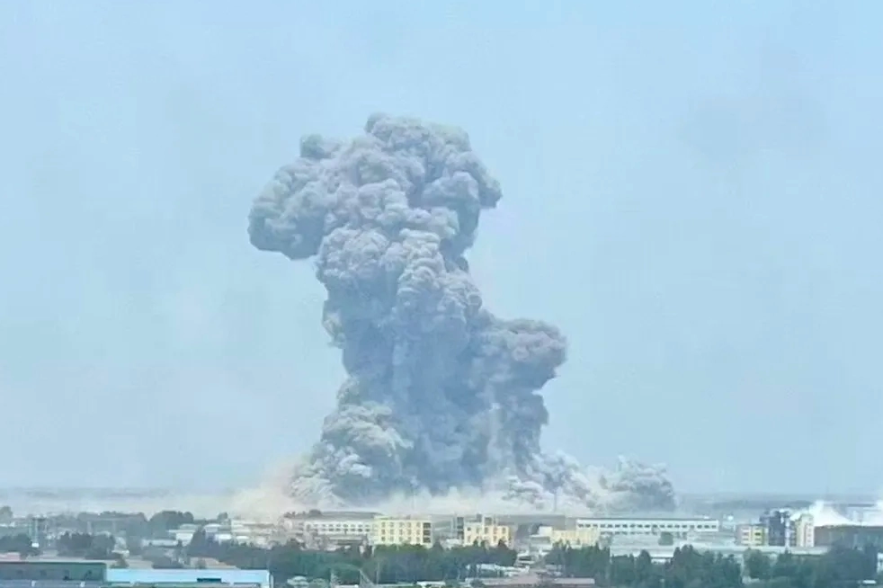
    A devastating explosion struck a Shi’ite Muslim mosque in Pakistan’s capital Islamabad during Friday prayers, resulting in 11 fatalities and leaving 20 individuals wounded, according to police sources. The blast occurred at approximately 2:09 PM local time on February 6, 2026, when the mosque was filled with worshippers engaged in weekly congregational prayers.

    Police official Zafar Iqbal confirmed the tragic incident, stating that emergency services had transported numerous casualties to nearby medical facilities. “We have shifted several people to hospitals. I can’t say how many are dead at this moment, but yes people have died,” Iqbal reported from the scene.

    Law enforcement authorities have cordoned off the area as investigation teams work to determine the nature and cause of the explosion. A police spokesman indicated that the specific type of explosive device used in the attack remains unclear at this preliminary stage of the investigation.

    This incident marks another concerning episode in Pakistan’s ongoing struggle with sectarian violence, particularly targeting religious minorities. The attack on a Shi’ite place of worship during Friday prayers—the most attended weekly religious gathering—suggests deliberate timing to maximize casualties.

    International news agencies including AFP and Reuters have deployed correspondents to cover the developing situation, while Pakistani security forces have intensified their presence throughout the capital region. The government has yet to release an official statement regarding responsibility for the attack or potential security measures in response to this tragedy.

  • Beijing-Xiong’an Express Line poised to shrink travel time, boost regional integration

    Beijing-Xiong’an Express Line poised to shrink travel time, boost regional integration

    The Beijing-Xiong’an Express Line, an ambitious infrastructure project spanning approximately 86 kilometers through Hebei’s Xiong’an New Area, Langfang, and Beijing, is approaching operational status with transformative implications for regional connectivity. According to Xue Yunlei, deputy general manager of Xiong’an Group’s Xiong’an-Shangqiu Rail Express Line Co, the primary structural construction has been finalized, with current efforts concentrated on station interior completion, electromechanical system installations, comprehensive testing, and operational readiness protocols.

    This state-of-the-art transit corridor, featuring eight newly constructed stations, will establish a direct connection with the Beijing Daxing Airport Line upon commissioning. The strategic integration promises to dramatically reduce travel durations, facilitating a streamlined half-hour commuting circuit between Xiong’an and Beijing’s urban core.

    The Xiong’an Terminal Station exemplifies engineering sophistication through its triple-tier underground design. The uppermost ‘urban living level’ provides seamless access to adjacent commercial developments, while the intermediate ‘integrated transfer level’ enables efficient three-minute transitions between the Xiong’an-Xinzhou High-Speed Railway, planned Metro Lines M1 and M2, and the Express Line itself. The foundational platform level prioritizes passenger safety and boarding convenience through optimized design.

    Operational projections indicate the line will enable 30-minute journeys from Xiong’an to Daxing International Airport and 60-minute travel to Beijing’s Lize Business District. Beijing Rail Transit Operation and Management Co will administer the service, implementing Beijing’s renowned standards for operational safety, service efficiency, intelligent systems, and passenger experience excellence. This infrastructure initiative represents a significant advancement in the Beijing-Tianjin-Hebei regional integration strategy, potentially establishing new benchmarks for intercity transportation networks.

  • Building the ‘City of the Future’: Xiong’an AI Park fosters next-gen innovation

    Building the ‘City of the Future’: Xiong’an AI Park fosters next-gen innovation

    The Xiong’an Artificial Intelligence Industrial Park has rapidly evolved into a thriving hub for technological advancement, attracting over 60 enterprises since its inauguration in June 2025. This concentrated AI ecosystem is demonstrating remarkable growth potential and emerging as a cornerstone for China’s ambitious ‘City of the Future’ initiative.

    Strategically positioned within the Xiong’an New Area, the park benefits from formidable academic backing through partnerships with Tsinghua University’s Institute for AI Industry Research and Institute for Interdisciplinary Information Sciences. This collaboration ensures a continuous pipeline of research commercialization projects transforming theoretical concepts into practical applications.

    Current infrastructure spans approximately 69,000 square meters, with 25,000 square meters already operational. Expansion plans are underway to add nearly 400,000 square meters of additional facilities, signaling strong confidence in the park’s long-term development trajectory.

    The park’s operational philosophy centers on innovation-driven, application-oriented development, with the Xiong’an Artificial Intelligence Research Institute serving as its core intellectual engine. This approach focuses on advancing next-generation AI theory while simultaneously driving practical innovation across multiple sectors.

    According to Xu Pengcheng, an official at the Industrial Operations Center, the park has successfully attracted high-quality enterprises specializing in AI model development and trusted data spaces. Notably, over 80% of these companies originated from Beijing, including publicly listed corporations and university-incubated projects.

    The park’s management has implemented tailored support mechanisms aligned with Xiong’an New Area’s talent acquisition policies. These include living subsidies for recent graduates, which effectively reduce labor costs for resident companies while providing comprehensive support for workforce development and retention.