The ongoing US-Israeli military campaign against Iran has opened a deep and widening breach between the United States and its longstanding NATO allies, with multiple member states rejecting American requests for military access, basing rights, and defensive assets even as the Trump administration casts new uncertainty over its commitment to the alliance’s core mutual defense pledge.
Multiple European capitals have now publicly pushed back against Washington’s demands. Spain has barred US military aircraft bound for Iran-related operations from entering its airspace, according to official statements. Leading Italian newspaper Corriere della Sera also reported that Rome has denied landing access to US military aircraft en route to the Middle East at a key Sicilian base, a striking move given Italy’s right-leaning government under Prime Minister Giorgia Meloni, traditionally aligned with US foreign policy goals.
Poland, a central European nation that has stood as one of Washington’s most reliable NATO allies since the end of the Cold War and where former President Trump retains broad popular support amid the country’s powerful right-wing populist movement, also issued a public denial on Tuesday. Warsaw rejected claims it had agreed to redeploy its Patriot air defense systems to the Middle East, confirming it turned down an informal request from the Trump administration for the assets.
While Spanish Prime Minister Pedro Sanchez, a leftist leader, publicly opposed the US-Israeli war from its earliest days, the scope of refusals spanning ideologically diverse governments makes clear that Washington’s diplomatic isolation on the conflict is accelerating.
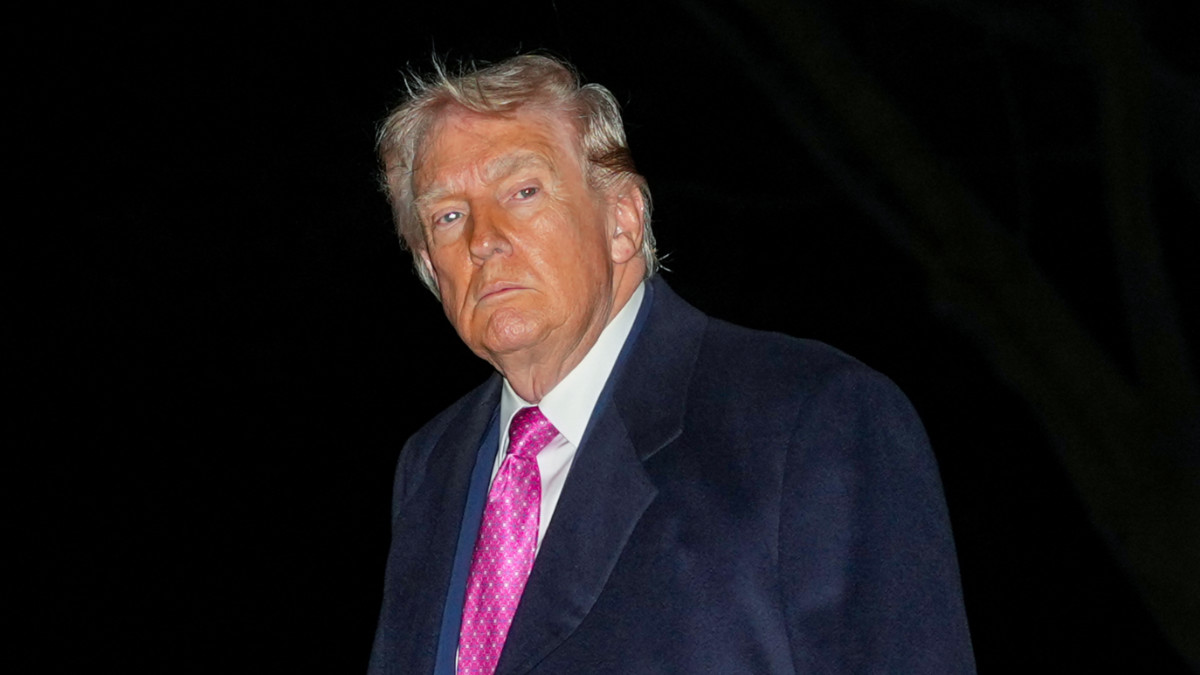
Trump amplified transatlantic tensions in a post on the social platform X on Tuesday, calling out major European powers for their refusal to back the campaign. He revealed that France, which has long maintained an independent foreign policy agenda in the Middle East, has also denied US aircraft carrying military equipment to Israel permission to transit its airspace. He also publicly criticized the United Kingdom for declining to join the war effort, ending his post with a blunt warning: “The USA will remember !!!”
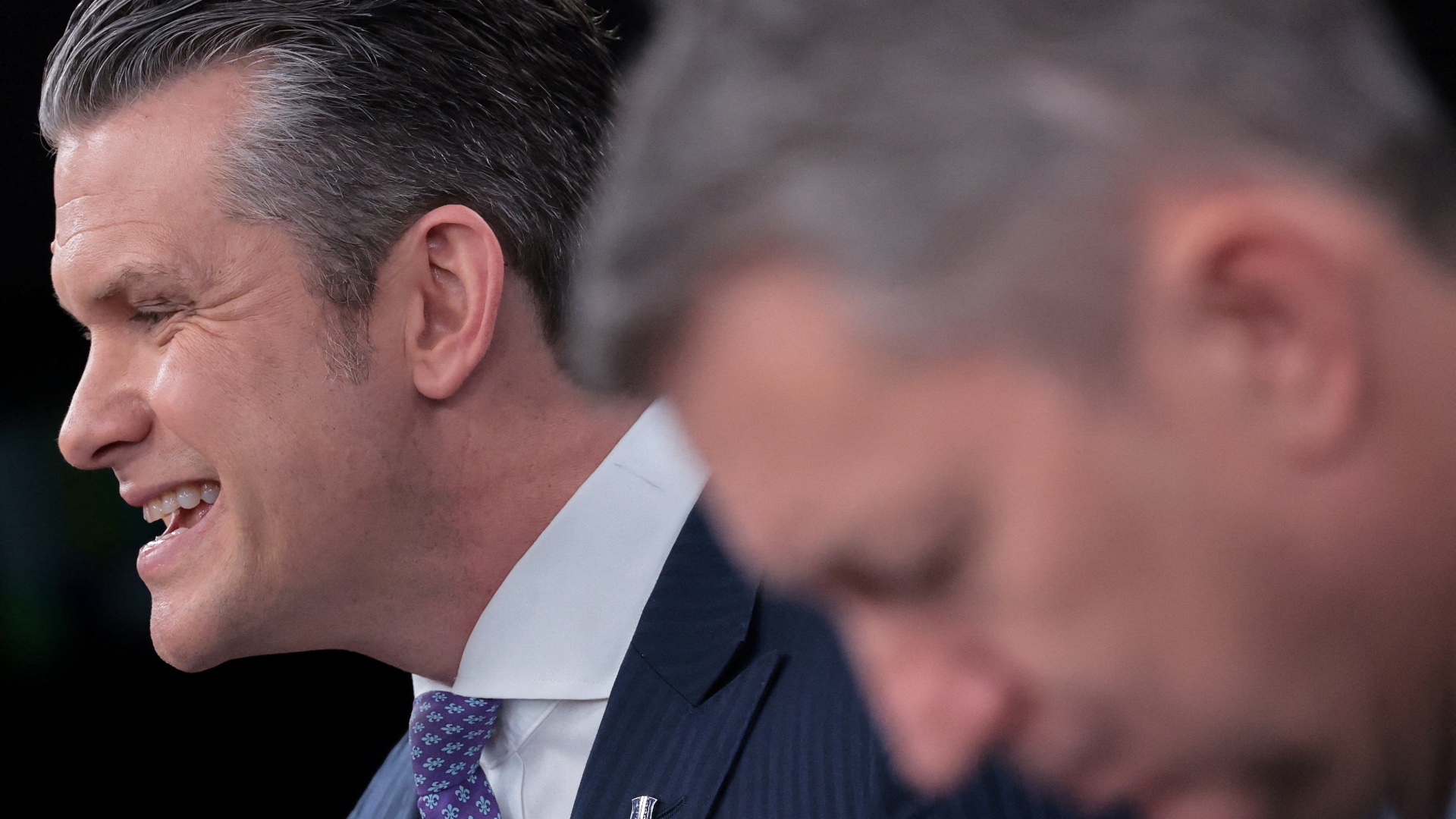
The combative posture has been echoed across the Trump administration. When asked about growing alliance tensions, US Secretary of War Pete Hegseth declined to explicitly commit to NATO’s Article 5, the foundational clause that states an armed attack against one member is considered an attack against all, instead deferring any judgment on the commitment to Trump.
Hegseth defended the US-led campaign against Iran, arguing the operation was launched “on behalf of the free world” and allies whose missile capabilities faced threats from Tehran. “When we ask for additional assistance or simple access, basing and overflight, we get questions or roadblocks or hesitations,” he told reporters.
But that framing stands in stark contrast to how NATO allies view the conflict, according to Ian Lesser, vice president of the German Marshall Fund in the United States, who spoke to Middle East Eye. “There is a basic concern that Europe is being asked to contribute to and approve of operations they had no role in shaping and a strategy they had no role in shaping,” Lesser explained.
“This war is both unpopular among the public and, in some cases, the elite, and it could take a direction that European allies can’t shape. That’s not a good recipe for cooperation,” he added.
Tehran has responded to the US-Israeli offensive with a large-scale retaliatory campaign, launching thousands of missiles and drones targeting Israel and Arab Gulf states. While Iranian strikes on Gulf territory have specifically targeted US military bases with precision, Tehran has also attacked civilian infrastructure and energy facilities in the region in retaliation for similar Israeli strikes on Iranian targets.
Washington has pushed Gulf Arab states to join the offensive against Iran, and Middle East Eye was first to report that the US has secured access to King Fahd Air Base in western Saudi Arabia after Iranian drone and missile strikes damaged facilities at US bases closer to the Gulf. To bolster its Iran deployment, the Trump administration has also reallocated critical military resources, including marines and air defense systems, away from East Asia.
For NATO allies, the conflict has already carried a steep economic cost. After Iran seized effective control of the Strait of Hormuz, the world’s most critical energy chokepoint, and implemented a new system for approving safe passage for vessels, global oil and gas prices have surged, hitting European economies particularly hard. Roughly 20 percent of the world’s total energy supplies pass through the strait, and NATO countries, which have already cut most imports of Russian energy following the 2022 invasion of Ukraine, are facing unprecedented energy market volatility as a result.
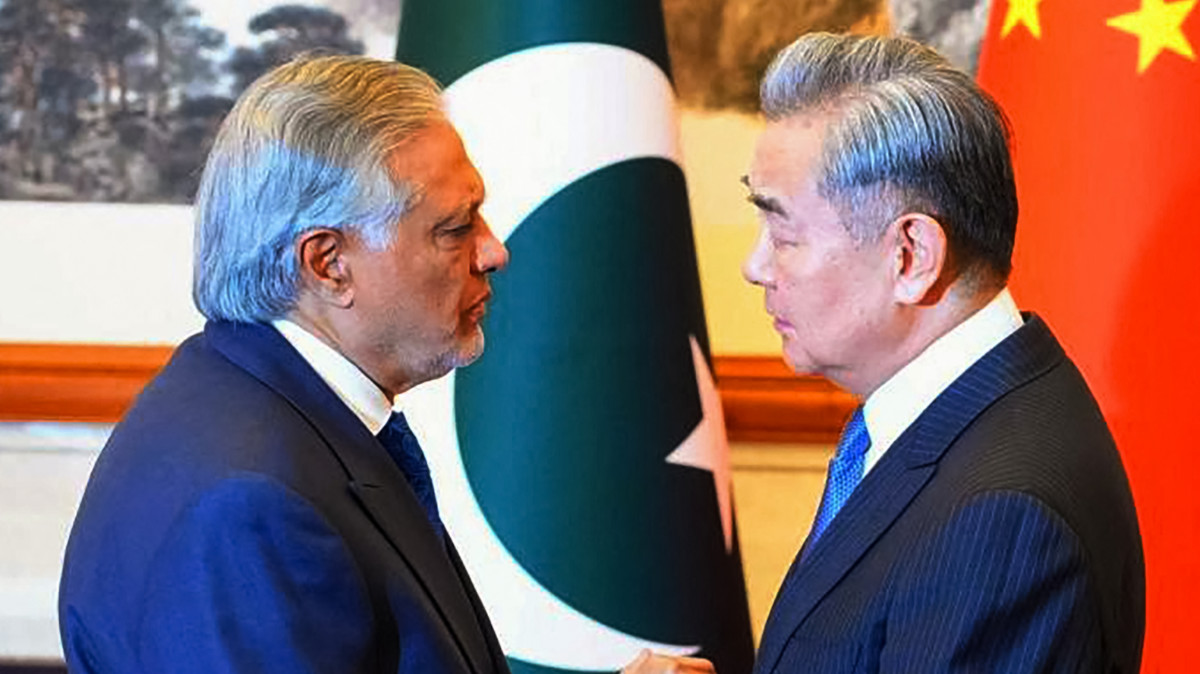
Iran’s consolidation of control over the strait has emerged as a major strategic embarrassment for the Trump administration, which has built its global superpower legitimacy on two core foundations: unwavering commitment to the NATO alliance, and guaranteed security for global energy flows out of the Persian Gulf. Tehran is now working to establish an alternative transit framework that prioritizes non-Western aligned vessels, including ships flagged by neutral countries like Pakistan and cargo carrying energy priced in Chinese renminbi instead of the US dollar, a direct challenge to Washington’s global financial and energy dominance.
Trump has dramatically shifted his public posture on the crisis in recent days, moving from threatening to “obliterate” Iran’s entire energy grid if Tehran refused to surrender control of the strait, to stepping back and shifting responsibility to US allies. In a social media post directed at Washington’s uncooperative allies including the UK on Tuesday, Trump wrote: “Just TAKE IT. You’ll have to start learning how to fight for yourself, the USA won’t be there to help you anymore, just like you weren’t there for us. Iran has been, essentially, decimated. The hard part is done. Go get your own oil!”
Analysts warn Trump’s threat to cede control of the strait to Iran is self-defeating if he eventually seeks NATO support to reimpose Western oversight of the waterway. If Tehran retains de facto control over the strait, Lesser said European allies will be forced to reconsider their entire regional security framework, and have little incentive to back the US war effort in the meantime.
“Why would Nato countries make themselves more exposed by assisting the US war on Iran? They can probably imagine this going in a direction that allows certain traffic through Hormuz, but not all,” Lesser said, adding that European capitals also do not want to be publicly associated with a war that is deeply unpopular at home.
In a sign that Tehran is actively encouraging NATO allies to break with Washington, Iran has publicly signaled it will reward countries that refuse to back the US campaign. The Iranian embassy in Spain said Thursday that Tehran would accommodate any request from Madrid for Spanish-flagged vessels to receive guaranteed safe passage through the strait. While Spain’s commercial shipping fleet is relatively small, the gesture carries clear symbolic weight for transatlantic relations.