标签: Asia

亚洲

  • Fun taken to new heights at ice-climbing center

    Fun taken to new heights at ice-climbing center

    Against the backdrop of a booming winter sports culture ignited by the 2022 Beijing Winter Olympics, a landmark new recreational facility has opened its doors in southwest China, bringing the high-adrenaline experience of ice climbing from remote mountain icefalls directly to urban enthusiasts.

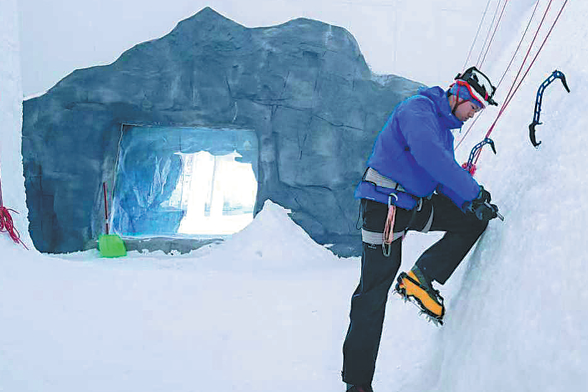
    China’s first city-based indoor ice climbing venue, dubbed Ice Panda, welcomed its first official visitors in January 2026 after a three-month trial operation period, located within the Futian Transit-Oriented Development (TOD) commercial complex in Chengdu Future Science and Technology City, Sichuan province. Spanning 1,600 square meters, the purpose-built center centers around a 12.5-meter professionally engineered main ice wall, designed to accommodate climbers of every skill level with three distinct gradient options: a 60-degree gentle incline for new learners, a 79-degree steep slope for intermediate practitioners, and a challenging 90-degree vertical wall for seasoned athletes.

    For first-time participants, the center offers a 498 yuan ($72) one-hour beginner package that includes full professional gear rental, while experienced climbers can access the venue for 198 yuan per hour without equipment. Since its soft launch, the facility has drawn a steady stream of visitors ranging from young urban professionals seeking a novel stress-relief activity to dedicated climbing enthusiasts traveling from neighboring cities.

    Zhang Wei, a 28-year-old software engineer based in Chengdu and one of the center’s early visitors, described his experience as a transformative break from daily work pressure. “It’s so cool to go ice climbing right in the city,” he said. “The intense focus it demands, the cold air hitting your face, the sound of your tools biting deep into the ice… it completely clears your mind of all the daily stress that builds up at work.”

    A veteran climber who only gave his surname as Li traveled all the way from Chongqing, about 300 kilometers from Chengdu, to test the new venue. He noted that the facility solves a long-standing inconvenience for domestic ice climbing lovers. “The texture of the real ice immediately got me into the zone,” Li said. “In the past, I had to wait for winter and drive hours to reach the natural icefalls in western Sichuan. Now, with this indoor facility, I can come practice anytime, all year round.”

    For first-time climbers like Ye, a local resident who tried ice climbing for the first time at Ice Panda, the venue’s convenience is its biggest draw. Located within a major urban TOD complex, the center is easily accessible via public subway, and offers on-site full equipment rental, eliminating the barrier of entry for beginners who do not own their own expensive gear.

    To ensure the venue meets the needs of both new learners and professional practitioners, Ice Panda’s management team spent months collecting feedback from visitors and elite climbers during the trial operation phase to refine the facility’s design. A key priority was replicating the texture and challenge of natural outdoor glacial ice, while maintaining high safety standards.

    “For example, we embedded a fiber mesh into the ice to simulate the texture of glacial ice formed when snowmelt mixes with grass and twigs,” explained Li Changbin, general manager of Ice Panda. He added that the special construction method not only creates a more authentic climbing experience, but also boosts the ice wall’s structural integrity and its ability to hold climbing tools securely.

    Beyond offering a recreational activity for visitors, Ice Panda positions itself as a comprehensive hub for growing ice climbing culture across China. During its trial run, the facility already partnered with leading outdoor sport brands to host enthusiast exchange events, and collaborated with top professional climbers to offer public introductory training classes. A full lineup of brand collaborations and community activities is already scheduled for the coming months, as the team works toward its long-term goal.

    “Our goal is to transform ice climbing from a niche extreme sport into a fashionable, accessible and healthy lifestyle for the general public,” Li Changbin said.

    Chengdu, the capital of Sichuan province, serves as the main gateway to the abundant natural icefall resources in the mountainous regions of western Sichuan. In the years following the 2022 Beijing Winter Olympics, public interest in winter sports including ice climbing has surged across the city. Local climbing coach Huang Siyuan noted that the new indoor center fills a critical gap in the local ecosystem, giving beginners a low-risk space to build foundational skills before they advance to outdoor natural icefalls.

    Local authorities noted that the launch of Ice Panda aligns with Chengdu Future Science and Technology City’s broader development strategy for the Futian TOD, which aims to integrate culture, commerce, sports, tourism and other business formats to create a new regional consumption landmark that meets the diverse lifestyle needs of both local residents and out-of-town visitors.

  • Push to preserve language landscape

    Push to preserve language landscape

    For Wang Lining, a linguistics professor at Beijing Language and Culture University and a Guangxi native working far from home, a recent interaction with Doubao, a popular Chinese artificial intelligence chatbot, delivered far more than a technical demonstration. When she spoke to the platform in her native Cantonese dialect and received a seamless, natural response, the moment was less about cutting-edge processing power and more about a long-awaited emotional reconnection to her roots.

    “Living in Beijing, few people can talk with me using the hometown language,” she explained, describing the quiet joy of speaking a tongue that carries the memories and cultural identity of her childhood.

    This small, personal milestone is part of a much larger national initiative to safeguard China’s extraordinary linguistic diversity and revitalize fading local languages and dialects for the 21st century. Late last year, China’s Ministry of Education joined forces with six other national ministries to release a landmark policy notice focused on deepening the inheritance and innovative development of Chinese language culture, a framework that views regional dialects and ethnic minority languages not as outdated relics, but as living repositories of history, community identity and intangible cultural heritage that stretch from folk oral traditions to local social customs.

    Home to 56 ethnic groups, China boasts one of the world’s most linguistically diverse landscapes, encompassing between seven and 10 major dialect groups and more than 130 distinct languages. For decades, however, rapid urbanization and the widespread, necessary adoption of Mandarin as a national lingua franca left many local mother tongues at risk of fading into disuse, as younger generations grew up speaking primarily Mandarin and fewer opportunities remained to pass regional dialects down through families and communities.

    Officials from the Ministry of Education’s Department of Language and Writing Information Management note that the new policy aims to drive creative transformation and modern development of Chinese language culture, boost public linguistic and cultural literacy especially among young people, and support national goals of building global leadership in education, culture and talent development. For Wang, the multi-ministerial notice marks the end of more than a decade of exploratory work, turning a long-held vision for language preservation into an actionable, coordinated national strategy.

    Since 2012, China has released a series of policy documents guiding the inheritance and protection of Chinese language culture, with the latest framework building on early pilot programs to lay out clear, detailed roadmaps for future action. Wang emphasized that the initiative goes far beyond education alone, tying language preservation to broader economic and social development. “It plays a role not only in school education, but also in urban and rural production and livelihood, cultural tourism and cultural relics conservation. It can unleash great potential in socioeconomic development,” she said.

    A key strength of the new policy is its emphasis on cross-sector collaboration, Wang added. In the past, efforts by private enterprises, universities and independent language experts often operated in isolation, lacking coordination to scale successful projects. The participation of multiple national ministries will allow organizers to systematize the scattered successful initiatives from across the country, “stringing them together like beads, thereby ushering in a new era of systematic advancement,” she explained.

    The policy outlines seven core priorities for advancing the cause: strengthening scientific research and interpretation of linguistic heritage, expanding inclusive language education, protecting and developing existing language resources, leveraging digital empowerment, cultivating specialized talent, broadening public outreach, and deepening cultural exchange through language. For researchers like Rao Gaoqi, a linguistics researcher at Beijing Language and Culture University, the focus on digital innovation stands out as a game-changing shift.

    “Digital technology is extremely helpful for the development of language and culture. Conversely, the growth of language culture also serves as a driving force behind the advancement of digital technology,” Rao explained. Beyond academic research, this digital empowerment delivers tangible benefits for public safety and economic development, most notably in the creation of barrier-free emergency language services. During large-scale natural disasters such as earthquakes and floods, the National Language Service Corps partners with the Ministry of Emergency Management to ensure first responders can communicate effectively with elderly residents who may only speak their local dialect. This capability has even been extended internationally: when a devastating earthquake struck Turkiye in 2023, Chinese-developed large language models were deployed to provide real-time translation between Chinese, English and local Turkish languages to support rescue efforts.

    “Language and script are fundamental. We learn to write and speak not for their own sake, but to work, to love and to live our lives well. Language itself is a basic resource. The digitization of language is likewise a foundational endeavor that serves to empower everything else,” Rao said.

    For more than a decade, Wang has been a core participant in the national Project for the Protection of Language Resources of China, an initiative that originally focused on documenting and archiving fading dialects before shifting to a new, more dynamic goal: moving beyond “saving and recording” to “bringing them back to life and utilizing them” in daily life. Over the course of the project, teams of linguists traveled to nearly 1,800 locations across the country to systematically document local dialects through fieldwork and multimedia recording, building a comprehensive national digital archive of China’s vocal cultural heritage. Today, those collected materials are being transformed into accessible cultural products that are integrated into everyday life.

    Under the new policy, qualified local governments and institutions are encouraged to repurpose historic buildings and public spaces to create venues dedicated to preserving and promoting linguistic cultural heritage. Last year, for example, a dialect museum opened in Wuyi County, Zhejiang Province, housed in a restored historic traditional residence. Visitors can view traditional farming tools and vintage household items, and when they touch an exhibit, audio recordings of the local dialect terms for the object play, drawing on language materials collected by the project’s Zhejiang team to help local residents reconnect with their traditional way of life.

    Today, local dialects are increasingly appearing in pop culture, from original songs and television dramas to a growing range of creative consumer products. Wang says the goal of the movement is not limited to academic archives or static museum displays. “We want to create offerings that are part of everyday life — practical, engaging and fun — so that people willingly take part in keeping language culture alive and helping it grow,” she explained.

    Xing Biqian, a researcher at the China National Academy of Educational Sciences, echoed this focus on lived, daily practice as the key to long-term revitalization. “Language is the carrier of civilization and the root of culture, and practice is precisely the key to activating this root and enabling civilization to take hold,” Xing said. “When we lift the language culture from the pages of textbooks and make it part of everyday life, it begins to take root in hearts and minds. Through lived experience, it shapes not only how we learn and communicate, but also who we become: how we think, what we value, and what we find beautiful. That is where its true power lies.”

  • Work-life balance tips scales in Xiong’an’s favor

    Work-life balance tips scales in Xiong’an’s favor

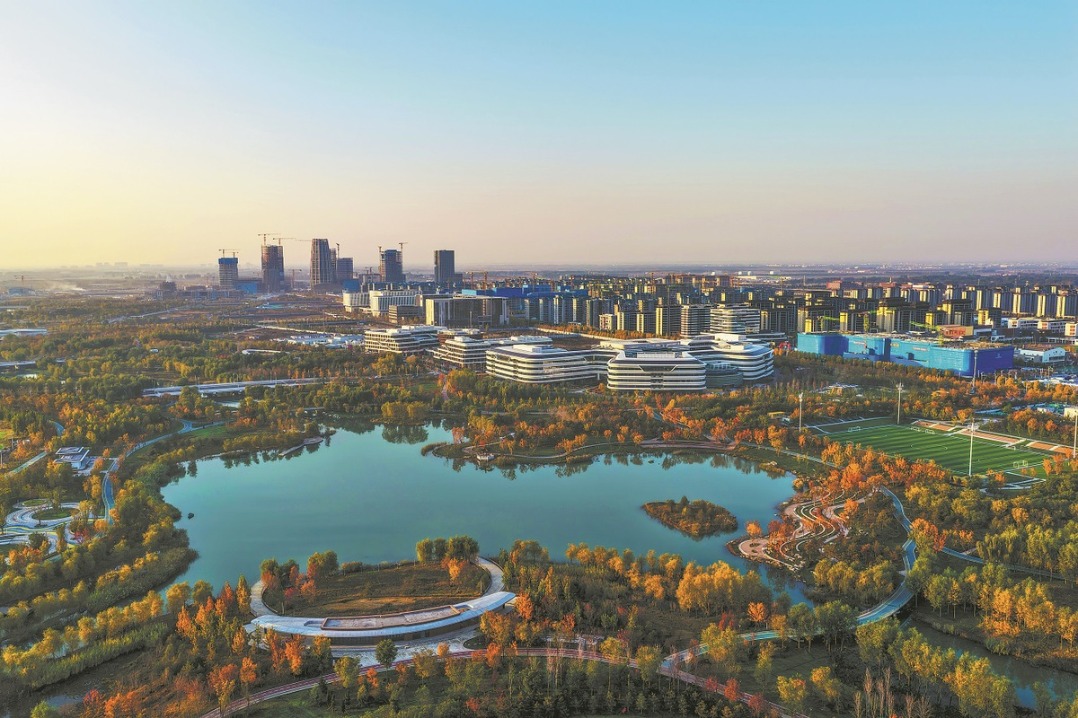
    Nine years after China announced the establishment of Xiong’an New Area, this purpose-built city in Hebei province has emerged as a magnet for young professionals, luring talent away from overcrowded megacities with its enviable work-life balance, affordable housing and well-developed public services.

    On a mild March morning, 25-year-old Liu Suying wakes to sunlight spilling through the window of her 70-square-meter rented apartment in Xiongdong District, her pet cat curling against her hand to rouse her. After whipping up a quick breakfast of fried eggs and fresh coffee in her compact kitchen, she climbs into her car for the short commute to her role as a production planning engineer at a local commercial satellite firm. Just seven minutes after leaving home, she arrives at her desk, ready to start the workday.

    A 2024 graduate of Beijing Jiaotong University, Liu is far from alone in choosing to build her career and life in Xiong’an. Her current living arrangement would be out of reach for many young people working in nearby Beijing: she pays just 10,000 yuan ($1,450) annually for a spacious two-bedroom apartment, and receives an additional 1,000 yuan monthly living subsidy from the Xiong’an local government. When Liu told a friend working at a leading tech firm in Beijing about her housing, the friend – who pays 3,000 yuan a month just to share an apartment with others for a single small room – immediately expressed jealousy.

    That such a comfortable, convenient lifestyle is available in Xiong’an marks a dramatic transformation from the area’s origins. When China first unveiled plans for the new area in April 2017, the 100-square-kilometer planned development zone was little more than sprawling farmland and scattered rural villages. Built with a core mission to ease overcrowding in Beijing by relocating non-capital functions outside the city, Xiong’an was designed from the ground up to prioritize quality of life for residents, not just economic growth.

    That deliberate planning has paid substantial dividends. According to local government data, Xiong’an’s permanent resident population hit approximately 1.4 million by the end of 2025, growing by 200,000 over the previous five years as more workers and families moved in. To date, more than 400 branches of China’s central state-owned enterprises have set up operations in the new area, bringing thousands of skilled employees with them and cementing Xiong’an’s reputation as an up-and-coming hub for innovation and career opportunity that doesn’t force residents to sacrifice personal well-being.

  • Most powerful cargo drone takes wing

    Most powerful cargo drone takes wing

    On March 31, 2026, a historic milestone in global unmanned aviation was achieved in Zhengzhou, Henan province, when the Norinco Luca — touted as the world’s most capable heavy cargo drone — completed its first test flight, marking a major breakthrough for China’s domestic unmanned aerial system (UAS) industry.

    Developed by Norinco UAS, a Beijing-based subsidiary of China North Industries Group Corp, the 7-ton prototype, also called Changying-8, lifted off from Zhengzhou Shangjie Airport at 9:30 a.m. local time. The aircraft remained aloft for approximately 30 minutes before a smooth touchdown at the departure airfield. Throughout the entire flight, the drone operated under the control of its on-board intelligent autonomous systems, with ground-based human controllers providing real-time oversight. Engineering teams conducted comprehensive checks of the drone’s flight control, avionics, electronic infrastructure, and power systems during the test, and confirmed all systems performed in line with pre-flight expectations.

    With a length of 17 meters and a wingspan stretching 25 meters, the Norinco Luca boasts an unmatched maximum payload capacity of 3.5 metric tons — a figure roughly equal to the combined weight of 50 average-sized adults. To put that capability in context, the drone can transport more than 1,700 cotton winter coats or 700 disaster relief tents in a single sortie, making it an ideal platform for long-distance logistics delivery. Its maximum operational range exceeds 3,000 kilometers, a distance comparable to a non-stop flight between Beijing and Urumqi in northwest China’s Xinjiang Uygur autonomous region.

    Unlike large manned cargo aircraft that require long, fully paved runways, the Norinco Luca can complete takeoff and landing on runways shorter than 500 meters. This short-field performance allows it to operate from underdeveloped airfields in challenging environments, including high-altitude plateaus and remote island outposts where traditional cargo aircraft cannot reach. The aircraft features an 18-cubic-meter cargo bay with accessible entry points at both the front and rear of the fuselage, enabling ground crews to turn the drone around for its next mission in as little as 15 minutes — a design that dramatically boosts logistics turnover efficiency for high-volume operations.

    To guarantee maximum operational safety, the drone is powered by two domestically manufactured turboprop engines, and incorporates multiple layers of safety redundancy for all critical systems, including flight control, navigation, and power distribution. It also comes equipped with cutting-edge smart aircraft health monitoring and automatic fault diagnosis functions that allow teams to identify and address issues before they impact operations.

    Geng Jianzhong, chief designer of the Norinco Luca, explained that the drone’s flexible modular design, high power output, large payload capacity, and standardized equipment interfaces allow ground personnel to quickly swap out mission payloads to adapt to a wide range of operational scenarios. Beyond routine commercial cargo delivery, the platform can be reconfigured to support emergency communications restoration, weather modification, border patrol, and electronic reconnaissance missions, filling critical capability gaps in remote and high-need environments.

    In the wake of the successful maiden flight, Geng outlined the development team’s next steps: the company will now prioritize completing the drone’s airworthiness certification process, preparing for customer deliveries, and rolling out commercial operations. At the same time, the team will continue advancing research into next-generation safe, efficient, and intelligent low-altitude transportation solutions.

    “Building on the foundation of this platform, we plan to develop even larger, smarter, and more advanced unmanned aerial systems in the coming years,” Geng said. “We also intend to design unmanned helicopters with vertical takeoff and landing capabilities, allowing us to offer fully integrated logistics solutions that meet the diverse operational and transportation needs of customers across a wide range of scenarios.”

  • China is trying to play peacemaker in the Iran war – will it work?

    China is trying to play peacemaker in the Iran war – will it work?

    As the armed conflict in the Middle East stretches into its second month, global energy markets have been thrown into chaos, with oil prices surging to multi-month highs amid disrupted supply chains. In this tense geopolitical landscape, China has emerged as an unexpected peace broker, joining Pakistan to table a five-point peace initiative aimed at securing an immediate ceasefire and reopening the strategically critical Strait of Hormuz, a waterway through which roughly a fifth of the world’s daily oil supplies pass.

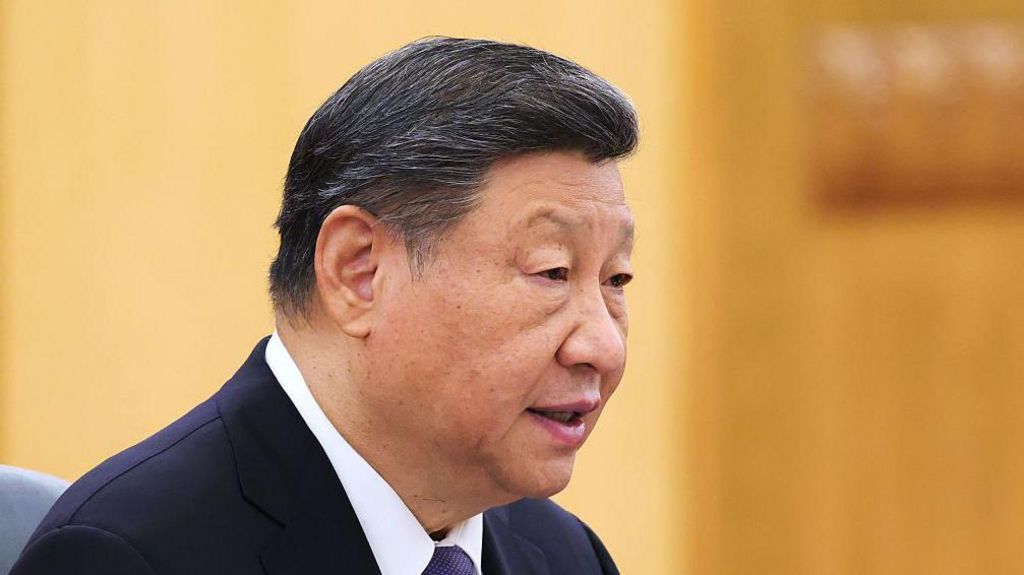
    The move comes as former U.S. President Donald Trump has suggested that direct American military action against Iran could wrap up within two to three weeks, though no clear timeline or post-conflict plan has been laid out to date. Pakistan, a long-time U.S. ally that has positioned itself as an unlikely intermediary in the U.S.-Israel led campaign against Iran, has reportedly already gained Trump’s ear for its mediation efforts. China’s entry into the fray comes just weeks ahead of high-stakes trade talks between Chinese leader Xi Jinping and Trump, placing Beijing directly in a role as a diplomatic counterweight to Washington in the region.

    Zhu Yongbiao, director of the Centre for Afghanistan Studies at Lanzhou University and a leading Chinese expert on Middle East affairs, described Chinese backing for the initiative as “very important.” He noted that “Morally, politically and diplomatically, China is providing comprehensive support with the hope that Pakistan can play a more distinctive role” in de-escalating the conflict. This marks a notable shift for Beijing, which had maintained a relatively muted public response to the war since it began with U.S. and Israeli strikes on Iran in late February.

    The joint peace plan took shape after Pakistan’s foreign minister traveled to Beijing to formally request Chinese backing for Pakistan’s negotiation efforts. Following the meeting, Chinese Foreign Ministry officials confirmed that the two countries were making “new efforts towards advocating for peace,” releasing a joint statement that reaffirmed dialogue and diplomacy as “the only viable option to resolve conflicts” and called for the protection of global key waterways including the blockaded Strait of Hormuz.

    While energy security is a core consideration for Beijing, analysts note that the world’s largest crude importer currently holds enough strategic stockpiles to cover its domestic needs for the next several months. Instead, China’s decision to step into the mediation role is rooted in its broader pursuit of global economic stability, a priority that is closely tied to Beijing’s efforts to reboot its post-recovery sluggish domestic economy. A prolonged energy shock triggered by the conflict would drag down global growth, which would in turn hit Chinese factories and export-dependent sectors that are central to the country’s economic rebound.

    Matt Pottinger, chairman of the Foundation for Defense of Democracy’s China Program, explained that “If the rest of the world begins to slow down economically because of an energy shock, that’s going to be tough for China’s factories and exporters. That’s why I think when I see China’s foreign minister just this week advising Iran that we need to find a way to end this war, I think there’s some sincerity there. I think that Beijing is a little bit worried about where this could lead if it turns into a real energy shock that is protracted.”

    A prolonged crisis would send ripples through China’s sprawling industrial supply chain, from raw material inputs for plastic goods and synthetic textiles to critical components for consumer electronics, electric vehicles and semiconductors – sectors that are foundational to China’s export economy. In recent years, the Middle East has become one of China’s fastest growing export markets, with Chinese sales to the region growing nearly twice as fast as exports to the rest of the world in the last year. The region is the world’s fastest growing market for electric vehicles, and China is the largest foreign investor in regional desalination projects, with major Chinese state-owned energy and infrastructure firms operating across Saudi Arabia, the United Arab Emirates, Oman and Iraq.

    This deepening economic engagement has allowed China to build balanced diplomatic ties across the region, maintaining strong relationships with both U.S. allies such as Saudi Arabia and geopolitical rivals of Washington such as Iran. China and Iran have maintained a close partnership spanning decades, with China serving as Iran’s largest trade partner and purchasing roughly 80% of Iran’s total oil exports.

    This is not the first time Beijing has sought to play the role of peace broker in the Middle East, though previous efforts have yielded mixed results. In 2023, China famously brokered a landmark deal to restore diplomatic relations between longtime regional rivals Saudi Arabia and Iran, a breakthrough that reduced the risk of open conflict between the two powers. A year later, Beijing hosted leaders from 14 competing Palestinian factions, including Fatah and Hamas, resulting in an agreement to form a national unity government for the Palestinian territories. While the agreement was largely an expression of intent rather than a binding final settlement, it further cemented China’s growing diplomatic profile in the region.

    Unlike the United States, which maintains a heavy military presence across the Gulf region, China’s global engagement does not come with formal security guarantees or military alliances. For Beijing, economic development remains the top domestic and foreign policy priority, and Chinese leaders have long avoided direct entanglement in Middle East great power conflicts. This cautious approach also reflects practical limitations: China’s only overseas military logistics facility in the broader region is a small anti-piracy hub in Djibouti, opened in 2017, and it lacks the power projection capabilities that the U.S. maintains across the Gulf. During the 2025 Israel-Iran war, Beijing maintained a largely hands-off approach, highlighting the inherent limits of its regional influence.

    To date, neither Washington nor Tehran has issued an official response to the new five-point peace plan. Analysts note that the initiative nonetheless allows Xi to position himself as a neutral broker and voice for de-escalation, a stark contrast to the Trump administration’s approach of military pressure. Still, Beijing’s credibility as a neutral global actor faces ongoing questions: its close strategic alignment with Russia has sparked widespread skepticism about its commitment to neutrality in regional conflicts, while its authoritarian governance model and expansionist territorial claims have drawn global criticism.

    Despite these caveats, China remains a powerful global actor with clear strategic interests in regional stability, and it has already demonstrated that it can wield meaningful diplomatic influence in the Middle East. For Beijing, the current mediation effort marks another step in its long-term push to expand its geopolitical leverage across the region in the years ahead.

  • IndiGo names former British Airways chief Willie Walsh as CEO

    IndiGo names former British Airways chief Willie Walsh as CEO

    India’s dominant domestic air carrier IndiGo has turned to a global aviation industry stalwart to steady its operations, announcing the appointment of Willie Walsh as its incoming chief executive officer. The move comes just one month after the sudden resignation of former CEO Pieter Elbers, who stepped down from the role effective March 10, with the resignation officially framed as a personal decision. But industry observers and analysts have broadly linked Elbers’ exit to the massive operational crisis that rocked the airline just three months prior, the most severe disruption in the carrier’s 20-year operating history.

    In December 2025, the airline was forced to cancel roughly 4,500 scheduled flights, leaving thousands of passengers stranded across airports throughout India. As India’s largest airline by market share, holding approximately 60% of the country’s domestic aviation segment, the disruption had outsized impacts on Indian travelers. Many passengers missed milestone life events including weddings and funerals, and all affected travelers were forced to quickly source costly, last-minute alternative travel arrangements at a peak travel period.

    The root of the disruption traces back to new national pilot duty and rest regulations rolled out by Indian aviation authorities, designed to cut down on dangerous crew fatigue. In a post-crisis acknowledgment, IndiGo’s leadership admitted it had significantly miscalculated the number of active pilots it would need to maintain full operations after the rules went into effect. Following an investigation into the chaos, India’s civil aviation regulator imposed a $2.45 million fine on the carrier and publicly reprimanded multiple senior company leaders, including Elbers, for poor crisis management.

    After Elbers’ departure, IndiGo co-founder Rahul Bhatia stepped in to serve as interim CEO, a role he will retain until Walsh officially takes over leadership of the airline. Walsh is set to join IndiGo in August 2026, once his current term as Director General of the International Air Transport Association (IATA) concludes.

    Walsh’s 50-year career in aviation is one of steady upward progression from entry-level pilot to global industry leadership. He launched his career in the late 1970s as a cadet pilot with Irish flag carrier Aer Lingus, working his way up through flight operations roles before being named Aer Lingus CEO in 2001. He went on to take the top leadership role at British Airways in 2005, and later became the founding CEO of International Airlines Group (IAG), the parent holding company of both BA and Aer Lingus, holding that role until his retirement from the group in 2020. He stepped into the IATA director general role shortly after leaving IAG.

    In a prepared statement following his appointment, Walsh noted that the global aviation sector is undergoing a period of rapid transformation, adding that IndiGo is uniquely positioned to lead this shift in the South Asian market. IndiGo chairman Vikram Singh Mehta echoed that confidence in the new CEO, highlighting Walsh’s decades of experience leading large-scale global airline operations and navigating volatile, complex market conditions as the exact skill set needed to guide IndiGo into its next phase of strategic growth.

    Today, IndiGo operates a fleet of more than 400 aircraft, running thousands of daily domestic flights across India alongside a growing portfolio of international routes. The carrier has recently made expansion into the premium long-haul international travel segment a core strategic priority, making steady, stable leadership critical to executing that growth plan.

  • Hiker’s dog lost in a wild New Zealand forest rescued by helicopter after strangers fund search

    Hiker’s dog lost in a wild New Zealand forest rescued by helicopter after strangers fund search

    On the rugged, untamed West Coast of New Zealand’s South Island, a dramatic story of community kindness and canine resilience has come to a heartwarming close, nearly a week after a hiking accident left an injured hiker separated from her beloved pet.

    The incident unfolded on March 24, when 34-year-old hiker Jessica Johnston slipped and fell 180 feet (55 meters) from a rocky waterfall along the Arahura River, while trekking through remote native bush with her 4-year-old border collie, Molly. Emergency rescuers were quickly dispatched to the hard-to-reach location, where they found Johnston alive but suffering extensive bruising and deep lacerations across her body. With the hiker’s condition requiring urgent medical care, crews airlifted her to a nearby hospital, but a frantic initial search for Molly turned up no trace of the dog, forcing rescuers to leave the missing canine behind in the unforgiving wilderness.

    For Matt Newton, owner and lead pilot of Hokitika-based Precision Helicopters Ltd — whose operating base sits just a short distance from the Arahura River — the story didn’t end there. After reaching out to Johnston while she recovered in hospital to offer his support, Newton committed to launching his own sustained search for Molly. He made multiple initial flights over the search area, but dense vegetation and tricky terrain blocked all efforts to locate the dog.

    Refusing to abandon the mission, Newton and his family launched a public fundraiser to cover the cost of additional flight time and specialized thermal imaging equipment required for a more thorough search. The appeal resonated deeply with the public, and within days, hundreds of strangers from across New Zealand and beyond contributed more than NZ$11,000 (US$6,300), far exceeding the fundraising goal.

    With funding secured, Newton launched a renewed search on March 31, bringing on board a veterinary nurse, trained volunteer searchers, and a tracking dog named Bingo to assist in the operation. Just an hour after the helicopter took to the skies, the team hit a breakthrough: thermal imaging picked up a heat signature matching a dog near the base of the waterfall, just meters from the spot where Johnston had fallen a week prior.

    The helicopter descended to a narrow ledge near the riverbank, allowing a volunteer and tracking dog Bingo to disembark and coax the scared, hungry Molly out of hiding. Rescuers described the border collie as thin, bedraggled, and hungry, but surprisingly steady; she did not run from the team, and allowed them to approach and secure her safely. Newton later shared that he believes Molly survived her seven days alone in the wild by preying on small feral animals that inhabit the river valley.

    After the successful extraction, Molly was brought back to the Precision Helicopters base, where waiting volunteers had planned to rotate into search crews. Instead, they scrapped the scheduled flight rotations, gathered for an impromptu celebratory barbecue, and took turns greeting and cuddling the rescued dog. Just hours later, Johnston — still recovering from her injuries — was able to travel to the base for an emotional, tearful reunion with her long-lost companion.

    Newton noted that the joy of being reunited with Molly is already giving Johnston a major emotional boost as she recovers. “Having your dog back, that’s for sure… that’ll speed up her healing process a whole lot,” he said. Images released by Precision Helicopters captured the tender reunion, as well as the moments of Molly’s extraction from the remote river edge.

    The story has captured hearts across New Zealand, a testament to the power of collective community goodwill to bring about a happy ending that no one expected after the original hiking accident.

  • India has begun its long-delayed population census. Here’s why it matters

    India has begun its long-delayed population census. Here’s why it matters

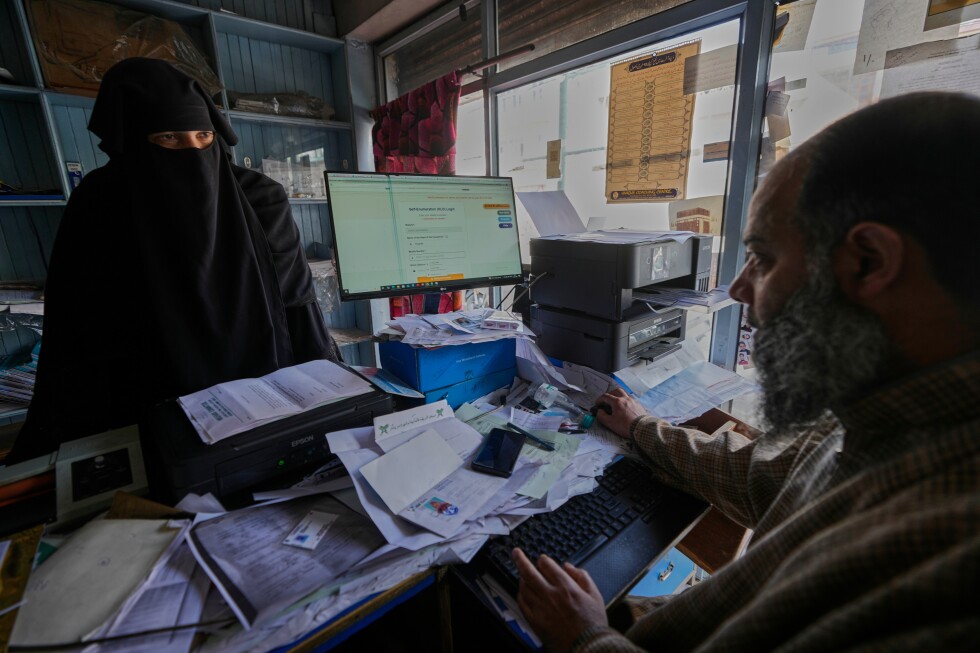
    NEW DELHI – Nearly three years after its originally scheduled launch, India has kicked off the world’s most extensive national population enumeration exercise, a sweeping data-gathering effort that stands to reshape everything from targeted social welfare programming to legislative representation across the South Asian nation.

    The 2011 national census pegged India’s population at 1.21 billion. Updated demographic estimates now place the country’s total population above 1.4 billion, confirming India as the world’s most populous nation, a title held by China for decades. Planners initially scheduled the new enumeration for 2021, but public health risks from the COVID-19 pandemic and unforeseen logistical hurdles forced a multi-year postponement.

    The massive counting effort is being rolled out in two distinct phases across India’s diverse 28 states and eight union territories. The first phase, which launched this week, will run through September, with field enumerators spending roughly four weeks in every local administrative area to document housing infrastructure, residential conditions and access to basic public utilities. Unlike past paper-only censuses, this year’s exercise combines traditional door-to-door in-person surveys with a new digital self-reporting option: residents can submit their information via a multilingual smartphone app that integrates satellite mapping technology to improve geographic accuracy.

    The second phase, scheduled to run from September through the first of April next year, will collect far more granular demographic and socioeconomic data, including religious affiliation and caste identity. In total, more than 3 million trained government workers will be deployed across the country over the 12-month enumeration period. For comparison, the 2011 census relied on roughly 2.7 million enumerators to collect data from more than 240 million households nationwide.

    A defining and highly anticipated feature of this new census is the expanded caste enumeration planned for the second phase. For the first time in independent India’s history, the government will attempt to count all caste groups across the country, going far beyond the limited enumeration of historically marginalized communities that has been standard since 1951.

    Caste, an ancient hierarchical social system deeply rooted across much of Indian society, particularly within Hindu communities, continues to shape social standing, access to education, economic opportunity, and eligibility for government-mandated affirmative action programs today. Hundreds of distinct caste groups are defined by traditional occupation and socioeconomic status across the country, but modern India has never held a full national enumeration of these groups, leaving policymakers working with outdated, incomplete data. The last full national caste count conducted through a census took place in 1931, when India was still under British colonial rule. Since India’s first post-independence census in 1951, national enumerators have only counted Dalits (Scheduled Castes) and Adivasis (Scheduled Tribes), the two most disadvantaged groups that are legally entitled to targeted government welfare and reservation benefits.

    Successive national governments have resisted calls for a full caste enumeration for decades, with opponents arguing that a full count could exacerbate existing social divisions and fuel inter-caste unrest. But growing grassroots pressure from lower-caste advocacy groups pushed the current government to approve the expanded count for the 2021 (now 2024) enumeration.

    Beyond caste data, the aggregate population numbers collected through the census carry far-reaching implications for India’s political landscape. Census data forms the foundational dataset for distributing national funding for welfare programs and designing a wide range of public policies, from infrastructure development to public health planning. It will also almost certainly trigger a nationwide redrawing of India’s legislative electoral map, as the number of seats allocated to each state in the lower house of Parliament and state legislative assemblies is adjusted to reflect recent population growth. This redistricting will intersect with a 2023 national law that reserves one-third of all legislative seats for women, meaning any expansion in total seats will directly increase the number of positions reserved for female representatives across all levels of government.

  • Chang Ung, North Korean ex-IOC member who brokered Olympic joint marches with South, dies

    Chang Ung, North Korean ex-IOC member who brokered Olympic joint marches with South, dies

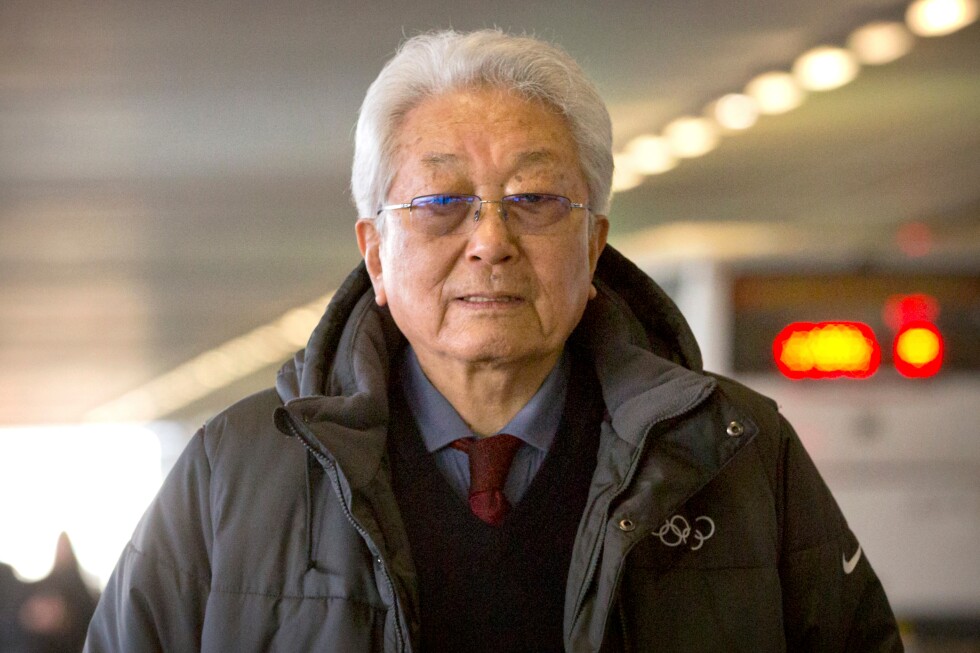
    The International Olympic Committee confirmed Wednesday the passing of Chang Ung, North Korea’s first and only member of the global Olympic governing body, who spent decades advancing cross-border sports exchange between the divided Korean Peninsula. He was 87 years old.

    The IOC announced that Chang died on Sunday, releasing a statement expressing “extreme sadness” at the loss of the longtime sports diplomat. To honor his legacy, the Olympic flag will fly at half-mast for three days at Olympic House, the IOC’s headquarters in Lausanne, Switzerland. No cause of death was included in the IOC announcement, and as of Wednesday, North Korea’s state-run media outlets had not publicly acknowledged his passing.

    Born in 1938, Chang began his career as an athlete, captaining North Korea’s national basketball team before transitioning to sports administration after retirement. Over decades of service, he rose through the ranks of North Korea’s athletic establishment, holding senior positions including vice sports minister, vice chairman of North Korea’s National Olympic Committee, and vice president of the Olympic Council of Asia. He was elected to the IOC in 1996, becoming North Korea’s sole representative to the organization for the entirety of his tenure.

    For nearly three decades, Chang led the vast majority of negotiations between North and South Korea aimed at expanding sports cooperation, a diplomatic track that often faced obstacles amid broader political tensions between the two rivals. His most high-profile achievement came at the 2000 Sydney Olympic Games, where athletes from both Koreas marched together during the opening and closing ceremonies under a single unification flag depicting the Korean Peninsula. This marked the first unified public appearance by the two Koreas’ athletic delegations since the peninsula was divided into two separate states in 1945.

    Joint marches became a recurring feature of subsequent Olympic Games and major international sporting events, including the 2018 Winter Olympics hosted by Pyeongchang, South Korea. After watching the opening ceremony joint parade in Pyeongchang, Chang told reporters he was “deeply moved” by the moment. Beyond ceremonial parades, Chang’s early dialogue with South Korean counterparts laid the groundwork for the two Koreas to field their first unified men’s and women’s teams at the 1991 World Table Tennis Championships in Chiba, Japan. At the 2018 Pyeongchang Games, the nations competed together for the first time at an Olympic Games, launching a combined women’s ice hockey team.

    In recent years, however, inter-Korean sports ties have stalled alongside a broader collapse in political relations. No cross-border exchange programs of any kind, including sports initiatives, have taken place for years. After the collapse of 2019 nuclear diplomacy between North Korean leader Kim Jong Un and then-U.S. President Donald Trump, North Korea has pulled back from talks with both the U.S. and South Korea, with Kim branding Seoul a permanent enemy and ruling out future unification talks.

    IOC President Kirsty Coventry highlighted Chang’s outsized contributions to the Olympic movement in her tribute, noting his work to advance access to sports, cross-cultural dialogue, and the positive role of athletics in civil society. “His efforts to promote cooperation on the Korean Peninsula demonstrated the power of sport to build bridges and inspire hope,” Coventry said.

    During his IOC tenure, Chang served on multiple key committees, including the Sport for All Commission and the International Olympic Truce Foundation. Most recently, North Korea’s official Korean Central News Agency mentioned Chang in 2023, when he received the Olympic Order — the IOC’s highest honor, awarded to individuals who make extraordinary contributions to the global Olympic movement — during an IOC session in Mumbai, India. Then serving as an honorary IOC member, Chang participated in the awarding ceremony via video link.

  • Divorced couples in Japan can now share custody of their children

    Divorced couples in Japan can now share custody of their children

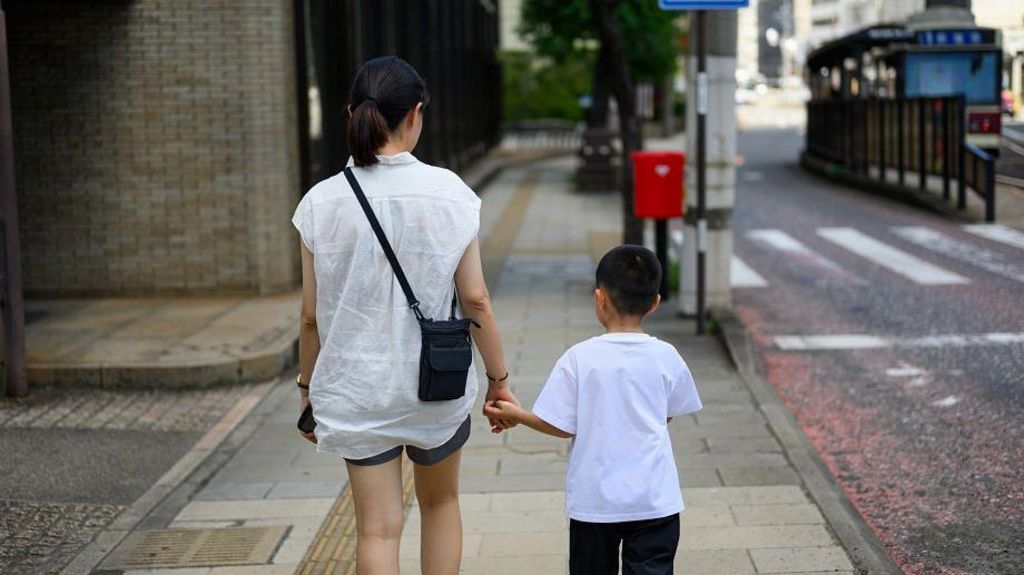
    On Wednesday, a historic shift in family law took hold across Japan, as a revision to the country’s Civil Code legalizing joint child custody for divorced couples went into force. Prior to this change, Japan stood out as the only G7 nation that did not formally recognize joint legal custody, a policy position that drew growing criticism from both domestic and international observers for years.

    Under the old framework that dated back decades, Japanese family courts almost exclusively awarded sole custody to one parent when separating couples could not reach a private agreement. In the vast majority of cases, that parent was the mother – and the sole custody ruling granted full power to cut off all contact between the non-custodial parent and their children. While couples were permitted to work out informal visitation or co-parenting arrangements on their own, the court system offered no path to formal joint custody if negotiations broke down, leaving many non-custodial parents permanently estranged from their kids after divorce.

    The new regulation fundamentally rewrites this process: family courts now retain the authority to grant either sole or joint custody based on the specific circumstances of each case. Critically, the policy change is also retroactive: couples who divorced under the previous, restrictive system can now petition a family court to revisit and revise their existing custody arrangements. The revised code also adds a new mandate for formal child support payments, enshrining a right for the custodial parent to claim a baseline of 20,000 Japanese yen (equivalent to roughly £95 or $125) per month from their former spouse.

    Proponents of the reform have pinned long-held hopes on this policy shift as a solution to the high-profile issue of international parental abduction that has put Japan under global scrutiny in recent years. High-profile cases have drawn widespread attention to the harms of the old sole custody system: in 2023, retired Japanese table tennis legend Ai Fukuhara was accused by her Taiwanese ex-husband of abducting their young son, cutting off all contact and refusing to return the child to his home in Taiwan, a case that was eventually resolved through a private settlement. Two years prior, during the 2021 Tokyo Olympic Games, a French father living in Japan staged a public hunger strike to draw attention to his own case, where he claimed his ex-wife had taken their children and cut off all access under the protection of the old sole custody rules.

    Despite the widespread acclaim for the reform as a step toward more equitable family law, the change has not received universal support. Critics, including many domestic gender advocacy groups, raised concerns ahead of the bill’s passage that joint custody mandates could put vulnerable women at risk, forcing them to maintain ongoing contact with abusive former partners in cases involving domestic violence. Lawmakers have addressed these concerns directly in the text of the revised code: the law explicitly requires courts to award sole custody to one parent if evidence of domestic violence or child abuse is confirmed during proceedings.

    This revision marks one of the most significant changes to Japanese family law in modern history, closing a policy gap that separated Japan from other major developed economies and responding to years of pressure to reform a system that critics argued harmed children and non-custodial parents alike.