标签: Asia

亚洲

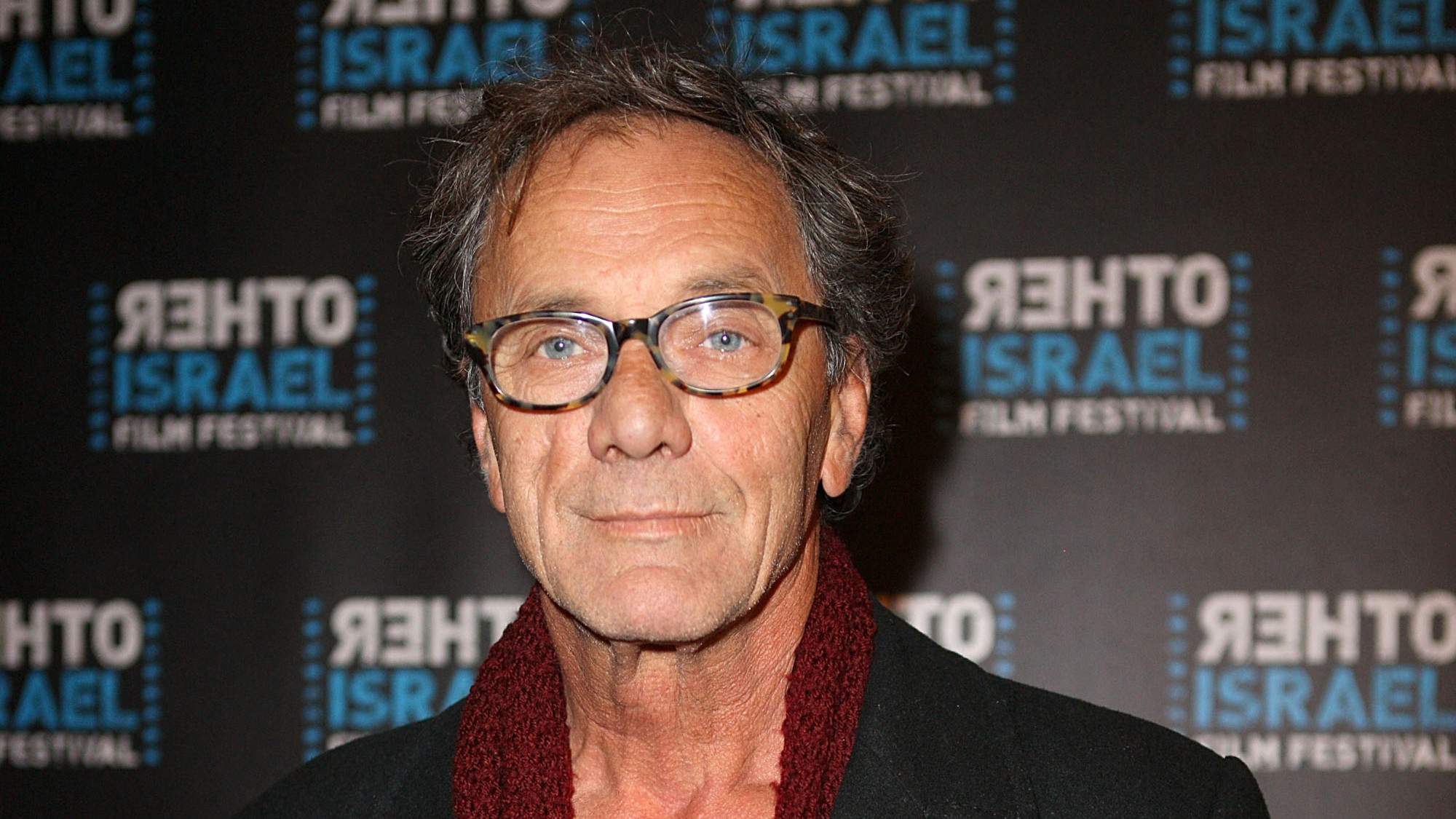
  • Mohammad Bakri, renowned Palestinian director of Jenin, Jenin, dies at 72

    Mohammad Bakri, renowned Palestinian director of Jenin, Jenin, dies at 72

    Mohammad Bakri, the acclaimed Palestinian actor and filmmaker renowned for his politically charged documentary ‘Jenin, Jenin,’ passed away Wednesday at age 72 in an Israeli hospital. His death followed complications from heart-related conditions that had recently worsened, according to family statements.

    Bakri’s 2002 documentary ‘Jenin, Jenin’ became his most controversial work, documenting the Israeli military’s assault on the Jenin refugee camp in the occupied West Bank. The film presented harrowing testimonies from Palestinian survivors of the 11-day offensive that resulted in 52 Palestinian casualties and the demolition of nearly 300 homes.

    The documentary triggered significant backlash in Israel, culminating in a nationwide screening ban imposed by an Israeli court in 2021 after years of legal challenges. Despite sustained pressure and what Bakri described as ‘incitement campaigns,’ the filmmaker remained unwavering in his commitment to exposing Palestinian experiences through cinema.

    Born in 1953 in the Galilean town of Bi’ina, Bakri belonged to the Palestinian community that remained within Israel’s borders after the 1948 Nakba. He studied Arabic literature and theater at Tel Aviv University before embarking on an international acting career that spanned theaters across Europe and North America.

    Bakri made his cinematic debut at age 30 in Costa-Gavras’s 1983 film ‘Hanna K.’ and later collaborated extensively with Gaza-born director Rashid Masharawi. His directorial debut ‘1948’ (1998) examined the ethnic cleansing of Palestinians during Israel’s founding, featuring survivor testimonies and archival materials.

    Throughout his career, Bakri contributed to 43 works as actor, director, and producer. He is survived by his wife Leila and six children, including three sons—Adam, Ziad, and Saleh—who followed him into acting. His seminal work ‘Jenin, Jenin’ remains accessible on Vimeo, preserving his artistic testament to Palestinian resilience.
  • Allianz and Aviva drop Elbit Systems insurance after pro-Palestine protests

    Allianz and Aviva drop Elbit Systems insurance after pro-Palestine protests

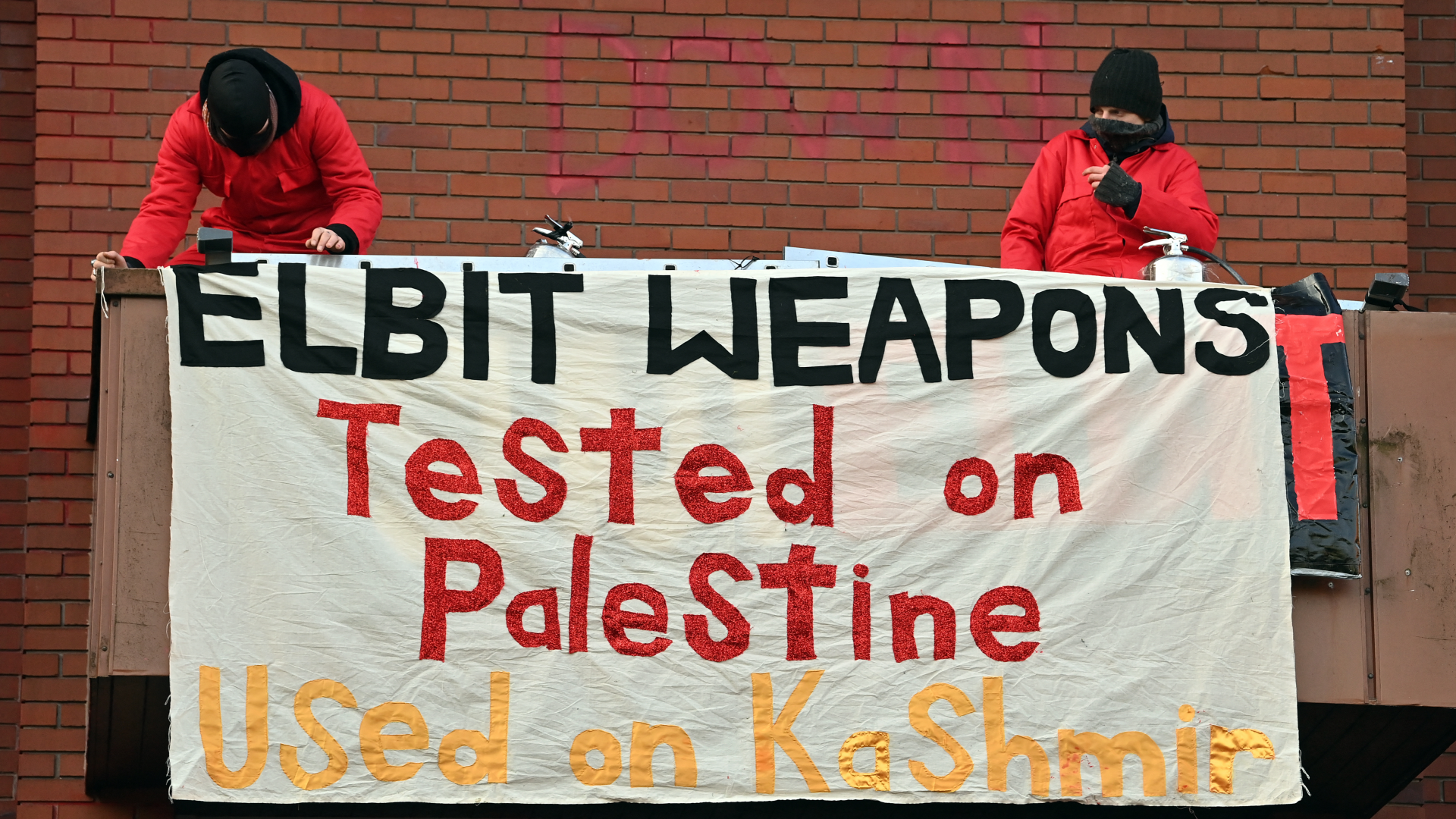
    In a significant development for the Boycott, Divestment, and Sanctions (BDS) movement, global insurance giants Allianz and Aviva have terminated their insurance policies with Israeli defense contractor Elbit Systems. This decision follows sustained pressure from pro-Palestine activists, including direct actions and protests targeting the companies’ operations.

    According to campaign groups, Allianz ceased its coverage of Elbit Systems on November 1st, while Aviva ended its employment liability insurance for UAV Engines Ltd, an Elbit subsidiary, on September 7th. The campaign was spearheaded by Palestine Action, an organization that was subsequently proscribed as a terrorist group by the UK government in July.

    Huda Ammori, co-founder of Palestine Action, characterized the insurers’ withdrawal as a victory for direct action tactics, stating this outcome demonstrates why the government moved to ban their organization. The development highlights the growing financial pressure on companies with ties to Israel’s military industry.

    Elbit Systems maintains a dominant position in supplying Israel’s military, providing approximately 80% of weapons and equipment for land forces and 85% of combat drones used by the air force. The company has faced persistent allegations of complicity in Israeli military actions against Palestinians.

    The activist campaign involved coordinated demonstrations at multiple Allianz offices, including an occupation of their City of London branch in March where premises were spray-painted. Aviva’s Bristol center was similarly targeted in January over its insurance of drone engines linked to an April 2024 attack that killed seven aid workers, including three British veterans.

    In response to the insurance withdrawals, Elbit has secured alternative coverage through Aspen Insurance for its UK operations, while Chubb now provides insurance for UAV Engines. This transition has not gone uncontested, as Aspen’s London offices were recently blockaded by activists from Prisoners for Palestine, who sprayed red paint on the entrance.

    The situation gained international attention when Swedish climate activist Greta Thunberg was arrested outside Aspen’s offices for displaying a placard supporting Palestine Action prisoners. She was subsequently released on bail, with police citing violation of anti-terrorism legislation prohibiting support for proscribed organizations.

    Neither Allianz nor Aviva provided official comments regarding their policy changes when contacted by media outlets. The developments underscore the ongoing tension between activist movements targeting military supply chains and government counter-terrorism measures.

  • ‘Not profit, but health’: Sharjah Ruler inaugurates world’s largest A2A2 cattle farm in Meliha

    ‘Not profit, but health’: Sharjah Ruler inaugurates world’s largest A2A2 cattle farm in Meliha

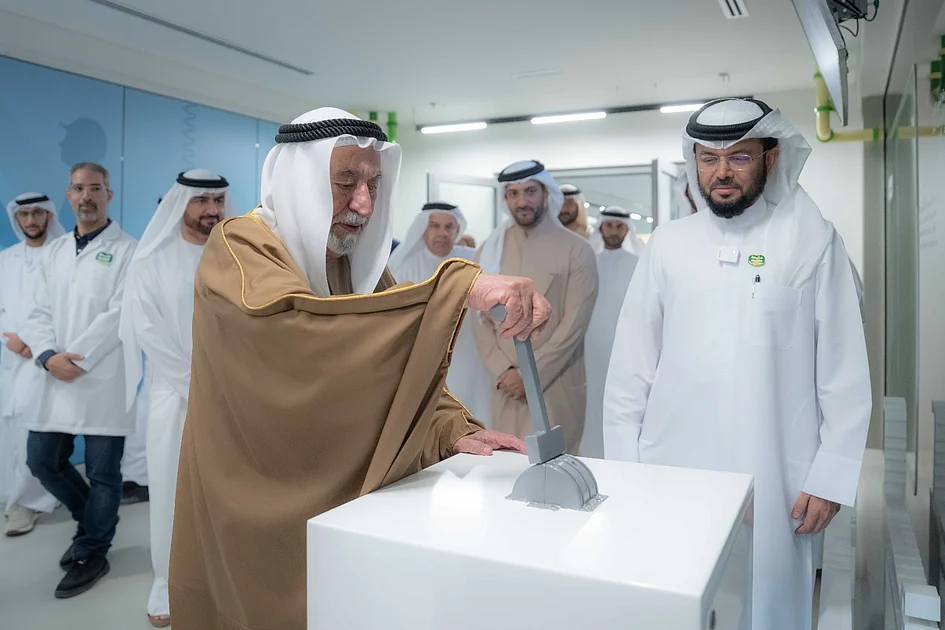
    In a landmark development for sustainable agriculture, His Highness Sheikh Dr. Sultan bin Muhammad Al Qasimi, Supreme Council Member and Ruler of Sharjah, has officially inaugurated the Mleiha Dairy Farm and Factory—now certified by Guinness World Records as the planet’s largest A2A2 cattle farm. Spanning approximately 20,000 square meters with an annual production capacity nearing 600 tonnes, this state-of-the-art facility represents the culmination of a 65-year vision for the Ruler.

    The project forms an integral component of Sharjah’s comprehensive food security initiative, which synergistically integrates livestock management, poultry operations, crop cultivation, and supporting manufacturing plants. This strategic framework is further bolstered by specialized academic programs in agricultural, veterinary, and desert sciences, cultivating a new generation of experts to drive the sector forward.

    Emphasizing a return to heritage-based agricultural practices, Sheikh Sultan articulated a philosophy centered on natural production methodologies. The farm exclusively raises rare A2A2 cattle breeds—genetically distinct varieties known for producing milk containing only A2 beta-casein protein, which some studies suggest offers superior digestibility compared to conventional milk. These animals are nurtured through organic feeding systems and ethical treatment protocols aligned with traditional desert farming.

    ‘Our objective transcends commercial profit; we prioritize population wellness above financial gain,’ the Ruler declared during the inauguration ceremony. This health-first ethos extends across Sharjah’s agricultural landscape, including ongoing olive cultivation projects, free-range poultry farms, and vegetable production using indigenous plant varieties—all monitored through advanced agricultural technology systems.

    Following the formal opening, Sheikh Sultan conducted an extensive tour of the compound, inspecting production lines, packaging facilities, the central control room, milking parlors, and livestock housing areas. Senior officials detailed the facility’s rigorous quality control measures and outlined ambitious expansion plans designed to enhance the emirate’s self-sufficiency objectives within the broader national food security framework.

  • How investors buy gold and what fuels the global market

    How investors buy gold and what fuels the global market

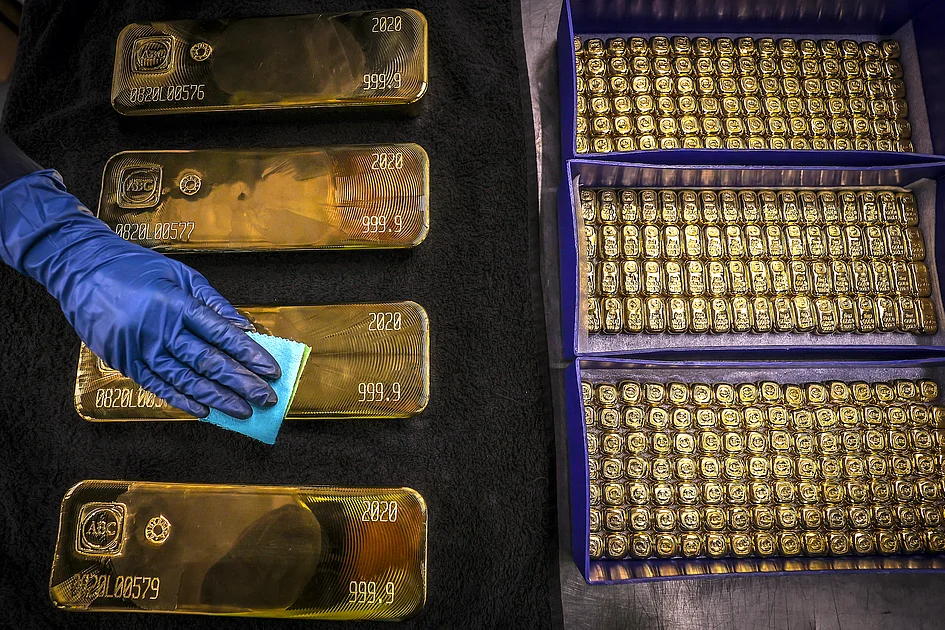
    Gold markets witnessed unprecedented momentum on Wednesday as prices surged beyond the $4,500 per ounce threshold, establishing a new historic peak at $4,525.19 during trading sessions. This remarkable ascent represents the most substantial annual gain since 1979, with prices climbing over 70% throughout 2025.

    The current gold rally stems from a convergence of influential factors: anticipations of relaxed U.S. monetary policy, persistent geopolitical uncertainties, substantial central bank acquisitions, de-dollarization initiatives, and vigorous exchange-traded fund activity. These elements have collectively transformed gold into the premier safe-haven asset during periods of economic and political instability.

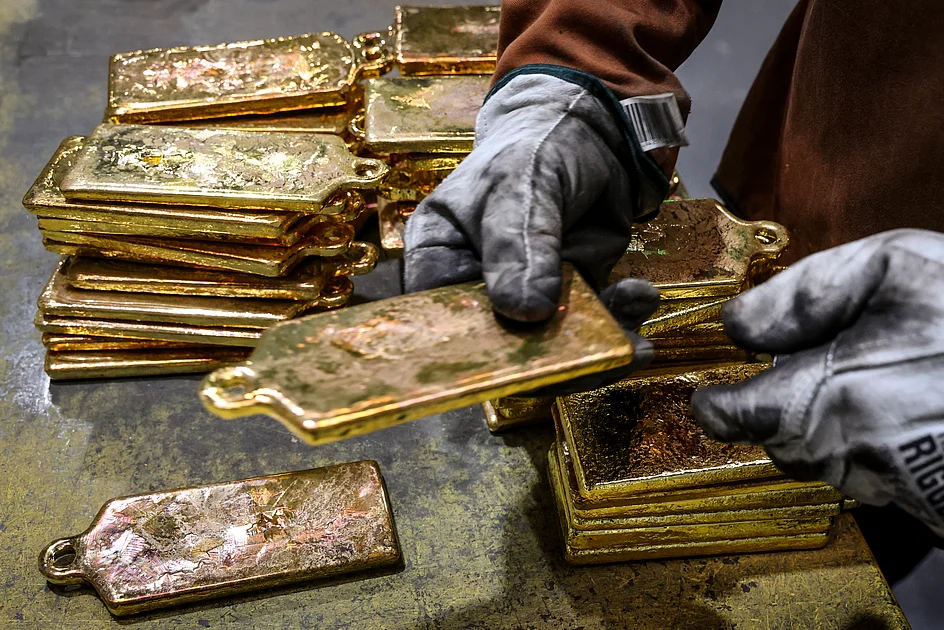
    Investment avenues for gold exposure vary significantly across market segments. Institutional investors typically procure physical bullion through major banking institutions in the spot market, where London’s LBMA framework serves as the global benchmark for over-the-counter transactions. Additional trading hubs include China, India, Middle Eastern centers, and the United States.

    Futures markets provide alternative exposure mechanisms, with COMEX in New York dominating trading volumes alongside significant activity on Shanghai and Tokyo exchanges. For retail investors, exchange-traded products have demonstrated extraordinary growth, with physically-backed gold ETFs attracting $64 billion year-to-date through October, including a record-breaking $17.3 billion in September alone. Traditional physical ownership through bars and coins remains accessible through specialized metals dealers.

    Market dynamics reveal several crucial price drivers: investment fund participation has emerged as a primary catalyst for price movements, while currency fluctuations—particularly inverse correlation with the U.S. dollar—continue influencing gold’s attractiveness. Monetary policy decisions regarding interest rates directly impact gold’s opportunity cost, and central bank accumulation has maintained exceptional strength amid global uncertainties.

    The World Gold Council’s annual survey indicates continued institutional demand, with numerous central banks planning reserve expansions despite elevated prices. Third-quarter 2025 witnessed global gold demand reaching 1,313 metric tons—a record quarterly volume—driven predominantly by investment requirements. China has exemplified this trend through thirteen consecutive months of reserve expansion, reaching 74.12 million fine troy ounces by November’s conclusion.

  • Gold tops $4500 while silver, platinum surge to new peaks

    Gold tops $4500 while silver, platinum surge to new peaks

    In a remarkable display of market momentum, precious metals achieved historic milestones on Wednesday, December 24, 2025, with gold piercing through the $4,500 threshold for the first time in trading history. The unprecedented rally extended across the precious metals complex, with silver and platinum simultaneously reaching unprecedented valuations.

    Spot gold demonstrated remarkable resilience, trading at $4,494.49 per ounce by 1220 GMT after establishing a session peak of $4,525.19. Corresponding February delivery gold futures on U.S. exchanges advanced 0.4% to $4,523.10, reinforcing the bullish trajectory.

    The silver market witnessed extraordinary performance, achieving an all-time high of $72.70 per ounce before stabilizing at $72.32 with a 1.3% gain. Platinum markets experienced similar exuberance, reaching $2,377.50 before moderating to $2,312.70, still representing a substantial 1.6% increase. Palladium experienced modest profit-taking, declining 1.5% to $1,830.37 after touching three-year highs.

    Market analysts attribute this exceptional performance to a convergence of supportive factors. Fawad Razaqzada, market analyst at City Index and FOREX.com, identified “the absence of bearish catalysts combined with powerful momentum underpinned by solid fundamentals” as primary drivers. These fundamentals include sustained central bank acquisitions, a weakening U.S. dollar, and persistent safe-haven demand amid ongoing geopolitical uncertainties.

    The gold market has delivered its most impressive annual performance since 1979, appreciating over 70% year-to-date. This surge reflects heightened investor preference for safe-haven assets alongside expectations of continued monetary easing by the U.S. Federal Reserve. Recent comments from President Donald Trump advocating for lower interest rates during strong market conditions have further reinforced this outlook.

    Silver’s performance has notably eclipsed even gold’s impressive gains, skyrocketing more than 150% year-to-date. This exceptional performance stems from robust investment demand, its recent inclusion on the U.S. critical minerals list, and expanding industrial applications.

    Platinum group metals have demonstrated equally remarkable advances, with platinum and palladium appreciating approximately 160% and over 100% respectively. These gains are fueled by constrained mine production, tariff-related uncertainties, and rotational investment flows from gold positions.

    Société Générale analysts noted that sustained purchasing by emerging market central banks continues to provide fundamental support, with commodity strategists maintaining projections of $5,000 per ounce gold by late 2026 barring any significant reversal in institutional accumulation patterns.

  • Chinese researchers find new treatment path for high-risk breast cancer

    Chinese researchers find new treatment path for high-risk breast cancer

    Chinese medical researchers have achieved a groundbreaking advancement in treating triple-negative breast cancer, the most aggressive form of the disease, through a large-scale clinical trial demonstrating remarkable survival improvements. The study, conducted by Shanghai’s Fudan University Cancer Center and published in the prestigious BMJ journal, reveals that adding carboplatin chemotherapy to standard treatment protocols significantly enhances patient outcomes.

    The research focused on high-risk patients characterized by lymph node involvement or rapidly dividing tumor cells—cases typically resistant to conventional therapies due to the absence of three key receptors that most targeted drugs utilize. Involving over 800 participants, the trial documented a 36% reduction in cancer recurrence risk and achieved a 92.3% three-year event-free survival rate, substantially outperforming the control group’s 85.8%. Most impressively, the experimental group reached a 98% overall survival rate at the three-year mark.

    Lead researcher Professor Shao Zhimin emphasized the study’s departure from ‘one-size-fits-all’ approaches, highlighting its potential for personalized medicine in oncology. ‘The immediate post-surgical period represents the most vulnerable window for recurrence,’ Shao explained, ‘and carboplatin provides precisely the protective buffer these patients need.’

    Notably, the treatment protocol demonstrated no unexpected safety concerns, with Deputy Director Wang Zhonghua confirming its readiness for clinical adoption. Dubbed the ‘Citrine Trial’ after the yellow gemstone symbolizing hope, this research addresses a critical medical gap for the 25% of breast cancer patients diagnosed with triple-negative variants, who traditionally faced limited options beyond conventional chemotherapy.

    The findings offer a robust ‘China solution’ to a global health challenge, potentially transforming standard care protocols for high-risk breast cancer patients worldwide while demonstrating China’s growing leadership in innovative medical research.

  • Ranbir Kapoor, Rashmika Mandanna-starrer ‘Animal’ to release in Japan

    Ranbir Kapoor, Rashmika Mandanna-starrer ‘Animal’ to release in Japan

    The polarizing Bollywood phenomenon ‘Animal,’ which dominated box offices and sparked intense cultural debates throughout 2023, is poised for an international resurgence with an exclusive theatrical release in Japan scheduled for February 13, 2026. Production company Bhadrakali Films officially announced the Japanese distribution through social media platforms on Wednesday, December 24, 2025, accompanied by specially designed promotional materials tailored for Japanese audiences.

    The official announcement featured a distinctive poster bearing the Japanese tagline ‘Kono otoko wa Darenimo Tomerarenai’ (This man cannot be stopped by anyone), signaling the film’s ambitious entry into the Japanese market where Indian cinema has been steadily gaining traction in recent years. Directed by the provocative filmmaker Sandeep Reddy Vanga, the cinematic work generated both remarkable commercial success and significant controversy during its initial release cycle.

    Starring Ranbir Kapoor in the lead role alongside Rashmika Mandanna, Anil Kapoor, and Bobby Deol, ‘Animal’ explores complex themes of familial conflict and vengeance through the narrative of Rannvijay Singh’s quest for retribution following an assassination attempt on his father. The film’s unflinching portrayal of violence and relationships ignited widespread discussions regarding perceived misogynistic undertones throughout its theatrical run.

    Notably, the feature included a post-credits sequence teasing a prospective sequel titled ‘Animal Park,’ with Kapoor anticipated to perform dual roles in the continuation. The Japanese release strategy represents a strategic expansion for Indian cinema in East Asian markets, potentially setting the stage for increased cultural exchange and international distribution of Bollywood productions.

  • ADX approves Waha Capital share buyback as investment firm builds momentum into 2026

    ADX approves Waha Capital share buyback as investment firm builds momentum into 2026

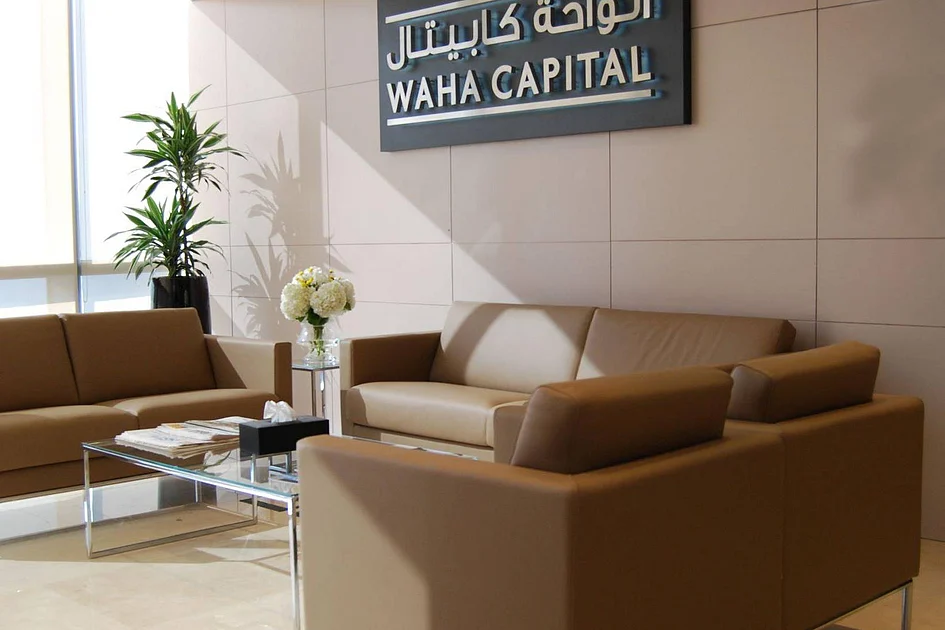
    Abu Dhabi Securities Exchange has granted formal approval to Waha Capital’s ambitious share repurchase initiative, authorizing the investment firm to acquire up to 10% of its outstanding shares. This strategic move follows a General Assembly resolution and enables the Abu Dhabi-listed company to execute buybacks through open-market operations in compliance with ADX and Securities and Commodities Authority guidelines.

    The implementation timeline and volume of share repurchases will be determined by prevailing market conditions. Mohamed Hussain Al Nowais, Managing Director of Waha Capital, characterized the approval as a robust endorsement of the company’s growth trajectory, emphasizing that current market valuation fails to adequately reflect the firm’s fundamental worth. “This buyback initiative demonstrates our disciplined capital allocation strategy and reinforces our dedication to generating substantial long-term returns for shareholders as we maintain our operational momentum through 2026,” Al Nowais stated.

    The authorization coincides with Waha Capital’s exceptional financial performance, having achieved a 22% year-over-year increase in net profit reaching Dh343 million for the first three quarters of 2025. This strong performance was propelled by two significant transactions: the strategic Waha Land agreement with Aldar that enhanced the company’s industrial real estate holdings, and the highly successful exit from Optasia following the fintech company’s initial public offering on the Johannesburg Stock Exchange. The Optasia divestment yielded $119 million in proceeds, representing a fourfold return on invested capital with a 25% internal rate of return.

    Established in 1997, Waha Capital maintains diversified operations across three core segments: public markets featuring emerging-market credit and equity funds, private investments spanning multiple sectors and geographies, and industrial real estate development through its Waha Land division at ALMARKAZ, which provides consistent recurring income through industrial and logistics asset management.

    The share repurchase decision aligns with positive developments on the Abu Dhabi exchange, where the ADX General Index recorded a 6.59% year-over-year gain by mid-December 2025. Market liquidity indicators showed substantial improvement, with foreign net investment surging 99.5% to $3.7 billion during the first half of 2025. Total trading value increased by 33.5% annually to Dh179.5 billion, while average daily trading value reached Dh1.45 billion, supported by enhanced market infrastructure including new clearing and central securities depository services.

    With total market capitalization maintaining stability at approximately Dh3.1 trillion by December 2025, the Abu Dhabi market demonstrates sustained investor confidence and continuing structural reforms. Waha Capital’s buyback program, against this favorable backdrop, highlights the company’s strategic positioning and confidence in its valuation as it prepares for continued growth and value creation throughout 2026.

  • ADQ closes $5 billion financing deal with Asian financial institutions

    ADQ closes $5 billion financing deal with Asian financial institutions

    ADQ, an Abu Dhabi-based sovereign investment entity specializing in critical infrastructure and global supply chains, has successfully concluded its inaugural $5 billion syndicated term financing arrangement with financial institutions across Greater China. The five-year facility, announced on December 24, 2025, attracted overwhelming investor interest, generating approximately $12 billion in commitments—triple the initial $4 billion target—prompting ADQ to upsize the final transaction amount.

    This landmark financing represents the largest term loan secured by any Middle Eastern borrower from Asian financial institutions to date, signaling robust confidence in ADQ’s creditworthiness and strategic mandate. The transaction strengthens ADQ’s liquidity profile while diversifying its funding sources, providing enhanced flexibility to pursue commercially viable investment opportunities worldwide.

    Marcos de Quadros, Group Chief Financial Officer at ADQ, emphasized the significance of this milestone: ‘This successful debut financing in Greater China reflects sustained market confidence in our credit strength, prudent financial management, and disciplined funding strategy that characterizes all ADQ transactions.’

    The deal was coordinated by six global financial institutions: Bank of China (Dubai Branch), DBS Bank Ltd., HSBC, Industrial and Commercial Bank of China Limited (Dubai Branch), Standard Chartered Bank (Hong Kong), and J.P. Morgan Securities plc. More than 30 leading financial institutions across Mainland China, Hong Kong, Macau, and Taiwan participated in the syndication, demonstrating extensive regional engagement and investor appetite for high-quality UAE issuers.

  • UAB successfully concludes Dh1 billion, 2-year loan facility

    UAB successfully concludes Dh1 billion, 2-year loan facility

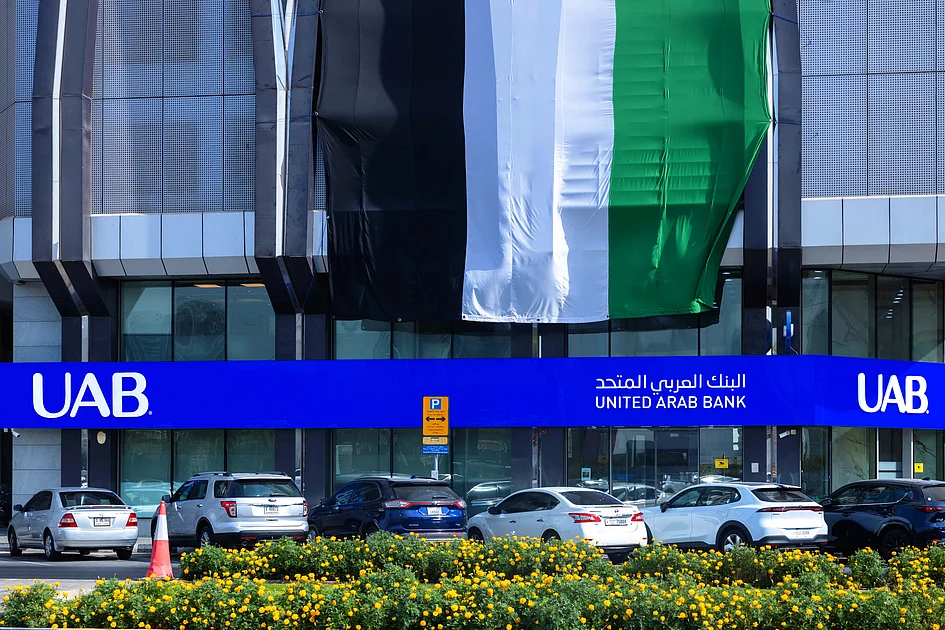
    United Arab Bank (UAB) has successfully finalized a significant Dh1 billion senior unsecured loan facility with a two-year maturity period, marking a substantial achievement in the UAE’s banking sector. The innovative financing structure combines both conventional lending and Shariah-compliant Commodity Murabaha tranches, executed at highly competitive market rates that reflect current financial conditions.

    The strategically structured facility will serve general corporate purposes while substantially strengthening UAB’s financial foundation. This enhanced liquidity position will enable the bank to more effectively support client requirements while advancing its strategic growth initiatives in the competitive UAE banking landscape.

    Abu Dhabi Commercial Bank PJSC, Emirates NBD, Emirates Islamic Bank, and First Abu Dhabi Bank served as Initial Mandated Lead Arrangers and Bookrunners for this transaction, with Emirates NBD additionally acting as Global Facility Agent, demonstrating strong collaborative banking relationships within the region.

    Chief Executive Officer Shirish Bhide emphasized the transaction’s significance, stating: ‘This dual-tranche facility represents a timely expansion of our funding base and underscores the sustained confidence of the UAE banking market in United Arab Bank’s financial resilience and disciplined execution capabilities. The arrangement substantially enhances our liquidity profile and funding flexibility, positioning us to proactively support our clients while pursuing strategic growth opportunities.’

    The successful financing follows UAB’s impressive nine-month performance through September 2025, during which the bank reported a 49 percent year-on-year increase in net profit to Dh316 million. This strong financial performance has been recognized by international rating agencies, with Moody’s upgrading the bank’s deposit ratings to Baa2 and Fitch Ratings elevating UAB’s Viability Rating to ‘bb-‘ while maintaining a stable outlook on its BBB+ Long-Term Rating.