标签: Asia

亚洲

  • What is tea? India imposes penalty on brands that use ‘misleading’ name for herbal infusions

    What is tea? India imposes penalty on brands that use ‘misleading’ name for herbal infusions

    India’s principal food regulatory body has instituted rigorous labeling protocols specifically governing the commercial use of the term ‘tea’ on consumer products. The Food Safety and Standards Authority of India (FSSAI) has issued an official directive to food commissioners across all states and union territories, establishing clear parameters for product classification.

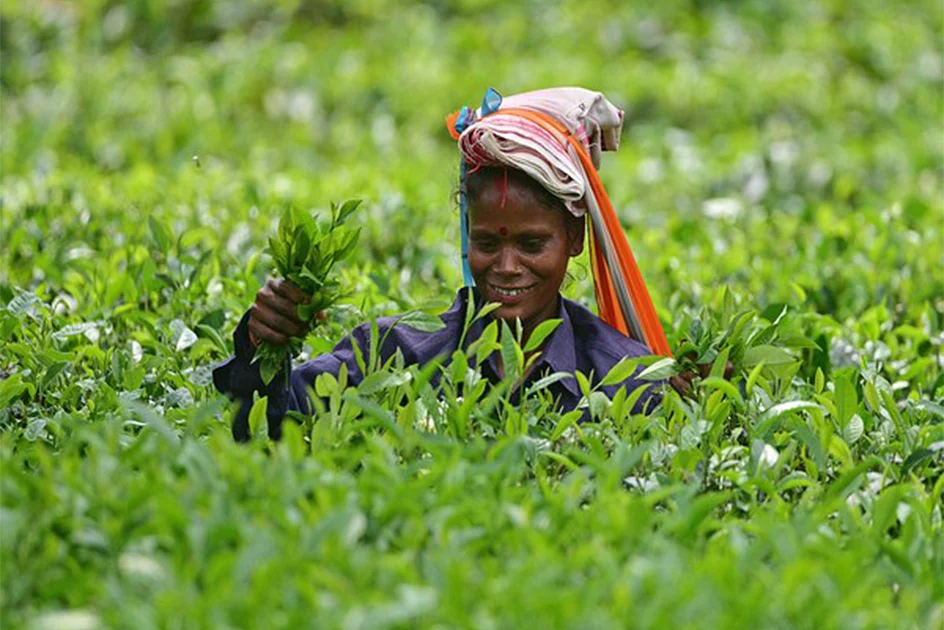
    According to the new standards, only beverages derived from the Camellia sinensis plant—including varieties such as Kangra tea, green tea, and instant tea—are permitted to carry the ‘tea’ designation on packaging. The regulatory authority has classified the application of the term to herbal infusions or plant-based beverages not originating from this specific botanical source as fundamentally misleading marketing practice. This categorization falls under the legal definitions of misbranding as outlined in the Food Safety and Standards Act of 2006.

    The comprehensive directive explicitly mandates that all food business operators—encompassing manufacturers, packers, marketers, importers, and e-commerce platforms involved in product sales—must adhere to these revised regulations. Furthermore, the FSSAI has reinforced packaging requirements stipulating that the front-facing display of every product must accurately identify the food’s composition and true nature.

    Non-compliance with these updated standards will trigger enforcement actions pursuant to the established legal framework, potentially resulting in significant penalties for violators. This regulatory enhancement aims to foster greater transparency within India’s substantial tea market, ensuring consumers receive accurate product information and preventing marketplace confusion regarding beverage composition and origins.

  • Indian forces kill Maoist rebel leader with $120,000 bounty, say police

    Indian forces kill Maoist rebel leader with $120,000 bounty, say police

    Indian security forces have achieved a significant breakthrough in their ongoing counterinsurgency operations with the elimination of senior Maoist commander Ganesh Uike during a tactical raid in eastern Odisha state. The operation, conducted on Thursday in Kandhamal district, resulted in four rebel casualties including Uike who carried a substantial bounty of $120,000 on his head.

    According to Odisha police authorities, the operation was launched following specific intelligence regarding Uike’s whereabouts. The 69-year-old rebel leader, who commanded Maoist operations in the coastal region, was killed alongside three associates—two female combatants and one male fighter—during an exchange of gunfire. State police official Yogesh Bahadur Khurania confirmed the identities were being verified while noting no security personnel casualties occurred.

    This engagement represents the latest success in New Delhi’s comprehensive campaign to eradicate the decades-long Maoist insurgency by March 2026. Just one day prior to this operation, security forces had neutralized two additional rebels in the same region, demonstrating the intensified tempo of counterinsurgency activities.

    The Naxalite movement, which originated nearly sixty years ago in the Himalayan foothills, once exerted control over approximately one-third of Indian territory with an estimated fighting force of 15,000-20,000 personnel during its mid-2000s peak. However, government statistics indicate over 500 Maoist combatants have been eliminated since 2024 alone, signaling the rebellion’s substantial degradation in recent years amid sustained security pressure.

  • Hong Kong’s global standing boosted with increasing presence of intl organizations: justice secretary

    Hong Kong’s global standing boosted with increasing presence of intl organizations: justice secretary

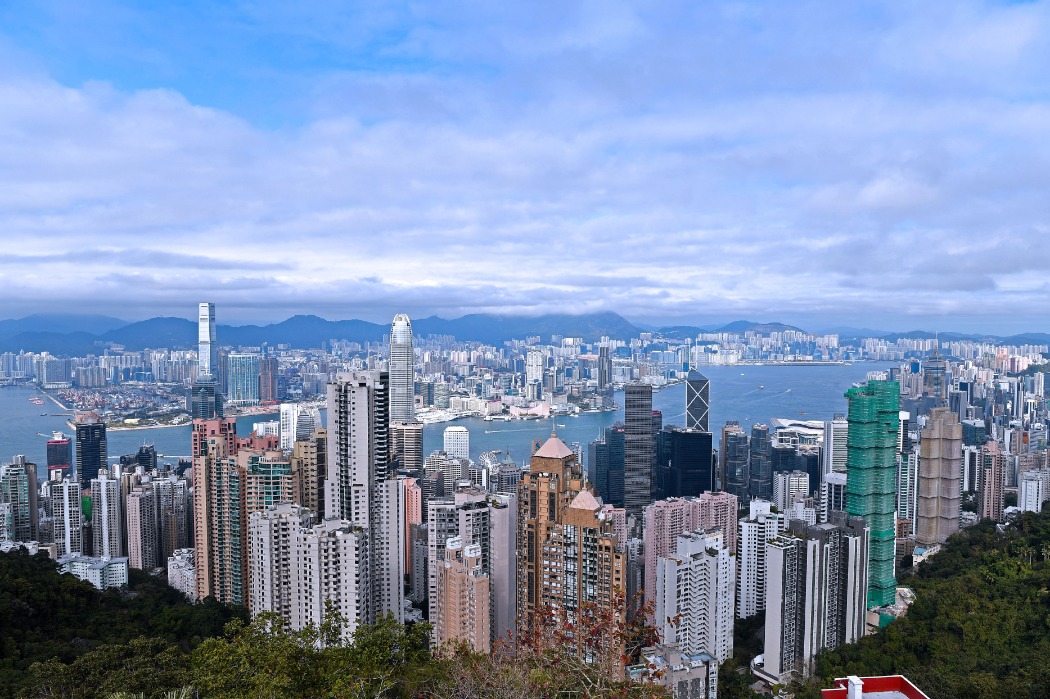
    Hong Kong’s position as a premier international legal services center has received a substantial boost with the upcoming establishment of the International Institute for the Unification of Private Law (UNIDROIT) Asia-Pacific Liaison Office. Justice Secretary Paul Lam announced that this landmark development represents a significant vote of confidence in Hong Kong’s global standing and legal capabilities.

    The UNIDROIT office, scheduled to open in the second half of 2026, marks a historic milestone as the organization’s first regional presence outside its Rome headquarters in its century-long history. This expansion places Hong Kong alongside only a select few cities worldwide that host multiple international legal institutions.

    Hong Kong’s legal infrastructure already includes the Hague Conference on Private International Law Regional Office for Asia and the Pacific, the Department of Justice Project Office for Collaboration with United Nations Commission on International Trade Law, and the headquarters of the International Organization for Mediation. This concentration of legal entities creates a unique ecosystem for international dispute resolution and legal cooperation.

    Secretary Lam emphasized the symbolic importance of international organizations choosing Hong Kong for their regional presence, noting that each new institution represents a tangible expression of global confidence in the city’s legal framework and international connectivity. He anticipates a snowball effect where Hong Kong’s enhanced reputation will attract more legal professionals, international activities, and dispute resolution cases to the city.

    The strategic placement of these organizations strengthens Hong Kong’s role in shaping regional legal standards and practices while providing Asian jurisdictions with enhanced access to international legal resources. This development aligns with Hong Kong’s ongoing transformation into a comprehensive international legal services hub capable of handling complex cross-border matters and contributing to the evolution of global legal frameworks.

  • How can we secure the Middle East’s AI agent workforce

    How can we secure the Middle East’s AI agent workforce

    In a significant diplomatic move, the President of the United Arab Emirates has commenced an official state visit to Pakistan, signaling strengthened bilateral relations between the two nations. The high-profile visit comes at a time when authorities in Dubai are implementing comprehensive security measures for upcoming New Year’s Eve celebrations. For the first time in its history, the iconic Dubai Frame will serve as a centerpiece for spectacular drone light displays, supplementing the traditional fireworks that typically dominate the city’s skyline. Concurrently, Dubai’s transportation authorities have announced major closures along Sheikh Zayed Road and at the pivotal Burj Khalifa metro station to accommodate the unprecedented security and logistical requirements for the massive public events. Official statements have detailed specific timing for these closures, urging residents and visitors to plan their travel arrangements accordingly to ensure public safety during what is anticipated to be one of the largest New Year gatherings globally.

  • ‘Don’t be scared to spend’: Indian expat reveals tips for financial success in UAE

    ‘Don’t be scared to spend’: Indian expat reveals tips for financial success in UAE

    Kareena Kewlani, a 23-year-old marketing and public relations professional based in Sharjah, is emblematic of a new generation reshaping financial perspectives in the UAE. Rather than viewing money through traditional lenses of wealth accumulation, she conceptualizes it as an instrument of freedom—providing choices, comfort, and personal autonomy.

    In an exclusive interview, Kewlani elaborated on her financial philosophy, describing money as “freedom”—not in a reckless sense, but as the ability to invest in experiences, travel, and a self-directed lifestyle. Her outlook stems from a hybrid of influences: her father’s disciplined saving habits and her mother’s emphasis on valuing experiences over material possessions.

    Growing up in the UAE profoundly shaped Kewlani’s financial behavior. The fast-paced, ambition-driven environment encouraged big dreams, while the high cost of living underscored the necessity of strategic planning. She emphasizes balance—intentional spending aligned with joy and purpose, coupled with consistent saving and smart investing.

    Kewlani advocates for open conversations about money, regularly consulting her family and peers. Her approach integrates traditional principles with contemporary strategies like diversification and digital investment, influenced by her brother’s modern financial mindset.

    Her advice to younger individuals reflects her philosophy: “Save, but don’t be scared to spend.” Kewlani stresses that financial health isn’t about deprivation, but about making mindful choices—whether investing in memorable experiences or practicing disciplined budgeting to avoid impulsive purchases.

  • Crossing the Strait: Explore Taiwan cuisine in Beijing

    Crossing the Strait: Explore Taiwan cuisine in Beijing

    In the heart of China’s capital, a gastronomic journey awaits those seeking authentic Taiwanese flavors. Beijing’s culinary landscape now features remarkable establishments that bring the taste of Taiwan across the Strait, creating cultural connections through food.

    Two standout examples illustrate this phenomenon. The first offers an intimate kitchen experience radiating the comforting warmth of a Taiwanese home, operated by a young entrepreneur from Taiwan who has found success on the mainland. The second preserves century-old recipes from a legendary Tainan noodle stall, maintaining traditional preparation methods that have survived generations.

    These culinary outposts represent more than just dining establishments—they serve as edible ambassadors weaving deep emotional and cultural bonds between both sides of the Taiwan Strait. Each dish tells a story of shared heritage and culinary tradition, transforming simple meals into meaningful cultural exchanges.

    The growing presence of Taiwan cuisine in Beijing demonstrates how food can transcend political boundaries, creating people-to-connections through shared appreciation for authentic flavors. From bustling night market snacks to sophisticated restaurant offerings, these establishments allow Beijing residents and visitors to experience Taiwan’s rich culinary diversity without leaving the city.

    This culinary cross-Strait exchange reflects the deepening cultural integration and mutual appreciation developing between mainland China and Taiwan, proving that some connections are best forged through the universal language of food.

  • Marvel’s sterling silver sculptures make Dubai debut

    Marvel’s sterling silver sculptures make Dubai debut

    The United Arab Emirates has ushered in a new era of child protection with the implementation of a comprehensive federal law specifically designed to safeguard minors from digital risks. This legislative milestone coincides with Dubai’s announcement of an unprecedented New Year’s Eve celebration for 2026, featuring 48 synchronized fireworks displays across 40 strategic locations throughout the emirate.

    The newly enacted legislation represents a proactive approach to addressing the challenges of digital citizenship, establishing clear guidelines for technology usage among children. The law mandates protective measures against cyberbullying, inappropriate content exposure, data privacy violations, and other online threats that have become increasingly prevalent in the digital age. Legal experts characterize this as one of the region’s most thorough digital protection frameworks for minors.

    Simultaneously, Dubai’s Events Security Committee has unveiled ambitious plans for the 2026 New Year’s Eve festivities, which will transform the entire city into a panoramic celebration venue. The coordinated fireworks spectacle, strategically timed across different zones, will create a cascading visual effect visible from multiple vantage points across the metropolitan area. This elaborate display underscores Dubai’s continuing commitment to establishing itself as a premier global destination for landmark celebrations and tourism excellence.

    The synchronization of these two developments—child protection legislation and cultural celebration planning—demonstrates the UAE’s balanced approach to both social welfare and international positioning. While the digital protection law addresses critical societal needs in the technology era, the fireworks display reinforces Dubai’s reputation for executing world-class public events with meticulous precision and spectacular visual impact.

  • Armenia positions itself as a high‑potential investment destination for GCC capital

    Armenia positions itself as a high‑potential investment destination for GCC capital

    Armenia is rapidly establishing itself as a strategic investment destination for Gulf Cooperation Council (GCC) capital, distinguishing itself through comprehensive digital transformation and financial innovation. Unlike conventional markets with limited innovation zones, Armenia has implemented a technology-friendly regulatory framework across its entire territory, creating a uniquely agile environment for financial technology development.

    According to Vazgen Gevorkyan, Member of the Supervisory Board at Evocabank, Armenia’s economic transformation over the past decade has positioned it as an exceptional hub for capital seeking both innovation and stability. The country demonstrated remarkable economic resilience with 5.9% GDP growth in 2024, supported by robust financial buffers and a deeply integrated banking system. Banking penetration has reached 109% of GDP, indicating not merely high usage but sector maturity.

    A key differentiator is Armenia’s nationwide regulatory sandbox approach, allowing fintech institutions to test real products in actual markets without protracted approval processes. This creates a regulatory environment that operates at the speed modern investors demand.

    The country benefits from substantial diaspora capital flows, with remittances accounting for 4.9% of GDP in 2024—significantly above global averages. In 2022, diaspora communities contributed to a $2.5 billion net deposit influx into the banking system, demonstrating strong confidence in Armenia’s financial infrastructure.

    Armenia’s technical talent pool, rooted in decades of mathematical and engineering excellence and strengthened by institutions like TUMO, has cultivated a generation of developers capable of building sophisticated financial technology systems. This positions Armenia to become a backend fintech hub for Middle Eastern and North African banks seeking cost-efficient development and high-quality talent.

    The nation’s strategic advantage stems from early decisions to avoid legacy system preservation and instead rebuild around mobile-first architecture, integrating digital processes at the core rather than as superficial additions. This approach has created a financial ecosystem designed for speed and efficiency, offering Gulf investors a rare combination of regulatory clarity, technical capability, and financial stability.

  • Israel ranks lowest in global brand index

    Israel ranks lowest in global brand index

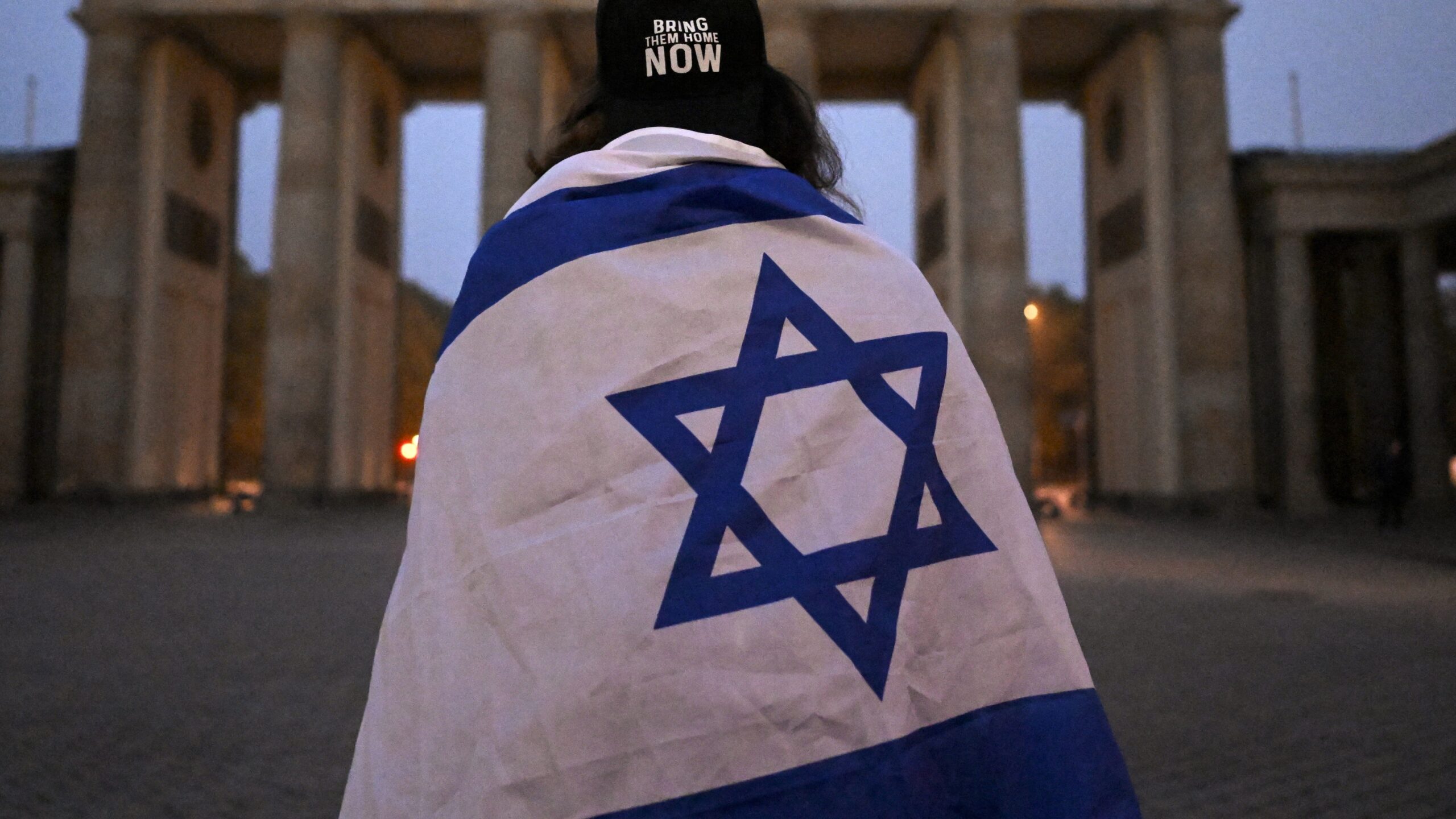
    For the second year running, Israel has anchored the bottom of the global Nation Brands Index (NBI), according to findings released by the private research organization BrandIL. This represents the country’s most dismal performance in the nearly twenty-year history of the index, conceived by policy adviser Simon Anholt.

    The comprehensive NBI framework evaluates national reputations across six critical dimensions: tourism appeal, cultural perception, population image, immigration and investment climate, export and product reputation, and governance quality. The latest rankings placed Japan, Germany, Canada, Italy, Switzerland, and the United Kingdom at the pinnacle. Conversely, Israel found itself trailing behind nations including India, Kenya, Russia, Ukraine, and Namibia. The Palestinian Authority, while not a formally recognized state, also ranked lower.

    Conducted between August and September 2025, the survey revealed a stark 6.1 percent decline in Israel’s overall score from the previous year. A particularly alarming finding was Israel’s last-place ranking in perceptions of its exports and products, signaling a pronounced consumer aversion to goods and services associated with the nation.

    The report underscores a pivotal and troubling shift in international sentiment between 2024 and 2025. Criticism, once primarily directed at the Israeli government, has broadened to encompass attitudes toward Israeli citizens themselves. This evolution is directly correlated with the ongoing military operations in Gaza. Israeli media outlet Yedioth Ahronoth reported a growing perception of Israelis as ‘persona non grata’ in international circles.

    The human cost of the conflict is immense, with Palestinian casualties in Gaza and the West Bank exceeding 72,000 since October 2023. This context has fueled a dramatic reassessment of Israel’s global standing. Beyond rising criticism, the data indicates a generational schism, with more Gen Z respondents characterizing Israel as ‘illegitimate’ and ‘colonial’.

    The economic ramifications are tangible. The ‘Made in Israel’ label is now directly and negatively impacted as boycott movements persist worldwide. While the NBI does not directly track purchasing behavior, BrandIL issued a stark warning of broader economic risks, including a collapse in global trust, a downturn in foreign investment, severe damage to the tourism sector, and a profound erosion of Israel’s stature within the international community.

    This decline is corroborated by other major polls. A recent YouGov survey highlighted that public support for Israel across Europe has hit a record low in 2025, with fewer than a fifth of respondents in Britain, France, Germany, Denmark, Spain, and Italy holding a favorable view. In the United States, an April Pew Research poll found that 53% of Americans now hold an unfavorable opinion of Israel, a significant jump from 42% in March 2022. This negative sentiment is rising across the political spectrum, though it remains more pronounced among Democrats (69%) than Republicans (37%).

    A separate Pew poll confirmed that majority negative views of Israel and Prime Minister Benjamin Netanyahu are now a global phenomenon, prevalent in 20 out of 24 countries surveyed in early 2025. Notably, this disapproval is no longer confined to Arab and Muslim nations but is expanding across Europe and East Asia, with positive perceptions dwindling particularly in Western Europe and among younger demographics globally.

  • Israel’s Katz doubles down on support of settlements in Gaza

    Israel’s Katz doubles down on support of settlements in Gaza

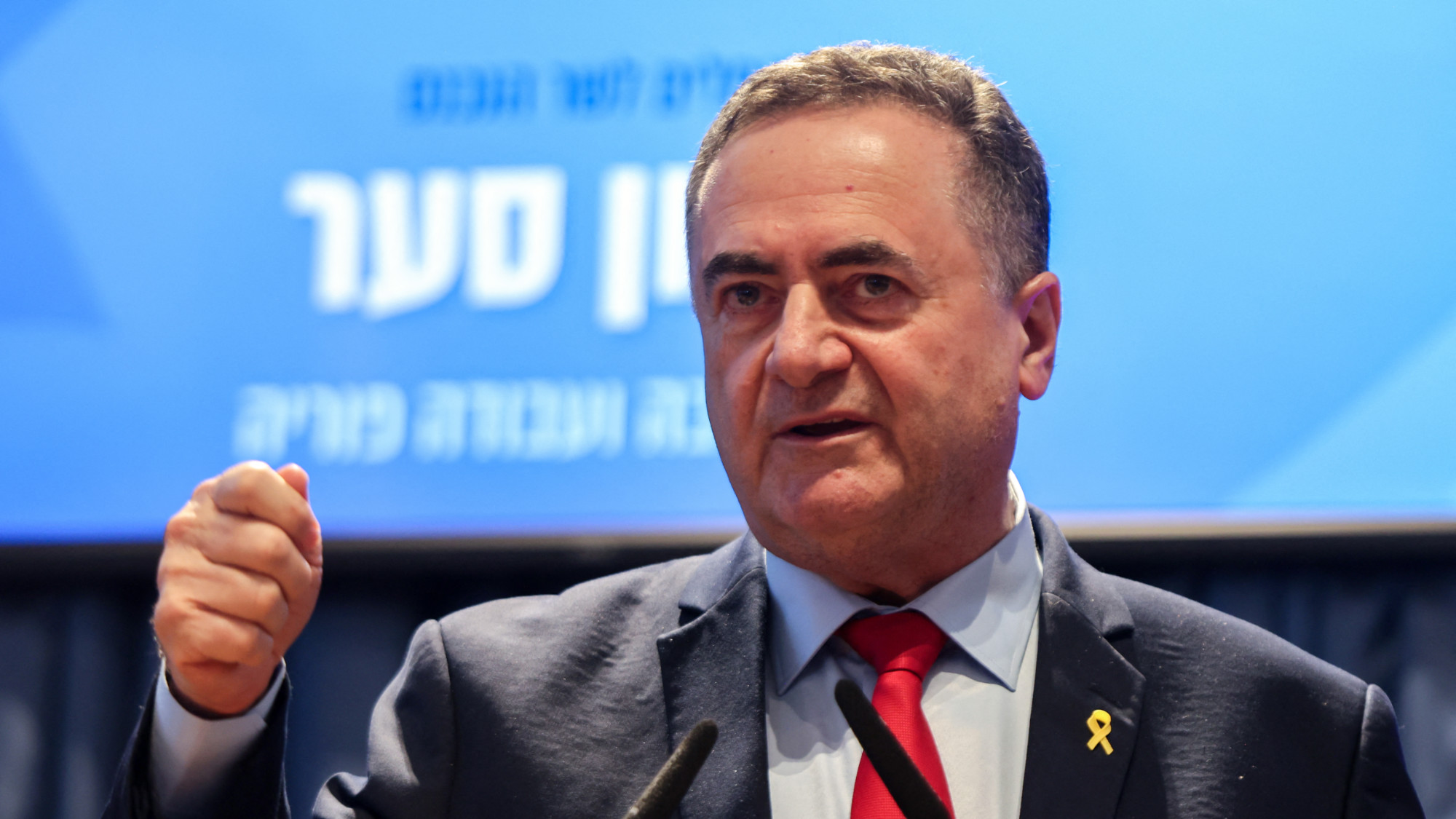
    Israeli Defense Minister Israel Katz has reaffirmed his controversial stance advocating for the establishment of Israeli settlements within the Gaza Strip, despite international law explicitly prohibiting such actions in occupied Palestinian territories. Speaking at a conference on Thursday, Katz articulated his vision for the Nahal military unit to construct outposts that would eventually transition into officially recognized settlements, asserting this would occur “in due time.

    This declaration follows Katz’s earlier remarks this week proposing “Nahal” settlements in northern Gaza, which prompted immediate backtracking from his office amid concerns about straining relations with the United States. However, Katz has since dismissed suggestions of retracting his statements, instead doubling down on his position during his latest public appearance.

    The minister further elaborated on Israel’s long-term security strategy, stating the nation “will never fully withdraw” from Gaza. He outlined plans for maintaining “a significant security area inside the Strip” even in potential ceasefire scenarios involving Hamas disarmament. Drawing parallels to ongoing Israeli military presence in Lebanon, Syria, and the West Bank, Katz emphasized Israel’s autonomous security decisions, stating: “We don’t trust anyone, and no one will come and tell us – there will be no agreement.”

    Katz’s proposals have garnered support from far-right settler organizations, including the Nachala Settlement Movement and the Yesha Council. The latter framed potential settlements as retribution for the October 7 attacks, stating they would demonstrate that “for the massacre of 7 October [2023], he is paying with land and in perpetuity.” Nachala claims over 1,000 families stand ready to settle in Gaza immediately.

    This stance directly contradicts the ceasefire proposal put forward by US President Donald Trump, which envisions near-total Israeli withdrawal from Gaza. Israel previously maintained 21 settlements in Gaza before disengaging from the territory in 2005, while approximately 700,000 settlers currently reside in around 250 illegal settlements across the West Bank and East Jerusalem.