标签: Asia

亚洲

  • Five-year-old boy dies after getting caught in Japan ski travelator

    Five-year-old boy dies after getting caught in Japan ski travelator

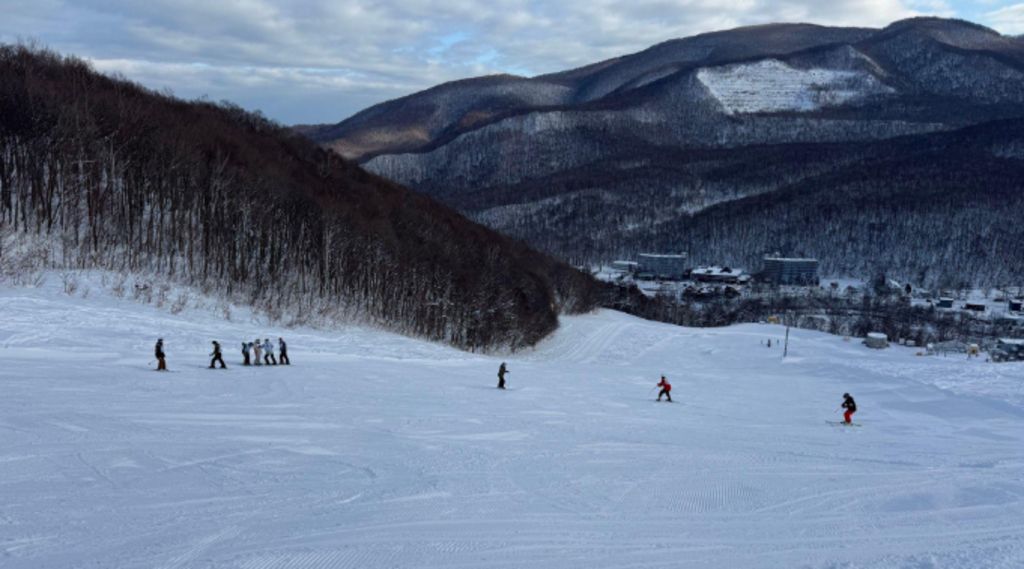
    A tragic incident at a Hokkaido ski resort has resulted in the death of a five-year-old boy, raising serious concerns about equipment safety protocols. Hinata Goto was vacationing with his family at Asarigawa Onsen Ski Resort in Otaru when the accident occurred on Sunday morning.

    According to police reports, the child fell while attempting to disembark from a 30-meter travelator that connects the resort’s parking area to the ski slopes. His right arm became entangled in the machinery’s mechanisms, triggering a desperate rescue operation. Despite the travelator being equipped with an automatic safety system designed to detect obstructions and halt operations, the safety features failed to activate during the incident.

    The emergency stop was ultimately triggered manually by the boy’s mother, but not before severe damage had been occurred. Rescue personnel spent approximately 40 minutes dismantling sections of the equipment to extricate the unconscious child. He was subsequently transported to a medical facility where he was pronounced dead.

    Resort management confirmed that the safety mechanism had been functioning properly earlier that day, adding complexity to the investigation. The travelator, installed six years ago, features a 60-centimeter width and notably lacks protective handrails—a design element that has drawn criticism from regular visitors who reported previous instances of instability while using the equipment.

    Local authorities have launched a comprehensive investigation into potential professional negligence regarding both manufacturing standards and maintenance procedures. The resort’s representatives have issued a formal apology and committed to implementing preventive measures to avoid future tragedies.

    This incident casts a shadow over Hokkaido’s reputation as Japan’s premier ski destination, which attracts millions of winter sports enthusiasts annually. The case highlights critical questions about safety standards in tourist facilities and the responsibility of recreational venues to ensure visitor protection.
  • South Korea’s climate pledge to cut coal, lower emissions clash with US push for LNG purchases

    South Korea’s climate pledge to cut coal, lower emissions clash with US push for LNG purchases

    SEOUL, South Korea — South Korea finds itself navigating a complex energy dilemma as its ambitious climate commitments collide with trade obligations to the United States. The newly established Ministry of Climate, Energy and Environment has unveiled sweeping plans to retire the majority of the nation’s coal-fired power plants by 2040 and slash carbon emissions by at least half within the next fifteen years. This bold initiative signals Seoul’s determination to accelerate its renewable energy transition, currently lagging behind both regional neighbors and global standards.

    However, this environmental ambition conflicts with substantial energy trade agreements negotiated during the Trump administration. As part of broader trade discussions, South Korea has committed to purchasing up to $100 billion worth of American energy products, including significant quantities of liquefied natural gas (LNG). While LNG burns cleaner than coal, it still generates substantial planet-warming emissions, particularly methane, raising concerns among climate activists about potential lock-in to fossil fuel dependency.

    Energy specialists highlight the inherent contradiction in these parallel initiatives. Michelle Kim of the Institute for Energy Economics and Financial Analysis notes the challenge of consolidating “somehow contradictory planning regarding its energy sector.” The administration of President Lee Jae Myung, who campaigned on strengthened climate action following his June election victory, now faces the difficult task of balancing environmental promises with economic considerations.

    South Korea’s current energy landscape reveals the scale of this challenge. Renewable sources generated merely 10.5% of domestic power last year—among the lowest percentages for major economies. By comparison, Japan derives 21% of its electricity from renewables, while Spain achieves 42%. Nuclear power provides a substantial 31% of South Korea’s electricity, with the government pledging to develop a new energy system emphasizing both renewables and nuclear capacity while gradually eliminating coal.

    The pending U.S. trade agreement, potentially lasting three to ten years, could require South Korea to import between 3 million to 9 million tons of American LNG annually. Environmental organizations like Greenpeace warn that simply replacing coal with LNG risks undermining genuine climate progress, potentially shifting the nation’s addiction from one fossil fuel to another rather than advancing a true green transition.

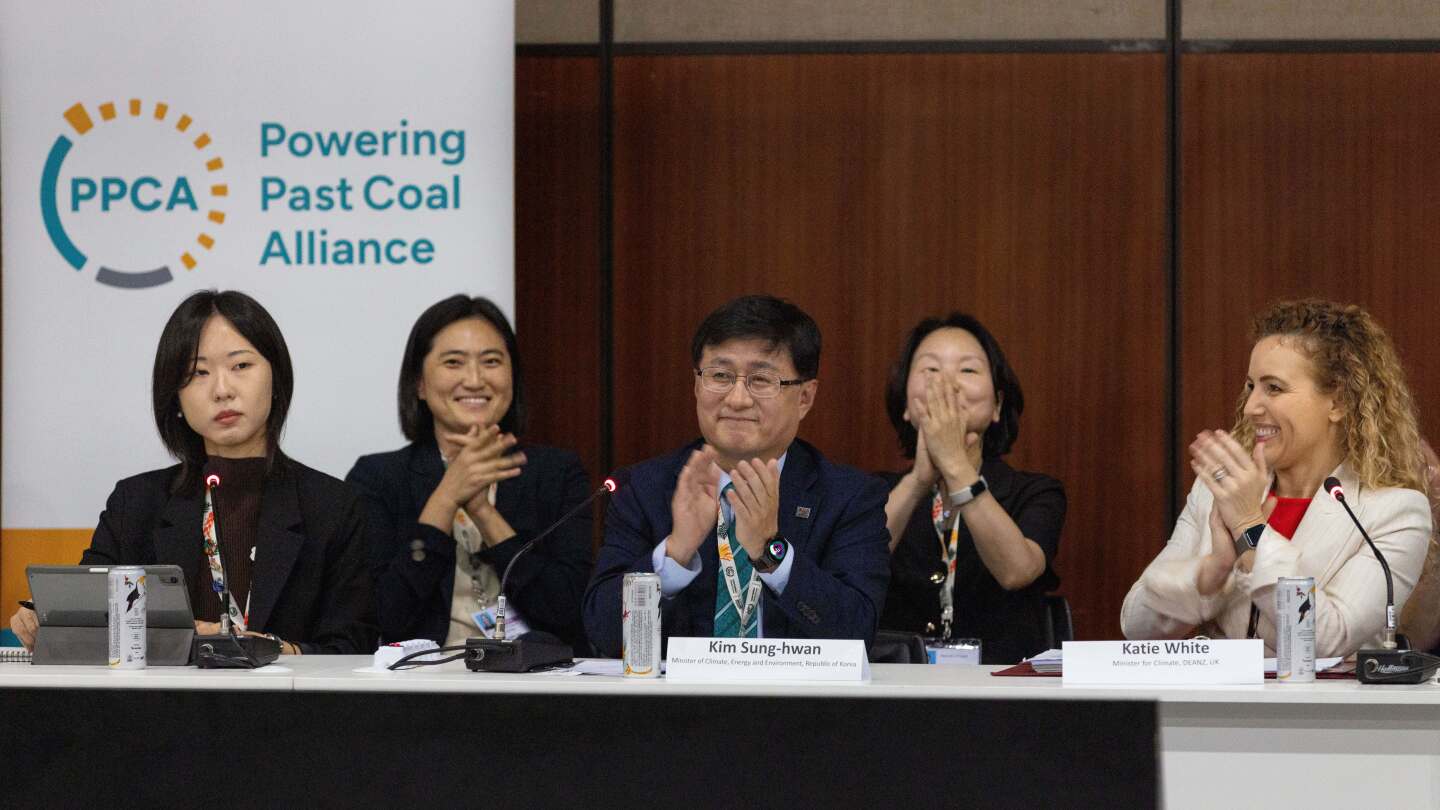
    As South Korea joins international alliances promoting renewable energy, including the Powering Past Coal Alliance, its decisions will reverberate through regional energy markets. The planned reduction in coal imports—primarily from Australia, Indonesia, and Russia—signals a market transformation that coal exporters must now confront, with one of the world’s largest energy customers beginning its transition away from fossil fuels.

  • World shares are mostly lower in quiet holiday trading as China stages war drills near Taiwan

    World shares are mostly lower in quiet holiday trading as China stages war drills near Taiwan

    Financial markets across Europe and Asia exhibited a predominantly bearish trend during light holiday trading, reacting to heightened geopolitical tensions. China’s initiation of military exercises around Taiwan served as the primary catalyst for investor caution, despite the island’s benchmark Taiex index posting a 0.9% gain.

    European indices opened with modest declines: Germany’s DAX slipped 0.2% to 24,296.81, while France’s CAC 40 remained virtually unchanged at 8,100.83. London’s FTSE 100 similarly showed minimal movement at 9,874.80. U.S. futures indicated a soft opening, with S&P 500 futures down 0.2% and Dow Jones futures trading flat.

    The Chinese military characterized its combined forces drills as a strategic warning against what it termed ‘separatist forces’ and ‘external interference.’ Taiwan responded by placing its military on high alert and accusing Beijing of being ‘the biggest destroyer of regional peace.’ These developments followed Beijing’s expression of displeasure regarding recent U.S. arms sales to Taiwan and remarks from Japanese Prime Minister Sanae Takaichi concerning potential defensive involvement.

    Commodity markets witnessed significant movements with gold retreating 1.3% to $4,494 per troy ounce and silver declining 2.3% to $75.40, despite both metals having reached record levels recently due to supply constraints and safe-haven demand. Analysts attributed the precious metals’ volatility to changing expectations regarding Federal Reserve interest rate policies and China’s implementation of new export licensing systems for silver effective January 1st.

    Oil markets rebounded strongly with U.S. benchmark crude advancing $1.13 to $57.87 per barrel and Brent crude gaining similarly to $61.37, recovering from Friday’s losses exceeding 2.5%. The dollar weakened slightly against the yen to 156.30 while the euro strengthened to $1.1779.

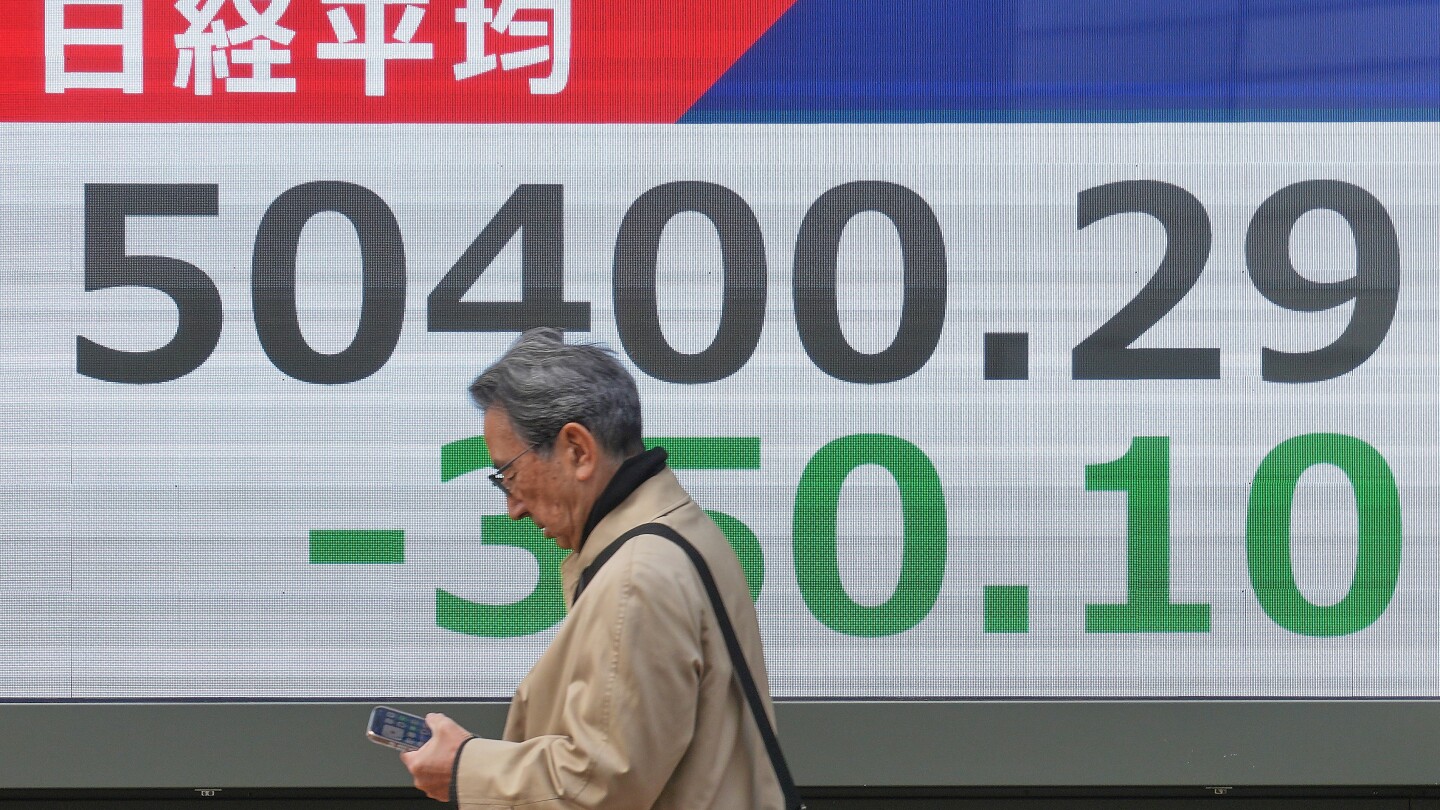
    Regional performance varied considerably with South Korea’s Kospi jumping 2.2% to 4,220.56, nearly matching its November record, driven by substantial gains in SK Hynix (6.8%) and Samsung Electronics (2.1%). Conversely, Hong Kong’s Hang Seng declined 0.7% to 25,635.23, Tokyo’s Nikkei 225 slipped 0.4% to 50,526.92, and Australia’s S&P/ASX 200 dropped 0.4% to 8,725.70.

  • China holds military drills around Taiwan as warning to ‘separatist forces’

    China holds military drills around Taiwan as warning to ‘separatist forces’

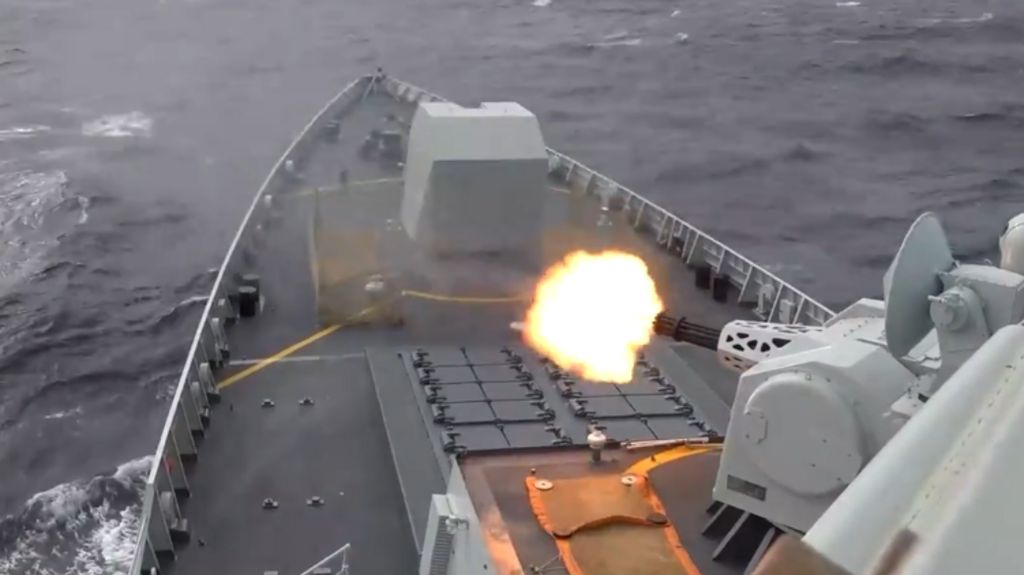
    China’s Eastern Theater Command has initiated extensive military exercises around Taiwan, simulating the seizure and blockade of strategic locations on the self-governed island. The multi-branch operation, codenamed “Justice Mission 2025,” involves live-fire exercises and deploys assets from the army, navy, air force, and rocket force.

    The drills come in direct response to the United States’ recent approval of an $11 billion weapons package for Taiwan, which triggered immediate protests from Beijing and sanctions against US defense contractors. Taiwan’s ongoing efforts to strengthen its defensive capabilities have further exacerbated tensions with China, which maintains its claim over the island as sovereign territory.

    In social media statements, the Eastern Theater Command characterized the exercises as a “shield of justice” against separatist movements, with explicit warnings that “all those plotting independence will be annihilated.” While preliminary operations began Monday, the primary exercises are scheduled for Tuesday between 08:00 and 18:00 local time.

    Taiwan’s defense ministry reported detecting increased Chinese aerial and naval activity around the island and has placed its forces on “high alert” with deployed missile systems monitoring the situation. The presidential office in Taipei condemned the drills as violations of international norms.

    The exercises occur under the new leadership of Eastern Theater Command chief Yang Zhibin, who assumed command in October. This continues a pattern of escalated Chinese military activity around Taiwan since 2022, previously triggered by events such as Nancy Pelosi’s visit and President Lai Ching-te’s inauguration.

    Meanwhile, regional tensions extend beyond the Taiwan Strait. China-Japan relations have deteriorated significantly after Japanese leader Sanae Takaichi suggested potential intervention in a Taiwan conflict, leading to Chinese travel warnings and recent accusations of radar locking incidents between military aircraft.

  • Deadly clashes erupt in Tartous and Latakia as hundreds take to the streets

    Deadly clashes erupt in Tartous and Latakia as hundreds take to the streets

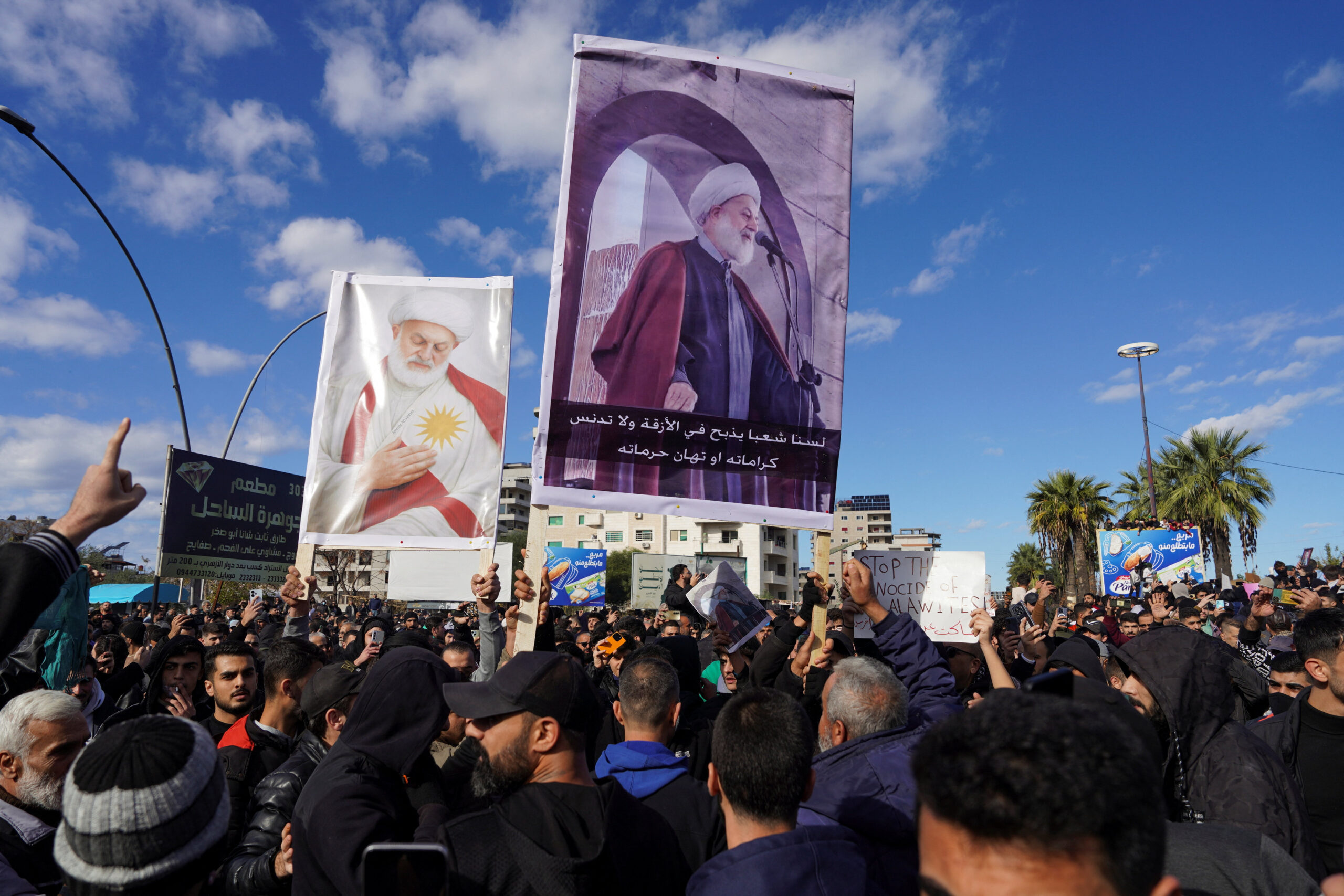
    Syria’s coastal region descended into violent turmoil on Sunday as deadly clashes between armed groups and state security forces resulted in multiple casualties across Latakia and Tartous. The unrest, which claimed at least three lives and injured over 60 individuals, represents one of the most significant security challenges since the fall of the Assad regime.

    The violence erupted during demonstrations organized by Alawite religious leader Ghazal Ghazal, who had called for peaceful protests demanding federal governance and condemning recent sectarian attacks. What began as organized gatherings quickly escalated into armed confrontations when elements described as former regime loyalists launched attacks against security personnel and civilians.

    According to Syria’s Interior Ministry, security forces deployed to protect demonstrators came under direct assault from armed factions associated with remnants of the ousted government. The ministry confirmed several arrests of armed individuals and announced the apprehension of Basel Issa Ali Jamahiri, a member of the extremist Saraya al-Jawad group linked to former Assad loyalists.

    Medical authorities reported treating victims with injuries ranging from blade wounds to gunshot trauma, while two ambulances were disabled during response operations. In a particularly concerning development, assailants targeted a police station in Banias, Tartous with a hand grenade that wounded two officers.

    The Syrian Defense Ministry responded by deploying army units with armored support to restore order in both coastal cities. Security forces established strategic positions at key intersections including al-Azhari and al-Zira’a roundabouts to protect public order.

    The unrest appears connected to Friday’s mosque bombing in Homs that killed eight worshippers and injured eighteen. The previously unknown Saraya Ansar al-Sunna claimed responsibility for the attack, explicitly citing targeting of Alawite community members.

    These events highlight the escalating sectarian tensions that have intensified since President Assad’s ouster in December 2024. The Alawite minority, historically associated with the former ruling establishment, now reports increasing vulnerability and targeted violence across Syria.

  • Louis Gerstner, former IBM CEO who revitalised ‘Big Blue,’ dies at 83

    Louis Gerstner, former IBM CEO who revitalised ‘Big Blue,’ dies at 83

    Louis V. Gerstner, Jr., the visionary leader who orchestrated one of corporate America’s most remarkable turnarounds at IBM, passed away on Saturday at the age of 83. The announcement came from current IBM Chairman and CEO Arvind Krishna, who informed employees of Gerstner’s passing via corporate email on Sunday, though no specific cause of death was disclosed.

    Gerstner’s arrival at IBM in April 1993 marked a historic moment for the computing giant, as he became the first external appointee to lead the company known affectionately as ‘Big Blue.’ He joined IBM following his tenure as CEO of RJR Nabisco, with previous executive roles at American Express and management consultancy McKinsey & Company.

    When Gerstner assumed leadership, IBM faced existential threats with potential bankruptcy looming. His transformative strategy involved radically pivoting the company’s focus from hardware manufacturing to integrated business services and solutions. Through decisive cost-cutting measures, strategic asset sales, and aggressive stock repurchases, Gerstner fundamentally reshaped IBM’s corporate culture and operational direction.

    Under his nine-year stewardship, IBM’s stock valuation soared approximately 800%, cementing his legacy as the architect who rescued an American institution. Following his retirement as CEO in 2002, Gerstner assumed the chairman role at private equity firm Carlyle Group until his full retirement in 2008.

    Beyond corporate leadership, Gerstner made significant contributions as an author, penning the acclaimed business memoir ‘Who Says Elephants Can’t Dance’ and co-authoring ‘Reinventing Education: Entrepreneurship in America’s Public Schools.’ His board service spanned major corporations including The New York Times Company, American Express, AT&T, Bristol-Myers Squibb, and Caterpillar.

    Gerstner’s philanthropic impact was equally substantial. He established Gerstner Philanthropies in 1989, encompassing the Gerstner Family Foundation which directed substantial resources toward biomedical research, environmental conservation, educational initiatives, and social services across New York City, Boston, and Palm Beach County, Florida. His particular passion for education reform led to IBM initiatives integrating company technology into classroom learning environments.

  • South Korean President Lee returns to presidential palace avoided by predecessor

    South Korean President Lee returns to presidential palace avoided by predecessor

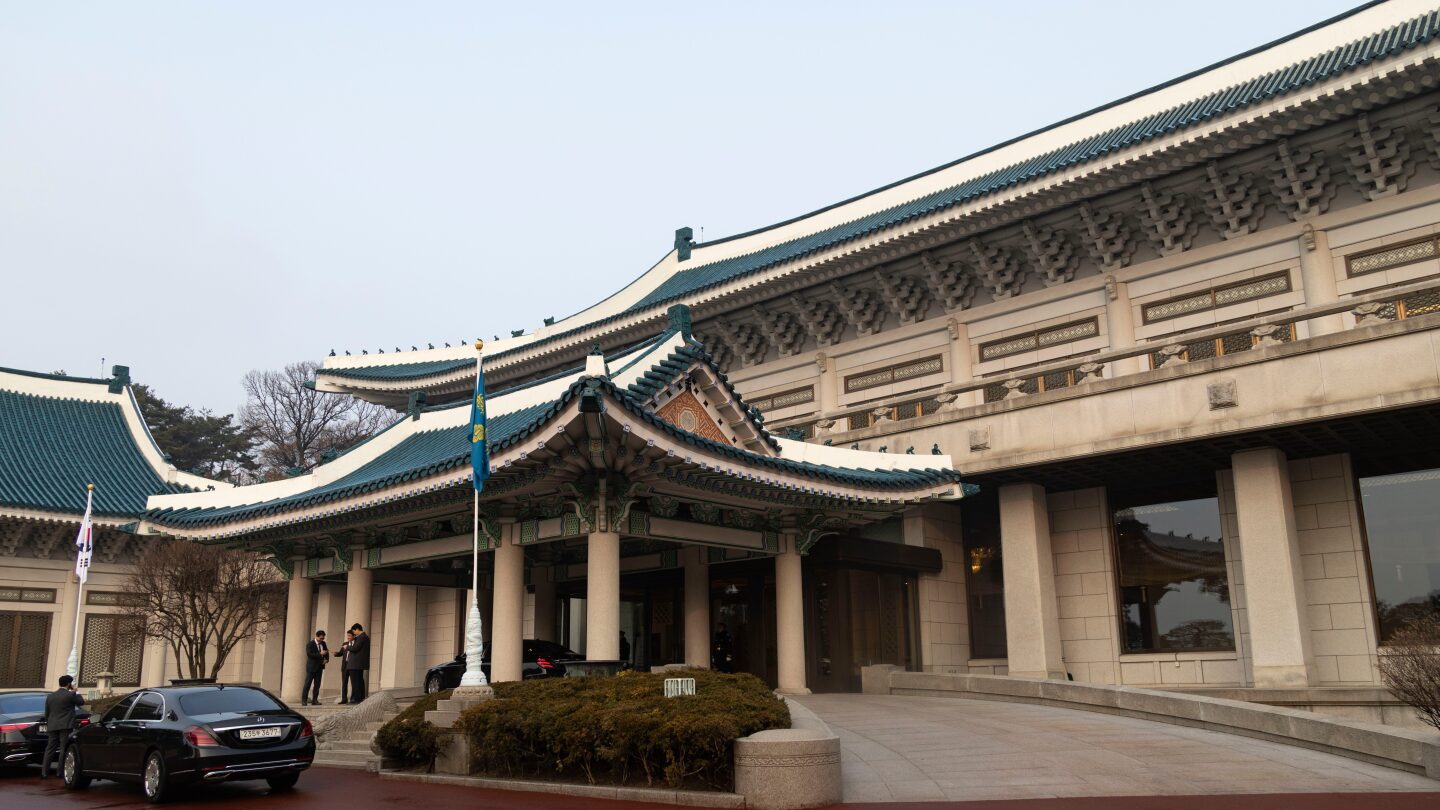
    In a significant symbolic move, South Korean President Lee Jae Myung commenced his official duties at the historic Cheong Wa Dae presidential palace on Monday, restoring the traditional seat of executive power more than three years after his predecessor relocated the presidency. This transition marks the first time since May 2022 that a South Korean leader has operated from the iconic Blue House complex, reversing a controversial decision made by former President Yoon Suk Yeol.

    The restoration ceremony featured the midnight raising of the presidential flag adorned with twin phoenixes at the compound gates, followed by ceremonial honors from guards as President Lee’s motorcade entered the premises. Supporters gathered outside, waving national flags and chanting the president’s name in celebration of the administrative homecoming.

    The return to Cheong Wa Dae follows weeks of meticulous relocation efforts by Lee’s administration, who assumed office in June after winning a snap election triggered by Yoon’s dramatic ousting. The previous president had justified his $40 million move to the Defense Ministry compound in central Seoul as a democratic gesture to make the presidency more accessible, though critics questioned the substantial security concerns and expenditures involved.

    Yoon’s presidency ended abruptly following December 2024’s constitutional crisis, when his brief declaration of martial law during a political standoff with the liberal-controlled legislature prompted swift impeachment proceedings. The Constitutional Court removed him from power in April, leading to his subsequent arrest on serious charges including rebellion, which carries potential life imprisonment or capital punishment.

    President Lee’s office confirmed he will continue commuting from the current presidential residence until living quarters are fully restored at the Blue House, with the complete relocation timeline yet to be specified. The administration released footage of the president conducting a tea meeting with senior aides within the historic complex, signaling a new chapter in South Korea’s political narrative.

  • UAE, Arab League Council condemn Israel’s recognition of Somaliland

    UAE, Arab League Council condemn Israel’s recognition of Somaliland

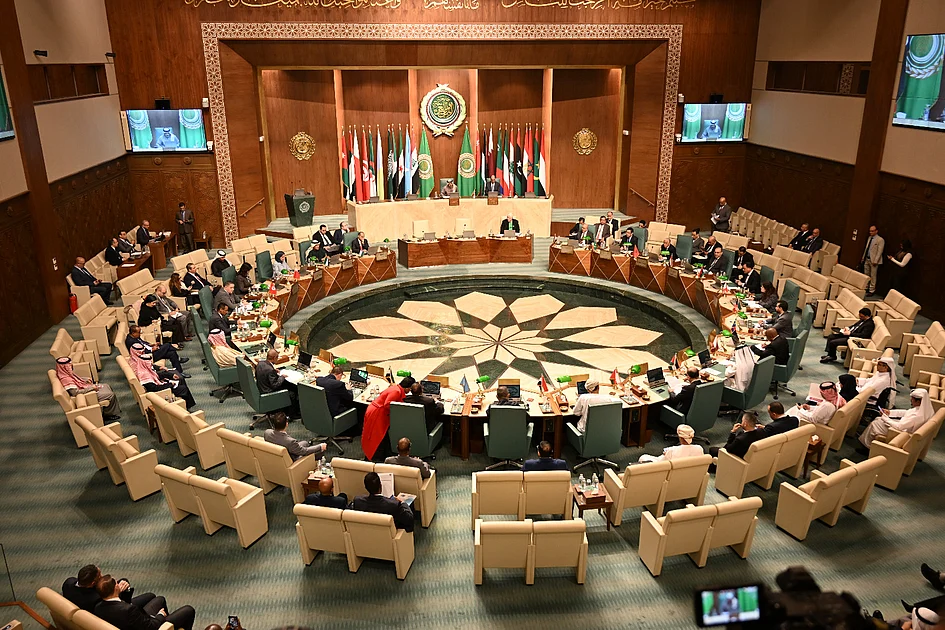
    In an extraordinary session chaired by UAE Ambassador Hamad Obaid Al Zaabi, the Council of the League of Arab States issued a forceful condemnation of Israel’s recent recognition of Somaliland. The emergency meeting, convened following a detailed briefing by Somali Ambassador Ali Abdi Awrai, addressed what Arab diplomats characterized as a severe threat to regional stability.

    The Council expressed unequivocal solidarity with Somalia’s federal government, rejecting Israel’s December 26, 2025 recognition as a violation of international norms. The resolution emphasized that Somaliland remains an integral territory of the Federal Republic of Somalia under both the Arab League Charter and United Nations principles.

    Diplomatic language within the resolution framed Israel’s move as not merely a bilateral issue but an assault on broader Arab national security interests. The Council warned that such recognition could destabilize critical maritime corridors including the Red Sea, Gulf of Aden, and Horn of Africa regions.

    The resolution called for coordinated legal, political and diplomatic measures to counter the recognition, while reaffirming Somalia’s right to self-defense under international law. Additionally, the Council cautioned against any attempts to use Somali territory for implementing aggressive regional agendas or displacing Palestinian populations.

    A significant operational outcome involved tasking the Arab League General Secretariat with developing security mechanisms in coordination with Somalia’s government, the African Union, and United Nations. The Secretariat must present a comprehensive report on these developments during the next ministerial session.

    The Council further urged international organizations and foreign governments to refrain from any official engagement with Somaliland authorities outside the framework of Somali sovereignty.

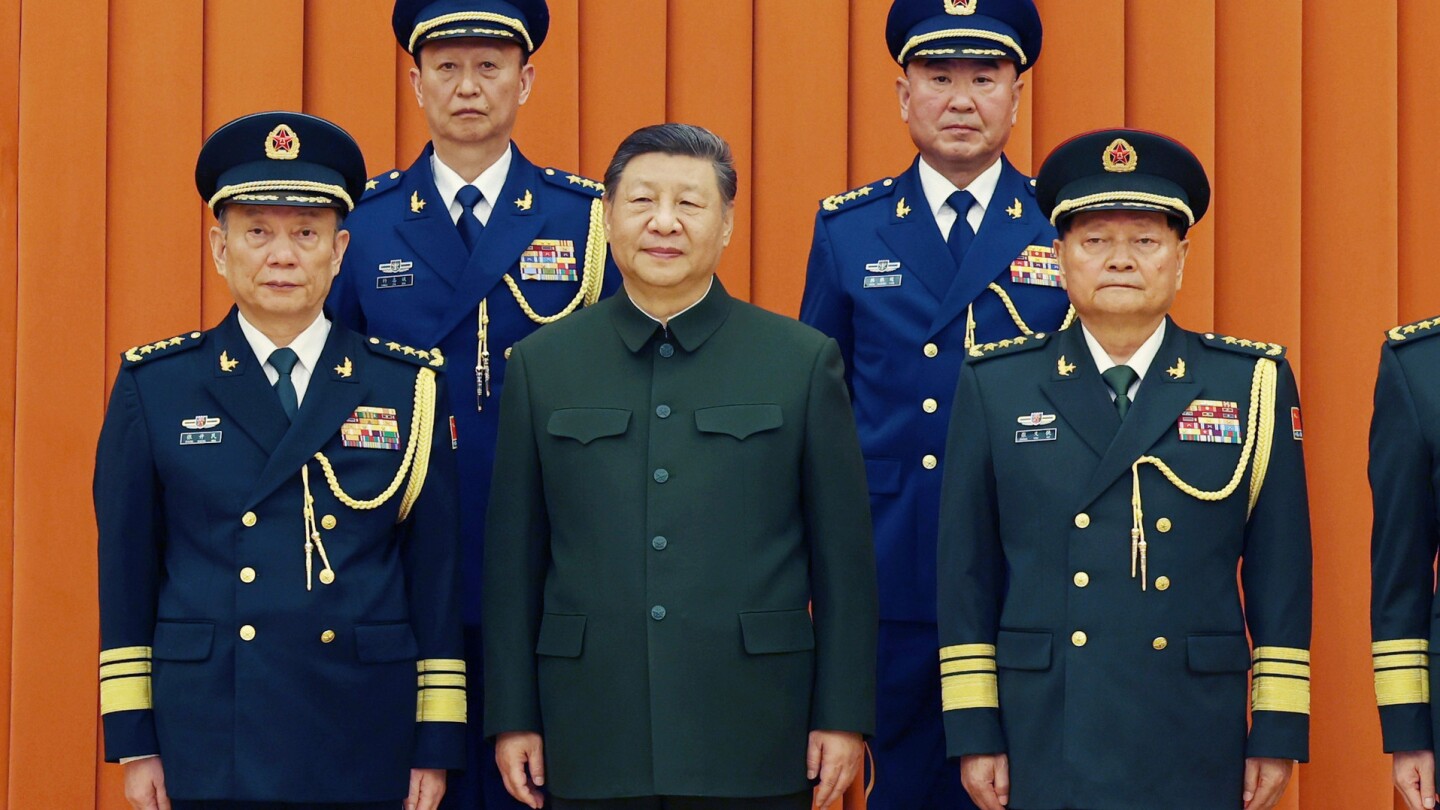
  • Chinese military stages drills around Taiwan to warn ‘external forces’ after US, Japan tensions

    Chinese military stages drills around Taiwan to warn ‘external forces’ after US, Japan tensions

    China’s People’s Liberation Army initiated large-scale joint military exercises surrounding Taiwan on Monday, mobilizing air, naval, and rocket forces in what Beijing characterized as a “stern warning” against separatist activities and external interference. The drills represent the most significant show of force in the Taiwan Strait this year.

    The Eastern Theater Command deployed fighter jets, bombers, and unmanned aerial vehicles coordinated with long-range rocket launches, conducting precision strike simulations against mobile ground targets. Senior Colonel Shi Yi, spokesperson for the command, stated the operations would focus on “sea-air combat readiness patrol, joint seizure of comprehensive superiority, and blockades on key ports” across five designated zones encircling the island.

    Taiwan’s Defense Ministry responded by placing its military on high alert, conducting rapid response exercises and denouncing China’s actions as confirming “its nature as an aggressor and the biggest destroyer of peace.” Presidential Office spokesperson Karen Kuo condemned the drills as undermining regional stability and openly challenging international law.

    The escalation follows recent tensions including U.S. arms sales to Taiwan valued at over $10 billion and statements from Japanese Prime Minister Sanae Takaichi regarding potential military involvement in Taiwan scenarios. Beijing recently imposed sanctions against 20 U.S. defense companies and 10 executives in response to the weapons package.

    The exercises mark the first time China’s military has publicly stated “all-dimensional deterrence outside the island chain” as an operational objective, indicating an expansion of strategic ambitions beyond immediate territorial waters. Live firing activities are scheduled for Tuesday across multiple maritime zones surrounding Taiwan.

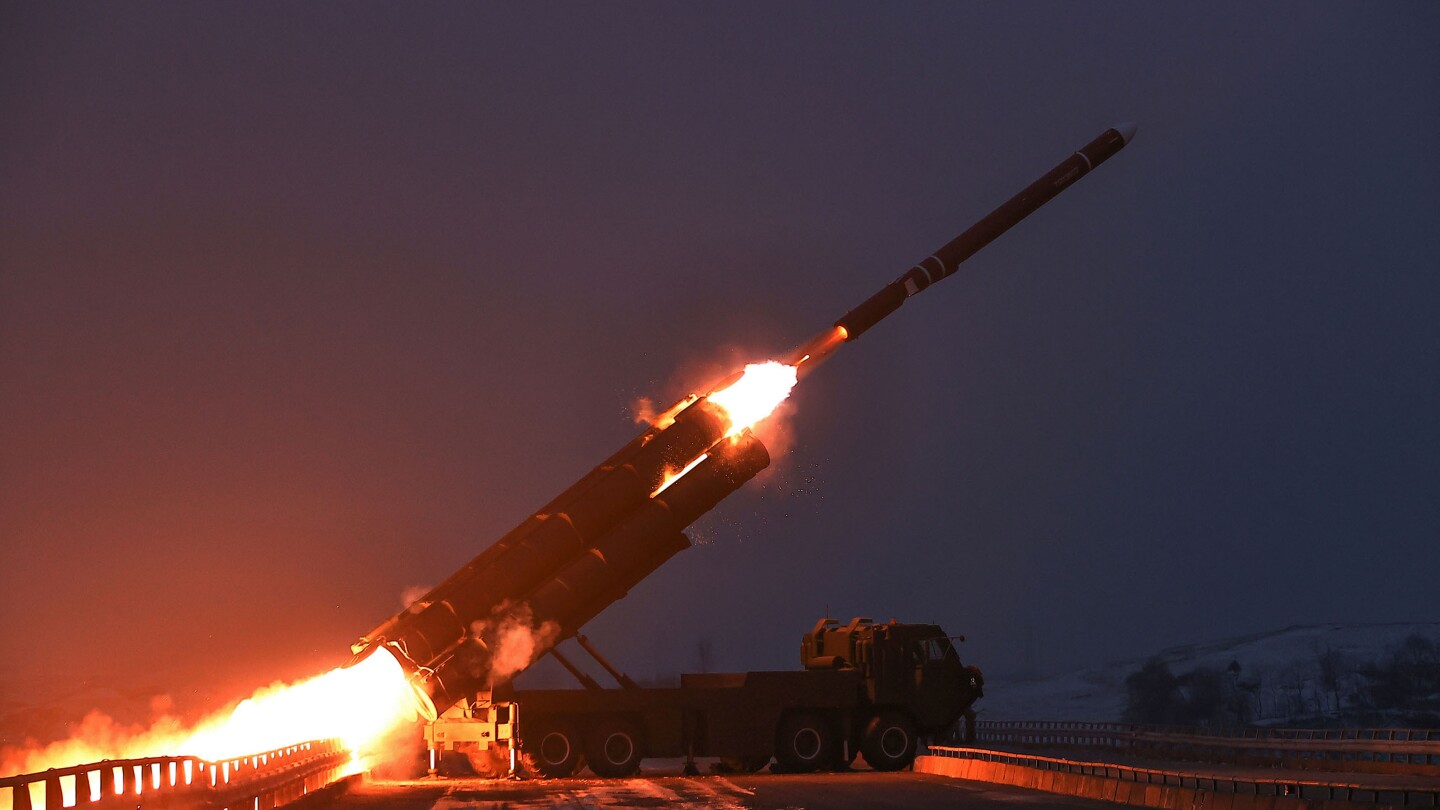
  • North Korea says it tested long-range cruise missiles

    North Korea says it tested long-range cruise missiles

    North Korea has confirmed the successful test-firing of long-range strategic cruise missiles into the western sea, characterizing the exercise as a critical assessment of its nuclear deterrence capabilities. The Sunday launches represent Pyongyang’s latest military demonstration ahead of its anticipated Workers’ Party congress scheduled for early next year—the first such gathering in five years.

    Leader Kim Jong Un expressed considerable satisfaction with the missile tests, according to the state-run Korean Central News Agency. Kim emphasized that these operations constitute a legitimate exercise of self-defense rights amid perceived external security threats. The tests occurred shortly after North Korea showcased significant advancements in its inaugural nuclear-powered submarine project.

    South Korea’s Joint Chiefs of Staff reported detecting multiple cruise missile launches originating from the North Korean capital region. Seoul maintains that its military remains prepared to counter any potential provocations through its strategic alliance with the United States.

    While United Nations Security Council resolutions explicitly prohibit North Korea from testing ballistic missiles, cruise missile launches remain technically permissible. However, military analysts note these weapons present substantial regional security concerns due to their high maneuverability, low-altitude flight capabilities, and radar evasion characteristics. Experts suggest North Korea intends to deploy cruise missiles primarily against U.S. naval assets, including warships and aircraft carriers, in potential conflict scenarios.

    Recent weeks have witnessed intensified weapons testing from Pyongyang, including new anti-air missile trials and the unveiling of a nearly complete nuclear-powered submarine hull. North Korea has indicated intentions to equip this submarine with nuclear armaments—a key component of Kim’s promised advanced weapons systems designed to counter perceived U.S.-led security threats.

    This military expansion occurs alongside North Korea’s growing alignment with Russia, including providing military support for Moscow’s operations in Ukraine. Some analysts speculate this partnership may have facilitated technology transfers benefiting Pyongyang’s weapons programs.

    Since the collapse of denuclearization talks with the Trump administration in 2019, North Korea has concentrated on enhancing its nuclear arsenal. However, Kim suggested in September potential willingness to resume negotiations if Washington abandons its “delusional obsession” with denuclearization—a stance experts believe reflects confidence that expanded nuclear capabilities would strengthen Pyongyang’s bargaining position in future diplomatic engagements.