标签: Asia

亚洲

  • Military drills necessary and justified, mainland official says

    Military drills necessary and justified, mainland official says

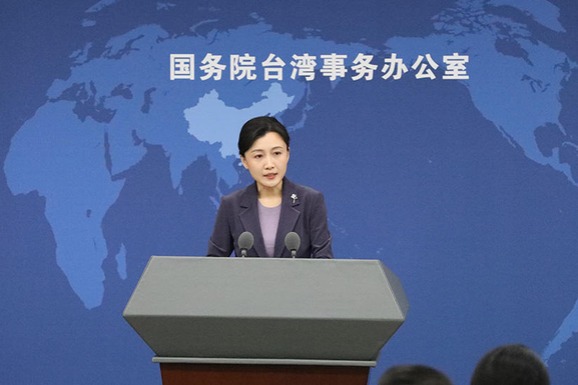
    Chinese officials have characterized recent military exercises in the Taiwan Strait as both essential and justified actions to preserve national sovereignty and territorial integrity. Zhang Han, spokeswoman for the State Council Taiwan Affairs Office, articulated this position during a regular press briefing on Wednesday, emphasizing that the People’s Liberation Army’s operations function as a stark warning to separatist factions and external forces meddling in the region.

    Zhang explicitly stated that China will not tolerate any activities promoting ‘Taiwan independence’ and will respond with determined countermeasures. The drills, she clarified, are designed to protect the Chinese nation’s core interests while simultaneously safeguarding the fundamental welfare of Taiwanese citizens.

    The military exercises, dubbed ‘Justice Mission 2025,’ were initiated by the PLA Eastern Theater Command on Monday in the maritime and aerial zones surrounding Taiwan. Security analysts interpret these maneuvers as a direct reaction to substantial recent arms sales by the United States to Taiwan.

    During the conference, Zhang criticized the Lai Ching-te administration for engaging in what she described as unprincipled appeals to foreign powers and activities that compromise Taiwan’s interests. She asserted that these provocative actions toward independence have negatively impacted Taiwan’s economic progress and population welfare, while simultaneously deteriorating cross-strait relations and endangering regional stability.

    Addressing the Democratic Progressive Party’s comments on the military exercises, Zhang accused DPP authorities of distorting facts and manipulating public perception. She further condemned the party as ‘destroyers of peace,’ ‘manufacturers of crises,’ and ‘instigators of war,’ identifying their persistent separatist stance and collaboration with external powers as the primary source of instability in the Taiwan Strait.


  • Thailand repatriates 18 detained Cambodian soldiers

    Thailand repatriates 18 detained Cambodian soldiers

    In a significant diplomatic development, Thailand has formally repatriated 18 Cambodian soldiers who had been detained since late July 2025. The transfer occurred on Wednesday, December 31st, marking a crucial implementation of recent bilateral agreements between the Southeast Asian neighbors.

    The repatriation operation was conducted under strict observation from both the ASEAN Observer Team and the International Committee of the Red Cross, ensuring transparent and humane treatment throughout the process. The soldiers were transported via military helicopter from Battambang airport to Phnom Penh, completing their journey home after nearly five months in detention.

    This military personnel exchange directly fulfills Paragraph 11 of the Joint Statement signed during the 3rd Special General Border Committee Meeting on December 27, 2025. The agreement stipulated that the soldiers would be returned following a successfully maintained 72-hour ceasefire period between the two nations. Additionally, the action honors the spirit of the earlier Joint Declaration between Thailand and Cambodia signed in Kuala Lumpur on October 26, 2025.

    Cambodian Defense Ministry spokesperson Lieutenant General Maly Socheata confirmed the soldiers’ release, expressing optimism that this confidence-building measure would significantly contribute to regional stability. “Cambodia remains hopeful that this release will significantly contribute to building mutual trust and confidence,” Socheata stated. “We believe this creates an environment conducive to peace, stability, and the full normalization of relations for the benefit of both nations and their people in the near future.”

    The incident that led to the soldiers’ capture in July occurred amid ongoing border tensions between the two countries, though specific details surrounding their detention were not disclosed in the official statements. The successful repatriation represents a tangible step toward de-escalation and demonstrates both governments’ commitment to diplomatic resolution of conflicts.

  • Israeli forces kill three Palestinians in Gaza and West Bank

    Israeli forces kill three Palestinians in Gaza and West Bank

    Fresh violence has erupted across Palestinian territories with Israeli military operations claiming multiple lives, including children, despite an existing truce agreement. The ongoing conflict continues to exacerbate what international organizations describe as a catastrophic humanitarian situation in Gaza.

    In separate incidents spanning Tuesday and Wednesday, three Palestinians lost their lives during Israeli military operations. An 11-year-old child, Dana Hussein Ahmed Muqat, was killed in al-Zarqa northeast of Gaza City, while another juvenile died in al-Mawasi within the southern Gaza Strip. Simultaneously, Israeli forces conducted aerial and ground assaults throughout Gaza, with particularly intense operations reported in northern and central regions.

    The West Bank witnessed parallel violence as Israeli forces conducted overnight raids resulting in numerous arrests. During one operation between Awarta and Einabus towns south of Nablus, Israeli troops opened intensive fire on a Palestinian vehicle, causing it to overturn and burst into flames. The attack resulted in one fatality—20-year-old Qais Sami Jasser Allan—and left several others wounded.

    This recent escalation occurs against the backdrop of staggering casualty figures, with over 71,269 Palestinians killed in Gaza and more than 1,000 in the West Bank since October 2023, according to local reports.

    Amid the deteriorating situation, a coalition of ten nations—Canada, Denmark, Finland, France, Iceland, Japan, Norway, Sweden, Switzerland, and the United Kingdom—issued a joint statement on Tuesday demanding Israel remove restrictions on humanitarian access to Gaza. The diplomatic communiqué emphasized that unimpeded aid delivery is essential for effective humanitarian response, reconstruction efforts, and lasting peace stability.

    The humanitarian crisis has been severely aggravated by harsh winter conditions, with reports indicating at least three children have died from exposure to cold temperatures since the start of the rainy season. An additional 19 fatalities resulted from structural collapses caused by severe weather conditions. Palestinians face critical shortages of winter shelter, essential supplies, medicine, clean water, and food due to Israel’s prolonged aid blockade.

    Adnan Abu Hasna, media advisor for the United Nations Agency for Palestinian Refugees (UNRWA), revealed that approximately 1.6 million Palestinians currently experience dangerous levels of malnutrition and food insecurity. In an interview with Al Jazeera, he emphasized that the winter season is producing “direct and disastrous effects” on displaced populations throughout the territory.

  • In six decades, Xizang’s civil aviation soars to new heights

    In six decades, Xizang’s civil aviation soars to new heights

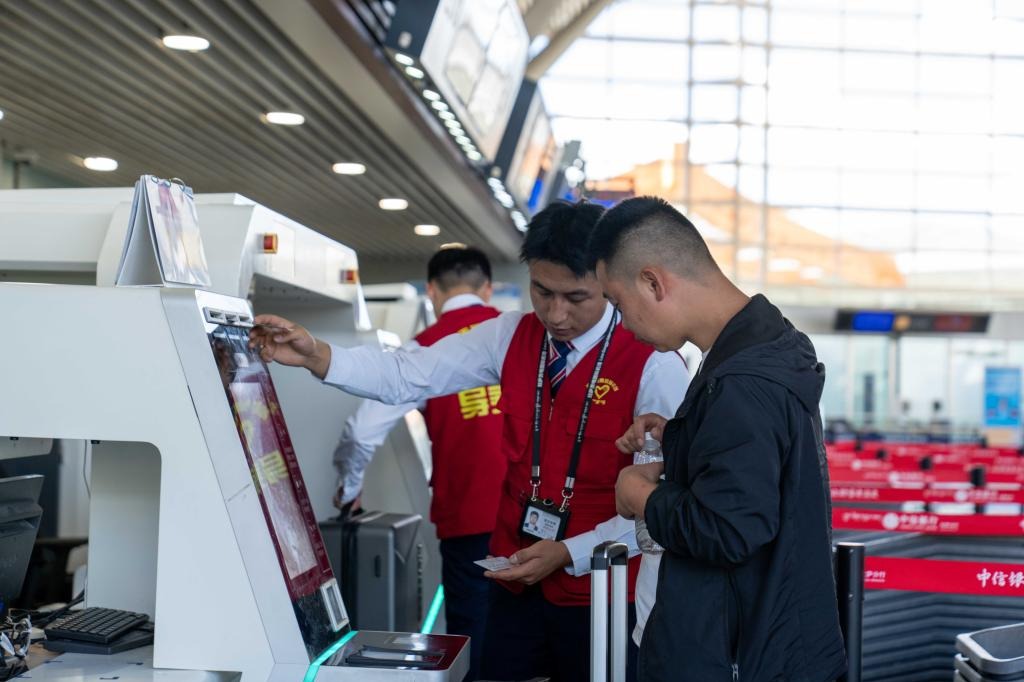
    LHASA — Marking a historic milestone in its transportation development, Southwest China’s Xizang Autonomous Region has recorded an unprecedented annual passenger throughput exceeding 8 million in 2025. This achievement represents the culmination of six decades of aviation progress on the Tibetan Plateau, where air travel has evolved from a rare spectacle to an integral part of regional connectivity.

    The regional civil aviation authorities project approximately 71,000 flight operations for the year, reflecting a 6 percent increase from previous records. Passenger transport volume has grown by 5.7 percent, while cargo and mail handling has surged by 7.7 percent, demonstrating robust expansion across all aviation sectors.

    This exponential growth stands in stark contrast to March 1965, when the region’s inaugural civil aviation flight touched down at Damxung airport. The Soviet-made Il-18 aircraft, having departed Beijing with a stopover in Chengdu, initiated what would become a transformative chapter in Tibetan transportation history.

    Damxung airport, situated at 4,230 meters above sea level, pioneered high-altitude aviation as China’s first airport operating above 4,000 meters. However, operational challenges stemming from extreme weather conditions and considerable distance from Lhasa prompted the development of Lhasa Konggar International Airport (LKIA) in 1966. Located in the more accessible Yarlung Zangbo River valley at approximately 3,500 meters elevation, LKIA has since evolved into the region’s primary aviation hub.

    Early aviation operations faced significant logistical challenges. Hu Jinfa, a retired official from the regional Civil Aviation Administration, recounted how staff and passengers would collectively clear snow and ice from runways using basic tools to maintain flight schedules during harsh winter months.

    Initially serving government officials, medical patients, and pregnant women who couldn’t endure overland journeys, air transport also facilitated the delivery of essential goods previously scarce on the plateau. Today, the region’s aviation network has expanded dramatically to encompass 193 routes connecting 81 cities through eight civil airports.

    The transformation extends beyond passenger services to cargo operations. Inbound shipments now include perishable goods, temperature-sensitive pharmaceuticals, and high-value products, while outbound flights carry an increasing volume of Tibetan specialties such as cordyceps sinensis, yak meat, barley products, traditional medicines, and handicrafts.

    Customs official Zhang Wei noted the strategic role of Xizang’s aviation infrastructure: “Not only are unique Tibetan products reaching markets across China, but quality goods from across the country are also reaching South Asian markets through Xizang’s flights.”

    The tourism sector has been a primary beneficiary of improved aviation access. Ngari Prefecture, among the region’s most remote areas, welcomed 2.5 million domestic and international visitors in 2024—a 40-fold increase since the opening of Ngari Gunsa Airport in 2010.

    Simultaneously, air travel has enabled growing numbers of Tibetan residents to explore educational, employment, and tourism opportunities elsewhere in China. At LKIA’s departure hall, 68-year-old Padma Dondrup embodied this new mobility as she prepared to accompany her granddaughter to university in Shanghai, fulfilling her lifelong dream of witnessing the iconic Bund waterfront firsthand.

  • Bridge celebrated as engineering marvel opens in Henan

    Bridge celebrated as engineering marvel opens in Henan

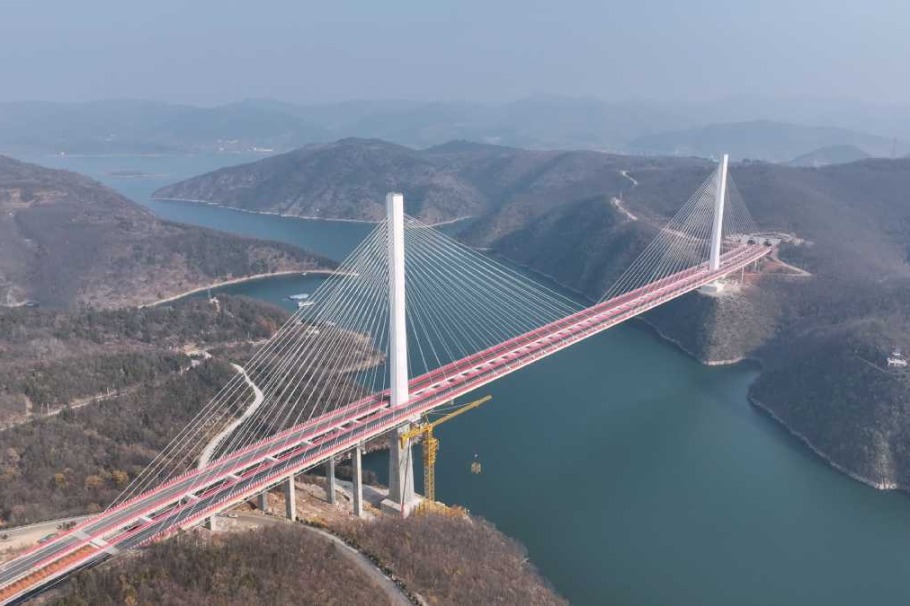
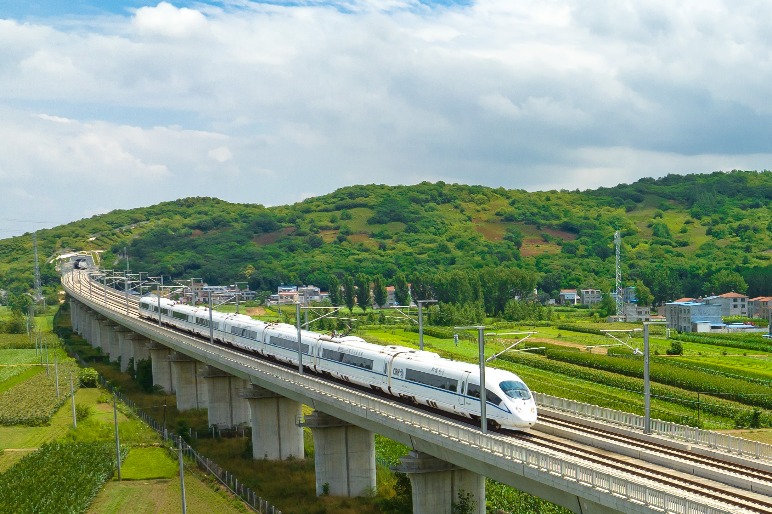
    Henan Province has unveiled a monumental infrastructure achievement with the inauguration of the Danjiang Xiaosanxia Grand Bridge, a cable-stayed marvel spanning the Danjiangkou Reservoir. This engineering masterpiece, officially opened to traffic on December 31, 2025, represents the longest cable-stayed bridge in Henan with a total length of 919 meters and a main span stretching 536 meters.

    The bridge serves as the centerpiece of the newly operational Mianchi-Xichuan Expressway segment connecting Xichuan County to the Henan-Hubei provincial border. This 24.838-kilometer highway section features four lanes accommodating two-directional traffic with a design speed of 100 kilometers per hour.

    Beyond its impressive technical specifications, the infrastructure project delivers substantial practical benefits by significantly reducing travel time between Henan and Hubei provinces. The bridge strategically links several major tourist destinations, promising to enhance regional connectivity and stimulate economic development through improved transportation networks.

    The project’s completion marks a significant advancement in China’s ongoing infrastructure modernization efforts, demonstrating sophisticated engineering capabilities in challenging geographical conditions. The bridge’s design and construction required innovative solutions to address the specific demands of spanning the reservoir while maintaining structural integrity and aesthetic appeal.

    This transportation corridor is expected to facilitate increased tourism, commercial exchange, and regional integration between central Chinese provinces, representing a substantial investment in the nation’s interprovincial connectivity infrastructure.

  • Through six landmark cases, top court strengthens protections for migrant workers

    Through six landmark cases, top court strengthens protections for migrant workers

    In a significant judicial move, China’s Supreme People’s Court has unveiled six precedent-setting cases addressing wage arrears for migrant workers, establishing new standards for adjudication while reinforcing the judiciary’s dedication to safeguarding labor rights. The December 31st announcement represents the culmination of a year-long nationwide directive prioritizing migrant worker wage disputes and livelihood protection as essential components of social welfare and national progress.

    The released cases demonstrate multifaceted judicial approaches, including inter-departmental coordination to address systemic issues, compulsory enforcement measures against non-compliant entities, and expedited corporate asset liquidation procedures to ensure timely wage distribution. These measures form part of a comprehensive collaborative system designed to accelerate dispute resolution while supporting high-quality economic development.

    One illustrative case from Shanghai’s Jinshan District involved seven workers seeking enforcement of labor arbitration rulings against an exhibition services company that had disregarded mediated settlements. Judicial investigation revealed the company operated without enforceable assets, frequently changed business locations, and maintained an elusive legal representative who systematically avoided court communications.

    The breakthrough came when court officials located the representative’s residence, imposed 15-day judicial detention, and levied a 1,000 yuan ($143) fine for non-compliance. This enforcement action prompted immediate settlement of all outstanding debts and penalties, demonstrating the effectiveness of determined judicial intervention.

    The Supreme Court has emphasized the principle of people-centered adjudication, urging courts at all levels to enhance enforcement mechanisms in wage dispute cases. This judicial strengthening aims not only to protect individual workers but also to promote broader social harmony and stability through the consistent application of legal protections for vulnerable employment groups.

  • UAE to host New Year celebrations in more than 30 location for workers

    UAE to host New Year celebrations in more than 30 location for workers

    In a significant move toward social inclusion, the United Arab Emirates’ Ministry of Human Resources and Emiratisation (MoHRE) has unveiled expansive New Year celebrations specifically designed for the nation’s workforce. The ‘Together, We Welcome the New Year’ initiative will unfold at over 30 venues across the country on December 31, 2025, and January 1, 2026, marking a substantial expansion from the 18 locations hosted the previous year.

    The comprehensive program is crafted to foster happiness and social integration, featuring a diverse array of activities. Workers can anticipate engaging in various sports and entertainment events, participating in competitive games, and receiving special gift distributions. The ministry has formally invited private sector companies and labor accommodations to register their participation through the official MoHRE digital portal, allowing them to select events that align with their logistical preferences and geographical locations.

    This initiative reflects the UAE’s deepening commitment to recognizing the vital contributions of its labor force to national development. The celebration expansion demonstrates institutional efforts to ensure that those who physically build the nation’s infrastructure can equally partake in its cultural milestones. The program follows a successful precedent of holiday events, including recent Eid al Fitr and Eid al Adha celebrations where workers won substantial prizes, such as brand-new vehicles that provided life-changing financial opportunities for recipients and their families abroad.

    The worker celebrations occur alongside the UAE’s renowned public New Year spectacles, creating a comprehensive festive environment that spans all segments of society. This approach underscores the country’s dedication to creating inclusive communities while maintaining its position as a global leader in innovative social programming.

  • China to continue fishing ban on Yellow River

    China to continue fishing ban on Yellow River

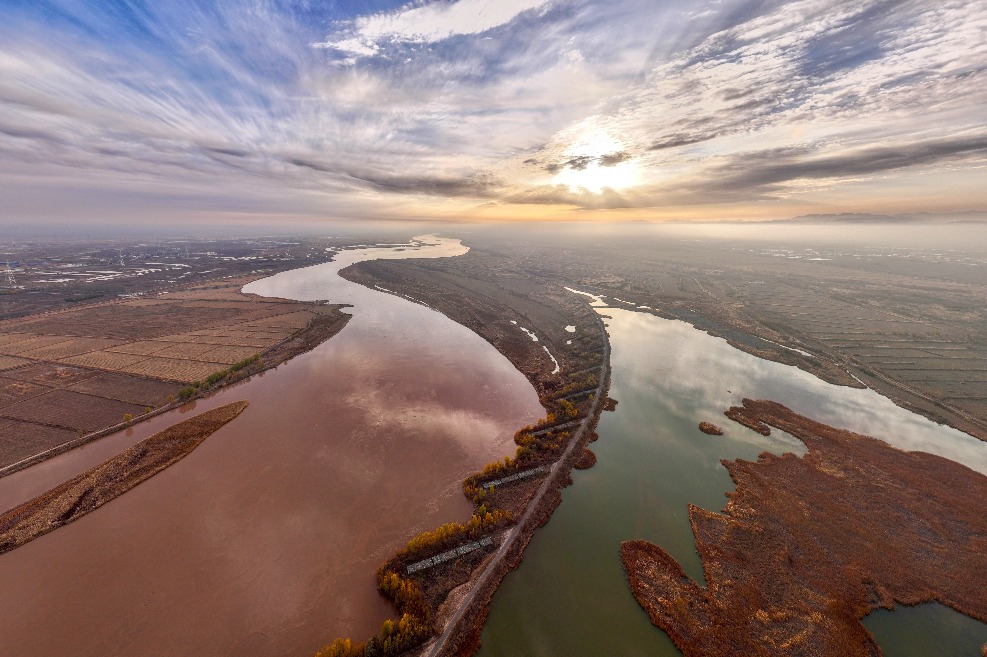
    BEIJING – China’s Ministry of Agriculture and Rural Affairs has announced a significant extension and expansion of its fishing ban along the Yellow River basin, implementing one of the nation’s most comprehensive aquatic conservation measures through 2030.

    The newly issued directive expands protection to three additional primary tributaries, meaning the ban now encompasses the Yellow River’s entire main stream and 13 major tributaries. This represents China’s continued commitment to reversing ecological decline in its second-longest river system.

    Beginning January 1, 2026, year-round fishing prohibitions will take effect in the river’s ecologically sensitive source region and upstream critical waters. From the Ningxia section downstream to the estuary, a seasonal moratorium will be enforced annually from April 1 to July 31 – a period covering key spawning seasons.

    The policy permits only limited, quota-based fishing in specifically designated areas for certain species. All commercial fishing operations will be strictly prohibited during ban periods within restricted zones.

    First implemented in 2018, the fishing ban has demonstrated measurable success in protecting aquatic biodiversity and promoting sustainable fishery development. However, ministry officials noted that the overall declining trend in Yellow River fishery resources has not yet been fundamentally reversed, necessitating continued protective measures.

    The ministry will collaborate with nine provincial-level regions along the river’s course to strengthen monitoring and law enforcement efforts, ensuring effective protection of the basin’s fragile aquatic ecosystems.

  • Poll findings indicate Taiwan people’s ‘strong dissatisfaction’ with DPP authorities: mainland spokeswoman

    Poll findings indicate Taiwan people’s ‘strong dissatisfaction’ with DPP authorities: mainland spokeswoman

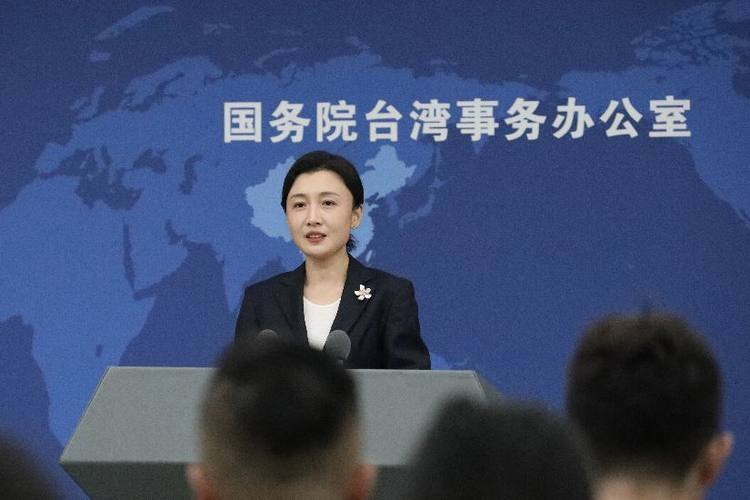
    BEIJING — A recent opinion survey conducted in Taiwan has revealed profound public dissatisfaction with the ruling Democratic Progressive Party (DPP) administration, according to statements from a mainland spokesperson on Wednesday. Zhang Han, spokeswoman for China’s State Council Taiwan Affairs Office, addressed these findings during a media briefing, highlighting growing discontent among Taiwan residents regarding the island’s current political leadership.

    The poll results, which indicate that more than half of Taiwan’s population perceives the DPP as untrustworthy, incompetent in governance, and plagued by corruption, were presented as evidence of widespread disillusionment. Zhang characterized these findings as reflecting public outrage toward what she described as the DPP’s neglect of citizen welfare, persistent pursuit of separatist agendas, intense political infighting, suppression of opposition voices, and subservience to foreign interests at the expense of Taiwan’s autonomy.

    Since assuming office, Taiwan’s leader Lai Ching-te has allegedly intensified cross-strait tensions through what Zhang characterized as provocative separatist policies and deliberate efforts to undermine economic cooperation between Taiwan and mainland China. The spokesperson further accused the administration of squandering public funds on unnecessary military expenditures while allegedly engaging in corrupt practices that benefit foreign arms dealers and political elites.

    Zhang expressed concern that these policies have pushed Taiwan toward increased instability and potential conflict. She concluded by urging Taiwan compatriots to recognize what she termed the destructive nature of DPP leadership and to consciously distance themselves from separatist activities, emphasizing the importance of cross-strait unity and peaceful development.

  • Xi emphasizes strong start for 15th Five-Year Plan period

    Xi emphasizes strong start for 15th Five-Year Plan period

    Chinese President Xi Jinping has issued a decisive call for the nation to secure a powerful commencement to its 15th Five-Year Plan period (2026-2030). The directive was delivered during his address at a New Year gathering convened by the National Committee of the Chinese People’s Political Consultative Conference (CPPCC) in Beijing on Wednesday.

    Speaking as the General Secretary of the Communist Party of China Central Committee and Chairman of the Central Military Commission, Xi emphasized the critical importance of strategic implementation from the outset of the new development cycle. The gathering, which brought together leadership from China’s top political advisory body, served as a platform to outline priorities for the upcoming year and the broader five-year framework.

    The 15th Five-Year Plan represents a cornerstone policy document that will chart China’s economic and social development trajectory through the second half of this decade. Xi’s address signals the administration’s commitment to maintaining policy continuity while addressing both domestic priorities and global challenges.

    The CPPCC meeting, traditionally held to mark the transition into the new year, took on added significance this year as it precedes the formal implementation of the development blueprint. Xi’s remarks underscored the interconnected nature of political consensus, economic planning, and national advancement goals.

    This development occurs against the backdrop of China’s ongoing efforts to balance economic growth with structural reforms, technological innovation, and sustainable development objectives. The strong start called for by the leadership indicates an accelerated timeline for policy rollout and implementation mechanisms as China positions itself for the next phase of national rejuvenation.