标签: Asia

亚洲

  • What Trump’s Hormuz coalition call really means for China

    What Trump’s Hormuz coalition call really means for China

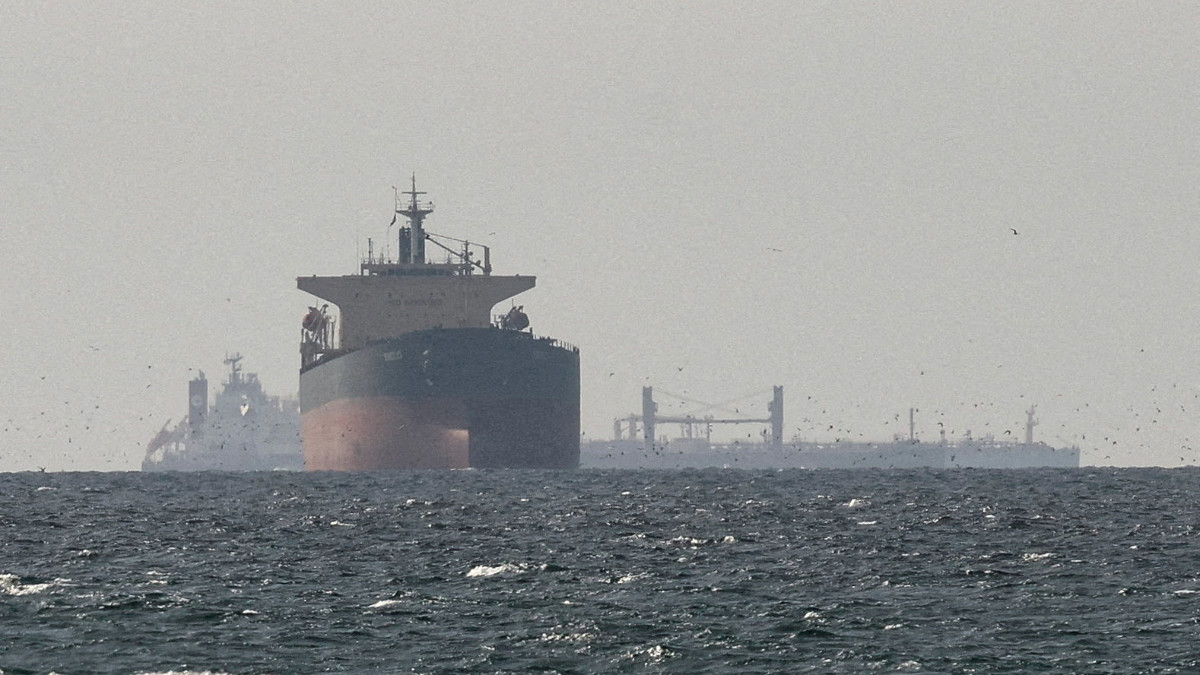
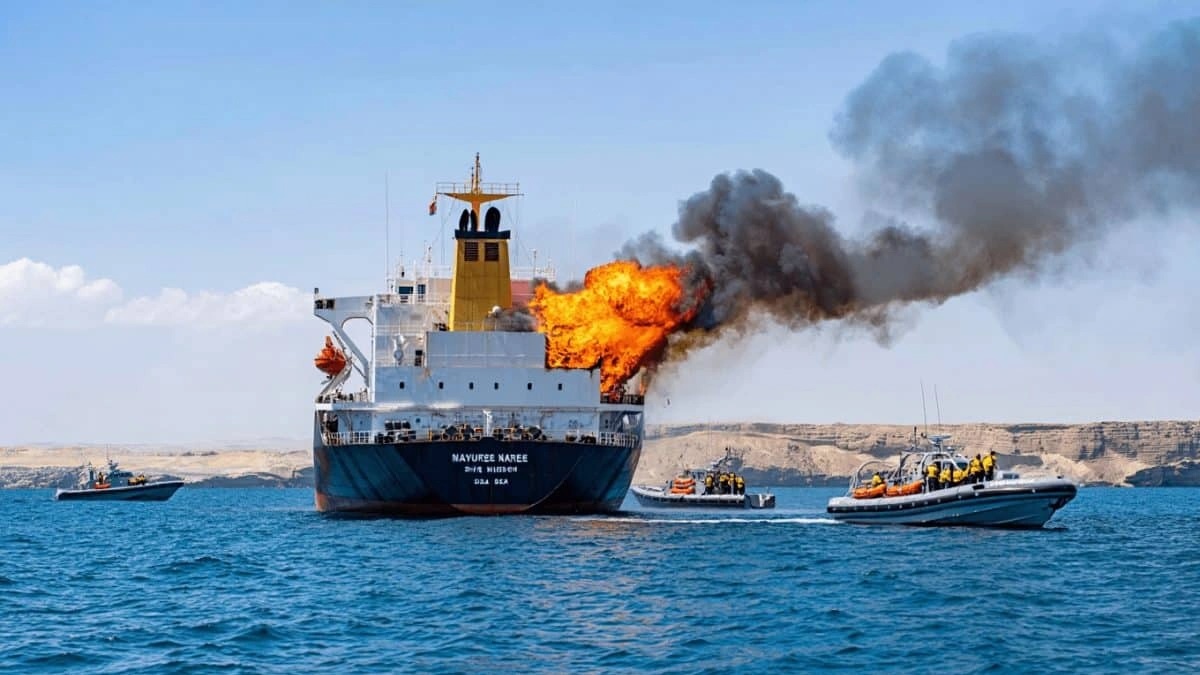
    Former President Donald Trump has issued a direct appeal to China and other nations to participate in a proposed naval coalition aimed at securing freedom of navigation through the Strait of Hormuz, escalating tensions amid ongoing conflicts with Iran. In statements to the Financial Times, Trump emphasized China’s particular stake in the matter, noting that approximately 90% of China’s oil imports transit through the strategic waterway. He explicitly linked China’s cooperation to his anticipated diplomatic visit later this month, suggesting potential postponement if Beijing fails to commit—a move that significantly raises geopolitical stakes.

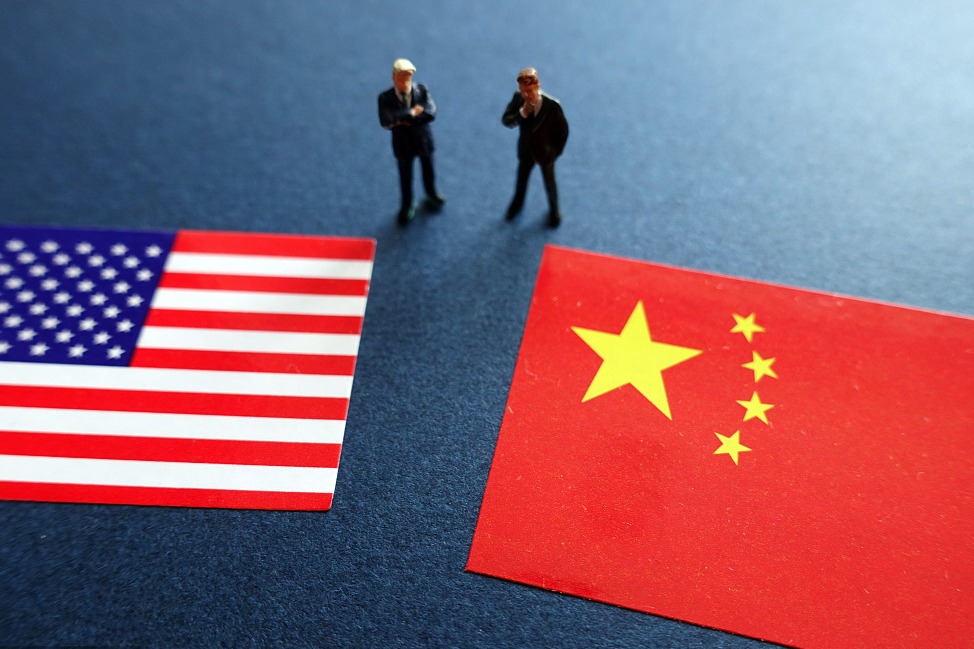
    The situation presents China with a complex strategic dilemma. Compliance with Trump’s demand would legitimize the U.S.-led naval initiative and likely be interpreted by Iran as a hostile act, potentially damaging Sino-Iranian relations. Conversely, refusal could trigger the collapse of the fragile Sino-US trade truce and exacerbate global economic instability already affected by regional oil disruptions.

    Energy dependency analysis reveals China’s vulnerable position: approximately 48.4% of China’s seaborne oil imports transit through Hormuz, with 13.4% originating specifically from Iran last year. While China maintains strategic petroleum reserves estimated at 1.3 billion barrels (covering three to four months of consumption) and advances its green energy transition, the nation remains economically dependent on stable oil flows through the strait.

    The geopolitical maneuvering extends beyond immediate security concerns. Analysts suggest the Trump administration may be weaponizing China’s energy dependency to force concessions on trade, potentially derailing China’s superpower trajectory and institutionalizing a subordinate relationship to U.S. interests. This could involve perpetuating conflict with Iran, seizing Iranian vessels transporting oil to China, and leveraging Washington’s continued influence over China’s trading partners.

    The developing situation represents a critical test of Chinese strategic diplomacy, requiring careful navigation between energy security concerns, regional alliances, and global economic relationships.

  • Illinois State University delegation explores Liaoning’s cultural heritage

    Illinois State University delegation explores Liaoning’s cultural heritage

    A delegation comprising twenty students and faculty members from Illinois State University has successfully concluded an immersive cultural study tour in Shenyang, the capital of China’s northeastern Liaoning Province. The four-day educational program, which wrapped up on Thursday, was coordinated by the Institute of International Education at Liaoning University as part of ongoing China-US youth exchange initiatives.

    The visit featured extensive cultural exploration, including a detailed examination of Liaoning’s historical artifacts at the prestigious Liaoning Provincial Museum. The museum visit, which occurred on Wednesday, provided the American delegates with firsthand exposure to the region’s rich cultural heritage and historical significance.

    This exchange program represents continuing efforts to strengthen educational and cultural ties between academic institutions in China and the United States. Such initiatives aim to foster mutual understanding and create opportunities for cross-cultural learning among the next generation of global citizens. The program’s structure allowed participants to engage deeply with local culture while establishing academic connections that may lead to future collaborative ventures between the two universities.

    The successful completion of this tour underscores the growing importance of international educational exchanges in promoting diplomatic relations through cultural diplomacy. As similar programs continue to develop, they contribute significantly to building bridges between nations through academic collaboration and cultural immersion.

  • China’s Kuaizhou 11 Y7 rocket launches 8 new satellites

    China’s Kuaizhou 11 Y7 rocket launches 8 new satellites

    China has marked another significant milestone in its aerospace program with the successful launch of the Kuaizhou-11 Y7 carrier rocket from the Jiuquan Satellite Launch Center in Northwest China. The launch occurred precisely at 12:12 pm Beijing Time on Monday, demonstrating China’s growing capabilities in rapid deployment space missions.

    The medium-lift solid-propellant rocket executed a flawless ascent, transporting eight newly developed satellites to their predetermined orbital positions. The mission represents the latest achievement in China’s expanding satellite constellation projects, which support various applications including Earth observation, communications, and scientific research.

    The Kuaizhou (meaning ‘Fast Vessel’) series represents China’s strategic emphasis on developing responsive launch capabilities that can deploy satellites with minimal preparation time. This launch capability provides significant advantages for both civilian and potential defense applications, offering rapid replacement or augmentation of orbital assets when needed.

    This successful mission follows previous Kuaizhou-11 launches and demonstrates continued technical refinement of China’s commercial space infrastructure. The achievement highlights China’s increasing presence in the global space industry, where it continues to advance both government-led and commercial space initiatives.

    The Jiuquan Satellite Launch Center, situated in the Gobi Desert, has served as China’s primary space facility since 1958 and continues to play a crucial role in the country’s ambitious space program, which includes lunar exploration, space station operations, and satellite deployment missions.

  • China warns Trump’s latest tariff moves could damage trade ties

    China warns Trump’s latest tariff moves could damage trade ties

    During high-level diplomatic talks in Paris, Chinese officials issued a stern warning regarding recent U.S. trade policy maneuvers that could destabilize Sino-American economic relations. Li Chenggang, China’s International Trade Representative, expressed profound concerns about the Trump administration’s renewed trade investigations into foreign manufacturing, initiated after the U.S. Supreme Court invalidated previous tariff measures.

    The Paris meetings, intended to lay groundwork for President Trump’s anticipated visit to China within weeks, occurred against a backdrop of renewed tension. While the Trump administration has suggested potential postponement of the presidential visit, Chinese officials declined to address scheduling specifics during their brief press appearance.

    Complicating the diplomatic landscape, the Iran conflict has emerged as a potential obstacle to bilateral reconciliation efforts. This development follows the previous tariff war that saw import taxes escalate to triple-digit percentages before both nations agreed to a twelve-month truce.

    U.S. Treasury Secretary Scott Bessent, leading the American delegation, clarified that any potential delay in President Trump’s visit would not stem from disagreements regarding Iran policy or efforts to secure the strategically vital Strait of Hormuz for global shipping routes.

    The prospective visit would mark President Trump’s first official trip to China since his 2017 visit during his initial term, occurring approximately five months after his meeting with President Xi Jinping in Busan, South Korea.

  • Children are among the latest killed as Pakistan and Afghanistan keep fighting

    Children are among the latest killed as Pakistan and Afghanistan keep fighting

    KABUL, Afghanistan — Intensified cross-border hostilities between Taliban-led Afghanistan and Pakistan entered a critical phase this Monday, resulting in significant civilian casualties and drawing urgent international attention. Afghan authorities confirmed that at least four civilians, including two children, perished during artillery exchanges along the volatile southeastern frontier.

    The United Nations Security Council responded to the escalating crisis by unanimously adopting a resolution demanding Afghanistan’s Taliban government enhance counterterrorism measures. While the resolution refrained from explicitly naming Pakistan, it delivered a forceful condemnation of all terrorist activities occurring within the region. Concurrently, the Council authorized a three-month extension of the UN Assistance Mission in Afghanistan (UNAMA).

    Pakistan maintains persistent allegations that Kabul provides sanctuary to militant organizations, specifically the Tehrik-i-Taliban Pakistan (TTP)—a US-designated terrorist group—alongside Baloch separatist factions. These groups are accused of executing attacks against Pakistani security personnel and civilians. Afghan leadership consistently denies these accusations.

    Provincial spokesperson Mustaghfar Gurbaz reported that mortar projectiles launched from Pakistani territory struck residential areas in Khost province, demolishing homes and wounding ten additional individuals. This incident follows Sunday’s tragedy in Pakistan’s Bajaur district, where a mortar round allegedly fired from Afghan territory destroyed a home, claiming four lives from a single family and injuring a five-year-old child.

    Pakistani military operations have targeted alleged militant positions across the border, with Islamabad characterizing the situation as ‘open war.’ Recent developments include Pakistan’s deployment of airstrikes near Kabul and Kandahar, targeting what it describes as militant infrastructure. Afghan officials counter that these strikes hit a drug rehabilitation center and an inactive security post, causing minimal damage.

    Afghan Deputy Prime Minister Abdul Salam Hanafi emphasized national sovereignty defense as a fundamental citizen duty while expressing profound regret over civilian losses. The conflict originated in late February following Afghan retaliatory attacks against Pakistani airstrikes that killed Afghan civilians. This violence has effectively nullified the Qatar-mediated ceasefire established in October, which previously mitigated border tensions.

  • Chinese retailer rivalling Amazon launches in UK

    Chinese retailer rivalling Amazon launches in UK

    Chinese e-commerce titan JD.com has officially entered the United Kingdom market with the launch of its Joybuy platform, marking a significant challenge to established players like Amazon. The US and Hong Kong-listed company, recognized as China’s largest retailer by revenue, will operate from strategic distribution centers in Milton Keynes and Luton.

    The newly launched platform offers British consumers an extensive product portfolio spanning consumer electronics, home appliances, beauty products, homewares, and groceries. JD.com has committed to providing next-day delivery services to approximately 17 million UK households from the platform’s inception, signaling its serious intentions in the competitive British e-commerce landscape.

    This market entry follows JD.com’s previous unsuccessful acquisition attempts, including terminated negotiations to purchase Currys in 2024 and Argos last year. The UK expansion forms part of a broader European strategy that simultaneously targets five additional markets: Germany, the Netherlands, France, Belgium, and Luxembourg.

    The company’s European ambitions were further demonstrated through its recent €2.2 billion acquisition of Germany-based electronics retail group Ceconomy. Matthew Nobbs, Managing Director of Joybuy UK, expressed strong confidence in the company’s growth prospects, emphasizing their long-term commitment to establishing a sustainable presence in the UK market.

    JD.com’s arrival coincides with Amazon’s recent announcement regarding the closure of its first UK fulfillment center in Brogborough, Bedfordshire, creating an interesting competitive dynamic in the British e-commerce sector. Company executives believe their combination of diverse product offerings, competitive pricing, and delivery convenience will successfully attract British consumers.

  • Former deputy head of national forestry and grassland body charged with bribery

    Former deputy head of national forestry and grassland body charged with bribery

    Li Chunliang, the former deputy director of China’s National Forestry and Grassland Administration, has been formally indicted on charges of bribery and influence peddling according to an official announcement from the Supreme People’s Procuratorate. The case represents another significant development in China’s ongoing anti-corruption campaign.

    The Dezhou People’s Procuratorate in Shandong Province has been designated to handle the prosecution, which has now been formally submitted to the Dezhou Intermediate People’s Court. The case underwent initial investigation by the National Commission of Supervision before being transferred to judicial authorities for criminal prosecution.

    Prosecutors allege that Li exploited his numerous former positions of authority, including senior roles within the Communist Party of China Central Committee’s Organization Department and his leadership capacity at both the former State Forestry Administration and its successor organization, the National Forestry and Grassland Administration. The indictment claims he provided improper benefits to associates in exchange for substantial monetary payments and valuable assets.

    Additionally, the prosecution maintains that even after leaving public office, Li continued to leverage his residual influence from previous government positions. He allegedly manipulated other public officials to secure improper advantages for third parties while accepting particularly large sums of money and valuable property in return.

    During the judicial review process, prosecutors followed standard procedural protocols by informing Li of his legal rights, conducting formal questioning, and consulting with his defense team. The 63-year-old Hebei native, who joined the Communist Party in March 1984, held his forestry administration position from December 2016 through his 2023 retirement. Following his retirement, Li was elected president of the China Wildlife Conservation Association in December 2023.

    His fall from grace began with a disciplinary investigation in May 2025, culminating in his expulsion from the Communist Party in November of that year. The case demonstrates China’s continued commitment to investigating corruption both during and after officials’ public service tenure.

  • National Drum King Convention draws 14 top troupes to Hebei

    National Drum King Convention draws 14 top troupes to Hebei

    Zhengding county in Shijiazhuang, Hebei province, transformed into a vibrant cultural epicenter on March 15, 2026, as it hosted the prestigious National Drum King Competition. The event brought together fourteen nationally acclaimed drum troupes representing diverse regional traditions from across China.

    The competition served as both a artistic showcase and seasonal celebration, with performers delivering dynamic routines that blended time-honored Chinese drumming techniques with contemporary international influences. The rhythmic performances created an immersive cultural experience for both local residents and visiting tourists, filling the streets with powerful percussion and theatrical energy.

    Following the formal competitive presentations, the participating troupes embarked on a vibrant procession through Zhengding’s thoroughfares. This ceremonial parade allowed for intimate engagement with audiences, demonstrating the enduring appeal and accessibility of traditional folk drum art in modern cultural expression.

    The event highlighted Hebei province’s ongoing commitment to preserving and promoting intangible cultural heritage while fostering interregional artistic exchange. The convergence of these elite performing groups underscored the continuing vitality of drumming traditions within China’s diverse cultural landscape.

  • Documentary series Qiao! Beijing launches tomorrow!

    Documentary series Qiao! Beijing launches tomorrow!

    A groundbreaking documentary series offering an unprecedented journey through Beijing’s urban landscape is set to premiere across digital platforms tomorrow. ‘Qiao! Beijing’ (which translates to ‘Bridge! Beijing’) invites global audiences to explore the Chinese capital through the architectural and cultural significance of its bridges, serving as both physical structures and metaphorical connectors between communities.

    The series embarks on its narrative voyage from Xizhimen to Tongzhou, tracing the picturesque Liangma River to the historic Shichahai district. Viewers will be transported from the technological hub of Zhongguancun to the traditional alleyways of Beijing’s ancient hutongs, discovering how these bridges serve as silent witnesses to the city’s evolution.

    Through intimate encounters with local residents, historians, and urban planners, the documentary reveals how these structures have shaped social interactions, economic development, and cultural preservation. Each episode focuses on a different bridge, using it as a narrative device to explore broader themes of urbanization, tradition, and modernity in one of the world’s most dynamic cities.

    The production represents a significant investment in cultural documentation, employing cutting-edge cinematography techniques including aerial drone footage, underwater photography, and time-lapse sequences to capture the bridges in various conditions and seasons.

    Launching simultaneously across multiple streaming platforms on March 17, the series aims to provide both domestic and international audiences with a fresh perspective on Beijing’s urban identity, moving beyond typical tourist destinations to uncover the hidden stories that connect the city’s past with its rapidly evolving future.

  • Horse herders turn icy grasslands into hot spot

    Horse herders turn icy grasslands into hot spot

    The frozen grasslands of Inner Mongolia Autonomous Region have undergone a remarkable transformation, with traditional summer equestrian activities now creating a vibrant winter tourism economy. Across Xiliin Gol League and Ulaanqab city, the thunder of galloping hooves echoes across snow-covered plains as Mongolian herders have successfully adapted their cultural traditions to the harsh winter months.

    The recently concluded third Winter Mongolian Horse Super League final, held alongside the Ice and Snow Naadam Festival, represents a strategic reinvention of Mongolian cultural practices. These winter events, running from January through April, have effectively eliminated the region’s traditional tourism offseason, bringing unprecedented economic activity to previously dormant winter landscapes.

    At the heart of this transformation lies a sophisticated breeding program that has developed the ‘new Xiliin Gol horse’ – a crossbreed combining the cold-resistant genetics of local Mongolian mares with the speed and power of imported British thoroughbreds. This innovative breeding approach allows the horses to withstand temperatures of -30°C without supplemental feeding while achieving competitive racing performance.

    The economic impact has been substantial. Local herder Buhe reported that his yurts are now fully booked throughout winter, with visitors flocking to experience traditional Mongolian culture, including camel caravans, horse racing, wrestling, and sampling local delicacies like fermented mare’s milk.

    Supported by significant policy initiatives, including 12 national-level horse protection zones and seven conservation farms, Inner Mongolia’s equine industry has undergone a comprehensive modernization. The region, home to approximately 800,000 horses, has seen imports of over 2,000 high-quality international breeds while simultaneously conducting genetic research to identify and preserve key genes related to cold tolerance and endurance.

    According to Erhenbatu, farm manager at Inner Mongolia Grassland Thoroughbred Horse Breeding Co., premium ‘new Xiliin Gol horses’ now command prices up to 80,000 yuan ($11,530), with record sales reaching 220,000 yuan for exceptional specimens.

    This cultural and economic renaissance represents a successful model of traditional practices adapting to modern tourism demands while preserving genetic heritage and creating sustainable winter economies in previously marginalized regions.