标签: Asia

亚洲

  • Why Indian millionaire flow to the UAE keeps growing

    Why Indian millionaire flow to the UAE keeps growing

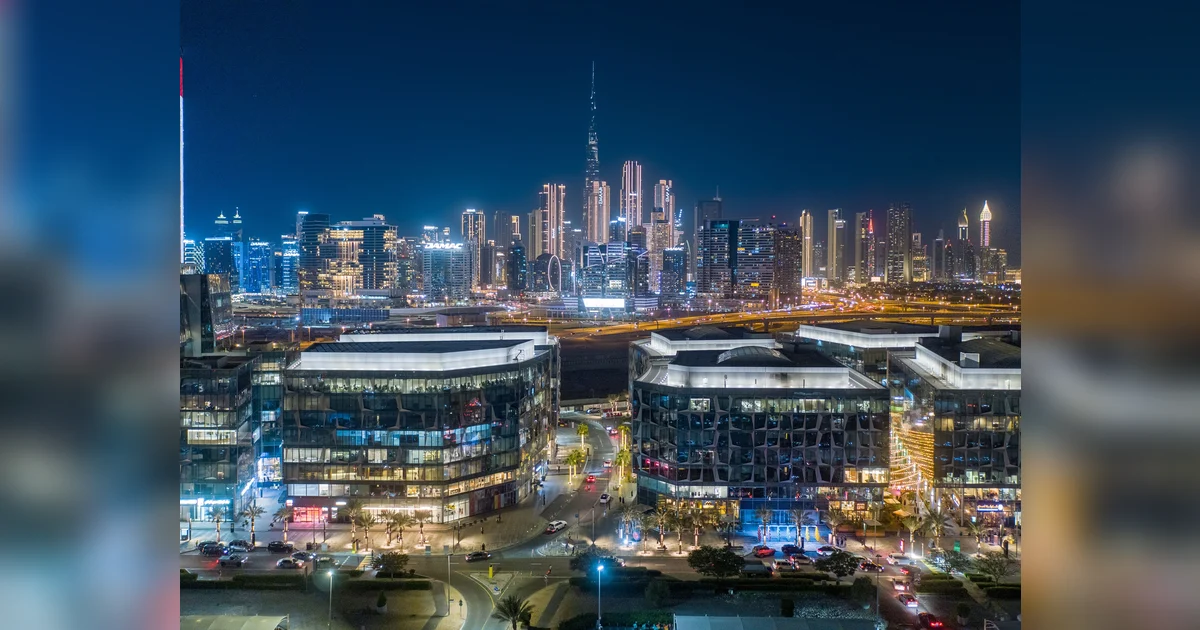
    The United Arab Emirates is solidifying its position as the world’s foremost destination for migrating high-net-worth individuals, with Indian millionaires constituting one of the most substantial and consistent demographic flows. According to Henley & Partners’ latest private wealth migration estimates, the UAE recorded a net inflow of approximately 9,800 millionaires in 2025, translating to roughly $63 billion (Dh231 billion) in investable assets. This follows the country’s top global ranking in 2024, when it attracted about 6,700 millionaires.

    The Indian wealth migration pattern reveals a sustained trend rather than a temporary phenomenon. Estimates indicate approximately 5,100 Indian millionaires departed in 2023, followed by 4,300 in 2024, with nearly 3,500 projected for 2025. This consistent outflow signals a strategic, long-term capital repositioning rather than a reactive response to transient political or economic conditions.

    Surveys conducted by Kotak Private Banking and EY reveal that over 20% of ultra-high-net-worth Indians (those possessing assets exceeding Rs250 million) have either planned or executed relocation strategies. While surface-level factors like taxation, pollution, and quality of life are frequently mentioned, analysts identify deeper structural drivers including constrained competitive space in traditional industries, sluggish regulatory processes, inconsistent policy implementation, and perceived insufficient rewards for innovation and risk-taking.

    The UAE addresses these concerns through a compelling combination of zero personal income tax, absence of capital gains and inheritance taxes, and the Golden Visa system providing long-term residency security. The jurisdiction offers predictable regulatory enforcement, efficient business processes, and strategic geographic positioning bridging Asian, European, and African markets. Dubai and Abu Dhabi have consequently evolved into operational headquarters for numerous Indian entrepreneurs rather than mere lifestyle destinations.

    Healthcare economics have emerged as a critical consideration in relocation decisions. The SIP Health Cost Index 2025 ranks the UAE approximately 10th globally for healthcare affordability, with comprehensive family insurance typically ranging between Dh50,000 to Dh100,000 annually. This contrasts sharply with the United States ($17,969 per person), Hong Kong ($16,175), and Singapore ($14,231), where elevated medical insurance costs can significantly impact long-term financial planning.

    International residence and citizenship planning surged by 43% in 2025, with affluent individuals from 92 nationalities pursuing cross-border mobility strategies. Rising healthcare inflation, alongside education expenses and intergenerational security concerns, has transitioned from peripheral considerations to central drivers in migration decisions.

    While alternative destinations including the United States, Singapore, Portugal, Australia, and Canada offer various advantages, each presents trade-offs regarding taxation, healthcare costs, immigration complexity, or regional connectivity. The UAE’s distinctive appeal lies in its integrated offering combining fiscal efficiency, business opportunity, premium healthcare, educational excellence, safety, and global mobility within a stable administrative framework.

    For Indian millionaires, this migration represents not a rejection of India’s economic potential but a strategic adaptation to structural limitations domestically and enhanced flexibility internationally. As global competition for mobile wealth intensifies, the UAE’s leadership position appears both secure and likely to expand in coming years.
  • Video: Around 40 killed, 100 injured in blast at Swiss ski resort bar, police say

    Video: Around 40 killed, 100 injured in blast at Swiss ski resort bar, police say

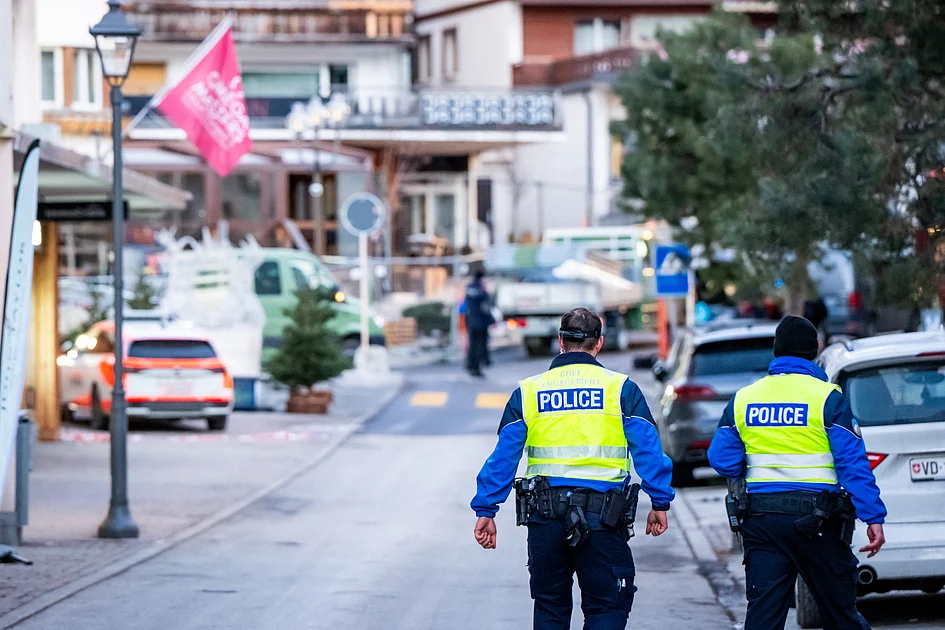
    A devastating explosion ripped through a popular bar in the exclusive Swiss ski resort of Crans-Montana during New Year’s Eve celebrations, resulting in one of Switzerland’s deadliest peacetime disasters. Initial reports from Swiss authorities indicate approximately 40 fatalities and 100 injured, many with critical burn injuries, after the blast occurred around 1:30 a.m. local time at the “Le Constellation” bar.

    Valais canton security chief Stephane Ganzer confirmed the international scope of the tragedy, noting that victims included citizens from multiple countries. Emergency services mounted a massive response operation, deploying 10 helicopters, 40 ambulances, and establishing a no-fly zone over the affected area. Critically injured patients were transported to medical facilities across Switzerland, including hospitals in Sion, Lausanne, Geneva, and Zurich.

    Prosecutor Beatrice Pilloud emphasized that authorities are treating the incident as a catastrophic accident rather than a deliberate attack, though the exact cause remains under active investigation. Italian Foreign Minister Antonio Tajani suggested the possibility that fireworks or firecrackers used in New Year’s celebrations might have triggered the explosion, though Swiss officials have not yet confirmed this theory.

    Swiss Federal President Guy Parmelin expressed national grief, stating on social media that “what was meant to be a moment of joy turned, on the first day of the year in Crans-Montana, into mourning that touches the entire country and far beyond.” Authorities have established dedicated helplines for concerned relatives and are utilizing forensic resources to identify victims and expedite the return of remains to grieving families.

  • UK government vows to ‘defend’ decision to strip Shamima Begum of citizenship

    UK government vows to ‘defend’ decision to strip Shamima Begum of citizenship

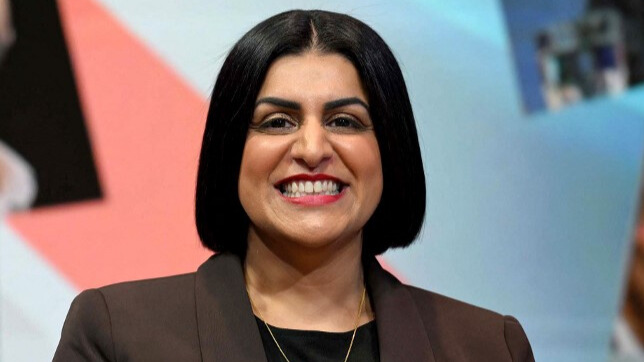
    UK Home Secretary Shabana Mahmood has pledged to vigorously defend the government’s contentious decision to revoke the citizenship of Shamima Begum, who traveled to Syria as a teenager to join the Islamic State. This declaration comes in response to the European Court of Human Rights (ECHR) raising critical questions about whether British authorities adequately considered if Begum was a victim of trafficking before stripping her citizenship.

    The government source confirmed Mahmood’s position, stating the Home Secretary would ‘robustly defend’ the 2019 decision made by then-Home Secretary Sajid Javid, which has been repeatedly upheld in UK domestic courts. The source emphasized that national security remains the government’s paramount concern in this case.

    The ECHR’s intervention marks a significant development in the long-running legal saga, with the Strasbourg court questioning whether the UK violated its anti-trafficking obligations under Article 4 of the European Convention on Human Rights. The court specifically inquired whether ministers properly assessed if Begum was trafficked before revoking her citizenship on national security grounds.

    Begum’s legal representatives from Birnberg Peirce described the ECHR’s involvement as an ‘unprecedented opportunity’ to examine whether previous administrations overlooked crucial trafficking considerations. Lawyer Gareth Peirce argued that Begum, then 15, was clearly ‘lured, encouraged and deceived for purposes of sexual exploitation’ and that authorities failed to implement proper safeguarding measures despite clear warning signs.

    The case has sparked broader debates about the UK’s expanding use of citizenship-stripping powers and its counter-terrorism policies. Last year, Declan Morgan, former Lord Chief Justice of Northern Ireland, publicly stated that Britain should not have revoked Begum’s citizenship, adding weight to criticisms of the government’s approach.

    Begum remains detained in a Syrian prison camp controlled by Kurdish-led forces while awaiting the ECHR’s final judgment, which will follow submissions from both the UK government and her legal team.

  • Israel seizes planning powers over Hebron’s Ibrahimi Mosque from Palestinians

    Israel seizes planning powers over Hebron’s Ibrahimi Mosque from Palestinians

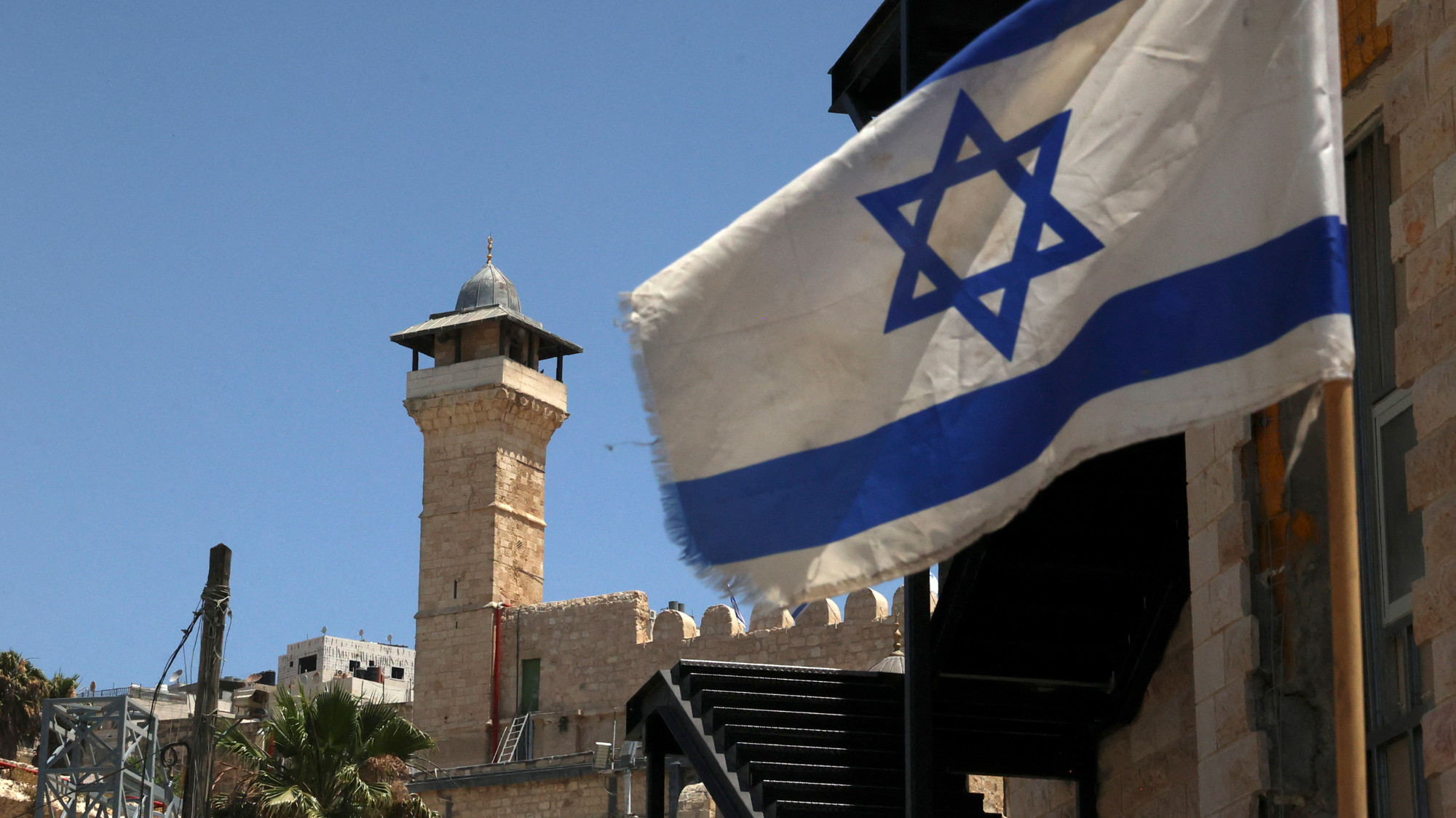
    In a significant escalation of tensions, Israeli military authorities have formally stripped Palestinian institutions of municipal authority over Hebron’s revered Ibrahimi Mosque. The Israeli Civil Administration, the military governance body overseeing the occupied West Bank, announced Wednesday the transfer of planning jurisdiction from the Palestinian Authority-run Hebron Municipality to its own Supreme Planning Council.

    This administrative shift enabled the immediate approval of construction projects—including a controversial roof over the mosque’s internal courtyard—despite vigorous Palestinian opposition. Hebron Municipality officials condemned the move as a “serious and illegal violation” that systematically attacks both the status quo at the holy site and the authority of Palestinian management bodies.

    The municipality asserted that Israel’s actions constitute “a clear violation of international law and existing agreements,” accusing Israeli authorities of deliberately dismantling Palestinian planning and construction rights. Hamas similarly denounced the move as part of a dangerous “Judaisation” campaign intended to erase Palestinian identity in Hebron and replace it with Jewish characteristics.

    This development occurs against the backdrop of UNESCO’s designation of the Ibrahimi Mosque and Hebron’s Old City as endangered world heritage sites. Legal representatives challenging the move in Israel’s Supreme Court maintain that all construction permits and confiscation actions lack legal validity.

    The site holds profound religious significance for Muslims, Jews, and Christians as the traditional burial place of Prophet Abraham. Known to Israelis as the Cave of the Patriarchs, the mosque witnessed a horrific massacre in 1994 when extremist settler Baruch Goldstein killed 29 Muslim worshippers during Ramadan.

    Since the 1997 agreement that divided control between Palestinians and Israelis, settler incursions and Israeli oversight have steadily increased. The recent power transfer effectively nullifies the management role historically held by the Islamic Waqf religious trust and Hebron Municipality, raising concerns about Israel’s broader strategy to assume complete administrative control.

    Israeli media reports from July suggested plans to eventually transfer authority to the religious council of the Kiryat Arba settlement, though the Islamic Waqf notes it has received no official notification. Since the onset of the Gaza conflict in 2023, Palestinian worshippers have faced increasing restrictions including banned prayer calls, closed entrances, confiscated keys, and harassment by soldiers and settlers.

  • Zohran Mamdani sworn in as first Muslim mayor of New York City

    Zohran Mamdani sworn in as first Muslim mayor of New York City

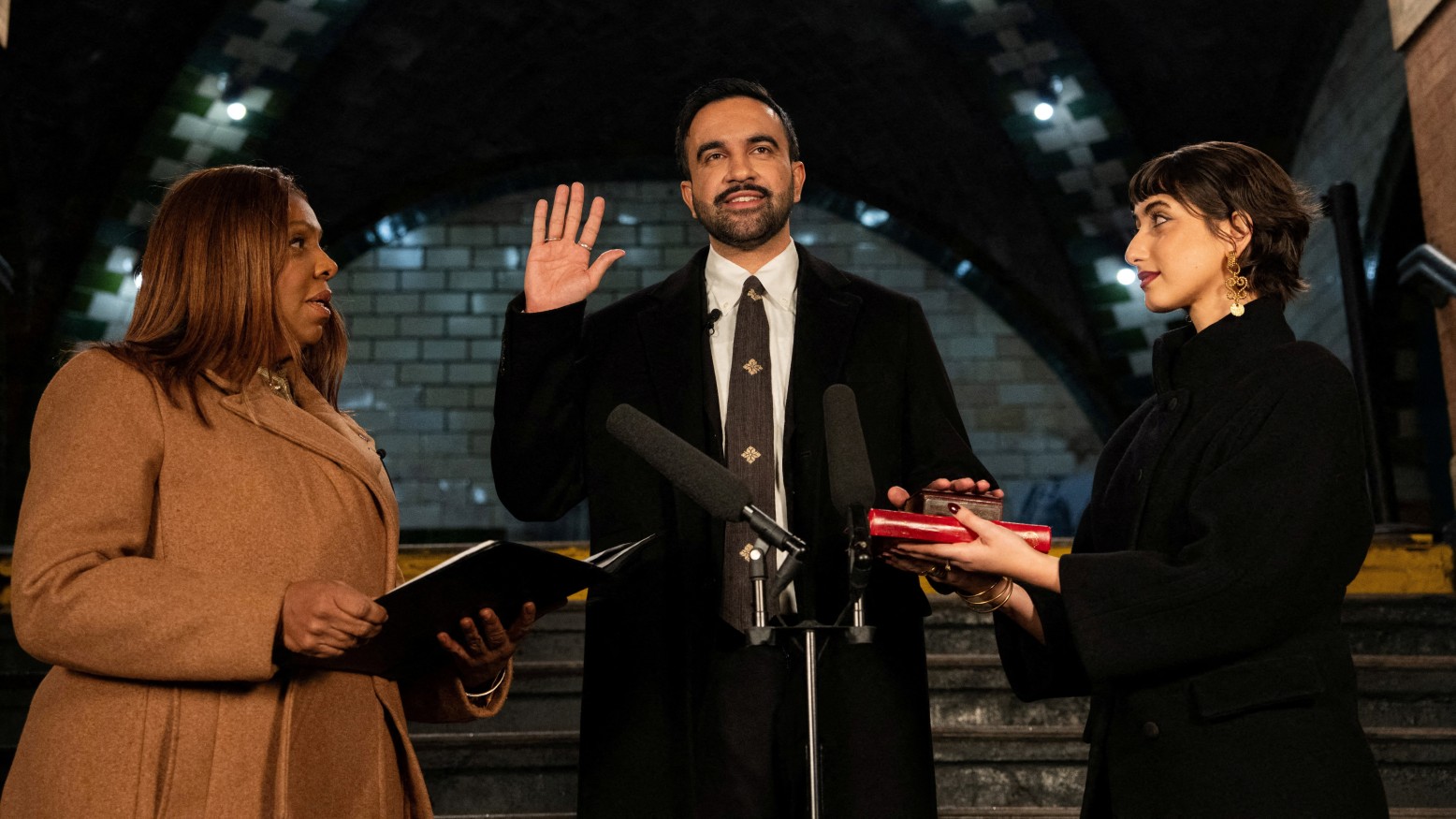
    New York City witnessed a groundbreaking political milestone on Thursday as Zohran Mamdani assumed office as the city’s first Muslim mayor. The historic inauguration ceremony, conducted in a decommissioned subway station beneath Times Square just after midnight, featured Mayor Mamdani taking his oath of office using two significant Qurans: a personal copy that belonged to his grandfather and a 200-year-old archival version loaned from the New York Public Library.

    The 34-year-old mayor, who also holds the distinction of being New York’s first chief executive of South Asian heritage and the first born in Africa, marked the occasion with a subdued private ceremony attended by his wife, artist Rama Duwaji, who held the religious texts during the oath-taking. Former Mayor Eric Adams, known for his pro-Israel stance during his single term, was also present at the midnight event.

    Mayor Mamdani characterized the appointment as “the honor and privilege of a lifetime” during remarks to reporters, emphasizing the symbolic significance of choosing a historic transit site for his swearing-in. “This old City Hall subway station stands as testament to the importance of public transit to the vitality, health, and legacy of our city,” he stated.

    The inauguration drew immediate criticism from conservative figures, including Alabama Senator Tommy Tuberville, who described the event with alarmist rhetoric, and Dutch politician Geert Wilders, who questioned the validity of a Quran-based oath. These reactions prompted responses from civil rights organizations, with the Council on American-Islamic Relations having previously designated Tuberville as an anti-Muslim extremist.

    Mayor Mamdani’s political ascent represents a significant shift in New York’s political landscape, built on an unapologetically progressive platform that championed rent control, free public transit, and increased taxes on wealthy residents. His campaign notably centered his Muslim identity and Palestinian advocacy in a city historically shaped by the aftermath of 9/11 and subsequent Islamophobic sentiment.

    The new mayor’s relationship with former President Donald Trump revealed surprising political dynamics. Despite Trump’s previous threats to withhold federal funding if Mamdani won, the two held a cordial White House meeting where Trump unexpectedly defended the mayor against aggressive questioning from reporters, even as Mamdani maintained his characterization of Trump as a fascist.

    A second, more elaborate public inauguration ceremony was scheduled for Thursday afternoon at City Hall, featuring Senator Bernie Sanders administering the oath of office.

  • ‘Separatist fallacy’ of Lai Ching-te ‘doomed to fail’

    ‘Separatist fallacy’ of Lai Ching-te ‘doomed to fail’

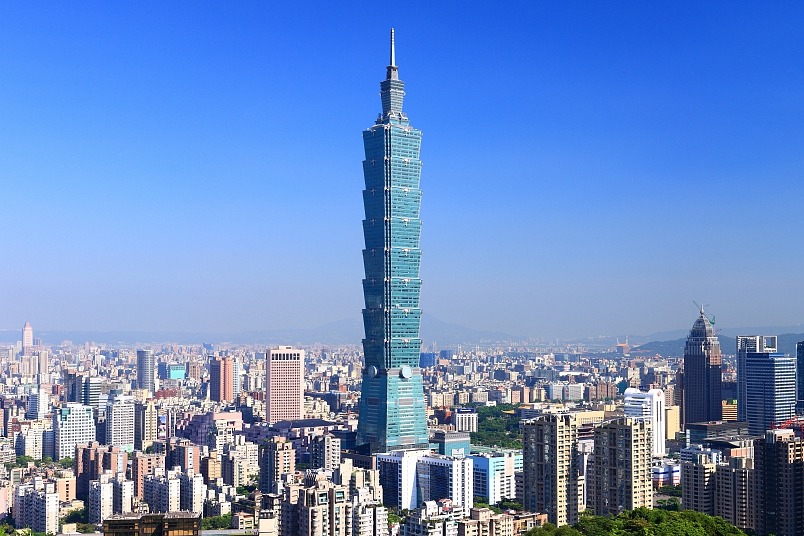
    In a stern rebuke of Taiwan’s New Year address, China’s State Council Taiwan Affairs Office has characterized Taiwan leader Lai Ching-te’s remarks as fundamentally separatist rhetoric destined for failure. Spokesperson Chen Binhua issued the official response on Thursday, following Lai’s speech that emphasized strengthening Taiwan’s defensive capabilities against what he termed China’s expansionist ambitions.

    Chen systematically dismantled the address, accusing Lai of propagating falsehoods and malicious narratives while repackaging traditional Taiwan independence ideology. The spokesperson asserted that Lai’s confrontational approach reveals an entrenched separatist mentality, labeling him a ‘saboteur of peace,’ ‘creator of crisis,’ and ‘inciter of war’ through his provocative statements.

    The criticism extended beyond rhetorical concerns to practical governance issues. Chen condemned Lai’s administration for allegedly disregarding Taiwanese public opinion, escalating cross-strait tensions, and misallocating public resources toward independence-oriented military preparations. The spokesperson further accused the Taiwan authorities of suppressing democratic freedoms while pursuing policies that compromise the interests of Taiwanese citizens and businesses through excessive alignment with external powers.

    Reaffirming China’s longstanding position, Chen emphasized that regardless of actions taken by Lai and the Democratic Progressive Party, Taiwan remains an inseparable part of Chinese territory. The spokesperson declared China’s national rejuvenation irreversible and expressed confidence in achieving complete reunification.

    The statement concluded with an appeal to Taiwanese compatriots to recognize the dangers of separatist agendas, align with historical progress, and collaborate with mainland counterparts to maintain cross-strait stability. Chen urged joint efforts toward peaceful development of cross-strait relations and the eventual realization of national rejuvenation and reunification.

  • Shanghai Symphony Orchestra rings in the new year

    Shanghai Symphony Orchestra rings in the new year

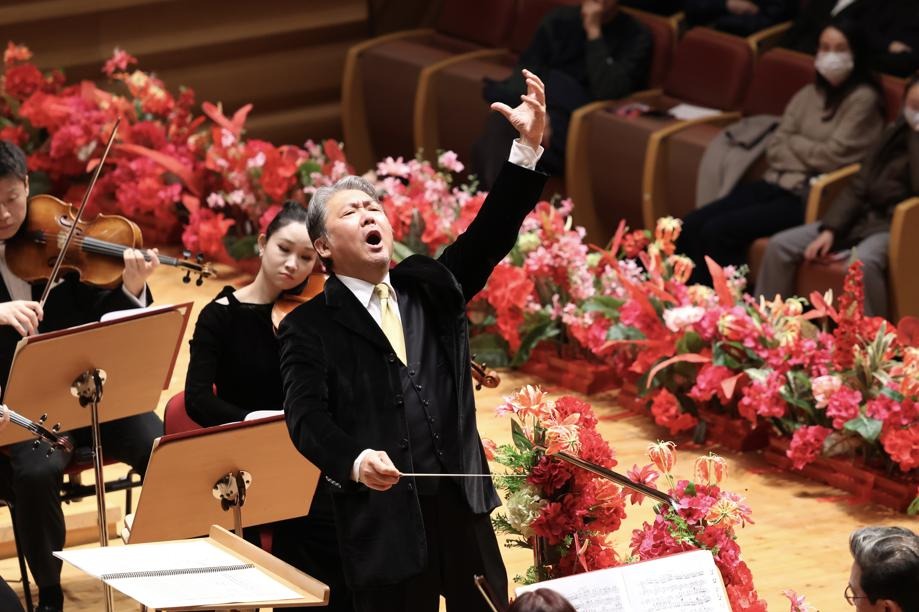
    The Shanghai Symphony Hall resonated with the sounds of a new generation on New Year’s Eve as the Shanghai Symphony Orchestra presented its highly anticipated 2026 New Year’s Concert. Under the masterful baton of Music Director Yu Long, the orchestra unveiled an extraordinary gathering of five emerging classical talents who represent the vibrant future of classical music.

    The concert featured an impressive lineup of young virtuosos: soprano Dai Ziyi (born 1996), pianist Serena Wang, violinist Chloe Chua, cellist LiLa, and viola player Lin Yixiu. Remarkably, four of these exceptional instrumentalists belong to the new millennium generation, bringing fresh energy and contemporary interpretation to traditional classical repertoire.

    This carefully curated performance not only celebrated the arrival of 2026 but also served as a platform for showcasing China’s rapidly evolving classical music landscape. The selection of these particular artists demonstrates the orchestra’s commitment to nurturing and promoting young musical talent while maintaining the highest standards of artistic excellence.

    The New Year’s Concert has established itself as a signature cultural event in Shanghai’s artistic calendar, attracting music enthusiasts and cultural aficionados from across the city and beyond. This year’s emphasis on youthful performers created a unique dynamic between the established excellence of the Shanghai Symphony Orchestra and the innovative approaches of the rising stars.

    Audience members experienced a program that blended traditional classical pieces with contemporary works, reflecting both respect for musical heritage and embrace of modern interpretations. The concert atmosphere combined formal tradition with celebratory spirit, perfectly capturing the transition from the old year to the new through the universal language of music.

  • New power station opens in Shanghai

    New power station opens in Shanghai

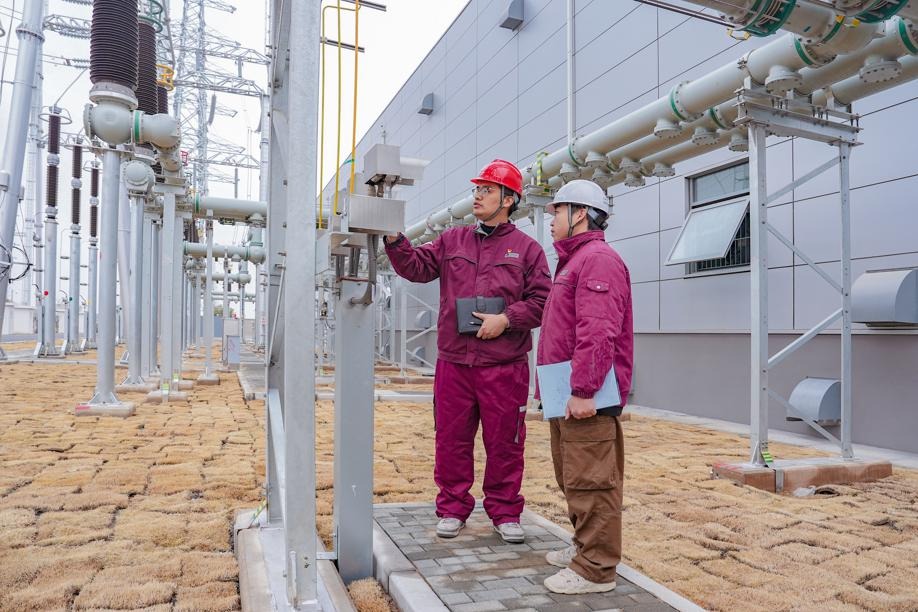
    Shanghai’s ambitious economic development plans received a significant infrastructure boost on December 28 with the commissioning of a major 220-kilovolt power transmission and transformation project in the Lingang Special Area. This state-of-the-art facility represents the third core hub station activated in the strategic economic zone within the past five years, marking a substantial advancement in the region’s energy infrastructure capabilities.

    According to State Grid Shanghai Electric Power Company, the newly operational power station establishes critical energy security for Lingang’s priority industrial sectors, particularly integrated circuit manufacturing and high-end equipment production clusters that require exceptionally reliable and high-quality power supply. The project’s completion culminates a comprehensive grid enhancement initiative throughout the 14th Five-Year Plan period (2021-2025), during which Lingang witnessed unprecedented development in electrical infrastructure investment, facility distribution, and overall supply capacity.

    The strategic power expansion aligns with Shanghai’s broader objectives to establish Lingang as a globally competitive special area with world-class industrial capabilities. Energy experts note that such high-voltage transmission projects form the backbone of modern industrial development, enabling advanced manufacturing processes that demand stable, high-capacity power inputs. The simultaneous operation of three major hub stations creates redundant capacity that enhances grid resilience while supporting future expansion of energy-intensive industries in the special economic zone.

    This infrastructure milestone demonstrates China’s continued commitment to strengthening its industrial base through strategic energy investments, particularly in designated special economic zones where advanced manufacturing and technological innovation are prioritized for national economic development.

  • Series on Shanghai revolutionary sites airs

    Series on Shanghai revolutionary sites airs

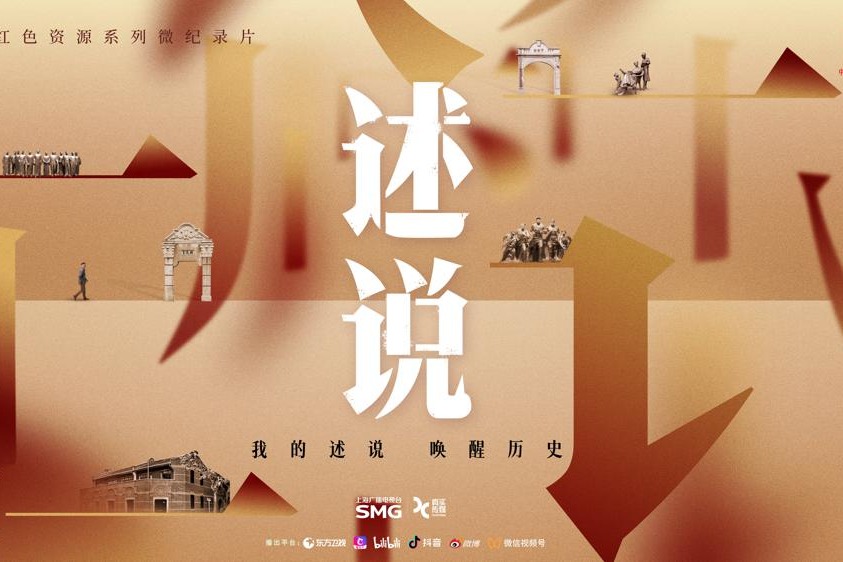
    Shanghai’s revolutionary legacy has been brought to life through an innovative documentary series that premiered on Tuesday. The 10-episode production, titled ‘Tellings of History,’ employs cutting-edge artificial intelligence technology alongside first-person narratives to revitalize the city’s Communist Party heritage for contemporary audiences.

    The micro-documentary format presents concise three to five minute episodes, each focusing on historically significant landmarks that played pivotal roles in the founding and early development of the Communist Party of China. The series breaks from traditional documentary conventions by implementing a multi-perspective narrative approach that gives voice to historical figures, artifacts, and locations.

    Through sophisticated storytelling techniques, historical personalities recount their experiences in first-person accounts, while revolutionary artifacts are personified to convey the enduring power of faith and preservation. Historical sites themselves serve as narrators, weaving together crucial events and the figures who shaped them.

    The production team has integrated various artistic elements and digital technologies to enhance viewer engagement. The visual presentation combines 2D animations with real scenes and woodblock prints, creating distinctive aesthetic styles tailored to each story.

    Most notably, the documentary utilizes AI-generated content technology to digitally reconstruct disappeared historical sites such as the Huishan wharf and animate historical figures previously known only through photographic records. This technological innovation allows the series to transform static exhibitions into dynamic narratives designed to resonate with younger demographics.

    The series airs weekly on Tuesday evenings through Dragon TV’s documentary segment and receives simultaneous distribution across multiple digital platforms including Kan Dongfang app, Bilibili, Douyin, Weibo, and WeChat channels.

  • Some UAE residents escape to desert for quiet, traffic-free NYE celebrations

    Some UAE residents escape to desert for quiet, traffic-free NYE celebrations

    As urban centers across the UAE prepared for congested roads and crowded venues on New Year’s Eve 2026, a growing contingent of residents deliberately pursued an alternative celebration in the tranquil expanses of the desert. This emerging trend saw individuals and groups exchanging glittering cityscapes for starlit sands, prioritizing peace and simplicity over traditional festivities.

    In Al Quoz, first-time desert celebrants Athira and Malu meticulously assembled their provisions at a Day to Day store, their shopping cart filled with practical camping essentials rather than party supplies. Their investment of approximately Dh700-800 represented a conscious choice to avoid metropolitan gridlock and embrace a more intentional welcoming of the new year. ‘We didn’t want to spend the night stuck in the car or trying to move around the city,’ Athira explained, capturing the sentiment driving this desert migration.

    Meanwhile, seasoned desert campers had already established their traditions. A community of Filipino expatriates demonstrated well-honed desert hospitality with five assembled tents and a communal gathering space. For them, desert celebrations have evolved into a regular practice perfected through experience. ‘It’s less stressful than any other activity, and we’ve mastered it,’ remarked Hernaline B. Papa, a Dubai resident.

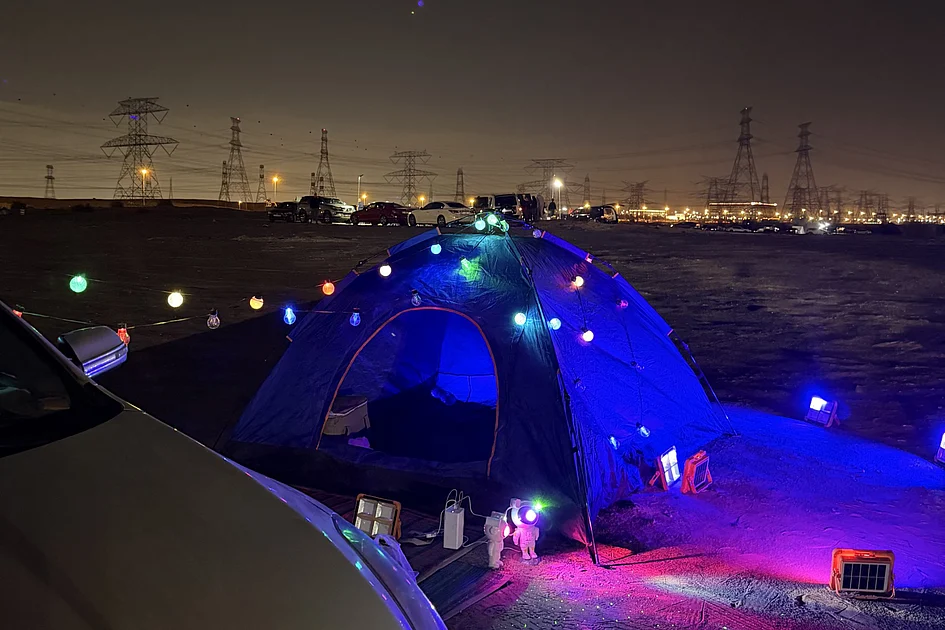
    The desert provided not just escape but creative expression. Some campers transformed their temporary settlements into festive environments with fairy lights and decorated tents, creating welcoming oases against the minimalist desert backdrop. Muhannad and his wife journeyed from Sharjah to participate in this alternative celebration, with his wife packing extra marshmallows to share with neighboring campers—a gesture emblematic of the community spirit flourishing in the desert.

    This collective retreat from urban centers reflects a broader desire for meaningful connection and peaceful transition into the new year, demonstrating how residents are reimagining traditions to align with contemporary values of mindfulness and authentic experience.