标签: Asia

亚洲

  • Iran protests: Death toll rises to 16 amid ongoing crackdown

    Iran protests: Death toll rises to 16 amid ongoing crackdown

    Iranian security forces have reportedly killed at least four protesters during demonstrations in Malekshahi county, Ilam province, according to Norway-based Iran Human Rights (IHRNGO). The organization documented 30 additional injuries resulting from clashes between security forces and demonstrators on Saturday.

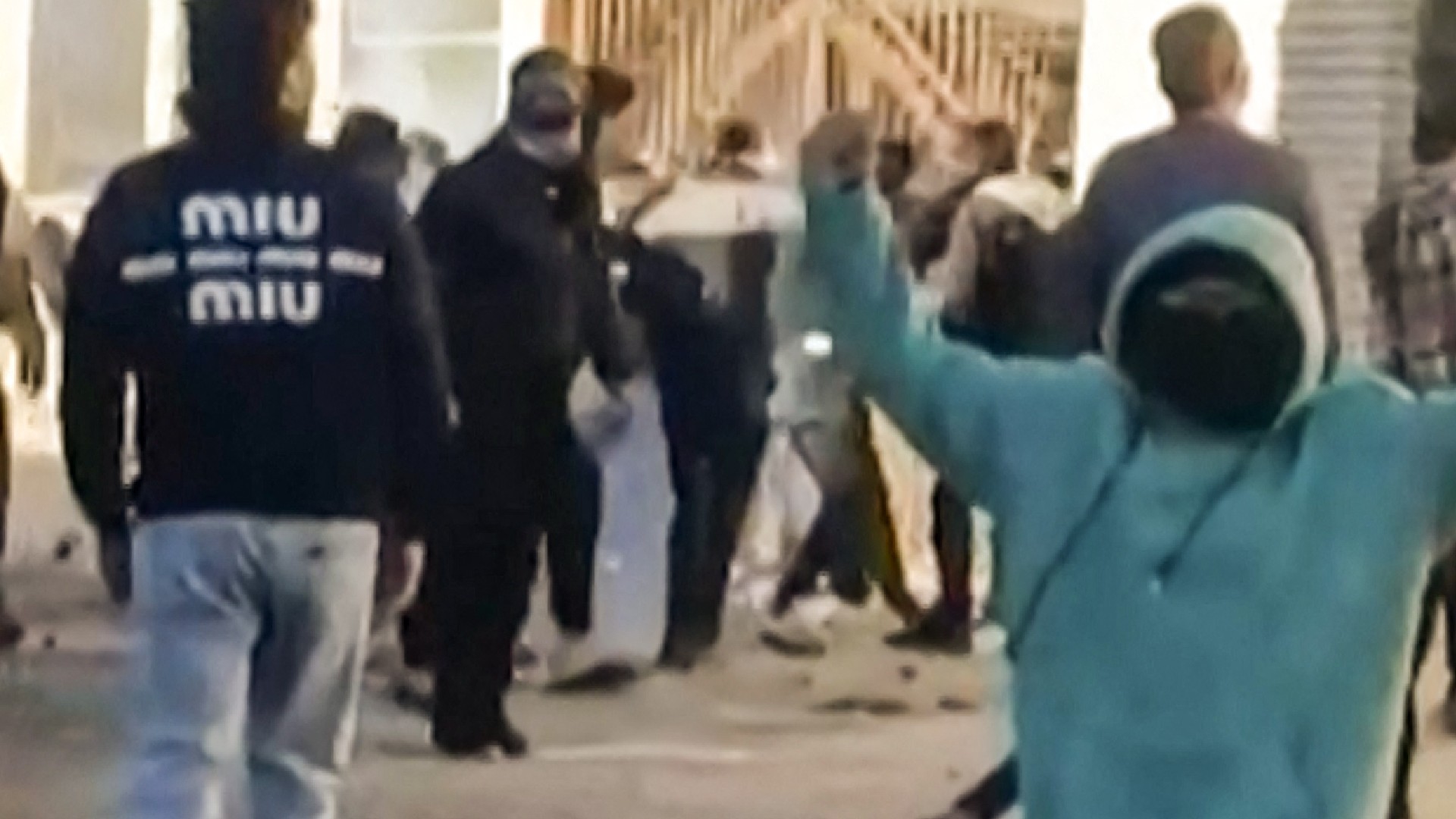
    The protests, initially sparked by economic grievances including soaring inflation and the collapsing rial currency, have rapidly evolved into widespread political dissent across at least 30 Iranian cities. This represents the most significant wave of civil unrest since 2022, though demonstrations have yet to reach the capital, Tehran.

    Conflicting casualty figures have emerged from various human rights monitors. Kurdish rights group Hengaw estimates at least 17 fatalities since protests commenced last week, while activist network HRANA reports 16 deaths and 582 arrests nationwide.

    The economic foundation of the unrest traces to the Iranian rial’s catastrophic devaluation, with the currency trading at approximately 1.45 million to the US dollar by December’s end—a stark contrast to the 55,000-rial exchange rate in 2018 before the reimposition of US sanctions. Analysts attribute the economic collapse to comprehensive US sanctions on Iran’s energy exports, international banking restrictions, and domestic corruption.

    International tensions escalated when US President Donald Trump declared Friday that Washington would “come to the rescue” if Iran continued using lethal force against protesters, stating America was “locked and loaded and ready to go.”

    Iranian officials responded aggressively to both domestic unrest and international threats. Ali Larijani, secretary of Iran’s supreme national security council, accused the US and Israel of instigating protests and warned of regional destabilization should America intervene. Pro-government media have similarly characterized protesters as foreign pawns, raising concerns about potential justification for intensified crackdowns.
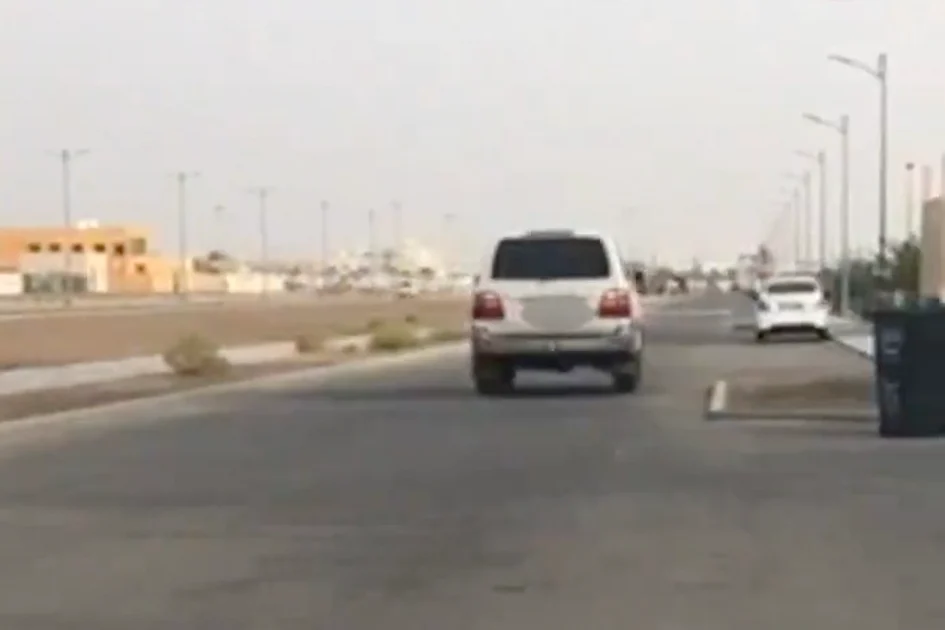

  • Driving a noisy vehicle? Abu Dhabi Police warn of Dh2,000 fine, 12 traffic points

    Driving a noisy vehicle? Abu Dhabi Police warn of Dh2,000 fine, 12 traffic points

    Abu Dhabi authorities have implemented stringent measures against excessively noisy vehicles, imposing substantial fines and penalties to preserve public tranquility and road safety. The police department has specifically targeted disruptive behaviors including loud engine modifications, reckless driving practices, and unauthorized vehicle alterations that frequently disturb residential communities and sandy recreational areas.

    According to official statements, these noise violations create significant distress among vulnerable populations including children, elderly residents, and individuals with medical conditions. The enforcement actions fall under Article 20 of the Traffic and Circulation Law, which mandates a 2,000 Dirham fine and 12 traffic points for operating noise-polluting vehicles. Additionally, unauthorized mechanical modifications carry separate penalties of 1,000 Dirham fines, 12 traffic points, and potential vehicle impoundment for 30 days.

    Under Law No. 5 of 2020, impounded vehicles require a 10,000 Dirham release fee, with unclaimed vehicles facing public auction after three months. Authorities have established multiple channels for violation reporting, including a dedicated 999 hotline for citizens to report disruptive vehicles. The police emphasized that winter recreational activities should not compromise community welfare, urging motorcyclists and drivers to adhere to safety regulations and respect public spaces.

    The digital infrastructure supports these enforcement measures through the Tamm.AbuDhabi platform, where residents can manage impoundment cases electronically using UAE Pass credentials or alternative verification methods. The system streamlines the violation resolution process while maintaining transparency in enforcement procedures.

  • UAE aviation sector stands as key pillar of national economy with growing global presence

    UAE aviation sector stands as key pillar of national economy with growing global presence

    The United Arab Emirates’ aviation industry has firmly established itself as a cornerstone of the nation’s economic framework, demonstrating remarkable growth and international influence throughout 2025. Recent developments confirm the sector’s strategic importance, contributing approximately 18% to the country’s gross domestic product through both direct and indirect channels while supporting critical industries including tourism, commerce, and logistics networks.

    In a series of groundbreaking initiatives, the General Civil Aviation Authority (GCAA) launched the unified national platform for unmanned aerial vehicles in January 2025. This innovative digital ecosystem streamlines drone operations through comprehensive registration protocols, regulatory clarity, and enhanced safety measures, simultaneously improving operational efficiency and investment opportunities.

    The aviation landscape witnessed further transformation in April with GCAA’s design approval for the nation’s premier hybrid Heliport at Abu Dhabi Cruise Terminal. This pioneering infrastructure represents a significant advancement in the visionary Abu Dhabi Air Taxi project, marking substantial progress toward integrated, sustainable air transportation throughout the emirate.

    Environmental stewardship emerged as a priority with the GCAA submitting the UAE’s third State Action Plan for reducing aviation emissions to the International Civil Aviation Organisation. This comprehensive strategy, developed through collaborative efforts across the aviation sector, incorporates 42 operational and technological projects alongside 13 initiatives focused on sustainable aviation fuel and low-carbon alternatives.

    The UAE’s global aviation standing reached new heights with its seventh consecutive term on the ICAO Council. The international community also reaffirmed its confidence in UAE leadership by re-electing Hamad Salem Al Muhairi as Chairperson of the ICAO Aviation Security Panel for a third term. Simultaneously, Engineer Maryam AlBalooshi achieved historic recognition as the first Middle Eastern representative elected to chair ICAO’s Committee on Aviation Environmental Protection.

    The nation solidified its position as a global aviation dialogue hub by hosting prestigious international events including the ICAO Global Implementation Support Symposium and the inaugural Global Sustainable Aviation Market in Abu Dhabi. The latter initiative gained extraordinary recognition when ICAO formally adopted it as an annual event within its official calendar—a rare honor for a state-initiated concept.

    Operational excellence continued as UAE airports reported unprecedented passenger traffic, with Abu Dhabi, Dubai, and Sharjah international facilities collectively processing approximately 108.59 million passengers within the first three quarters of 2025.

  • iOS 26.2 update: New iPhone lock screen customisation features explained

    iOS 26.2 update: New iPhone lock screen customisation features explained

    Apple continues to refine its mobile operating system with the latest iOS 26.2 update, introducing sophisticated customization enhancements specifically targeting the Lock Screen interface. This incremental update builds upon the Liquid Glass design language introduced in iOS 26, offering users unprecedented control over visual aesthetics without fundamentally altering the operating system’s core functionality.

    The most significant improvement arrives in the form of an expanded opacity slider for the Lock Screen clock. Previously, users could apply a translucent, frosted-glass effect to their clock display, but customization options remained relatively constrained. iOS 26.2 dramatically enhances this capability by providing a broader spectrum of transparency adjustments, enabling either near-invisible minimalism or bold, high-contrast readability depending on user preference.

    This enhanced customization works seamlessly across all available clock fonts, allowing consistent transparency adjustments regardless of typographic choice. The functionality enables perfect harmony between clock displays and background wallpapers, whether users prefer intricate photographic backgrounds or clean gradient designs.

    Accessing these new features requires a simple process: users must long-press their Lock Screen, select ‘Customize,’ choose the clock element, ensure the Glass style (rather than Solid) is activated, and then manipulate the enhanced opacity slider to achieve their desired visual effect.

    Despite these advancements, one notable limitation persists from previous versions. The ability to resize the Lock Screen clock remains exclusively available with the default system font. Users who opt for alternative typfaces can adjust transparency but cannot modify clock dimensions, maintaining a consistency in Apple’s design approach while leaving room for future enhancements.

    The iOS 26.2 update represents Apple’s continued commitment to incremental refinement rather than revolutionary change, focusing on quality-of-life improvements that enhance the user experience through subtle but meaningful interface adjustments.

  • Italy: Thousands stranded overnight as Bergamo airport halts flights

    Italy: Thousands stranded overnight as Bergamo airport halts flights

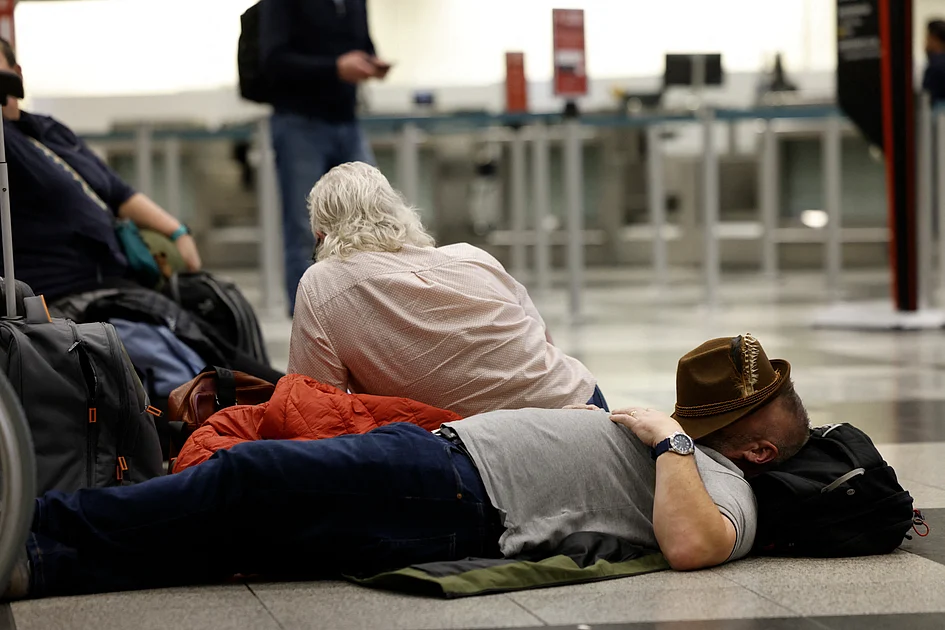
    A significant operational disruption at Italy’s Bergamo Orio al Serio Airport (BGY) left thousands of passengers stranded overnight Saturday into Sunday. The airport, a major hub for Ryanair serving the Milan region, was forced to suspend all flight operations due to a critical confluence of adverse weather and a technical malfunction.

    The primary cause of the halt was identified as a failure within the instrument landing system (ILS), a crucial navigational aid that guides aircraft during low-visibility approaches. This technical issue was severely compounded by poor weather conditions, including dense fog, which rendered visual landings unsafe. SACBO, the airport’s operating company, confirmed the technical fault was rectified by approximately midnight. However, the airport’s official website continued to issue advisories warning travelers of potential ongoing delays and cancellations throughout Sunday.

    According to reports from Italian media, the cascading effects of the shutdown were substantial. A total of 26 departing flights were canceled outright. Furthermore, six inbound flights were diverted to alternative airports, while an additional seven flights were officially rescheduled for the following day. With all movement suspended, travelers had no choice but to bed down inside the terminal. Circulated images depicted a scene of widespread inconvenience, with passengers sleeping on floors and even atop airport baggage carousels in an attempt to rest.

    The Corriere della Sera daily reported that the initial flight suspensions began around 6:00 PM local time (1700 GMT) on Saturday. By Sunday morning, the airport’s real-time flight status board displayed a lengthy catalog of disruptions, predominantly affecting Ryanair’s schedule. While some flights, including a delayed service to Cagliari and a Neos airline flight to Sharm-el-Sheikh, managed to depart later in the morning, the backlog of passengers and aircraft indicated that full operational normality would take time to restore.

  • How sports and cultural events are reshaping India’ success story

    How sports and cultural events are reshaping India’ success story

    India’s landscape is undergoing a profound metamorphosis as sports and cultural events emerge as powerful engines of economic growth and national identity. The transformation extends far beyond cricket, though the sport continues to demonstrate staggering commercial dominance. The Board of Control for Cricket in India reported record revenues of Rs97.41 billion in FY 2023–24, with the Indian Premier League contributing approximately Rs57.61 billion while reaching 446 million unique television viewers during its 2024 season.

    The sporting revolution now encompasses multiple disciplines experiencing remarkable growth. Hockey is witnessing a renaissance following Olympic successes, with the revived Hockey India League attracting international talent and capacity crowds in Bhubaneswar and Rourkela. Kabaddi has achieved extraordinary penetration into tier-2 and tier-3 markets through the Pro Kabaddi League, which reaches approximately 200 million viewers annually. Football’s Indian Super League has matured into a premier property with attendance rivaling established Asian leagues, while tennis tournaments like the Chennai Open and Bengaluru Open have reestablished India’s position on the international circuit.

    This expansion is paralleled by an explosive live entertainment sector. Coldplay’s Ahmedabad concerts generated an estimated ₹641 crore economic impact, drawing over 220,000 attendees and significantly boosting local hospitality and service industries. Crucially, this boom extends beyond metropolitan centers, with major events occurring from Kochi to Guwahati.

    Economists highlight the multiplier effect: each major event generates cascading benefits across hotels, transportation, retail, and temporary employment. For India’s youth, these developments represent more than economic opportunity—they signify participation in global spectacles within their own cities, fostering aspiration and belief in national progress.

    Backed by governmental support, India’s ambitions now include hosting the 2030 Commonwealth Games, which would catalyze infrastructure development and tourism reminiscent of the 2010 Delhi Games. The nation is transitioning from event host to strategic shaper of the global sports and entertainment landscape, with industry projections indicating 12–14% CAGR growth potentially reaching $40 billion by 2030.

  • Israeli police kill Palestinian citizen in Negev raid amid Ben Givr ‘incitement’

    Israeli police kill Palestinian citizen in Negev raid amid Ben Givr ‘incitement’

    A lethal confrontation during an Israeli police operation in the Negev has resulted in the death of a Palestinian citizen, intensifying tensions over the government’s law enforcement tactics. Mohammed Hussein al-Tarabin, a 35-year-old father of seven, was fatally shot by officers during an arrest raid in the village of Tirabin al-Sana late Saturday.

    According to official police statements, Tarabin was targeted after allegedly endangering officers’ lives during the operation and was suspected of involvement in vehicle arsons in nearby Jewish communities. However, these claims are vehemently disputed by Tarabin’s family and community representatives, who describe the shooting as an execution-style killing without justification.

    The incident’s sole child witness, Tarabin’s 11-year-old son, provided a harrowing account: “They knocked on the door. My father opened it, and immediately they shot him in the chest.” The child further described how officers dragged his mortally wounded father to the balcony, removed his trousers, and conducted searches while he lay bleeding on the floor.

    National Security Minister Itamar Ben Gvir, who oversees police operations, publicly endorsed the officers’ actions, declaring the killing “right” and expressing full support for the involved personnel through his social media channels. This endorsement comes amid Ben Gvir’s personally led “sovereignty restoration” campaign in Tirabin al-Sana, featuring increased raids, arrests, and home demolition orders targeting Palestinian citizens of Israel.

    The shooting officer has been interrogated on suspicion of unlawful firearm use and released to house arrest pending internal investigation. Palestinian leadership organizations have condemned both the specific killing and the broader police campaign, characterizing it as systematic intimidation and collective punishment against Arab citizens.

    The High Follow-Up Committee, representing Palestinian citizens of Israel, accused police of “committing deliberate killing” and implementing “an unprecedented campaign of intimidation, terror and revenge.” Committee head Jamal Zahalka specifically denounced Ben Gvir’s support for the killing as reflecting “fascist” tendencies and rejected police allegations against Tarabin as fabricated.

    This incident highlights ongoing tensions between Israel’s Palestinian minority—descendants of those not expelled during the 1948 Nakba—and state authorities, with advocacy groups citing persistent discrimination and repressive practices despite formal citizenship status.

  • Massive snow palace sculpture rises in Jilin province

    Massive snow palace sculpture rises in Jilin province

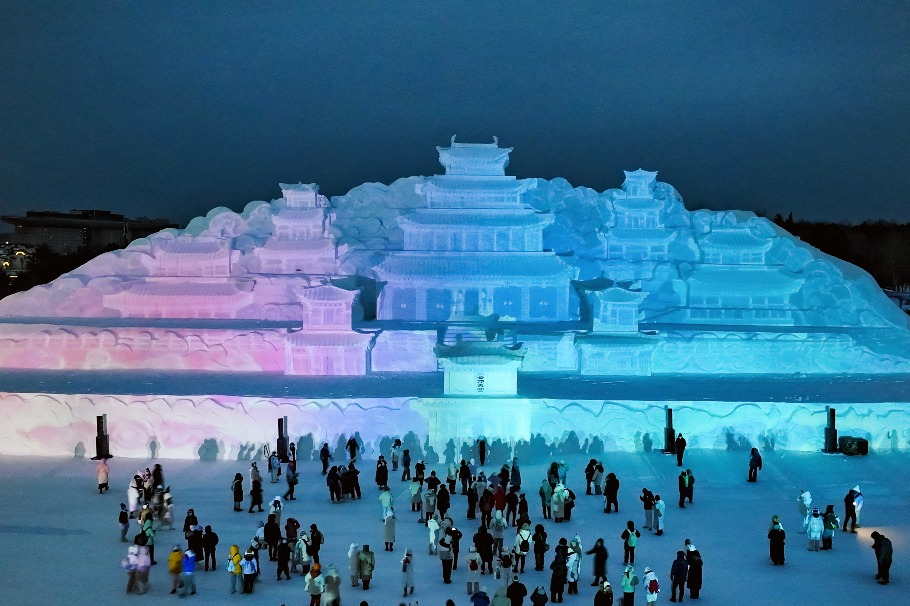
    An architectural marvel carved from snow has emerged in Northeast China’s Jilin province, where artisans have completed a breathtaking large-scale sculpture depicting a palace seemingly suspended in mid-air. The monumental artwork, constructed within the renowned Changbai Mountain scenic area, required an astonishing 100,000 cubic meters of meticulously compacted snow to achieve its final form.

    Soaring to an impressive height of 30 meters and spanning 70 meters in width, the frozen palace represents one of the most ambitious winter art installations created in recent years. The design draws direct inspiration from the popular novel series ‘The Grave Robbers’ Chronicles,’ bringing fictional architecture from the pages of literature into tangible reality through the transient medium of ice and snow.

    Since its recent completion, the sculpture has generated substantial excitement among literary enthusiasts and winter tourism advocates alike. The installation forms part of a broader initiative to promote winter tourism and cultural activities in China’s northern regions, where extreme cold weather becomes a canvas for artistic expression rather than a limitation.

    The Changbai Mountain area, known for its pristine winter landscapes and abundant snowfall, provides an ideal backdrop for such ambitious frozen architecture. Local tourism authorities anticipate the sculpture will attract visitors from across China and beyond, offering a unique combination of natural beauty, literary homage, and artistic achievement.

    This project continues the region’s tradition of snow and ice artistry while pushing the boundaries of scale and thematic complexity, demonstrating how winter conditions can be transformed into opportunities for cultural celebration and tourist attraction.

  • Dubai Police warn residents of rise in work visa scams

    Dubai Police warn residents of rise in work visa scams

    Dubai authorities have escalated warnings about a concerning increase in fraudulent employment visa schemes targeting residents. The Anti-Fraud Centre at the General Department of Criminal Investigation revealed that criminals are exploiting job seekers through sophisticated social media and messaging platform campaigns.

    According to official statements, scammers are posing as legitimate recruitment agents and company representatives, offering falsified employment opportunities and expedited visa processing in exchange for substantial upfront payments. These operations specifically target individuals demonstrating urgency in securing employment documentation, leveraging informal networks to appear authentic.

    Police emphasized that legitimate work visas can only be processed through two authorized channels: official government portals and legally accredited recruitment agencies. Any offers originating outside these established pathways should immediately raise suspicion among job seekers.

    The modus operandi typically involves perpetrators contacting victims through digital platforms with promises of guaranteed employment or accelerated visa processing, often requesting payment before providing any legitimate documentation. These transactions frequently occur through untraceable financial channels, making recovery of lost funds extremely difficult.

    Protective measures recommended by authorities include:
    – Conducting thorough verification of visa offers through official government channels before any financial transaction
    – Exclusively utilizing accredited recruitment offices and government-sanctioned platforms for employment documentation
    – Maintaining heightened skepticism toward individuals or organizations promising visa guarantees or regulatory shortcuts

    Victims or those encountering suspicious offers are encouraged to report incidents through multiple official channels: the Dubai Police smart application, the dedicated eCrime platform for cyber-related offenses, or the non-emergency police hotline at 901. Early reporting helps prevent further victimization and assists investigations into these criminal networks.

  • Stuck in Afghanistan, Pakistanis want border to finally reopen

    Stuck in Afghanistan, Pakistanis want border to finally reopen

    A protracted border closure between Pakistan and Afghanistan has created a humanitarian and economic crisis, leaving thousands of students, merchants, and families stranded with no clear resolution in sight. The land crossings have remained shut for nearly three months following deadly clashes in October that resulted in over 70 casualties, severing a vital conduit for communities on both sides.

    The colonial-era Durand Line, a 2,600-kilometer border dividing the two South Asian nations, is normally a bustling artery for those who share deep cultural, economic, and familial ties. Its closure has particularly impacted the Pashtun communities it bifurcates—the same ethnic group that forms the core support for the Afghan Taliban government.

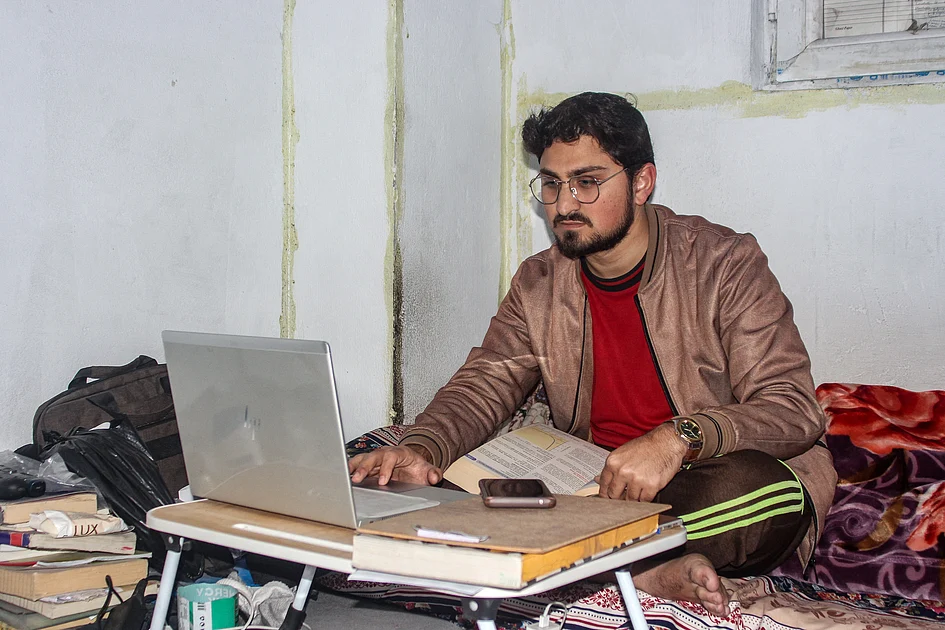
    University students represent a significant portion of those trapped. Shah Faisal, a 25-year-old medical student in Afghanistan, exemplifies the personal toll, stating, ‘We miss our parents and relatives,’ after his plans to return to Pakistan during the winter break were thwarted. With commercial flights being prohibitively expensive and smuggling routes deemed too dangerous, an estimated 500-600 Pakistani students in Nangarhar province alone are seeking safe passage home.

    The impasse stems from Islamabad’s allegations that Kabul is providing sanctuary to militant groups launching attacks on Pakistani soil—a charge the Taliban administration vehemently denies. Despite mediation attempts, no lasting agreement has been reached, and both governments have warned that hostilities could reignite at any moment.

    Beyond the student population, the closure has crippled cross-border commerce and stranded travelers. Ehsanullah Himmat, a 21-year-old shopkeeper, traveled to Kandahar for a wedding and now finds himself and his family effectively displaced, reliant on the hospitality of relatives as winter sets in. For truck drivers like Khan Muhammad, idled at the Spin Boldak crossing, livelihoods have evaporated. ‘Work has come to a standstill,’ he lamented. ‘All our livelihoods depend on this gate.’

    Official channels offer limited respite. Pakistan’s foreign ministry acknowledged nearly 1,200 citizens seeking repatriation assistance through its Kabul embassy, with just over 300 managing to return via air by December’s end. With neither government signaling a timeline or conditions for reopening, the fates of thousands hang in the balance, awaiting a political solution to a deeply entrenched dispute.