标签: Asia

亚洲

  • BBC documentary captures Guangdong’s wild side

    BBC documentary captures Guangdong’s wild side

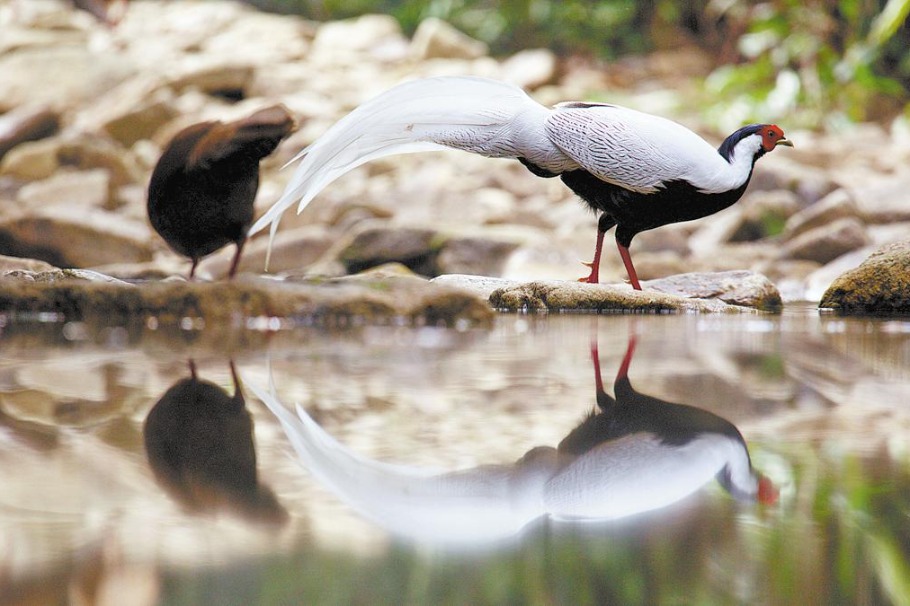
    A groundbreaking nature documentary series showcasing Guangdong’s extraordinary ecological diversity has made its global debut, marking an unprecedented collaboration between British and Chinese media organizations. ‘Wild Guangdong,’ a three-part series produced through a partnership between BBC Studios and Guangdong Radio and Television Station, premiered simultaneously across international and domestic platforms in December.

    Employing cutting-edge 4K ultra-high definition technology, the documentary presents an immersive visual journey through Guangdong’s varied ecosystems. The production represents the first time BBC Studios has partnered with provincial-level Chinese media, combining British documentary expertise with local ecological knowledge.

    The series, which required three years of meticulous filming across seasonal cycles, captures rarely-seen wildlife behaviors and landscapes. From the primeval forests of northern Guangdong to the coral reefs of the South China Sea, the documentary team documented over 1,000 animal species and 6,000 plant species that thrive in the region’s unique microclimates and complex terrain.

    Robi Stanton, President of Media and Streaming for BBC Studios Asia-Pacific, described the project as ‘a moving poem of harmonious coexistence’ that illustrates how Guangdong’s 130 million residents maintain ecological balance alongside rapid urban development. The documentary particularly highlights conservation success stories, including protection efforts for Chinese white dolphins and the discovery of a new species of eyelid gecko.

    Beyond its television broadcast on BBC Earth Asia and Chinese networks, the series has reached international audiences through streaming platforms across Southeast Asia, South Korea, Hong Kong, and Taiwan, potentially reaching over 20 million households. Chinese viewers can access the documentary on major platforms including Youku, iQiyi, Tencent Video, and Bilibili.

    Series producer Simon Winchcombe characterized the filming experience as ‘a fascinating journey’ that consistently yielded unprecedented wildlife footage. The documentary ultimately presents not just a catalog of species but compelling narratives about interdependence among life forms and the delicate balance between human progress and environmental preservation.
  • Lianjiang’s long road to renewal

    Lianjiang’s long road to renewal

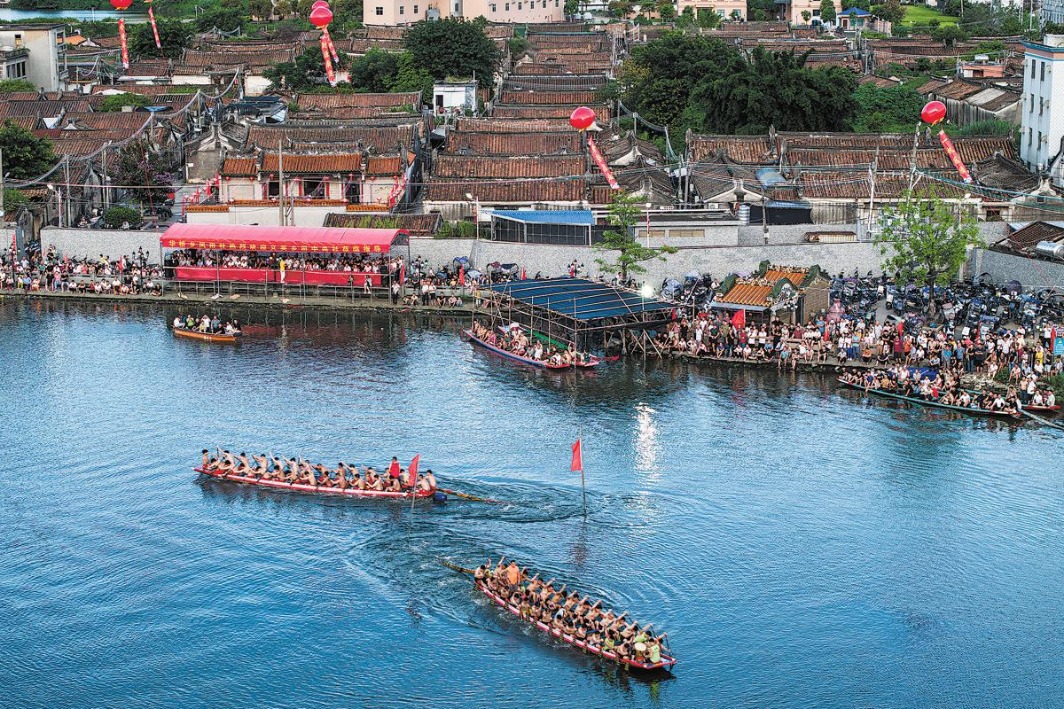
    The Lianjiang River, once celebrated for its crystalline waters that inspired its silk-like name, is experiencing a remarkable ecological renaissance after suffering severe degradation during China’s rapid industrialization period. Flowing 71.1 kilometers through Guangdong province from its origins in Puning to its terminus at Haimen Port in Shantou, this vital waterway supports approximately five million residents along its banks.

    During the late 20th century economic expansion, the river’s health dramatically declined as industrial contamination and population pressures turned its waters toxic. The ecological damage was so extensive that aquatic life virtually disappeared, earning the Lianjiang the unfortunate distinction of being among Guangdong’s most polluted rivers.

    Recent conservation efforts have sparked a noticeable recovery, with visual evidence captured in June showing children playing on inflatable rafts and swim rings while adults perform daily washing routines in one of the river’s tributaries. These scenes of community interaction with the reviving waterway signal a significant environmental turnaround.

    The rehabilitation of the Lianjiang represents part of China’s broader commitment to environmental protection and ecological restoration. As the country balances economic development with environmental sustainability, success stories like the Lianjiang’s transformation demonstrate the potential for reversing ecological damage through dedicated conservation policies and practices.

    The river’s improving condition not only enhances local quality of life but also serves as an indicator of changing priorities in regional development strategies, highlighting the increased emphasis on environmental protection in China’s modernization journey.

  • Bluefin tuna fetches record $3.2m at Tokyo auction

    Bluefin tuna fetches record $3.2m at Tokyo auction

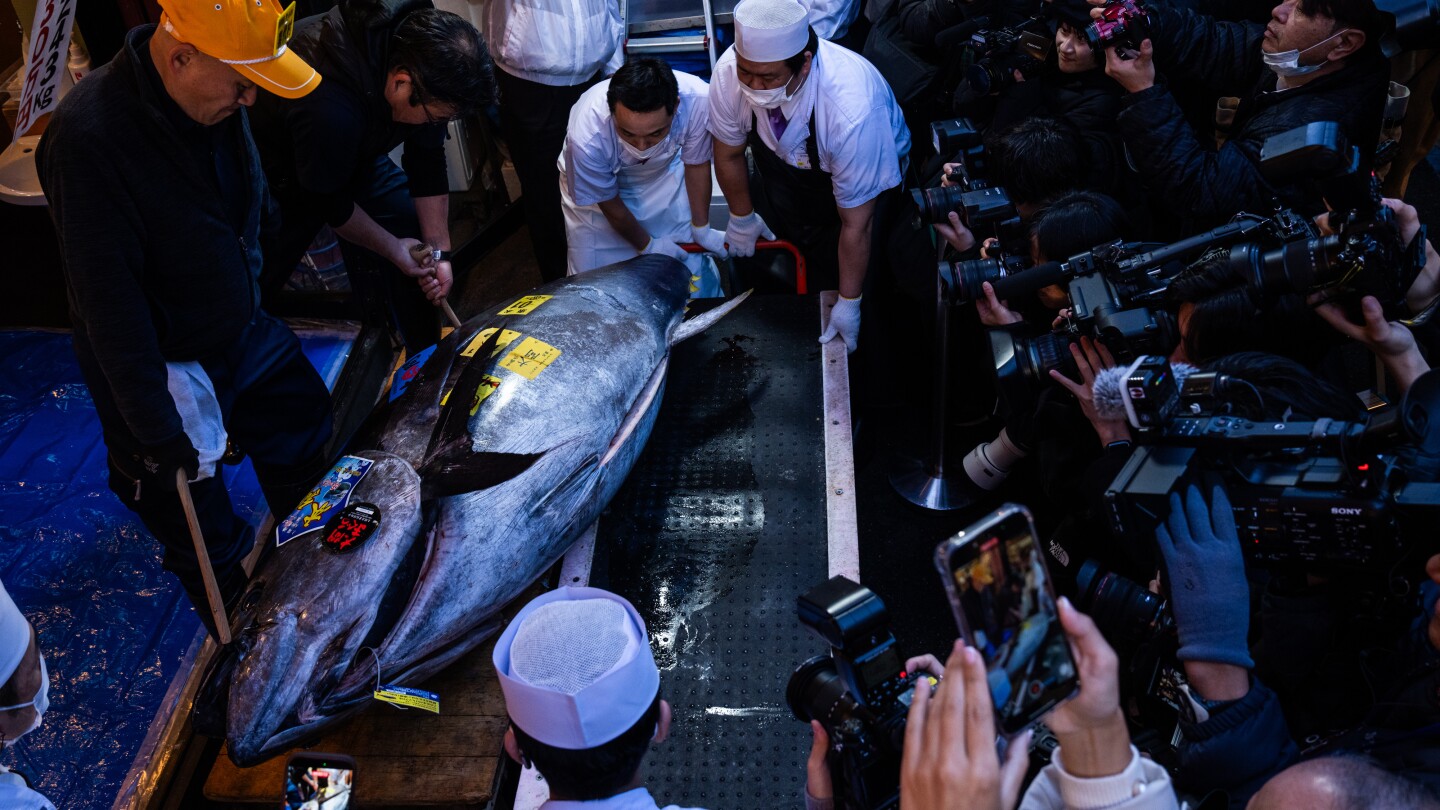
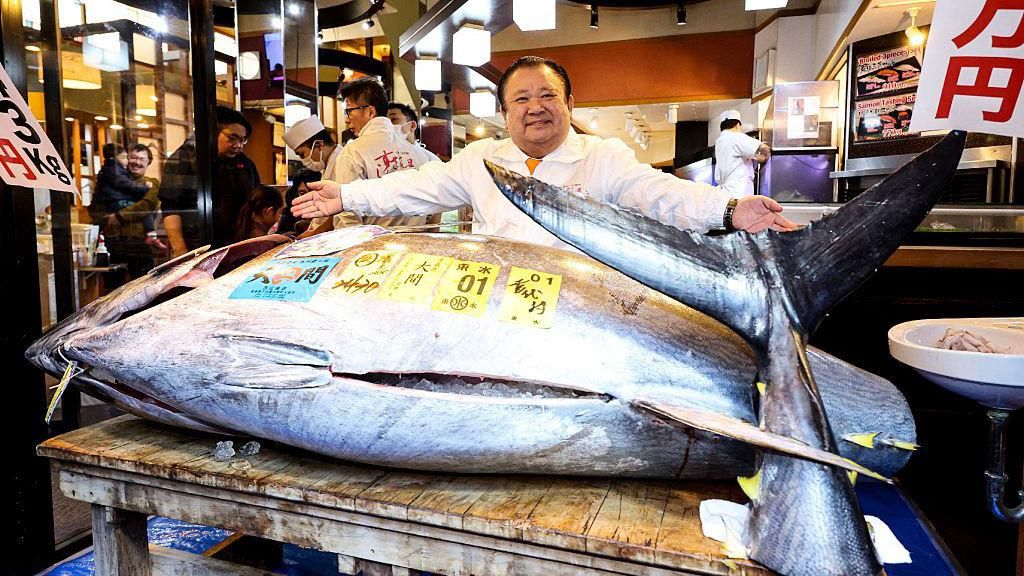
    Tokyo’s Toyosu fish market witnessed an extraordinary start to the new year as a massive 243kg bluefin tuna commanded a staggering 510.3 million yen ($3.2 million) during Monday’s inaugural auction, setting an unprecedented price record. The winning bid came from Kiyomura Corp, the parent company of renowned sushi restaurant chain Sushi Zanmai with both domestic and international locations.

    Kiyoshi Kimura, the corporation’s president and a perennial participant in these ceremonial auctions, secured the prized specimen through his aggressive bidding strategy. Known throughout the industry as the ‘Tuna King,’ Kimura has established a pattern of breaking his own records during these symbolic January events. Despite expressing surprise at the final price, telling reporters he had anticipated a more moderate outcome, the entrepreneur continued his tradition of premium acquisitions.

    This transaction surpasses Kimura’s previous benchmark of 333.6 million yen ($2.1 million) set in 2019, which itself broke his earlier records of 155 million yen in 2013 and 56.5 million yen in 2012. The auction commenced at approximately 05:00 local time, maintaining the tradition of pre-dawn bidding that has become a significant tourist attraction in Tokyo.

    Following the acquisition, the bluefin tuna was promptly transported to Kimura’s sushi establishments where master chefs prepared it for immediate consumption. Patrons expressed delight at participating in the auspicious tradition, with one customer telling reporters that consuming the year’s first premium tuna felt like an ideal way to commence the new year.

    The Toyosu market’s first auction consistently generates premium prices for bluefin tuna, with last year’s opening specimen fetching 207 million yen from competitor Onodera Group. These ceremonial purchases combine business strategy with cultural tradition, as restaurant chains leverage the publicity while honoring Japan’s deep-rooted seafood heritage.

  • New Year holiday drives travel peak

    New Year holiday drives travel peak

    China’s tourism sector experienced a powerful resurgence during the three-day New Year holiday period commencing January 1st, 2026, marking the nation’s first significant travel peak of the year. Official data from the Ministry of Culture and Tourism revealed an impressive 142 million domestic tourist excursions generated approximately 84.8 billion yuan ($12.13 billion) in tourism revenue, signaling robust consumer confidence and pent-up travel demand.

    The extended holiday period—two days longer than previous years—provided ample opportunity for diverse travel experiences across the country. From the artistic enclaves of Beijing’s 798 Art District to winter wonderlands in northern counties, Chinese travelers demonstrated increasingly sophisticated preferences. Yan Lijie, a 23-year-old university student from Tianjin, exemplified this trend as she and her dorm mates celebrated New Year’s Eve amidst art exhibitions, fairs, and performances in the capital.

    Industry experts noted a remarkable diversification in tourism consumption patterns. Qi Chunguang, Vice-President of travel portal Tuniu, observed that ‘younger travelers show stronger preferences for concerts, music festivals, drone shows or fireworks displays to count down to the new year.’ This generational shift toward experiential tourism was reflected in booking data from platform Qunar, which reported hotel reservations tripling in destinations like Kaifeng, Henan province, driven by Chinese-style theme parks.

    The revival extended beyond major metropolitan areas, with travelers venturing to over 1,000 counties nationwide—from the tropical warmth of Nan’ao in Guangdong to the snowy landscapes of Antu in Jilin. International travel also witnessed substantial growth, with Chinese tourists favoring short-haul destinations including Seoul, Bangkok, and Hong Kong. Simultaneously, China attracted visitors from 97 cities worldwide, particularly from neighboring Vietnam, Singapore, and Malaysia, with significant increases from Saudi Arabia, Uzbekistan, and the United States.

    According to the National Immigration Administration, approximately 6.62 million cross-border movements were recorded during the holiday period, including 828,000 trips by foreign nationals—a striking 29.8% year-on-year increase, underscoring China’s reopening and growing appeal as a global tourism destination.

  • India’s top court denies bail to 2 Muslim activists after 5 years in jail without trial

    India’s top court denies bail to 2 Muslim activists after 5 years in jail without trial

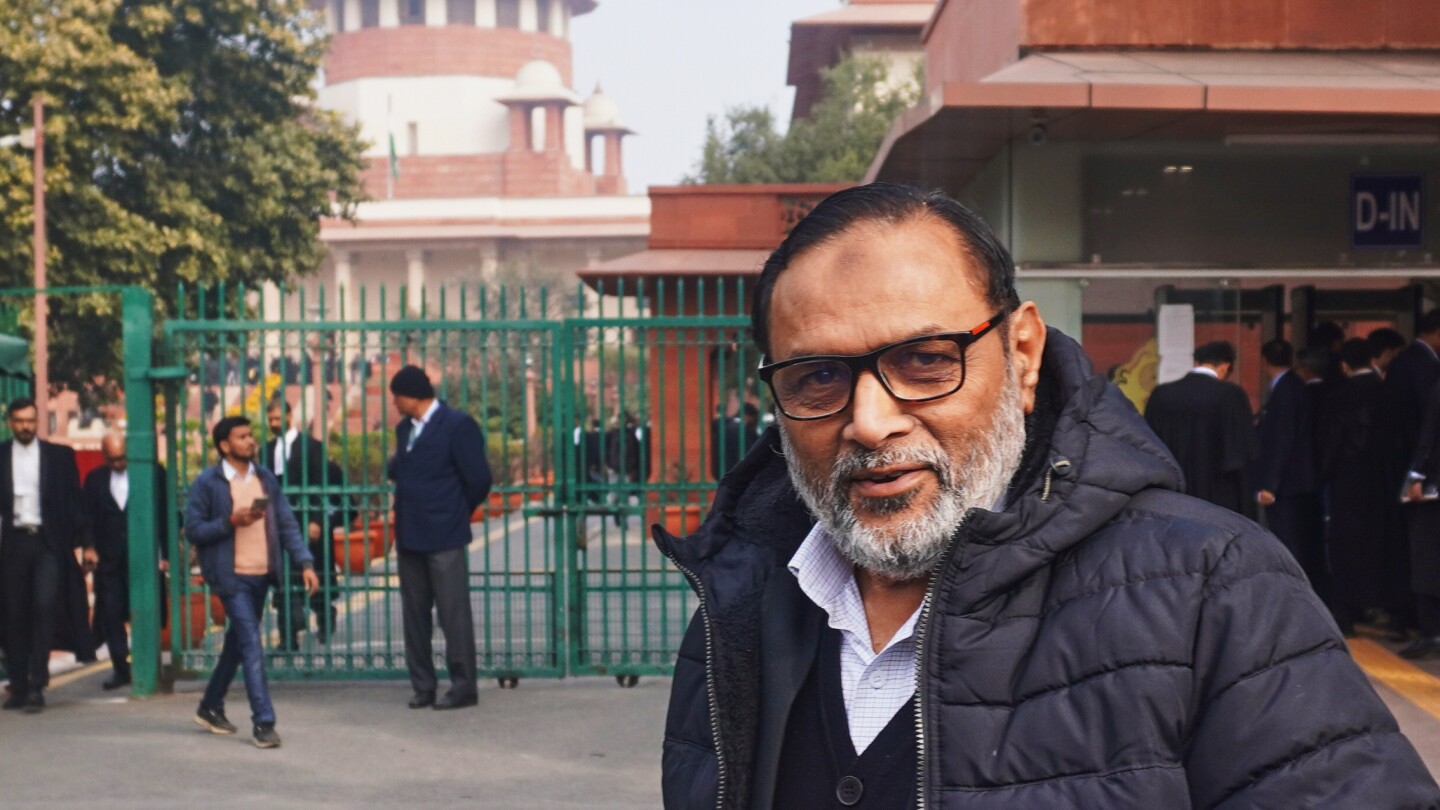
    India’s Supreme Court has upheld the continued detention of two prominent Muslim student activists, Umar Khalid and Sharjeel Imam, rejecting their bail applications in a controversial conspiracy case connected to the nation’s deadliest religious violence outbreak in decades. The justices determined that both individuals occupied a “qualitatively different footing” compared to other defendants in the same investigation, citing their alleged central involvement in orchestrating the February 2020 Delhi riots that resulted in 53 fatalities, predominantly within the Muslim community.

    The court acknowledged the significant delay in trial proceedings but maintained that this circumstance alone did not justify granting pretrial release. The violence erupted during extensive protests against the Citizenship Amendment Act of 2019, legislation widely criticized for its perceived discriminatory provisions against Muslims. Khalid and Imam emerged as leading voices in these demonstrations, which represented one of the most substantial challenges to Prime Minister Narendra Modi’s Hindu nationalist administration.

    Their continued incarceration under the Unlawful Activities (Prevention) Act—a stringent anti-terrorism statute increasingly deployed against government critics—has drawn international condemnation. Recent expressions of concern from eight U.S. lawmakers joined previous criticisms from human rights organizations alleging systematic suppression of dissent. Amnesty International characterized Khalid’s imprisonment as emblematic of justice system derailment and a broader pattern of repressing freedom of expression.

    Notably, the prosecution argued that the defendants deliberately engineered violence to damage India’s global reputation, while defense attorneys maintained the complete absence of credible evidence connecting their clients to the riots. This case occurs alongside numerous similar prosecutions of Muslim individuals following the Delhi violence, some of which have collapsed due to insufficient evidence.

  • Initiative sets clear course for Yangtze

    Initiative sets clear course for Yangtze

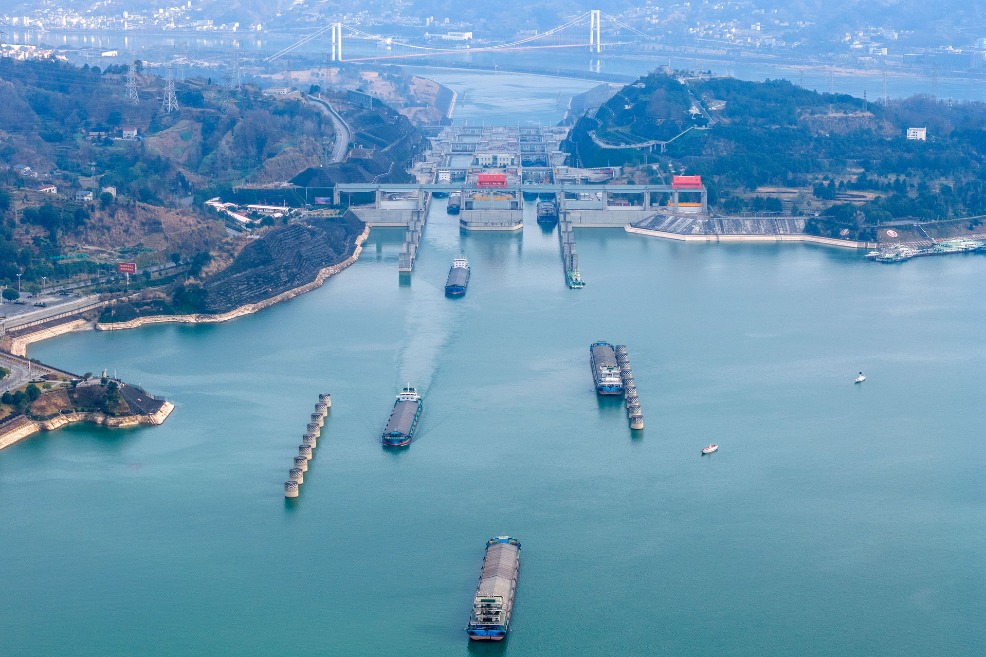
    A profound ecological transformation is underway along China’s Yangtze River, where former fishermen have become guardians of the nation’s ‘mother river.’ In Hukou county, Jiangxi province, a 16-member patrol team led by 58-year-old Shu Yin’an vigilantly monitors the confluence of the Yangtze and Poyang Lake, protecting endangered finless porpoises and combating illegal fishing activities.

    Shu’s personal journey mirrors the river’s remarkable turnaround. ‘My family relied on fishing for generations,’ he recalled, ‘but overfishing devastated the ecosystem until we could scarcely survive.’ His concern that future generations might never witness fish in the Yangtze prompted him to join the patrol team when it formed in 2017.

    This transformation stems from President Xi Jinping’s strategic vision initiated at the first Yangtze River Economic Belt symposium in Chongqing on January 5, 2016. Xi established a groundbreaking principle: ‘Restoring the ecological environment of the Yangtze River should be an overriding priority. We must focus on joint protection and avoid excessive development.’

    The implementation of this vision has been systematic and comprehensive. In 2020, a decade-long fishing ban took effect in key waters, transitioning over 230,000 fishermen like Shu to new livelihoods with government support. The 2016 master plan formally embedded ‘ecological priority, green development’ as foundational principles, marking a fundamental shift from industrial expansion at environmental expense.

    Tangible results emerge across the river basin. Chongqing’s Guangyang Isle, once threatened by massive real estate projects covering 3 million square meters, has undergone comprehensive ecological restoration since 2017. The island now welcomes returning residents and tourists alike, demonstrating successful environmental rehabilitation.

    Chemical pollution, which President Xi described as leaving the river ‘seriously ill’ in 2018, has been systematically addressed. One notable case involved a major chemical company fined 27 million yuan ($3.86 million) in 2016—the largest environmental penalty in the basin’s history. The company subsequently invested 100 million yuan in advanced pollution control facilities, achieving both environmental remediation and industrial upgrading.

    Over the past decade, President Xi has conducted approximately 30 inspection tours along the Yangtze and chaired four pivotal symposiums to steer the economic belt’s development. The strategy has evolved into a multidimensional framework encompassing high-quality development, innovation-driven growth, and regional coordination.

    During the 14th Five-Year Plan period (2021-25), the Yangtze River Economic Belt—contributing nearly half of China’s GDP and hosting over 40% of its population—has emerged as a national model for high-quality development. The region has strengthened its technological innovation capabilities, established 196 national smart manufacturing demonstration factories, and nurtured 1,738 innovative ‘little giant’ enterprises.

    Experts envision a ‘colorful’ development pathway during the 15th Five-Year Plan period (2026-30), driven by innovation and consumption rather than traditional factors. This comprehensive approach demonstrates China’s successful integration of ecological conservation with sustainable economic advancement along its most vital waterway.

  • No bail for Indian activists after five years in jail without trial

    No bail for Indian activists after five years in jail without trial

    India’s Supreme Court has delivered a split verdict in a high-profile case stemming from the 2020 Delhi riots, denying bail to two prominent student activists while granting release to five others. Umar Khalid and Sharjeel Imam, both 37-year-old scholars, will remain incarcerated under the nation’s stringent anti-terror legislation despite having never faced trial.

    The two-judge bench ruled Monday that bail petitions required individual examination as defendants were not on ‘equal footing regarding culpability.’ The court established a distinction between charges against Khalid and Imam versus their co-accused, mandating that the denied petitioners must wait one year before submitting new bail applications.

    Both men were arrested following violent clashes in the capital that resulted in 53 fatalities, predominantly among Muslim communities. Authorities accused them of conspiracy under the Unlawful Activities (Prevention) Act (UAPA), which effectively presumes guilt and makes bail exceptionally difficult to obtain.

    The case has drawn international scrutiny, with U.S. lawmakers recently expressing ‘continued concern’ over the prolonged pre-trial detention. In 2022, a report authored by former senior judges and a federal home secretary found no substantiating evidence for terrorism charges against the activists.

    Khalid, who completed his PhD at Jawaharlal Nehru University in 2019, has seen five separate bail petitions rejected over the past five years, receiving only two brief releases for family weddings. Imam, a doctoral scholar at the same institution at the time of arrest, has similarly been denied bail on multiple occasions.

    The court granted release to five other activists: Gulfisha Fatima, Meeran Haider, Mohd Samir Khan, Shadab Ahmed, and Shifa ur Rehman. Their detention originated from protests against the Citizenship Amendment Act, which the United Nations had previously condemned as ‘fundamentally discriminatory.’

  • US attack on Venezuela: Death toll rises to 80 civilians and military personnel

    US attack on Venezuela: Death toll rises to 80 civilians and military personnel

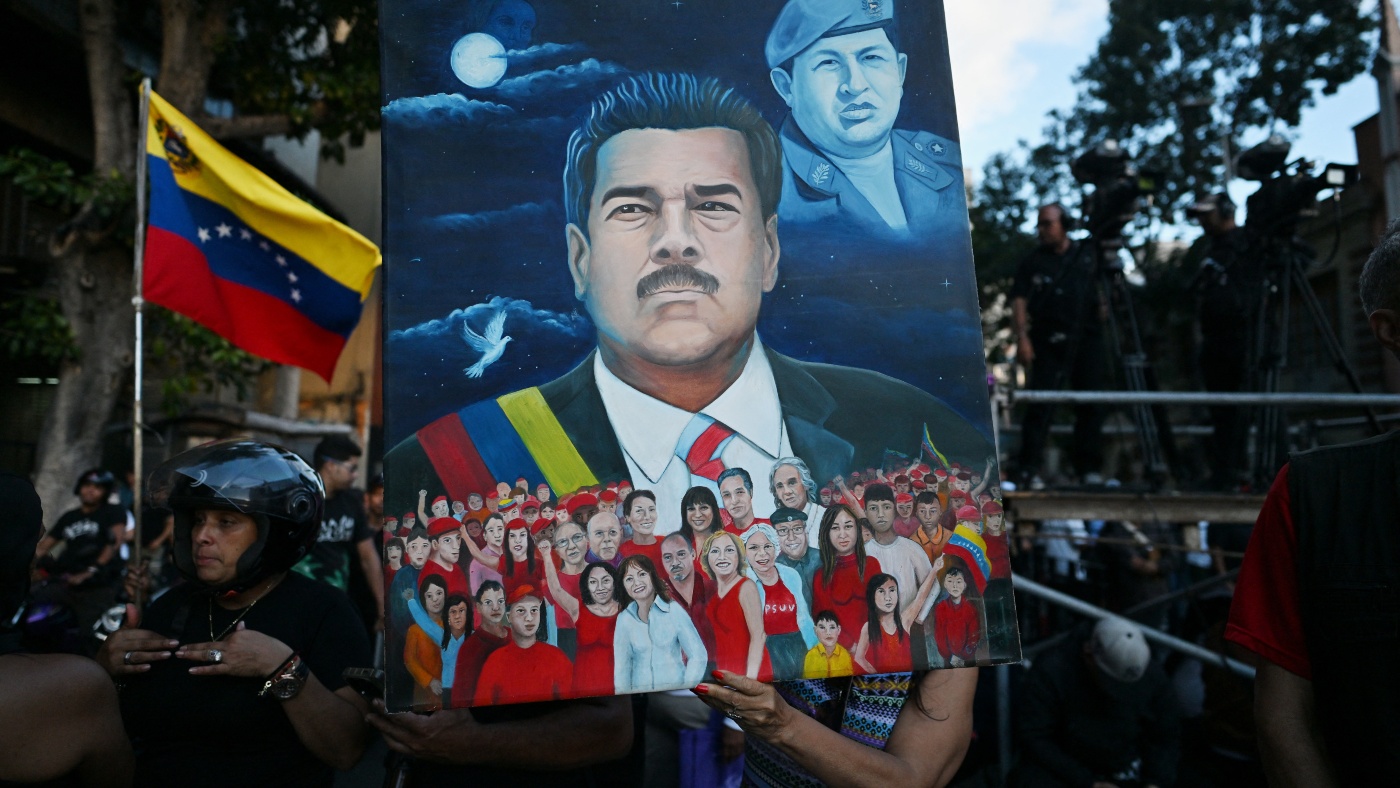
    A dramatic US military operation has resulted in the capture of Venezuelan President Nicolas Maduro and a mounting death toll, plunging the South American nation into a severe political crisis and drawing sharp international condemnation. According to a senior Venezuelan official cited by The New York Times, the casualty count has reached 80, encompassing both civilians and security personnel, with warnings that the number may yet increase.

    The assault commenced early Saturday when US special forces extracted Maduro from the presidential palace in Caracas. The operation was supported by American fighter jets, which conducted airstrikes on key military installations across Venezuela. In the power vacuum, the nation’s Supreme Court swiftly decreed that former Vice-President Delcy Rodriguez would assume interim control of the government.

    From her new position, Rodriguez delivered a televised address condemning the US intervention, characterizing it as an act of foreign aggression with ‘Zionist undertones.’ She issued a stark warning, stating, ‘The extremists who have promoted armed aggression against our country – history and justice will make them pay.’

    The US action has fractured the international community. While several European nations expressed relief at Maduro’s removal, they simultaneously questioned the operation’s legality. Spanish Prime Minister Pedro Sanchez captured this dichotomy, stating, ‘Spain did not recognise the Maduro regime. But neither will it recognise an intervention that violates international law.’ Conversely, the assault was met with near-universal condemnation from neighboring South American countries, including Brazil, Colombia, and Chile.

    The geopolitical stakes are immensely high, centered on Venezuela’s vast oil reserves—the largest in the world, estimated at 303 billion barrels. Following the capture, US President Donald Trump explicitly linked the intervention to economic gain, telling reporters, ‘We’re going to be taking out a tremendous amount of wealth out of the ground,’ and promising American companies greater access.

    US Secretary of State Marco Rubio outlined a strategy of an oil ‘quarantine,’ enforced by US naval power, to cripple Venezuela’s primary industry and force compliance with American demands. He framed the action as necessary to counter adversarial influence, declaring Venezuela an ‘operating hub for Iran, for Russia, for Hezbollah, for China’ in the Western Hemisphere. The US intends to block these nations, particularly China—the primary recipient of Venezuelan oil exports—and Russia, a key financial and technical partner, from extracting regional resources.

    The operation has triggered domestic unrest within Venezuela, with crowds of pro-government supporters marching through Caracas waving national flags and calling for unity against foreign aggression. Meanwhile, the move has been criticized as ‘illegal’ by US Democratic lawmakers, highlighting deep domestic political divisions over the administration’s aggressive foreign policy.

  • This Vietnamese town boomed as factories left China. Now it’s asking what’s next?

    This Vietnamese town boomed as factories left China. Now it’s asking what’s next?

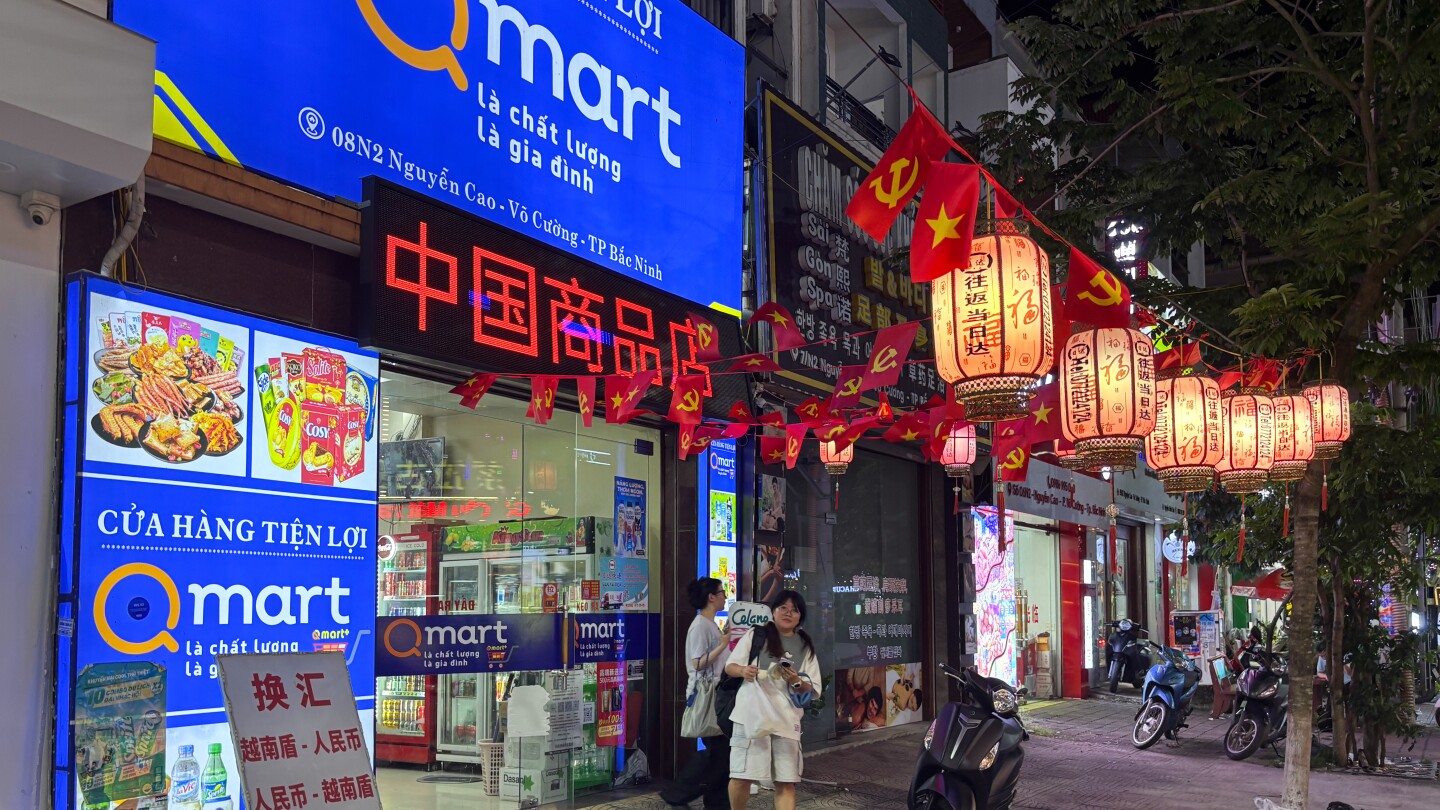
    BAC NINH, Vietnam — The northern Vietnamese city of Bac Ninh embodies both the remarkable opportunities and mounting challenges facing the nation’s manufacturing sector. Once celebrated for its rice paddies and traditional Quan Ho folk music, this urban center has transformed into one of Vietnam’s most dynamic industrial zones, driven by foreign investment accelerated by U.S.-China trade tensions.

    The city’s evolution began with Samsung’s landmark 2008 phone factory establishment, which positioned Vietnam as the tech giant’s largest offshore production base. More recently, Chinese manufacturers have flooded into Bac Ninh, diversifying their operations to circumvent U.S. tariffs and trade restrictions. These companies leverage Vietnam’s established electronics supply chains, competitive labor market, and supportive local governance, often facilitated by Chinese-speaking intermediaries who streamline administrative processes.

    However, Vietnam’s manufacturing miracle faces significant headwinds. Labor costs have surged 10-15% since 2024, creating recruitment challenges that threaten the ‘China plus one’ diversification strategy embraced by global corporations. Infrastructure limitations and rising operational expenses are exposing the constraints of Vietnam’s rapid industrial expansion.

    The nation confronts intensifying competition from regional rivals including Indonesia and the Philippines, both aggressively promoting themselves as alternative manufacturing hubs. The Philippines recently enacted legislation allowing foreign investors 99-year land leases to attract long-term industrial commitments.

    Despite these challenges, Vietnam continues to attract substantial foreign investment, with cumulative inflows reaching $28.5 billion by September, representing a 15% year-over-year increase. The country is pursuing an ambitious economic transformation, aiming to evolve from low-cost assembly operations to high-value manufacturing in electronics, pharmaceuticals, and clean energy equipment.

    National development strategies include significant infrastructure enhancements, such as new highways reducing travel time to the Chinese border and railway connections linking Hanoi to Haiphong port. In December, Bac Ninh initiated expansion of a high-tech industrial zone, part of a synchronized nationwide push involving 234 major projects valued at over $129 billion.

    Vietnam simultaneously seeks to diversify its export markets beyond the United States, targeting expanded trade with the Middle East, Latin America, Africa, and India. The country aims to achieve developed nation status by 2045, though this ambition will require navigating complex global supply chain dynamics, technological upgrading, and intensifying regional competition.

  • That’s some pricey fish: A glimpse into Japan’s New Year’s tuna auction

    That’s some pricey fish: A glimpse into Japan’s New Year’s tuna auction

    TOKYO — The predawn hours at Tokyo’s Toyosu fish market witnessed an extraordinary spectacle on Monday as a colossal bluefin tuna weighing 535 pounds (243 kilograms) commanded a historic $3.2 million (510 million yen) at the annual New Year’s auction. This unprecedented transaction shattered previous records, establishing a new pinnacle in the luxury seafood market.

    The prized specimen, harvested from the waters off Oma in northern Japan—a region renowned for producing supreme-quality tuna—was secured by Kiyomura Corp., led by owner Kiyoshi Kimura, who operates the acclaimed Sushi Zanmai restaurant chain. While hundreds of tuna are typically auctioned daily at the market, the celebratory nature of the New Year event and the exceptional quality of Oma tuna drive prices to significantly elevated levels.

    Associated Press photographer Louise Delmotte documented the event, capturing images of bidders navigating through rows of massive tuna during the traditional auction. The acquisition of such a premium catch symbolizes both status and commitment to culinary excellence within Japan’s competitive sushi industry, where premium ingredients command premium prices.