标签: Asia

亚洲

  • Erdogan conveys moderate criticism of Maduro abduction in Trump phone call

    Erdogan conveys moderate criticism of Maduro abduction in Trump phone call

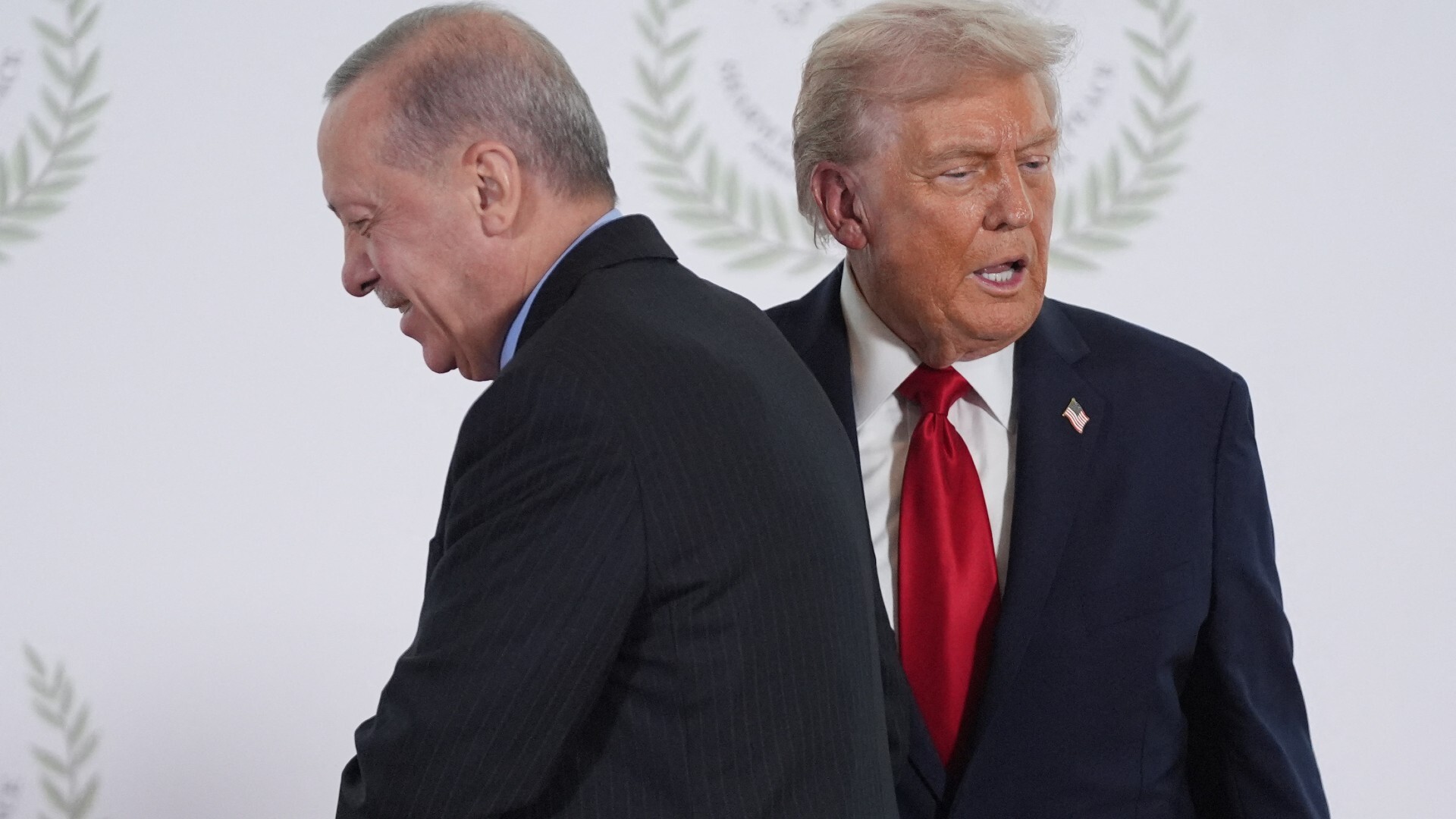
    Turkish President Recep Tayyip Erdogan has delivered a measured critique of the operation leading to Venezuelan President Nicolas Maduro’s capture, emphasizing Ankara’s firm stance against violations of international law. Speaking after a cabinet meeting on Monday, Erdogan declared that Turkey “does not condone any action that violates international law,” characterizing such breaches of national sovereignty as “risky steps” with potential for severe global complications.

    The Turkish leadership had maintained a reserved posture over the weekend, limiting its response to a concise foreign ministry statement advocating for Venezuela’s stability. Erdogan himself avoided public commentary despite multiple opportunities, a silence that opposition leader Ozgur Ozel interpreted as apprehension toward angering U.S. President Donald Trump, with whom Erdogan has fostered a notably cordial relationship.

    Erdogan confirmed addressing the Venezuela situation directly during a Monday phone discussion with President Trump, stating he had “clearly conveyed our country’s sensitivities” and stressed that “Venezuela must not be driven into instability.” He described the event leading to Maduro’s capture as profoundly “saddening” and reaffirmed the strong bilateral ties between the nations, noting that “President Maduro and the Venezuelan people have repeatedly shown that they are friends of our nation.” He pledged Turkey’s continued support for Venezuela.

    This political drama unfolded alongside reports from The New York Times indicating a rising death toll from the associated military operations, now estimated at 80, including civilians and security personnel. U.S. special forces reportedly extracted Maduro from Caracas early Saturday amidst airstrikes on Venezuelan military sites.

    Venezuela’s newly appointed interim leader, Delcy Rodriguez, who previously served as vice president, has decried the operation, alleging it possesses “Zionist undertones” and has shocked governments worldwide. Meanwhile, Maduro has made an initial appearance in a U.S. court, pleading not guilty to a litany of charges including narco-terrorism conspiracy and weapons offenses. His wife, Cilia Flores, abducted with him, faces separate accusations related to kidnapping, murder, and corruption.
  • Strong earthquake hits western Japan but no risk of tsunami

    Strong earthquake hits western Japan but no risk of tsunami

    A substantial seismic event registering a preliminary magnitude of 6.2 rattled the Shimane prefecture in northwestern Japan on Tuesday, according to official reports from the Japan Meteorological Agency. The inland tremor, originating at a depth of approximately 10 kilometers (6.2 miles), prompted significant shaking across the region’s urban centers, most notably in the prefectural capital of Matsue and surrounding municipalities extending into adjacent Tottori prefecture.

    Authorities swiftly confirmed the absence of tsunami risk following the seismic activity, providing immediate reassurance to coastal communities. Initial assessments conducted by emergency response teams indicated no immediate reports of structural damage or injuries resulting from the earthquake.

    In a critical safety update, Japan’s Nuclear Regulation Authority verified that comprehensive monitoring systems detected no abnormalities at the Shimane nuclear power facility and its associated installations within the affected zone. This announcement came as particular relief given Japan’s heightened seismic awareness following previous nuclear incidents.

    The seismic occurrence highlights Japan’s ongoing vulnerability to tectonic activity as a nation situated along the seismically active Pacific Ring of Fire—a geographic zone renowned for concentrated volcanic and earthquake activity spanning the Pacific Ocean basin. Japan’s advanced early warning systems and robust infrastructure protocols were effectively demonstrated through this event, showcasing the nation’s preparedness for such geological phenomena.

  • ‘I am innocent’: Maduro makes first appearance in US court

    ‘I am innocent’: Maduro makes first appearance in US court

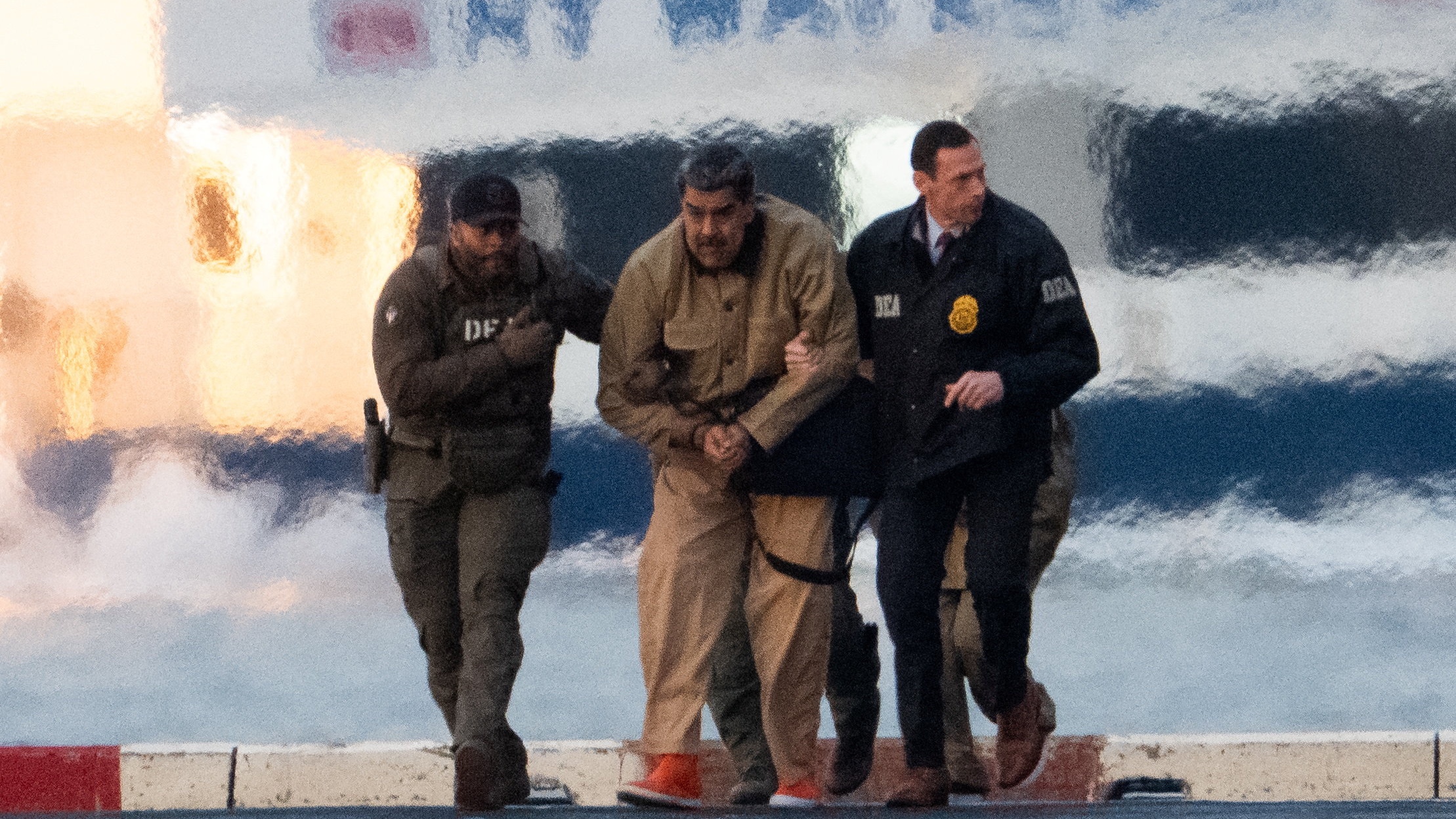
    In a dramatic federal court appearance in New York on Monday, Venezuelan President Nicolas Maduro entered a plea of not guilty to multiple charges following what his government describes as an illegal abduction by U.S. forces. The proceedings marked an unprecedented moment in international relations as a sitting head of state stood shackled before a American magistrate.

    Maduro, appearing in prison attire and speaking through an interpreter, asserted his presidential status and declared his innocence before 92-year-old Judge Alvin Hellerstein. “I was kidnapped,” Maduro stated emphatically. “I am a decent man and I am innocent.”

    The extraordinary events began in the early hours of Saturday when U.S. special forces allegedly extracted Maduro from Caracas in a operation that included airstrikes on Venezuelan military installations. According to Venezuelan officials, the military action resulted in at least 80 casualties among both security forces and civilians.

    U.S. Attorney General Pam Bondi presented charges including Narco-Terrorism Conspiracy, Cocaine Importation Conspiracy, and weapons-related offenses dating back to a 2020 indictment originally filed during the Trump administration. The unsealed documents also implicated Maduro’s wife, Cilia Flores, and their son in alleged drug trafficking operations, with additional accusations of Flores ordering kidnappings and murders.

    Both Maduro and Flores pleaded not guilty to all charges. The court granted consular access to the Venezuelan citizens and scheduled their next appearance for March 17. Observers noted visible injuries on Flores, prompting her legal representation to request medical attention.

    The international community responded with sharp divisions. Russia condemned the operation as “an act of armed aggression,” while Iran denounced the “flagrant violation of national sovereignty.” Colombian President Gustavo Petro rejected the aggression against Venezuelan sovereignty, calling for immediate UN and OAS consultations.

    European responses proved more measured. EU diplomat Kaja Kallas stopped short of condemnation, instead reiterating that “Maduro lacks legitimacy” while emphasizing the need to respect international law. Germany expressed “great concern” and Spain called for de-escalation.

    Venezuela’s acting president, Delcy Rodriguez, characterized the operation as having “Zionist undertones” and accused the United States of seeking to seize Venezuela’s strategic resources, particularly its oil and mineral wealth.

    The case represents a remarkable escalation in the long-standing tensions between the United States and Venezuela, setting potentially far-reaching precedents for international law and the treatment of sitting heads of state.

  • Air India looks for new CEO to replace Campbell Wilson, sources say

    Air India looks for new CEO to replace Campbell Wilson, sources say

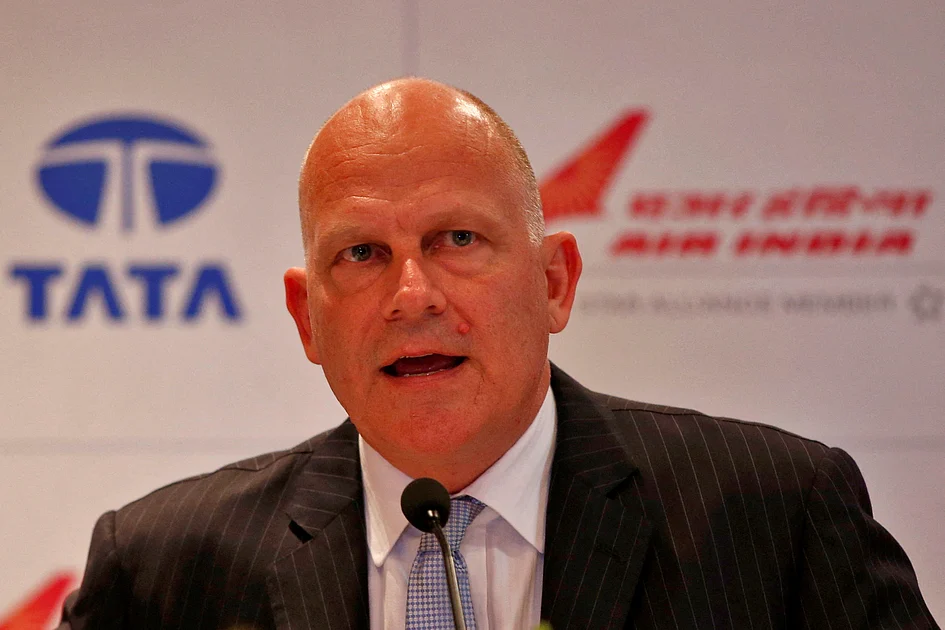
    Air India’s board has commenced an executive search to replace current CEO Campbell Wilson, according to sources familiar with the matter. The leadership transition comes as the airline faces mounting pressure regarding operational performance and safety protocols following last year’s catastrophic aviation incident that resulted in 260 fatalities.

    Wilson, who assumed leadership in July 2022 following Air India’s privatization, brought 26 years of experience from Singapore Airlines where he held senior positions across both the flagship carrier and its budget subsidiary Scoot. Despite his contract extending through mid-2027, industry insiders indicate that majority owner Tata Group has expressed dissatisfaction with the airline’s performance under his stewardship.

    The aviation regulatory authorities have identified multiple operational deficiencies in recent months, including aircraft operating without proper emergency equipment verification, delayed engine part replacements, maintenance record irregularities, and inadequate crew fatigue management systems. These findings emerged during investigations into what became the deadliest aviation disaster witnessed globally in the past decade.

    N. Chandrasekaran, who chairs both Air India and parent company Tata Group, has reportedly initiated discussions with chief executives from at least two major international carriers based in the United Kingdom and United States as potential successors. The Economic Times first reported these developments, noting that similar leadership changes may extend to Air India Express, the group’s low-cost carrier division.

    Tata Group acquired the previously state-owned, loss-making airline in 2022 through a privatization initiative aimed at revitalizing the carrier. Despite substantial investments toward fleet modernization and route expansion, the transformation effort has encountered significant challenges including aircraft delivery delays, refurbishment setbacks, and persistent operational complications.

    Neither Tata Group, Singapore Airlines (which maintains a 25% stake in Air India), Air India management, nor Wilson have provided official comments regarding the leadership transition proceedings.

  • Trump warns of higher tariffs on India over Russian oil purchases

    Trump warns of higher tariffs on India over Russian oil purchases

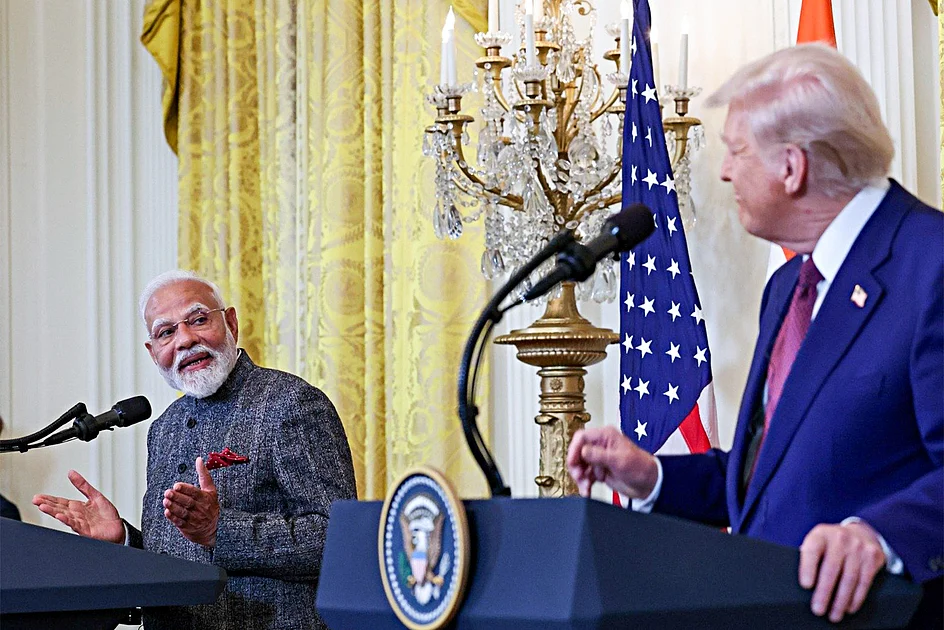
    Former President Donald Trump has issued a stark warning to India regarding potential escalation of trade tariffs should New Delhi fail to address Washington’s concerns over its continued purchases of Russian oil. The remarks, delivered aboard Air Force One on Sunday, signal heightened tensions in bilateral trade relations that have been under negotiation for months.

    Trump acknowledged Indian Prime Minister Narendra Modi as ‘a good guy’ while simultaneously emphasizing the urgency of resolving the oil import issue. ‘He knew I was not happy, and it was important to make me happy,’ Trump stated, adding that the U.S. possesses the capability to ‘raise tariffs on them very quickly’ if satisfactory progress isn’t achieved.

    This development follows the United States’ decision last year to double import tariffs on Indian goods to 50 percent—a punitive measure directly linked to India’s substantial acquisitions of Russian crude. The existing tariffs have already impacted specific sectors, with India’s technology stock index experiencing a 2.5 percent decline to its lowest point in over a month as investors grow concerned about prolonged trade uncertainties.

    Republican Senator Lindsey Graham, traveling with Trump and supporting legislative measures that could impose tariffs of up to 500 percent on nations purchasing Russian oil, framed the issue in geopolitical terms. ‘If you are buying cheap Russian oil, you keep Putin’s war machine going,’ Graham asserted, indicating that proposed legislation aims to empower the president with stronger economic leverage.

    Trade analysts caution that India’s current ambiguous positioning may weaken its negotiating stance. Ajay Srivastava of the Global Trade Research Initiative noted that while Indian refiners have reduced Russian oil imports following sanctions, purchases haven’t ceased entirely, creating what he describes as a ‘strategic grey zone.’ Srivastava warned that even complete compliance might not alleviate U.S. pressure, which could subsequently shift to other trade demands.

    Despite these challenges, India’s exports to the U.S. demonstrated surprising resilience with a significant increase recorded in November 2025, though overall shipments declined by more than 20 percent between May and November. The Indian government has implemented monitoring measures, requiring refiners to provide weekly disclosures of Russian and U.S. oil purchases to address American concerns.

    Diplomatic engagements continue, with Modi and Trump having held at least three discussions since the imposition of tariffs, and commerce officials from both nations meeting last month. However, these talks have yet to yield a conclusive agreement, leaving trade relations in a state of precarious uncertainty.

  • Trump’s Venezuela gambit tests investor appetite for geopolitical risk

    Trump’s Venezuela gambit tests investor appetite for geopolitical risk

    Financial markets are navigating a complex landscape of geopolitical uncertainty following the unprecedented U.S. military intervention in Venezuela that resulted in the capture of President Nicolas Maduro. While initial market reactions remained remarkably subdued, analysts warn that investors might be underestimating the broader implications of President Trump’s aggressive foreign policy shift across Latin America.

    The relative market calmness following Maduro’s capture stems primarily from Venezuela’s diminished role in global oil markets, with current production representing a negligible portion of worldwide output. Energy analysts note that restoring Venezuela’s oil industry would require substantial investment and several years of development, limiting immediate impact on global energy supplies.

    However, the strategic implications extend far beyond oil markets. Trump’s subsequent threats toward five additional countries within a 72-hour period—including Colombia and Mexico—signal a fundamental transformation in U.S. foreign policy approach. This represents the most direct military intervention in Latin America since the 1989 invasion of Panama, marking a dramatic escalation in geopolitical risk assessment.

    Market strategists observe that while defense sector stocks are likely to benefit from increased military spending expectations, the U.S. dollar’s status as a safe-haven currency faces challenges amid heightened policy uncertainty. The dollar index, coming off its worst annual performance since 2017, showed only modest strengthening despite the geopolitical developments.

    The Venezuela intervention has prompted serious concerns among international investors regarding potential parallel actions toward China’s stance on Taiwan and possible regime change initiatives in Iran. Nevertheless, regional analysts note that current circumstances differ significantly, with no immediate indications of comparable escalation patterns in Asian geopolitical tensions.

    Investment experts suggest that markets have gradually adapted to geopolitical volatility as a persistent feature rather than an exceptional circumstance. The focus remains on fundamental drivers including interest rates, corporate earnings, and portfolio positioning, unless supply chain disruptions emerge from broader regional instability.

    This event represents the first significant geopolitical test for financial markets in 2026, following a year characterized by substantial gains despite ongoing trade tensions, central bank policy uncertainties, and simmering international conflicts.

  • Travis Head’s third century of the series lifts Australia to 281-3 at lunch on Day 3

    Travis Head’s third century of the series lifts Australia to 281-3 at lunch on Day 3

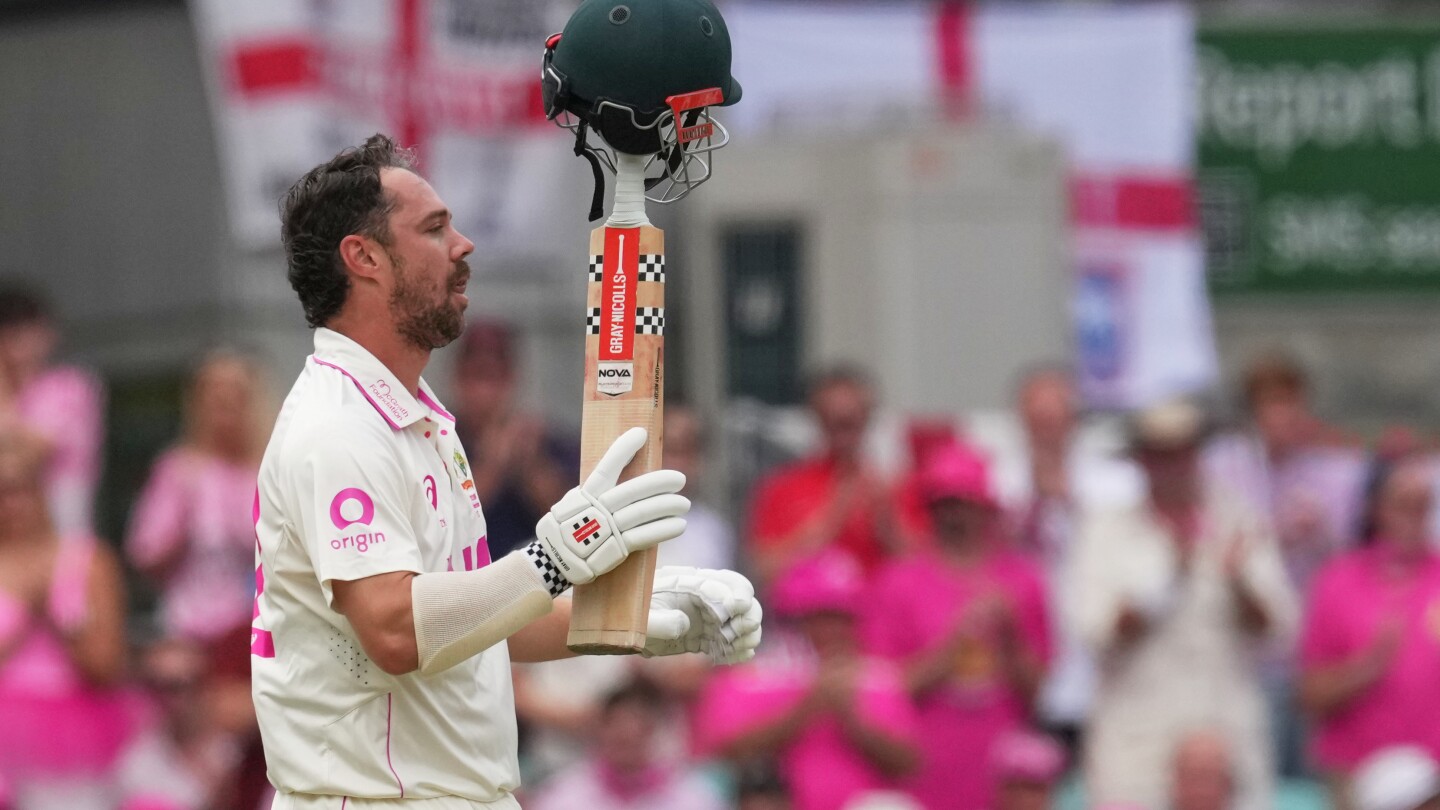
    Australian opener Travis Head delivered a spectacular batting performance on Day 3 of the final Ashes Test at Sydney Cricket Ground, smashing an unbeaten 162 runs to propel Australia to 281-3 at lunch. The left-handed batsman’s magnificent innings significantly reduced England’s first-innings advantage to just 103 runs.

    Head’s century marked his third of the series, achieving the milestone from 105 deliveries and joining an elite group of Australian openers. He became the first since Matthew Hayden in the 2002-03 series to score three centuries in an Ashes contest. The 32-year-old showcased aggressive yet calculated batting, particularly dominating after reaching triple figures with three consecutive boundaries in Matthew Potts’ over.

    England’s fielding woes continued throughout the morning session, with Will Jacks dropping Head twice—first on 121 at mid-wicket and later missing a difficult return catch just before lunch. These missed opportunities represented England’s 12th and 13th dropped catches of the series. Nightwatchman Michael Neser contributed a resilient 24 from 90 deliveries before being caught behind off Brydon Carse’s bowling, ending a 72-run partnership with Head.

    England faced additional challenges with their Decision Review System allocations, exhausting all three reviews on an unsuccessful lbw appeal against Neser. Steve Smith remained not out on 16 at the interval, with Australia showing determined resistance after England’s drought-breaking victory in Melbourne.

    Head’s celebration upon reaching his century—swinging his bat ceremoniously and raising his helmet to the appreciative SCG crowd—highlighted the significance of his achievement. His previous centuries in Perth and Adelaide had been instrumental in Australia retaining the Ashes, and his current innings demonstrates his successful transition to a permanent opening role after being elevated from number five due to Usman Khawaja’s injury.

  • The Middle East’s new year is as unhappy and fractured as ever

    The Middle East’s new year is as unhappy and fractured as ever

    Historical precedents never suggested that achieving lasting stability in the Middle East would be straightforward. Yet the rapid deterioration of the Israel-Hamas ceasefire agreement brokered by President Donald Trump just three months ago presents a sobering reality check. What was hailed as a diplomatic breakthrough has given way to renewed violence and political fragmentation across the region.

    The Gaza ceasefire, which required Hamas to disarm, has proven predictably unworkable. Approximately 400 casualties have been recorded since the agreement took effect, as the militant group maintains its arsenal while facing continued Israeli military operations. The absence of any new security authority or governance structure has left a vacuum filled by ongoing violence. Israel’s recent ban on 37 humanitarian organizations from operating in Gaza, citing non-compliance with new regulations, has further exacerbated tensions.

    More concerning still is the emerging rift between key Arab powers. Saudi Arabia and the United Arab Emirates, traditionally aligned Gulf partners, now support opposing factions in Yemen and Sudan’s civil conflicts—both of which have proven deadlier than the Gaza hostilities. The December 30th bombing of an Emirati weapons shipment by Saudi forces in Yemen demonstrates how regional cooperation has unraveled. This fragmentation threatens any prospect of unified Arab support for Palestinian statehood.

    Iran presents a complex picture of internal unrest amid external aggression. Widespread protests against economic deterioration and government repression have weakened the regime, which continues to fuel conflicts through proxy groups across the region. Though diminished by strikes on its nuclear facilities and proxy defeats, Iran maintains financial channels through weapons sales to Russia. President Trump’s threatened intervention to support Iranian protesters adds another layer of uncertainty to regional dynamics.

    European nations that recently recognized Palestinian statehood now bear responsibility for advancing concrete plans for its realization. Countries including Britain, France, Spain and Ireland must leverage their diplomatic influence at the United Nations and with regional partners to push for viable solutions. While the Trump administration maintains primary influence, European diplomacy could play a crucial role in mediating Arab differences and balancing unconditional support for Israel.

    The path forward requires concerted pressure on all parties—from Gulf states to Israel and Hamas—to transform fragile ceasefires into durable political solutions. Though the challenges remain formidable, coordinated international engagement represents the only alternative to perpetual conflict.

  • Ancient healing, modern holistic wellness to take centre stage in Dubai on February 15-17

    Ancient healing, modern holistic wellness to take centre stage in Dubai on February 15-17

    Dubai is positioning itself as a global nexus for integrative medicine with the upcoming 3rd International AYUSH Conference & Exhibition, scheduled for February 15-17, 2026 at the Dubai World Trade Centre. The event marks a significant advancement in the United Arab Emirates’ strategy to incorporate ancient healing methodologies into its contemporary healthcare infrastructure.

    Organized by the Science India Forum and World Ayurveda Foundation under the patronage of India’s Ministry of AYUSH and the Consulate General of India in Dubai, the conference will assemble wellness brands, practitioners, and medical institutions from across the globe. The gathering will showcase traditional medical systems—Ayurveda, Yoga, Naturopathy, Unani, Siddha, Sowa-Rigpa, and Homeopathy—and their modern applications through technological innovation and scientific research.

    Ahmed Ibrahim Musabih, President of the UAE Yoga Committee, revealed that formal memoranda of understanding will be signed during the event to strengthen collaboration between AYUSH practitioners and UAE health authorities including the Dubai Health Authority and Ministry of Health. This institutional partnership aims to bridge existing gaps in healthcare integration and foster future research initiatives.

    The conference’s scale underscores its importance: over 100 exhibitors, 75 invited talks, 250 oral presentations, and more than 1,200 delegates from 35 countries. Participants will include AYUSH pharmaceutical companies like Himalaya and Dabur, wellness brands, educational organizations, research laboratories, and manufacturers of herbal processing machinery and medical devices.

    Dr. V.L. Shyam, General Secretary of the Organizing Committee, emphasized the philosophical alignment between AYUSH principles and Dubai’s sustainability goals: “AYUSH represents the epitome of sustainability by addressing fundamental questions about creating and maintaining population health.”

    Beyond healthcare, the event highlights the substantial economic ecosystem surrounding traditional medicine. Satish Kumar Shivan, Consul General of India in Dubai, noted the dual focus on medical outreach and trade expansion: “There is a significant economy built around the AYUSH tradition, and this event provides crucial global market access for manufacturers and producers.”

    The conference reflects growing recognition of holistic health models that address both physical and mental wellbeing. Dr. Easa Bastaki, President and CEO of Dubai University, stated: “AYUSH encompasses everything—not just the body, but also the mind and overall wellbeing. This event represents a collaborative effort to create a comprehensive and deeply integrated healthcare system.”

  • The ‘magical’ blue flower changing farmers’ fortunes in India

    The ‘magical’ blue flower changing farmers’ fortunes in India

    A quiet agricultural revolution is unfolding across rural India as the vibrant blue butterfly pea flower transforms from a common wild vine into a valuable commercial commodity. This botanical species, scientifically known as Clitoria ternatea and locally called aparajita, has become the foundation of an emerging natural dye industry that empowers farmers and entrepreneurs alike.

    In the northeastern state of Assam, Nilam Brahma represents this transformation. What began as casual flower harvesting has evolved into a formal enterprise. ‘My initial earnings of $50 from dried flowers delivered an electric shock of possibility,’ Brahma recounts. Her subsequent investment in solar drying technology enabled quality preservation and business expansion, demonstrating how traditional knowledge can merge with modern agricultural practices.

    This botanical renaissance responds to growing international demand for natural colorants. Varshika Reddy, founder of THS Impex export company, observes: ‘The global appetite for natural ingredients is exploding, driven by regulatory shifts and consumer preferences.’ The 2021 FDA approval of butterfly pea as a food additive in the United States created significant market opportunity, though European authorities maintain caution regarding its novel food status.

    Despite regulatory variations, Indian entrepreneurs recognize the flower’s potential. Nitesh Singh, founder of Blue Tea near Delhi, describes his seven-year journey developing supply chains: ‘Initially, we imported superior varieties because domestic flowers lacked sufficient pigment retention.’ Through persistent farmer education and quality control implementation, Singh now collaborates with 600 growers nationwide.

    The production process reveals why this crop particularly benefits rural women. Singh explains: ‘Women possess naturally softer hands and intuitive understanding of delicate harvesting techniques.’ Their dominance in flower plucking creates meaningful employment opportunities in agricultural communities.

    Post-harvest handling requires precise temperature control during drying. ‘One error destroys both medicinal properties and color value,’ Singh emphasizes. The technical complexity necessitates close collaboration between farmers and processing experts.

    Emerging research suggests potential health benefits that could further boost market prospects. Dr. V Supriya of Sri Ramachandra Institute reports promising findings: ‘Our preliminary study on pre-diabetic subjects showed improved sugar control with butterfly pea consumption.’ While acknowledging need for more comprehensive human trials, researchers note the flower’s rich antioxidant properties.

    West Bengal farmer Pushpal Biswas exemplifies the crop’s transformative impact: ‘From struggling with traditional crops, I’ve expanded my land holdings through butterfly pea cultivation.’ His production increased 60% using scientific methods, creating ripple effects through local economies. ‘This has evolved beyond farming into a community business network,’ Biswas concludes.

    The butterfly pea’s journey from backyard ornamental to commercial commodity demonstrates how global trends in natural products can create sustainable livelihoods while preserving agricultural heritage.