标签: Asia

亚洲

  • Private developer to revive Dubai’s ‘Big Ben’ tower, but without clock

    Private developer to revive Dubai’s ‘Big Ben’ tower, but without clock

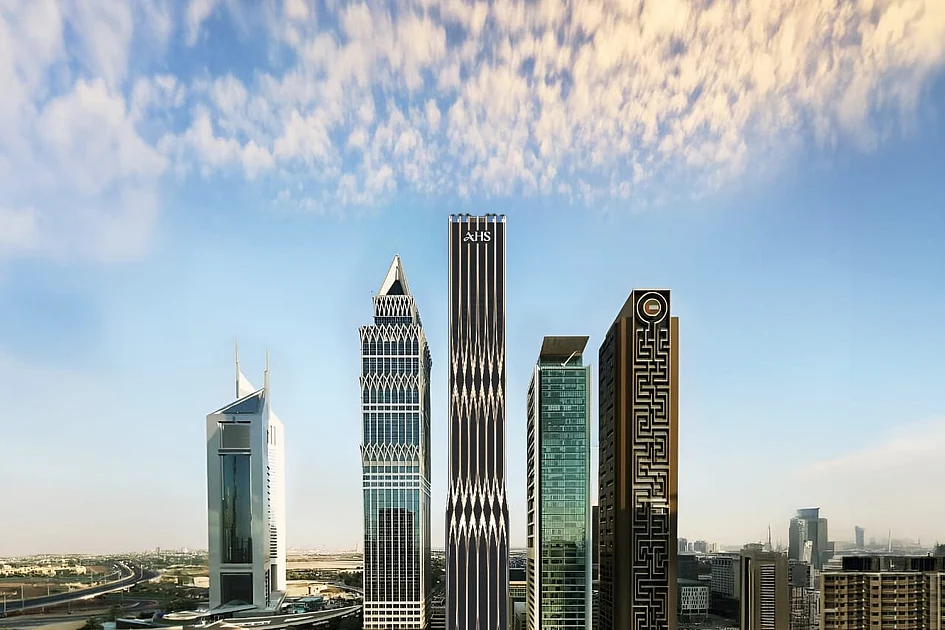
    Dubai’s skyline is set to gain a revitalized landmark as private developer AHS Group moves forward with the transformation of the formerly nicknamed ‘Big Ben’ tower. Acquired from the Commercial Bank of Dubai in July 2025 for approximately $120 million (Dh440.4 million), the 70-floor structure is undergoing comprehensive redevelopment with an anticipated opening in Q1 2027.

    Abbas Sajwani, Founder and CEO of AHS Group and board member of Damac Group, revealed that the project’s strategy evolved significantly following Dubai’s regulatory changes. Initially conceived as a leasehold property acquisition for the company’s rental portfolio, the introduction of new freehold regulations on Sheikh Zayed Road prompted a shift to strata sales. The development witnessed remarkable market reception, with 95% of units selling within weeks of launch.

    The architectural redesign will notably exclude the clock feature that originally inspired the tower’s colloquial name. Sajwani explained this decision stems from a comprehensive facade renovation intended to establish a distinct identity for the newly christened AHS Tower. Despite standing over 200 meters tall, the building will forego its London-inspired timekeeping element in favor of a contemporary glass exterior.

    Strategic location advantages played a pivotal role in the acquisition decision. The tower offers panoramic views of Dubai’s most prominent landmarks including the Dubai International Financial Centre (DIFC), Museum of the Future, Burj Khalifa, and coastal vistas. The existing structural completeness provides significant time advantages compared to ground-up construction projects.

    The redevelopment specifically targets Dubai’s shortage of premium office spaces. AHS Tower will incorporate extensive luxury amenities including a private members club, comprehensive business center, two-story spa facility with sauna and steam rooms, indoor swimming pool, cigar lounge, indoor garden, full-floor fitness center, and a triple-height lobby area.

    Sajwani additionally disclosed AHS Group’s substantial expansion plans, with multiple projects totaling over $12 billion (Dh44 billion) in gross development value scheduled for launch throughout 2026.

  • China bans exports to Japan of dual-use goods that could enhance Tokyo’s military power

    China bans exports to Japan of dual-use goods that could enhance Tokyo’s military power

    In a significant escalation of economic measures, China’s Ministry of Commerce announced Tuesday the implementation of comprehensive export restrictions on dual-use technologies to Japan. The new regulations specifically prohibit shipments of goods with potential military applications to Japanese military entities and any end-users that could contribute to enhancing Japan’s defense capabilities.

    The policy directive, issued without detailed product specifications, primarily targets advanced technological equipment including drone systems and navigation technology that possess civilian-military conversion potential. The ministry emphasized that any individual or organization found transferring these Chinese-manufactured products to Japanese recipients would face legal consequences, regardless of their geographical location.

    This development occurs against the backdrop of deteriorating Sino-Japanese relations, which intensified following recent statements by Japanese Prime Minister Sanae Takaichi regarding potential military intervention in Taiwan-related scenarios. Additional friction emerged in December when Japanese authorities reported incidents of Chinese military aircraft activating targeting radar against Japanese fighter jets.

    Concurrently, Japan has been advancing substantial military modernization efforts, including plans to double annual defense expenditures to address perceived regional security challenges. China’s latest move coincides with its recent large-scale military exercises around Taiwan, which Beijing characterized as warnings against separatist tendencies and external interference.

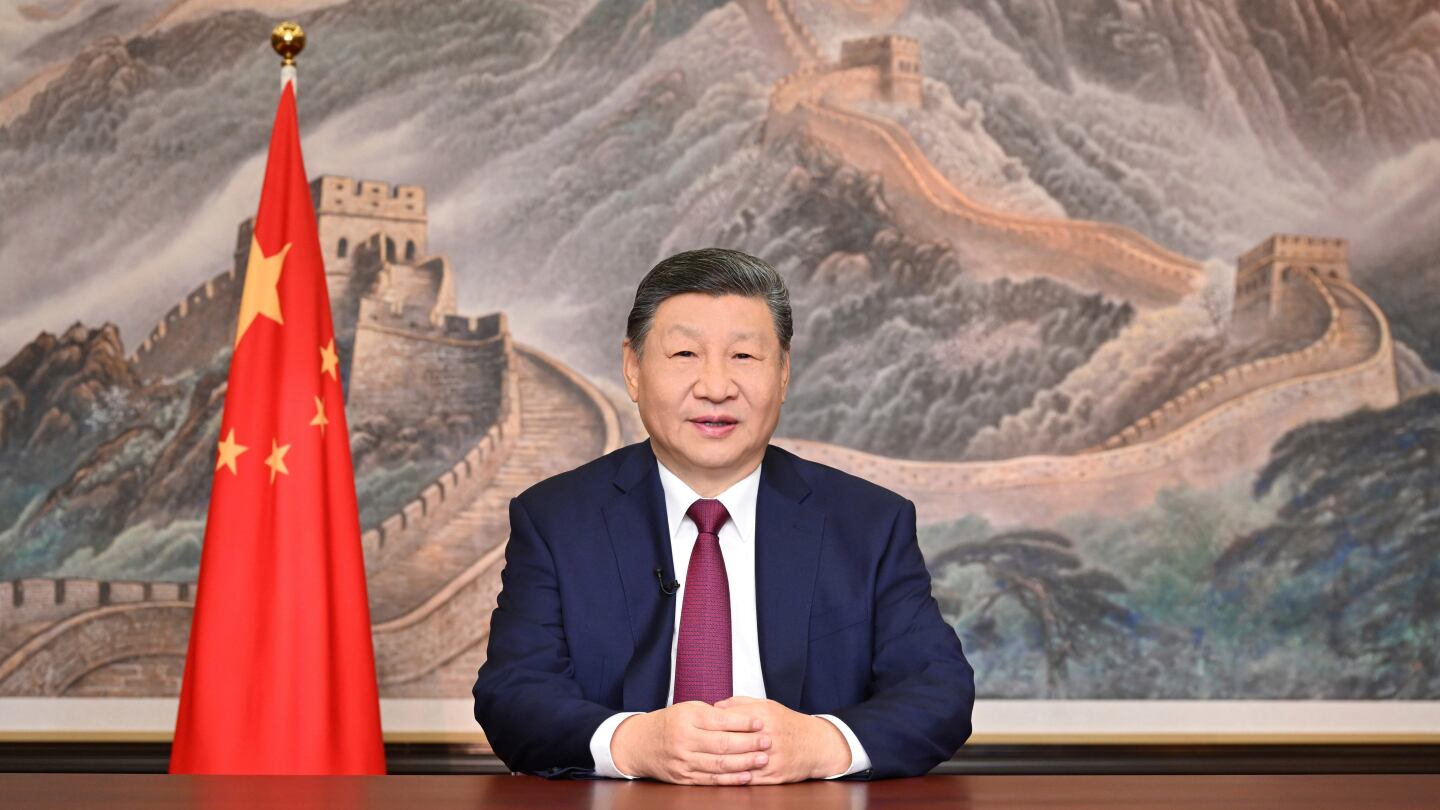
    During diplomatic engagements in Beijing, Chinese leadership has reinforced historical narratives, with President Xi Jinping invoking World War II alliances during meetings with South Korean President Lee Jae Myung, emphasizing collective responsibility in preserving postwar regional stability.

  • SPC decries child abuse by families

    SPC decries child abuse by families

    In a groundbreaking judicial intervention, China’s Supreme People’s Court has issued a forceful condemnation of domestic violence against minors, establishing child welfare as the paramount consideration in family education and legal proceedings. The court’s position emerged from a distressing case involving a 15-year-old girl, identified pseudonymously as Xiao Yu, who suffered systematic physical abuse from her mother and stepfather under the guise of disciplinary measures.

    The case revealed that Xiao Yu, who lost her biological father at a young age, contacted authorities after enduring repeated violent incidents. Police investigations confirmed the couple routinely employed physical restraint and violence under the pretense of education, resulting in the teenager exhibiting signs of depression. In an unprecedented response, law enforcement successfully petitioned for a personal safety protection order on her behalf.

    Judicial authorities mandated multiple protective measures: the stepfather was ordered to vacate the family residence, both parents were prohibited from any contact with the victim, and local police and community organizations were tasked with ongoing monitoring. The court additionally sentenced the mother to six months of compulsory family education guidance in coordination with prosecutors.

    The ruling highlighted critical familial dysfunctions, noting the mother’s profound failure to provide emotional support and recognize her daughter’s psychological needs, while condemning the stepfather’s erroneous belief that violence constituted legitimate parenting. This environment, the court found, prevented healthy guardian-child relationships and exacerbated domestic conflicts.

    Beyond immediate protections, the judiciary emphasized that legal orders alone provide only temporary solutions. The court advocated for comprehensive approaches addressing root causes of family violence through parental education and behavioral correction. Psychological research cited in the ruling indicated children raised in violent households often perpetuate cycles of abuse, either as perpetrators or victims, with excessively harsh discipline frequently replicating across generations.

    The case represents one of six significant rulings recently publicized by the Supreme People’s Court demonstrating strengthened enforcement of China’s Family Education Promotion Law and Law on the Protection of Minors. Other cases addressed school bullying and support for children of incarcerated parents, reflecting the judiciary’s expanded commitment to minor protection through coordinated legal and social support mechanisms.

  • Mediation hopes rise in Yemen

    Mediation hopes rise in Yemen

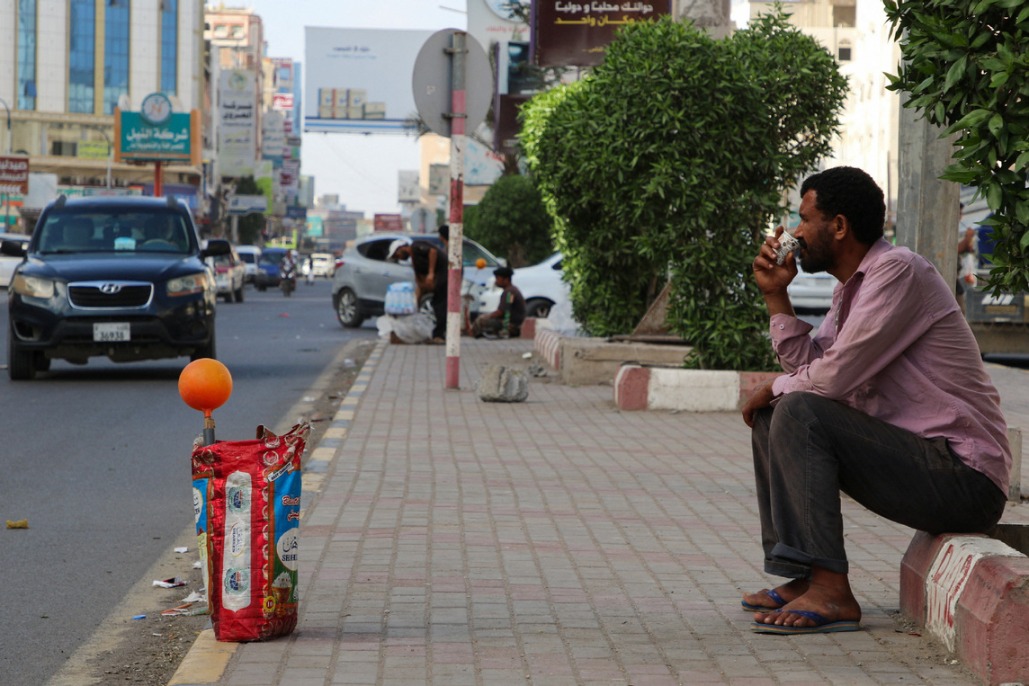
    Amid intensifying hostilities in Yemen’s prolonged civil war, Turkey has positioned itself as a potential mediator to facilitate dialogue between warring factions. The diplomatic initiative comes as fighting between Saudi-backed government forces and UAE-supported separatists has resulted in significant casualties, with at least 80 fighters from the Southern Transitional Council (STC) killed since recent clashes began.

    Turkish President Recep Tayyip Erdogan communicated directly with Saudi Crown Prince Mohammed bin Salman on Sunday, expressing Ankara’s readiness to contribute to reconciliation efforts. The presidential office stated that Turkey is closely monitoring Yemeni developments and emphasized the critical importance of preserving Yemen’s territorial integrity.

    This diplomatic overture follows Saudi Arabia’s invitation to southern factions for negotiations in Riyadh—a proposal that received positive reception from the STC. The willingness to engage in dialogue suggests all parties may be considering negotiated settlements as the ultimate solution to the current hostilities.

    The recent escalation began when government forces, supported by Saudi Arabia, launched operations to reclaim territories seized by the STC in Hadramout Governorate. Saudi-backed National Shield Forces successfully retook the strategic port city of Mukalla, with Associated Press footage showing local residents welcoming government troops as they patrolled streets in armored vehicles.

    Despite these military developments, tensions remain high. Yemen’s Presidential Leadership Council has accused the STC of blockading Aden port and warned of taking “all necessary measures” after recapturing eastern territories. The STC denied these allegations, though the exchange demonstrates persistent hostility despite diplomatic proposals.

    The current conflict escalation traces to last month when STC forces captured substantial portions of Hadramout and Al-Mahrah governorates—regions containing Yemen’s remaining energy resources and bordering Saudi Arabia. In response, Riyadh intensified its military support for the internationally recognized government, conducting extensive air and ground operations.

    Yemen’s civil war, ongoing since Houthi forces captured Sanaa in 2014, has been further complicated by the STC’s formation in 2017. The separatist group seeks self-determination for southern Yemen and has maintained its sovereignty agenda despite joining the coalition government in 2022, resulting in recurring disputes over power-sharing and resource control.

  • Senior official highlights ideological guarantee, spiritual strength for Chinese modernization

    Senior official highlights ideological guarantee, spiritual strength for Chinese modernization

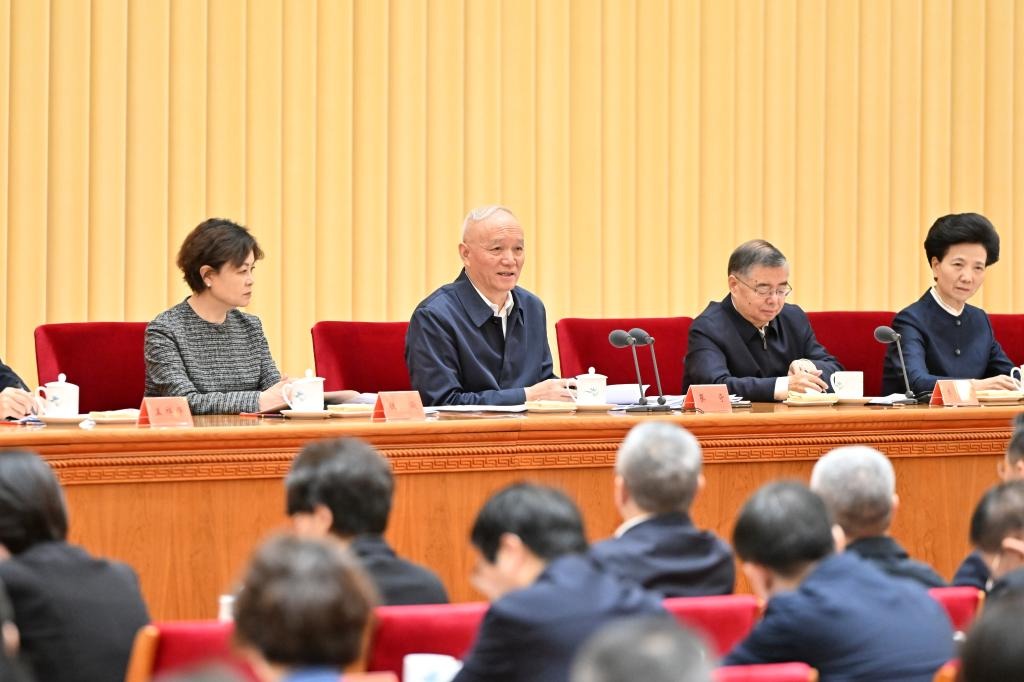
    In a significant national meeting of propaganda officials convened in Beijing on January 5, 2026, senior Communist Party of China official Cai Qi articulated the crucial role of ideological work in supporting China’s modernization objectives. The high-level gathering brought together publicity officials from across the nation to coordinate strategic communications efforts.

    Cai Qi, who serves on the Standing Committee of the Political Bureau of the CPC Central Committee and as a member of the Secretariat, outlined five priority areas for the country’s propaganda work. These include intensifying the study and dissemination of the Party’s theoretical innovations, strengthening the Party’s capacity to guide public opinion, promoting socialist core values, developing cultural services and industries, and enhancing the global influence of Chinese civilization.

    The senior leader emphasized that these efforts would provide essential ideological assurance, spiritual motivation, and favorable cultural conditions for achieving national rejuvenation through Chinese modernization. Specifically, he highlighted the importance of establishing a robust foundation during the initial phase of China’s 15th Five-Year Plan period (2026-2030).

    Cai further stressed the necessity of consolidating socialist core values, advancing the integration of cultural and tourism sectors, and improving international communication capabilities to present a comprehensive and authentic representation of China to the global community.

    Concurrent with Cai’s address, Li Shulei, head of the Publicity Department of the CPC Central Committee and member of the Political Bureau, detailed specific implementation tasks for the propaganda system. Li emphasized the critical need for effective execution of these directives with a heightened sense of responsibility and mission.

    The high-level meeting signifies the continued importance the CPC leadership places on ideological work as an integral component of China’s development strategy and governance approach.

  • Military strike, capture of Maduro condemned

    Military strike, capture of Maduro condemned

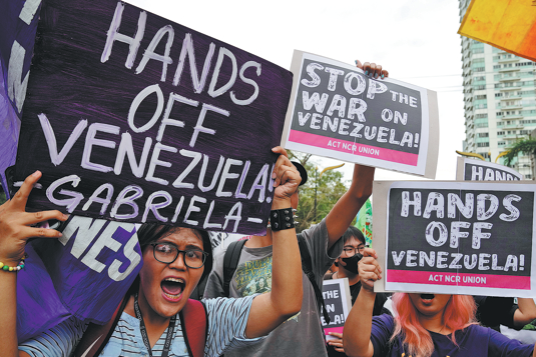
    A sweeping wave of condemnation has emerged across the Asia-Pacific region following the United States’ unprecedented military operation that resulted in the capture of Venezuelan President Nicolás Maduro and First Lady Cilia Flores. The controversial action, characterized by regional leaders as a flagrant violation of international sovereignty, has triggered profound concerns about global stability and the erosion of established international norms.

    Malaysian Prime Minister Anwar Ibrahim articulated the region’s apprehension through a formal statement on social media platform X, emphasizing that the extraordinary military intervention represents a clear breach of international law and constitutes unlawful force against a sovereign nation. The Prime Minister demanded the immediate release of the detained Venezuelan leaders, cautioning that externally imposed leadership changes historically yield detrimental consequences.

    The Democratic People’s Republic of Korea issued particularly stern criticism, with its Foreign Ministry spokesperson condemning Washington’s “wild violation of Venezuelan sovereignty” as evidence of American “rogue and brutal nature.” This sentiment found resonance in Tehran, where Iranian authorities characterized the operation as a military attack requiring explicit condemnation from the United Nations and all law-abiding nations.

    Southeast Asian responses reflected measured diplomatic concern coupled with firm principles. Singapore’s Foreign Ministry, while noting no immediate citizen involvement, expressed grave apprehension about the intervention and reaffirmed its consistent opposition to actions contravening international law. Indonesian officials warned of establishing a “dangerous precedent in international relations” that could undermine regional stability and diplomatic principles.

    The Philippines Department of Foreign Affairs acknowledged monitoring the evolving situation’s impact on regional peace and rules-based international order. Thailand joined the chorus of nations urging peaceful conflict resolution through UN Charter frameworks and international law.

    Pacific nations including Australia and New Zealand echoed calls for diplomatic solutions, with Australian Prime Minister Anthony Albanese emphasizing dialogue to secure regional stability and prevent escalation. New Zealand’s Foreign Minister Winston Peters advised citizens against travel to Venezuela while expecting all parties to adhere to international legal standards.

    International law expert Professor Arie Afriansyah of the University of Indonesia noted potential American accountability under international law, while pragmatically questioning which nation would initiate proceedings and through which forum, given likely US veto power at the UN Security Council.

  • Chinese troops step up combat-focused drills

    Chinese troops step up combat-focused drills

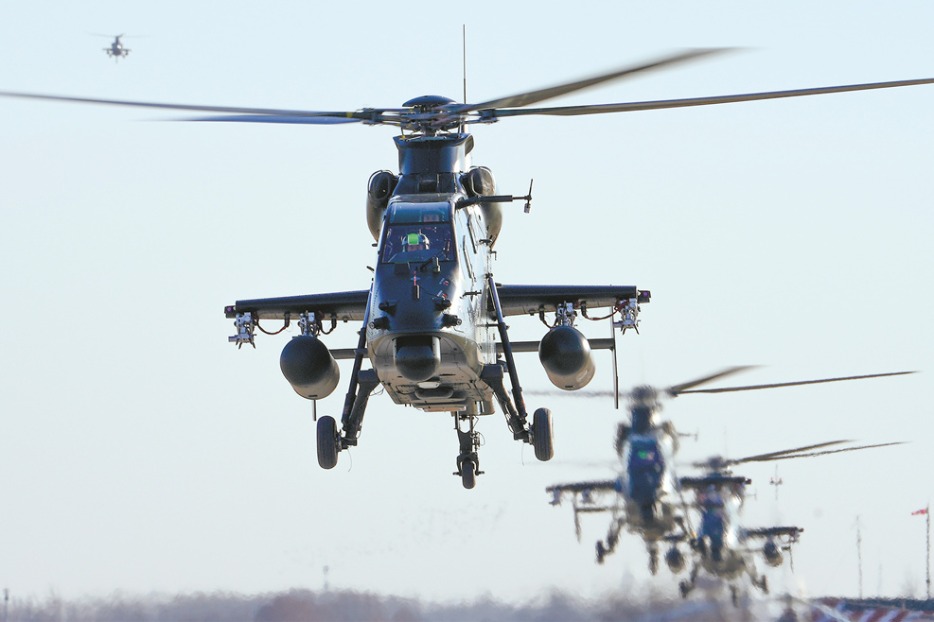
    The People’s Liberation Army has launched an extensive series of combat-focused military exercises across multiple theater commands and service branches at the beginning of the new year. These drills emphasize joint operational capabilities, unmanned systems deployment, and realistic battlefield simulations to enhance overall combat readiness.

    According to announcements from the PLA Southern Theater Command, troops stationed in the Nansha Islands region of the South China Sea have conducted multi-subject training operations focused on improving island-and-reef coordinated operational capabilities. The exercises specifically emphasized multi-domain coordination and joint combat effectiveness in maritime environments.

    The Eastern Theater Command simultaneously released photographic evidence demonstrating their troops’ intensive training preparations, highlighting their combat-ready status and commitment to maintaining peak operational readiness. Official statements emphasized the troops’ dedication to ensuring they “can fight and win when called upon.”

    The Rocket Force division showcased advanced missile launch simulation exercises through social media releases, depicting rapid deployment procedures of missile vehicles to designated combat positions. The footage detailed comprehensive operational sequences including equipment deployment, network establishment, and precision launch procedures under simulated combat conditions.

    Security and protection teams employed cutting-edge technology including unmanned aerial vehicles and robotic canine units to establish comprehensive perimeter security systems. These units conducted intensive searches and implemented full-coverage vigilance protocols using three-dimensional monitoring approaches.

    The Ground Force’s 79th Group Army conducted field exercises emphasizing drone warfare capabilities, with light unmanned systems penetrating simulated enemy positions to execute bombing runs, create smoke screens, and guide infantry assaults. Military personnel noted the evolution of drones from simple reconnaissance tools to sophisticated tactical systems, with additional testing of quadruped robots and First-Person View suicide drones in integrated combat scenarios.

    The Navy conducted port-based combat drills in Qingdao involving multiple destroyer and frigate classes including the CNS Nanchang, CNS Xining, and CNS Weifang. Training scenarios encompassed complex weather navigation, weapons deployment under adverse conditions, naval gunfire targeting sea and shore objectives, and live firing of anti-frogman munitions.

  • Tourists, athletes, sculptors flock to Harbin’s famed ice and snow festival

    Tourists, athletes, sculptors flock to Harbin’s famed ice and snow festival

    The 42nd Harbin International Ice and Snow Festival commenced with breathtaking pyrotechnics and illuminations along the Songhua River banks on Monday evening, marking the spectacular inauguration of Northeast China’s premier winter extravaganza. This legendary celebration, originating as a modest ice lantern exhibition in 1985, has evolved into one of the globe’s four major ice and snow festivals, standing alongside Japan’s Sapporo Snow Festival, Canada’s Quebec Winter Carnival, and Norway’s Oslo Holmenkollen Ski Festival.

    The festival serves as Harbin’s signature winter attraction and primary driver for seasonal tourism, extending through February to coincide with traditional Chinese holidays including Spring Festival and Lantern Festival. Organizers have unveiled ten premium ice and snow tourism itineraries alongside scheduling more than 200 cultural, athletic, and economic activities throughout the duration.

    Central to the festivities is the Harbin Ice and Snow World, a sprawling 1.2-million-square-meter theme park operating for its 27th consecutive season. The expanded facility utilizes over 400,000 cubic meters of frozen resources, representing a 20% increase from previous installations. As daylight fades, cutting-edge 3D projection mapping and augmented reality technologies transform crystalline structures into a chromatic wonderland, creating an ethereal ice palace atmosphere.

    Visitors can experience diverse winter activities including traditional ice fishing, cross-country skiing, snow soccer, and an unprecedented 521-meter ice slide—the longest such attraction ever constructed at the venue. Meanwhile, the 38th Sun Island International Snow Sculpture Art Expo showcases approximately 260 sculptural groups carved from 120,000 cubic meters of snow, featuring highlights like the 23.8-meter ‘Mr Snowman’ and charming panda sculptures.

    International participants including Spanish sculptor Albert Marcet have returned for competitive events, with Marcet’s team aiming to surpass their previous special prize achievement in the 28th China Harbin International Snow Sculpture Competition. ‘The ice and snow park left a strong impression on me,’ Marcet remarked after the opening ceremony.

    The festival’s core programming includes five major events such as the Asian speed skating super endurance race, attracting nearly 2,000 domestic and international athletes, and the national public snow soccer challenge featuring regional rivalries. Preliminary data indicates robust attendance, with Harbin welcoming 1.4 million visitors on New Year’s holiday’s first day—an 11.4% year-over-year increase.

    Tourists like Ru Xiaoqi from Nanjing reported advanced planning was necessary to secure access to popular attractions and accommodations. ‘The whole city demonstrates exceptional hospitality through bilingual signage and complimentary hot water services,’ Ru noted. ‘The attention to detail vastly exceeds expectations, making the experience thoroughly worthwhile.’

  • China-made Into the Mortal World debuts in theaters in Vietnam

    China-made Into the Mortal World debuts in theaters in Vietnam

    Vietnamese theaters have welcomed the premiere of ‘Into the Mortal World’ (Luofanchen), a Chinese animated feature film that represents the first mainland Chinese cinematic release in Vietnam since 2019. The film’s debut signals a significant resurgence of Chinese cultural exports in Southeast Asian markets.

    Produced by Guangzhou-based Winsing Animation, the film draws inspiration from the ancient Chinese legend of the cowherd and the weaver girl (Niulang and Zhinyu). The narrative follows the extraordinary adventures of their descendants, siblings Jinfeng and Yulu, as they embark on a mission to recover the 28 constellations and safeguard the mortal realm.

    The film’s strategic release during Vietnam’s peak holiday season ensures widespread distribution across more than 300 screens nationwide. This extensive theatrical presence reflects both the recovering Southeast Asian film market and growing distributor confidence in Chinese cinematic products.

    Market analysis reveals consistent growth patterns across Southeast Asia, with annual box office revenues expanding at 5-6%. Vietnam’s film market alone achieved a record-breaking $185 million in total revenue during 2024, earning recognition from international media outlet Deadline as one of Asia’s most rapidly developing cinema markets.

    According to Gu Yanmei, Vice-President of Winsing Animation, the film’s successful Vietnamese debut stems from multiple factors: ‘Our production standards match international excellence, featuring over 2,000 specialized effects shots developed across five years of meticulous production. In an era of escalating audience expectations for audiovisual experiences, this technical proficiency serves as a primary attraction for young cinema-goers.’

    Cultural affinity between China and Vietnam provides another significant advantage. The foundational mythology of the cowherd and weaver girl remains familiar to Vietnamese audiences, naturally reducing cultural barriers to comprehension. Winsing Animation further enhanced accessibility through comprehensive localization efforts, including Vietnamese dubbing and collaborative marketing strategies developed with local partners.

    Prior to its Vietnamese premiere, ‘Into the Mortal World’ achieved international distribution across more than 40 countries and regions, including Russia, Singapore, Australia, and Thailand. The film has also received recognition at prestigious international events, including Japan’s Niigata International Animation Film Festival and Italy’s Fanhua Chinese Film Festival.

  • Indian gang rape survivor back home after a week in hospital

    Indian gang rape survivor back home after a week in hospital

    A 26-year-old mother of two has been discharged from a Faridabad hospital following a brutal gang rape that has ignited fresh outrage across India. The assault occurred in the early hours of December 30th when the victim, awaiting transport after visiting a friend, was offered a lift by two men in an ambulance.

    According to her sister’s account, the men drove the woman to a secluded area where they perpetrated the assault before throwing her from the moving vehicle. She was discovered hours later with severe head trauma, facial injuries, and multiple fractures, and was admitted to the hospital around 5:30 AM.

    Law enforcement officials report that a swift investigation led to the arrest of two suspects and the impounding of the ambulance used in the crime. Senior police official Mukesh Kumar stated that authorities are awaiting judicial approval for an identification parade, wherein the survivor will be asked to identify the perpetrators from a lineup.

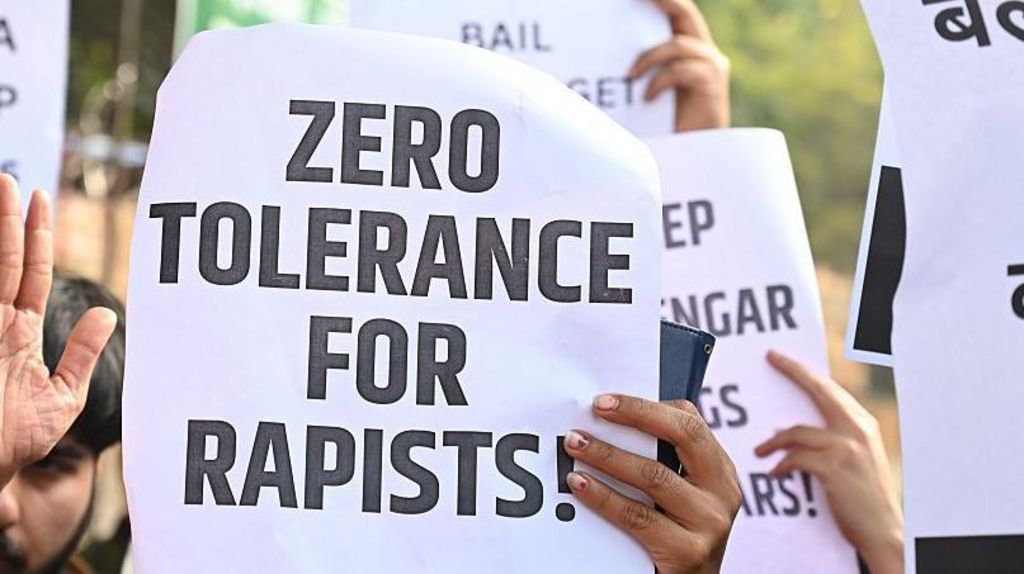
    The case has drawn immediate parallels to the notorious 2012 Delhi bus gang rape, a landmark event that triggered mass protests and resulted in stricter anti-rape legislation, including capital punishment for the most heinous offenses. Despite these legal reforms, official data reveals a persistent crisis: nearly 30,000 rapes were reported in 2023 alone, alongside thousands of attempted assaults and hundreds of child rape cases.

    Shalini Chopra, a social worker and opposition politician who met with the survivor, confirmed the woman is ‘better but still in pain’ as she begins her recovery. The incident has intensified scrutiny on India’s ongoing struggle with sexual violence, highlighting the gap between legislative action and on-the-ground realities for women’s safety.