标签: Asia

亚洲

  • US threat adds fuel to Mideast fire

    US threat adds fuel to Mideast fire

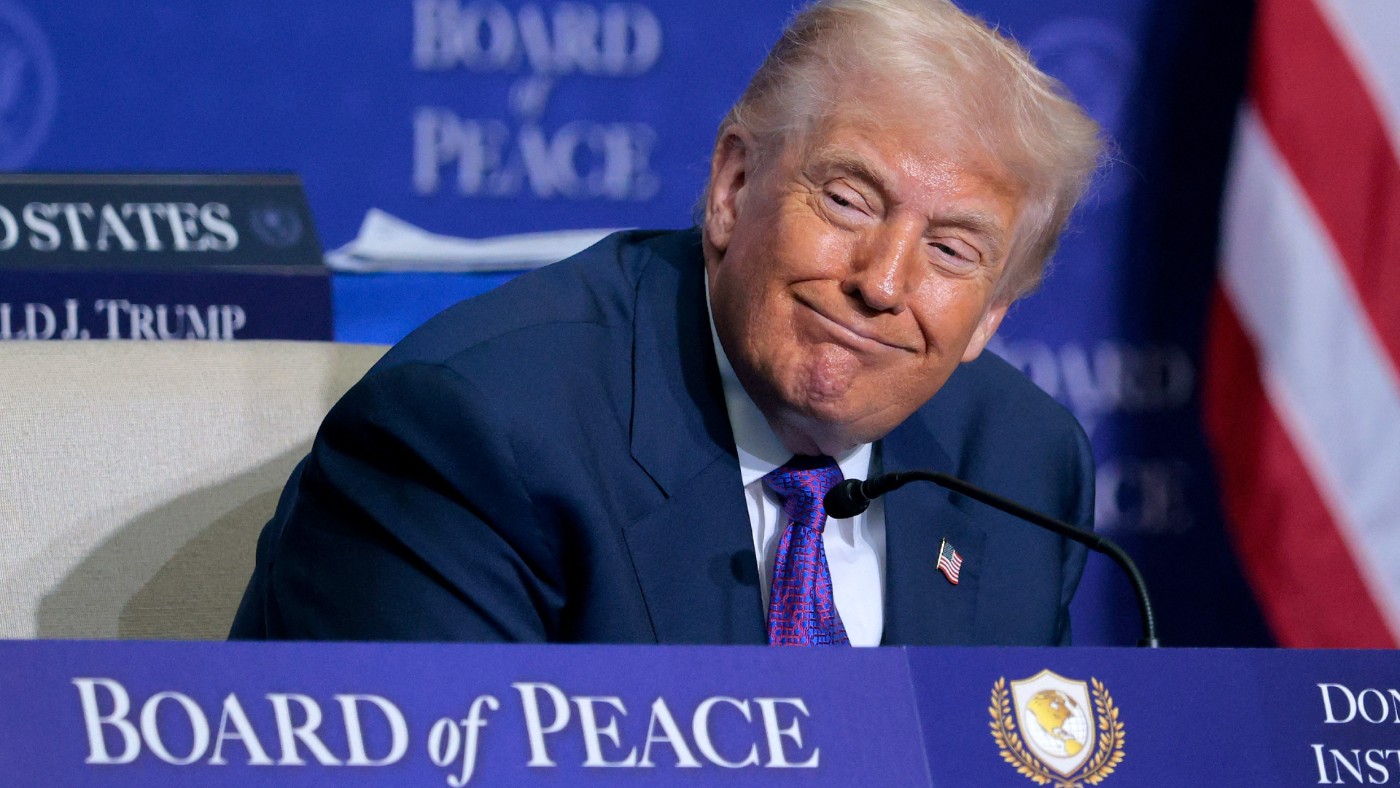
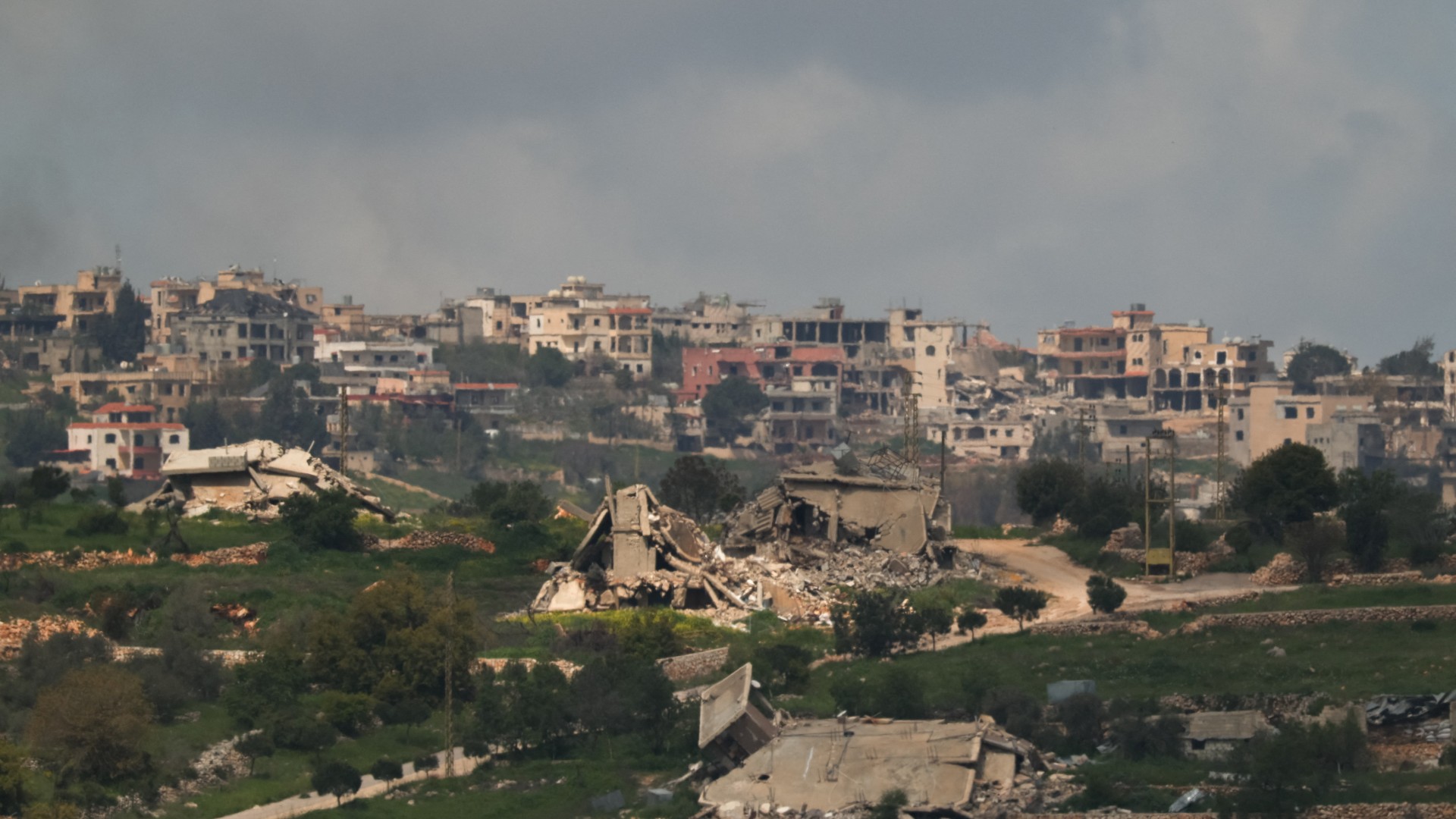
    The Middle East conflict entered a perilous new phase as US President Donald Trump issued a 48-hour ultimatum threatening to destroy Iran’s power plants unless the Strait of Hormuz is fully reopened. The dramatic threat, delivered via social media on Saturday, represents a stark reversal from previous statements about de-escalating hostilities.

    Iran responded swiftly with a counter-threat through Ebrahim Zolfaghari, spokesman for Iran’s Khatam al-Anbiya Central Headquarters, warning that any attack on Iranian energy facilities would trigger retaliatory strikes against US and Israeli infrastructure targets. The semiofficial Tasnim News Agency reported that energy, information technology, and desalination facilities would be prioritized in such retaliation.

    The strategic Strait of Hormuz, connecting the Persian Gulf to the Indian Ocean, remains effectively closed to commercial shipping due to ongoing attacks and threats. This critical waterway normally handles approximately one-fifth of global oil shipments, and its closure has already impacted global energy markets and food prices worldwide.

    Despite the hostilities, Iran’s representative to the International Maritime Organization, Ali Mousavi, indicated that ships could transit the strait with prior coordination with Iranian authorities, excluding vessels from “enemy” nations. Mousavi emphasized Tehran’s commitment to diplomatic solutions while maintaining that respect for Iran’s territorial integrity remains paramount.

    The conflict has intensified militarily with US-Israeli strikes targeting multiple Iranian locations including Tehran, Karaj, Isfahan, and the nuclear facility at Natanz. Pirhossein Kolivand of the Iranian Red Crescent Society reported that over 80,000 civilian locations, including schools and medical centers, have been damaged since hostilities began.

    International concern mounted as IAEA Director General Rafael Grossi reiterated calls for military restraint to prevent potential nuclear accidents. The UN nuclear agency confirmed bombing damage at Iran’s Natanz enrichment facility—the fourth such attack on nuclear sites since the conflict began—though no radiation leaks were detected.

    The human toll continued to rise with nearly 200 injuries reported from Iranian strikes on southern Israeli cities. Israel responded by closing schools and banning large gatherings in affected regions while Prime Minister Benjamin Netanyahu vowed continued strikes against “enemies on all fronts.

    Diplomatic relations further deteriorated as Saudi Arabia declared Iranian military officials and embassy staff personae non gratae, ordering their expulsion within 24 hours. The Saudi Foreign Ministry cited repeated violations of sovereignty and international agreements in its decision.

  • Iranian forces warn of broader retaliation if US targets its power facilities

    Iranian forces warn of broader retaliation if US targets its power facilities

    Iran’s Khatam al-Anbiya Central Headquarters has issued a stark warning that nations hosting US military installations could face retaliatory strikes on their power infrastructure if the United States follows through with threats to target Iranian energy facilities. The statement, delivered through state-controlled Islamic Republic of Iran Broadcasting, represents a significant escalation in regional tensions.

    The military command emphasized that the strategic Strait of Hormuz remains under Iranian “smart control” with regulated maritime transit continuing under specific security protocols. However, officials warned that any American aggression would trigger immediate countermeasures including complete closure of the vital waterway until damaged Iranian facilities are fully restored.

    Beyond maritime implications, Tehran’s retaliation blueprint includes comprehensive strikes against Israeli power, energy and communications networks, targeted operations against regional companies with US capital investments, and direct attacks on energy infrastructure in countries permitting US military presence. The statement underscored Iran’s commitment to take “all necessary measures” to protect national interests while continuing operations against US and allied economic assets throughout the region.

    This development follows recent provocative statements by US President Donald Trump regarding potential strikes against Iranian infrastructure, creating a dangerous escalation cycle that threatens regional stability and global energy security.

  • Study maps depression in chronic pain

    Study maps depression in chronic pain

    Neuroscientists at Fudan University have made a groundbreaking discovery in understanding the biological mechanism that connects chronic pain with clinical depression. Their research, published in the prestigious journal Science, reveals a specific neural gateway within the hippocampus that determines whether persistent physical pain transforms into debilitating mental health conditions.

    The comprehensive study, conducted at the university’s Institute of Science and Technology for Brain-inspired Intelligence, analyzed neuroimaging data from 30,000 human subjects alongside animal models. The research team identified that the hippocampus, traditionally known for memory and navigation functions, serves as a critical mood regulation center. During initial pain exposure, this brain region demonstrates enhanced functionality and temporary enlargement as a defensive mechanism.

    Dr. Xiao Xiao, co-corresponding author and executive director of the institute’s behavioral and cognitive neuroscience center, explained the transformative process: “As pain transitions from acute to chronic, we observe progressive hippocampal atrophy accompanied by diminished regulatory capacity. This deterioration coincides with the emergence of depressive symptoms.”

    The investigation pinpointed the dentate gyrus (DG) sub-region as the specific neurological gatekeeper. This area possesses unique neuroplasticity capabilities, generating new neurons to help the brain adapt to stress. However, chronic pain triggers microglia—the brain’s immune cells—to become hyperactive, disrupting electrical signal balance and causing the emotion gate to malfunction.

    The findings suggest revolutionary clinical applications. Rather than solely addressing pain symptoms, medical professionals could employ brain imaging to monitor hippocampal health and implement preventive interventions before structural deterioration occurs. The research team successfully tested an established clinical drug that regulates microglia activity, demonstrating its potential for rapid translation to patient treatment.

    Initiated in 2018, the research program now incorporates artificial intelligence to screen for novel small-molecule drugs targeting specific brain cells. The scientists believe genetic predispositions and environmental factors contribute to individual variations in emotional resilience among pain patients.

  • Oil-tea seedlings change Siwugang power corridor

    Oil-tea seedlings change Siwugang power corridor

    In a groundbreaking initiative merging infrastructure security with agricultural development, rows of oil-tea camellia seedlings now flourish beneath high-voltage transmission lines on the outskirts of Wuhan, Hubei province. This innovative approach, pioneered by the Wuhan branch of State Grid, represents a fundamental shift in how power transmission corridors are managed nationwide.

    The transformation began when Siwugang Village Party Secretary Cheng Xinggan received 1,200 oil-tea saplings shortly after the Chinese New Year. ‘There’s no better gift than seedlings,’ Cheng remarked, highlighting the dual significance of the donation for both grid protection and economic development. The planting ceremony, timed with China’s Arbor Day observances, brought together villagers and volunteers to establish what may become a model for similar projects across the country.

    Historically, vegetation management beneath power lines focused exclusively on clearance to prevent electrical hazards. Pan Zhongyu, head of a local power supply station, explained the paradigm shift: ‘We used to focus on stopping trees from growing under the lines. Now we plant trees, but we do it scientifically and safely.’

    After extensive research, State Grid specialists identified oil-tea camellia as the ideal species for these environments. The trees exhibit slow growth patterns, typically reaching only 2-3 meters in height, and respond well to pruning that maintains them safely below the 10-meter clearance required for transmission lines. Beyond safety considerations, the plantations provide significant environmental benefits including soil stabilization and erosion prevention.

    The economic implications are substantial for rural communities. As one of the world’s major woody oil crops, oil-tea camellia produces cold-pressed tea oil with consistent market demand. Cheng estimates that the 1.07-hectare plantation containing approximately 1,200 trees will reach full production within three years, generating nearly 100,000 yuan (approximately $14,558) in annual revenue for the village.

    Each seedling now bears a small tag with safety reminders and environmental messages, symbolizing the integration of technical requirements with ecological consciousness. According to Xu Bin of the Hubei Volunteer Association, the project demonstrates how critical infrastructure protection and rural development can advance together harmoniously.

    ‘Planting suitable crops under power lines improves the environment, increases farmers’ income and protects the grid,’ Xu noted, capturing the multifaceted benefits of this innovative approach to land use management beneath critical energy infrastructure.

  • China’s Smart Dragon 3 rocket launches satellites from sea

    China’s Smart Dragon 3 rocket launches satellites from sea

    In a significant advancement for China’s space capabilities, the Smart Dragon 3 (SD-3) carrier rocket executed a successful maritime launch operation on Sunday, March 22, 2026, deploying the CentiSpace 02 satellite group into predetermined orbit. The launch occurred at 23:49 Beijing Time from waters adjacent to Haiyang City in Shandong Province, marking another milestone in China’s expanding space launch portfolio.

    The offshore mission was administered by the Taiyuan Satellite Launch Center, demonstrating China’s growing proficiency in flexible launch operations. Maritime launches offer distinct advantages over traditional land-based missions, including enhanced safety profiles, greater flexibility in selecting orbital inclinations, and reduced logistical constraints. The successful deployment underscores China’s rapid progress in commercial space capabilities and its strategic emphasis on developing responsive space infrastructure.

    The CentiSpace 02 satellite constellation represents a significant enhancement to China’s space-based navigation and communication infrastructure. These satellites are designed to provide high-precision positioning services and facilitate Internet of Things (IoT) connectivity, supporting applications across transportation, agriculture, disaster mitigation, and urban planning sectors. The successful deployment strengthens China’s indigenous positioning capabilities and contributes to the global satellite infrastructure.

    This mission represents the continuing evolution of China’s commercial space sector, which has seen rapid development in recent years. The Smart Dragon rocket series, developed by China Academy of Launch Vehicle Technology, is specifically designed for cost-effective, rapid-response missions capable of deploying multiple satellites simultaneously. The sea launch capability particularly enhances China’s competitive position in the global commercial satellite launch market, offering additional flexibility to international clients.

    The achievement further solidifies China’s position as a leading spacefaring nation and demonstrates the country’s commitment to advancing its space technology capabilities through both government and commercial enterprises.

  • Japan PM’s US visit criticized

    Japan PM’s US visit criticized

    Japanese Prime Minister Sanae Takaichi’s diplomatic mission to Washington has ignited fierce domestic criticism, with opposition leaders and media outlets condemning the visit as an exercise in ‘fawning diplomacy’ that yielded minimal concrete results. The Thursday summit with US President Donald Trump concluded without a joint statement, revealing significant divergences on crucial economic and security matters according to political analysts.

    The Prime Minister’s approach throughout the negotiations drew particular scrutiny, characterized by what observers described as excessively deferential behavior. Takaichi attempted to address Trump in English before reluctantly switching to Japanese upon the President’s intervention. In a moment that sparked immediate backlash in Japan, she referred to the US leader familiarly as ‘Donald’ while declaring that ‘only Donald can achieve peace and prosperity across the world’—a statement that drew sharp criticism given ongoing international condemnation of US military actions against Iran.

    The encounter grew more strained when Trump invoked Japan’s 1941 attack on Pearl Harbor in response to a journalist’s question about advance notification of US strikes, leaving Takaichi visibly startled but offering no rebuttal. US media outlets interpreted this exchange as demonstrating a pattern of diplomatic dominance seeking to expose allies’ vulnerabilities.

    Central to the discussions was the US request for Japanese naval escort operations in the Strait of Hormuz, which faces substantial domestic legal and constitutional challenges in Japan. While Takaichi emphasized explaining what Japan ‘can do’ within its legal framework, Meikai University professor Tetsuo Kotani noted that the US administration appears uninterested in Japan’s limitations and may express displeasure abruptly.

    With security cooperation reaching an impasse, the dialogue pivoted to economic investments. Both leaders confirmed secondary projects under Japan’s previously committed $550-billion investment framework, including approximately $73 billion allocated for next-generation nuclear reactors and natural gas facilities. Takaichi further pledged increased imports of US crude oil and collaboration on critical mineral development.

    These economic commitments have faced substantial domestic opposition, with economists questioning why Japan continues to honor investment pledges tied to tariffs after US Supreme Court rulings invalidated reciprocal tariff measures. Veteran journalist Jun Yamada criticized the approach as ‘selling out national interests’ that would ultimately burden Japanese taxpayers.

    The Prime Minister additionally expressed support for enhanced security alignment, including joint missile development and production, while Trump welcomed Japan’s plans to significantly increase military equipment purchases. This orientation continues Japan’s trend of expanding defense expenditures, with audit reviews revealing 3.55 trillion yen ($22 billion) in US military contracts between fiscal 2018-2023.

    Hours before the summit, over 10,000 protesters gathered in Tokyo opposing military expansion, warning of regional destabilization. Former senior Foreign Ministry official Hitoshi Tanaka criticized the government’s approach as ‘entirely misguided,’ advocating instead for strengthened diplomatic mechanisms with neighboring nations to prevent miscalculation and conflict.

  • Kim Jong-un reelected as president of State Affairs of DPRK — KCNA

    Kim Jong-un reelected as president of State Affairs of DPRK — KCNA

    PYONGYANG – North Korean leader Kim Jong-un has been formally reelected to the highest position of state power during the inaugural session of the 15th Supreme People’s Assembly (SPA), the country’s rubber-stamp parliament. The state-controlled Korean Central News Agency (KCNA) confirmed the leadership consolidation on Monday, following Sunday’s parliamentary proceedings.

    The assembly also witnessed significant appointments to key government positions. Jo Yong-won, a prominent figure within the ruling Workers’ Party hierarchy, was designated as Chairman of the SPA Standing Committee, while Pak Thae-song assumed the role of Premier, heading the nation’s Cabinet administration.

    In a parallel development, legislators engaged in deliberations concerning amendments and supplements to the Socialist Constitution of the Democratic People’s Republic of Korea. While specific details of the constitutional revisions remain undisclosed, such modifications typically serve to reinforce the country’s governance framework and ideological directives.

    The reelection reaffirms Kim Jong-un’s continued dominance over North Korea’s political apparatus, extending his leadership tenure amid ongoing international tensions surrounding the nation’s nuclear weapons program and isolated diplomatic stance. The assembly’s proceedings represent a ceremonial endorsement of decisions previously determined by the ruling party’s inner circle.

  • Middle East crisis poses risk to fertilizer supply

    Middle East crisis poses risk to fertilizer supply

    The escalating Middle East conflict has triggered a severe fertilizer supply crisis that now threatens food security across Asia, as geopolitical tensions disrupting energy markets simultaneously constrict global supplies of essential crop nutrients.

    As a critical global fertilizer exporter accounting for approximately 30% of international trade, the Middle East’s production capacity has been severely compromised. The region’s fertilizer manufacturing relies heavily on liquefied natural gas as primary feedstock, creating an inextricable link between energy and agricultural inputs.

    The strategic Strait of Hormuz, typically a vital maritime corridor for seaborne fertilizer shipments, remains effectively closed amid ongoing military operations between the United States, Israel, and Iran now entering their fourth week of sustained conflict.

    This supply chain disruption has precipitated dramatic price surges in fertilizer markets. Middle East granular urea reached $665 per metric ton recently, representing a nearly 40% increase from the $485 per ton traded just weeks earlier in late February.

    Urea’s critical role in rice and wheat cultivation makes these price spikes particularly concerning for Asia-Pacific nations, where both crops constitute dietary staples. Agricultural experts warn that cost-prohibitive fertilizer prices will likely force farmers to reduce application rates, potentially diminishing crop yields and triggering broader food inflation.

    Marie Annette Galvez-Dacul, Executive Director of the Center for Food and Agri Business at the University of Asia and the Pacific in Manila, emphasized the cascading effects: “As fertilizer becomes more expensive, farmers may use less of it, which can lower crop yields. This can lead to higher food prices and make food less affordable, even if supply remains physically available.”

    While the Philippines—the world’s largest rice importer—has assured citizens of stable rice supplies with approximately 400,000 tons in government warehouses, the situation remains precarious. Agriculture Secretary Francisco Tiu Laurel Jr. confirmed sufficient agricultural product supplies for at least 90 days, but longer-term concerns persist.

    Research fellow Elyssa Kaur Ludher of Singapore’s ISEAS-Yusof Ishak Institute highlighted the vulnerability of major rice-exporting nations: “Key rice exporters in India, Vietnam and Thailand are dependent on imported fertilizers from Gulf countries. If rice production in these countries decreases, it will limit the supply of tradable rice.”

    The inherent fragility of global rice markets—where only 10% of production enters international trade—makes the situation particularly volatile. Ludher cautioned that “such shortages have triggered food-item export bans in the past,” noting that such measures “destabilize markets and further push up prices,” potentially exacerbating global food insecurity.

    Unlike immediate fuel price spikes, fertilizer’s impact on food prices operates with a delayed effect. Experts estimate the price shock will require one to two months to influence planting decisions, with full manifestation in grocery stores taking three to nine months.

    The International Rice Research Institute in the Philippines identifies higher fertilizer prices as the “bigger medium-term risk” for global rice trade, noting production cuts at three Indian fertilizer plants due to LNG shortages.

    Paul Teng, Senior Fellow at ISEAS-Yusof Ishak Institute, noted that Southeast Asian farmers had largely secured fertilizers before the conflict erupted for current planting cycles. However, he warned that persistent supply constraints would inevitably affect both rice supply and prices across the region, potentially forcing farmers to reduce fertilizer usage and consequently diminish outputs of rice, vegetables, palm oil, and cacao.

  • China targets recycling overhaul with ambitious industrial plan

    China targets recycling overhaul with ambitious industrial plan

    China has unveiled a comprehensive national strategy to address its mounting solid waste crisis, targeting a fundamental restructuring of industrial waste management practices across key sectors. The ambitious action plan, formally issued by the State Council earlier this year, establishes concrete targets for achieving equilibrium between waste generation and processing capabilities by 2030.

    The initiative prioritizes treatment of solid waste categories with direct implications for public health and workplace safety while accelerating development of an integrated, long-term governance framework. Central to this effort is implementing decisive measures to suppress solid waste expansion, with particular emphasis on industrial operations.

    According to implementation benchmarks, China aims to achieve annual utilization of approximately 4.5 billion metric tons of bulk solid waste alongside recycling of 510 million tons of major renewable resources by the target year. These objectives address a pressing environmental challenge: official data indicates the nation generates over 11 billion metric tons of solid waste annually across industrial, construction, household, agricultural, and hazardous categories.

    Li Gao, Vice-Minister of Ecology and Environment, highlighted the exceptional difficulties presented by industrial solid waste management during a State Council Information Office briefing. Mining, smelting, and power generation sectors continue producing substantial waste volumes, exacerbating existing historical stockpiles estimated at approximately 33 billion tons occupying 3,500 square kilometers nationwide.

    The ministry’s Solid Waste and Chemicals Management Center reported significant progress, with comprehensive utilization of non-hazardous industrial solid waste reaching 2.65 billion tons in 2024—representing a 740 million ton increase from 2012 levels. However, officials acknowledge that current recovery rates remain insufficient relative to the escalating generation of non-hazardous industrial waste, necessitating more robust intervention strategies.

    Compounding these challenges, traditional utilization channels including infrastructure construction have contracted in recent years, diminishing reuse opportunities and accelerating new waste accumulation. This dynamic necessitates dual-focused governance addressing both historical stockpiles and continuously mounting fresh waste volumes.

  • HK police can now demand phone passwords under new national security rules

    HK police can now demand phone passwords under new national security rules

    Hong Kong authorities have significantly expanded enforcement capabilities under the National Security Law through newly gazetted amendments that empower police to compel password disclosure from electronic devices. The regulatory changes, announced Monday without legislative council review, establish severe penalties for non-compliance: individuals refusing to provide access credentials face imprisonment up to one year and fines reaching HK$100,000 (approximately $12,700), while supplying false information carries a three-year maximum sentence.

    The amendments extend beyond device access provisions, granting customs officials authority to confiscate materials perceived as containing ‘seditious intention.’ Government statements assert these measures enable ‘effective prevention, suppression and punishment of activities endangering national security’ while claiming to protect organizational and individual rights.

    This legislative development occurs against the backdrop of the 2020 National Security Law implementation, which Beijing introduced following mass pro-democracy demonstrations. The law criminalizes broadly defined offenses including secession, subversion, terrorism, and external collusion—provisions that have facilitated hundreds of arrests involving activists, protesters, and former opposition legislators.

    Notably, the security framework permits closed-door trials and has recently demonstrated its expansive application through February cases including the imprisonment of exiled activist’s father for financial transactions and media magnate Jimmy Lai’s 20-year sentence for foreign collusion and sedition charges.