标签: Asia

亚洲

  • Indian rupee slips past 90 US dollar mark, central bank intervenes

    Indian rupee slips past 90 US dollar mark, central bank intervenes

    The Reserve Bank of India executed significant market intervention on Wednesday to stabilize the national currency after the rupee weakened beyond the psychologically significant 90-per-US dollar barrier. According to six market traders, the central bank deployed aggressive measures reminiscent of its 2025 strategy to counteract one-way currency movements.

    The rupee opened trading at 90.2250 against the US dollar (24.5844 versus UAE dirham) before the RBI’s intervention propelled it to 89.9325 (24.5047 against UAE dirham), representing a 0.26 percent daily gain. During the session, the currency reached an intraday peak of 89.7550 (24.4564 against UAE dirham) on the interbank order-matching platform.

    Market analysts identified two primary pressures driving the rupee’s depreciation: sustained foreign capital outflows from Indian equity markets that have continued from 2025 into the new year, and ongoing uncertainties regarding US-India trade negotiations. These factors have created consistent downward pressure on the currency.

    Traders noted that the rapid reversal following the market open left little doubt about central bank involvement, contrasting with Tuesday’s session where market participants were divided on whether the RBI had intervened. “The velocity of today’s recovery unmistakably signals official action,” commented a private sector bank trader. “The movement was too abrupt to attribute to ordinary market dynamics.”

    Banking sector experts monitoring foreign exchange markets observed that the RBI typically intervenes when speculative long dollar positions accumulate and market expectations lean heavily toward consistent rupee depreciation. Prior to Wednesday’s engineered recovery, the rupee had declined approximately 1 percent over the preceding fortnight.

  • UAE sugar tax impact: Price hike leads consumers to choose healthier options

    UAE sugar tax impact: Price hike leads consumers to choose healthier options

    The United Arab Emirates has witnessed a significant consumer behavior transformation following the implementation of its revised excise tax structure on sweetened beverages effective January 1, 2026. Retail industry leaders report a substantial market shift as price-sensitive consumers increasingly opt for healthier alternatives in response to the new tiered taxation model.

    The Federal Tax Authority’s progressive excise framework calculates levies based on sugar content rather than applying a blanket tax rate. Beverages containing less than five grams of added sugar per 100ml remain tax-exempt, while those with 5-8 grams incur AED 0.79 per liter, and drinks exceeding 8 grams face AED 1.09 per liter. Notably, products containing exclusively natural sugars or artificial sweeteners without added sugar maintain their tax-free status.

    Dr. Dhananjay Datar, Chairman of Adil Group of Supermarkets, observed that “customer purchasing patterns have demonstrably shifted since the tax implementation. Consumers are actively seeking low-sugar and zero-sugar alternatives due to both economic considerations and growing health awareness.” This behavioral change has prompted beverage manufacturers to reformulate products and expand healthier offerings to align with market demand.

    Industry executives emphasize that the new system represents a more logical approach to public health taxation. Tom Harvey, General Manager for Commercial at Spinneys Dubai, noted that the previous flat 50% excise tax has been replaced with a structure that “makes drinks with less sugar substantially more affordable for consumers,” effectively incentivizing healthier choices.

    Beyond consumer impact, the tax overhaul introduces new compliance requirements for businesses. Anurag Chaturvedi, CEO of Andersen UAE, highlighted that manufacturers must obtain certified laboratory reports to validate sugar content classifications and update product registrations within the excise framework. Robust documentation practices have become essential for maintaining regulatory compliance and avoiding audit complications.

    Market analysts anticipate sustained growth in the low-sugar beverage segment as both consumer preferences and economic incentives continue to drive the UAE’s health-conscious consumption trend.

  • Watchdog halts a Japanese nuclear plant’s safety review after seismic data found to be fabricated

    Watchdog halts a Japanese nuclear plant’s safety review after seismic data found to be fabricated

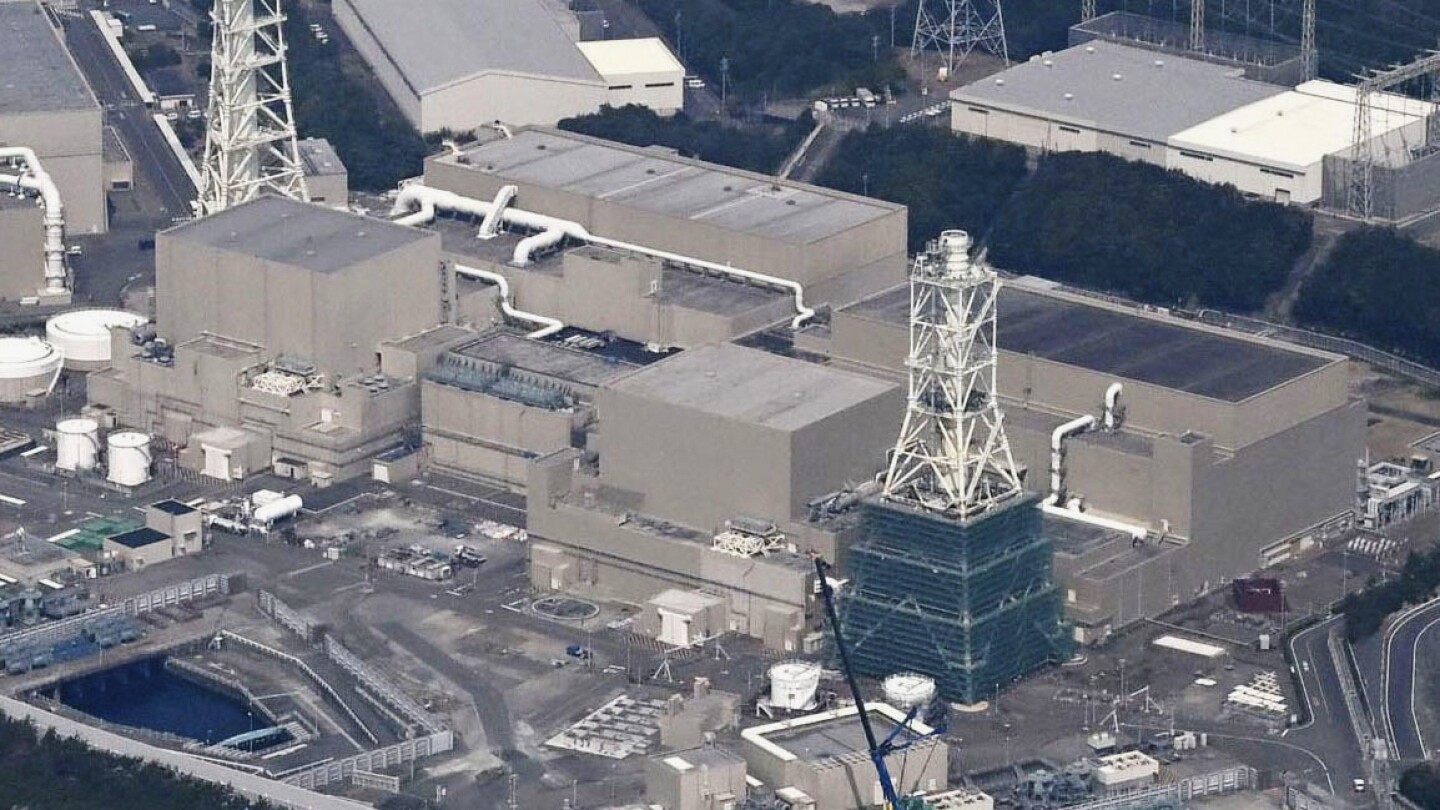
    Japan’s Nuclear Regulation Authority (NRA) has terminated the safety evaluation process for two reactors at the Hamaoka nuclear facility following revelations that the plant operator systematically manipulated seismic risk data. The decision marks a significant impediment to the nation’s efforts to expand nuclear energy utilization.

    Chubu Electric Power Company had submitted applications in 2014 and 2015 to resume operations at reactors No. 3 and 4 at the Hamaoka plant, situated approximately 200 kilometers west of Tokyo in a region historically vulnerable to massive Nankai Trough earthquakes. The facility’s two additional reactors are currently undergoing decommissioning while a fifth remains inactive.

    The regulatory investigation commenced in February after authorities received whistleblower information regarding data integrity issues. NRA Chairman Shinsuke Yamanaka confirmed the suspension of safety assessments after verifying the falsification, with Chubu Electric formally acknowledging the misconduct in mid-December. The regulatory body is now contemplating inspections at the utility’s corporate headquarters.

    Chubu Electric President Kingo Hayashi publicly admitted the improprieties on Monday, conceding that employees deliberately utilized inaccurate seismic measurements to minimize perceived earthquake risks. Hayashi offered formal apologies and committed to establishing an independent investigative panel.

    Chairman Yamanaka characterized the data manipulation as “an act of betrayal that fundamentally undermines nuclear safety principles,” emphasizing that operators bear primary responsibility for ensuring safety protocols. The NRA indicated that any future screening processes would necessitate completely restarting the evaluation procedure, with potential for outright rejection of applications.

    This development represents a substantial setback for Japan’s energy strategy, which has sought to accelerate nuclear reactor reactivation to address escalating energy expenses and carbon reduction commitments. Public sentiment remains polarized regarding nuclear power due to persistent safety apprehensions stemming from the 2011 Fukushima Daiichi nuclear disaster.

    According to NRA statistics, Japan currently operates 13 of its 57 commercial nuclear reactors, with 20 non-operational units and 24 undergoing decommissioning procedures.

  • Global guests discuss sustainable development in Harbin

    Global guests discuss sustainable development in Harbin

    Harbin’s unique fusion of winter artistry and technological innovation provided the backdrop for critical sustainability discussions as mayors from across the globe gathered for the Global Mayors Dialogue on January 7, 2026. The event, hosted at the prestigious Harbin Institute of Technology, saw city leaders explore the institution’s aerospace museum—a symbolic venue where frozen sculptures coexist with space exploration technology.

    The dialogue focused on developing practical strategies for urban centers to drive sustainable development initiatives. Against the striking contrast of Harbin’s famous ice artworks and cutting-edge technological displays, participants exchanged insights on addressing environmental challenges while maintaining economic growth. The location choice emphasized the importance of blending cultural heritage with innovation in creating sustainable urban futures.

    Delegates examined how cities can implement green technologies, reduce carbon footprints, and develop climate-resilient infrastructure. The discussions highlighted the role of educational institutions like Harbin Institute of Technology in providing research and technological solutions to urban sustainability challenges. The mayors also shared best practices from their respective cities, creating a framework for international cooperation on sustainable urban development.

    The event underscored the growing recognition that cities—as centers of population density and economic activity—must lead the transition toward more sustainable living models. Participants committed to establishing ongoing collaboration channels to continue sharing knowledge and implementing the strategies developed during the dialogue.

  • Philippines: Magnitude 6.7 earthquake strikes near Baculin

    Philippines: Magnitude 6.7 earthquake strikes near Baculin

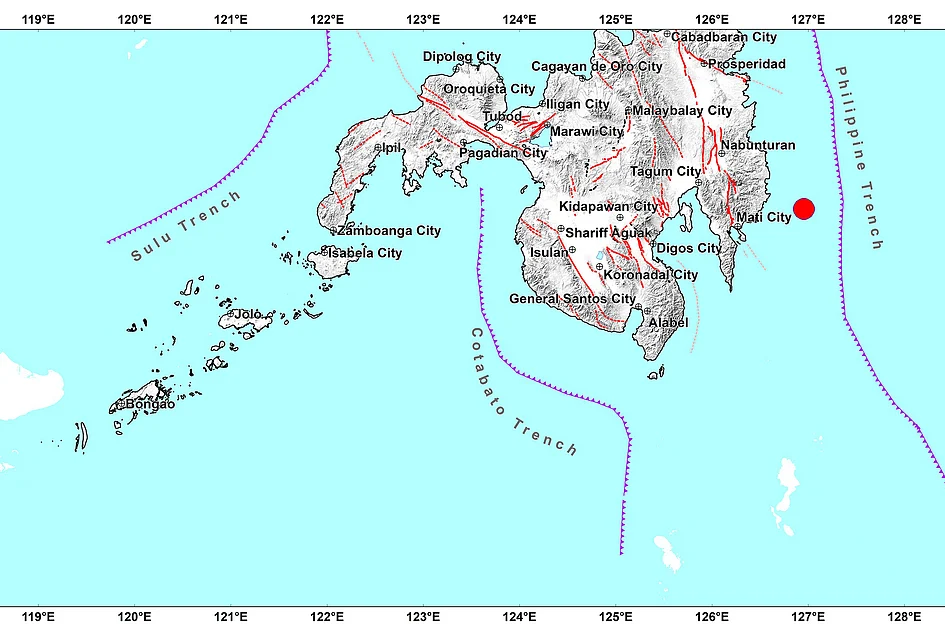
    A substantial seismic event measuring 6.7 on the Richter scale occurred approximately 68 kilometers east of Baculin, Philippines, on Wednesday morning, according to the United States Geological Survey (USGS). The earthquake originated at a relatively shallow depth of 10 kilometers, amplifying its potential impact on the region.

    The Philippines Institute of Volcanology and Seismology (PHIVOLCS) immediately issued a statement confirming the seismic activity and warning residents to prepare for subsequent aftershocks. By 11:25 AM local time, monitoring equipment had already detected at least six distinct aftershocks, with magnitudes gradually decreasing from 3.9 to 2.1.

    Despite the significant magnitude of the initial quake, authorities confirmed that no tsunami alert or warning has been issued for coastal areas. The USGS and local Philippine agencies continue to monitor the situation closely, assessing potential structural damage and ensuring public safety protocols are implemented throughout affected regions.

    Earthquakes are relatively common in the Philippine archipelago due to its position along the Pacific Ring of Fire, a geologically active zone characterized by frequent seismic and volcanic activity. The shallow depth of this particular event, combined with its substantial magnitude, warranted immediate attention from geological authorities worldwide.

    Emergency response teams remain on high alert as damage assessment operations commence in potentially affected areas. Residents in proximity to the epicenter have been advised to exercise caution regarding structural integrity of buildings and to prepare for additional aftershocks that typically follow major seismic events.

  • Syria suspends flights at Aleppo airport as clashes rock city

    Syria suspends flights at Aleppo airport as clashes rock city

    Aleppo International Airport suspended all flight operations for 24 hours on Tuesday following intense military confrontations between Syrian government troops and Kurdish-led forces that resulted in multiple casualties. The civil aviation authority officially diverted all scheduled flights to Damascus International Airport as violence escalated throughout Syria’s second-largest city.

    The deadly hostilities represent the most significant outbreak of violence between these factions in several months, with preliminary reports indicating at least nine fatalities, predominantly among civilian populations. The clashes concentrated particularly in districts with substantial Kurdish demographic presence, where tensions have remained consistently elevated.

    This recent surge in violence underscores the fragile nature of the March 2026 agreement that proposed integrating Kurdish semi-autonomous administrative structures and military units into Syria’s central government framework. Implementation of this political roadmap has largely stagnated, creating a vacuum that periodically erupts into armed confrontations.

    Northern Syria continues to be a complex geopolitical landscape where multiple international and regional powers maintain influence through proxy forces. The Aleppo region specifically remains strategically significant due to its economic importance and diverse demographic composition, making stability particularly challenging to maintain.

    The temporary airport closure demonstrates how quickly security conditions can deteriorate in post-conflict Syria, where various armed groups maintain presence despite official government claims of restored sovereignty. Aviation authorities have not indicated whether the suspension might be extended beyond the initial 24-hour period, pending security assessments.

  • In pics: skyline in morning glow in Beijing

    In pics: skyline in morning glow in Beijing

    China Daily Information Co (CDIC) has established stringent copyright protection protocols governing all content published across its digital platforms. The comprehensive policy explicitly prohibits unauthorized republication or usage of any materials, including textual content, photographs, and multimedia information, without obtaining prior written authorization from CDIC.

    The company has implemented technical specifications recommending 1024*768 resolution or higher for optimal viewing experience on its platforms. CDIC maintains formal registration credentials (Registration Number: 130349) and operates under multimedia publishing license 0108263, establishing its legitimate standing as a content provider.

    Beyond content protection measures, the organization has developed additional operational frameworks including dedicated sections for corporate information (‘About China Daily’), advertising opportunities (‘Advertise on Site’), and user engagement channels (‘Contact Us’). The platform also facilitates career connectivity through its ‘Job Offer’ and ‘Expat Employment’ portals, while maintaining social media presence through its ‘FOLLOW US’ initiative.

    The copyright notice emphasizes that all materials created since 1994 remain protected under CDIC’s ownership, reinforcing the company’s commitment to intellectual property rights in digital publishing. This policy framework demonstrates the organization’s systematic approach to content management while maintaining accessibility for legitimate users and partners.

  • China announces another new trade measure against Japan as tensions rise

    China announces another new trade measure against Japan as tensions rise

    BEIJING — China has intensified its trade confrontation with Japan by initiating an anti-dumping investigation into imported dichlorosilane, a specialized chemical gas vital for semiconductor manufacturing. This move comes just one day after Beijing imposed restrictions on exports of dual-use technologies with potential military applications to Japan.

    The Chinese Commerce Ministry announced Wednesday that domestic producers had formally petitioned for the probe, citing a substantial 31% price decline for Japanese dichlorosilane between 2022 and 2024. According to the ministry’s statement, ‘The dumping of imported products from Japan has severely undermined the production and operational stability of our domestic industry.’

    These economic measures reflect Beijing’s growing dissatisfaction with Tokyo’s political positioning regarding Taiwan. Tensions intensified following recent remarks by Japanese Prime Minister Sanae Takaichi suggesting potential military intervention should China take action against Taiwan, which Beijing considers a breakaway province.

    The diplomatic rift widened further when Japanese legislator Hei Seki (also known as Yo Kitano) visited Taiwan on Tuesday and publicly referred to it as an independent nation. China had previously sanctioned Seki for disseminating what it termed ‘fallacies’ about Taiwan and other disputed territories. Chinese Foreign Ministry spokesperson Mao Ning dismissed Seki’s comments as ‘the nasty words of a petty villain.’

    Amid the escalating tensions, speculation mounts that China might impose restrictions on rare earth exports to Japan, mirroring previous measures implemented during its trade dispute with the United States. China dominates global production of heavy rare earths essential for manufacturing high-strength magnets used in defense systems and electric vehicles.

    While no official announcements have been made regarding rare earths, China Daily—considered a government mouthpiece—quoted anonymous sources indicating Beijing is evaluating tighter export controls on certain rare earth materials to Japan.

    Japan’s Foreign Ministry has urged China to revoke the trade restrictions, with Masaaki Kanai, head of Asia Oceanian Affairs, calling measures exclusively targeting Japan ‘unacceptable deviations from international practice.’ Tokyo has not yet announced retaliatory actions.

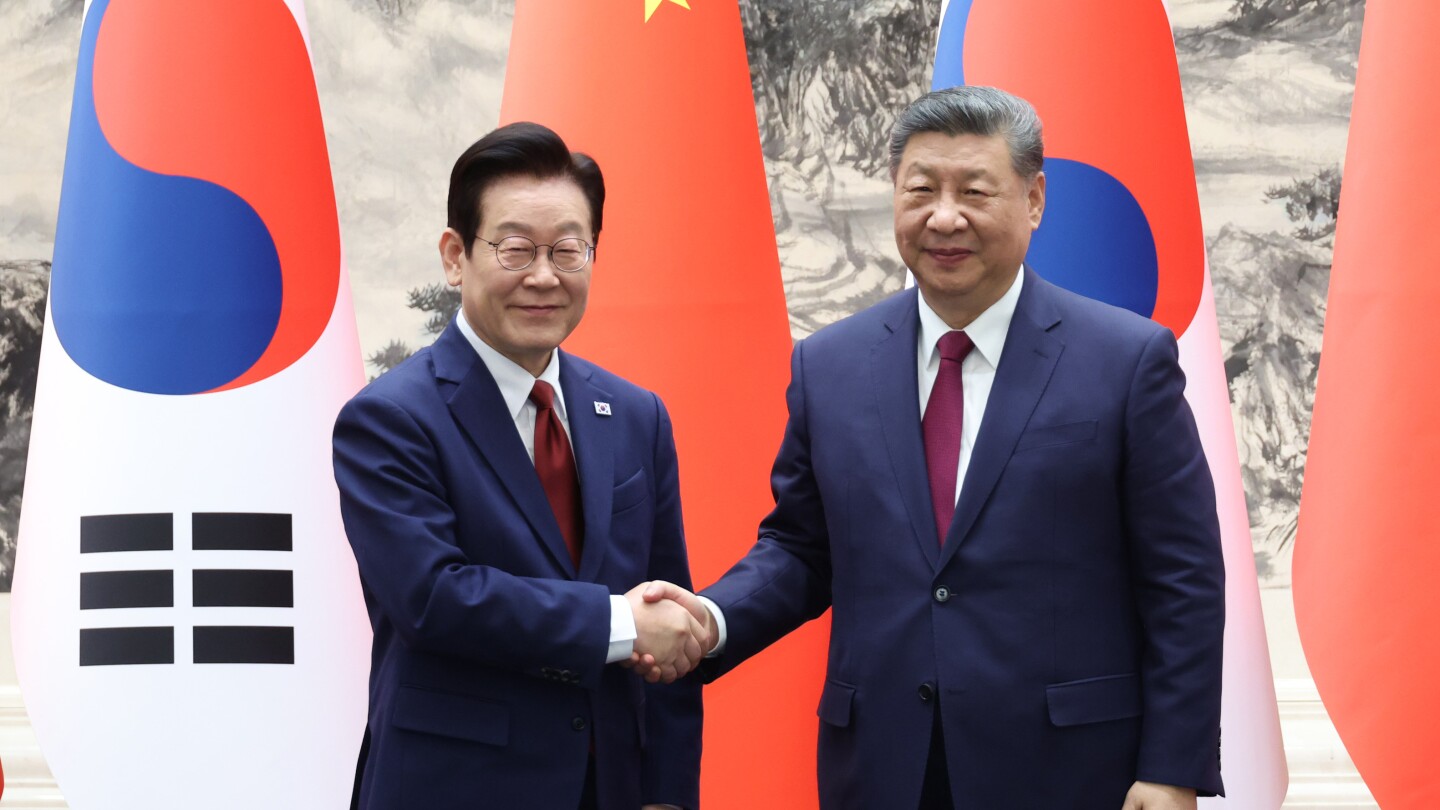
    Notably, as relations with Japan deteriorate, China has actively strengthened ties with South Korea. South Korean President Lee Jae Myung concluded a four-day visit to China on Wednesday, during which both nations signed 24 cooperation agreements valued at $44 million across technology, trade, and environmental sectors. Chinese media highlighted that South Korea has surpassed Japan as the top destination for outbound flights from mainland China, amid official travel advisories warning of safety risks for Chinese citizens in Japan.

  • Venezuela move draws condemnation

    Venezuela move draws condemnation

    The United States faces mounting international condemnation following its controversial military intervention in Venezuela and the apprehension of President Nicolas Maduro. During an emergency session of the United Nations Security Council on Monday, numerous nations denounced Washington’s unilateral actions as flagrant violations of the UN Charter and established international legal norms.

    UN Secretary-General Antonio Guterres expressed profound apprehension regarding the apparent disregard for international law demonstrated by Saturday’s military operation. He emphasized concerns about potential regional destabilization and the dangerous precedent set for future inter-state relations.

    Eritrean Permanent Representative Sophia Tesfamariam Yohannes characterized American actions as “a clear breach of international law and fundamental principles governing international relations.” Iranian Ambassador Amir Saeid Iravani went further, labeling the operation “state terrorism” and “a full-fledged act of aggression” that violated peremptory norms of international law.

    Venezuelan UN Ambassador Samuel Moncada appealed for decisive Security Council action, asserting that international peace can only be maintained through consistent application of international law without “double standards or selective interpretations.”

    The operation has drawn criticism even from traditional US allies. In Japan, political figures and media outlets warned that the intervention undermines international law and the postwar rules-based order. Opposition leader Yoshihiko Noda expressed “serious doubts” about the operation’s legal justification, while the Nikkei newspaper suggested it disregarded three core pillars of legal order: national sovereignty respect, congressional oversight, and the rules-based system.

    International legal scholar Hadi Rahmat Purnama from Universitas Indonesia cautioned that “applying national jurisdiction against other sovereign countries constitutes an act of war,” adding that Washington’s non-recognition of the Maduro government provides no legal basis for the apprehension.

  • Tiger Tower fire: 6 months on, owners get timeline for repairs, insurance payouts

    Tiger Tower fire: 6 months on, owners get timeline for repairs, insurance payouts

    After six months of uncertainty following a catastrophic fire that ravaged Dubai’s prominent 67-story Tiger Tower (officially named Marina Pinnacle Tower), displaced homeowners have finally received definitive timelines for restoration works and insurance compensation. The Dubai Land Department (DLD) has formally communicated that rehabilitation efforts are poised to commence, bringing substantial relief to affected property owners.

    According to an official DLD document dated December 26, 2025, a specialized contractor has been appointed to execute comprehensive structural repairs and rehabilitate building systems. The extensive restoration project, funded through an initial disbursement, is projected to require approximately eight months for completion before units can be officially returned to owners.

    The communication specifically addressed the critical insurance compensation process, confirming the appointment of an independent consultant to finalize damage assessments. Property owners can anticipate compensation disbursements to initiate within one to two months, pending completion of required documentation.

    The June 13, 2025 inferno necessitated the emergency evacuation of all 3,820 residents from 764 apartments in a remarkable six-hour operation by Dubai Civil Defence that resulted in no casualties. However, the subsequent months created significant hardship for owners like Muhammad, a three-bedroom apartment purchaser, who described experiencing ‘considerable emotional duress’ due to financial pressures and insufficient communication from authorities.

    The DLD has emphasized its ongoing coordination with building management to monitor rehabilitation progress and safeguard owner rights. Authorities additionally noted that temporary partial re-occupation of unaffected apartments may be permitted following approval from Dubai Municipality and Civil Defence, offering some residents earlier return possibilities before full project completion.