标签: Asia

亚洲

  • US, Iranian officials reactivate direct contact in recent days: report

    US, Iranian officials reactivate direct contact in recent days: report

    In a significant diplomatic development, direct communication channels between United States and Iranian officials have been reinstated following weeks of military confrontation, according to multiple sources. The reactivation marks the first known high-level contact since coordinated US-Israeli strikes targeted Iranian positions on February 28, 2026.

    Axios reported Monday that US Special Envoy Steve Witkoff has engaged with Iranian Foreign Minister Seyed Abbas Araghchi through established diplomatic channels. A senior US official, speaking on condition of anonymity, revealed that while Iranian officials initiated the outreach, Washington maintains a cautious stance regarding substantive negotiations.

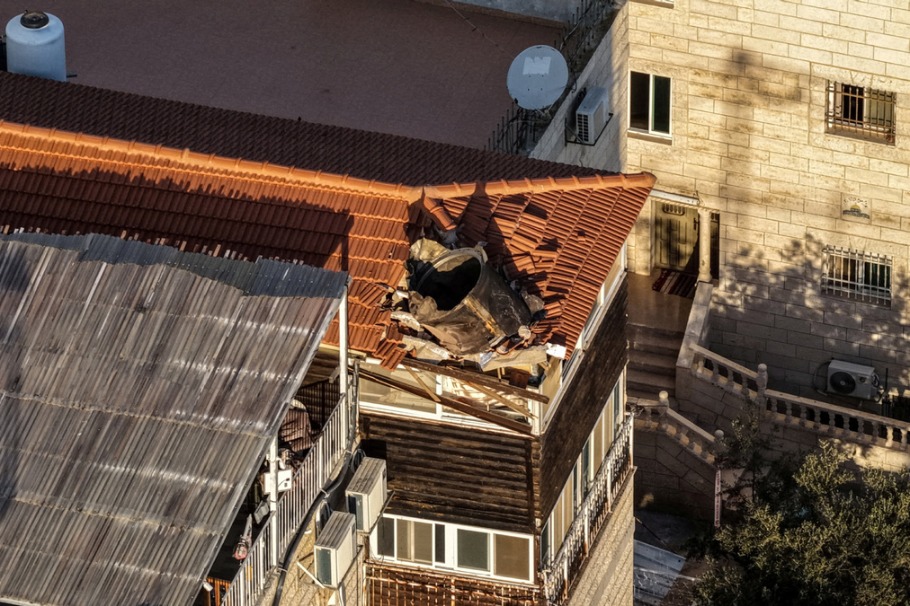
    The diplomatic overtures occur against a backdrop of ongoing regional tension, as evidenced by recent imagery showing Iranian missile debris in East Jerusalem following exchanges between Iran and US-Israeli forces. Contrary to initial reports, Drop Site News suggests Minister Araghchi has been unresponsive to American communications, creating ambiguity about Tehran’s actual position.

    President Donald Trump addressed the situation during a press briefing, stating, “Iran expresses desire for diplomatic resolution, but uncertainty persists regarding their decision-making hierarchy. We remain open to dialogue while maintaining strategic clarity about our security priorities.”

    The renewed communications represent a potentially pivotal moment in US-Iran relations, which have oscillated between direct confrontation and diplomatic engagement throughout recent administrations. Regional analysts suggest the reactivated channel could serve as risk mitigation against further military escalation while both nations assess their strategic options.
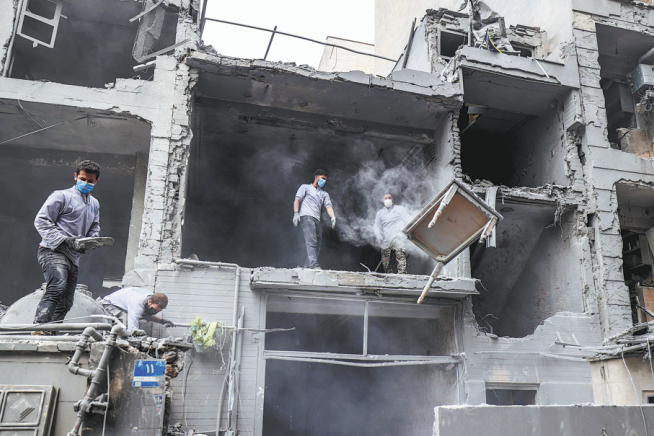
  • Rescue crews dig bodies out of the ruins of a Kabul hospital hit in an airstrike blamed on Pakistan

    Rescue crews dig bodies out of the ruins of a Kabul hospital hit in an airstrike blamed on Pakistan

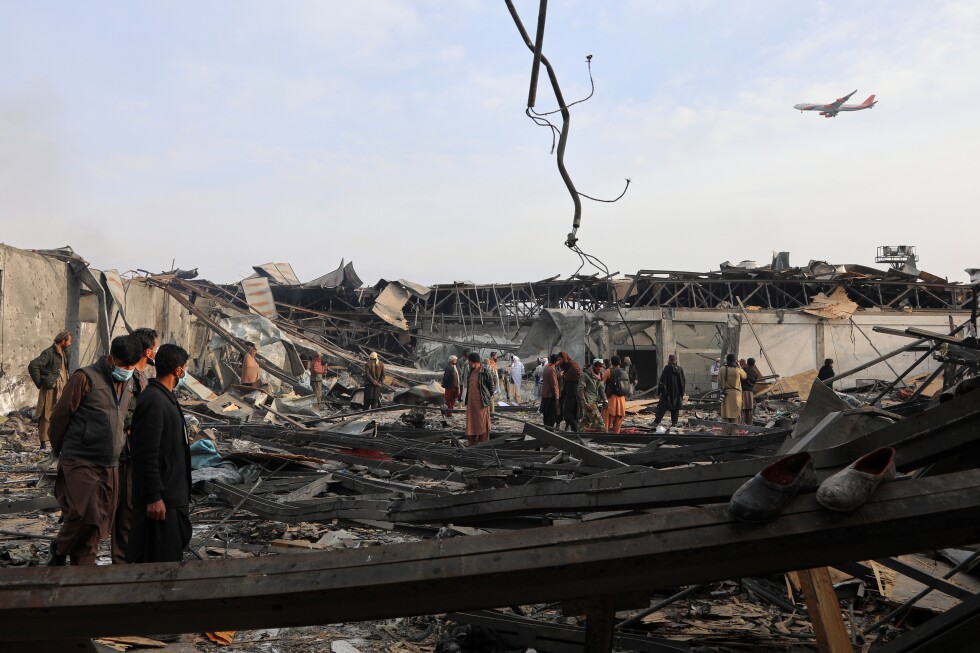
    KABUL, Afghanistan — Rescue operations continued through Tuesday morning at the site of a devastating airstrike that demolished a major drug rehabilitation center in the Afghan capital, with officials reporting approximately 400 fatalities and 250 injuries. The Omid Addiction Treatment Hospital, a 2,000-bed facility, was reportedly struck around 9 p.m. local time Monday, leaving large sections of the building in ruins.

    Afghan authorities have directly accused Pakistan of conducting the lethal strike, characterizing it as a deliberate attack on civilian infrastructure. Deputy government spokesperson Hamdullah Fitrat stated the death toll had ‘so far reached 400 people’ in a social media post, though official numbers remained unverified by Tuesday morning. Local media footage showed emergency personnel using flashlights to extract casualties from rubble as firefighters battled persistent flames.

    Pakistan has categorically denied targeting any medical facility, with Prime Minister Shehbaz Sharif’s spokesperson dismissing the allegations as ‘baseless.’ Information Minister Attaullah Tarar asserted that Pakistani military operations exclusively targeted ‘technical support infrastructure and ammunition storage facilities’ used by Afghan Taliban forces to support ‘terror proxies.’

    The incident marks a severe escalation in cross-border hostilities that began in late February, representing the most intense fighting between the neighboring nations in years. The conflict has continued despite international calls for de-escalation, with both sides exchanging fire along their shared border for three consecutive weeks.

    The United Nations Security Council had earlier called on Afghanistan’s Taliban administration to intensify counterterrorism efforts hours before the hospital strike. Pakistan maintains that Kabul provides sanctuary to militant groups including the Pakistani Taliban and Baloch separatist organizations, allegations Afghan authorities consistently deny.

    With Pakistan declaring itself in ‘open war’ with Afghanistan and the Taliban administration accusing Pakistan of crossing ‘red lines,’ the regional conflict has drawn concern from global observers worried about potential resurgence of other militant groups in the area, including al-Qaida and Islamic State affiliates.

  • Region urged to expel aggressors

    Region urged to expel aggressors

    The strategic Strait of Hormuz has become the focal point of an escalating security crisis in the Persian Gulf, with Iran launching a diplomatic offensive urging regional neighbors to expel American military forces. The development comes more than two weeks after initial U.S. and Israeli strikes against Iranian targets prompted retaliatory attacks on Gulf military and economic assets.

    Iranian Foreign Minister Seyed Abbas Araghchi characterized U.S. security guarantees as “full of holes” in a social media post, explicitly calling on “brotherly neighbors” to remove foreign aggressors whose primary concern he identified as Israeli interests. The rhetoric intensified as Iranian military spokesperson Ebrahim Zolfaghari designated the USS Gerald R. Ford carrier group and its support facilities in the Red Sea as legitimate targets, according to Al Jazeera reports.

    Meanwhile, the United States faces diplomatic challenges in maintaining the critical waterway’s accessibility. President Donald Trump has pressured NATO allies and regional partners for naval assistance in securing the strait, though key allies including Japan and Australia have declined escort missions. In a Financial Times interview, Trump warned of NATO’s “very bad” future should allies refuse cooperation.

    European foreign policy chief Kaja Kallas proposed adapting the Black Sea Initiative model—previously successful in facilitating Ukrainian agricultural exports during the Russia-Ukraine conflict—to ensure hydrocarbon transport through the strait. This proposal highlights growing international concern over potential disruptions to global energy supplies.

    Tehran’s diplomatic posture appears calculated to reshape regional security architecture. Iranian envoy to Saudi Arabia Alireza Enayati told Reuters that Gulf relations require “serious review” to limit external influence, emphasizing that regional nations “are neighbors, and we cannot do without each other.” His comments advocated strengthened ties within the Gulf Cooperation Council framework, including UAE, Saudi Arabia, Bahrain, Oman, Kuwait, Qatar, Iraq and Iran.

    West Asia analyst Nagapushpa Devendra of Germany’s University of Erfurt interprets Iran’s rhetoric as strategic narrative-building rather than immediate escalation. “Tehran frames the issue as external militarization of the Gulf driven by US and Israeli security priorities,” Devendra explained, noting that merely highlighting Iran’s ability to influence the critical energy corridor forces other states to treat it as an indispensable regional actor.

    The security situation remains volatile with recent drone attacks near Dubai International Airport and Fujairah industrial area causing temporary flight suspensions and fires. Simultaneous hostilities continue with missile exchanges between Iran and Israel, airstrikes in Iraq, and renewed Israeli operations against Hezbollah in southern Lebanon.

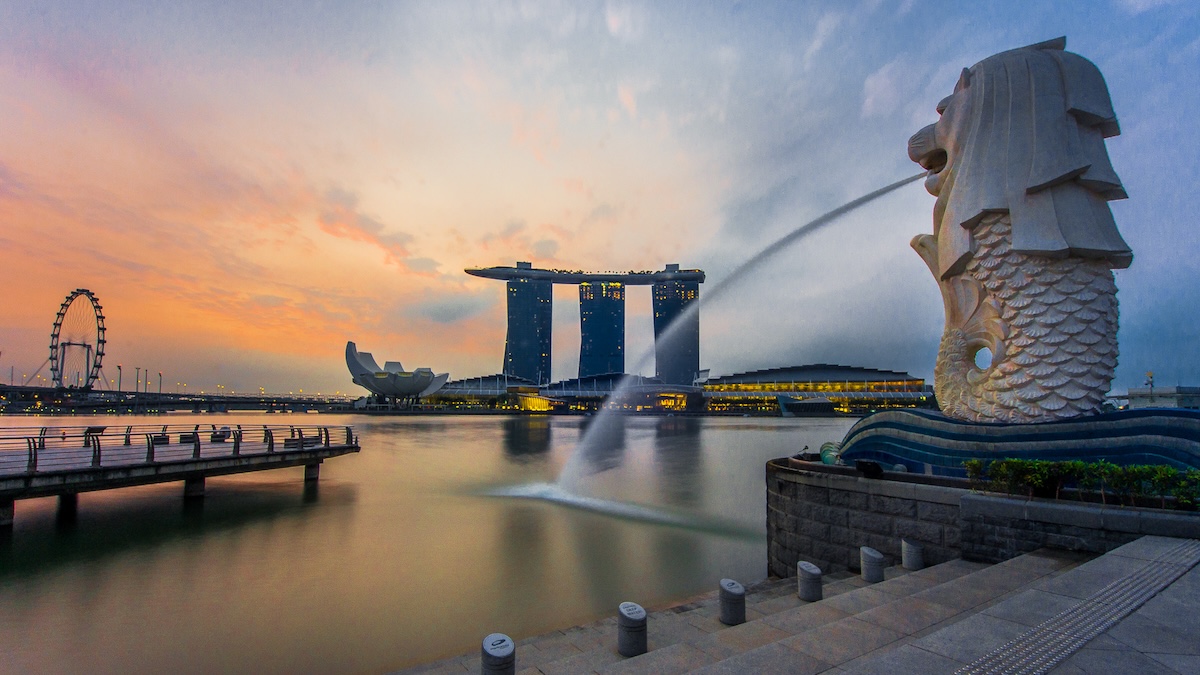
  • Nvidia chip curbs turn Singapore into AI hub for China

    Nvidia chip curbs turn Singapore into AI hub for China

    Despite stringent US export controls targeting Nvidia’s advanced AI chips, China’s technology sector continues to accelerate its artificial intelligence development through strategic overseas operations. Industry experts reveal that Chinese firms are effectively circumventing restrictions by accessing high-performance computing resources in Southeast Asian data centers.

    The controversial export regulations, initially implemented by the Biden administration and subsequently modified under Trump, were designed to limit China’s access to cutting-edge AI hardware. However, according to Gary Wojtaszek, director at GDS Holdings and seasoned data center executive, these measures contain fundamental limitations. “The US chip export rules are pretty nebulous. In China, you can’t import chips, but you can export your data to train your model. Then you import it back,” Wojtaszek explained, comparing the phenomenon to water naturally finding its level.

    This technological end-run occurs primarily through two channels: Chinese companies either purchase computing power directly from Southeast Asian data centers or install their own server infrastructure in facilities across Singapore, Malaysia, Indonesia, Thailand, and beyond. This allows them to train sophisticated AI models overseas before deploying the finished algorithms domestically.

    The pattern has become so established that major Chinese tech giants including Alibaba and ByteDance now routinely conduct AI training operations in regional hubs like Singapore and Johor, Malaysia. In one documented case, Chinese engineers transported hard drives loaded with training data to Kuala Lumpur, where they rented approximately 300 Nvidia AI servers—a maneuver that technically violated no existing laws.

    Complementing this overseas strategy, Beijing has simultaneously encouraged domestic substitution, urging technology firms to prioritize homegrown alternatives like Huawei’s AI processors. This dual-track approach has enabled China to narrow the technological gap with the United States, leveraging its advantages in energy production and massive data pools for AI training.

    The financial impact on Nvidia has been unexpectedly positive, with the company reporting $215.9 billion in revenue for the fiscal year ending January 2026—a 65% year-on-year increase. Remarkably, Singapore emerged as Nvidia’s second-largest market, accounting for approximately one-fifth of total revenue, largely driven by Chinese demand.

    However, new legislative developments threaten to close these loopholes. The recently passed Remote Access Security Act would expand US authority to restrict foreign access to sensitive technologies through cloud services and remote computing. If enacted, using US AI chips via overseas data centers could become subject to the same controls as physical exports.

    Concurrently, Southeast Asia’s data center market is experiencing unprecedented growth, partially fueled by declining preference for Hong Kong as a computing hub. According to Doug Adams, CEO of NTT Global Data Centers, connectivity issues and restricted access to Western AI services have diminished Hong Kong’s appeal, with customers increasingly choosing alternatives across the region.

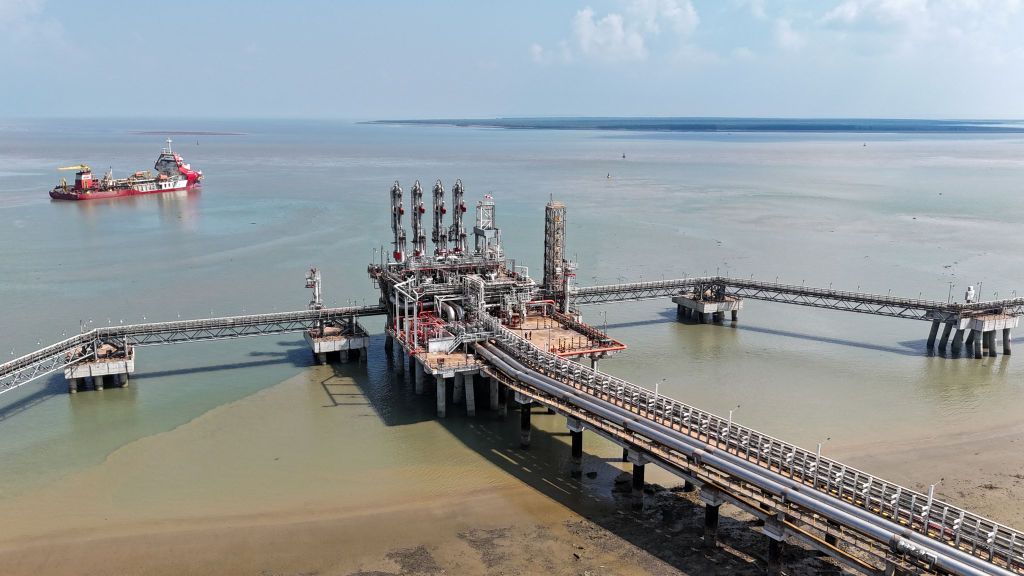
  • Gas on the line: will the Iran war squeeze India’s piped gas next?

    Gas on the line: will the Iran war squeeze India’s piped gas next?

    The escalating conflict in Iran has sent shockwaves through India’s energy sector, with attention now turning to the country’s rapidly expanding piped natural gas (PNG) infrastructure after initial disruptions to liquefied petroleum gas (LPG) markets. India’s extensive network delivering gas directly to homes and businesses represents a critical energy artery facing unprecedented geopolitical pressure.

    India’s natural gas ecosystem serves multiple sectors including fertilizer production, industrial operations, gas-fired power generation, and city gas networks that supply both PNG to households and compressed natural gas (CNG) to vehicles. The residential segment has emerged as the most dynamic growth area, with over 15 million active PNG connections expanding rapidly across urban centers as government policies encourage transition from traditional cylinders to piped gas.

    While industry experts assure continued supply for priority sectors, the underlying vulnerability of India’s gas infrastructure is becoming apparent. Approximately half of India’s PNG supply originates from domestic production by companies like ONGC and Reliance, with the remaining balance dependent on liquefied natural gas (LNG) imports. This import dependency creates significant exposure to global market disruptions.

    The geographical concentration of India’s LNG imports presents particular concern. More than 50% of imports flow through long-term contracts with Qatari suppliers, with additional volumes arriving from the United States, Australia, Russia, and African nations. Critically, approximately 55% of India’s total LNG imports must transit the Strait of Hormuz—the maritime chokepoint currently at the center of Middle East hostilities following US and Israeli attacks on Iran.

    Current shipping data indicates 13 LNG cargoes loaded between February 10-26 remain en route to Indian ports, with deliveries extending through March. However, exports from Qatar’s massive Ras Laffan LNG complex have been suspended since March 2, potentially making current shipments the last until safe passage through Hormuz is restored.

    India’s lack of strategic LNG reserves compounds the situation. Gas storage consists primarily of working inventory at regasification terminals including Dahej, Hazira, Kochi, and Ennore—facilities holding approximately one to two weeks of import coverage depending on operational schedules. This limited buffer system functions reliably under normal conditions but faces severe stress during supply disruptions.

    The immediate impact for Indian consumers will likely manifest through price inflation rather than supply interruption. Industrial and commercial customers already face government-mandated 20% supply reductions as gas is diverted to protect household and transportation sectors. If Hormuz disruptions persist, market adjustments will occur through elevated prices and suppressed industrial demand, ultimately affecting both households and factories through increased costs.

  • South Africa wins the toss, fields in the 2nd cricket T20 against New Zealand

    South Africa wins the toss, fields in the 2nd cricket T20 against New Zealand

    HAMILTON, New Zealand — In a strategic move at Seddon Park, South Africa’s captain Keshav Maharaj won the toss and chose to field first in Tuesday’s second Twenty20 international against New Zealand. The decision comes as both teams implement tactical lineup changes following their series opener.

    The Proteas enter the match holding a 1-0 advantage in the five-game series after securing a convincing seven-wicket victory on the challenging batting surface at Mount Maunganui. This contest marks New Zealand’s first international appearance since their dramatic T20 World Cup campaign in India, where they eliminated South Africa in the semifinals before falling short in the championship final.

    South Africa has introduced allrounder Wiaan Mulder into their playing eleven, replacing Jordan Hermann as they seek to maintain their winning momentum. Meanwhile, the host team has made two forced adjustments: Josh Clarkson and pace bowler Lockie Ferguson join the lineup, substituting for the injured Bevon Jacobs and Zak Foulkes. Jacobs sustained a knee injury during fielding operations in the previous encounter.

    The team compositions feature New Zealand’s revised order: Devon Conway, Tom Latham, Tim Robinson, Nick Kelly, Josh Clarkson, Mitchell Santner (captain), James Neesham, Cole McConchie, Kyle Jamieson, Ben Sears, and Lockie Ferguson. South Africa’s lineup includes: Tony de Zorzi, Connor Esterhuizen, Rubin Hermann, Jason Smith, Dian Forrester, Wiaan Mulder, George Linde, Gerald Coetzee, Keshav Maharaj (captain), Nqobani Mokoena, and Ottneil Baartman.

  • Drone targets hotel in C. Baghdad

    Drone targets hotel in C. Baghdad

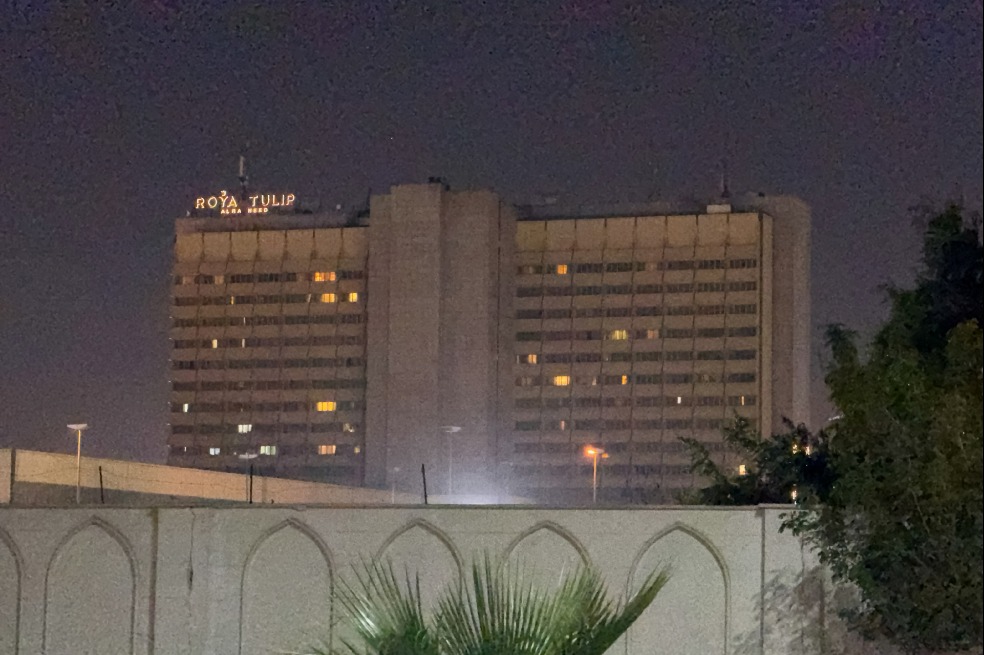
    A sophisticated drone attack targeted the Royal Tulip al-Rasheed Hotel within Baghdad’s heavily fortified Green Zone on Monday evening, according to Iraqi security officials. The explosive-laden drone struck the hotel’s rooftop structure, producing substantial detonations heard throughout central Baghdad.

    Security personnel speaking on condition of anonymity confirmed the incident occurred around nightfall, triggering immediate emergency responses from Iraqi defense forces. While preliminary assessments indicate no casualties or significant structural damage, security teams have initiated a comprehensive investigation into the breach of the high-security perimeter.

    The Green Zone represents Baghdad’s most secure district, housing critical government institutions including the Iraqi Parliament, ministerial complexes, and numerous foreign diplomatic missions—most notably the massive United States embassy compound. This fortified enclave has repeatedly faced security challenges in recent years, with frequent rocket and mortar attacks testing its defensive capabilities.

    This latest incident occurs against a backdrop of escalating regional violence that began on February 28th, when broader hostilities erupted involving Israeli, American, and Iranian interests. Security analysts note a concerning pattern of increased attacks targeting international diplomatic installations and military bases across Iraq since the regional conflict intensified. The drone strike methodology demonstrates evolving tactical capabilities among armed factions operating in the region, raising concerns about the potential for more sophisticated attacks against high-value targets.

    Iraqi authorities have heightened security alerts throughout the capital following the incident, while international missions within the Green Zone have been advised to review their security protocols. The investigation continues as authorities work to identify the perpetrators and determine the precise nature of the explosive device deployed in this brazen security breach.

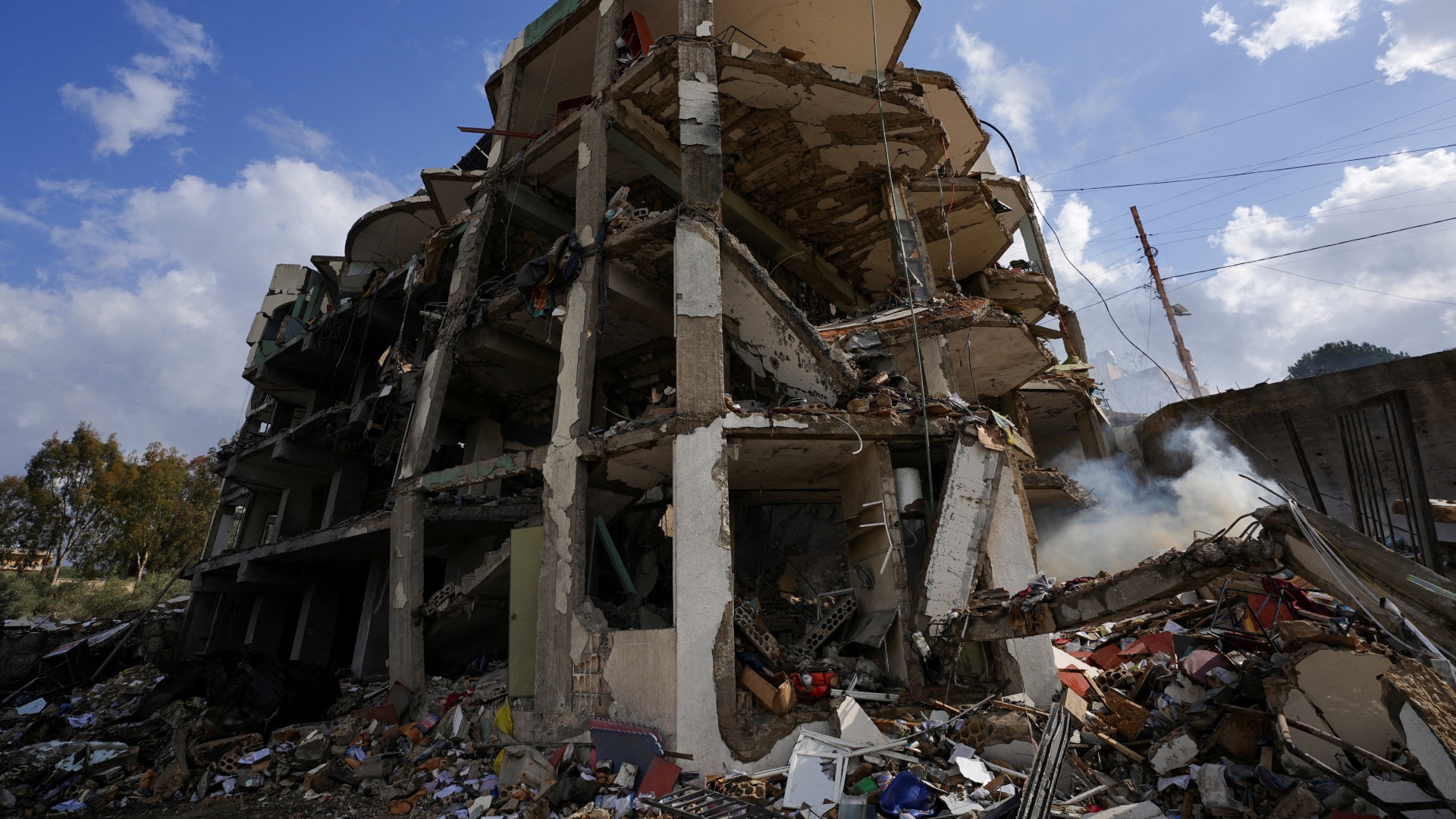
  • European leaders warn against Israeli ground incursion into Lebanon

    European leaders warn against Israeli ground incursion into Lebanon

    In a significant diplomatic move, the heads of state from Canada, France, Germany, Italy, and the United Kingdom have jointly called for Israel to refrain from launching a comprehensive ground invasion into Lebanese territory. This collective appeal comes amid escalating hostilities that resumed in southern Lebanon two weeks prior.

    The five-nation coalition expressed profound alarm regarding the cross-border attacks, emphasizing the critical need for all involved parties to return to diplomatic negotiations. They articulated grave concerns about the potential humanitarian fallout, stating that a major Israeli ground operation would likely precipitate catastrophic human suffering and potentially ignite a prolonged regional conflict.

    Official statistics from Lebanon’s disaster management authority reveal the conflict has already displaced approximately one million people within the country. The human cost stands at 886 fatalities and 2,141 injuries among Lebanese citizens.

    The current cycle of violence began when Hezbollah initiated missile strikes against Israel following Israel’s joint military engagement with the United States against Iranian interests on February 28. Although a truce negotiated by the Trump administration in November 2024 had previously governed the border area, this agreement had reportedly been violated hundreds of times prior to the recent escalation.

    Israeli officials maintain their operations specifically target Hezbollah weapon storage facilities and high-ranking operatives deemed imminent threats. However, the Western leaders’ statement unequivocally condemned all attacks directed at civilian populations, essential infrastructure, medical personnel, and UN peacekeeping forces in Lebanon.

    The joint declaration specifically called for Hezbollah to cease its attacks on Israel and complete disarmament, while simultaneously urging the Lebanese government to enforce weapons prohibitions against the group. Hezbollah leadership has consistently rejected disarmament demands, citing ongoing security threats from Israel along their shared border. The militia organization, with decades of Iranian support, remains a deeply entrenched military force within Lebanon’s political landscape.

  • Iran war pushes importers into energy triage as they conserve power and curb soaring prices

    Iran war pushes importers into energy triage as they conserve power and curb soaring prices

    The escalating military confrontation with Iran has triggered a severe global energy crisis, forcing nations worldwide into difficult triage decisions regarding fuel allocation and consumption. This supply shock has exposed critical vulnerabilities in energy-importing economies, particularly across Asia where governments are implementing emergency measures to manage dwindling resources.

    Asia faces disproportionate exposure to the crisis due to its heavy reliance on imported fuels, much of which traditionally transits through the now-disrupted Strait of Hormuz. This critical maritime corridor, located offshore from Iran, typically facilitates approximately one-fifth of global crude oil and liquefied natural gas trade. The blockage has compelled regional governments to enact conservation measures, compete for scarce supplies, and implement price controls—all while navigating difficult trade-offs between economic activity and energy security.

    Southeast Asian nations have adopted particularly stringent conservation approaches. The Philippines transitioned to a four-day workweek for government employees to reduce energy consumption by 20%, alongside mandating elevated office temperature settings and computer shutdowns during breaks. Vietnam encouraged remote work arrangements, while Thailand’s Prime Minister advocated for stair usage over elevators in conservation efforts.

    Energy analysts warn these measures inevitably impact economic productivity. Linh Nguyen of Control Risks consultancy noted that ‘even relatively modest constraints on energy use can create a drag on industrial activity,’ particularly affecting energy-intensive export industries like Vietnam’s manufacturing sector.

    The crisis extends beyond Asia to fuel-importing economies across Africa and other regions as global competition for limited supplies intensifies. Putra Adhiguna of the Energy Shift Institute in Jakarta emphasized that ‘the situation is common across the board—there is no easy decision for the short term.’

    East Asian economic powers are deploying strategic reserves to maintain industrial operations. Japan initiated the release of approximately 45 days’ worth of oil from its substantial reserves—a system established after the 1970s oil crises—while South Korea committed to releasing 22.46 million barrels through the International Energy Agency’s coordinated effort. However, energy experts caution that reserve depletion constitutes merely a temporary buffer rather than a sustainable solution.

    Populous nations face particularly complex challenges in balancing household needs against commercial demands. India prioritized liquefied petroleum gas (LPG) allocations for residential cooking over commercial establishments, forcing restaurants to modify menus and operating hours. Similar dilemmas confront Indonesia and Thailand, where subsidy programs strain national budgets while attempting to shield consumers from price spikes.

    The European Union is addressing the crisis through accelerated clean energy transition strategies, seeking to reduce consumption and enhance energy security across member states. European Commissioner for Energy Dan Jørgensen confirmed officials are ‘working on immediate measures to help businesses and our most vulnerable citizens’ amid sharply elevated prices.

    As the conflict persists, analysts warn that energy rationing and difficult prioritization decisions will likely expand globally, with renewable energy and diversified supply chains emerging as critical long-term solutions to enhance energy security.

  • Sri Lanka declares Wednesdays off as Asian countries try to conserve fuel

    Sri Lanka declares Wednesdays off as Asian countries try to conserve fuel

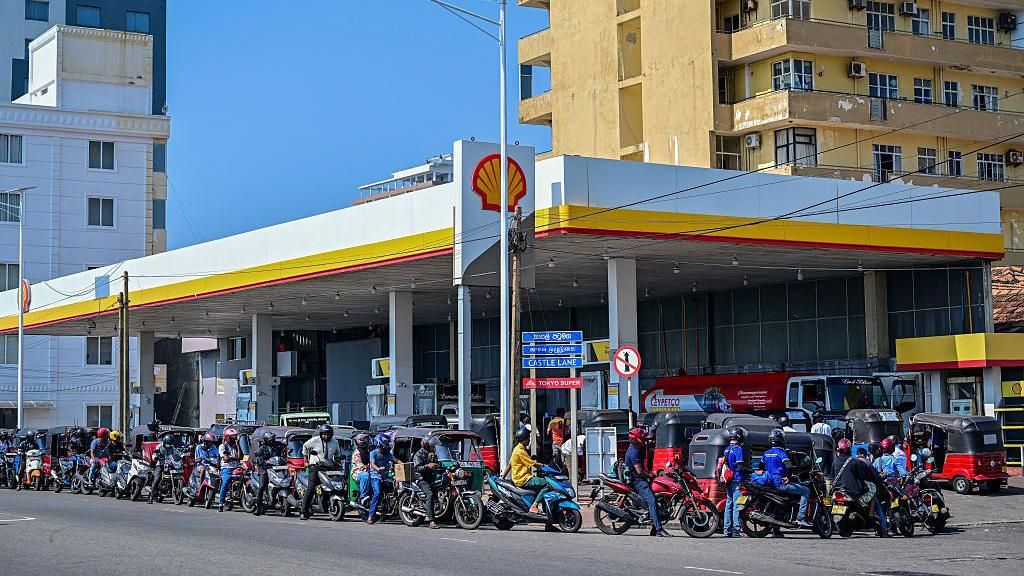
    Sri Lanka has instituted a mandatory four-day work week, designating every Wednesday as a public holiday in a drastic effort to conserve fuel reserves. This emergency measure comes as the island nation faces severe shortages following the escalation of military conflict between the US-Israel alliance and Iran, which has disrupted critical oil shipments through the Strait of Hormuz.

    President Anura Kumara Dissanayake emphasized the gravity of the situation, stating, “We must prepare for the worst, but hope for the best” during emergency deliberations with government officials. The Wednesday closure was strategically selected to prevent three consecutive non-working days while maximizing fuel conservation.

    The energy crisis has triggered a chain reaction of austerity measures across Asia, the world’s largest oil-importing region that received nearly 90% of the strait’s oil and gas shipments last year. Thailand has launched campaigns promoting short-sleeved attire to reduce air conditioning dependency, while Myanmar has implemented alternate-day driving restrictions based on license plate numbers. Bangladesh has rescheduled academic calendars and introduced nationwide planned blackouts, and the Philippines has mandated work-from-home arrangements while banning non-essential public sector travel.

    Sri Lanka’s measures extend beyond the four-day week, reintroducing a National Fuel Pass system that rations purchases to 15 liters for private vehicles and 5 liters for motorcycles. This system previously helped navigate the country’s devastating 2022 economic crisis when foreign reserves depleted completely. Current oil prices have surged to approximately $100 per barrel since hostilities began in the Gulf, compounding existing economic pressures.

    The government has exempted essential services including healthcare and immigration from the shortened work week, though educational institutions will adhere to the new schedule. Despite these efforts, public dissatisfaction simmers over what many citizens perceive as inadequate fuel allocations amid the growing crisis.