标签: Asia

亚洲

  • Mbappe calls for Prestianni ban over alleged racist slur at Vinicius

    Mbappe calls for Prestianni ban over alleged racist slur at Vinicius

    Real Madrid superstar Kylian Mbappe has called for UEFA to impose a Champions League ban on Benfica’s Gianluca Prestianni after the Argentine winger was accused of directing racial abuse at Brazilian forward Vinicius Jr. The explosive incident occurred during Tuesday’s tense Champions League playoff first-leg encounter in Lisbon, which Real Madrid ultimately won 1-0.

    The controversy erupted shortly after Vinicius broke the deadlock with a superb second-half curler. Television cameras captured Prestianni apparently covering his mouth with his shirt before making a remark that Vinicius and several teammates immediately interpreted as racially motivated. The situation escalated rapidly, with footage showing an visibly angered Mbappe confronting Prestianni directly, allegedly labeling him ‘a bloody racist’ to his face.

    Match official Francois Letexier was forced to halt proceedings for eleven minutes while implementing FIFA’s anti-racism protocols. When play eventually resumed, the atmosphere turned increasingly hostile as home supporters directed persistent boos toward both Vinicius and Mbappe whenever they touched the ball.

    Prestianni vehemently denied the allegations through a statement on his Instagram account, asserting: ‘I want to clarify that at no time did I direct racist insults to Vini Jr, who regrettably misunderstood what he thought he heard. I was never racist with anyone and I regret the threats I received from Real Madrid players.’

    However, Mbappe provided reporters with a contradictory account, claiming he heard Prestianni repeat the same racist remark multiple times—an allegation supported by French midfielder Aurelien Tchouameni. The Real Madrid forward revealed he had been prepared to lead his team off the pitch in protest but was persuaded by Vinicius to continue the match.

    Mbappe delivered a powerful statement to media: ‘We cannot accept that there is a player in Europe’s top football competition who behaves like this. This guy doesn’t deserve to play in the Champions League anymore. We have to set an example for all the children watching us at home. What happened today is the kind of thing we cannot accept because the world is watching us.’ When questioned about whether Prestianni had offered any apology, Mbappe responded with dismissive laughter.

    Vinicius later took to social media to express his profound frustration, posting: ‘Racists are, above all, cowards. They need to cover their mouth with their shirt to show how weak they are. But they have the protection of others who, theoretically, have an obligation to punish them. Nothing that happened today is new in my life or my family’s life.’

    The Brazilian international has been subjected to repeated racist abuse throughout his career in Spain, with official records indicating 18 separate legal complaints filed regarding racist behavior targeting Vinicius since 2022. The two clubs are scheduled to meet again for the decisive second leg at Madrid’s Bernabeu stadium next Wednesday, where tensions are expected to remain high.
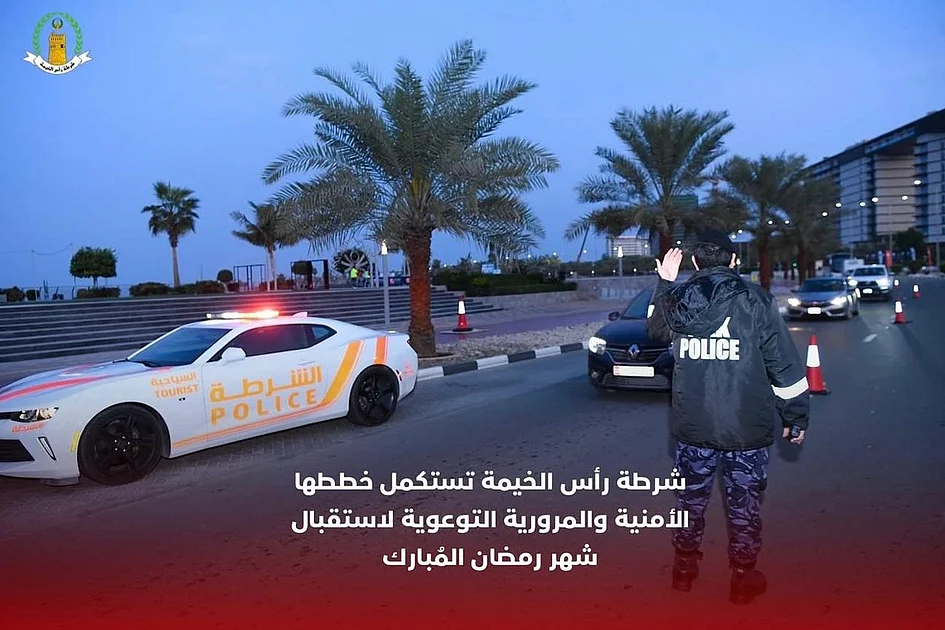

  • Ramadan 2026: RAK Police step up patrols, warn of strict action against begging

    Ramadan 2026: RAK Police step up patrols, warn of strict action against begging

    The Ras Al Khaimah Police General Command has unveiled a comprehensive security strategy for Ramadan 2026, prioritizing public safety and community welfare through heightened patrols and educational initiatives. Central to this plan is a stringent crackdown on begging, with authorities vowing to take decisive legal action against individuals engaged in solicitation or illicit income generation during the holy month.

    Enhanced security protocols will see a significant increase in both security and traffic patrols. These units will be strategically deployed to safeguard worship centers and marketplaces, manage traffic congestion during peak hours, and actively combat negative social behaviors. The initiative is further bolstered by the launch of extensive public awareness campaigns designed to educate residents, thereby elevating overall security standards and fostering community well-being.

    Operating in full alignment with the UAE Ministry of Interior’s strategic objectives, the force’s Central Operations Room and field teams remain on high alert, providing 24/7 responsiveness to public inquiries and emergencies. Citizens are urged to utilize 999 for critical emergencies and 901 for general service requests.

    Concurrently, the Media and Public Relations Department will roll out a series of cultural and security-conscious programs. Key highlights include coverage of the community-centric ‘Ramadan Majlis’ gatherings and the Police Ramadan Championship. In a critical road safety push, the department, in collaboration with traffic branches, is actively promoting driver awareness, specifically cautioning against speeding to make it home for iftar and emphasizing the protection of lives and property.

    Concluding its advisory, the RAK Police appealed to the community to refrain from using fireworks, encouraging everyone to embrace the peaceful and spiritual essence of Ramadan while wishing all residents a safe and secure month.

  • Fujian Spring Festival Gala bridges Taiwan Strait and Southeast Asia

    Fujian Spring Festival Gala bridges Taiwan Strait and Southeast Asia

    The 2026 Fujian Spring Festival Gala achieved a groundbreaking milestone on February 17th by simultaneously connecting three culturally significant locations through a spectacular tri-location broadcast. Under the thematic banner “Winds Across the Miles, Spring Light We Share,” the production creatively intertwined Fujian province, Taiwan region, and Malaysia’s historical city of Malacca in an unprecedented cultural convergence.

    The gala masterfully highlighted Fujian’s dual role as both a crucial hub on the 21st-Century Maritime Silk Road and a pioneering zone for cross-Strait integration. The production design featured innovative ribbon screens and modular display panels that fluidly transitioned between distinctive architectural landscapes: southern Fujian’s characteristic red-brick dwellings, Taipei’s modern 101 skyscraper skyline, and Malacca’s vibrant Jonker Street.

    Performance segments powerfully demonstrated shared cultural heritage through synchronized traditional arts. The Quanzhou Song Jiang Battle Formation, Taiwan’s Douzhen Drum performance, and Malaysia’s 24 Festive Drums created a thunderous rhythmic unity that visually and audibly represented common ancestral connections.

    Personal narratives enriched the cultural tapestry, with Taiwanese host Yang Pin-hua noting the culinary connections between Fuzhou and Taipei, while Malaysian host Juin Teh expressed emotional connections to Fujian-style architecture preserved in Malacca. The dramatic vignette “Reunion” poignantly recounted the story of Fuzhou-born hero Wu Shi, featuring actress Lyu Chenyue performing a traditional Fujian lullaby.

    The Malacca segment showcased the story of Gan Tian Loo and his father’s preservation of Chinese heritage streets, exemplifying how overseas Fujianese communities maintain cultural roots while building intercultural bridges. Malaysian singer Ah Niu’s medley creatively fused “Rasa Sayang” and “Peach Blossoms Bloom” with diverse performance elements including Peranakan dance, high-pole lion dance, and martial arts.

    Notable musical collaborations included a special anniversary performance of “Ningxia” commemorating 30 years of Fujian-Ningxia cooperation, reinterpreted by actress Yao Chen alongside children from Minning No 1 Primary School. The gala concluded with an updated version of the viral 2025 hit “Calm and Composed” by Wang Bo and Xiamen’s Black Cat Cross-Strait Youth Band, blending youthful voices from both sides of the Strait.

    The event received significant international recognition, with Malaysian Ambassador to China Dato’ Norman Muhamad praising the production as an effective “cultural bridge” strengthening bilateral relations.

  • Look: Crescent spotted in UAE skies on first day of Ramadan

    Look: Crescent spotted in UAE skies on first day of Ramadan

    The United Arab Emirates officially welcomed the holy month of Ramadan 1447 AH on Wednesday, February 18, 2026, following the confirmed sighting of the crescent moon by astronomical authorities. The Khatm Astronomical Observatory, operating under the International Astronomy Center, successfully captured photographic evidence of the crescent at 10:30 AM UAE time, marking the commencement of the Islamic fasting period.

    Scientific measurements recorded the moon’s position at 9.8 degrees separation from the sun with an age of approximately 16.6 hours at the time of observation. This confirmation came after the UAE’s Moon-Sighting Committee convened at Qasr Al Hosn in Abu Dhabi on Tuesday evening, where religious and astronomical experts verified the celestial phenomenon through traditional and scientific methods.

    The beginning of Ramadan follows the completion of 29 days in the preceding month of Shaban, consistent with Islamic lunar calendar traditions that determine each month’s duration through visual crescent observations. Muslim communities across the nation subsequently began their first day of fasting, with prayer timings set at Fajr (dawn) at 5:34 AM and Maghrib (sunset) at 6:18 PM, creating a fasting duration exceeding 12 hours.

    The commencement of Ramadan brings significant cultural and social transformations to the UAE, where both Muslim residents and non-Muslim participants engage in spiritual reflection, charitable activities, and communal gatherings. The government’s Awqaf department has issued official prayer and fasting timings to facilitate religious observance throughout the holy month.

  • Time to put China on the hook for overfishing

    Time to put China on the hook for overfishing

    Environmental challenges exist in three distinct categories, each requiring different solutions and presenting unique obstacles. Local pollution—contaminated air and water—primarily affects nearby communities and has been effectively addressed through national regulations and economic development. The Environmental Kuznets Curve demonstrates that as societies prosper, they increasingly prioritize cleaner local environments, evidenced by China’s remarkable air quality improvements in the 2010s.

    Global environmental harm, exemplified by climate change, presents greater coordination challenges due to free-rider problems. Technological innovation often provides the most viable solution, replacing polluting technologies with cleaner alternatives, as seen in the transition from ozone-depleting CFCs to HFC refrigerants.

    The third category—harm to nature itself—poses the most complex challenge. Habitat destruction through logging, mining, and pollution primarily damages biodiversity rather than current human populations. Solving these problems requires altruism: either intrinsic valuation of nature or concern for future generations.

    Encouragingly, evidence suggests wealthier nations increasingly preserve their natural environments. Reforestation trends across North America, Europe, and East Asia indicate growing environmental consciousness among developed nations. Even Brazil has significantly reduced Amazon deforestation rates since the early 2000s.

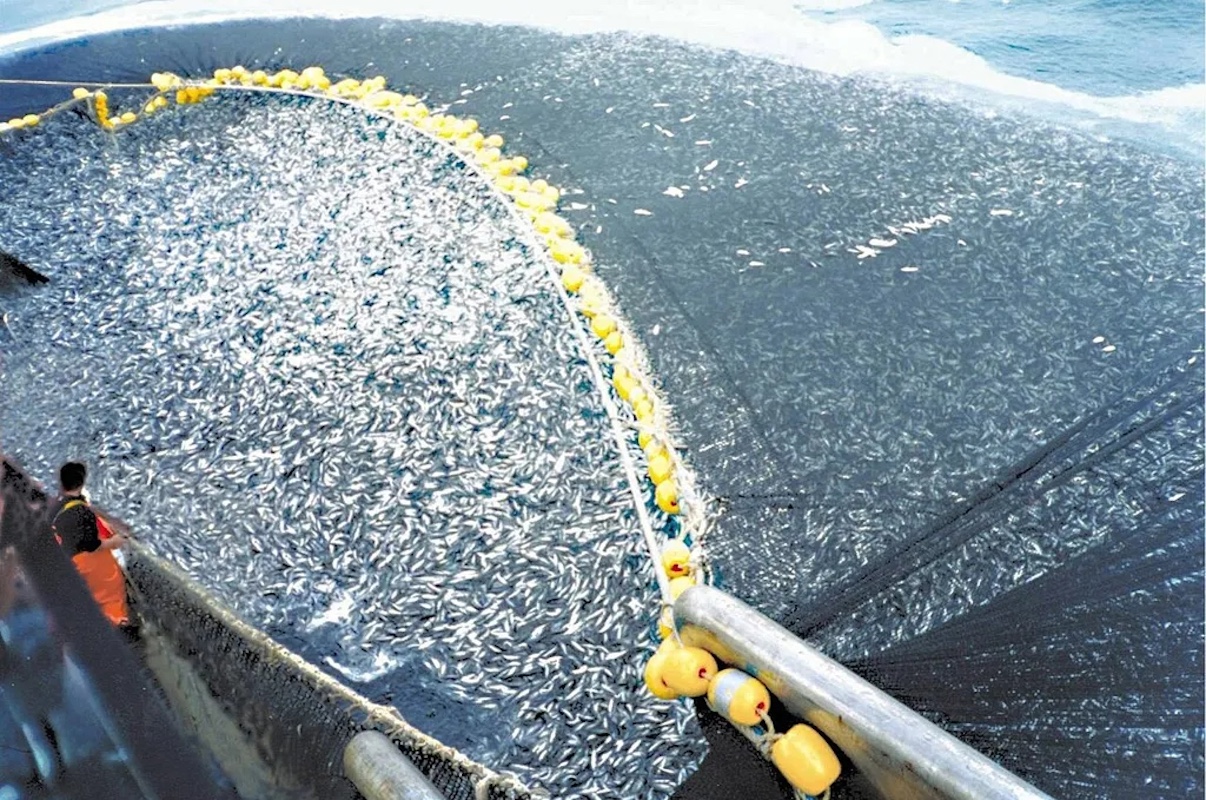
    However, China presents a concerning exception in marine conservation. While implementing strong environmental protections domestically—including Yangtze River fishing bans and reforestation programs—China operates the world’s largest distant-water fishing fleet, accounting for 44% of global fishing activity according to Oceana’s 2025 report.

    This fleet engages in widespread illegal, unreported, and unregulated (IUU) fishing practices: disabling transponders, falsifying records, using prohibited gear, and poaching from other nations’ waters. An Outlaw Ocean Project investigation found nearly half of China’s squid fleet committed environmental or human rights violations.

    The ecological impact is devastating. China leads in destructive fishing practices like bottom-trawling, which Japan and the US have largely abandoned. Consequently, increasingly more global fisheries become overexploited, threatening both biodiversity and future food security.

    Geopolitical motivations underlie much of this activity. China’s fishing fleet functions as a de facto naval militia, asserting territorial claims and pressuring other nations, particularly in the South China Sea. Government subsidies, primarily fuel support, maintain this massive fleet despite diminishing returns.

    Environmental organizations have largely neglected this crisis, focusing criticism predominantly on Western nations while ignoring China’s extensive environmental violations. This selective outrage risks rendering the environmental movement irrelevant as global power shifts eastward.

    The situation represents both optimism and concern: China demonstrates capacity for environmental stewardship domestically, suggesting adherence to the wealth-environment consciousness correlation. However, its geopolitical ambitions drive destructive practices internationally that threaten global marine ecosystems.

  • 4 dead in Yunnan Spring Festival boat accident, special probe ongoing

    4 dead in Yunnan Spring Festival boat accident, special probe ongoing

    A tragic maritime incident during China’s peak Spring Festival travel period has resulted in four fatalities after a passenger vessel overturned at a resort in Yunnan province. The accident occurred at approximately 3:40 PM on Tuesday in Lianhua village, Chuxiong city, plunging 26 individuals into the water according to the Ministry of Emergency Management’s preliminary assessment.

    The Ministry has issued directives for immediate casualty verification and comprehensive medical treatment for injured survivors. In response to the severity of the incident, the Office of the State Council Work Safety Commission has elevated the investigation to special supervision status, mandating Yunnan authorities to accelerate the probe and establish legal accountability.

    Authorities have emphasized the necessity of deriving critical safety lessons from this tragedy to implement preventive measures against similar accidents. The investigation continues to determine the precise cause of the capsizing while emergency response teams complete follow-up operations at the resort location.

  • Spring festival travel sees more diverse, efficient homebound trips

    Spring festival travel sees more diverse, efficient homebound trips

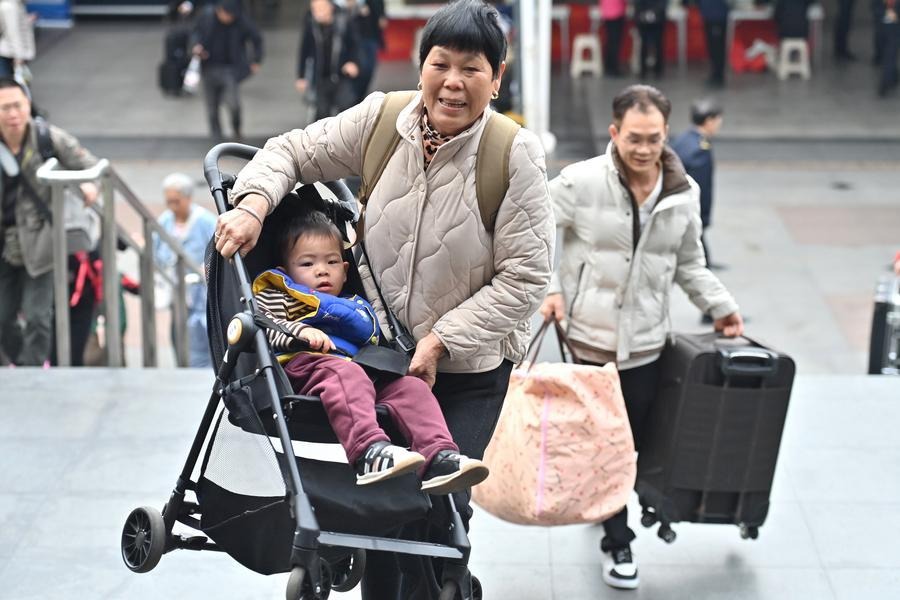
    The annual Spring Festival travel rush in China, historically characterized by arduous journeys, has undergone a remarkable transformation, evolving into a diverse and efficient transportation phenomenon. This year’s chunyun period, running from February 2 to March 13, is projected to generate an unprecedented 9.5 billion passenger trips, showcasing China’s rapidly modernizing transport infrastructure.

    The personal journey of Wei Shouyi, a 44-year-old migrant worker, exemplifies this dramatic shift. Two decades ago, Wei endured an 18-hour motorbike trek from Foshan to his Guangxi village through challenging conditions. Today, his 700-kilometer journey has been reduced to a comfortable six-hour drive in his private vehicle. “Since I bought a van in 2010, and later a car, the motorcycle has become a memory,” Wei reflects. “In my village, no one rides back from Guangdong anymore.”

    This personal transformation mirrors national trends. The once dominant sight of massive motorbike caravans has dramatically diminished. Police officer Zou Dan, stationed at a key highway checkpoint in Wuzhou, confirms: “You only see a few scattered motorcycles now. Our focus has shifted entirely to managing the massive flow of private cars on the expressways.”

    Multiple factors drive this evolution. Surging private vehicle ownership, particularly new energy vehicles (NEVs), has revolutionized road travel. According to Huang Guoxun of Guangxi’s transport department, NEV travel during this Spring Festival is expected to jump by 72.2 percent, comprising one-fifth of all highway traffic.

    Rail infrastructure has simultaneously undergone massive expansion. China’s total operating railway mileage increased by 12.8 percent during the 14th Five-Year Plan period (2021-2025), reaching 165,000 kilometers. The high-speed rail network specifically grew by 32.98 percent to 50,400 kilometers, maintaining China’s position as home to the world’s largest high-speed rail system. This expansion supports the expected 540 million rail passengers during the travel period.

    Notably, traditional “green trains” continue to operate alongside modern high-speed networks, providing affordable options for passengers traveling to smaller stations.

    The aviation sector has similarly transformed from a luxury service to a practical transportation alternative. Migrant workers like Ma Changwei now consider air travel a viable option when high-speed rail tickets are unavailable. “It’s expensive compared to the train, but it only takes two or three hours,” Ma explains. “Many of my coworkers are doing the same.”

    Industry data confirms this trend, with China’s civil aviation authorities anticipating approximately 95 million passengers during the holiday season—a historic high. China Southern Airlines’ Guangxi branch reported an 85 percent seat occupancy rate on the first day of chunyun alone, describing demand as “explosive.”

    This comprehensive transportation evolution has fundamentally reshaped the Chinese cultural tradition of returning home for the Lunar New Year, making journeys safer, faster, and more comfortable for millions of travelers.

  • How Sheikh Zayed led UAE at age of 29: Emirati businessman pays tribute in new book

    How Sheikh Zayed led UAE at age of 29: Emirati businessman pays tribute in new book

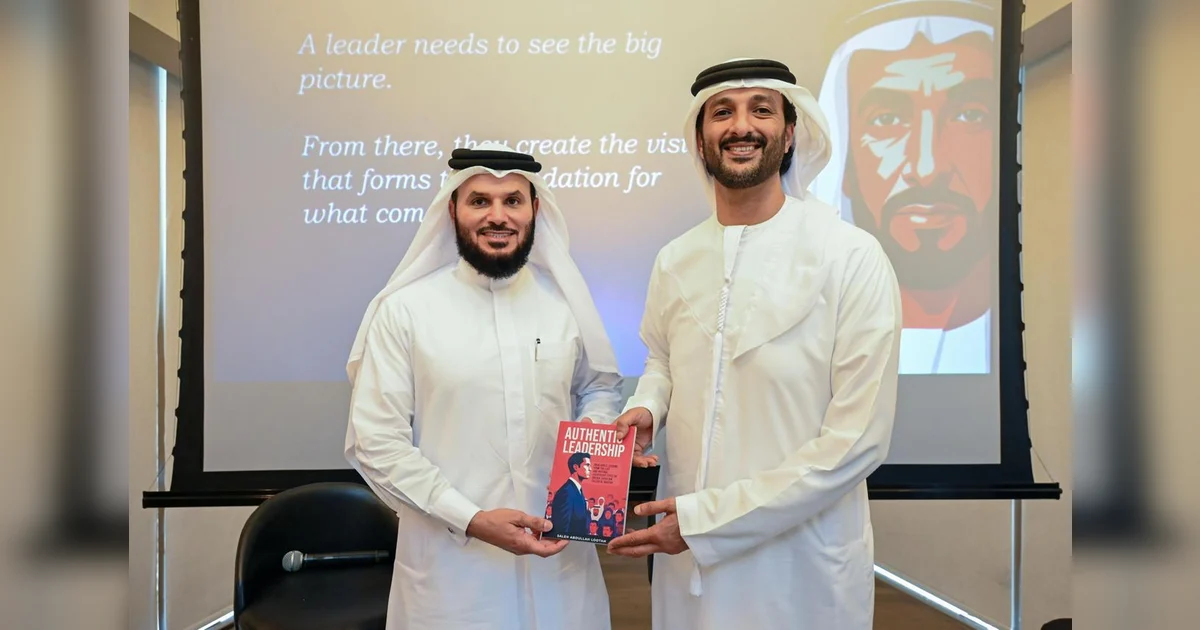
    Prominent Emirati entrepreneur Saleh Abdulla Lootah has unveiled a comprehensive literary tribute to the UAE’s founding father, Sheikh Zayed bin Sultan Al Nahyan, through his newly published work “Authentic Leadership – Invaluable Lessons from the Life and Natural Leadership Style of Sheikh Zayed bin Sultan Al Nahyan.”

    The publication, launched on Monday, represents over two years of meticulous research into the visionary leadership principles that transformed the United Arab Emirates from a region with limited infrastructure into a global hub of commerce and tourism. Lootah, chairman of diversified conglomerate Lootah Holding, emphasizes that contemporary business leaders can draw profound inspiration from Sheikh Zayed’s governance approach.

    “Without his extraordinary leadership, we would not be experiencing the quality of life we enjoy today,” Lootah stated during his book launch event, highlighting the enduring impact of Sheikh Zayed’s legacy on modern Emirati society.

    The analytical work examines multiple dimensions of Sheikh Zayed’s leadership methodology, including his exceptional team-building capabilities, strategic succession planning, unwavering dedication, and diplomatic negotiation skills. Notably, the book explores how at just 29 years old, Sheikh Zayed assumed leadership of the Eastern Region (Al Ain), demonstrating remarkable political acumen that would later enable him to unify disputing tribes and orchestrate the nation’s development.

    Lootah, whose family established the world’s first Islamic bank (Dubai Islamic Bank), expresses concern that younger generations might not fully appreciate the historical challenges overcome during the nation’s formation. He emphasizes that current challenges pale in comparison to the resource constraints and fragile conditions that characterized the pre-oil era.

    The entrepreneur’s work serves as both historical preservation and leadership manual, encouraging contemporary business leaders to adopt Sheikh Zayed’s principles of decisive action, responsibility delegation, and strategic negotiation in modern corporate contexts.

  • Umm Al Quwain ramps up inspections of roadside stalls, food safety in Ramadan

    Umm Al Quwain ramps up inspections of roadside stalls, food safety in Ramadan

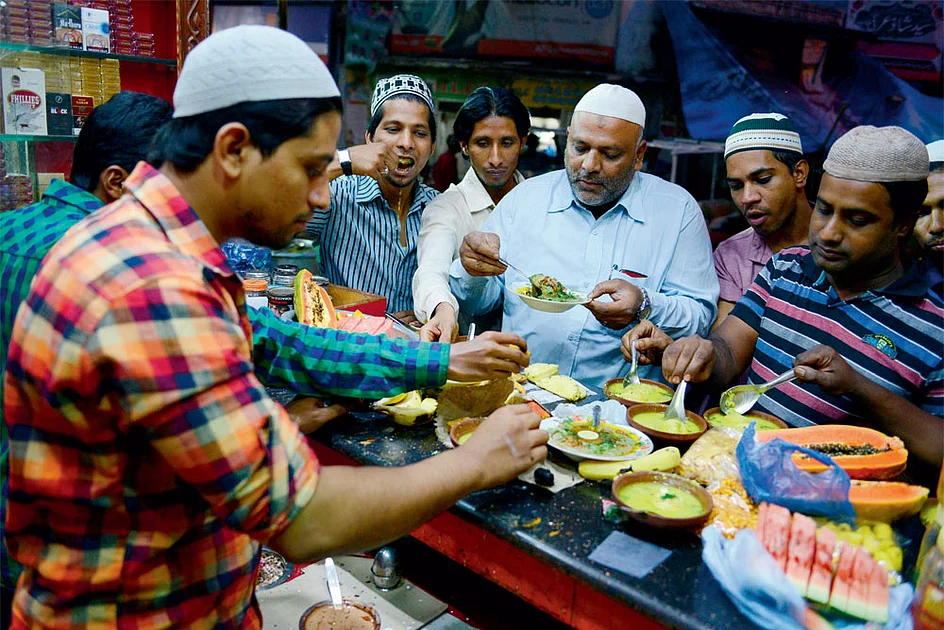
    The Municipality of Umm Al Quwain has launched an intensified inspection campaign targeting food establishments and roadside stalls throughout the holy month of Ramadan to ensure public health safety. This comprehensive initiative focuses on all aspects of food handling, from transportation and storage to preparation and cooking processes, with particular emphasis on compliance with safety standards and regulations.

    Given the significant consumption of fried foods during Ramadan, inspectors are paying special attention to the quality and validity of cooking oils used by vendors. The campaign also verifies that food storage and preparation locations meet hygiene requirements, with authorities checking that all food items are properly covered and protected from contamination.

    Roadside food vendors face additional scrutiny regarding worker hygiene practices. Inspectors are ensuring all food handlers wear appropriate protective gear including gloves and head coverings while maintaining valid occupational health cards. The municipality began preparations for this annual campaign in early January through specialized training programs for food inspection department employees.

    These training sessions covered outdoor food display regulations, common Ramadan-specific violations, and theoretical exercises to enhance inspectors’ understanding of seasonal food safety challenges. The public has been encouraged to report any food safety concerns or violations through the municipality’s dedicated call center at 800898 to support these oversight efforts.

  • Sanae Takaichi set to be reelected Japanese prime minister

    Sanae Takaichi set to be reelected Japanese prime minister

    TOKYO – In a decisive political development, Sanae Takaichi has clinched her reappointment as Japan’s Prime Minister following a conclusive parliamentary procedure on Wednesday. The leader of the ruling Liberal Democratic Party (LDP) secured an overwhelming mandate from the powerful lower house of Japan’s Diet, eliminating any requirement for a runoff election.

    The parliamentary endorsement solidifies Takaichi’s position at the helm of Asia’s second-largest economy, granting her continued authority to implement her political agenda. This victory represents a significant consolidation of power for the conservative leader, who has maintained strong support within her party’s ranks despite various global and domestic challenges.

    The appointment process unfolded through a structured vote in the House of Representatives, where the LDP maintains a substantial majority. Political analysts note that this smooth transition indicates both party unity and public confidence in Takaichi’s leadership direction, particularly regarding economic stabilization measures and national security policies.

    This political milestone occurs against a backdrop of regional geopolitical tensions and economic uncertainty, positioning Takaichi to continue her work on international diplomacy and domestic reform initiatives. Her administration faces ongoing challenges including inflation management, demographic shifts, and evolving security concerns in the Asia-Pacific region.