标签: Asia

亚洲

  • Japanese firms upbeat on China’s rapid advances

    Japanese firms upbeat on China’s rapid advances

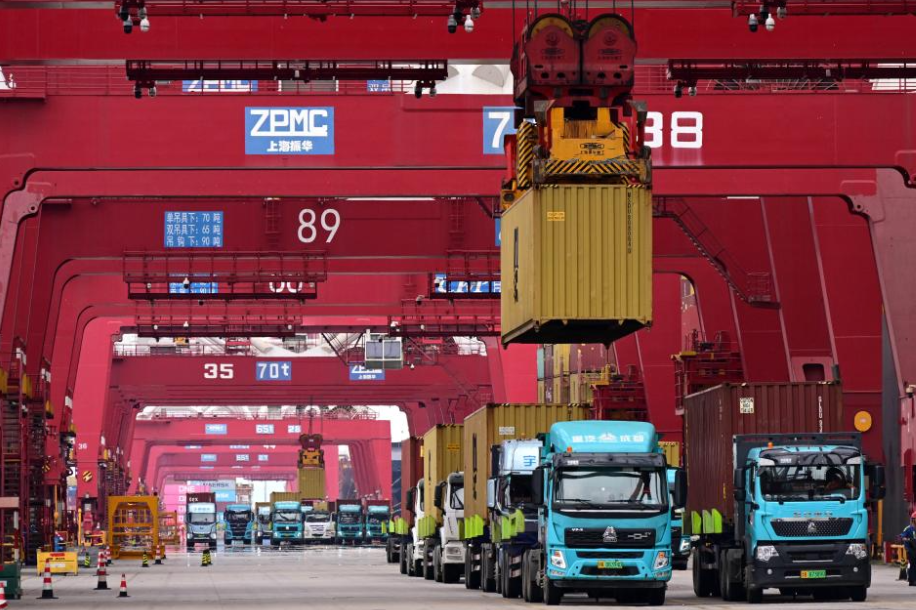
    TOKYO – Japan’s corporate sector maintains a strongly optimistic outlook on China’s economic trajectory, identifying rapid advancements in artificial intelligence and digital technologies as pivotal growth catalysts. This perspective emerges amid comprehensive industrial modernization efforts outlined in China’s 2026 Government Work Report, which prioritizes developing emerging sectors including integrated circuits and expanding the ‘AI Plus Initiative’ to accelerate large-scale implementation of digital technologies.

    Academic analysis from Rikkyo University’s College of Economics in Tokyo indicates China has strategically positioned technological innovation as the cornerstone of its industrial transformation, achieving remarkable progress across multiple sectors. The new energy vehicle industry exemplifies this transformation, with China establishing both substantial market presence and reinforced competitiveness in battery technology and comprehensive supply chain infrastructure.

    Recent automotive industry data reveals unprecedented production and sales figures exceeding 34 million units in the previous year, with new energy vehicles emerging as the primary growth driver. This segment achieved production and sales surpassing 16 million units, representing approximately 30 percent year-on-year growth and marking China’s eleventh consecutive year as the global leader in new energy vehicle sales.

    While acknowledging ongoing challenges within China’s semiconductor industry, experts note consistent expansion in research investment and gradual enhancement of technological capabilities. The rapidly evolving AI and digital sectors are projected to become principal economic growth engines in forthcoming years.

    The Japan-China Economic Association recognizes substantial potential within emerging technology and consumer sectors, affirming China’s sustained leadership in digital technologies. Despite regional supply chain restructuring initiatives, the association emphasizes China’s indispensable position within East Asia’s manufacturing and supply networks, noting that the nation’s extensive domestic market and progressively advancing manufacturing capabilities ensure its central role in regional industrial chains will persist indefinitely.

    Japanese economic circles simultaneously underscore the critical importance of stable bilateral economic relations, particularly following recent diplomatic tensions arising from provocative statements regarding China’s Taiwan region. These developments have adversely affected economic exchanges between the nations, resulting in the unprecedented cancellation of the annual joint business delegation that had continued since 1975.

    Existing cooperation mechanisms such as the Japan-China Energy Conservation and Environmental Protection Forum remain vital channels for economic collaboration, with significant potential for expanded cooperation in addressing global challenges. Beyond current priorities in decarbonization and digital economy sectors, future collaboration may encompass healthcare, elderly care services, social welfare systems, and disaster prevention initiatives.

    Continued progress in China’s market liberalization and business environment improvements are expected to provide Japanese companies with increasingly stable investment conditions, particularly within China’s vast consumer market where demand for premium products and services continues to escalate. Promising growth sectors including green energy, digital economy, artificial intelligence, and healthcare present substantial opportunities for Japanese enterprises, highlighting the necessity for deepened cooperation rather than confrontation to achieve balanced and mutually beneficial bilateral relations.

  • US embassy in Baghdad attacked, fire breaks out

    US embassy in Baghdad attacked, fire breaks out

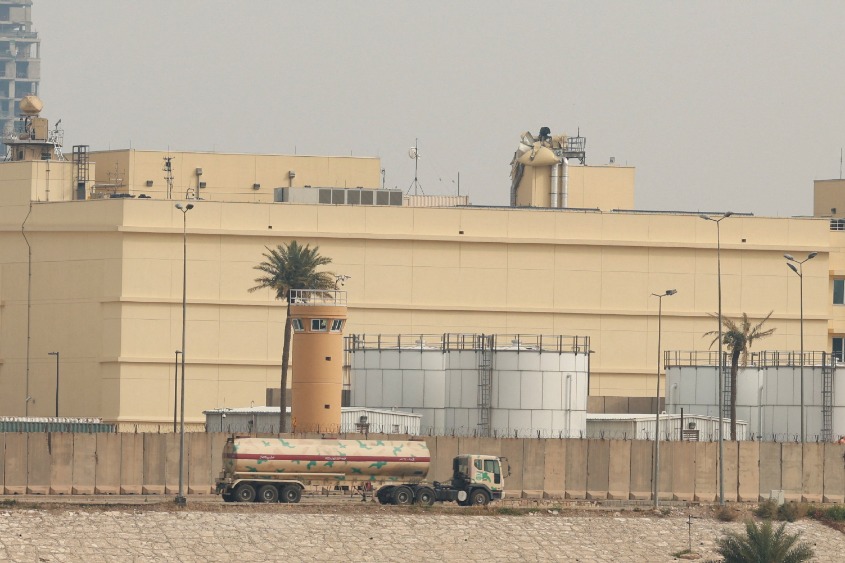
    The heavily fortified US Embassy compound in Baghdad’s Green Zone came under sustained attack in the early hours of Tuesday, March 17, 2026, with multiple projectiles striking the diplomatic facility and igniting fires within the secure perimeter.

    According to security sources in the Iraqi capital, the assault began on Monday evening and continued into Tuesday morning, representing one of the most significant attacks against American diplomatic presence in recent months. The Green Zone, which houses numerous government buildings and foreign missions, was placed on high alert as emergency response teams mobilized to contain the blazes within the embassy grounds.

    The attack occurred against a backdrop of heightened regional tensions and ongoing security challenges in Iraq. While no group has immediately claimed responsibility, the methodology suggests possible militia involvement. The United States maintains a significant diplomatic presence in Iraq despite periodic security incidents targeting its facilities.

    Pentagon officials have been notified of the incident and are monitoring developments closely. The State Department has yet to issue an official statement regarding potential casualties or damage assessment. Iraqi security forces have cordoned off the area and launched an investigation into the source of the attack.

    This incident marks the latest in a series of security challenges facing diplomatic compounds in Baghdad, underscoring the persistent volatility in the region despite ongoing stabilization efforts. The attack will likely prompt renewed discussions about security protocols for foreign missions in Iraq and may influence upcoming diplomatic engagements in the region.

  • Shanghai’s invasive BMI medical device gets nod

    Shanghai’s invasive BMI medical device gets nod

    Shanghai-based Neuracle Technology has achieved a groundbreaking milestone in medical technology as its implantable brain-machine interface (BMI) system received full market authorization, becoming the world’s first invasive BMI medical device to gain regulatory approval. This historic development signals the transition of China’s invasive neural technology from experimental research to widespread clinical implementation.

    The National Medical Products Administration granted the medical device registration certificate on March 13, 2026, following successful clinical trials demonstrating significant improvement in hand-grasping ability among participants with quadriplegia. The device specifically targets patients aged 18 to 60 who have lost grasping function due to cervical spinal cord injuries.

    Neuracle’s innovative system employs a coin-sized minimally invasive implant that utilizes extradural implantation technology, positioning electrodes outside the dura mater to avoid brain tissue damage while maintaining high signal quality. The device extracts and analyzes neural signals in real-time, enabling patients to control specialized gloves through thought alone to perform essential tasks like grasping objects and drinking.

    Clinical trials involving 36 participants revealed a remarkable 100 percent improvement rate in grasping function, with some patients exhibiting additional neurological benefits including neural remodeling and recovery of supplementary nerve functions. The system features wireless power and communication capabilities, allowing for single implantation with long-term usability. Surgical implantation requires just over an hour, with patients typically achieving independent home operation within one month post-procedure.

    Compared to international counterparts, Neuracle’s technology demonstrates superior advantages in trauma reduction, patient compliance, and long-term stability. The company, founded in 2011 and among China’s first BMI-focused enterprises, plans to achieve the first clinical application this year while working to reduce manufacturing costs to enhance accessibility.

    The National Medical Products Administration emphasized its commitment to supporting major innovations in high-end medical devices, stating: ‘We will fully promote the application of new technologies, new materials, new processes and new methods in the healthcare field to enhance the international competitiveness of China’s high-end medical devices.’

    Industry experts recognize the device as providing a Chinese solution for global neurological treatment and offering novel insights for nervous system rehabilitation. BMI technology represents the convergence of integrated circuits, biomedicine, and artificial intelligence, with Shanghai emerging as a global hub for this cutting-edge field. The city currently hosts approximately 60 BMI companies, representing one of the world’s highest concentrations of firms and most advanced technologies in neural interface development.

    By 2025, Shanghai had already seen three invasive products enter China’s special review process for innovative medical devices, with another invasive product entering the FDA’s breakthrough therapy pathway. Several non-invasive BMI products are already deployed in stroke rehabilitation, mental health screening, and sleep disorder treatment.

  • Bus service meets regional business travel demands

    Bus service meets regional business travel demands

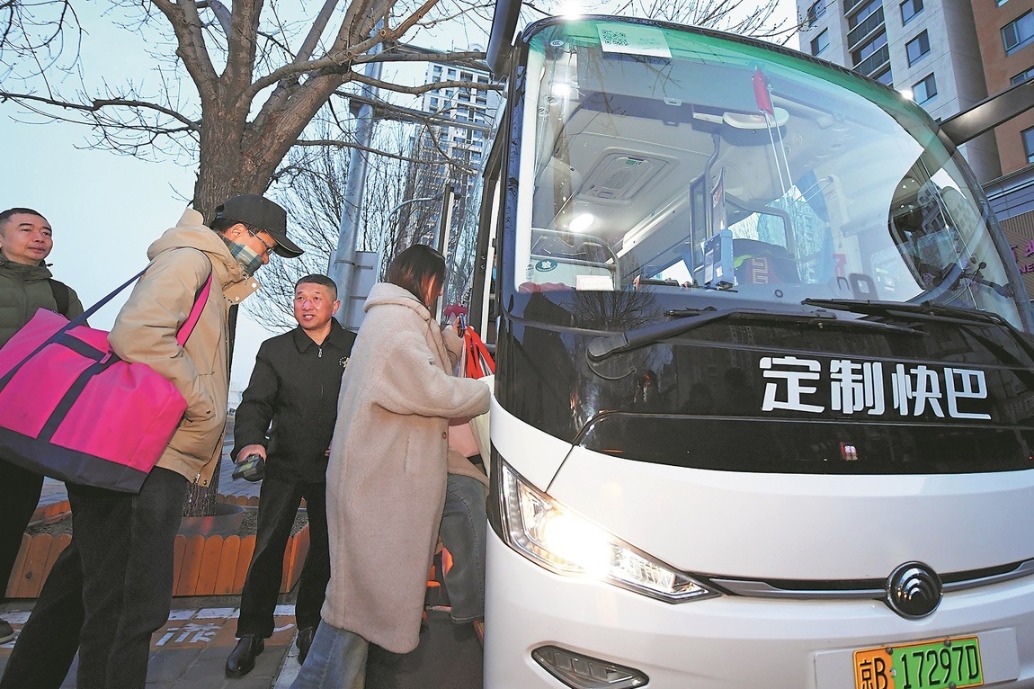
    A transformative commuter bus service connecting Beijing with the rapidly developing Xiong’an New Area has officially commenced operations, marking a significant milestone in the Beijing-Tianjin-Hebei regional integration initiative. The service, which completed successful trial operations spanning more than a year, introduces an expanded network designed specifically to accommodate growing business travel demands between the two economic hubs.

    The newly launched system features a strategic route expansion, including a specialized branch line that originates at Beijing’s Liuliqiao subway station, traverses the prominent Lize financial business district, and terminates at the Zhongguancun Science Park within Xiong’an. This carefully designed connectivity addresses the practical transportation needs of professionals and corporations operating across both locations.

    According to Zhang Jingxing, an official with the Beijing Municipal Commission of Transport, the service formalization enables broader commuter benefits while substantially enhancing transport infrastructure for industrial collaboration. The network design incorporates data insights from over 8,500 trial passengers, ensuring optimal route efficiency and coverage.

    The current operational framework includes three customized routes spanning 120 kilometers with a maximum travel duration of two hours. Priced at 50 yuan ($7.20) for a one-way journey, the service recorded promising initial metrics with 75 morning passengers on launch day and an average seat occupancy rate of 45%—surpassing projections by approximately 15%.

    Operational advantages include dedicated bus lanes and expedited checkpoint processing, eliminating inspection stops at Beijing borders. Wang Zhen, general manager of the operating company, emphasized the service’s competitive positioning: “It offers greater economy than private driving and superior convenience compared to high-speed rail options.”

    Passenger experience incorporates digital innovation through an official WeChat platform for ticket booking, with boarding facilitated via facial recognition or ID card authentication—eliminating traditional paper tickets. One commuter, identified as Li, praised the seamless integration with subway systems and direct workplace access without transfers.

    The broader customized network now encompasses 12 main routes and 58 branch lines interconnecting Beijing with multiple cities across Hebei province and Tianjin municipality. Cumulative performance data reveals impressive scale: over 163,000 completed trips transporting more than 5.3 million passengers to date.

    This development aligns with transportation objectives outlined in China’s 14th Five-Year Plan (2021-2025), which envisioned a “1 to 1.5-hour transportation circle” between major regional cities. With increasing corporate relocations to Xiong’an, including headquarters of major enterprises like China Satellite Network Group and Sinochem Group, demand is projected to grow substantially.

    Future expansion plans already include additional routes connecting Beijing’s Shuangjing station with Xiong’an’s Xuanwu Hospital and university district, further reinforcing the commitment to convenient, efficient, and affordable cross-city mobility.

  • Police officer pioneered Beijing traffic solutions

    Police officer pioneered Beijing traffic solutions

    In the complex ecosystem of Beijing’s urban mobility, where traffic is typically quantified through vehicle volume metrics and peak-hour speed analytics, the late Dong Yijun pioneered an unconventional measurement: footsteps. The former deputy director of the Beijing Municipal Public Security Bureau and head of its traffic management bureau, who passed away unexpectedly in October 2025 at 58, developed his transformative approach to urban governance through relentless ground-level observation.

    Over his 36-year policing career, Dong cultivated a methodology centered on firsthand investigation. He routinely walked congested bridges during late hours, traced neighborhood alleys on foot, stationed himself at bus terminals during rush hours, and engaged directly with citizens whose daily routines were shaped by the city’s transportation dynamics. His fundamental operating principle was simple yet profound: “If you haven’t seen it yourself, you haven’t really understood it.”

    Dong’s career trajectory exemplified this ground-up philosophy. After graduating from the People’s Public Security University of China in 1989, he began as a community officer in Xicheng district, one of Beijing’s most densely populated areas. Despite being a rare university graduate in grassroots policing at the time, he quickly distinguished himself by immersing completely in his assigned community—memorizing residents, businesses, and risk points through constant visitation rather than relying on paperwork.

    His leadership roles expanded significantly over the decades. Between 2021 and 2023, as head of the Tongzhou District Public Security Bureau, Dong spearheaded administrative reforms that simplified procedures and improved accessibility. Under his guidance, Tongzhou implemented over 120 measures that digitized approvals and expanded “one-stop” services, making policing and public services more responsive to residents and businesses alike.

    In 2023, Dong assumed what many considered Beijing’s most demanding public service role: director of the city’s traffic management bureau. He approached traffic not as an isolated system but as a reflection of urban functionality. Each morning and evening rush hour found him in the command center monitoring live feeds and directing responses. Late nights were dedicated to data analysis and planning for the following day, embodying his insistence that “no issue should wait until tomorrow.”

    Dong’s problem-solving methodology produced tangible results. When he noticed repeated pedestrian violations near Deshengmen in Xicheng, his investigation revealed that bus terminal placement and route design forced commuters to cross dangerously. His solution—which required cross-departmental coordination—led to the relocation of long-distance bus routes and optimization of traffic flow around key nodes, incorporated into Beijing’s broader transport governance plan.

    A strong advocate for technological integration, Dong championed digital public services that reduced burdens on citizens. Under his leadership, Beijing expanded the “Traffic 12123” mobile platform, enabling residents to handle dozens of services remotely. Today, approximately 80% of traffic-related services in Beijing can be completed online—a testament to his vision that “data should travel more and people should travel less.”

    Despite his seniority, Dong maintained exceptional personal discipline and humility. He worked extensively, often staying overnight at the office, yet rarely spoke of fatigue. Colleagues describe him as strategically minded yet detail-oriented—someone who cared about everything from traffic sign placement to drainage covers. Outside work, he remained private; his family learned of many professional achievements only through public reports.

    Dong, who joined the Communist Party of China in 1989, received numerous commendations including two first-class individual merits and the title of National Model Police Officer. His posthumous recognition as a “Role Model of the Times” celebrates a legacy visible in smoother traffic around major hospitals, streamlined administrative services, and policing models that prioritize coordination over confrontation. As one colleague summarized: “He showed us that leadership doesn’t come from distance, but from walking the same roads as the people you serve.”

  • Growing insulin resistance poses health challenge

    Growing insulin resistance poses health challenge

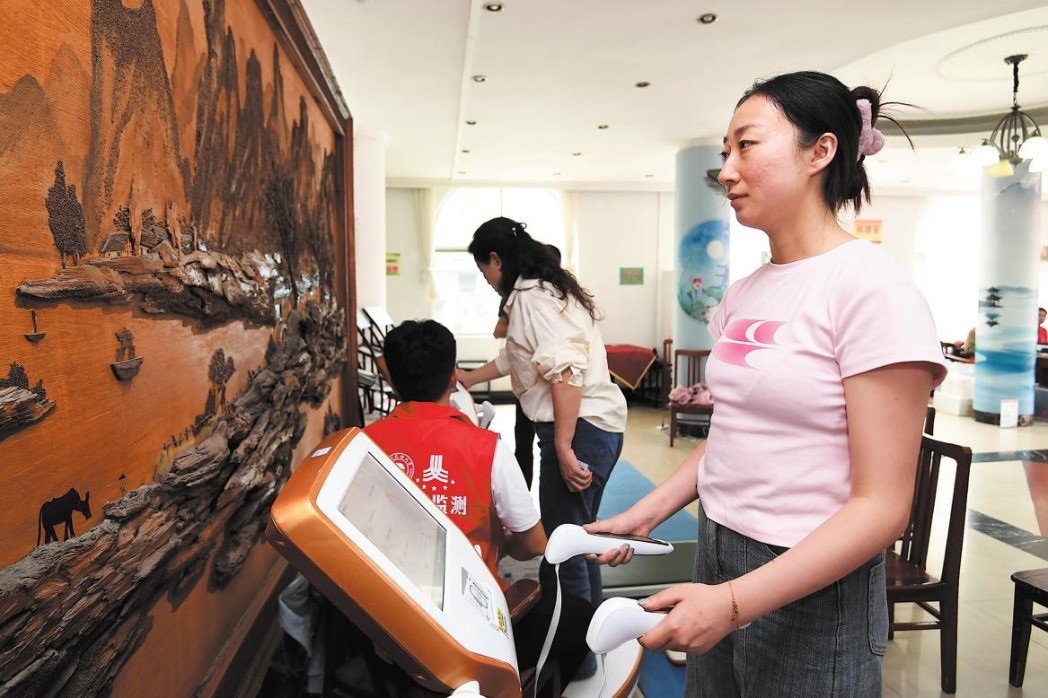
    China faces a mounting public health challenge as insulin resistance reaches alarming levels across its population, with many citizens remaining unaware of their metabolic condition. According to data from the Chinese Center for Disease Control and Prevention and Xinhua News Agency, this physiological phenomenon where the body’s response to insulin weakens has affected over 20% of adults aged 18 and above in certain regions, with prevalence rates soaring as high as 40.8% in some areas.

    The escalating trend, primarily driven by rapid lifestyle transformations, particularly endangers specific demographic groups. Men, individuals over 45, urban residents, excessive alcohol consumers, and those with sedentary habits or obesity face heightened vulnerability. Diets rich in sugars and fats further exacerbate this metabolic dysfunction, wherein the pancreas must produce excess insulin to maintain normal blood glucose levels.

    Medical experts emphasize the stealthy nature of this condition. Dr. Wang Weihao, Chief Physician of Endocrinology at Beijing Hospital, explains that insulin resistance typically progresses without noticeable symptoms until advancing to prediabetes. “Even with abnormal metabolism, blood sugar levels may appear normal. Most people experience no discomfort during this phase,” he noted in a November interview.

    Supporting research reveals concerning epidemiological patterns. A China CDC-led study published in June documented diabetes prevalence skyrocketing from 7.53% in 2005 to 13.7% in 2023—equating to 233 million patients nationwide. Simultaneously, investigation by Peking University revealed the average diabetes diagnosis age dropping from 62 to 56 years between 2008-2017, with cases under 40 surging from 3.0% to 10.9%.

    Dr. Li Jianhui, Chief Endocrinologist at Ningbo No 2 Hospital, highlighted the paradigm shift in his 2024 Yangtze Evening Post article: “Once considered an affluent elder’s condition, insulin resistance now permeates all population segments. Most affected individuals remain undiagnosed and unfamiliar with the term itself.”

    Healthcare professionals advocate multipronged lifestyle interventions to counter this epidemic. Dietary modifications include limiting carbohydrates to approximately 50% of total caloric intake while prioritizing whole grains. Increasing plant-based protein consumption benefits most individuals, though those with renal complications require specialized guidance. Intermittent fasting protocols alternating normal eating with calorie-restricted days show promising metabolic benefits.

    Physical activity constitutes another critical component, with experts recommending minimum weekly targets of 150 minutes of moderate-intensity aerobic exercise distributed across five days. Walking, jogging, and aerobic workouts complement resistance training like weightlifting and squats, which enhance insulin sensitivity while improving muscular and skeletal density.

  • Young adults embrace low-sugar living

    Young adults embrace low-sugar living

    A significant health movement is gaining momentum among China’s younger generation as they proactively adopt low-sugar lifestyles long before medical necessity demands it. This preventive approach to wellness represents a paradigm shift in dietary consciousness, with urban professionals leading the charge through technological monitoring and nutritional awareness.

    Zhang Huchuan, a 30-year-old freelancer from Hangzhou, exemplifies this trend. Her journey began eight years ago during her tenure as a medical science editor, where she first encountered research on sugar’s detrimental health effects. “My initial curiosity about why people needed sugar reduction evolved into a committed lifestyle choice after discovering the extensive negative impacts of excessive sugar consumption,” Zhang explained.

    Unlike traditional diabetic patients who monitor glucose out of medical necessity, Zhang and her contemporaries use continuous glucose monitors (CGMs) as educational tools. These advanced devices track blood sugar levels at three to five-minute intervals, providing real-time data about how different foods affect the body. “For non-diabetics, permanent monitoring isn’t necessary—it creates unnecessary anxiety. I used CGMs temporarily to understand my metabolic responses,” Zhang noted, emphasizing the informational rather than medical application of the technology.

    The practical implementation of this lifestyle maintains culinary enjoyment while optimizing nutritional balance. Zhang’s typical meals include wontons with poached eggs and milk for breakfast, followed by lunches and dinners featuring two meat dishes, two vegetable options, and rice consumed after other foods to moderate blood sugar spikes. She has replaced sugary beverages with light tea while maintaining flexibility for occasional treats.

    This movement reflects broader societal shifts toward preventive healthcare among health-conscious urban Chinese youth. The approach demonstrates remarkable results, with adherents reporting maintained vitality and excellent physical examination outcomes even as they enter their fourth decade. “At 30, my physical condition rivals what I experienced in my twenties,” Zhang reported, highlighting the tangible benefits of her sustained dietary modifications.

    The trend has implications beyond individual health, potentially influencing food service industries and public health policies as more young consumers demand vegetable-enhanced options even in traditionally carbohydrate-heavy regional cuisines.

  • US, Iranian officials reactivate direct contact in recent days: report

    US, Iranian officials reactivate direct contact in recent days: report

    In a significant diplomatic development, direct communication channels between United States and Iranian officials have been reinstated following weeks of military confrontation, according to multiple sources. The reactivation marks the first known high-level contact since coordinated US-Israeli strikes targeted Iranian positions on February 28, 2026.

    Axios reported Monday that US Special Envoy Steve Witkoff has engaged with Iranian Foreign Minister Seyed Abbas Araghchi through established diplomatic channels. A senior US official, speaking on condition of anonymity, revealed that while Iranian officials initiated the outreach, Washington maintains a cautious stance regarding substantive negotiations.

    The diplomatic overtures occur against a backdrop of ongoing regional tension, as evidenced by recent imagery showing Iranian missile debris in East Jerusalem following exchanges between Iran and US-Israeli forces. Contrary to initial reports, Drop Site News suggests Minister Araghchi has been unresponsive to American communications, creating ambiguity about Tehran’s actual position.

    President Donald Trump addressed the situation during a press briefing, stating, “Iran expresses desire for diplomatic resolution, but uncertainty persists regarding their decision-making hierarchy. We remain open to dialogue while maintaining strategic clarity about our security priorities.”

    The renewed communications represent a potentially pivotal moment in US-Iran relations, which have oscillated between direct confrontation and diplomatic engagement throughout recent administrations. Regional analysts suggest the reactivated channel could serve as risk mitigation against further military escalation while both nations assess their strategic options.

  • Rescue crews dig bodies out of the ruins of a Kabul hospital hit in an airstrike blamed on Pakistan

    Rescue crews dig bodies out of the ruins of a Kabul hospital hit in an airstrike blamed on Pakistan

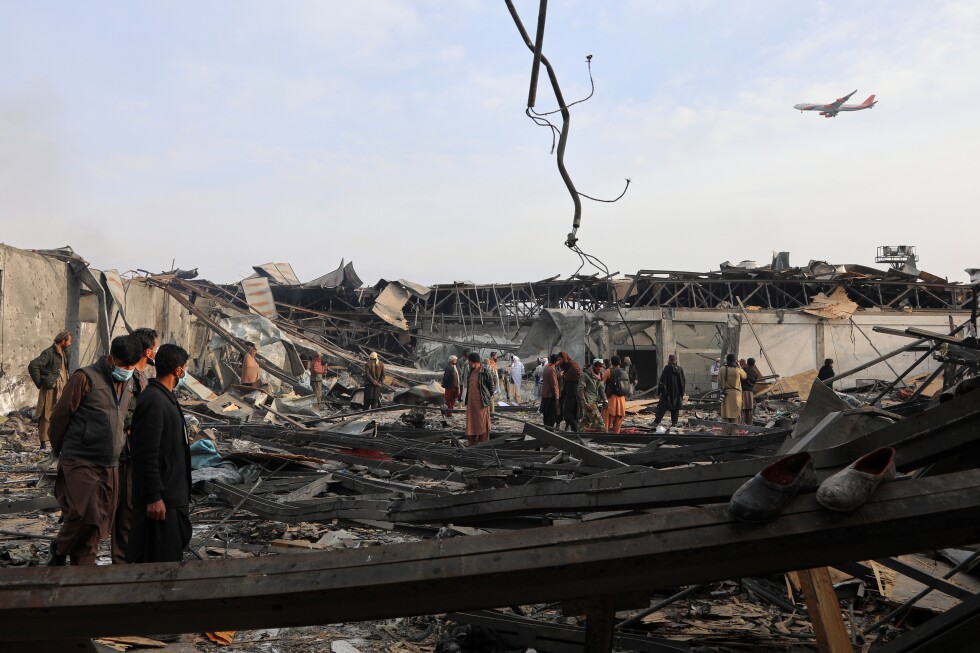
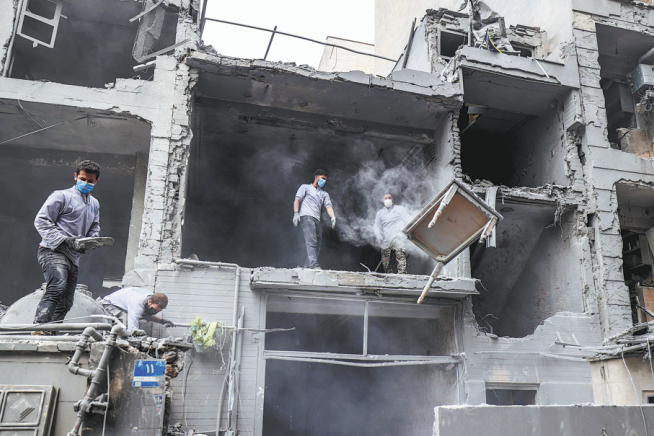
    KABUL, Afghanistan — Rescue operations continued through Tuesday morning at the site of a devastating airstrike that demolished a major drug rehabilitation center in the Afghan capital, with officials reporting approximately 400 fatalities and 250 injuries. The Omid Addiction Treatment Hospital, a 2,000-bed facility, was reportedly struck around 9 p.m. local time Monday, leaving large sections of the building in ruins.

    Afghan authorities have directly accused Pakistan of conducting the lethal strike, characterizing it as a deliberate attack on civilian infrastructure. Deputy government spokesperson Hamdullah Fitrat stated the death toll had ‘so far reached 400 people’ in a social media post, though official numbers remained unverified by Tuesday morning. Local media footage showed emergency personnel using flashlights to extract casualties from rubble as firefighters battled persistent flames.

    Pakistan has categorically denied targeting any medical facility, with Prime Minister Shehbaz Sharif’s spokesperson dismissing the allegations as ‘baseless.’ Information Minister Attaullah Tarar asserted that Pakistani military operations exclusively targeted ‘technical support infrastructure and ammunition storage facilities’ used by Afghan Taliban forces to support ‘terror proxies.’

    The incident marks a severe escalation in cross-border hostilities that began in late February, representing the most intense fighting between the neighboring nations in years. The conflict has continued despite international calls for de-escalation, with both sides exchanging fire along their shared border for three consecutive weeks.

    The United Nations Security Council had earlier called on Afghanistan’s Taliban administration to intensify counterterrorism efforts hours before the hospital strike. Pakistan maintains that Kabul provides sanctuary to militant groups including the Pakistani Taliban and Baloch separatist organizations, allegations Afghan authorities consistently deny.

    With Pakistan declaring itself in ‘open war’ with Afghanistan and the Taliban administration accusing Pakistan of crossing ‘red lines,’ the regional conflict has drawn concern from global observers worried about potential resurgence of other militant groups in the area, including al-Qaida and Islamic State affiliates.

  • Region urged to expel aggressors

    Region urged to expel aggressors

    The strategic Strait of Hormuz has become the focal point of an escalating security crisis in the Persian Gulf, with Iran launching a diplomatic offensive urging regional neighbors to expel American military forces. The development comes more than two weeks after initial U.S. and Israeli strikes against Iranian targets prompted retaliatory attacks on Gulf military and economic assets.

    Iranian Foreign Minister Seyed Abbas Araghchi characterized U.S. security guarantees as “full of holes” in a social media post, explicitly calling on “brotherly neighbors” to remove foreign aggressors whose primary concern he identified as Israeli interests. The rhetoric intensified as Iranian military spokesperson Ebrahim Zolfaghari designated the USS Gerald R. Ford carrier group and its support facilities in the Red Sea as legitimate targets, according to Al Jazeera reports.

    Meanwhile, the United States faces diplomatic challenges in maintaining the critical waterway’s accessibility. President Donald Trump has pressured NATO allies and regional partners for naval assistance in securing the strait, though key allies including Japan and Australia have declined escort missions. In a Financial Times interview, Trump warned of NATO’s “very bad” future should allies refuse cooperation.

    European foreign policy chief Kaja Kallas proposed adapting the Black Sea Initiative model—previously successful in facilitating Ukrainian agricultural exports during the Russia-Ukraine conflict—to ensure hydrocarbon transport through the strait. This proposal highlights growing international concern over potential disruptions to global energy supplies.

    Tehran’s diplomatic posture appears calculated to reshape regional security architecture. Iranian envoy to Saudi Arabia Alireza Enayati told Reuters that Gulf relations require “serious review” to limit external influence, emphasizing that regional nations “are neighbors, and we cannot do without each other.” His comments advocated strengthened ties within the Gulf Cooperation Council framework, including UAE, Saudi Arabia, Bahrain, Oman, Kuwait, Qatar, Iraq and Iran.

    West Asia analyst Nagapushpa Devendra of Germany’s University of Erfurt interprets Iran’s rhetoric as strategic narrative-building rather than immediate escalation. “Tehran frames the issue as external militarization of the Gulf driven by US and Israeli security priorities,” Devendra explained, noting that merely highlighting Iran’s ability to influence the critical energy corridor forces other states to treat it as an indispensable regional actor.

    The security situation remains volatile with recent drone attacks near Dubai International Airport and Fujairah industrial area causing temporary flight suspensions and fires. Simultaneous hostilities continue with missile exchanges between Iran and Israel, airstrikes in Iraq, and renewed Israeli operations against Hezbollah in southern Lebanon.