标签: Asia

亚洲

  • UAE: Nearly half of recruiters say they could not do their work without AI

    UAE: Nearly half of recruiters say they could not do their work without AI

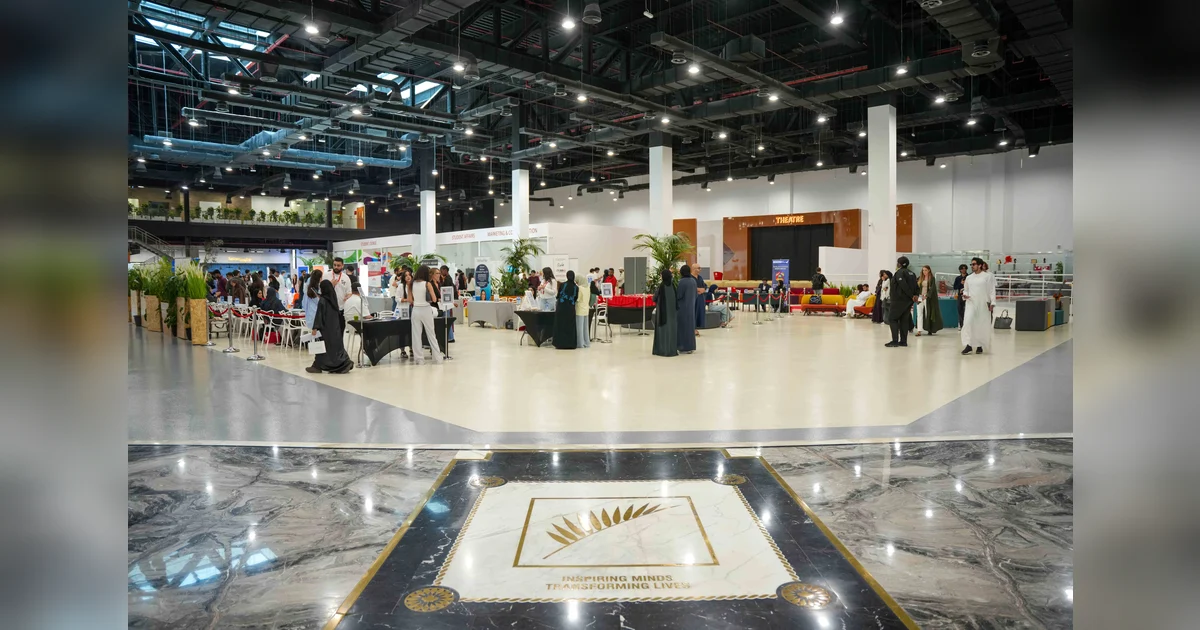
    A transformative shift is underway in the United Arab Emirates’ recruitment landscape as artificial intelligence becomes increasingly integral to hiring processes. New research from LinkedIn reveals that 47% of UAE recruiters now consider AI indispensable to their professional functions, signaling a profound technological transformation in the region’s employment sector.

    The comprehensive study demonstrates that an overwhelming majority—76%—of talent acquisition specialists credit AI with significantly accelerating their ability to fill vacant positions. This efficiency gain represents a substantial advancement in recruitment methodology, potentially reshaping how organizations identify and secure talent in the competitive UAE market.

    Despite these operational benefits, the research uncovered significant adaptation challenges within the recruitment community. Approximately 68% of UAE hiring professionals express concerns about their preparedness for AI’s continuing evolution within their industry. This apprehension highlights a critical gap between technological implementation and human readiness in the rapidly changing digital landscape.

    Further complicating this transition, 75% of recruiters worry that AI-conducted interviews may create impersonal candidate experiences without careful implementation strategies. Additionally, 80% of professionals desire better tools and training to navigate AI’s rapid development cycle effectively.

    On the candidate side, the research reveals parallel uncertainties. More than half (56%) of job seekers report confusion about how AI affects their visibility during application processes, while 46% struggle to distinguish themselves in AI-driven screening systems. These concerns are exacerbated by broader frustrations, with 35% of applicants receiving no acknowledgment of their submissions.

    Notably, UAE professionals demonstrate exceptional digital readiness globally, with 81% expressing confidence in workplace AI applications—among the highest adoption rates worldwide. Many are proactively leveraging AI to enhance applications, identify opportunities, and prepare for interviews, while one-third actively strengthen their competitiveness through skill development and profile optimization.

    According to Ali Matar, LinkedIn’s Emerging Markets Leader for EMEA, these findings indicate a clear need for enhanced guidance, transparency, and support systems as AI becomes central to recruitment ecosystems. This transformation occurs against a backdrop of projected growth, with separate studies indicating the UAE will require one million technology and AI specialists by 2030, creating substantial opportunities for job seekers equipped to navigate this new technological paradigm.

  • Cornell students explore China’s agricultural development and rural vitalization

    Cornell students explore China’s agricultural development and rural vitalization

    A delegation comprising students and faculty members from Cornell University recently embarked on an immersive educational journey through China’s agricultural heartlands, gaining firsthand insight into the nation’s rural revitalization strategies. The program, orchestrated by China Agricultural University, spans from January 4th to 16th, guiding participants through diverse agricultural regions including Beijing, Hebei, and Sichuan provinces.

    On January 10th, the Cornell contingent visited the Pengle Family Farm in Yixian county, Hebei province, where they participated in strawberry harvesting operations and engaged in comprehensive discussions about innovative farming techniques. This hands-on experience provided the American academics with practical understanding of contemporary agricultural practices implemented across Chinese rural communities.

    The two-week interdisciplinary program facilitates meaningful cultural and educational exchanges between Cornell representatives and various stakeholders including local farmers, rural residents, and China Agricultural University scholars. Through these interactions, participants gain multidimensional perspectives on China’s systematic approach to agricultural modernization and rural development policies.

    This international academic initiative represents growing educational cooperation between American and Chinese institutions, focusing on sustainable development challenges and food security solutions. The program specifically examines the implementation mechanisms and socioeconomic impacts of China’s rural vitalization strategy, which aims to bridge urban-rural development gaps and enhance agricultural productivity through technological innovation and policy reforms.

  • China makes strides in promoting child development and fertility-friendly society: association

    China makes strides in promoting child development and fertility-friendly society: association

    China has launched a multi-faceted national initiative to address demographic challenges through enhanced child development programs and fertility support systems. The China Family Planning Association (CFPA) reported substantial progress in creating a more supportive environment for families during its annual work meeting in Beijing on January 9, 2026.

    Under the leadership of Standing Vice-President Yu Xuejun, the association has significantly expanded early childhood infrastructure, upgrading more than 4,000 facilities dedicated to early education and parent-child activities nationwide. These community-based centers specifically target families with children under three years old, providing affordable childcare options that reduce the financial burden on parents.

    The digital transformation of family services has emerged as a cornerstone of China’s strategy. CFPA’s innovative WeChat mini-program has revolutionized access to reproductive and childcare services, offering comprehensive information and navigation for premarital checkups, prenatal screenings, painless delivery options, assisted reproduction technologies, and postnatal care. This digital platform has attracted remarkable engagement with over 1.6 million registered users and facilitated more than 10 million service sessions.

    Educational outreach formed another critical component of the initiative. Throughout 2025, the association organized an extensive network of knowledge dissemination activities, conducting more than 50,000 events including prenatal classes, parenting workshops, and personalized door-to-door visits. These efforts reached over 300,000 families with infants and young children, providing crucial guidance on improving birth outcomes and child development.

    Cultural transformation around marriage and childbearing received special attention through the establishment of over 460 themed parks across China. These integrated community spaces combine policy promotion with cultural activities and public education, creating visible symbols of the country’s renewed focus on family values.

    The association also extended its reach to younger demographics, implementing youth health services across more than 10,000 primary and secondary schools, nearly 1,000 universities, and 3,200 related clubs. These programs have benefited over 10 million young people, establishing foundations for informed future family planning decisions.

    Underpinning these initiatives is rigorous research, including a major survey on building a fertility-friendly society that gathered insights from over 80,000 urban and rural residents across 29 provincial-level regions. This data-driven approach ensures that policy adjustments are grounded in comprehensive public feedback.

    Looking forward to 2026, CFPA plans to intensify its efforts by promoting positive views on marriage and childbearing, enhancing reproductive health services, and providing expert guidance to further improve birth outcomes and child development across Chinese society.

  • Australian firefighters warn of ‘high-risk’ bushfire season

    Australian firefighters warn of ‘high-risk’ bushfire season

    Australian fire authorities have issued urgent warnings for communities to prepare for an extended period of elevated bushfire risk throughout the summer season. This alert follows devastating wildfires that have already claimed one life and destroyed more than 350 structures across southeastern regions.

    While weather conditions have temporarily moderated since the weekend’s extreme heat and winds—which saw temperatures exceed 40°C and fueled numerous blazes in Victoria—emergency officials caution that the reprieve may be brief. Twelve major fires continue to burn across the state, with officials anticipating another potential heating event toward the end of January.

    Country Fire Authority Chief Officer Jason Heffernan emphasized the ongoing danger during a recent press briefing: ‘We are early in the high-risk weather season. Significant fire activity has already occurred across the landscape, and substantial containment efforts will be necessary in the coming weeks.’ Heffernan noted that while recovery operations are underway for affected communities, attention must simultaneously focus on preparing for future fire threats.

    The current destruction toll includes more than 65 confirmed residential losses, with officials anticipating this number to rise as damage assessment teams access fire-ravaged areas. The single fatality occurred near Longwood, approximately two hours north of Melbourne.

    Emergency Management Commissioner Tim Wiebusch cautioned that despite improved weather conditions, the fire risk remains persistent. ‘Even the slightest winds continue to cause fire movement and unpredictable behavior,’ Wiebusch stated.

    These conditions echo Australia’s devastating 2019-2020 ‘Black Summer’ bushfires, which consumed millions of hectares, destroyed thousands of homes, and blanketed urban centers in hazardous smoke. Climate researchers have documented Australia’s average temperature increase of 1.51°C since 1910, a trend that continues to drive more frequent and intense extreme weather events across both terrestrial and marine environments.

  • Bangladesh’s political crossroads: An election guide

    Bangladesh’s political crossroads: An election guide

    Bangladesh stands poised for a transformative democratic exercise as the nation of 170 million prepares for its first parliamentary elections since the dramatic ousting of long-serving Prime Minister Sheikh Hasina in August 2024. Scheduled for February 12, 2026, this electoral process represents a critical juncture for the Muslim-majority country following months of political upheaval.

    The political landscape has undergone radical restructuring since the student-led revolution ended Hasina’s 15-year autocratic regime. Nobel Peace laureate Muhammad Yunus, who returned from exile to lead an interim government as chief advisor, will oversee the transition. The 85-year-old reform advocate describes inheriting a ‘completely broken’ political system and has championed constitutional reforms aimed at preventing authoritarian resurgence. These proposed changes, subject to a same-day referendum, seek to establish stronger checks and balances among governmental branches.

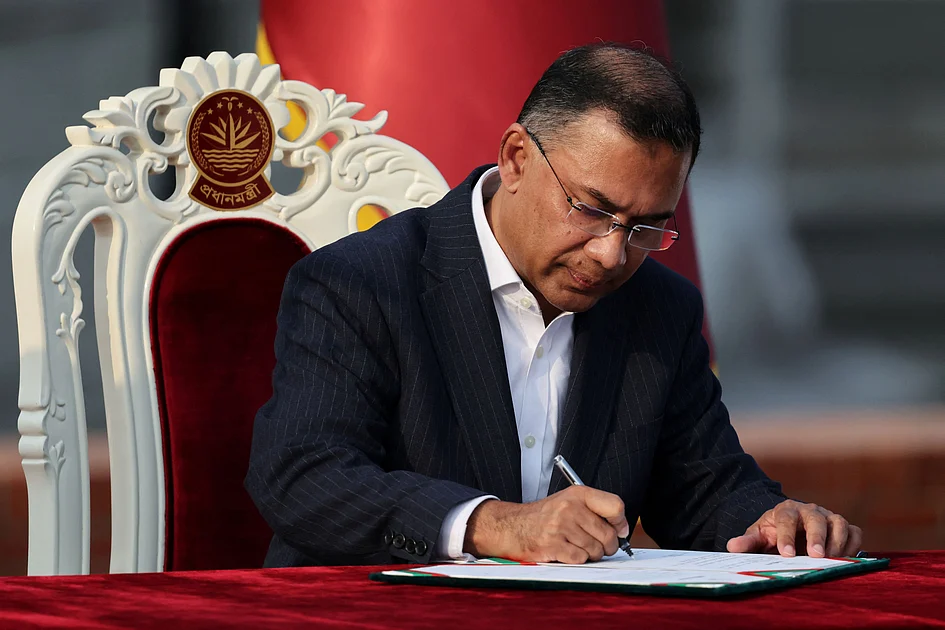
    Electoral dynamics feature a reconfigured party spectrum. The Bangladesh Nationalist Party (BNP), led by Tarique Rahman following his return from 17 years of exile, emerges as the frontrunner. The party alliance incorporates leftist, centrist, and minor Islamist groups, navigating a complex political environment where the formerly dominant Awami League now operates under an official ban.

    Notably, Jamaat-e-Islami—the country’s largest Islamist organization—seeks political rehabilitation after years of suppression under Hasina. Leading a coalition of over ten parties, including the National Citizen Party formed by revolutionary student leaders, the alliance represents diverse ideological currents within Bangladeshi society.

    The military establishment remains a crucial stabilizing force, having notably abstained from intervening during the anti-Hasina protests. Continued patrols by armed forces alongside police underscore the security apparatus’s ongoing role in maintaining order.

    Internationally, Bangladesh’s diplomatic alignments show significant realignment. Relations with India—formerly Hasina’s primary ally—have cooled considerably, while Yunus’s first state visit to China signals strategic reorientation. Enhanced engagement with Pakistan further illustrates Dhaka’s shifting foreign policy priorities.

    This election, described by EU observers as potentially ‘the biggest democratic process of 2026,’ occurs against a backdrop of profound societal transformation and carries implications for regional stability and democratic governance models worldwide.

  • Myanmar pro-military party claims Suu Kyi’s seat in junta-run poll

    Myanmar pro-military party claims Suu Kyi’s seat in junta-run poll

    Myanmar’s military-aligned Union Solidarity and Development Party (USDP) has declared victory in the parliamentary constituency previously held by deposed democratic leader Aung San Suu Kyi, according to an anonymous party official. The announcement comes during the second phase of a month-long electoral process that critics condemn as a calculated maneuver to legitimize military rule.

    The current voting process, scheduled to conclude on January 25, represents the first nationwide election since the military’s 2021 seizure of power. The junta administration maintains these elections will facilitate the return of civilian governance, but democracy advocates and international observers assert the process is fundamentally compromised.

    Political analysts identify the USDP as the primary political proxy for Myanmar’s armed forces. Official results from the initial voting phase in December indicated the party secured approximately 90% of lower house seats. The anonymous USDP representative additionally claimed victory in 15 of 16 contested lower house seats within Yangon region, though no official margin of victory was disclosed.

    United Nations human rights expert Tom Andrews characterized the electoral process as engineered to ensure military domination. ‘The junta manufactured these polls to create a facade of legitimacy while violence and repression continue unabated,’ Andrews stated in a recent declaration.

    The electoral landscape remains severely constrained by ongoing civil conflict. Significant portions of Myanmar’s territory, controlled by rebel factions opposing military rule, are excluded from voting operations. According to the Armed Conflict Location & Event Data Project (ACLED), the conflict has resulted in approximately 90,000 fatalities across all sides since the coup.

    Concurrent with the elections, the junta has intensified suppression measures. New legislation criminalizes protest or criticism of the electoral process with penalties reaching ten years imprisonment. Over 330 individuals currently face prosecution under these provisions, while the Assistance Association for Political Prisoners documents more than 22,000 political detainees, including Aung San Suu Kyi.

    Myanmar’s constitutional framework, established during previous military governance, automatically reserves one-quarter of parliamentary seats for armed forces personnel, irrespective of electoral outcomes.

  • UAE jobs: 7 out of 10 employees plan to look for new roles in 2026

    UAE jobs: 7 out of 10 employees plan to look for new roles in 2026

    The United Arab Emirates is experiencing a significant transformation in its employment landscape, with a remarkable 72% of the workforce actively planning to seek new positions in 2026. This trend emerges amidst growing competition and increasing complexity in the hiring process, according to recent data from LinkedIn’s comprehensive survey of the Emirates’ job market.

    Current statistics reveal that 65% of UAE employees report increased difficulty in securing employment compared to the previous year, while 63% attribute this challenge primarily to heightened competition. Paradoxically, despite these market pressures, 74% of workers express satisfaction with their current roles while simultaneously anticipating a highly competitive job environment in the coming year.

    Demographic expansion plays a crucial role in this employment dynamic. Official figures indicate the UAE’s population surged from 11.02 million at the end of 2024 to 11.52 million in 2025, representing substantial growth of nearly two million residents over the past five years. This population boom has created a corresponding increase in job seekers competing for available positions.

    The nation’s strategic economic shift toward knowledge-based industries has simultaneously driven demand for white-collar and highly skilled professionals. This transition creates a unique market situation where three out of four hiring professionals report increased difficulty in identifying qualified candidates, indicating pressure on both sides of the employment equation.

    Ali Matar, LinkedIn’s Emerging Markets Leader for EMEA, commented: ‘UAE professionals rank among the most digitally advanced globally, yet they’re navigating an exceptionally rapid evolution in hiring practices.’

    LinkedIn’s research provides strategic recommendations for job seekers:

    • Embrace market responsiveness by monitoring industry trends and identifying necessary skills
    • Utilize AI-powered tools for efficient job matching and application processes
    • Maintain updated professional profiles with verified credentials
    • Leverage LinkedIn’s Premium features to highlight strong interest in specific positions
    • Cultivate professional networks to uncover unexpected opportunities
    • Explore emerging roles through LinkedIn’s Jobs on the Rise platform with detailed market insights

    This employment landscape reflects the complex interplay between demographic growth, economic transformation, and evolving professional expectations in one of the Middle East’s most dynamic economies.

  • Community memory clinics help aging minds stay connected

    Community memory clinics help aging minds stay connected

    Across Beijing’s neighborhoods, a quiet revolution in elderly cognitive care is unfolding through community-based memory clinics. These facilities are bringing essential dementia screening and intervention services directly to residential areas, eliminating the need for arduous cross-city hospital journeys that once characterized cognitive care for seniors.

    At Hepingli Community Health Service Center, 88-year-old residents now participate in weekly cognitive training sessions featuring specialized activities like jigsaw puzzles, computer-based reaction games, and group reading exercises. This represents a dramatic shift from previous years when accessing specialized neurological care required traveling for hours to top-tier urban hospitals.

    The establishment of these clinics responds to China’s pressing demographic reality: with over 310 million citizens aged 60 and above—representing more than one-fifth of the total population—and an estimated 53 million experiencing cognitive impairment, the healthcare system requires innovative solutions. Cognitive impairment encompasses symptoms affecting memory, language, and reasoning, with Alzheimer’s disease constituting the most prevalent form of severe cognitive decline.

    Dr. Han Ying, neurologist at Xuanwu Hospital of Capital Medical University, emphasizes that while Alzheimer’s remains incurable, early intervention can significantly alter its trajectory. “Early detection before obvious symptoms emerge can delay onset by up to five years,” she explains, “potentially allowing patients to maintain normal cognitive function throughout their lifetimes.”

    Despite this medical consensus, societal barriers persist. Stigma and misconceptions that attribute early symptoms to normal aging mean only approximately 20% of dementia patients in China receive formal diagnoses. Community clinics address both medical and accessibility challenges, offering regular assessments during free senior health check-ups and providing referral pathways to specialized hospitals when necessary.

    Beijing currently operates over 20 such facilities with plans to expand to 100 by 2030. Other regions including Shanghai and Guangdong province have implemented similar initiatives, while private institutions like Sunbow Obstetrics & Gynecology Hospital have recently launched comprehensive memory clinics offering full-cycle care from screening to long-term follow-up.

    However, significant disparities remain. Rural healthcare institutions face staffing shortages, equipment limitations, and inadequate support systems that hinder similar implementations. Dr. Li Jianguo, deputy director at Hepingli Center, notes that expanding these services nationwide will require substantial time and resources despite the government’s 2024 action plan targeting over 50% medical consultation rates for suspected cognitive impairment cases by 2030.

    Beyond clinical functions, these spaces have evolved into social hubs where seniors combat isolation through collective activities. Eighty-six-year-old Ms. Feng, whose children live elsewhere, particularly values the community aspect: “I love chatting with everyone—it’s so lively. It makes me feel young again.”

    Medical professionals confirm this social component delivers therapeutic benefits. “Active participation in intellectual and social activities helps slow further brain decline,” notes Dr. Zhu Jie of the memory clinic. As China continues addressing its aging population’s needs, these community-based solutions represent a critical step toward preserving cognitive health while maintaining human dignity and connection.

  • Iran blames US and Israel for unrest as Tehran says protests are ‘under control’

    Iran blames US and Israel for unrest as Tehran says protests are ‘under control’

    Iranian Foreign Minister Abbas Araqchi has launched a forceful condemnation of the United States, alleging deliberate instigation of violent unrest amid nationwide protests that have resulted in a near-total internet blackout and significant casualties. Speaking on Monday, Araqchi asserted that while the situation remained “under total control,” Washington had actively encouraged violence through threatening rhetoric against Tehran.

    The diplomatic official claimed President Donald Trump’s public warnings had effectively prompted armed groups to target both demonstrators and security forces in an attempt to justify foreign intervention. Iranian authorities purportedly possess footage showing weapons being distributed on streets and intend to release detainee confessions shortly.

    Araqchi characterized the protests, which erupted on December 28 initially over economic grievances, as having been transformed into a “terrorist war against the country” with assistance from foreign intelligence agencies including Israel’s Mossad. He maintained security forces initially exercised restraint until “armed terrorist” groups infiltrated legitimate demonstrations.

    According to Iran Human Rights, a Norway-based NGO, at least 192 people have died in the most significant anti-government protests in over three years. Official death tolls from Iranian authorities remain unavailable, and independent verification remains impossible amid the communication blackout.

    The cyber isolation entered its fourth day, with monitoring group NetBlocks confirming a “national internet blackout” with only minimal, unstable connectivity. This digital curtain has severely limited information flow both within and outside the country.

    Supreme Leader Ayatollah Ali Khamenei delivered a sharp response to Trump’s rhetoric through social media, drawing historical parallels to arrogant rulers who were “overthrown when they were at the height of their pride.”

    The United Nations has called for restraint, with Secretary-General Antonio Guterres expressing concern over reports of “violence & excessive use of force” while urging restoration of internet services. Meanwhile, Washington is reportedly considering coercive measures including cyber attacks, enhanced sanctions, and potential military strikes.

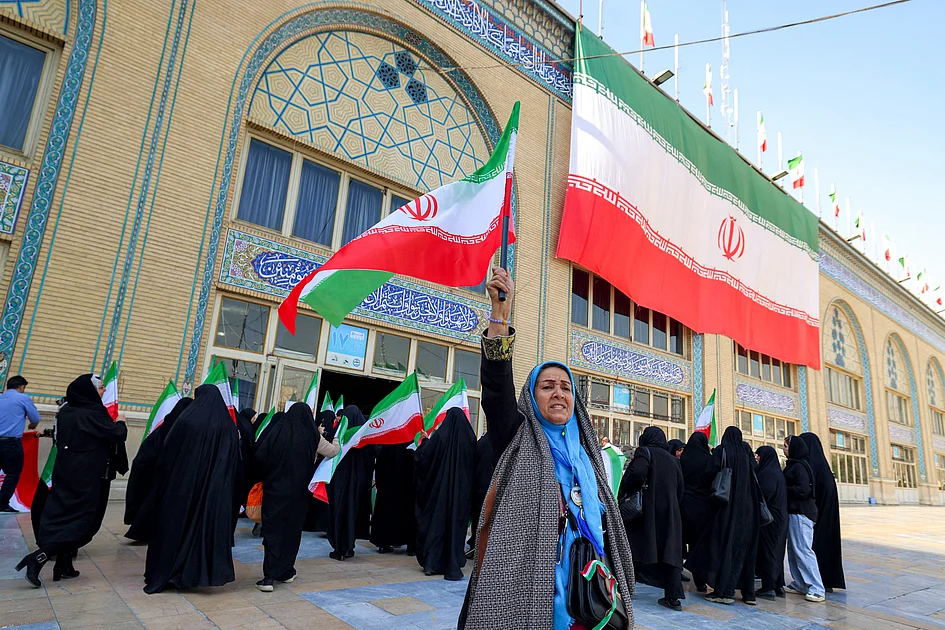
    Iranian Parliamentary Speaker Mohammad Baqer Qalibaf issued a stark warning against American aggression, stating that any attack would make Israeli territories and all US bases and ships “legitimate targets.” State media has called for nationwide rallies to denounce what authorities describe as “terrorist actions led by the United States and Israel.”

  • Internet service to be resumed in Iran, FM Araqchi says

    Internet service to be resumed in Iran, FM Araqchi says

    Iranian Foreign Minister Abbas Araqchi declared on Monday that internet services would be restored across Iran following an extensive 84-hour nationwide communications blackout. The announcement came amid heightened tensions with the United States and internal unrest.

    Minister Araqchi stated that internet restoration would be implemented ‘in coordination with security authorities,’ suggesting the government maintains cautious control over the process. The communications shutdown, one of the longest in Iran’s recent history, had severed digital connectivity for millions of citizens and businesses throughout the country.

    The development occurs against a backdrop of escalating geopolitical tensions. U.S. President Donald Trump had previously indicated his intention to consult with billionaire entrepreneur Elon Musk regarding potential solutions to restore internet access in Iran, though no specific collaboration details were provided.

    Araqchi additionally addressed the weekend’s surge in protest-related violence, asserting through English translation that authorities had brought the situation under ‘total control.’ In a significant accusation, the Foreign Minister claimed that President Trump’s warnings to Tehran about potential foreign intervention should protests turn violent had inadvertently encouraged ‘terrorists’ to target both protesters and security forces.

    Concluding with a diplomatic dual-track approach, Araqchi emphasized Iran’s preparedness for both conflict and negotiation, stating: ‘We are ready for war but also for dialogue.’ This positioning suggests Tehran’s attempt to balance military readiness with diplomatic openness amid ongoing regional tensions.