标签: Asia

亚洲

  • Kabul says 400 killed; Islamabad rejects claim

    Kabul says 400 killed; Islamabad rejects claim

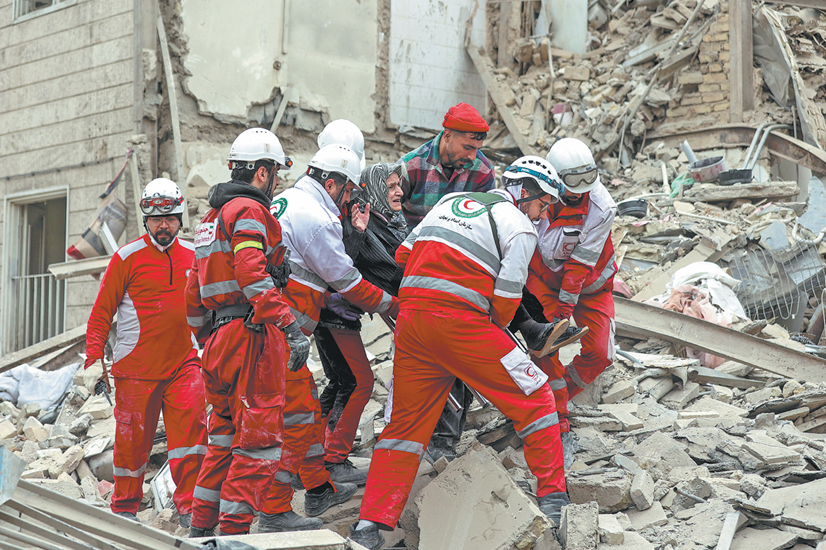
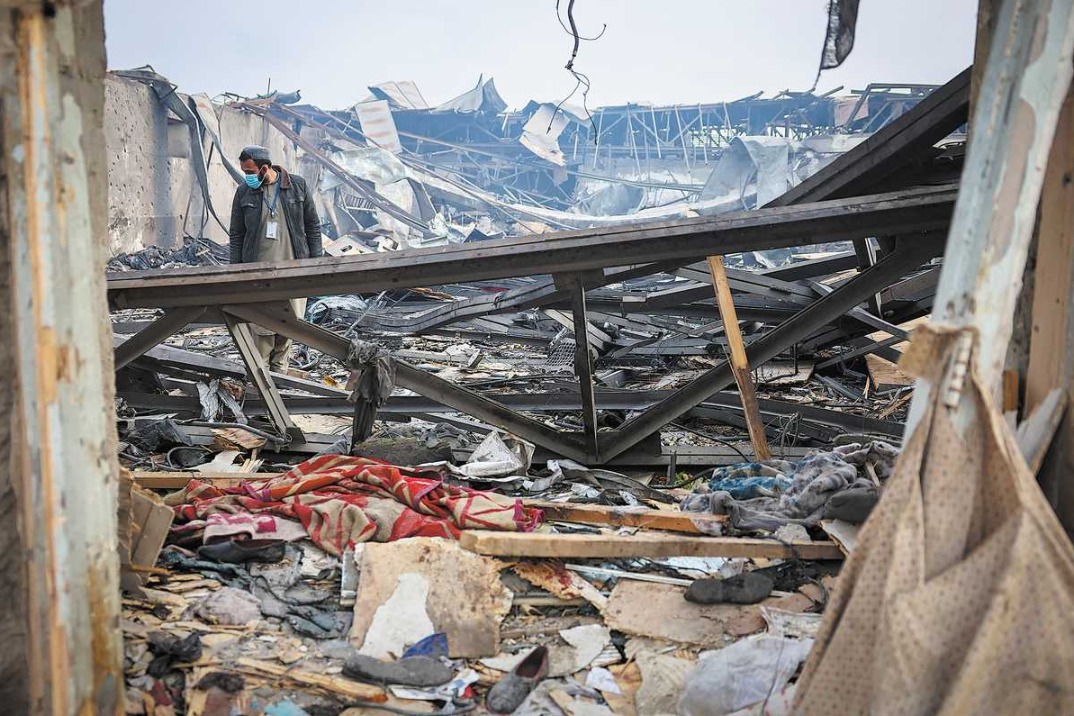
    A devastating airstrike targeted the Omid Addiction Treatment Hospital in Kabul late Monday night, resulting in what Afghan officials describe as catastrophic casualties. According to Hamdullah Fitrat, deputy spokesman for the Afghan government, the attack killed approximately 400 people and injured 250 others, with numbers potentially rising as rescue operations continue.

    The facility, a 2,000-bed rehabilitation center established in 2016, was largely destroyed in the assault that triggered a massive fire. Emergency teams are working to control the blaze and recover victims from the rubble. The hospital was known for providing comprehensive drug addiction treatment and vocational training programs including tailoring and carpentry to help patients reintegrate into society.

    Pakistan’s government has categorically denied targeting the medical facility, asserting through its Ministry of Information and Broadcasting that its security forces conducted precision strikes against military installations and terrorist support infrastructure in Kabul and Nangarhar. The ministry claimed the operations were carefully executed to avoid collateral damage and accused Afghanistan of misrepresenting facts to conceal “illegitimate support to cross-border terrorism.”

    The incident has drawn international concern, with Richard Bennett, UN Special Rapporteur on human rights in Afghanistan, expressing dismay at the reported civilian casualties. He urged all parties to de-escalate tensions, exercise restraint, and respect international law protecting civilians and medical facilities.

    This deadly event marks a significant escalation in ongoing border tensions between the neighboring nations that have intensified since clashes erupted along their shared frontier late last month. Both sides have reported numerous casualties in recent weeks.

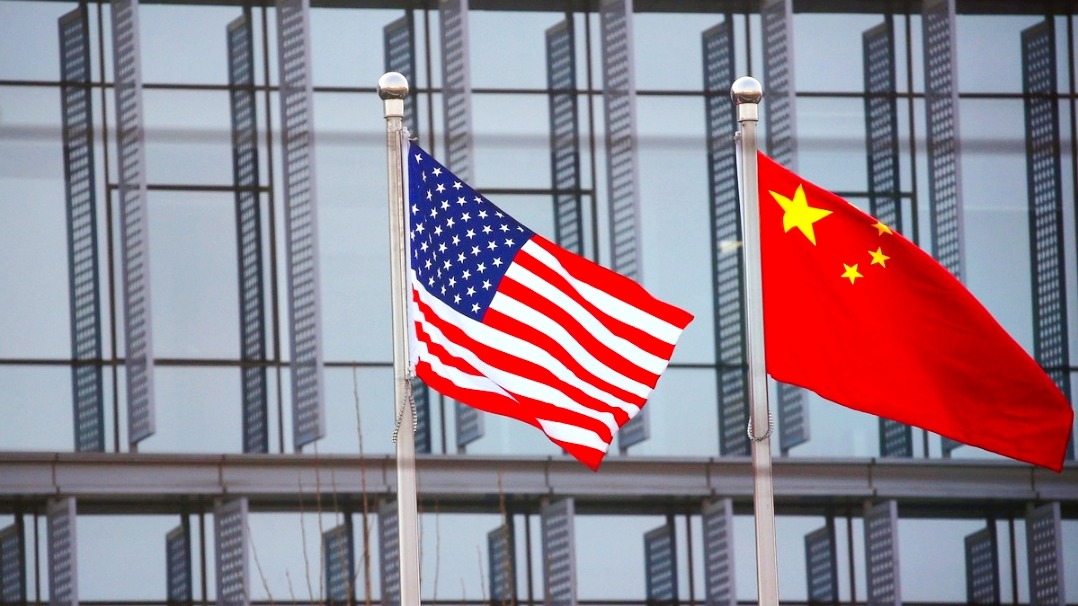
    China has called for calm, with Foreign Ministry spokesman Lin Jian encouraging both nations to engage in direct talks and work toward an immediate ceasefire during a press briefing on Tuesday.

  • China and Vietnam hold joint free clinics on border

    China and Vietnam hold joint free clinics on border

    In a significant demonstration of cross-border cooperation, Chinese and Vietnamese military forces conducted simultaneous free medical clinics along their shared frontier on Tuesday. The event, part of the 10th China-Vietnam Border Defense Friendship Exchange, provided healthcare services to over 1,700 local residents from both nations.

    The medical initiative unfolded concurrently in Dongxing city within China’s Guangxi Zhuang Autonomous Region and Hoanh Mo commune in Vietnam’s Quang Ninh province. For approximately four hours, military physicians from both countries worked side-by-side at 16 medical stations established at a square outside Dongxing’s gymnasium facility.

    The comprehensive medical services encompassed more than ten specialized departments including cardiology, rehabilitation therapy, traditional Chinese medicine, and ultrasound examinations. A contingent of 80 military medical professionals from both nations participated in the humanitarian effort, delivering care across 1,707 patient consultations.

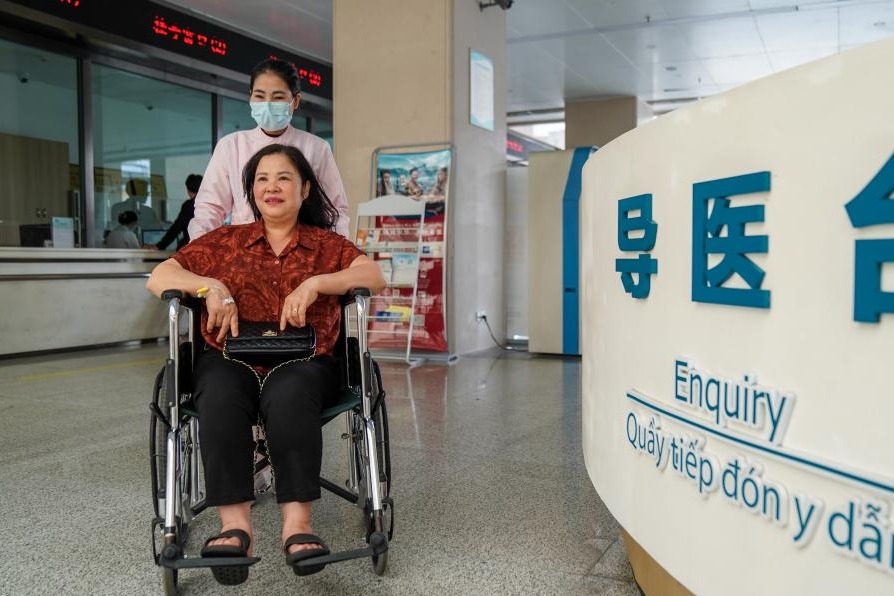
    Among the beneficiaries was Vu Thi Chin, a 53-year-old Vietnamese merchant who frequently traverses between Dongxing and Vietnam’s Mong Cai for border commerce. Following gallbladder surgery, she sought cardiac health guidance and dietary recommendations from Chinese military doctors. Vu expressed profound appreciation for the medical assistance, noting the physicians demonstrated exceptional skill and patience in addressing her health concerns.

    Chinese rehabilitation specialist Wang Li described his participation as an honor, emphasizing that supporting border communities aligned with military service principles. The collaboration additionally provided a platform for medical professionals from both militaries to exchange clinical insights and treatment methodologies for prevalent health conditions.

    This medical diplomacy initiative precedes scheduled joint naval operations in the Beibu Gulf, marking the 40th such coordinated patrol between Chinese and Vietnamese forces. Vietnamese frigates Tran Hung Dao and Ly Thai To have docked in Guangxi’s Fangchenggang city to join Chinese vessels CNS Hengyang and Enshi for these maneuvers.

    The upcoming naval exercises will incorporate formation maneuvering, joint escort operations, anti-piracy simulations, and search-and-rescue missions. This year holds particular significance as it commemorates the 20th anniversary of Sino-Vietnamese joint naval patrols in the Beibu Gulf—a mechanism that has evolved into a crucial platform for military diplomacy between the neighboring nations.

    According to statements from China’s People’s Liberation Army South China Sea Fleet, these cooperative efforts substantially contribute to enhancing mutual trust, deepening bilateral cooperation, and collectively maintaining regional peace and security stability.

  • Bookstore fosters love for Tibetan language among kids

    Bookstore fosters love for Tibetan language among kids

    In the heart of Lhasa, Tibet Autonomous Region, an extraordinary cultural initiative is transforming early childhood education through the power of storytelling. Nornor Children’s Bookstore, established by visionary educator Tashi Tsering, has emerged as a vital hub for preserving Tibetan linguistic heritage among the region’s youngest generation.

    What began as an online storytelling platform in 2017 has evolved into a comprehensive cultural center specializing in Tibetan-language picture books and interactive reading programs. The bookstore’s innovative approach combines trilingual education—integrating Tibetan, Mandarin, and English—with creative handicraft activities that stimulate cognitive development and cultural engagement.

    The institution serves multiple functions: as a bookstore offering over 50 original Tibetan-language publications, a daycare facility for children aged 1-3, and a weekend cultural center that attracts families across Lhasa. For approximately 69 yuan ($10) per two-hour session, children participate in professionally guided reading programs that have demonstrated measurable impacts on confidence and language acquisition.

    Despite operating at a financial loss for eight years, the project has expanded beyond Lhasa through library partnerships in neighboring counties. The team has produced more than 200 free audiobooks and collaborates with translators and authors from Tibetan communities across Qinghai and other regions. Their publications have gained recognition in educational institutions as far as Beijing and Shanghai.

    The bookstore faces contemporary challenges, including some younger Tibetan parents’ decreasing familiarity with written Tibetan. Yet its cultural impact remains profound, with former participants reporting sustained academic advantages and stronger cultural connections. Future initiatives include developing interactive point-reading audiobooks, Tibetan alphabet blocks, and expanded cultural programming for traditional festivals like Losar (Tibetan New Year).

    Supported by Tashi Tsering’s wife Tsomo through her café business and online outreach, this grassroots movement represents a significant investment in cultural preservation—proving that stories can bridge generations while nurturing both language skills and cultural identity.

  • Designer passes down culture with leather masterpieces

    Designer passes down culture with leather masterpieces

    Lin Chun-i, a Taiwanese leather artisan with over two decades of mainland experience, has pioneered a unique fusion of traditional intangible cultural heritage techniques with contemporary leather craftsmanship. Establishing his workshop in Guangzhou’s Liwanhu Park in 1993, Lin recognized the city’s exceptional advantages for creative enterprises, citing its comprehensive supply networks and diverse market opportunities.

    Driven by his textile trade family background and artistic training in Taiwan, Lin embarked on extensive journeys across Guizhou, Hunan, and Guangxi to study endangered craft techniques. His collection now incorporates Dong and Tujia brocades alongside Taroko weaving and Bunun embroidery from Taiwan, transforming these cultural expressions into premium leather bags, apparel, and accessories.

    Lin’s approach transcends technical mastery, focusing on cultural integration and preservation. “Ethnic embroidery patterns function as cultural repositories,” he explained, “particularly for communities without written traditions.” His dedication was demonstrated when he mastered the complex Tujia brocade weaving technique in merely four days, astonishing local craftsmen who anticipated a month-long learning process.

    Beyond preservation, Lin has created sustainable economic opportunities, providing employment for hundreds of female embroiderers in Gansu province. His manufacturing philosophy prioritizes handmade craftsmanship over machine efficiency, with over 50% of production completed manually. “True cultural inheritance means enabling artisans to transform skills into livelihoods, not replacing them with machines,” Lin emphasized.

    His contributions were formally recognized in September 2025 when Huaihua city government honored him as an “intangible cultural heritage promotion ambassador.” Additionally, Lin serves as visiting professor at seven universities and operates the symbolically named 1576 Traditional Arts Center, representing the combined coastline measurements of Taiwan and associated islands. The center hosted nearly 40 student groups from Taiwan last year, offering hands-on dyeing and embroidery experiences to foster cultural connection among youth.

    Lin remains committed to his dual role as entrepreneur and cultural custodian, asserting: “It is my responsibility to ensure these heritage techniques reach future generations.”

  • Flailing support casts doubt on Iran campaign legitimacy

    Flailing support casts doubt on Iran campaign legitimacy

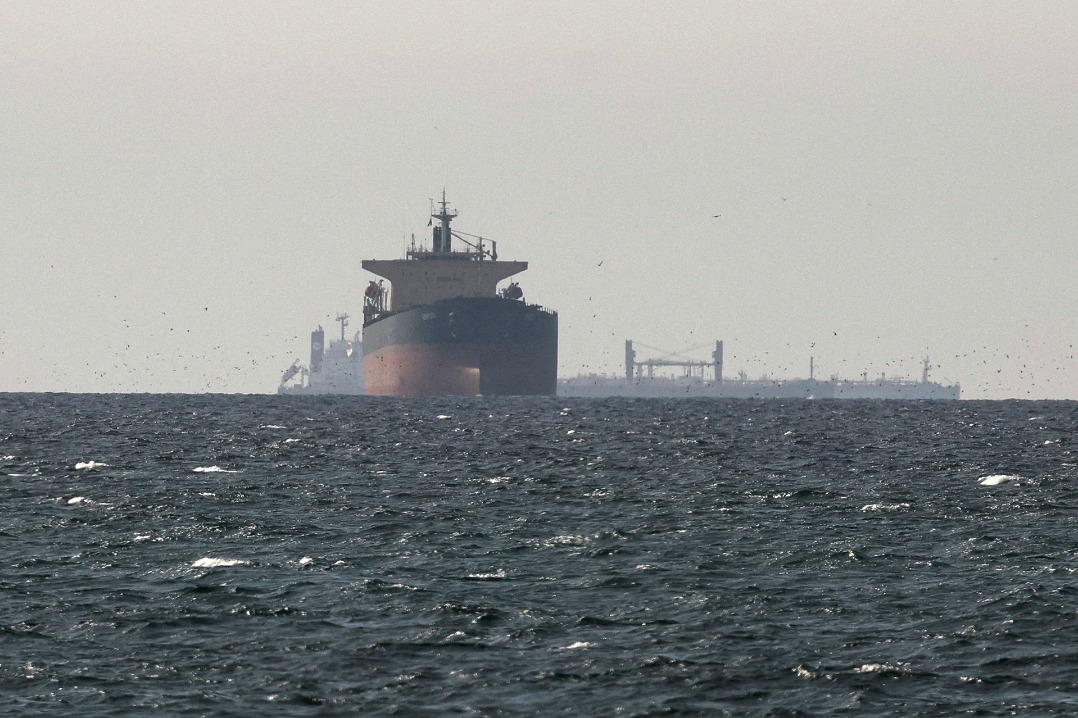
    The United States and Israel’s military campaign against Iran is confronting a severe crisis of legitimacy as key Western allies publicly refuse to participate in Middle Eastern operations, according to geopolitical analysts. The strategic rift emerged when European powers including Spain, Germany, Portugal and the European Union collectively rejected Washington’s request for a joint military mission to reopen the Strait of Hormuz—a critical waterway Iran has closed to “enemies and those supporting their aggression.”

    This unprecedented refusal creates both logistical challenges and diplomatic isolation for American operations. Arsenio Dominguez of the UN’s International Maritime Organization cautioned that even military escorts cannot guarantee safe passage through the volatile strait, which facilitates approximately 20% of global energy shipments.

    Abdolreza Alami, director of the Asia West East Centre in Kuala Lumpur, noted that traditional allies now characterize the conflict as “a war of choice rather than collective defense.” This positioning has left Washington bearing sole responsibility for securing vital maritime routes while facing asymmetrical pressures without shared financial or military burden.

    Iranian President Masoud Pezeshkian reinforced Tehran’s defensive stance in communications with French President Emmanuel Macron, asserting that “defending against invasion is a natural right” and demanding cessation of regional base usage against Iran. The president called for international condemnation of what he termed “Zionist-American invasion” while vowing Iran “will not surrender to bullies.”

    Analysts suggest the Western consensus fracture provides Tehran strategic advantage, enabling framing of retaliatory actions as legitimate self-defense against unilateral aggression. Iran’s apparent objective extends beyond inflicting economic damage to persuading allies to pressure Washington toward de-escalation.

    Meanwhile, regional violence escalated dramatically as Israel confirmed eliminating two senior Iranian security officials—Supreme National Security Council Secretary Ali Larijani and Basij volunteer force commander Gholamreza Soleimani—in overnight strikes. If verified, Larijani’s assassination would represent the highest-profile target since Supreme Leader Ali Khamenei’s recent slaying.

    Simultaneously, Baghdad’s fortified Green Zone endured attacks targeting the US embassy and diplomatic residences, while ceasefire negotiations between US representatives and Hamas in Cairo were overshadowed by regional hostilities. Hamas warned it may withdraw from Gaza ceasefire agreements if Israel maintains security restrictions imposed during the Iran conflict.

  • Indian eateries reel under acute cooking gas crunch

    Indian eateries reel under acute cooking gas crunch

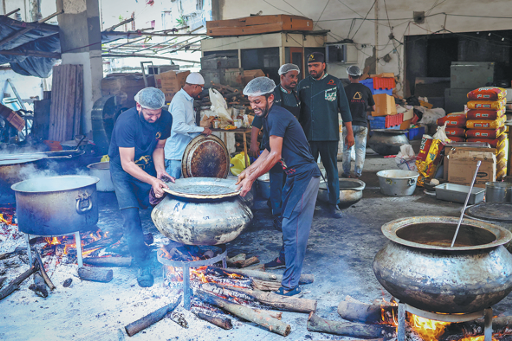
    India’s culinary landscape faces unprecedented challenges as commercial liquefied petroleum gas (LPG) shortages, triggered by escalating Middle East tensions, force widespread operational changes across the hospitality sector. The crisis has particularly impacted urban centers including Kolkata, Mumbai, and Delhi, where restaurateurs are implementing emergency measures to maintain operations.

    In Kolkata, restaurant owner Chhanda Chakraborty has transitioned from traditional LPG stoves to induction cooktops and coal-fired tandoors. “Several establishments have eliminated tea and dosa from their menus, opting instead for rice-lentils, sandwiches, and cold beverages,” Chakraborty noted, highlighting how eateries are streamlining offerings to conserve limited fuel resources.

    The supply chain disruption stems from India’s significant dependence on imported LPG, with approximately 62% of the nation’s 31.3 million metric tons annual consumption sourced externally. Critical shipping routes through the Strait of Hormuz, which handles 85-90% of Persian Gulf imports, have experienced severe disruptions due to ongoing US-Israeli conflicts with Iran.

    Professor Swaran Singh of Jawaharlal Nehru University explains: “The hospitality industry’s heavy reliance on LPG coincides with usage by power plants, fertilizer facilities, and urban gas networks. Current tensions have created substantial delays, supply interruptions, and price escalations in LPG imports.”

    Industry associations in major metropolitan areas report suspension rates reaching 20% of food establishments in Mumbai and Kolkata. Many smaller operations, particularly roadside vendors serving millions daily, face imminent closure without immediate supply restoration.

    Government response includes multi-faceted strategies: prioritizing household LPG allocation, negotiating safe passage for Indian-flagged vessels through conflict zones, and directing oil refineries to maximize LPG production. However, economists like Abhirup Sarkar warn that prolonged disruption could establish a “new normal” with significant economic ramifications across multiple sectors.

    While Iran permits limited Indian shipments on case-by-case approvals, industry experts anticipate no rapid resolution until regional conflicts subside, leaving India’s food service industry navigating uncertain operational terrain.

  • Beijing tackles pollen levels as spring blooms

    Beijing tackles pollen levels as spring blooms

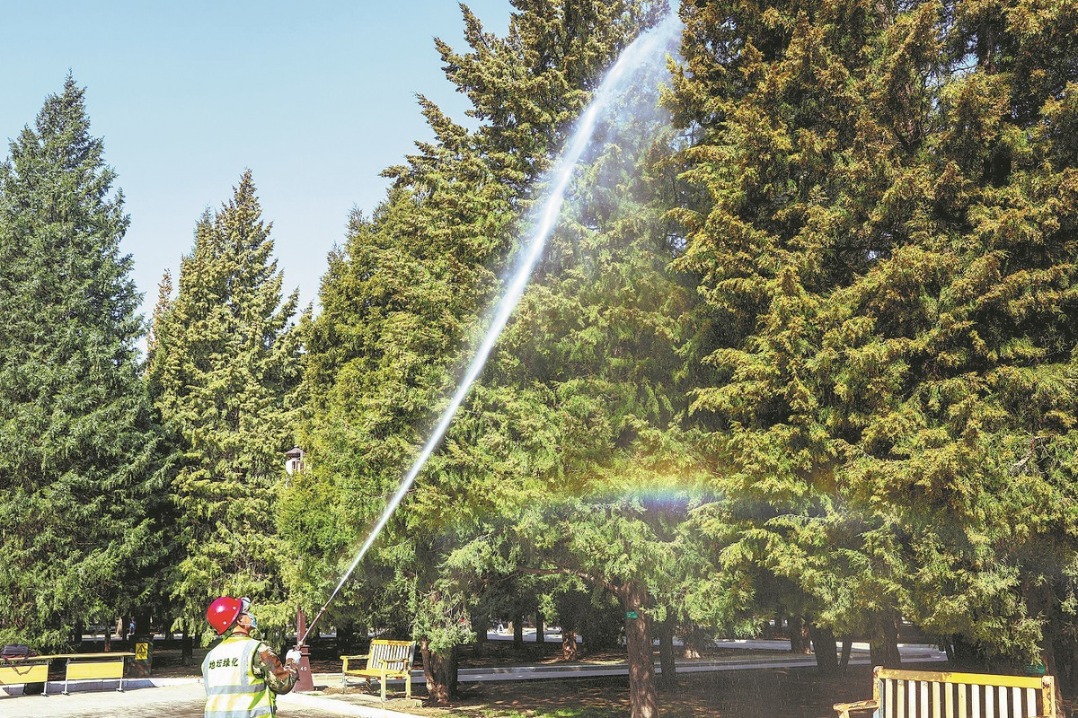
    As Beijing enters peak cypress pollen dispersion season in mid-March, municipal authorities have implemented a comprehensive mitigation strategy combining technological interventions and ecological management. The Beijing Municipal Forestry and Parks Bureau has coordinated round-the-clock operations targeting high-risk zones including residential communities, educational institutions, and medical facilities.

    The current pollen season, which commenced around March 8 according to expert analysis, has prompted deployment of three primary countermeasures: high-frequency water spraying, strategic pruning of male cypress branches, and application of environmentally-friendly biological agents. These pollen fixatives and control agents represent Beijing’s latest innovation in balancing ecological preservation with public health concerns.

    District-level initiatives implemented preventive measures as early as autumn 2025, with Haidian district conducting extensive pruning of pollen-producing cones during dormancy periods. Major green spaces including Temple of Heaven and Ditan Park have intensified suppression efforts following last year’s remarkable phenomenon where billions of pollen particles created visible golden hazes that diffused sunlight into ethereal patterns.

    While visually striking, these pollen clouds created severe health impacts for residents like 27-year-old Jin, who experienced debilitating allergy symptoms including nasal congestion, sneezing, and multi-system itching that diminished her quality of life. This year, she reports noticeable improvement attributable to the enhanced mitigation measures.

    Director Jiang Yingshu of the bureau’s science and technology division emphasized the need for scientific approaches that acknowledge both the ecological value of cold-resistant cypress species and their public health implications. Approximately 168,000 male cypress trees within the Fifth Ring Road area contribute to pollen dispersion patterns influenced by urban heat island effects and prevailing winds, typically creating higher concentrations in southwestern urban zones.

    Medical experts from Beijing Tongren Hospital recommend complementary personal protection strategies during peak dispersion hours (10:00-17:00), including mask usage, protective eyewear, and enhanced indoor air filtration. Chief physician Ouyang Yuhui advises prompt medical consultation for persistent symptoms despite these comprehensive mitigation efforts.

  • US forces strike Iranian missile sites near Strait of Hormuz: command

    US forces strike Iranian missile sites near Strait of Hormuz: command

    In a significant military escalation, United States forces launched precision strikes against hardened Iranian missile installations positioned along Iran’s coastline adjacent to the strategically vital Strait of Hormuz. The operation was confirmed Tuesday by the US Central Command via an official statement on social media platform X.

    The tactical execution involved deploying multiple 5,000-pound deep penetrator munitions specifically designed to destroy fortified underground targets. The strikes targeted Iranian military infrastructure that posed potential threats to one of the world’s most crucial maritime chokepoints for global oil transportation.

    This military action represents a substantial escalation in regional tensions, marking one of the most direct confrontations between US and Iranian forces in recent years. The Strait of Hormuz serves as a critical passageway for approximately 21% of global petroleum consumption, making stability in the region essential to international energy markets.

    The operation follows increasing concerns about Iran’s military positioning along this strategic waterway, though specific provocations leading to this precise military response were not detailed in the initial announcement. The use of specialized bunker-busting munitions indicates the hardened nature of the targeted facilities and the strategic intention to permanently disable these capabilities.

  • China, US stay in touch on date of Trump’s visit, says Chinese Foreign Ministry

    China, US stay in touch on date of Trump’s visit, says Chinese Foreign Ministry

    Beijing has confirmed ongoing diplomatic communications with Washington regarding the scheduling of former President Donald Trump’s potential visit to China. The development follows recent media speculation that had suggested a possible postponement of the visit linked to geopolitical tensions in the Middle East.

    Foreign Ministry spokesman Lin Jian addressed journalists during a regular press briefing, emphasizing that Chinese authorities have taken note of Washington’s official clarification denying any connection between the visit’s timing and the Strait of Hormuz situation. “China has noted that the US described such reports as completely false,” Lin stated, confirming that bilateral discussions about the visit’s arrangements continue through diplomatic channels.

    The original reports prompted a coordinated response from multiple high-ranking US officials on Monday. President Trump himself dismissed the speculation during White House remarks, asserting his anticipation for the visit while acknowledging current military engagements. “There’s no tricks to it,” Trump told reporters. “It’s very simple. We’ve got a war going on (with Iran).”

    US Treasury Secretary Scott Bessent characterized the media narrative as “false,” explicitly denying that the visit would be contingent on China’s involvement in policing the strategic waterway. White House Press Secretary Karoline Leavitt confirmed that the meeting remains secure though acknowledged potential logistical adjustments due to current military coordination requirements.

    The diplomatic exchange highlights the complex interplay between great power diplomacy and ongoing global security challenges, with both nations maintaining communication protocols despite competing priorities and international pressures.

  • Conservation passion for the wild at heart

    Conservation passion for the wild at heart

    Nestled within the mountainous terrain of northern Sichuan province, Tangjiahe National Nature Reserve stands as a testament to China’s commitment to ecological preservation. At dawn, Xiao Mei, head of research and monitoring, ascends the mist-shrouded slopes carrying essential equipment for her fieldwork—a routine she has maintained for twelve years.

    Established in 1978 and granted national status in 1986, this 40,000-hectare sanctuary serves as a vital conservation zone for endangered species including the giant panda, golden snub-nosed monkey, and the dove tree (Davidia involucrata)—a living fossil from the Quaternary glaciation period. The reserve also protects Fritillaria cirrhosa, a prized herb in traditional Chinese medicine.

    Xiao’s journey to becoming a conservation leader was unexpected. Initially employed as a fertilizer salesperson after studying plant protection in Chengdu, she applied to Tangjiahe without fully understanding the reserve’s significance. The primitive conditions—limited infrastructure, electricity shortages, and extreme isolation—nearly drove her away within her first three days.

    However, the forest itself transformed her perspective. Witnessing plants thriving in their natural rhythm and animals moving freely instilled a profound appreciation for ecological balance. This spiritual connection replaced her restlessness with scientific curiosity, leading her to analyze infrared camera footage and patrol data with renewed purpose.

    Tangjiahe’s ecological success is remarkable. As a core area within the Giant Panda National Park, its subtropical forests have avoided large-scale logging and maintained minimal human disturbance. Wildlife encounter rates exceed those of many reserves, with visitors frequently spotting various species.

    The panda population demonstrates exceptional stability—from 39 individuals in earlier surveys to 41 confirmed by 2025 monitoring data. Since 2016, the reserve has maintained a comprehensive DNA archive, collecting genetic samples from over 30 pandas annually to ensure accurate population tracking.

    This conservation model represents more than species protection—it embodies harmonious coexistence between humanity and nature, offering valuable insights for global wildlife preservation efforts.