标签: Asia

亚洲

  • China’s condom tax no way to pump up low birth rates

    China’s condom tax no way to pump up low birth rates

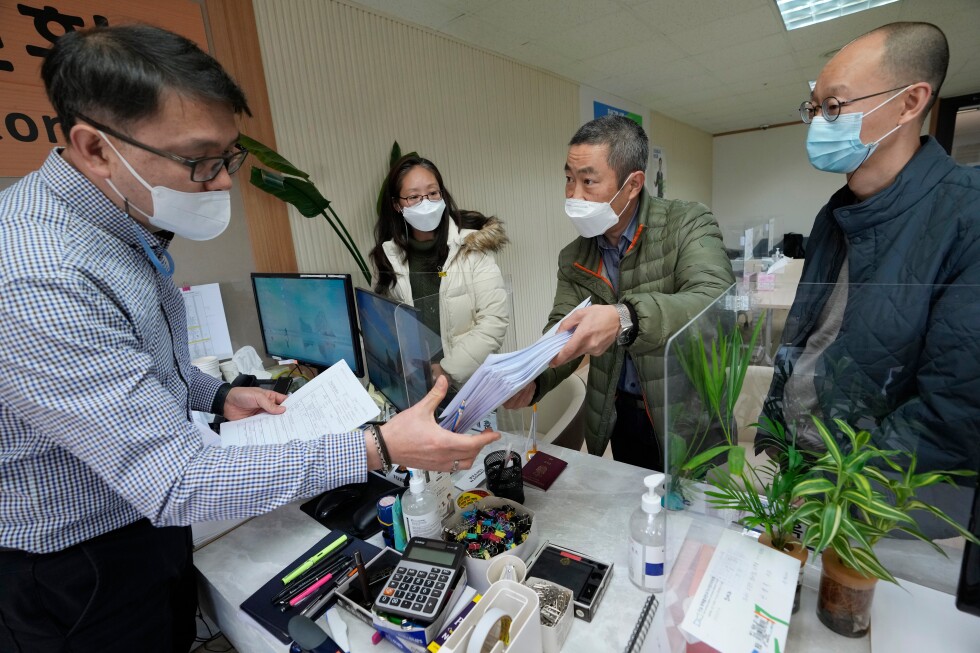
    China has initiated a novel fiscal approach to combat its deepening demographic crisis by imposing a 13% value-added tax on contraceptives effective January 1, 2026. This policy shift emerges as the nation grapples with a critically low fertility rate of 1.0 children per woman—far beneath the 2.1 replacement threshold necessary for population stability.

    The contraceptive taxation strategy complements existing pronatalist measures, including last year’s allocation of 90 billion yuan ($12.7 billion) for a national childcare program providing approximately 3,600 yuan ($500) per child under three years old. Despite these substantial investments, demographic experts remain skeptical about their potential efficacy.

    Professor Dudley L. Poston Jr., a veteran China demography scholar with nearly four decades of research experience, asserts that these interventions are unlikely to significantly alter fertility trajectories. The symbolic contraceptive tax—adding mere dollars to annual contraceptive expenses—pales against the staggering 538,000 yuan ($77,000) average cost of raising a child to adulthood in urban China.

    China’s demographic challenges reflect broader regional patterns, with Singapore maintaining a 1.2 fertility rate despite decades of incentives and South Korea recording the world’s lowest at 0.7 despite investing over $200 billion in birth rate programs since 2006. These Asian nations demonstrate how modernization, rising educational opportunities for women, and substantial child-rearing expenses create structural barriers that policy interventions struggle to overcome.

    The current fertility crisis partly stems from China’s own historical policies. The notorious one-child policy successfully drove fertility from over 7.0 in the 1960s to 1.5 by 2015. Subsequent shifts to two-child (2015) and three-child (2021) policies failed to produce anticipated baby booms, with fertility rates continuing their decline to the current historic low.

    Demographers reference the ‘low-fertility trap’ theory suggesting that once rates fall below 1.4-1.5, increases of 0.3 or more become extraordinarily difficult due to entrenched socioeconomic factors. With urbanization, female empowerment, and exorbitant education costs reshaping reproductive decisions, China’s contraceptive tax appears more symbolic than substantively impactful in addressing its demographic challenges.

  • US invites Erdogan to join Gaza ‘Board of Peace’

    US invites Erdogan to join Gaza ‘Board of Peace’

    The United States has extended a formal invitation to Turkish President Recep Tayyip Erdogan to serve as a founding member on the newly established Board of Peace, a high-level international body that will oversee the administration and reconstruction of the Gaza Strip. This development comes as part of a comprehensive post-war governance framework unveiled by the White House on Friday.

    According to sources familiar with the matter, the Board of Peace will be chaired by US President Donald Trump, who brokered the Gaza peace agreement in September with mediation support from Egypt, Turkey, and Qatar. The invitation to President Erdogan proceeded despite reported Israeli objections to his inclusion. Burhanettin Duran, Director of Communications for the Turkish presidency, confirmed the invitation via social media, noting that Trump sent the formal letter on January 16, 2026.

    The newly announced governance structure consists of multiple interconnected bodies. The National Committee for the Administration of Gaza (NCAG), comprising fifteen Gazan technocrats led by Dr. Ali Shaath, will handle day-to-day civil services including education, sewage management, and infrastructure. However, the NCAG will hold no political authority and will report directly to the US-led Board of Peace.

    A separate Executive Board will develop long-term strategic vision for Gaza, with members including US Secretary of State Marco Rubio, special envoys Steve Witkoff and Jared Kushner, former UK Prime Minister Tony Blair, World Bank President Ajay Banga, and American investor Marc Rowan. The White House stated that each member will oversee critical portfolios including governance capacity-building, regional relations, reconstruction, investment, and large-scale capital funding.

    The administration also appointed Aryeh Lightstone, CEO of the Abraham Accords Peace Institute, and Josh Gruenbaum, Commissioner of the US General Services Administration’s Federal Acquisition Service, as senior advisers. Their appointments have drawn scrutiny due to Lightstone’s controversial role in the suspended Gaza Humanitarian Foundation and Gruenbaum’s limited foreign policy background, having gained prominence for leading financial crackdowns on US universities over pro-Palestine activism.

    Former UN envoy Nikolay Mladenov has been named Gaza High Representative, serving as principal intermediary between the NCAG and the Board of Peace. Major General Jasper Jeffers will command the International Stabilisation Force (ISF) tasked with maintaining security and monitoring ceasefire compliance within Gaza.

    The complex governance framework has generated confusion among observers, particularly as several appointed figures are viewed as holding strongly pro-Israeli positions, raising questions about balanced representation in Gaza’s post-war administration.

  • Trump appoints Tony Blair to Gaza ‘Board of Peace’

    Trump appoints Tony Blair to Gaza ‘Board of Peace’

    Former US President Donald Trump has announced the formation of an international ‘Board of Peace’ to oversee governance and reconstruction efforts in Gaza, naming several high-profile figures to lead the initiative. The seven-member board will be chaired by Trump himself and includes former UK Prime Minister Tony Blair, US Secretary of State Marco Rubio, World Bank President Ajay Banga, and Trump’s son-in-law Jared Kushner.

    The board’s operational leadership will consist of Aryeh Lightstone and Josh Gruenbaum as senior advisers managing day-to-day strategy, with Bulgarian diplomat Nicholay Mladenov, former UN Middle East peace coordinator, serving as High Representative of Gaza. According to a White House statement, each member will assume specific responsibilities critical to Gaza’s stabilization, including governance capacity-building, regional relations, reconstruction, investment attraction, and large-scale funding mobilization.

    The board will supervise a technocratic committee comprising 15 Palestinians, led by former Palestinian deputy minister for planning Ali Shaath. Trump enthusiastically described the newly-formed body as “the greatest and Most Prestigious Board ever assembled at any time, any place,” representing the next phase of his 21-point plan for Gaza.

    However, several appointments have generated significant controversy, particularly that of Tony Blair. Critics point to Blair’s role in the 2003 US-led invasion of Iraq and his organization’s consultancy work for autocratic governments including Egypt, the UAE, and Saudi Arabia. The Tony Blair Institute has faced additional scrutiny for accepting funds from figures linked to illegal Israeli settlements and American Islamophobic networks, as well as Blair’s honorary patronage of the UK branch of Israel’s Jewish National Fund.

    The board’s launch coincides with deteriorating humanitarian conditions in Gaza, where Israeli restrictions on aid delivery have exacerbated a severe winter crisis. Recent rainstorms have destroyed thousands of tents and compromised structurally damaged buildings, leading to at least 31 winter-related Palestinian deaths, including 19 children from hypothermia. Since the October 2025 ceasefire, continued Israeli attacks have resulted in 450 Palestinian fatalities, adding to the overwhelming death toll of more than 71,400 Palestinians killed since October 2023.

  • Losar warmth in a new home

    Losar warmth in a new home

    China Daily Information Co (CDIC) has established stringent copyright protection protocols governing all digital content published through its platforms. The comprehensive policy explicitly prohibits unauthorized republication or utilization of any materials—including textual content, photographic imagery, and multimedia information—without obtaining formal written consent from CDIC.

    The organization maintains robust digital infrastructure requirements, recommending optimal viewing experiences through browsers supporting 1024*768 resolution or higher. This technical specification ensures consumers access content with maximum fidelity to original publishing standards.

    CDIC operates under formal regulatory frameworks, including Multimedia Online Publishing License 0108263 and Registration Number 130349, demonstrating compliance with China’s digital content distribution regulations. The company facilitates multiple engagement channels through dedicated sections for corporate information, advertising opportunities, employment inquiries (including expatriate positions), and general contact protocols.

    As an integrated information provider, CDIC emphasizes legal compliance while maintaining audience connectivity through standardized follow mechanisms across digital platforms. The copyright notice explicitly references foundational protections dating to 1994, establishing longstanding continuity in content governance practices.

  • US paralysis on Iran crisis owes to Navy capacity gaps

    US paralysis on Iran crisis owes to Navy capacity gaps

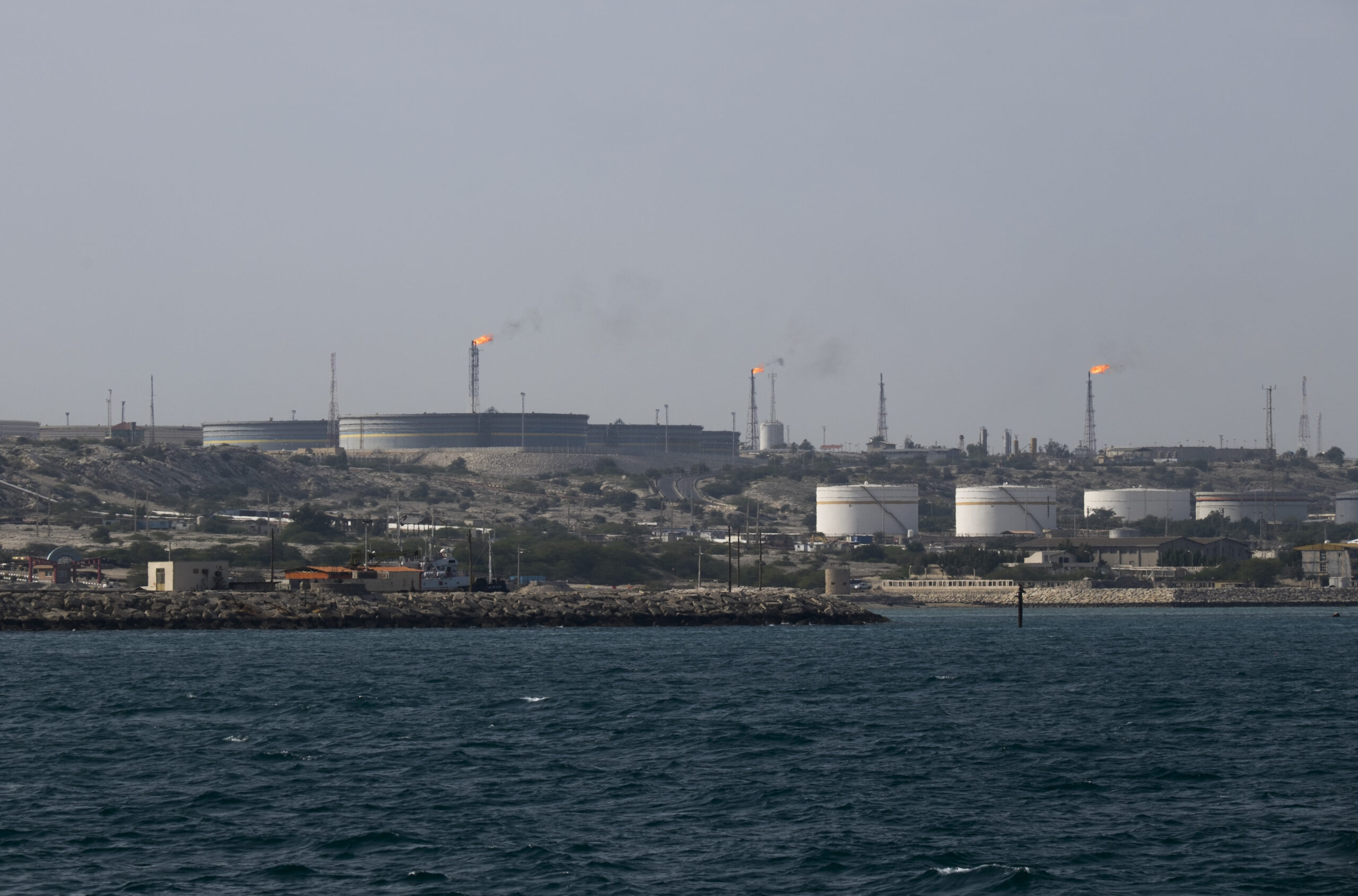
    Escalating civil unrest across Iran has triggered a severe governmental crackdown, creating a complex geopolitical crisis with global implications. Nationwide protests erupted on December 28 amid deteriorating economic conditions, crippling sanctions, and widespread discontent over resource mismanagement. Iranian security forces, including the Revolutionary Guard Corps (IRGC) and Basij militia, have responded with violent suppression tactics including live ammunition and nationwide internet blackouts.

  • Paid parking in Discovery Gardens, registration deadline pushed after app issues reported

    Paid parking in Discovery Gardens, registration deadline pushed after app issues reported

    Dubai’s Discovery Gardens community has received a reprieve from paid parking enforcement following widespread technical difficulties with the Parkonic mobile application. The parking management company announced an extension of the registration deadline until 8pm on January 19th, 2026, after numerous residents reported persistent issues with vehicle registration and system synchronization.

    The implementation of paid parking, originally scheduled to commence on January 15th, will now activate on January 19th. This decision comes after Dubai Holding Community Management had previously established December 24th, 2025, as the opening date for free permit applications and January 9th for paid subscriptions.

    Residents expressed significant frustration with the technical shortcomings. D. Shah, one affected tenant, detailed problems including automatic removal of registered tenancies after app updates, inability to link vehicles to tenancies, and unresponsive customer support. Many worried about potential fines despite their efforts to comply with the new system.

    Parkonic acknowledged the challenges, stating: “We understand the frustration and want to reassure you that cases where registration cannot be completed due to activation or system synchronization steps are being handled with consideration during this phase.” The company emphasized that residents need not resubmit information as support teams process cases sequentially.

    The parking framework itself has sparked controversy regarding its pricing structure. Each residential unit without private parking receives one free permit, but additional vehicles require paid subscriptions costing 945 AED monthly or 2,625 AED quarterly. Visitor parking charges variable rates from 4-6 AED per hour, including Sundays—a point of contention among residents who note that parking is typically free on Sundays elsewhere in Dubai.

    Many residents, particularly those in what they describe as a middle-income community, have labeled the fees for additional vehicles “alarmingly high” and “an unfair financial burden.” Mohammad Ahamd, a tenant, emphasized that second vehicles often represent necessity rather than luxury for managing work commitments and family responsibilities.

    Despite these concerns, Parkonic clarified that pricing parameters and regulations were established through an approved framework with relevant stakeholders and authorities, not independently set by the company.

    Interestingly, the new system has received support from some residents who have already noticed improved parking availability. Many reported that 30-40% of parking spaces became available within a single day of registration, suggesting that unauthorized parking by non-residents had been a significant problem.

    Residents must provide title deeds, Ejari, and lease agreements to complete registration, with approval subject to document verification. Parking eligibility activation requires an authorized PIN received via email from Parkonic.

  • Gulf states and Israel persuade US to hold off on Iran strikes

    Gulf states and Israel persuade US to hold off on Iran strikes

    A coalition of Middle Eastern nations has successfully intervened to prevent potential military strikes by the United States against Iran, according to multiple diplomatic sources. The diplomatic effort, involving Egypt, Oman, Saudi Arabia, and Qatar, raised urgent concerns about regional destabilization and global economic consequences.

    Anonymous Arab diplomats revealed that senior officials from these nations engaged in intensive negotiations with the US administration over a 48-hour period. Their warnings about the catastrophic implications of military action reportedly reached President Donald Trump at the critical moment when strikes were being considered.

    The Telegraph reported that appeals from both Gulf states and Israel ultimately persuaded Trump to abandon plans for military engagement on Wednesday night. This development occurred despite the administration’s public maintenance of military readiness rhetoric.

    White House press secretary Karoline Leavitt maintained the official position on Thursday, stating that “all options remain on the table” regarding US policy toward Iran. However, the diplomatic breakthrough appears to have created an unexpected shift in tensions.

    In a surprising related development, President Trump expressed gratitude toward the Iranian government on Friday, acknowledging their decision to cancel planned executions. “Iran canceled the hanging of over 800 people,” Trump told reporters while departing the White House, adding that he “greatly respected” this decision.

    The successful diplomatic intervention represents a significant moment in Middle Eastern relations, demonstrating how regional powers can collaboratively work to prevent escalation between global superpowers and neighboring states.

  • Dubai’s RTA expands bridge leading to DXB Terminal 1

    Dubai’s RTA expands bridge leading to DXB Terminal 1

    Dubai’s Roads and Transport Authority (RTA) has successfully completed a major infrastructure upgrade at Dubai International Airport (DXB), announcing the inauguration of an expanded bridge leading to Terminal 1 on Saturday, January 17, 2026. The strategic enhancement increases traffic lanes from three to four, substantially elevating the bridge’s capacity from 4,200 to 5,600 vehicles per hour—representing a significant 33% improvement in traffic throughput.

    The infrastructure project, developed in collaboration with Dubai Aviation Engineering Projects (DAEP), employed innovative engineering solutions to minimize disruption. RTA utilized steel box girders integrated with a composite concrete deck, enabling accelerated construction without requiring traffic diversions on Airport Street or temporary support installations. This approach maintained uninterrupted traffic flow while adhering to the highest safety standards throughout the construction phase.

    Beyond lane expansion, the comprehensive project included road pavement enhancements, utility infrastructure upgrades, and extensive landscaping works. New street lighting systems were installed to improve visibility and safety for all motorists. RTA officials emphasized that the expansion directly addresses congestion issues, enhancing traffic flow to the airport terminal, reducing journey times, and improving overall customer experience for travelers and airport users.

    The initiative, initially announced in August of the previous year, forms part of RTA’s broader strategy to enhance road network efficiency and improve connectivity between major transportation corridors and key facilities across Dubai. This infrastructure improvement demonstrates the emirate’s ongoing commitment to maintaining world-class transportation systems capable of supporting its status as a global aviation hub.

  • Opponents protest against China’s planned UK ‘mega embassy’ as decision deadline loons

    Opponents protest against China’s planned UK ‘mega embassy’ as decision deadline loons

    LONDON — Britain’s political landscape has become the stage for a significant diplomatic confrontation as the deadline approaches for the government’s decision on China’s proposed mega-embassy in London. Opposition leader Kemi Badenoch of the Conservative Party joined hundreds of protesters Saturday at the planned construction site near Tower Bridge, delivering a forceful condemnation of Chinese government activities against British citizens and parliamentarians.

    The demonstration, featuring chants of ‘no China mega embassy,’ highlighted growing concerns about China’s alleged harassment of UK nationals and espionage activities. Badenoch accused the current Labour government of displaying excessive caution toward China, stating: ‘We know that we have to stand up to the abuses of China. What worries me is that we have a government right now that seems to be scared of China.’

    After seven years of delays and legal challenges, the UK government faces a Tuesday deadline to approve or block what would become China’s largest diplomatic compound in Europe. The proposed 20,000 square-meter complex on the former Royal Mint site would consolidate China’s seven current diplomatic premises into a single location near London’s financial district and critical data infrastructure.

    Security concerns have been at the forefront of the debate, with opponents warning the embassy could serve as a base for espionage operations and surveillance of Chinese dissidents in exile. Britain’s intelligence services have previously issued alerts about China’s ‘targeted and widespread’ efforts to recruit parliamentarians through professional networks and cover companies.

    Despite these concerns, security experts suggest the risks are manageable. Ciaran Martin, former head of Britain’s National Cyber Security Centre, noted that no government would override security services if they deemed the project too risky. ‘Unless we want to sever diplomatic relations with China,’ Martin wrote, ‘the location of their embassy becomes an issue of practicalities, security assessments and counterintelligence operations.’

    China has expressed frustration over the prolonged approval process, accusing the UK of ‘constantly complicating and politicizing the matter.’ The decision carries significant diplomatic implications, potentially paving the way for Prime Minister Keir Starmer’s anticipated visit to China and expansion of UK diplomatic facilities in Beijing. Starmer has emphasized the need to balance national security concerns with maintaining diplomatic dialogue and cooperation with China.

  • Syrian army says takes over Kurdish-held town east of Aleppo

    Syrian army says takes over Kurdish-held town east of Aleppo

    The Syrian military has officially declared the establishment of complete authority over the strategic town of Deir Hafer, located approximately 50 kilometers east of Aleppo. This development occurred on Saturday, January 17, 2026, following a negotiated withdrawal agreement with Kurdish-led forces that had previously controlled the area.

    According to an official statement broadcast on Syrian state television, government forces have successfully implemented ‘full military control’ throughout the town and its surrounding territories. Independent verification from an AFP correspondent deployed in the region confirmed the visible presence of Syrian army personnel conducting systematic deployment operations within Deir Hafer’s urban center.

    The transfer of authority concludes a period of heightened military tensions in the Aleppo periphery, where recent clashes between Syrian government units and Kurdish forces had raised concerns about potential escalation. The negotiated disengagement represents a significant territorial acquisition for the Damascus government, strengthening its strategic positioning in northern Syria’s complex geopolitical landscape.

    This development marks another phase in the ongoing reorganization of military control across Syria’s northwestern regions, where multiple factions including government forces, Kurdish-led administrations, and various opposition groups maintain intersecting spheres of influence. The peaceful resolution of this particular standoff suggests evolving tactical relationships between previously opposed military factions in Syria’s protracted conflict.