标签: Asia

亚洲

  • Israeli minister says army to occupy all Gaza if Hamas does not disarm

    Israeli minister says army to occupy all Gaza if Hamas does not disarm

    Israeli Finance Minister Bezalel Smotrich, a key member of the nation’s security cabinet, declared on Monday that Hamas faces an imminent deadline to surrender its weapons or risk comprehensive military occupation of Gaza by Israeli forces. In a televised interview with public broadcaster Kan, the far-right minister revealed that Palestinian militants would shortly receive a formal ultimatum demanding complete demilitarization.

    Smotrich asserted that should Hamas refuse compliance, the Israel Defense Forces would possess both international legitimacy and American support to execute a full-scale occupation. The minister confirmed military strategists are already developing operational plans for this contingency, with multiple alternatives under active consideration.

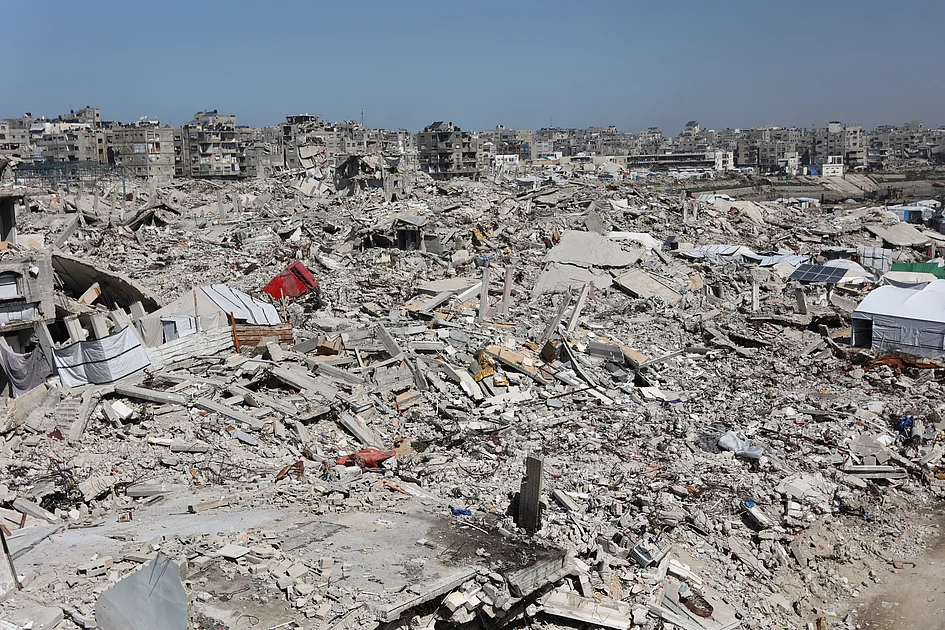
    This development occurs within the fragile framework of a U.S.-brokered ceasefire agreement that recently concluded two years of sustained conflict. During the initial phase, Israeli troops withdrew to positions behind the designated Yellow Line while maintaining control over more than half of Gaza’s territory. The subsequent phase, initiated last month, envisions progressive Israeli military withdrawal coupled with Hamas disarmament—a provision the militant organization has vigorously opposed.

    The American peace proposal, championed by President Donald Trump, additionally calls for establishing a 20,000-strong International Stabilization Force (ISF). While several nations have pledged troop contributions, Smotrich expressed skepticism regarding the rapid deployment of international forces. He suggested coordinated arrangements with American officials would ensure foreign troops quickly withdraw to facilitate Israeli military operations if necessary.

  • How Iranians coped in the lead-up to war

    How Iranians coped in the lead-up to war

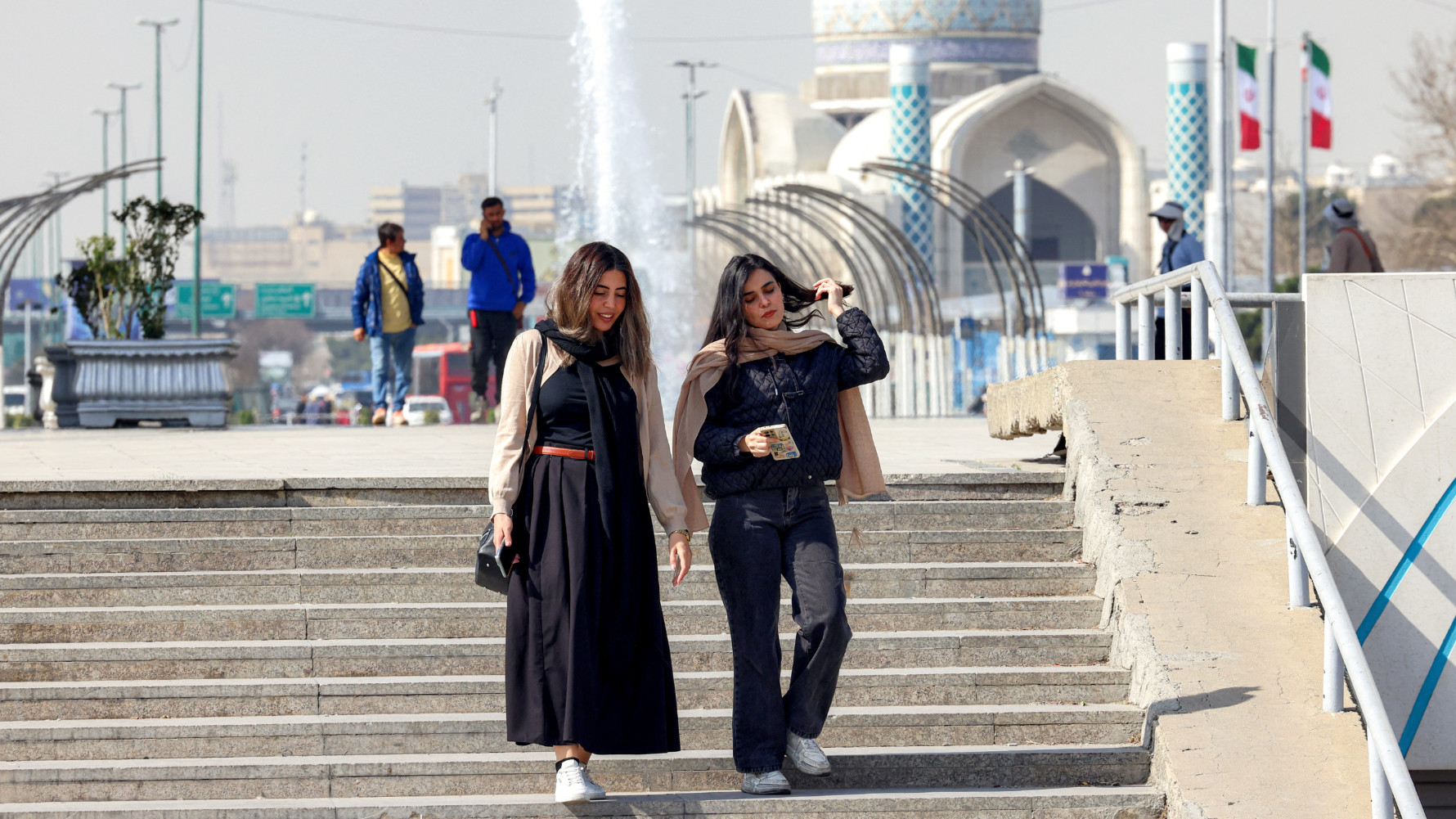
    In the heart of Tehran’s winter, amidst a nationwide internet blackout that severed digital connections for millions, an intimate gathering organized through the Hamneshin app (‘companion’ in Persian) revealed profound shifts in Iranian social dynamics. This encounter unfolded against a backdrop of simmering tensions—from December 2025 unrest and violent crackdowns to threatened airstrikes over Tehran’s nuclear program and lingering trauma from a recent 12-day war with Israel.

    The Hamneshin platform, resembling Western supper clubs in structure, has evolved into something far more significant in contemporary Iran. Participants register through the app, pay fees, and join age-grouped gatherings ranging from dinners to bowling nights. Yet these meetings transcend leisure, representing a collective response to deepening structural isolation driven by economic strain, migration, rising divorce rates, and shrinking spaces for mixed-gender interaction.

    At an upscale Tehran café, socioeconomic disparities manifested visibly—from luxury cars waiting outside to carefully styled outfits contrasting with rapidly fluctuating market prices. The participants, predominantly educated professionals including engineers, managers, and entrepreneurs, revealed complex layers of loneliness despite outward success. Javad, a confident entrepreneur, and Roya, a language teacher battling depression, both sought companionship unavailable in their daily lives.

    A poignant silence fell when recent violence was mentioned—not indicating indifference but collective exhaustion. The gathering consciously created temporary distance from external turmoil. For Vahid, who left energy sector stability for cryptocurrency trading, and Aida, a divorced mother watching friendships thin as people ‘disappear into work or leave the country,’ these connections offered rare emotional respite.

    While not all gatherings forge lasting bonds—many WhatsApp groups go inactive—some participants developed offline friendships that provided stability during internet blackouts. The platform represents broader social initiatives across Iran, including pottery workshops and discussion circles, that create structured environments for connection despite requiring disposable income that excludes many.

    These digital-facilitated gatherings cannot solve structural pressures but provide symbolic resistance against fading friendships, shrinking social circles, and growing public hesitation. As one 43-year-old attendee noted: ‘It sounds simple, but you leave feeling lighter. You remember that you can still connect.’ In a society navigating multiple crises, such temporary interruptions of isolation carry profound significance.

  • Saudi Grand Mosque expansion improves pilgrims’ experience, access for millions

    Saudi Grand Mosque expansion improves pilgrims’ experience, access for millions

    Saudi Arabia has unveiled the completion of its Third Expansion of the Grand Mosque in Makkah, marking a historic milestone in enhancing worship conditions for millions of pilgrims. This monumental project, spanning approximately 1.214 million square meters, represents one of the most significant infrastructure developments in the sacred site’s history, specifically designed to accommodate massive congregations during peak seasons including Ramadan, Hajj, and Umrah.

    The expansion strategically addresses previous challenges of overcrowding and congestion through sophisticated spatial planning and state-of-the-art facilities. The enhanced infrastructure now features advanced climate control systems with 90,000 tons of cooling capacity, ensuring comfortable temperatures year-round. Worship comfort is further elevated through the installation of over 25,000 premium carpets, 17,000 Zamzam water dispensers, and 11,436 modern restrooms and ablution facilities.

    Movement throughout the expanded complex has been revolutionized with 428 escalators, 28 elevators, and 80 strategically positioned entry points, facilitating seamless access across ground, first, second, mezzanine, and rooftop levels. Audio clarity during prayers is ensured through 1,300 high-fidelity speakers, while 458 drinking fountains provide continuous hydration for worshippers.

    The operational framework incorporates round-the-clock field teams maintaining full facility readiness through integrated technical, engineering, and human resources. This comprehensive service system prioritizes both physical safety and spiritual tranquility, allowing pilgrims to perform rituals with greater devotion and peace of mind.

    Beyond physical infrastructure, the project embodies Saudi Arabia’s deeper commitment to preserving the sanctity of Islamic worship while embracing modern engineering solutions. Ongoing upgrades in maintenance protocols, cleanliness standards, and guidance services continue to reflect leadership’s dedication to serving pilgrims at Islam’s holiest site.

  • A bumper berry harvest has New Zealand’s weird flightless parrot in a rare mood for romance

    A bumper berry harvest has New Zealand’s weird flightless parrot in a rare mood for romance

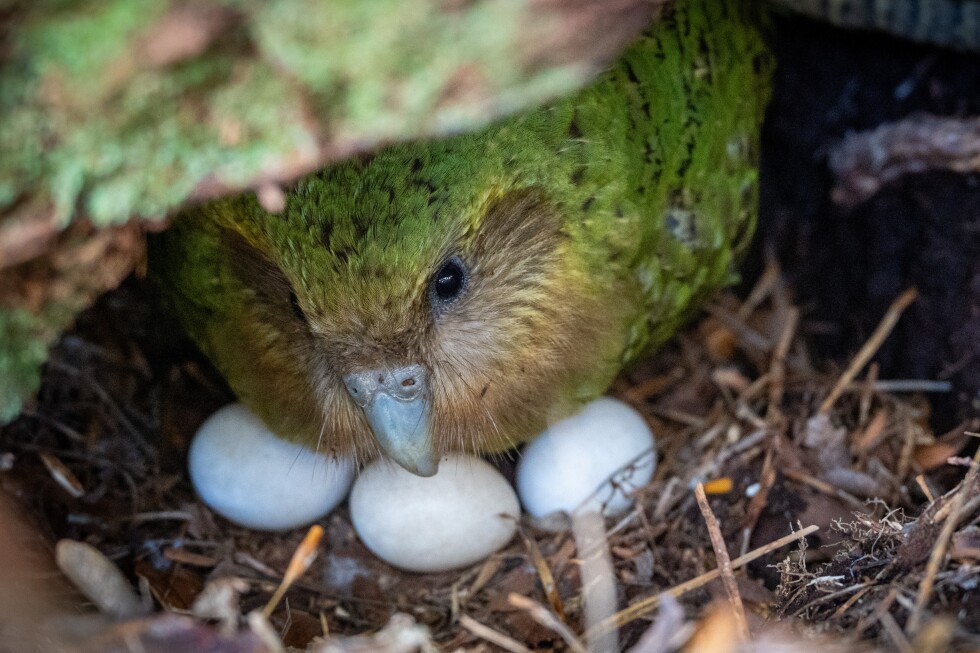
    WELLINGTON, New Zealand — The kakapo, Earth’s sole flightless parrot species, continues its remarkable recovery from the brink of extinction through an intensive conservation program that has increased its population from a mere 50 to over 200 birds during the past thirty years. This nocturnal, reclusive avian native to New Zealand faces extraordinary survival challenges due to its biological characteristics: excessive weight, slow movement, appealing scent to predators, and infrequent reproductive cycles.

    These peculiar parrots, comparable in size to small domestic cats and weighing up to 3 kilograms (6.6 pounds), possess distinctive physical features including owl-like facial structures, whisker-like feathers, and mottled green, yellow, and black plumage that provides camouflage against forest floors. Their potent musky-fruity aroma, while appealing to human observers, historically made them vulnerable to predators introduced by human settlement.

    The species’ recovery represents one of conservation biology’s most unlikely success stories. After being declared potentially extinct in 1974, a remnant population was discovered in the late 1970s, triggering an extraordinary preservation initiative. Conservationists relocated the birds to three remote offshore islands free from predators, implemented individual monitoring through backpack trackers, and carefully managed genetic diversity through strategic breeding partnerships.

    Kakapo reproduction occurs infrequently, with breeding seasons triggered only when rimu trees produce bumper fruit crops every two to four years. The current season shows exceptional promise due to abundant berry availability, raising hopes for record chick numbers in February. Male kakapo perform unique courtship rituals involving ground bowls and resonant booming sounds followed by distinctive “ching” noises to attract mates.

    Public engagement has reached unprecedented levels through a livestream featuring 23-year-old kakapo Rakiura’s underground nest on Whenua Hou Island. Conservationists have implemented delicate egg management practices, temporarily replacing eggs with artificial substitutes during indoor incubation to maximize survival chances.

    The extensive conservation efforts reflect New Zealand’s unique ecological context and cultural values. As a nation with no native land mammals except two bat species, birds have evolved distinctive characteristics and hold special cultural significance. “We don’t have the Eiffel Tower or the pyramids, but we do have kakapo and kiwi,” remarked Deidre Vercoe, operations manager for the Department of Conservation’s kakapo program. “It’s a real New Zealand duty to save these birds.”

  • Australia backs removal of Andrew Mountbatten-Windsor from British royal succession: media

    Australia backs removal of Andrew Mountbatten-Windsor from British royal succession: media

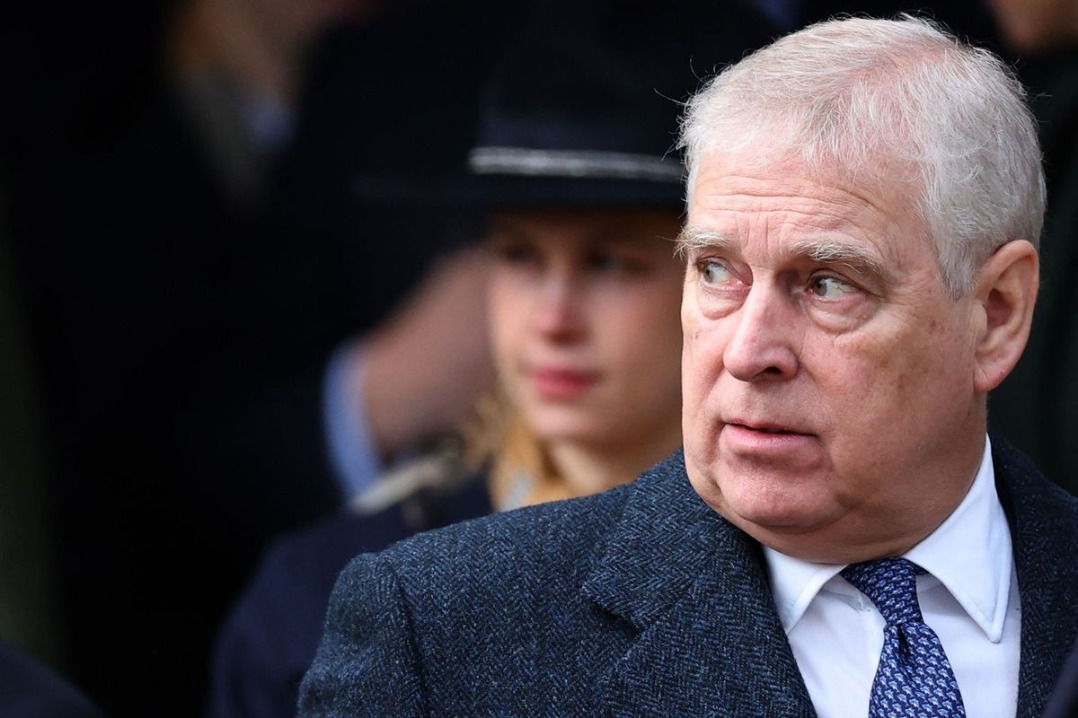
    In a significant constitutional development within the Commonwealth, Australian Prime Minister Anthony Albanese has formally communicated to British Prime Minister Keir Starmer that his government would endorse legislative measures to remove Andrew Mountbatten-Windsor from the British royal line of succession, according to reports from British media outlets.

    The Australian position, articulated through official correspondence between the two leaders, represents the first public endorsement from a Commonwealth nation supporting Andrew’s permanent exclusion from succession protocols. This unprecedented move follows the former prince’s arrest last week on allegations of misconduct in public office, though he was subsequently released after hours in police custody.

    Prime Minister Albanese’s letter emphasized the seriousness with which Australia views the allegations, stating: ‘I agree with His Majesty that the law must now take its full course and there must be a full, fair and proper investigation. These are grave allegations and Australians take them seriously.’

    The development marks the latest chapter in Andrew Mountbatten-Windsor’s fall from royal prominence. Last October, he was stripped of his royal and military titles and compelled to vacate Royal Lodge, his official residence. He has since been residing in alternative private accommodation under his current legal name.

    The British government is reportedly considering introducing specific legislation to formally remove Andrew from the succession order, a constitutional process that would require coordination across Commonwealth realms. This potential legislative action represents one of the most significant adjustments to royal succession protocols in modern history.

  • Reform to create agency like ICE and new detention centres for migrants

    Reform to create agency like ICE and new detention centres for migrants

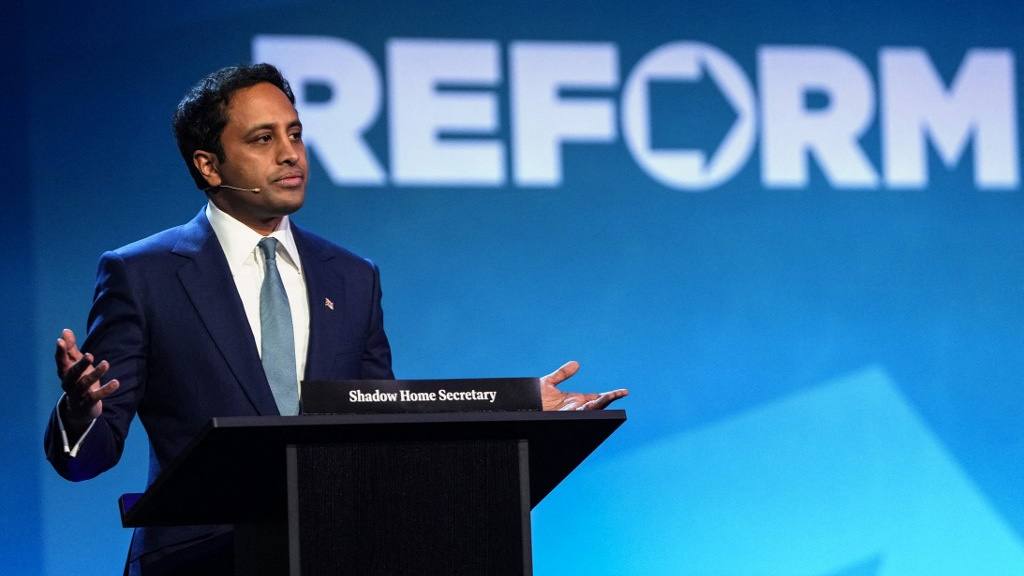
    Reform UK has unveiled a radical immigration policy platform, announcing plans to establish a UK Deportation Command agency should the party come to power. The proposed agency, modeled after the US Immigration and Customs Enforcement (ICE), would implement “Operation Restoring Justice” – an ambitious initiative targeting the deportation of approximately 600,000 undocumented migrants currently residing in Britain.

    Zia Yusuf, the party’s newly appointed home affairs spokesperson, detailed the proposals during a Monday press conference in Dover. Identifying himself as the son of immigrants, Yusuf framed the measures as a necessary response to what he characterized as a “national security emergency” and an “invasion” of Britain. The plan includes rapid construction of detention facilities with capacity for 24,000 individuals and the implementation of visa sanctions against nations including Pakistan, Afghanistan, Syria, and Eritrea for refusing to accept returning citizens.

    Beyond immigration enforcement, Yusuf announced a comprehensive overhaul of Britain’s counter-extremism strategy. The revised Prevent program would redirect approximately 75% of its resources toward identifying and neutralizing Islamist extremism, aligning with MI5’s current caseload distribution. The party further pledged to ban organizations deemed extremist, specifically naming the Muslim Brotherhood, and to prohibit the conversion of churches into mosques, which Yusuf described as an “incendiary” practice.

    These proposals emerge amid international controversy surrounding counter-extremism efforts. A recent United Nations report criticized the existing Prevent program for disproportionately targeting Muslim communities, particularly children. Independent studies have corroborated these concerns, indicating that individuals recorded as Asian and cases categorized as ‘Islamist-related’ receive comparatively greater scrutiny.

    The announcement follows reports of potential collaboration between Reform UK and the United Arab Emirates, which shares the party’s opposition to political Islam. Earlier this year, UAE authorities designated eight British organizations as terrorist groups due to alleged Muslim Brotherhood connections, despite none violating British laws. Previous reporting has also revealed UAE-funded efforts to discredit Britain’s largest Muslim charity through alleged smear campaigns.

  • India’s fastest metro system to boost real estate market

    India’s fastest metro system to boost real estate market

    India has entered a new era of regional connectivity with the inauguration of its first Regional Rapid Transit System (RRTS), named Namo Bharat. Prime Minister Narendra Modi officially launched the high-speed service, linking Meerut South to Modipuram and establishing a direct rail connection between Meerut and the national capital, Delhi.

    The 82-kilometer Delhi-Meerut Namo Bharat Corridor represents a groundbreaking infrastructure achievement, engineered for high-speed, high-frequency operations. With an impressive design speed of 180 km per hour and an operational speed of 120 km/h, it stands as India’s fastest metro system, capable of covering the 23km stretch to Meerut in approximately 30 minutes. This system connects major urban centers including Sahibabad, Ghaziabad, and Modinagar to Delhi with unprecedented efficiency.

    Industry experts anticipate significant economic impacts, particularly in real estate development along the transit corridor. Ankita Sood, National Director of Research at Knight Frank India, observed that reduced travel times to Delhi and other National Capital Region centers are already reshaping buyer preferences. The convenience of shorter commutes is increasingly outweighing concerns about higher property prices, making developments along the corridor substantially more attractive to prospective homeowners.

    Delhi Chief Minister Rekha Gupta characterized the project as transformative for the capital’s development landscape. Beyond mere transportation, the system promises substantial secondary benefits including time savings for passengers, reduced traffic congestion, and lower carbon emissions through decreased reliance on private vehicles.

    The comprehensive Namo Bharat network encompasses three strategic corridors—Delhi-Meerut, Delhi-Panipat, and Delhi-Alwar—all converging at Sarai Kale Khan station in Delhi. The current trains feature six coaches with a capacity for 450 passengers, while the entire system is designed to accommodate up to 800,000 daily passengers at full operational capacity.

  • US sheds light on its allegation of Chinese nuclear test and urges nations to push for disarmament

    US sheds light on its allegation of Chinese nuclear test and urges nations to push for disarmament

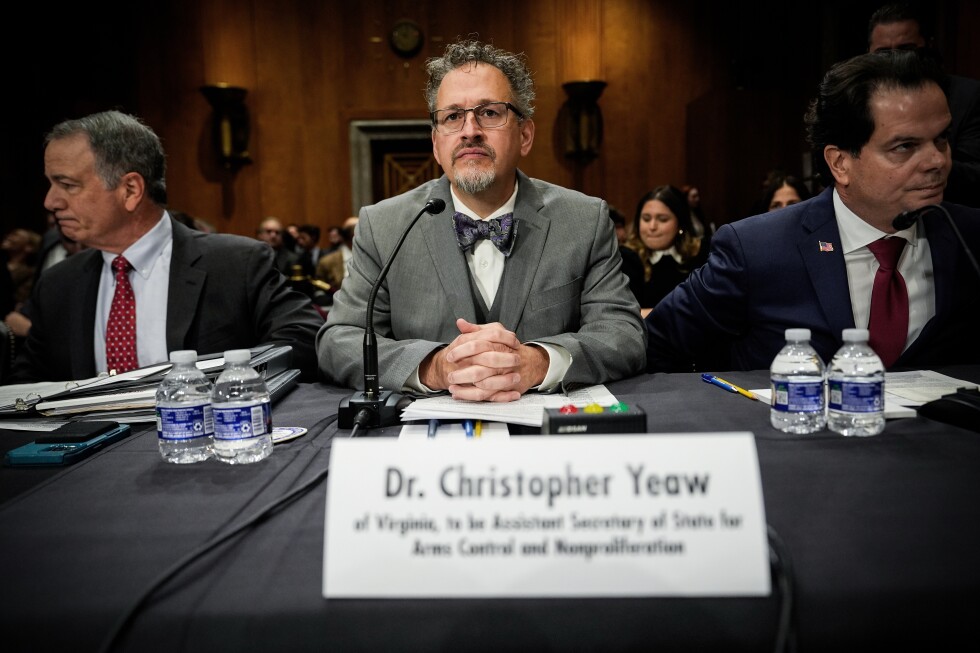
    In a significant address to the UN Conference on Disarmament in Geneva, U.S. arms control official Christopher Yeaw revealed newly declassified intelligence alleging Chinese nuclear testing activities. The disclosure comes amid heightened global tensions following the expiration of the last nuclear arms pact between the United States and Russia earlier this month.

    Yeaw, serving as assistant secretary of state for arms control and nonproliferation, presented detailed seismic data indicating a probable nuclear explosion at China’s Lop Nur underground testing facility on June 22, 2020. The event registered as a magnitude 2.75 seismic disturbance, detected by international monitoring stations in neighboring Kazakhstan. According to Yeaw’s analysis, the seismic signature matched historical patterns of explosive testing rather than natural earthquakes or conventional mining operations.

    The timing of these allegations coincides with growing international concern about nuclear proliferation. With the New START treaty now expired, the world’s two largest nuclear powers face no constraints on their arsenals, while China continues its rapid nuclear expansion. Yeaw criticized both China and Russia for their lack of transparency, particularly highlighting that China may achieve nuclear parity with the United States within the next four to five years.

    Chinese Ambassador Jian Shen vehemently denied the allegations, characterizing them as “completely unfounded” and accusing the United States of using false claims as pretext to resume its own nuclear testing program. Shen emphasized China’s continued adherence to the Comprehensive Nuclear Test Ban Treaty commitments and dismissed calls for three-way arms control talks as “unfair, unreasonable and unfeasible” given the disparity in nuclear arsenal sizes.

    The diplomatic confrontation occurs against the backdrop of failed U.S. efforts to establish a trilateral nuclear agreement involving China during the Trump administration. Current Secretary of State Marco Rubio has indicated continued pursuit of diplomatic solutions through bilateral, small-group, or broader multilateral approaches to address what U.S. officials describe as China’s “unprecedented, deliberate, rapid and opaque nuclear weapons buildup.”

  • ‘Too early to tell’: Trump’s tariffs impact on Indian economy, says minister

    ‘Too early to tell’: Trump’s tariffs impact on Indian economy, says minister

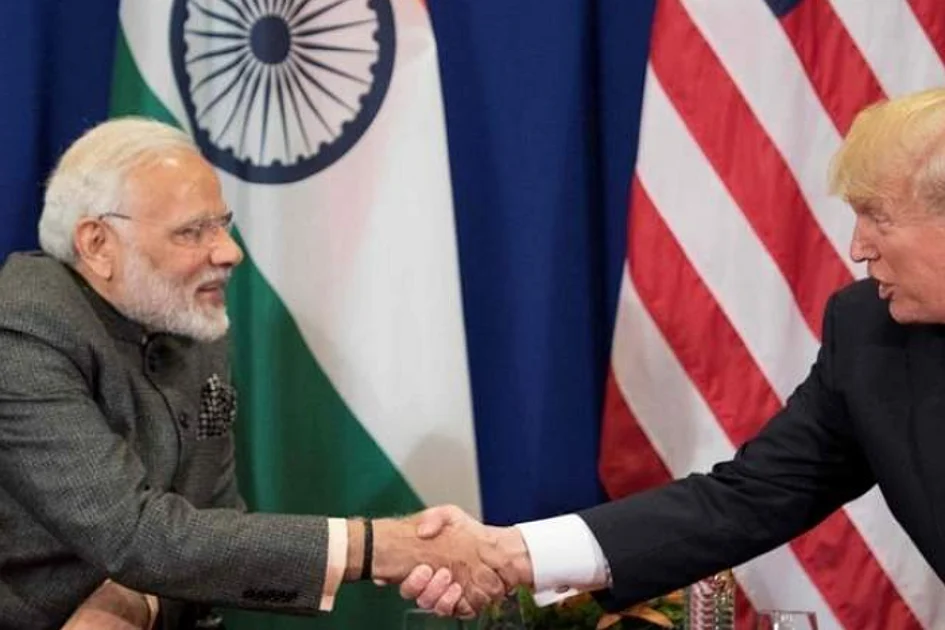
    Indian Finance Minister Nirmala Sitharaman has declared it premature to assess the potential economic repercussions of recent tariff modifications announced by US President Donald Trump. The cautious statement came alongside the postponement of bilateral trade negotiations originally scheduled for Monday between the two nations.

    Minister Sitharaman emphasized that India’s Commerce Ministry is currently conducting a comprehensive review of the evolving trade situation before determining the timeline for further diplomatic engagement. “On trade, particularly, aside from the Indian economy in general, the Commerce Ministry is reviewing the situation. The delegation will have to take a call on when they are going to go for further negotiations,” Sitharaman stated during her media briefing.

    The trade discussions delay follows two significant developments: a recent US Supreme Court ruling on presidential tariff authority and subsequent policy announcements from the Trump administration. These developments have created uncertainty around previously established trade terms, including a recent agreement that had reduced US tariffs on Indian goods from 50% to 18%.

    India’s Commerce Ministry has acknowledged these developments formally, noting: “We have noted the US Supreme Court judgement on tariffs. President Trump has also addressed a press conference in that regard. Some steps have been announced by the US Administration. We are studying all these developments for their implications.”

    The latest US policy shifts include the imposition of a 10% tariff on Indian imports initially, subsequently increased to 15%, with these measures scheduled to remain in effect for 150 days. This represents a reversal from the tariff reduction achieved earlier this month, which itself had moderated the aggressive 50% tariffs imposed in August last year—measures originally implemented as penalties for India’s purchase of Russian oil.

    Despite these bilateral challenges, Minister Sitharaman highlighted India’s continued progress in expanding its global trade network, having recently finalized agreements with the UAE, Qatar, Oman, the European Union, the United Kingdom, Australia and New Zealand. “Our attempt to have a trade agreement will go on with countries,” she affirmed, reinforcing India’s commitment to global market engagement.

    President Trump has meanwhile asserted that the fundamental trade understanding between the United States and India remains unchanged despite these tariff adjustments and legal developments.

  • US ambassador Huckabee says Israel at war with Muslim Brotherhood in Egypt and Jordan

    US ambassador Huckabee says Israel at war with Muslim Brotherhood in Egypt and Jordan

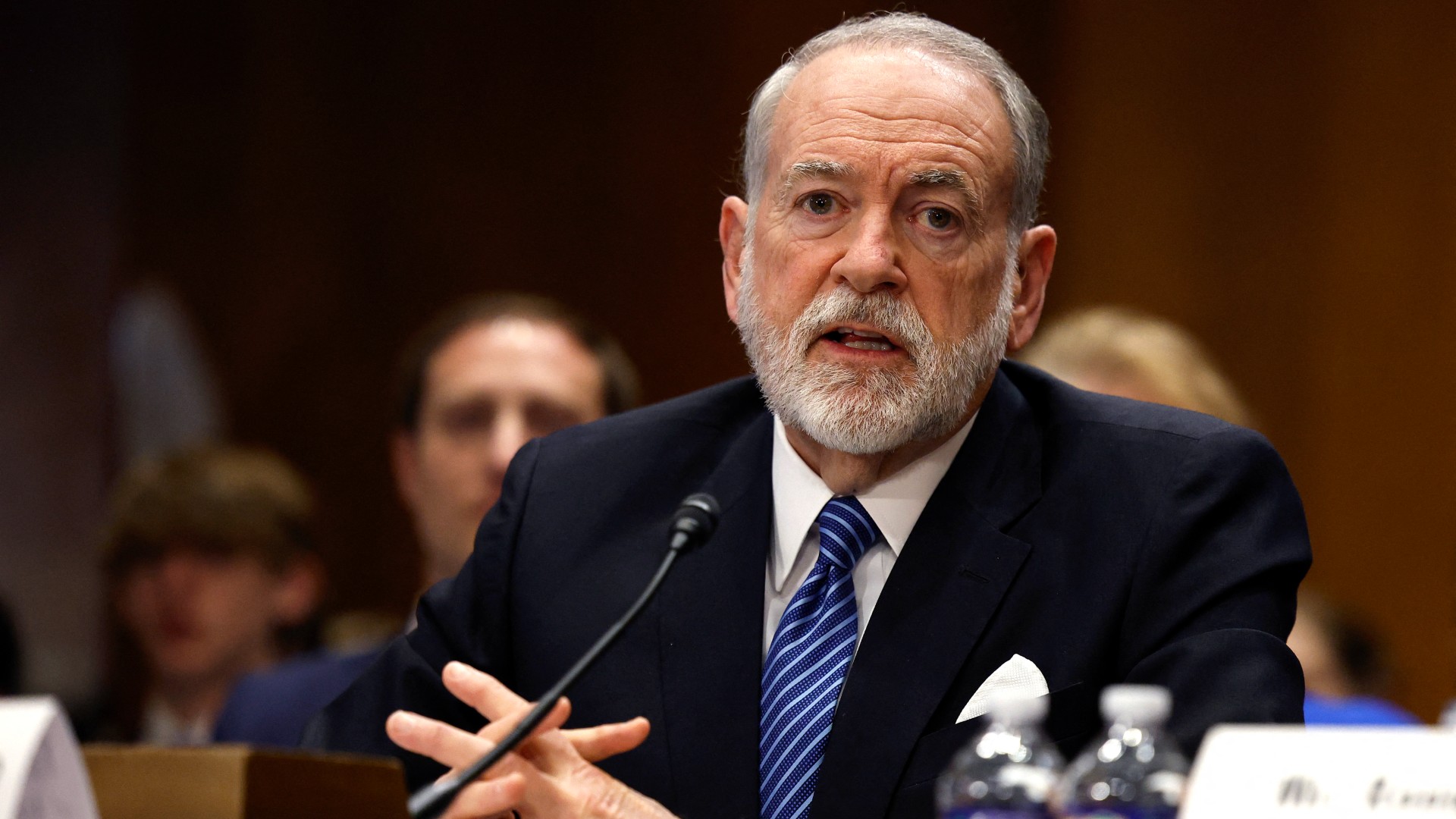
    U.S. Ambassador to Israel Mike Huckabee has ignited diplomatic fury across the Middle East following controversial statements made during an appearance on The Tucker Carlson Show. The former Arkansas governor asserted that Israel is engaged in a “seven-front war,” explicitly naming the Muslim Brotherhood in Egypt and Jordan as active combatants alongside Lebanon, Syria, Yemen’s Houthis, Hamas in Gaza, and Iran.

    During the interview, Huckabee clarified that Israel’s conflict is not with the governments of Egypt or Jordan but specifically with the Muslim Brotherhood elements within those nations. He notably added an “eighth front” to the conflict: the media.

    The ambassador further provoked regional outrage by invoking biblical scripture to justify Israeli territorial expansion. When Carlson referenced Genesis 15’s description of land spanning from the Nile to Euphrates rivers, Huckabee responded that “it would be fine if they took it all”—a statement implying Israeli claims to territories across five sovereign nations beyond occupied Palestine.

    These remarks have drawn swift condemnation from multiple governments and international organizations. Palestine, Egypt, Jordan, Saudi Arabia, Kuwait, and Oman have issued formal statements of protest, joined by the Organization of Islamic Cooperation and the Arab League. Jordan’s Foreign Ministry characterized Huckabee’s statements as “irresponsible, escalatory and absurd,” while Saudi Arabia denounced them as “reckless” and Kuwait condemned them as “a flagrant violation of international law.”

    The controversy emerges against the complex backdrop of the Muslim Brotherhood’s history. Founded in 1928 as an anti-colonial movement, the organization has consistently denied advocating violence while positioning itself as a political and social movement. Despite persecution under secular Arab rulers in the mid-20th century, the Brotherhood gained significant popularity following the 2011 Arab Spring uprisings, culminating in Mohamed Morsi’s democratic election in Egypt in 2012—before his ouster by military coup and subsequent death in custody.

    The organization remains banned in Saudi Arabia, the UAE, Bahrain, and most recently Jordan, where its April prohibition followed alleged pressure from Saudi Arabia, the UAE, and Israel. Many regional monarchies and autocratic governments view the Brotherhood as an existential threat to their rule.