标签: Asia

亚洲

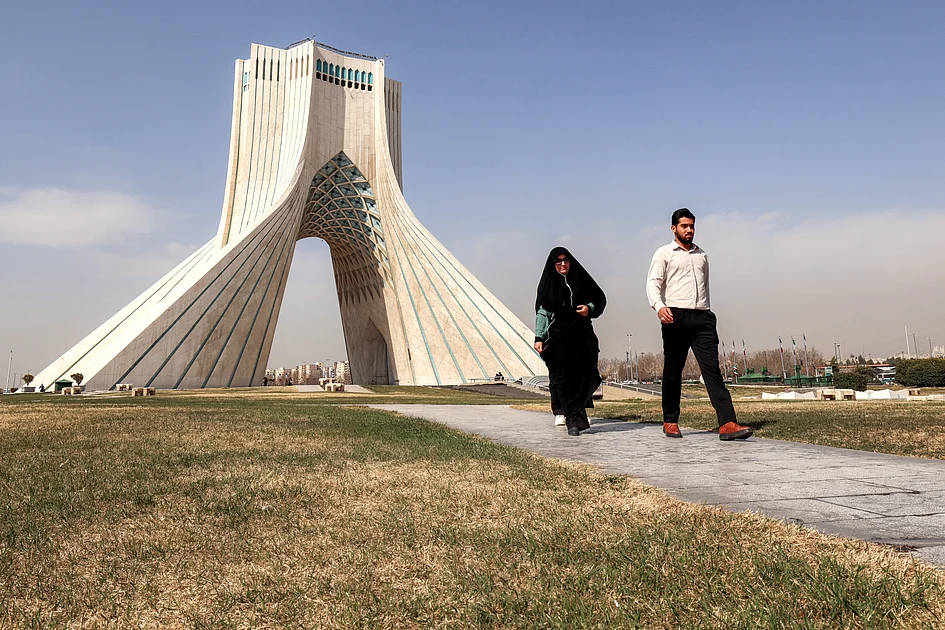
  • US pulling non-essential staff from embassy in Lebanon amid Iran tensions

    US pulling non-essential staff from embassy in Lebanon amid Iran tensions

    Amid rapidly deteriorating diplomatic relations with Iran, the United States has initiated a partial evacuation of its embassy in Beirut, Lebanon. A senior State Department official confirmed on Monday that non-essential government personnel and eligible family members are being withdrawn from the diplomatic mission.

    The official, speaking anonymously, stated that the decision followed a comprehensive security assessment: “We continuously evaluate the security environment, and based on our latest review, we determined it prudent to reduce our footprint to essential personnel.” Despite the drawdown, the embassy maintains operational capacity with core staff remaining in place to assist American citizens.

    According to sources at Beirut airport, approximately 32 embassy staff members accompanied by family members departed on Monday, though other reports indicate the evacuation may involve up to 50 personnel. The State Department emphasized these measures are temporary, designed specifically to ensure personnel safety while preserving diplomatic functions.

    This security precaution unfolds against the backdrop of one of America’s most significant military buildups in the Middle East in recent years. President Donald Trump issued a stark warning last Thursday, indicating that “really bad things will happen” should diplomatic efforts fail to resolve the nuclear standoff with Tehran. Iran has responded with counter-threats, vowing to strike U.S. bases throughout the region if attacked.

    The current tensions evoke historical parallels to the 1980s when U.S. interests in Lebanon faced repeated attacks during the country’s civil war. Iranian-backed Hezbollah was held responsible for several devastating assaults, including the 1983 suicide bombing of the U.S. Marine barracks that killed 241 servicemen and a simultaneous attack on the U.S. embassy that claimed 49 embassy staff lives.

    Diplomatic efforts continue despite the military posturing. U.S. Secretary of State Marco Rubio remains scheduled to travel to Israel on Saturday for meetings with Prime Minister Benjamin Netanyahu, though officials note the schedule “remains subject to change.” Meanwhile, Iran’s Foreign Minister Abbas Araqchi expressed expectation for Thursday talks in Geneva with President Trump’s special envoy Steve Witkoff, maintaining there is still “a good chance” for a diplomatic resolution.

    However, both sides remain fundamentally divided on critical issues, particularly regarding the scope and sequencing of relief from U.S. sanctions. A senior Iranian official revealed that after two rounds of negotiations, significant differences persist. Witkoff recently questioned why Iran has not yet “capitulated” and agreed to curb its nuclear program, highlighting the diplomatic gulf between the nations.

    The situation represents the most severe escalation since last June when U.S. and Israeli forces conducted airstrikes against Iranian military and nuclear facilities, marking the second potential military confrontation between the powers in under a year.
  • China’s railways handle 121m passenger trips during Spring Festival holiday

    China’s railways handle 121m passenger trips during Spring Festival holiday

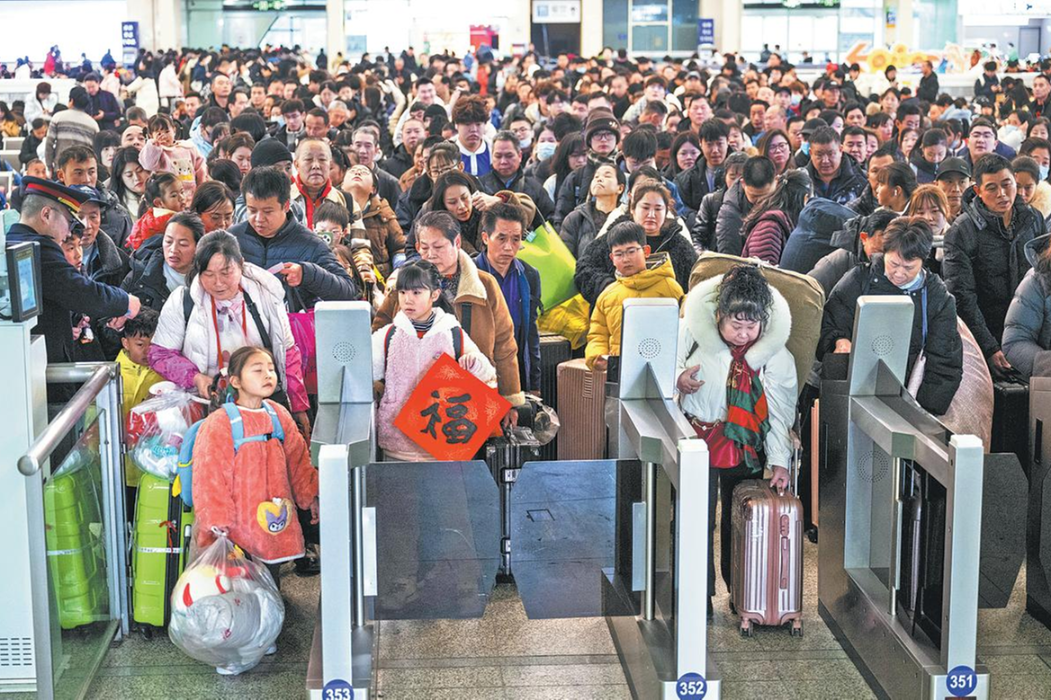
    China’s national railway system demonstrated remarkable operational capacity during the recent Spring Festival holiday, transporting approximately 121 million passenger trips across the nine-day festive period. According to official data released by China State Railway Group, this year’s travel volume represents an impressive 11.5% increase compared to the same period last year, underscoring both robust travel demand and sustained economic vitality.

    The holiday period, which concluded on Monday, witnessed unprecedented passenger flows as family reunions, tourism activities, and return journeys created overlapping travel peaks. Railway operations maintained an average daily passenger volume of 13.41 million trips throughout the celebration period. The transportation system achieved a particularly significant milestone on the final day of the holiday, handling 18.73 million passenger journeys—setting a new historical record for single-day travel volume during China’s Spring Festival travel season.

    Concurrently, railway freight services maintained steady operations with 85.38 million metric tons of cargo transported during the same period, reflecting a 0.5% year-on-year increase. Railway authorities implemented enhanced transportation organization and passenger service measures to ensure safe, orderly, and efficient travel while supporting uninterrupted logistics operations throughout the holiday period.

    The annual Spring Festival travel rush, widely recognized as the world’s largest periodic human migration, continues to serve as a critical indicator of China’s transportation infrastructure capabilities and operational management efficiency. This year’s performance demonstrates the system’s capacity to manage extreme passenger volumes while maintaining service quality and safety standards.

  • Risk sentiment at a crossroads: What renewed global volatility means for the GCC

    Risk sentiment at a crossroads: What renewed global volatility means for the GCC

    Global financial markets are experiencing a significant defensive rotation as investors navigate heightened geopolitical tensions, AI-driven volatility, and uncertainty surrounding U.S. Federal Reserve policy. This risk-off sentiment has triggered a rare simultaneous strengthening of traditional safe-haven assets—oil, gold, and the U.S. dollar—signaling a broad-based retreat from risk-oriented positions.

    Energy markets are at the forefront of this shift, with crude oil climbing above $65 per barrel amid seasonal demand increases and renewed concerns about potential supply disruptions through the Strait of Hormuz. Precious metals are approaching critical breakout levels, with gold nearing $5,100 and silver testing $80 thresholds, driven by sustained safe-haven demand and strategic buying during short-term dips.

    For Gulf Cooperation Council (GCC) nations, this environment presents both opportunities and challenges. While elevated oil prices typically enhance fiscal surpluses, improve liquidity conditions, and bolster regional investment sentiment—often translating into robust IPO pipelines and capital market activity—the current landscape remains notably complex. Volatility emanating from the global technology cycle, anticipated temporary pauses in Federal Reserve policy, and escalating U.S.-Iran tensions are amplifying uncertainty despite the region’s relatively firm macroeconomic fundamentals.

    Global equity markets reflect this cautious sentiment, with major U.S. indices stalling below record levels amid concerns about potential risk-asset peaks. Meanwhile, the UAE’s MSCI index continues to hover near decade highs, demonstrating regional resilience while suggesting possible short-term consolidation before sustained upward momentum resumes.

    Razan Hilal, Market Analyst at FOREX.com, observes: ‘Markets are navigating a delicate balance. Defensive flows dominate globally, yet regional fundamentals in the GCC remain comparatively stable. This divergence creates both opportunity and short-term volatility risk.’

    The UAE’s currency peg to the U.S. dollar provides additional macroeconomic stability, offering policy predictability and interest rate clarity. anticipated U.S. rate cuts could further ease financial conditions, potentially supporting regional growth, liquidity, and capital markets activity throughout the year.

    Critical structural turning points warrant monitoring, including potential crude breakouts above key resistance levels that could alter global inflation expectations, delay rate-cut timelines, and sustain defensive asset preferences. Conversely, significant reversals in oil prices or breakdowns in the dollar’s long-term uptrend could substantially reshape global and regional liquidity dynamics.

    The GCC remains well-positioned due to fiscal strength, macroeconomic stability, and steady investor interest, though it remains exposed to global crosscurrents. During this period of geopolitical realignment and elevated cross-asset volatility, regional markets continue demonstrating durability while becoming increasingly sensitive to global risk cycles. As Hilal notes, the next major catalyst may originate outside the region—but its impact on GCC economies will be undeniable.

  • 17.8m entries and exits made during Spring Festival holiday

    17.8m entries and exits made during Spring Festival holiday

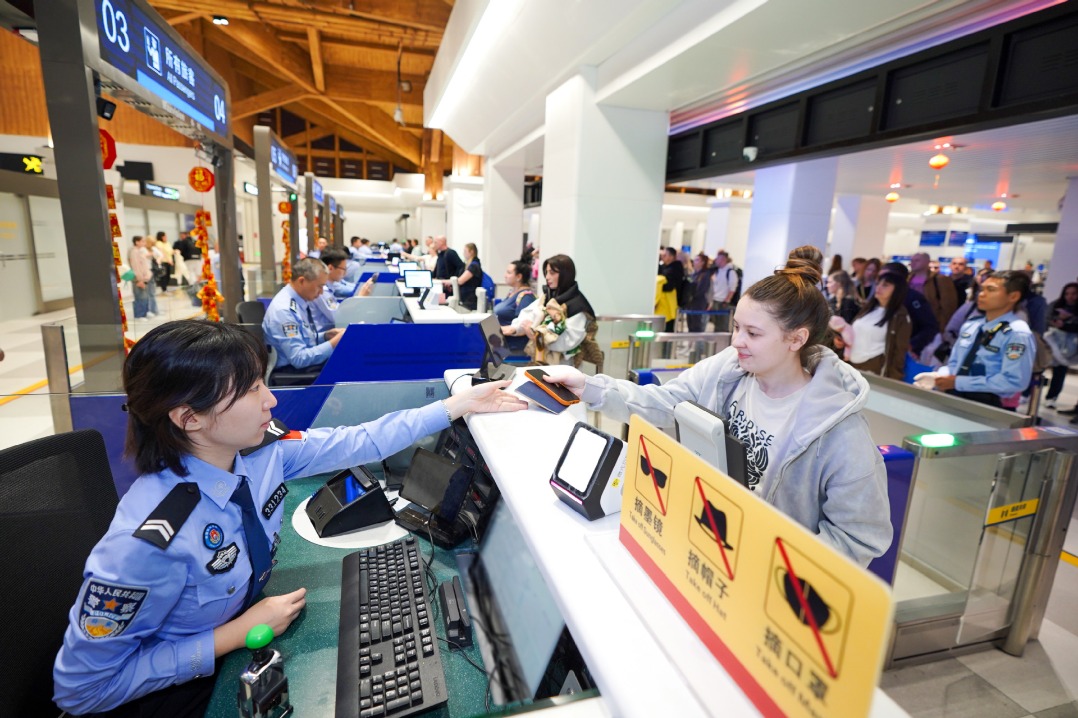
    China witnessed substantial cross-border mobility during the recent Spring Festival holiday, with official data revealing 17.8 million entries and exits recorded at the country’s border checkpoints. The daily average reached approximately 1.98 million movements, reflecting significant recovery in international travel following pandemic restrictions.

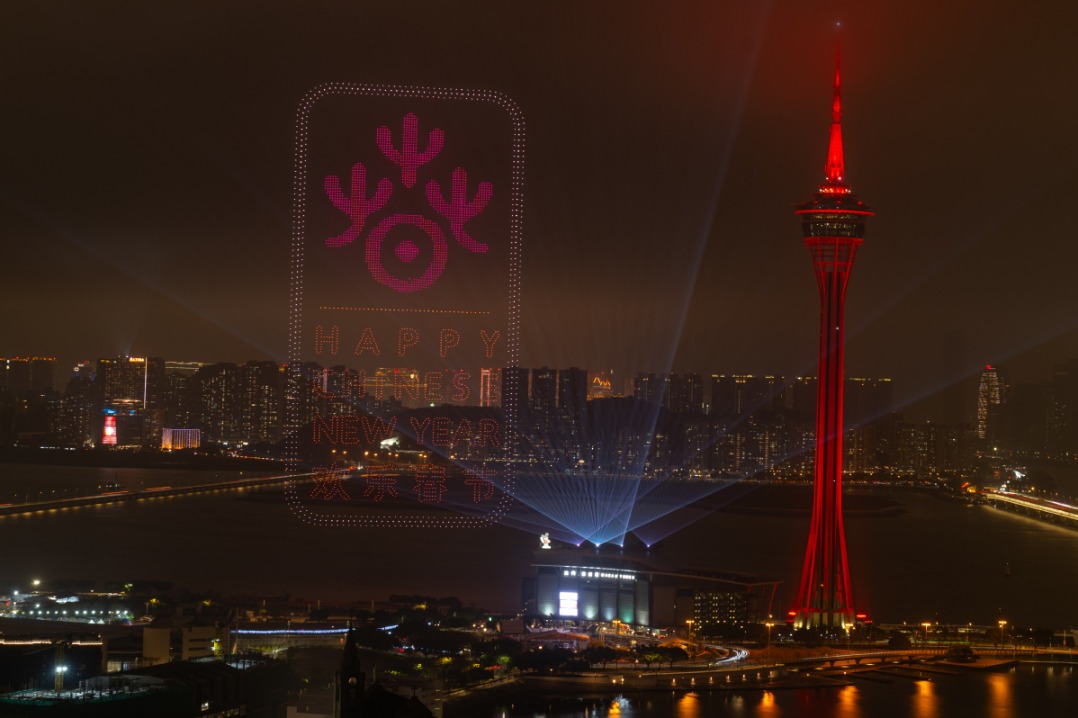
    The heightened traffic coincided with extensive celebrations across China, including Macao’s spectacular drone and fireworks display that attracted both domestic and international visitors. Multiple regions reported increased tourism activity, with destinations like Shanxi’s Zhaoyu Ancient City experiencing notable visitor surges during the holiday period.

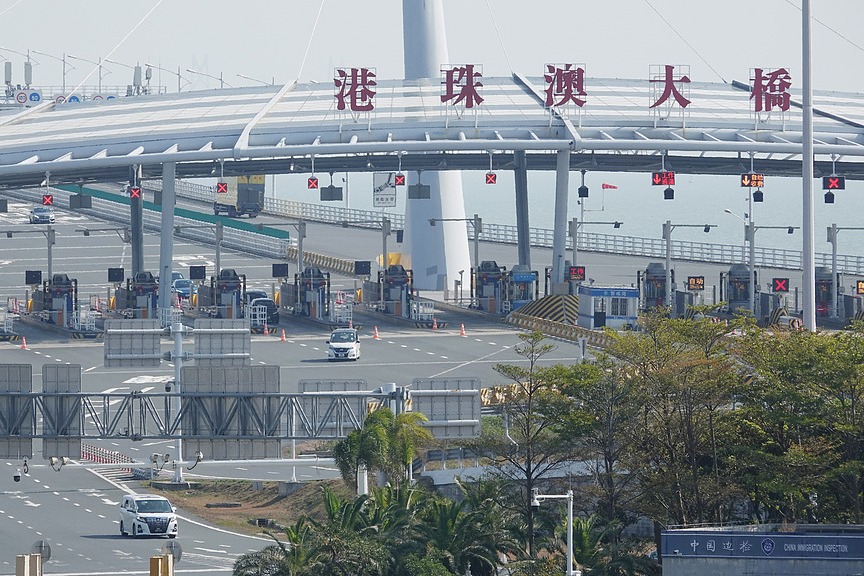
    Transportation infrastructure, particularly the Hong Kong-Zhuhai-Macao Bridge, handled record traffic volumes as mainland-SARs tourism rebounded strongly. The increased mobility demonstrates China’s ongoing normalization of cross-border travel and cultural exchange following extended COVID-19 related restrictions.

    The data coincides with China’s comprehensive efforts to revitalize tourism and cultural activities, with sci-tech museums alone drawing over 3.5 million visits during the same period. Authorities implemented enhanced border management protocols to ensure smooth processing of the increased passenger flow while maintaining security standards.

  • Singapore, China deepen financial ties with new capital market initiatives

    Singapore, China deepen financial ties with new capital market initiatives

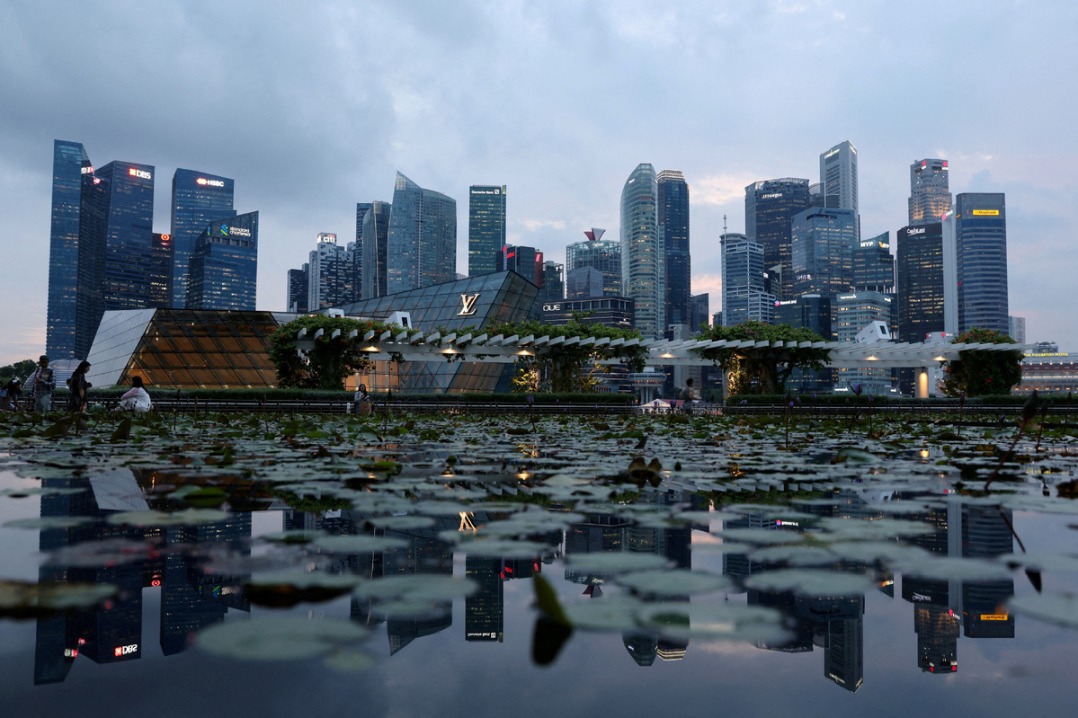
    Singapore and China have embarked on a transformative financial partnership, implementing a series of groundbreaking capital market initiatives designed to strengthen bilateral economic ties. The collaboration, featuring over two dozen agreements signed during December’s 21st Joint Council for Bilateral Cooperation in Chongqing, establishes new pathways for Chinese companies to access international capital through Singapore’s dynamic financial ecosystem.

    Central to this enhanced cooperation is a newly established secondary listing framework that dramatically streamlines bond issuance processes for Shanghai and Shenzhen-listed companies seeking to raise funds in Singapore. This innovative system reduces administrative procedures and documentation requirements, compressing the typical timeline for bond issuance to approximately six to eight weeks—a significant improvement over conventional processes.

    Chia Caihan, Head of Capital Markets for Greater China at Singapore Exchange (SGX), emphasized the strategic importance of these developments: “Streamlining listing processes while maintaining full compliance with Chinese corporate and accounting standards provides Chinese firms with greater certainty and ease when considering Singapore for fundraising activities. This positions them to attract both regional and international investors through our platform.”

    The comprehensive agreement package includes the appointment of DBS Bank as Singapore’s second offshore renminbi clearing bank, alongside over-the-counter bond market arrangements that grant institutional investors direct access to fixed-income products on China’s Interbank Bond Market (CIBM). These measures collectively enhance currency convertibility and reduce transaction costs for Chinese enterprises operating throughout Southeast Asia.

    According to DBS representatives, the new clearing arrangements eliminate the need for intermediate US dollar conversions when exchanging regional currencies like Indonesian rupiah for Chinese yuan, resulting in substantial savings on exchange rate costs for multinational corporations.

    Academic experts highlight the strategic timing of these developments. Dr. Xu Le, Lecturer at the National University of Singapore Business School, describes the initiatives as “a major step forward in capital market connectivity between Singapore and China, representing a milestone in bilateral securities market cooperation.” Meanwhile, Associate Professor Fu Fangjian of Singapore Management University notes that attracting Chinese listings will expand Singapore’s market liquidity while providing international investors convenient access to Asia’s growth narrative.

    The strengthened financial partnership emerges as Chinese companies face increasing regulatory challenges in Western markets, positioning Singapore as a stable offshore hub that offers geopolitical risk mitigation through multi-jurisdictional listings. SGX’s established strengths in ESG frameworks and corporate transparency further enhance the appeal for Chinese firms seeking to align with globally recognized standards while maintaining regulatory compliance.

  • Drone and fireworks show staged in Macao to celebrate Spring Festival

    Drone and fireworks show staged in Macao to celebrate Spring Festival

    China Daily Information Co (CDIC) has established comprehensive copyright protection protocols for all content published across its digital platforms. The company’s stringent policies explicitly prohibit the republication or utilization of any materials—including textual content, photographs, and multimedia information—without obtaining prior written authorization from CDIC.

    The copyright notice, which dates back to 1994, underscores the organization’s long-standing commitment to intellectual property protection. The publication recommends optimal viewing experience through browsers with 1024*768 resolution or higher, ensuring consumers access content in its intended format.

    CDIC maintains multiple regulatory certifications, including Online Multimedia Publishing License 0108263 and Registration Number 130349, demonstrating compliance with China’s digital publishing regulations. The media organization additionally provides information regarding corporate operations, advertising opportunities, contact channels, and employment prospects for both domestic and international professionals through its dedicated portal sections.

  • Year of the Horse, full speed ahead

    Year of the Horse, full speed ahead

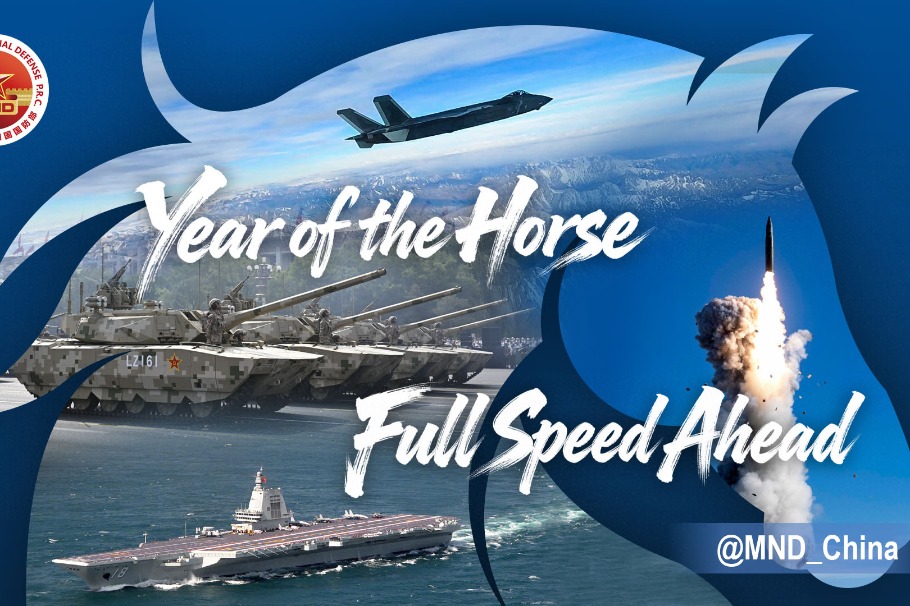
    As China welcomed the Year of the Horse in February 2026, the nation erupted in vibrant celebrations marking the Lunar New Year. The festivities showcased a rich tapestry of cultural traditions and modern innovations across the country.

    In Macao, a spectacular drone and fireworks display illuminated the night sky, creating a mesmerizing technological spectacle that drew thousands of spectators. Meanwhile, in Shanxi province, tourists flocked to the historic Zhaoyu Ancient City to experience traditional Spring Festival celebrations amidst well-preserved architectural heritage.

    The unique horse culture of Inner Mongolia took center stage at a winter photography festival, where the region’s equestrian traditions were displayed against breathtaking snowy landscapes. This celebration held particular significance during the Year of the Horse in the Chinese zodiac, symbolizing strength, speed, and perseverance.

    Cultural institutions reported record engagement, with China’s science and technology museums attracting over 3.5 million visits during the holiday period. The surge in domestic tourism also set new records, particularly in cross-border travel between mainland China and special administrative regions, leading to unprecedented traffic on major transportation corridors.

    The celebrations extended beyond China’s borders, with Chinese tourists spreading festive vibes internationally while maintaining deep connections to their cultural roots. The panda, China’s national treasure, continued to capture public imagination as these beloved animals became integrated into daily life narratives during the holiday season.

    Despite the celebrations, authorities remained vigilant about public safety, issuing warnings about forest fire risks in Guangdong province following several incidents. The mixed pattern of traditional observance and modern adaptation characterized China’s approach to one of its most important cultural festivals, demonstrating both the preservation of heritage and embrace of innovation.

  • China’s sci-tech museums draw over 3.5m visits during Spring Festival holiday

    China’s sci-tech museums draw over 3.5m visits during Spring Festival holiday

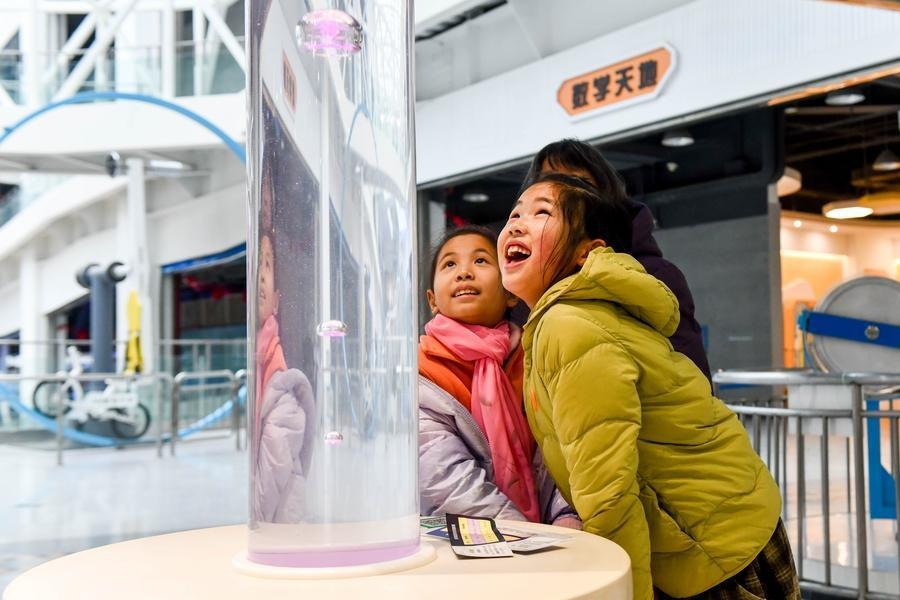
    China’s network of science and technology museums experienced unprecedented popularity during the recent Spring Festival holiday, recording a remarkable 3.5 million visits across the nine-day celebration period. The China Science and Technology Museum (CSTM) in Beijing reported these figures on Monday, highlighting how these institutions successfully merged educational content with cultural festivities to create engaging experiences for visitors of all ages.

    The flagship Beijing facility alone attracted over 200,000 visitors with its special Year of the Horse themed exhibitions. Nationwide, regional science museums developed customized programming that blended traditional Chinese zodiac symbolism, intangible cultural heritage elements, and interactive technology demonstrations. These carefully crafted experiences allowed families to explore scientific concepts while simultaneously participating in Lunar New Year traditions.

    According to CSTM officials, the institution will continue to pioneer innovative approaches to science communication throughout 2026. This strategic direction aims to enhance public engagement with scientific concepts and support China’s broader objectives of achieving greater self-reliance in science and technology through improved science literacy among the population. The successful holiday programming demonstrates how cultural institutions can effectively combine entertainment with education to stimulate public interest in scientific fields.

  • S. Korea’s ex-president Yoon files appeal against life sentence for insurrection

    S. Korea’s ex-president Yoon files appeal against life sentence for insurrection

    In a significant legal development, former South Korean President Yoon Suk-yeol has formally appealed the life imprisonment verdict handed down for his role in orchestrating an insurrection during his presidency. The appeal was filed Tuesday with the Seoul Central District Court through Yoon’s legal representatives, according to reports from Yonhap News Agency.

    The case stems from Yoon’s controversial declaration of emergency martial law on December 3, 2024—an action the courts subsequently deemed unconstitutional as it occurred absent any legitimate national emergency, armed conflict, or comparable crisis situation. The extraordinary measures included deploying martial law troops and police forces to block the National Assembly’s efforts to revoke the declaration, alongside attempted detentions of prominent political leaders including parliamentary leadership and major party officials.

    Yoon’s declaration proved remarkably short-lived, with the National Assembly overriding and revoking the martial law order within hours of its implementation. The constitutional crisis culminated in April 2025 when the Constitutional Court upheld impeachment proceedings, resulting in Yoon’s removal from office. His January 2025 indictment while still in office marked an unprecedented moment in South Korean political history, representing the first instance of a sitting president facing arrest and criminal charges.

    South Korean law mandates that individuals convicted of leading an insurrection face only two possible sentences: life imprisonment or capital punishment. The upcoming appellate process will now determine whether the original court’s life sentence will stand or be modified in what has become one of the most consequential political-legal cases in the nation’s modern history.

  • Surge in mainland-SARs tourism drives traffic records on sea bridge

    Surge in mainland-SARs tourism drives traffic records on sea bridge

    The Hong Kong-Zhuhai-Macao Bridge, the world’s longest sea-crossing bridge, has experienced unprecedented traffic volumes during the recent Spring Festival period, recording three consecutive days of record-breaking vehicle movements. On February 24-26, 2026, the infrastructure marvel witnessed daily traffic figures reaching 27,000, 27,100, and ultimately peaking at 29,500 trips respectively.

    This remarkable surge stems from a significant increase in bidirectional tourism between mainland China and the special administrative regions of Hong Kong and Macao. Official data from Guangdong’s transportation authorities reveals that during the first seven days of the nine-day holiday period, the bridge accommodated over 161,000 vehicle crossings, representing a substantial 20% increase compared to the previous year.

    The increased traffic patterns reflect the successful implementation of cross-boundary vehicle programs initiated in 2023 and late 2025. These policies permit single-license vehicles from Hong Kong and Macao to access Guangdong province, while conversely enabling mainland vehicles to enter Hong Kong’s urban areas. During the festival, northbound vehicles from Hong Kong constituted more than half of total bridge traffic, with Saturday alone seeing over 15,300 such trips.

    For many families, this marked the first extended holiday period since the implementation of the latest travel facilitation measures. Guangzhou resident Mr. Wang, who secured his travel quota two weeks in advance, noted the enhanced flexibility for family travel that personal vehicle transportation provides.

    The bridge has simultaneously served as a major tourist attraction in its own right, with immigration authorities reporting approximately 10,000 participants in dedicated bridge tours during the holiday period. Meanwhile, the infrastructure has facilitated over 372,000 trips by residents from Hong Kong and Macao visiting family and enjoying short excursions in Guangdong.

    Transportation expert Gary Zhang Xinyu, former chairman of the Hong Kong Legislative Council’s rail transport subcommittee, described the traffic increase as “remarkably significant, even somewhat unexpected.” He emphasized that the phenomenon demonstrates both the substantial potential for cross-boundary travel and the powerful impact of policy measures on stimulating tourism demand and transforming travel patterns within the Greater Bay Area.