标签: Asia

亚洲

  • China’s economy grows 5% in 2025, buoyed by strong exports despite Trump’s tariffs

    China’s economy grows 5% in 2025, buoyed by strong exports despite Trump’s tariffs

    China’s economy achieved a 5% annual growth rate in 2025, meeting the government’s official target despite facing significant headwinds from a slowing property market and persistent consumer spending weaknesses. The expansion was primarily driven by robust export performance, which generated a record $1.2 trillion trade surplus and helped offset domestic economic vulnerabilities.

    The year-end figures revealed a concerning trend, however, with fourth-quarter growth decelerating to 4.5% – the slowest quarterly pace since China began easing its stringent COVID-19 restrictions in late 2022. This represents a noticeable drop from the previous quarter’s 4.8% growth rate, indicating mounting economic pressures.

    Export resilience emerged as the economy’s primary growth engine, though economists question its sustainability. Lynn Song, ING’s chief economist for Greater China, noted: “The key question is how long this engine of growth can remain the primary driver.” While Chinese exports to the U.S. declined following President Trump’s return to office and imposition of new tariffs, increased shipments to other global markets compensated for these losses.

    The government’s efforts to stimulate domestic demand through various initiatives, including trade-in programs for vehicles and home appliances, have yielded limited success. These programs have been losing momentum in recent months, failing to significantly boost consumer confidence or spending.

    Chi Lo, senior market strategist at BNP Paribas Asset Management, emphasized that “stabilization, not necessarily recovery, of the domestic property market is key to revive public confidence and household consumption.” Many small businesses and ordinary citizens continue facing economic hardships, with restaurant owner Liu Fengyun from Guizhou province reporting that customers increasingly cite financial constraints: “Money is hard to earn now” and “making breakfast at home is cheaper.”

    Looking ahead, economists project further moderation in growth, with Deutsche Bank forecasting approximately 4.5% expansion for 2026. This slowdown aligns with China’s broader economic transition as it prioritizes technological self-reliance through investments in artificial intelligence and advanced technologies while navigating complex global trade dynamics and domestic structural challenges.

  • Vietnam’s Communist Party congress meets to pick new leaders​

    Vietnam’s Communist Party congress meets to pick new leaders​

    Vietnam’s political landscape enters a pivotal phase as the ruling Communist Party commences its quintennial congress, a decisive gathering that will determine the nation’s leadership structure and establish critical economic objectives for the coming years. This high-stakes assembly brings together approximately 1,600 delegates tasked with approving comprehensive policy frameworks and electing key governing bodies.

    At the forefront of leadership considerations stands General Secretary Tô Lâm, widely regarded as the predominant candidate for continuation in the party’s most influential position. The 68-year-old leader, who assumed office in August 2024 following the passing of his predecessor Nguyễn Phú Trọng, has championed an ambitious reform agenda during his tenure. Lam’s background as a former police official within the secretive public security ministry has shaped his governance approach, characterized by both economic modernization initiatives and consolidation of institutional power.

    The political proceedings follow a meticulously orchestrated sequence: delegates will first elect a new Central Committee of approximately 200 members, who in turn will select the 17-19 member Politburo—the party’s supreme decision-making authority. This body ultimately determines the general secretary position through a closed-door process devoid of electoral competition, typically resulting in near-unanimous approvals. The Vietnamese public maintains no direct involvement in selecting national leadership.

    Economically, Vietnam confronts both remarkable opportunities and significant challenges. While boasting Southeast Asia’s most rapidly expanding economy with consistent growth exceeding 6% annually, the administration has established an ambitious 10% growth target for 2026. This objective emerges amidst complex global trade dynamics, particularly concerning U.S. tariff policies that initially threatened 46% levies before settling at 20% on Vietnamese exports. Remarkably, official statistics indicate a 28% increase in exports to the United States despite these trade barriers.

    The nation’s single-party socialist system has fostered policy continuity that attracts substantial foreign investment, especially as multinational corporations diversify supply chains away from China. However, maintaining this economic momentum requires navigating persistent challenges including institutional corruption—which precipitated the resignation of two previous presidents—and the looming uncertainty of international trade relations.

    Lam’s vision for national development extends beyond immediate economic targets, envisioning transformation into an upper-income, knowledge-driven technological economy by 2045. His administration has prioritized administrative reforms, private sector expansion, and national development initiatives while simultaneously centralizing authority and enhancing the police ministry’s influence.

    Leadership transitions may extend beyond the congress’s January 25 conclusion, with legislative elections scheduled for March 15 and the new National Assembly convening in April to formally appoint senior government officials. Reports suggest potential constitutional modifications regarding leadership structure, including possible consolidation of the general secretary and presidential roles—a arrangement Lam experienced temporarily between May and August 2024.

    The congress outcomes will fundamentally shape Vietnam’s political and economic direction, testing the Communist Party’s capacity to deliver prosperity and maintain legitimacy through fulfilling its ambitious developmental promises.

  • India gets Trump’s invite to join Board of Peace on Gaza, source says

    India gets Trump’s invite to join Board of Peace on Gaza, source says

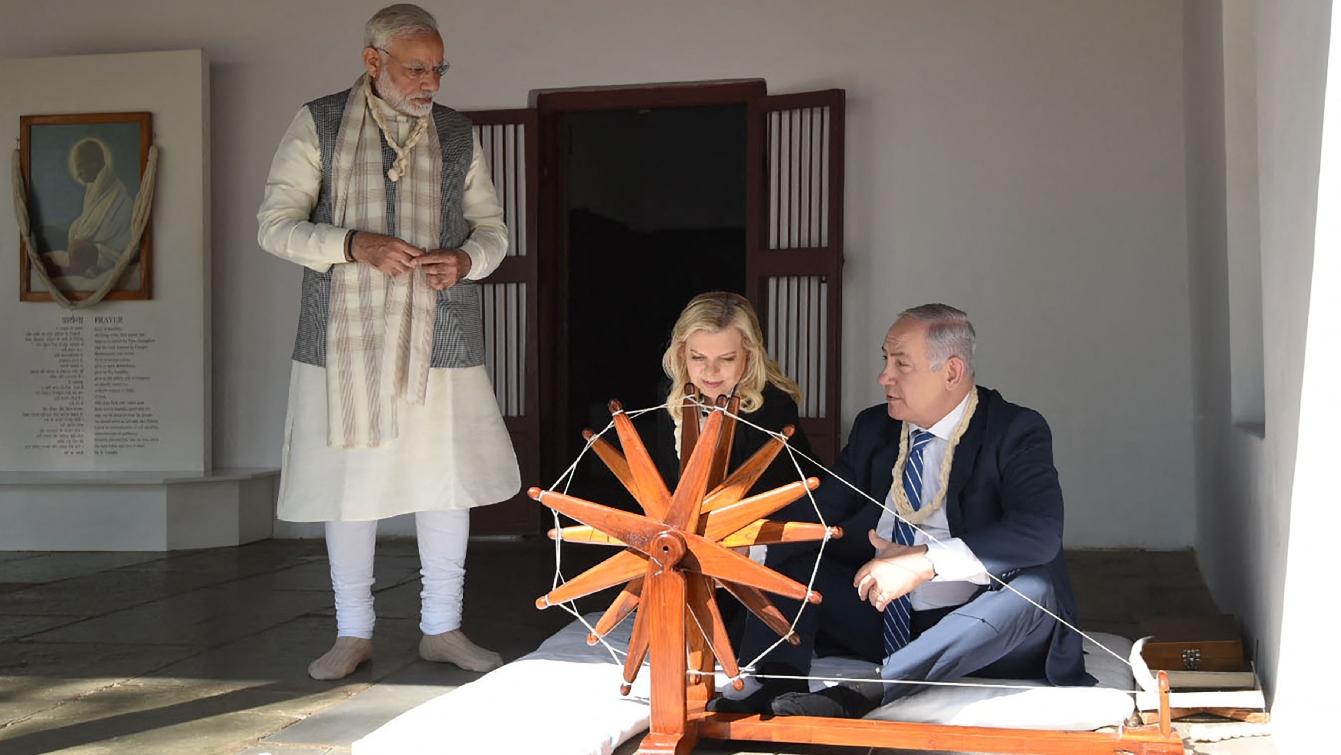
    The Trump administration has formally invited India to participate in its newly proposed “Board of Peace” initiative targeting global conflict resolution, with initial focus on the Gaza situation, according to a senior Indian government official speaking on Sunday, January 18, 2026.

    The invitation arrives during a period of diplomatic strain between New Delhi and Washington, primarily driven by the collapse of bilateral trade negotiations. The failed trade deal would have reduced substantial tariffs currently imposed on Indian exports to the United States, which stand among the world’s highest at approximately 50 percent.

    President Trump has reportedly extended similar invitations to nearly 60 nations worldwide, including Pakistan—India’s regional neighbor and strategic rival. The Pakistani government has already indicated its willingness to engage with international peace and security efforts concerning the Palestinian territory.

    India’s Ministry of External Affairs has not yet issued an official response regarding its potential participation in the initiative. The silence leaves observers questioning whether New Delhi will commit to the multinational diplomatic effort.

    The proposed Board of Peace represents the Trump administration’s latest attempt to address protracted global conflicts through a coalition of willing nations. Its formation and operational framework remain undefined, though the Gaza conflict appears to be its initial testing ground.

  • Syrian government, Kurdish forces agree to immediate ceasefire

    Syrian government, Kurdish forces agree to immediate ceasefire

    In a significant development for Syria’s protracted conflict, the Syrian government and the Kurdish-led Syrian Democratic Forces (SDF) have reached a comprehensive ceasefire agreement effective immediately. The breakthrough accord, announced Sunday through an official document published by the Syrian Presidency, follows intense negotiations amid recent military escalations in northeastern territories.

    The agreement mandates the simultaneous withdrawal of all SDF-affiliated military units to positions east of the Euphrates River. This strategic repositioning occurs alongside the complete transfer of military and administrative control over the Kurdish-held provinces of Deir al-Zor and Raqqa to Damascus authorities. The arrangement encompasses all critical infrastructure, including border crossings and hydrocarbon facilities containing Syria’s vital oil and gas fields.

    A key provision requires the SDF to facilitate the evacuation of all non-Syrian leadership and forces associated with the Kurdistan Workers’ Party (PKK) beyond national borders. The framework further outlines the integration of SDF combat units into Syria’s formal defense and interior ministries following comprehensive security vetting procedures.

    The documented accord bears the signatures of both Syrian President Ahmed al-Sharaa and SDF commander Mazloum Abdi, signaling high-level endorsement from both factions. President al-Sharaa characterized the agreement as resolving “all lingering files with the SDF” during statements to state media, while confirming scheduled direct negotiations with Commander Abdi for Monday.

    This diplomatic achievement represents a substantial recalibration of Syria’s complex geopolitical landscape, potentially altering power dynamics in the region’s decade-long conflict. The accord facilitates government reassertion over strategically and economically significant territories while providing structured integration for Kurdish forces into national institutions.

  • Factory explosion in China kills two, injures 84

    Factory explosion in China kills two, injures 84

    A catastrophic explosion has struck a major industrial facility in northern China, resulting in multiple casualties and significant structural damage. The incident occurred at approximately 3:00 PM local time on Sunday at the Baogang United Steel plant located in Inner Mongolia Autonomous Region.

    According to official state media reports, the powerful detonation claimed two lives and left 84 individuals injured, with five people currently unaccounted for following the disaster. Medical authorities confirmed that five of those hospitalized sustained serious injuries requiring intensive treatment.

    The force of the explosion was substantial enough to generate noticeable seismic tremors throughout the surrounding area. Circulating footage from the scene depicted massive plumes of dark smoke billowing into the atmosphere, while the ground surrounding the facility was covered with extensive debris including collapsed structural elements, ceiling fragments, and damaged piping systems.

    Baogang United Steel, the affected facility, operates as a significant state-owned enterprise within China’s critical iron and steel production sector. Emergency response teams and investigative authorities have been deployed to the site to conduct rescue operations and determine the precise cause of the industrial accident.

    This tragic event recalls China’s challenging history with industrial safety incidents, which have ranged from manufacturing facility explosions and mining collapses to geological disasters. The incident bears resemblance to previous industrial tragedies including the 2015 Tianjin port explosions that resulted in 173 fatalities and widespread urban destruction, and last year’s chemical plant explosion in Shandong province that caused five deaths and numerous injuries.

  • Syrian interim leader signs agreement with SDF to integrate institutions, restore state authority

    Syrian interim leader signs agreement with SDF to integrate institutions, restore state authority

    In a landmark development for Syria’s protracted conflict, interim leader Ahmad al-Sharaa announced on Sunday a comprehensive ceasefire and integration agreement with the Kurdish-led Syrian Democratic Forces (SDF). The accord, brokered after weeks of intensified clashes, marks the most significant step toward reunifying government control over the strategically vital northeast region since previous arrangements collapsed in 2025.

    The immediate ceasefire covers all active fronts, with SDF forces commencing withdrawal from positions east of the Euphrates River to facilitate redeployment. The agreement stipulates full transfer of administrative and military authority in Deir al-Zour and Raqqa provinces to Damascus, including civil institutions and public facilities. Notably, the government has committed to retaining current employees in their positions and granting amnesty to SDF members and local administrators.

    Further provisions include the integration of Hasakah province’s civil institutions into state governance, with al-Sharaa issuing a decree to appoint a new governor. All SDF military and security personnel will undergo individual security vetting before incorporation into government ministries, with guaranteed ranks, salaries, and benefits according to established regulations.

    The breakthrough follows recent escalation in Aleppo’s eastern countryside, Raqqa, and Deir al-Zour that resulted in competing military advances and civilian displacement. Damascus authorities characterized the agreement as essential for restoring stability, preserving national unity, and bringing all armed formations under state authority. Implementation begins immediately, signaling a potential turning point in Syria’s complex geopolitical landscape.

  • Iran’s president warns strikes on Khamenei would lead to ‘all-out war’

    Iran’s president warns strikes on Khamenei would lead to ‘all-out war’

    Iranian President Masoud Pezeshkian has issued a grave warning that any military strike targeting Supreme Leader Ayatollah Ali Khamenei would be interpreted as a declaration of comprehensive warfare against the Iranian nation. This stern pronouncement emerged amidst escalating diplomatic hostilities between Tehran and Washington.

    The presidential statement, disseminated via social media platform X on Sunday, constitutes a direct response to provocative remarks from US President Donald Trump. In an interview with Politico published Saturday, Trump explicitly called for regime change in Iran, asserting that ‘the time has arrived to seek new leadership in Iran.’

    President Pezeshkian’s communiqué further attributed Iran’s economic challenges to what he characterized as ‘persistent antagonism’ and ‘cruel sanctions’ enforced by the United States and allied nations. He maintained these measures have principally instigated the hardships confronting ordinary Iranian citizens.

    The diplomatic confrontation intensified earlier when Supreme Leader Khamenei personally denounced Trump as a ‘criminal,’ alleging his responsibility for casualties and destruction during recent domestic turmoil in Iran. Bilateral relations have remained profoundly strained since Trump’s return to executive power, marked by the perpetuation of maximum pressure tactics and recurrent verbal clashes between the two administrations.

    This exchange represents the most severe rhetorical escalation since the renewal of tensions, highlighting the fragile state of US-Iran relations and raising concerns about potential miscalculation that could precipitate open conflict.

  • China factory explosion kills two, injures 66: Media report

    China factory explosion kills two, injures 66: Media report

    A catastrophic explosion rocked a steel manufacturing facility in northern China on Sunday afternoon, resulting in multiple casualties and widespread damage. The incident occurred at approximately 3:00 PM local time at the Baogang United Steel plate plant located in Baotou City within Inner Mongolia Autonomous Region.

    According to official reports from state media, the industrial accident has confirmed two fatalities with five individuals currently unaccounted for. Medical facilities have received 66 injured personnel, including three patients classified as being in critical condition. Emergency response teams including fire rescue units and local emergency management authorities have been conducting continuous operations at the disaster site since the explosion occurred.

    Eyewitness accounts and social media footage depict extensive structural damage with collapsed ceilings and substantial debris throughout the facility. Visual evidence shows massive smoke plumes rising above the plant and what appears to be large cylindrical metal components scattered among the wreckage. The force of the detonation was sufficiently powerful to affect residential areas kilometers from the explosion epicenter, with numerous residents reporting structural vibrations and shattered windows in their homes.

    While the precise cause remains under formal investigation by authorities, this incident highlights ongoing concerns regarding industrial safety protocols in Chinese manufacturing facilities. The Baotou steel plant explosion represents the latest in a series of industrial accidents that have plagued China’s manufacturing sector despite repeated safety initiatives.

    Historical context indicates similar tragedies have occurred throughout China’s industrial regions, including a fireworks factory explosion in Hunan province that claimed nine lives in June of this year, and the devastating 2015 Tianjin chemical warehouse explosions that resulted in over 170 fatalities.

  • UAE weather tomorrow: Chance of rain over coastal areas; temperatures to increase

    UAE weather tomorrow: Chance of rain over coastal areas; temperatures to increase

    Meteorological authorities have forecasted potential light rainfall across select coastal and northern regions of the United Arab Emirates for Monday, January 19, 2026. The National Centre of Meteorology (NCM) indicates a shift in weather patterns characterized by partly cloudy to overcast skies in these areas.

    Wind patterns are expected to remain light to moderate, originating from southeasterly to northeasterly directions. Wind speeds will typically range between 10-25 km/h, with occasional gusts reaching up to 35 km/h. Concurrently, temperatures across the Emirates will witness a gradual increase, marking a shift from recent conditions.

    Temperature projections reveal Abu Dhabi reaching a daytime high of 25°C with an overnight low of 15°C. The emirates of Dubai and Sharjah will experience similar warming trends, with maximum temperatures of 24°C and minimums of 16°C and 13°C respectively.

    Maritime conditions in both the Arabian Gulf and Oman Sea are anticipated to remain calm with slight wave activity, presenting favorable conditions for maritime operations and coastal activities. The NCM continues to monitor atmospheric developments and will provide updates as necessary.

  • Look: ‘End-of-Rajab crescent’ photographed in Abu Dhabi

    Look: ‘End-of-Rajab crescent’ photographed in Abu Dhabi

    The Khatm Astronomical Observatory in Abu Dhabi successfully documented the crescent moon marking the conclusion of the Islamic month of Rajab (1447 AH) on Sunday morning, January 18. This significant astronomical observation provides crucial data for determining the commencement of Shaban, the preparatory month preceding Ramadan.

    Captured precisely at 11:00 AM local time, the image represents the 29th day of Rajab across numerous Islamic nations. At the moment of documentation, the moon positioned itself 7.3 degrees from the sun with an age of approximately 13 hours and 5 minutes. The observation team comprised Osama Ghannam, Anas Muhammad, Khalafan Al-Naimi, and Muhammad Awda from the International Astronomy Center.

    According to Engineer Muhammad Shawkat Odeh, Director of the International Astronomy Center, most countries will likely begin Shaban on Tuesday, January 20, though some regions may commence the month on Wednesday, January 21. Astronomical calculations indicate the crescent will not be visible in many Islamic countries on the expected sighting day as the moon will set before sunset, prompting these nations to complete Rajab with 30 days.

    The visibility conditions vary significantly across global regions. While countries including Pakistan, Iran, Bangladesh, Oman, Jordan, Syria, Libya, Morocco, Mauritania, and Albania may potentially spot the crescent using telescopes on Monday, January 19, naked-eye observation remains challenging. Optimal telescope viewing conditions are anticipated across central, western, and southern Africa, alongside parts of the Americas, with naked-eye visibility restricted to central American regions.

    Sheikh Nasser Al Hammadi from Sharjah Islamic Affairs recently emphasized during a live lecture that Rajab constitutes one of the four sacred months within the Islamic Hijri calendar, during which transgressions carry heightened spiritual consequences while righteous deeds yield greater rewards. The conclusion of Rajab triggers global Muslim anticipation for Shaban’s arrival, which serves as both a spiritual preparatory period for Ramadan and an opportunity for increased voluntary worship, contemplation, and charitable acts.