标签: Asia

亚洲

  • Death toll in Karachi shopping plaza fire rises to 10 as search continues for dozens missing

    Death toll in Karachi shopping plaza fire rises to 10 as search continues for dozens missing

    KARACHI, Pakistan — A devastating multi-story fire at Gul Plaza shopping complex has resulted in at least 10 confirmed fatalities, with rescue teams recovering four additional bodies during overnight operations. The blaze, which ignited late Saturday, consumed the building for nearly 24 hours before firefighters finally contained the inferno late Sunday.

    According to Mayor Murtaza Wahab, the death toll continues to rise as emergency crews comb through the severely damaged structure. Local media sources indicate the fatalities may have reached 14 individuals. The rapid spread of flames through shops containing highly flammable materials—including cosmetics, garments, and plastic goods—created extremely hazardous conditions, according to Dr. Abid Jalal Sheikh, Karachi’s chief rescue officer.

    The scale of the tragedy became increasingly apparent as Sindh Chief Minister Murad Ali Shah revealed that approximately 60 individuals have been reported missing by concerned families. This prompted authorities to initiate an intensive search operation amid emotional scenes outside the charred building, where distraught relatives gathered awaiting news of their loved ones.

    Karachi, the provincial capital of Sindh, has experienced numerous deadly fires throughout its history, with safety experts frequently citing inadequate safety protocols and unauthorized construction practices as contributing factors. This latest incident echoes previous tragedies, including a November 2023 shopping mall fire that claimed 10 lives and injured 22, and the horrific 2012 garment factory blaze that resulted in 260 fatalities—one of Pakistan’s deadliest industrial disasters.

    Authorities have launched a formal investigation to determine the origin and cause of the fire, though preliminary findings have not been released. The incident has renewed concerns about urban safety standards and emergency response capabilities in Pakistan’s largest metropolitan area.

  • Vietnam party meeting opens with leadership and economic growth on the line

    Vietnam party meeting opens with leadership and economic growth on the line

    HANOI, Vietnam — Vietnam’s political landscape enters a pivotal phase as the ruling Communist Party commenced its five-year National Congress on Monday. This critical gathering brings together 1,588 delegates in Hanoi to determine the nation’s leadership structure and policy trajectory through 2031.

    The conclave represents the party’s supreme decision-making authority, convening every five years to elect approximately 200 Central Committee members. This body subsequently appoints 17-19 individuals to the influential Politburo through a meticulously orchestrated selection process.

    At the forefront of deliberations is Communist Party General Secretary To Lam, anticipated to secure a full five-year term. Significant attention focuses on whether Lam will consolidate power by assuming both party leadership and state presidency roles—a potential departure from Vietnam’s traditional ‘four pillars’ governance model that maintains balance between party chief, president, prime minister, and National Assembly chair. Such consolidation would mirror political structures in China under Xi Jinping and neighboring Laos.

    Lam’s political ascent stems from his tenure as Minister of Public Security since 2016, where he spearheaded the extensive anti-corruption initiative championed by predecessor Nguyen Phu Trong. His administration has implemented the most substantial bureaucratic and economic reforms since Vietnam’s late-1980s economic liberalization, including significant public-sector workforce reduction, administrative boundary restructuring, and initiation of major infrastructure projects.

    Analysts note internal party dynamics between Lam’s security-aligned faction and more conservative military-associated elements. According to Nguyen Khac Giang of Singapore’s ISEAS–Yusof Ishak Institute, conservatives express concern about potential deviation from socialist principles and advocate for maintaining checks on concentrated power.

    The Congress simultaneously addresses Vietnam’s ambitious development agenda, particularly its goal of achieving high-income economy status by 2045. Delegates are finalizing a resolution targeting unprecedented 10% average annual GDP growth from 2026-2030, building upon 2025’s 8% expansion despite previous shortfalls in growth targets.

    This economic vision emphasizes industrial upgrading, production modernization, and technology-driven growth, exemplified by military-run Viettel’s inaugural semiconductor chipmaking plant launched in January. The project aims for trial production by 2027, representing Hanoi’s strategic push for technological self-reliance.

    Notably, draft documents recognize the private sector as ‘one of the most important driving forces of the economy,’ signaling a potential shift from state-owned enterprise dominance. The resolution equally prioritizes foreign relations with national security, acknowledging Vietnam’s export economy’s global interdependence, while elevating environmental protection to central status alongside economic and social development.

  • Architect behind Singapore’s public housing system dies aged 87

    Architect behind Singapore’s public housing system dies aged 87

    Singapore is mourning the loss of Dr. Liu Thai Ker, the master architect behind the nation’s transformative public housing system, who passed away at age 87 on Sunday due to complications from a fall. The visionary urban planner, widely celebrated as the principal designer of modern Singapore’s landscape, leaves behind a physical and social legacy that houses approximately 80% of the country’s 5.9 million residents.

    Liu’s innovative approach to urban development through Singapore’s Housing and Development Board (HDB) fundamentally reshaped the nation’s identity. His distinctive housing blocks, now iconic features of Singapore’s skyline, replaced overcrowded slums with meticulously planned townships that blended functionality with community living. During his tenure as HDB’s chief architect, Liu spearheaded the creation of 20 new towns and approximately 500,000 housing units, effectively engineering one of the world’s most successful public housing models.

    The Singaporean system distinguished itself globally through its unique ownership model. Unlike traditional public housing, HDB flats are heavily subsidized but purchased by citizens, becoming personal assets with 99-year leases that can be resold on the open market after a minimum occupancy period. This system has become a cornerstone of Singapore’s wealth creation and social stability, though it has faced criticism for its partial market-driven approach that some argue prices out lower-income citizens.

    Born in Malaysia in 1938, Liu moved to Singapore at age six and later pursued architecture studies in Australia before earning a master’s degree in city planning from Yale University. He gained professional experience working alongside renowned architect I.M. Pei in New York before returning to Singapore in 1969, where he dedicated 24 years to public service, eventually leading the Urban Redevelopment Authority.

    National leaders including Prime Minister Lawrence Wong and President Tharman Shanmugaratnam offered heartfelt tributes, recognizing Liu’s profound impact on Singapore’s development. PM Wong noted that the ‘buildings, homes and public spaces that Singaporeans use every day stand as a quiet testament to his dedication and vision,’ while President Tharman credited Liu with helping ‘make Singapore a liveable city in the tropics.’

    Citizens and institutions across Singapore, including Liu’s alma mater Chung Cheng High School, expressed profound gratitude for his contributions, with many noting that he ‘didn’t just build buildings, he built a nation’ through his visionary urban planning that created both physical infrastructure and social cohesion.

  • Syria: SDF left weakened, short of territory and oil after ceasefire, experts say

    Syria: SDF left weakened, short of territory and oil after ceasefire, experts say

    In a significant geopolitical shift, the Syrian government has achieved a decisive military and political victory over the Kurdish-led Syrian Democratic Forces (SDF) through a comprehensive ceasefire agreement signed on Sunday. The accord follows weeks of intense fighting that saw government forces capture strategic territories and critical economic assets previously under SDF control.

    The 14-point agreement, formally released by Syria’s information ministry, represents a substantial reversal of fortunes for the SDF. Government forces made rapid advances in the preceding days, capturing the country’s largest oil field and numerous Arab-majority districts where SDF control had shown signs of fragility. These battlefield successes fundamentally altered the negotiation dynamics, stripping the SDF of both economic leverage and territorial advantages before talks commenced.

    Under the terms of the agreement, the SDF will execute a complete military and administrative handover of Raqqa and Deir Ezzor regions, retaining only limited presence in northeastern Hasakah. The accord mandates that SDF fighters integrate into Syrian state forces as individuals rather than organized units, while all border crossings and energy resources return to Damascus control.

    The agreement specifically addresses international security concerns by transferring full responsibility for ISIS detainees to the Syrian government. Additionally, foreign elements linked to the Kurdistan Workers’ Party (PKK) must depart Syria, with remaining fighters undergoing security vetting before integration into state forces.

    Analysts note the striking resemblance between this agreement and terms offered to the SDF a year ago. Fadil Hanci, Syria analyst, observed that ‘Damascus has the upper hand now and wants to transform the military success into a political gain. The agreement is meant to achieve that.’ The document reflects Damascus’s interpretation of previous frameworks while leaving minimal room for SDF reinterpretation.

    The political implications extend to leadership changes, with SDF leader Mazlum Abdi reportedly assuming the governorship of Hasakah province—a position subordinate to Syria’s foreign minister rather than the senior national role some had anticipated.

    This strategic realignment also reveals deeper vulnerabilities in SDF support structures. Arab tribes in previously SDF-controlled areas, dissatisfied with Kurdish dominance and limited economic development, largely supported the government’s advance. From Turkey’s perspective, the agreement represents a significant security achievement, rolling back what Ankara had long perceived as a threat to its national security.

  • UAE announces January 19 as end of Rajab 1447 AH

    UAE announces January 19 as end of Rajab 1447 AH

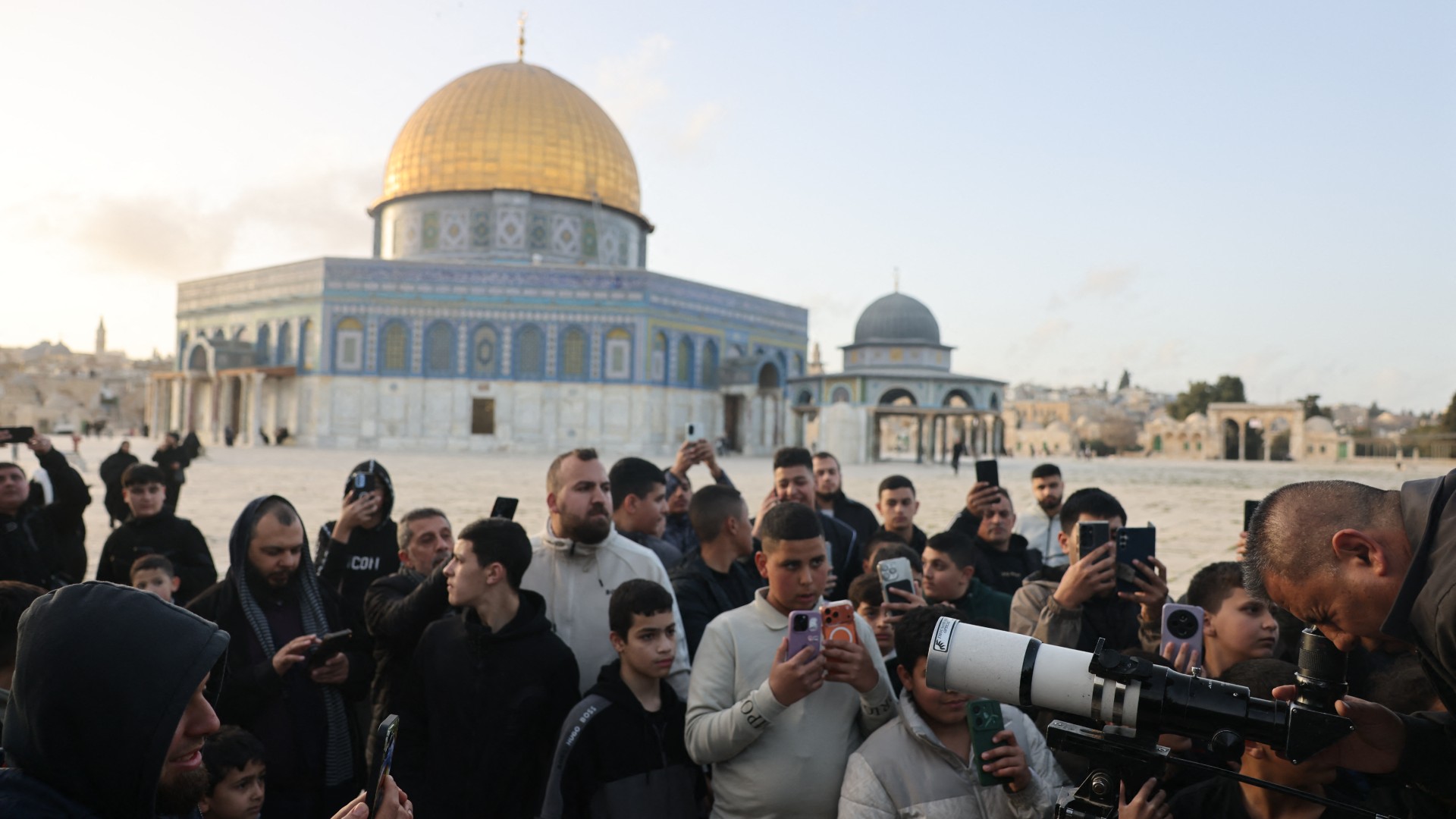
    The UAE Fatwa Council has officially declared Monday, January 19, 2026, as the conclusive day of the Islamic month of Rajab 1447 AH. This determination was reached following meticulous examination of astronomical data regarding the crescent moon, conducted in coordination with the nation’s specialized astronomical authorities.

    Consequently, Tuesday, January 20, 2026, will be recognized as the inaugural day of Shaban 1447 AH within the Islamic Hijri calendar. Shaban holds particular significance as it immediately precedes Ramadan, the holy month of fasting. This period traditionally serves as a spiritual preparatory phase for Muslims worldwide, who observe dawn-to-dusk fasting during Ramadan.

    The commencement date for Ramadan 2026 remains subject to final confirmation via traditional moon-sighting practices. Islamic months span either 29 or 30 days, contingent upon lunar observations. Official moon-sighting committees will convene on the 29th of Shaban to ascertain the exact beginning of Ramadan. Should the crescent moon be sighted that evening, Ramadan will initiate the following day.

    Current astronomical projections suggest Thursday, February 19, 2026, as the probable start date, though this remains conditional upon actual visual confirmation. The conclusion of Ramadan will subsequently usher in Eid Al Fitr, a significant Islamic festival marking the end of fasting, which will provide UAE residents with their first extended weekend break of the year.

  • India’s thriving online delivery platforms face a year of reckoning

    India’s thriving online delivery platforms face a year of reckoning

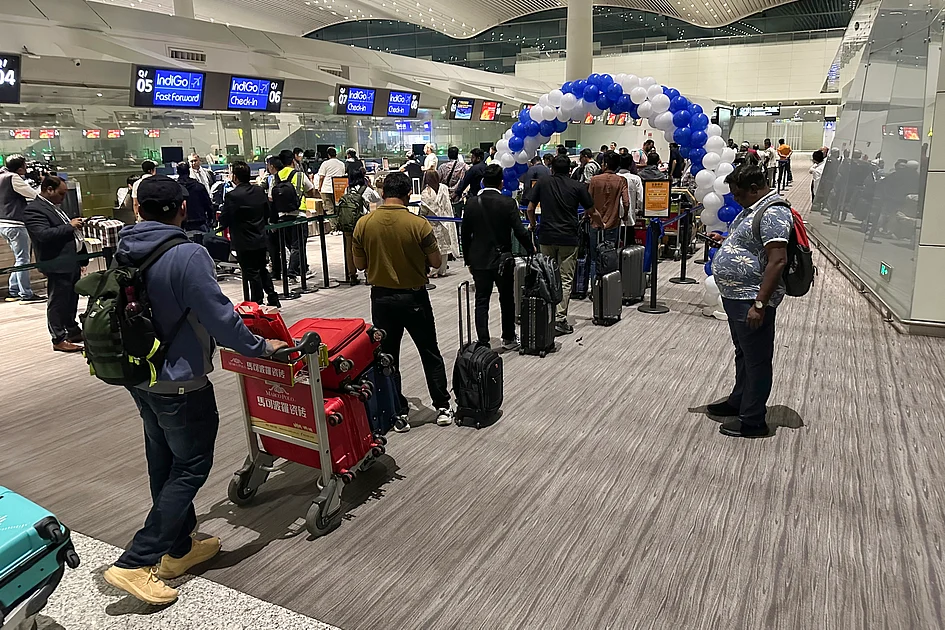
    India’s rapidly expanding gig economy faces unprecedented regulatory challenges as the government implements a ban on ultra-fast 10-minute delivery services. This decisive action follows massive New Year’s Eve strikes involving approximately 200,000 delivery workers who demanded improved working conditions, transparent wage structures, and an end to algorithmic control systems that govern their employment.

    The controversial 10-minute delivery model, pioneered by startups like Zomato, Swiggy, Blinkit, and Instamart, had become synonymous with urban convenience in major Indian cities. These platforms transformed consumer expectations during the pandemic, creating an entire ecosystem of instant gratification for groceries, food, and various services.

    Worker grievances extend beyond delivery time pressures to fundamental issues of fair compensation and job security. Striking employees specifically challenged what they describe as arbitrary algorithmic management of performance ratings and contract terminations, seeking greater transparency in how their earnings are calculated.

    The government’s intervention coincides with impending labor reforms that will extend social security protections to gig workers for the first time. New regulations requiring platforms to provide insurance coverage and benefits for workers completing 90 days of service annually represent a seismic shift in India’s labor landscape.

    Platform executives have mounted vigorous defenses of their business models. Deepinder Goyal, CEO of Eternal (parent company of Zomato and Blinkit), asserted that the 10-minute delivery framework operates safely through strategic dark store placement rather than rider speeding. He presented data showing 75 million orders delivered to 63 million customers on New Year’s Eve despite strike actions, which he attributed to “miscreants.”

    Goyal emphasized the voluntary nature of gig work, noting that delivery personnel typically work limited hours and days monthly. He contended that full-time workers can earn approximately 21,000 rupees monthly (£173, $232), surpassing compensation in India’s informal blue-collar sector.

    However, critics argue these figures obscure hidden costs borne by workers, including onboarding expenses, vehicle maintenance, fuel, and uniform purchases. Research from Primus Partners indicates that 61% of gig workers consider themselves full-time employees, with only 25% receiving insurance or pension benefits.

    The financial implications for platforms are substantial. Companies already operating on thin margins (2.5-4.5% for food delivery, negative returns on groceries) face increased operational costs from compliance with new welfare requirements. Stock prices have reflected these concerns, with Swiggy declining approximately 15% recently.

    This confrontation mirrors global trends where jurisdictions from London to Singapore have strengthened gig worker protections. The outcome will shape not only working conditions for India’s 12 million gig workers (projected to reach 24 million by 2030) but potentially increase consumer costs for delivery services as platforms adjust to regulatory changes.

  • Momentum in the UAE’s real estate likely to continue this year

    Momentum in the UAE’s real estate likely to continue this year

    The United Arab Emirates’ property sector concludes 2025 with remarkable resilience, positioning itself as one of the world’s most stable real estate markets despite ongoing global economic volatility and geopolitical challenges. According to Francis Alfred, Managing Director of Sobha Realty, this sustained momentum stems from fundamental strengths including robust population expansion, continuous inflow of international expertise, regulatory consistency, and strategic national development frameworks.

    Market maturity emerged as the defining characteristic of the past year, with buyers demonstrating increased discernment regarding construction quality, delivery assurance, and developer credibility. Contrary to anticipations of hesitant purchasing behavior, investors displayed decisive action when presented with well-defined propositions. This shift toward value-driven decision making has fundamentally altered investment patterns across the sector.

    Emerging destinations including Umm Al Quwain have gained unexpected traction, attracting both end-users and first-time buyers seeking long-term value and lifestyle-oriented environments. European investors, particularly from the UK and France, constituted approximately 42% of Sobha’s sales value in UAQ, followed by Indian buyers at 13%, with the 35-60 age demographic representing 72% of investments.

    The pandemic has permanently redefined housing preferences, elevating wellness-focused design, access to green spaces, natural illumination, and health-conscious environments from desirable amenities to essential criteria. The concept of location has similarly evolved, with buyers prioritizing integrated, mixed-use communities that combine residential, commercial, retail, and recreational facilities within walkable parameters.

    This transformation explains why certain developments achieve immediate success while others stagnate, even at comparable price points. Projects offering coherent master planning, execution excellence, and modern layouts consistently outperform competitors. Large-scale integrated communities are simultaneously redefining both residential living and investment parameters, shifting focus from short-term yields to planning depth and delivery certainty.

    International investors occasionally misinterpret the UAE market by applying domestic assumptions, mistakenly viewing it as purely speculative while overlooking its substantial end-user demand and regulatory stability. Price comparisons without considering location quality, planning sophistication, and construction standards often lead to inaccurate valuations.

    Sobha Realty’s strategic outlook remains guided by real-time indicators reflecting actual buyer behavior rather than sentiment alone. These metrics have demonstrated remarkable resilience despite external uncertainties, supporting continued expansion and new launch decisions. Looking forward, mega-developments are expected to shape urban evolution through integrated infrastructure, adaptive mobility solutions, and future-ready amenities that enhance quality of life while supporting balanced urban growth.

  • Chinese steel factory officials detained after explosion that leaves 2 dead, 8 missing

    Chinese steel factory officials detained after explosion that leaves 2 dead, 8 missing

    Authorities in China’s Inner Mongolia Autonomous Region have launched a comprehensive investigation following a catastrophic industrial explosion at a state-owned steel facility that resulted in multiple casualties. The incident occurred at approximately 3:00 PM local time on Sunday at the Baogang United Steel plant in Baotou City, where a high-pressure storage vessel containing steam and superheated water ruptured with tremendous force.

    The detonation produced seismic-like tremors throughout the surrounding industrial zone and emitted an enormous plume of white vapor into the atmosphere. Emergency response teams immediately initiated rescue operations at the scene of the devastation.

    Official statements from the Baotou Municipal Information Office confirmed the tragic human toll: two workers sustained fatal injuries while eighty-four others required urgent medical treatment for various trauma and burn injuries. Search and rescue specialists continue to comb through the wreckage for eight missing individuals whose whereabouts remain unknown.

    In response to the industrial catastrophe, law enforcement agencies have taken the unprecedented step of detaining the facility’s management personnel pending a full safety review. The dramatic regulatory action underscores the seriousness with which Chinese authorities are treating the incident at this major state-operated industrial complex.

    The Baogang United Steel facility represents a significant component of China’s state-owned industrial infrastructure, making this incident particularly noteworthy within the nation’s industrial safety landscape. The investigation will likely examine maintenance protocols, safety compliance measures, and operational procedures at the plant.

  • Why India’s approach makes sense in the Gulf today

    Why India’s approach makes sense in the Gulf today

    In the volatile landscape of West Asian geopolitics, India has cultivated a distinctive diplomatic approach characterized by strategic patience and principled engagement. Rather than resorting to public posturing or reactive measures, New Delhi’s foreign policy operates on the foundational belief that sustainable peace represents a collective responsibility rather than a concession between powers.

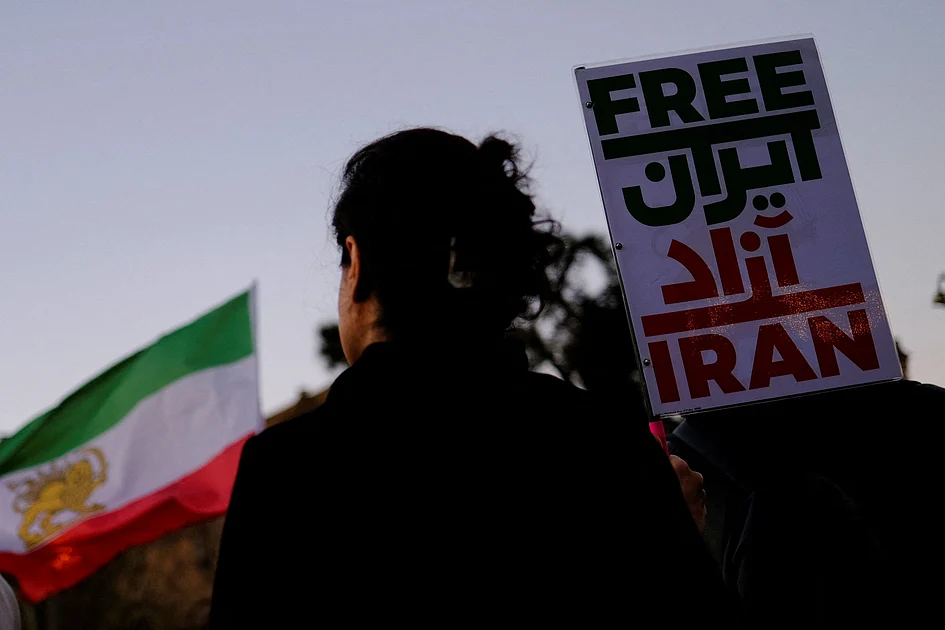
    This philosophy finds expression in India’s consistent advocacy for dialogue and de-escalation during regional tensions. Recent developments involving Iran have demonstrated the practical application of this methodology, with India prioritizing measured communication over condemnation and maintaining open channels across political divides. Prime Minister Narendra Modi’s explicit statement that “this is not the time for war” encapsulates this consistent warning against escalation in an interconnected world where conflicts rapidly transcend local boundaries.

    India’s credibility in advocating restraint stems from its demonstrated refusal to advance interests through proxy relationships or zero-sum diplomacy. The nation has maintained multifaceted ties with key regional players including the United Arab Emirates and Saudi Arabia, with partnerships spanning energy security, trade networks, defense cooperation, and technological exchange. These relationships are strengthened by substantial people-to-connections, with millions of Indian expatriates contributing to Gulf economies while Gulf investments fuel India’s own growth trajectory.

    The conceptual framework of Vasudeva Kutumbakam—the ancient Indian principle envisioning the world as one family—informs this diplomatic paradigm. Far from abstract idealism, this worldview promotes practical bridge-building where others establish hardened camps. India’s conflict resolution approach emphasizes inclusion over humiliation, believing sustainable peace emerges when local stakeholders claim ownership of solutions rather than having outcomes externally imposed.

    While some critics misinterpret this consistent posture as ambiguity, it actually reflects strategic clarity refined through historical experience. India’s role may not generate sensational headlines, but its steady emphasis on dialogue, sovereignty respect, and shared prosperity provides stabilizing reassurance during periods of uncertainty. In an increasingly transactional global environment, India’s commitment to diplomacy rooted in mutual respect and long-term vision offers a compelling alternative model for international engagement.

  • CATL showcases advanced energy storage solutions at WFES 2026

    CATL showcases advanced energy storage solutions at WFES 2026

    At the prestigious 2026 World Future Energy Summit (WFES), Contemporary Amperex Technology Co. Limited (CATL) unveiled its cutting-edge energy storage solutions, positioning energy storage technology as the critical backbone for the Middle East’s accelerating clean energy transformation. The exhibition comes as regional governments and industries substantially increase investments in renewable energy infrastructure, electric mobility, and comprehensive electrification initiatives.

    Kui Weng, CATL ESS Middle East CEO, addressed summit attendees, emphasizing that while renewable generation capacity continues its rapid expansion across the region, the readiness of supporting infrastructure remains a significant challenge. “The deployment of renewable energy is accelerating across the Middle East, but the capability to efficiently store and manage this energy is becoming equally crucial as generation itself,” Weng stated. “Energy storage systems ensure reliability, stability, and flexibility as power networks evolve.”

    Among the technological highlights presented was CATL’s Tener Stack energy storage solution, engineered specifically for large-scale applications and demanding operational environments. This advanced system addresses critical challenges including renewable intermittency, peak demand management, and grid stability enhancement.

    The company detailed how energy storage facilitates optimal integration of solar and other renewable sources, particularly during high-demand periods. “Storage technology enables the capture of surplus renewable energy for subsequent release during peak requirements, effectively reducing grid pressure and enhancing overall system efficiency,” Weng explained.

    CATL further demonstrated the integral role of energy storage in supporting the expanding electric vehicle charging ecosystem. As commercial fleets electrify and public charging networks multiply, charging stations increasingly strain power systems. The integration of energy storage with charging infrastructure ensures stable power delivery and enhanced charging performance.

    “High-power charging facilities, particularly those serving commercial vehicles, demand reliable and predictable energy supply,” Weng noted. “Energy storage solutions effectively smooth demand curves and support consistent charging operations without overwhelming local grid infrastructure.”

    Beyond transportation applications, CATL emphasized the technology’s significance for industrial and commercial sectors, including ports, logistics centers, and manufacturing facilities. These environments increasingly depend on electrified equipment and automated systems requiring uninterrupted power supply.

    The summit served as a platform for CATL to engage with regional stakeholders regarding the long-term development of sustainable energy infrastructure. Weng highlighted that the Middle East’s distinctive climate conditions and massive scale necessitate solutions prioritizing safety, durability, and long-term operational performance.

    “Regional operating conditions demand rigorous attention to safety protocols and lifecycle performance,” he asserted. “Energy storage is evolving into permanent infrastructure, and must be engineered accordingly.”

    CATL concluded that continued collaboration with regional partners will be essential as energy storage deployment expands, ultimately supporting renewable integration, widespread electrification, and the region’s comprehensive sustainability objectives.