标签: Asia

亚洲

  • Elderly patients gain accessible cognitive care at memory clinics

    Elderly patients gain accessible cognitive care at memory clinics

    Across Beijing’s neighborhoods, a quiet healthcare revolution is unfolding as community-based memory clinics transform dementia care for elderly residents. Each Wednesday at Hepingli Community Health Service Center, an 88-year-old Alzheimer’s patient engages in cognitive rehabilitation through specialized puzzles and games—a stark contrast to her previous hour-long journeys to distant hospitals for treatment.

    This shift to localized care addresses a critical national challenge: with China’s population aged 60 and above exceeding 310 million—representing over one-fifth of the total population—more than 53 million seniors currently experience cognitive impairment. Neurologist Han Ying from Xuanwu Hospital emphasizes that while Alzheimer’s remains incurable, early intervention through structured cognitive training and medication can delay symptom progression by up to five years, potentially preserving patients’ cognitive function throughout their lifetimes.

    Despite this medical urgency, societal stigma and misconceptions about aging have created significant barriers. Only approximately 20% of dementia patients in China receive formal diagnoses, exacerbating the healthcare challenge. Community memory clinics are bridging this gap by offering accessible screening, expert consultations, and daily rehabilitation services within walking distance of patients’ homes.

    The Hepingli center exemplifies this model, providing free senior health assessments, specialist referrals, and innovative therapies ranging from computer-based cognitive games to group art sessions. These clinics serve dual purposes as both medical facilities and social hubs, combating the isolation that often accompanies cognitive decline. An 86-year-old participant surnamed Feng describes the experience as rejuvenating: ‘I love chatting with everyone—it makes me feel young again.’

    Beijing currently operates over 20 such clinics with plans to expand to 100 by 2030, while Shanghai, Guangdong, and private hospitals like Sunbow Obstetrics and Gynecology Hospital are implementing similar initiatives. However, significant disparities persist, as rural areas face equipment shortages, limited medical expertise, and inadequate institutional support.

    The Chinese government’s 2024 action plan on elderly dementia targets having over 50% of suspected cognitive impairment cases seek medical care by 2030. As Li Jianguo, deputy director at Hepingli Center, notes: ‘Greater attention from society as a whole is essential. We hope through continuous efforts, we can awaken awareness among both the elderly and society at large, thereby helping more seniors hold onto their memories.’

  • Scientists develop eco-friendly pigments

    Scientists develop eco-friendly pigments

    A scientific breakthrough from Northeast China promises to eliminate toxic heavy metals from consumer products through innovative rare earth-based pigments. Researchers at Dalian Minzu University have developed a new generation of eco-friendly coloring agents that offer superior safety, durability, and cost-effectiveness compared to conventional alternatives.

    The research team, led by Professor Dong Bin, has successfully harnessed China’s abundant rare earth resources—often termed ‘industrial vitamins’—to create pigments that avoid the health hazards associated with traditional inorganic colorants. For decades, manufacturers have relied on pigments containing lead, mercury, and cadmium, which pose significant health risks including nervous system damage, kidney impairment, and blood production disorders, particularly when these metals leach out under extreme conditions or accidental ingestion.

    The scientific challenge involved overcoming the inherent instability of rare-earth ions, which naturally produce weak, shifting colors. The research team discovered that these ions absorb and reflect light similarly to high-performance pigments but required stabilization within a suitable host material. After extensive experimentation with over 1,000 targeted tests, they identified silicoaluminate as the ideal crystalline structure to house the rare-earth ions.

    Researcher Luo Xixian explained the complexity of predicting where rare-earth ions would settle within the silicoaluminate structure. Through careful adjustment of the chemical environment, the team enabled the ions to move efficiently between energy levels, producing deep, saturated hues that remain consistent under different lighting conditions.

    The resulting pigments demonstrate remarkable heat resistance and aging stability, maintaining their color integrity during prolonged sunlight exposure and high-temperature industrial processing. Economically, the innovation offers substantial advantages, with production costs estimated at approximately 60% lower than comparable high-end eco-friendly alternatives, achieved through the use of abundant minerals and currently underutilized rare earth elements.

    The team has already developed high-saturation pigments across four major color systems: green, yellow, orange, and red. The research represents a significant step toward applying advanced materials technology to everyday consumer goods, including toys, food packaging, and household items.

    Commercialization efforts are underway with a preliminary agreement to establish a 500-metric-ton pilot production line in Liaoning province’s Jinpu New Area. Researchers continue to expand the color range with the ultimate goal of making non-toxic materials the default choice for consumer products worldwide.

  • Sanya rises as magnet for Russian tourists

    Sanya rises as magnet for Russian tourists

    As Siberian winters descend, thousands of Russian citizens are escaping the bitter cold by flocking to the tropical shores of Sanya in China’s Hainan province. This southern Chinese island has transformed into a warm-weather sanctuary for Russians, who now join domestic Chinese tourists from northeastern regions in seeking refuge on its sun-drenched beaches.

    The remarkable surge in Russian visitors directly results from the mutual visa-free policy implemented between China and Russia on September 15, 2025. This agreement permits Russian passport holders to enter China without visas for stays up to 30 days, with the policy currently set to expire in September 2026.

    Travel data reveals dramatic increases in Russian interest following the policy implementation. Aviasales, Russia’s leading flight booking platform, reports China has become one of the most-searched destinations among Russian travelers. Another prominent travel platform, Travelata, indicates Hainan accounted for 88% of its recent China-bound bookings.

    While air connections between Russian cities and Hainan date back to 1997 with the first chartered flight from Krasnoyarsk, transportation links have expanded significantly. Sanya Phoenix International Airport now operates 17 weekly flights connecting to various Russian cities including Vladivostok, Novosibirsk, and St. Petersburg.

    The cultural imprint of Russian tourism is visibly evident throughout Sanya. In the popular Dadonghai scenic area, street signs appear in trilingual format—Chinese, Russian, and English. This crescent-shaped bay attracts visitors with its golden sands, crystalline waters, palm trees, and vibrant atmosphere.

    Statistical evidence demonstrates the dramatic growth: Sanya hotels hosted approximately 170,000 Russian visitors in 2024, but this figure skyrocketed to over 400,000 in 2025, surpassing pre-pandemic levels.

    For Zakirova Amina, a Russian national who previously lived in China’s Anhui province for nine years, Sanya has become a regular winter destination. Her December trip with parents marked her sixth visit, facilitated by the visa-free policy and convenient direct flights.

    Amina attributes Sanya’s popularity among Russians to its inclusive atmosphere and linguistic accessibility. “Many service staff members in Sanya can speak some Russian, and they are exceptionally friendly,” she noted. “We often joke that Sanya resembles a second home for Russians.”

    Beyond beach relaxation, Russian visitors are exploring diverse aspects of Chinese culture. Many have developed significant interest in traditional Chinese medicine, with services like acupuncture and massage experiencing high demand. At local TCM facilities, appointments frequently book up over a week in advance.

    Yuan Ailin, vice-director of a Sanya traditional Chinese medicine hospital, confirms the trend: “We regularly receive patients from Russian-speaking countries who show particular interest in acupuncture and massage therapy.” In 2025, the hospital and its affiliated sanatoriums recorded 10,693 international visits, with 80% originating from Russian-speaking countries—prompting the hiring of Russian translators in several physiotherapy departments.

    Russian entrepreneur Dmitry Garifulin, who operates a grocery store in Dadonghai selling imported Russian staples, observes: “The increased flight connectivity has directly translated into more Russian tourists here.” Many visitors report that combining sun therapy with TCM treatments in Sanya surpasses their experiences at Black Sea resorts.

  • China’s population falls for fourth straight year

    China’s population falls for fourth straight year

    China’s demographic landscape continues its concerning downward spiral, with official data revealing a fourth consecutive year of population decline in 2025. The National Bureau of Statistics reported the population dropped by 3.39 million to settle at approximately 1.4 billion by year’s end, representing an accelerated decline compared to previous years.

    The critical birth rate metric plummeted to a historic low of 5.63 per 1,000 people—the lowest recording since the establishment of the People’s Republic in 1949. Simultaneously, the mortality rate climbed to 8.04 per 1,000 people, reaching heights not seen since 1968. This widening gap between births and deaths underscores the severity of China’s demographic challenge.

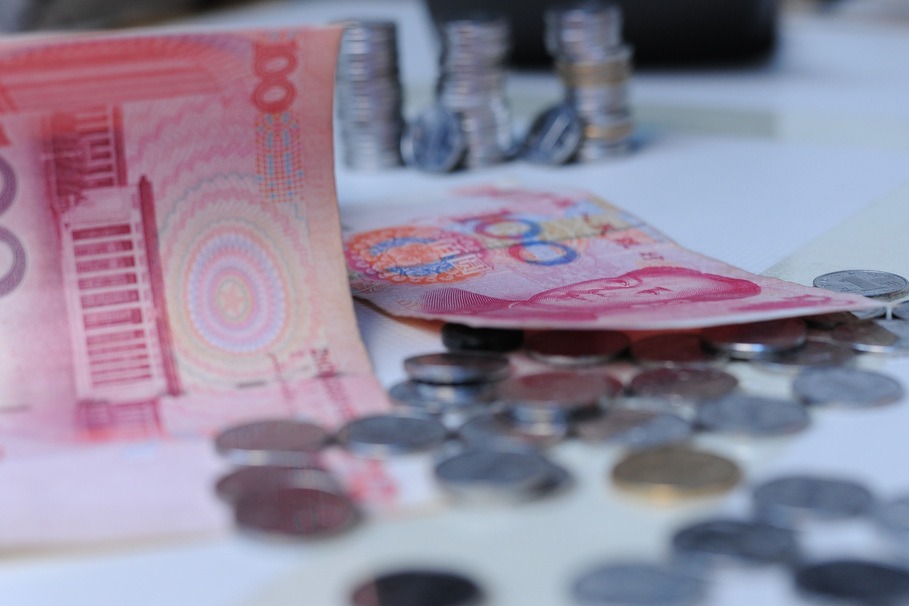
    Confronted with both an aging citizenry and economic stagnation, Chinese authorities have implemented numerous policy measures to reverse this trend. The government’s approach has evolved significantly from the 2016 abolition of the notorious one-child policy to the current three-child policy introduced in 2021. More recent interventions include direct financial incentives, offering parents 3,600 yuan annually for each child under three years old, alongside provincial initiatives featuring cash bonuses and extended parental leave provisions.

    However, certain policies have generated public controversy, particularly a new 13% taxation on contraceptive products including condoms and birth control medications. Health advocates have raised concerns that this measure might inadvertently increase unintended pregnancies and potentially affect HIV transmission rates.

    China’s fertility rate remains among the world’s lowest at approximately one child per woman—significantly below the 2.1 replacement level needed for population stability. This pattern mirrors demographic trends seen in other East Asian economies including South Korea, Singapore, and Taiwan.

    Compounding the problem, China ranks as one of the most financially demanding countries for child-rearing according to the YuWa Population Research Institute’s 2024 analysis. Beyond economic considerations, cultural shifts are influencing reproductive decisions, with many young Chinese citing lifestyle preferences and personal freedom as factors in their choice to remain childless.

    United Nations demographic projections indicate China’s population could diminish by more than half before 2100. This demographic contraction poses substantial economic threats, including workforce reduction, weakened consumer markets, and mounting pressure on pension systems. The Chinese Academy of Social Sciences has warned about the sustainability of retirement funds as the elderly population grows increasingly dependent on state support.

  • Japan PM Takaichi set to call snap election

    Japan PM Takaichi set to call snap election

    Japanese Prime Minister Sanae Takaichi is poised to announce a snap parliamentary election less than three months after assuming office, according to government officials speaking anonymously to local media outlets. The anticipated announcement, scheduled for Monday afternoon, would set in motion the process for electing all 465 members of Japan’s powerful House of Representatives.

    Takaichi, Japan’s first female prime minister and a protégée of the late Shinzo Abe, has maintained remarkably high approval ratings between 60-80% since her October inauguration. Her conservative Liberal Democratic Party (LDP) currently holds 199 seats in the lower house, with its coalition partner Japan Innovation Party providing just enough additional seats to maintain a slim majority.

    The prime minister, often compared to Margaret Thatcher for her staunch conservative stance, has pursued an assertive foreign policy agenda that has significantly strained relations with China. Her November remarks suggesting Japan could deploy self-defense forces in response to potential Chinese aggression toward Taiwan triggered a diplomatic crisis, sending bilateral ties to their lowest point in over a decade.

    Concurrently, Takaichi has strengthened Japan’s alliance with the United States, culminating in a rare earths agreement and a joint declaration heralding a new ‘golden age’ in US-Japan relations during President Donald Trump’s October visit. Domestically, she has championed substantial government-led spending initiatives reminiscent of Abe’s economic stimulus policies, while securing a record ¥9 trillion defense budget amid growing regional security concerns.

    Despite her personal popularity, Takaichi’s electoral gamble carries significant risks. The LDP has experienced considerable instability, with Takaichi representing Japan’s fourth prime minister in five years. Her immediate predecessor, Shigeru Ishiba, suffered one of the LDP’s worst electoral performances after calling a snap election that cost the party its parliamentary majority.

    Adding to the challenge, Japan’s opposition forces have recently consolidated with the formation of the Centrist Reform Alliance, a merger between the Constitutional Democratic Party of Japan and Komeito, the LDP’s former coalition partner. This new political entity poses a substantial threat to the ruling coalition’s majority in the upcoming election.

  • Blueprint seen as a boon for entire world

    Blueprint seen as a boon for entire world

    China’s forthcoming 15th Five-Year Plan (2026-2030) has become a cornerstone of President Xi Jinping’s diplomatic engagements, positioning the development blueprint as a stabilizing force in an increasingly volatile global economy. During multiple high-level meetings with international leaders, including recent discussions with Irish Taoiseach Micheál Martin and newly appointed ambassadors to China, President Xi has consistently emphasized China’s commitment to deepened reforms and elevated opening-up policies.

    The strategic document, adopted during the fourth plenary session of the 20th Central Committee of the Communist Party of China, transcends domestic planning to address global economic challenges. President Xi has articulated that China’s modernization drive will generate substantial opportunities for international partners through enhanced trade cooperation, synchronized development strategies, and mutual prosperity initiatives.

    China’s recent economic performance underscores its global economic influence: maintaining position as the world’s largest trader in goods and second largest in services, attracting over $700 billion in foreign investment, and achieving consistent annual outbound investment growth exceeding 5%. The Belt and Road Initiative has evolved into a comprehensive international public good, establishing itself as a premier platform for global cooperation.

    Analysts highlight that China’s commitment to institutional opening-up arrives at a critical juncture for global economic governance. Zheng Haizhen of the China Institute of International Studies notes that China’s stable development provides crucial certainty amid rising global uncertainties, offering both economic stability and enhanced development governance.

    The Ministry of Commerce confirms that high-standard opening-up represents a strategic response to complex global changes, leveraging China’s substantial economic advantages including a massive consumer market of 1.4 billion people with over 400 million middle-income consumers. Concrete policy measures include streamlined foreign investment negative lists, expanded visa-free arrangements, and comprehensive zero-tariff treatment for least-developed nations.

    International observers recognize China’s approach as transformative rather than merely transactional. Nik Mohammad Nikmal, editor-in-chief of The Kabul Times, characterizes China’s stance as “an anchor of stability” against protectionist trends, while Professor Kong Qingjiang notes China’s evolution toward comprehensive institutional alignment with international economic norms, creating a new development paradigm that benefits global stakeholders.

  • US futures sink after Trump warns of higher tariffs for 8 countries over Greenland issue

    US futures sink after Trump warns of higher tariffs for 8 countries over Greenland issue

    Financial markets experienced significant turbulence on Monday as U.S. stock futures declined sharply following President Donald Trump’s unexpected threat to impose additional 10% tariffs on imports from eight European nations. The unprecedented move came in response to European opposition to Trump’s aspirations regarding Greenland’s sovereignty.

    The targeted European countries—Denmark, Norway, Sweden, France, Germany, the United Kingdom, the Netherlands, and Finland—issued a strongly worded joint statement condemning the tariff threats as undermining transatlantic relations and potentially triggering a dangerous economic escalation. This represents the most forceful diplomatic rebuke from European allies since Trump’s return to the White House nearly one year ago.

    Market indicators showed substantial losses with S&P 500 futures dropping 0.8% and Dow Jones Industrial Average futures declining 0.7%. According to Stephen Innes of SPI Asset Management, these developments are testing the fundamental strategic alignment and institutional trust that underpin European support, which remains crucial as Europe serves as America’s largest trading partner and primary source of financing.

    Asian markets presented a mixed performance amid the global uncertainty. China reported 5% annual economic growth for 2025, though quarter-quarter expansion showed signs of deceleration. Hong Kong’s Hang Seng index declined 0.9% while Shanghai Composite gained 0.3%. Japan’s Nikkei 225 dropped 0.8% amid political developments suggesting potential parliamentary dissolution for snap elections. South Korea’s Kospi notably outperformed with a 1.4% surge to record territory, driven by robust technology sector performance.

    The broader market context reveals ongoing concerns about corporate earnings sustainability, particularly in technology sectors where artificial intelligence-driven valuations face increased scrutiny. This week’s economic calendar includes critical inflation data through the Personal Consumption Expenditures price index—the Federal Reserve’s preferred inflation metric—ahead of the central bank’s upcoming policy meeting where interest rates are expected to remain unchanged amid persistent inflation concerns.

    Commodity markets showed varied movements with crude oil prices experiencing modest declines while precious metals surged significantly, with gold advancing 1.7% and silver jumping 5.2% as investors sought safe-haven assets amidst growing geopolitical tensions.

  • China’s population falls again as births drop 17% a decade after the 1-child policy ended

    China’s population falls again as births drop 17% a decade after the 1-child policy ended

    A decade after dismantling its infamous one-child policy, China confronts an escalating demographic crisis as innovative pronatalist measures fail to reverse the nation’s persistent population decline. Recent statistics reveal China’s populace shrank for the fourth consecutive year in 2025, with the current tally standing at 1.404 billion—a reduction of 3 million from the preceding year.

    The most alarming data emerges from birth figures, which show merely 7.92 million newborns in 2025. This represents a dramatic 17% decrease (1.62 million fewer births) from previous counts, decisively countering the slight resurgence observed in 2024. This continuation of the downward trajectory marks the seventh year of declining births since 2023, when India surpassed China as the world’s most populous nation.

    Demographic experts estimate China’s fertility rate has plummeted to approximately 1.0—far beneath the 2.1 replacement level required for population stability. This critical shortage of new births compounds the nation’s existing demographic pressures, creating an inverted population pyramid with profound implications for future economic stability and social welfare systems.

    Despite implementing creative policy interventions—including direct cash subsidies of 3,600 yuan ($500) per child, tax exemptions for childcare services and matchmaking agencies, and the controversial imposition of a 13% value-added tax on contraceptives—authorities have achieved limited success in altering reproductive behaviors. Surveys indicate most families attribute their reluctance to expand to the exorbitant costs and intense pressures of child-rearing within China’s hyper-competitive society, exacerbated by ongoing economic uncertainties that strain household budgets.

    The government’s approach has evolved through multiple phases: transitioning from the one-child policy to a two-child limit in 2015, then expanding to three children in 2021. However, these incremental relaxations have proven insufficient to counteract deeply entrenched social and economic deterrents to larger families, leaving China grappling with a demographic challenge that threatens to reshape its global standing and domestic future.

  • Libya signs $2.7bn deal to expand Misurata Free Zone, in diversification push

    Libya signs $2.7bn deal to expand Misurata Free Zone, in diversification push

    In a significant economic development, Libya’s Government of National Unity has finalized a landmark strategic partnership with international firms to dramatically expand the Misurata Free Zone. Prime Minister Abdulhamid Dbeibah announced the agreements on Sunday, revealing the project is projected to attract approximately $2.7 billion in foreign investment—a crucial step toward diversifying the nation’s oil-dependent economy.

    The partnership brings together Terminal Investment Limited and Doha-based Maha Capital Partners, combining operational expertise with long-term capital investment. According to government projections, the expanded zone is expected to generate annual operating revenues of around $500 million while transforming the port into a competitive logistics hub connecting Africa, Europe, and the Middle East.

    Prime Minister Dbeibah emphasized the strategic importance of the project in a statement on social media platform X, noting that it “enhances Libya’s position among the region’s largest ports in terms of size and capacity” while relying on “direct foreign investment within a comprehensive international partnership.”

    The expansion represents a conscious effort to reduce Libya’s overwhelming dependence on hydrocarbons, which currently account for more than 95% of economic output. Officials envision the project as a catalyst for broadening the country’s economic base through modernized infrastructure and transformed state assets.

    Substantial employment benefits are anticipated, with the project expected to create approximately 8,400 direct jobs and roughly 60,000 indirect positions. The terminal’s capacity will be increased to handle four million containers annually, up from its current 190-hectare footprint.

    The signing ceremony at the Misurata Free Zone was attended by high-profile figures including Sheikh Mohammed bin Abdulrahman al-Thani and Antonio Tajani. Muhsin Sigutri, the free zone’s chairman, stated that the partnership reflects “Misurata’s determination to build modern, internationally competitive infrastructure that can unlock new industries, support local employment, and strengthen Libya’s position within regional and global supply chains.”

    This development occurs against the backdrop of prolonged instability following the 2011 NATO-backed uprising, which led to rival administrations emerging in eastern and western Libya in 2014, significantly complicating economic recovery efforts.

  • Death toll in Karachi shopping plaza fire rises to 10 as search continues for dozens missing

    Death toll in Karachi shopping plaza fire rises to 10 as search continues for dozens missing

    KARACHI, Pakistan — A devastating multi-story fire at Gul Plaza shopping complex has resulted in at least 10 confirmed fatalities, with rescue teams recovering four additional bodies during overnight operations. The blaze, which ignited late Saturday, consumed the building for nearly 24 hours before firefighters finally contained the inferno late Sunday.

    According to Mayor Murtaza Wahab, the death toll continues to rise as emergency crews comb through the severely damaged structure. Local media sources indicate the fatalities may have reached 14 individuals. The rapid spread of flames through shops containing highly flammable materials—including cosmetics, garments, and plastic goods—created extremely hazardous conditions, according to Dr. Abid Jalal Sheikh, Karachi’s chief rescue officer.

    The scale of the tragedy became increasingly apparent as Sindh Chief Minister Murad Ali Shah revealed that approximately 60 individuals have been reported missing by concerned families. This prompted authorities to initiate an intensive search operation amid emotional scenes outside the charred building, where distraught relatives gathered awaiting news of their loved ones.

    Karachi, the provincial capital of Sindh, has experienced numerous deadly fires throughout its history, with safety experts frequently citing inadequate safety protocols and unauthorized construction practices as contributing factors. This latest incident echoes previous tragedies, including a November 2023 shopping mall fire that claimed 10 lives and injured 22, and the horrific 2012 garment factory blaze that resulted in 260 fatalities—one of Pakistan’s deadliest industrial disasters.

    Authorities have launched a formal investigation to determine the origin and cause of the fire, though preliminary findings have not been released. The incident has renewed concerns about urban safety standards and emergency response capabilities in Pakistan’s largest metropolitan area.